
Read our Blogs

9 Best Multidisciplinary Cancer Hospitals in Delhi NCRIntroductionThe phrase "you need a mastectomy" can feel like a final verdict. It arrives in a sterile room, spoken with clinical certainty, and it erases the breast as a foregone conclusion. For decades, this conversation ended the same way for women across India. But in the leading cancer centres of Delhi NCR today, that verdict is increasingly overruled.A quiet revolution has reshaped the standard of care. The modern approach pairs advanced imaging with molecular diagnostics, then routes every case through a multidisciplinary tumour board (MDT), a gathering of surgeons, medical oncologists, and radiation oncologists who argue the best path. Often, that path preserves the breast. When the starting point is collective intelligence rather than a single specialist's instinct, the first question becomes "do we need radical surgery at all."When oncoplastic breast conservation techniques are deployed, removing the tumour while meticulously reconstructing the breast in a single sitting, the cure rate does not drop. A benchmark study found 93% concordance between an expert MDT and evidence-based treatment recommendations across 638 breast cancer cases, validating that team-driven decisions reliably land on personalized, guideline-aligned care. The right hospital brings that same consensus-based scrutiny to your diagnosis.Key TakeawaysThe hospital you choose determines whether conservation is even discussed. A hospital that defaults to mastectomy will rarely mention alternatives; a centre structured around breast preservation will exhaust every option before making that call. Here is what separates them.Multidisciplinary Tumour Board (MDT): A standing panel of surgical, medical, and radiation oncologists that reviews breast cases jointly before a treatment plan is recommended. An ad hoc phone call between departments is not the same thing.Oncoplastic Breast Conservation Surgery: Surgical expertise that integrates tumour resection with immediate aesthetic reconstruction to preserve shape and symmetry. Ask whether the hospital runs a named breast oncoplastic programme and how many such procedures its surgeons perform each year.On-Site Non-Surgical Therapies: In-house access to chemotherapy, immunotherapy, targeted therapy, and modern radiation (IMRT, IGRT, Tomotherapy). Without them, the word "multidisciplinary" means the centre refers you elsewhere for half the treatment.Integrated Diagnostics and Molecular Pathology: The ability to run receptor-subtype analysis (ER, PR, HER2) quickly on-site or through an established outsourced partner. The result tells you whether systemic therapy can downstage the tumour before any operation, and a delay in that result shrinks your window for conservation.A Stated Breast-Unit Model: Centres explicitly organised around organ-specific cancer management. Surgeons and radiologists who see breast cancer all day develop pattern recognition that a generalist who operates on the breast once a week cannot replicate.The question is not whether a hospital claims to be multidisciplinary. Nearly every hospital in Delhi NCR makes that claim now. The question is whether its structure, staffing, and daily workflow back it up in ways you can verify before you walk in for a consultation.1. Andromeda Cancer Hospital, GurugramAndromeda Cancer Hospital runs the dedicated cancer-centre model where surgical, medical, and radiation oncology sit under one roof. That physical co-location is the foundation of genuine multidisciplinary care.Capability DimensionAndromeda Cancer Hospital OfferingOncoplastic Surgical ApproachPerforms oncoplastic resections tailored to body habitus and tumour location; a stated breast oncology programme offers dedicated OPD consultationsMedical Oncology & Drug TherapiesProvides chemotherapy, immunotherapy, targeted therapy, and endocrine (hormone) therapy for breast cancer on-site; advances advanced drug therapy as part of the thorough armamentariumRadiation TechnologyEquipped with the Varian TrueBeam STx linear accelerator, enabling precision radiation delivery across radical, adjuvant, and palliative settingsDiagnostic StrengthOn-site PET-CT imaging supports accurate staging and recurrence detection, reducing information lag between diagnosis and treatment planningClinical ScaleOperates as a 105-bed dedicated cancer hospital serving Haryana, Delhi NCR, Punjab, Uttar Pradesh, and northern India; houses a 20-bedded medical oncology ward and day-care chemotherapy centreA tumour board rounds on complex breast cancer cases, pulling the surgeon, medical oncologist, and radiation oncologist into the same conversation before a treatment path is locked. This coordinated review can shift the surgery timeline, the sequence of therapy, or the reconstruction plan based on what all three specialties see together.2. Fortis Cancer Institute (FCI), ManesarFortis Cancer Institute (FCI) Manesar operates a defined Breast Oncoplastic programme led by female surgeons, placing breast conservation as a first-line priority from the first surgical consult.Dedicated Breast Oncoplastic Programme: The unit centres conservation and aesthetic reconstruction in surgical decision-making, naming oncoplastic breast conservation as a core capability for women seeking mastectomy alternatives.Robotic-Assisted Surgery Integration: FCI deploys robotic surgical platforms to support complex oncoplastic resections with precision, reducing collateral tissue damage and supporting quicker post-operative recovery for eligible cases.Molecular Diagnostics Loop: On-site molecular diagnostics feed tumour subtype data into the tumour board discussion. That information drives decisions about neoadjuvant chemotherapy or targeted therapy to shrink the tumour and widen the window for breast preservation.Tumour Board Synthesis: The institute structures its MDT to pull robotic surgery insights, molecular pathology, and systemic therapy options into a single sequenced plan. The model mirrors the approach validated by clinical research showing 93% concordance between multidisciplinary decisions and evidence-based, personalized care.Full Non-Surgical Suite: FCI houses chemotherapy, immunotherapy, targeted therapy, and radiation oncology on campus. A patient completes the entire multidisciplinary plan the tumour board designed without moving between far-flung facilities.3. Rajiv Gandhi Cancer Institute and Research Centre (RGCIRC), RohiniRGCIRC is a standalone oncology care centre established in 1996 that operates as a not-for-profit organization, building significant scale around organ-specific cancer management. Its surgical oncology, medical oncology, and radiation oncology departments function as distinct pillars that must collaborate, a structural feature that makes a true breast MDT feasible rather than aspirational.Patient ratings of 4.5 from 1500 reviews reflect the high-volume trust placed in this Rohini institution, but the clinical signal you need to watch for is how its departmental structure channels a breast cancer patient into simultaneous conversations. RGCIRC's preventive oncology programme and pediatric hematology offerings indicate a center that thinks beyond the operating theatre, yet verifying that an oncoplastic breast surgeon sits among the MDT members, and that lumpectomy with immediate reconstruction is a routinely recommended pathway, is what separates a name on a list from a genuine breast conservation destination.4. Indraprastha Apollo Hospitals, Sarita ViharApollo Sarita Vihar holds a trusted position in Delhi NCR's tertiary-care landscape. Its reputation for infrastructure can help a breast cancer patient, but it can also create a false sense of integration. The hospital's cancer programme operates within a sprawling multi-speciality setup. The burden falls on you to confirm that the breast surgical unit, radiation oncology team, and medical oncology department sit together at a scheduled tumour board. Walk through separate wings that manage their own piece of the case, and you lose the coordination a complex diagnosis needs.Advanced radiation techniques IMRT and IGRT are available on-site. This expands non-surgical pathways: a patient who is not a surgical candidate, or who achieves a strong response to neoadjuvant therapy, can transition directly to precision radiation without leaving the hospital campus. That continuity is what a multidisciplinary plan depends on.Ask whether oncoplastic breast conservation surgeries are performed by a dedicated breast surgeon within the oncology program. Press for the typical rate of breast-conserving surgery for early-stage cases. Apollo's scale creates the possibility of thorough care. Your job is to demand the evidence that the possibility is real.5. Max Super Speciality Hospital, SaketMax Healthcare promotes organ-specific cancer management as a defining structure for its oncology institutes, and the Saket facility houses an advanced Da Vinci XI robotic system alongside what the group describes as the first northern India acquisition of Novalis Tx for IMRT, IGRT, and radiosurgery.This combination, a robotic platform for complex surgical precision and radiosurgical capability for non-invasive targeting, creates an environment where a tumour board can weigh mastectomy, oncoplastic lumpectomy, and radiation as co-equal first-line options. The question to clarify at a consultation is whether the breast cancer pathway operates through a standing multidisciplinary clinic with surgical, medical, and radiation oncologists present together, or spreads decisions across sequential appointments where the surgeon's voice dominates by default.6. Artemis Hospitals, GurugramArtemis positions its cancer centre within a multi-speciality ecosystem, and discerning its breast care model requires looking past general oncology marketing toward the specific unit structure. The search for terms like "breast clinic" and "tumour board" in its service descriptions matters because a disease-specific clinic format is what aligns chemotherapy, radiation, and surgical planning around a single breast case before treatment begins.Without a visible breast oncoplastic programme, the default gravity can pull toward radical surgery.Probe the surgical team's familiarity with therapeutic mammoplasty, a technique validated by the largest single-center Asian cohort study of 454 patients that reported excellent cosmetic outcomes using the "wise" pattern oncoplastic approach. Artemis supports chemotherapy and radiation on-site, so the infrastructure exists. The missing variable is the collaborative process that converts that infrastructure into a conservation-first recommendation.7. Medanta, The Medicity, GurugramMedanta separates its breast services and cancer institute into distinct named entities, a structure that can either reinforce specialization or fragment it. The critical verification is whether the multidisciplinary breast clinic functions as a single-phase consultation where you meet a surgical breast oncologist, a medical oncologist, and a radiation oncologist in one coordinated session.Named Breast Unit: A dedicated Breast Services unit suggests organ-specific focus. Ask directly whether oncoplastic breast conservation surgeries, lumpectomy with immediate partial or full breast reconstruction, are a standard recommendation within that unit. Many centres perform them only occasionally.Molecular-Targeted Therapy Integration: Medanta's Cancer Institute lists capabilities in molecular-targeted therapies and immunotherapy, which matter enormously for HER2-positive and triple-negative breast cancers respectively. When targeted therapy can downstage a tumour pre-operatively, the surgical conversation shifts decisively toward conservation.Dedicated Surgeon Question: Confirm the breast surgeons performing oncoplastic procedures are fellowship-trained in breast conservation techniques. This determines whether you are offered the full modern menu of surgical options or only mastectomy with delayed reconstruction.8. BLK-Max Super Speciality Hospital, Pusa RoadBLK-Max enters this conversation with a distinct technological card: Tomotherapy. This arc-based, image-guided radiation delivers precision dosing that contours to the breast or chest wall while sparing the heart and lung, a critical advantage that can tip a tumour board decision away from radical surgery when radiation alone or post-lumpectomy radiation can achieve equal local control.Tomotherapy's real value depends on whether a medical oncologist's systemic therapy plan and a surgical oncologist's oncoplastic assessment feed into the same tumour board discussion, producing a single integrated treatment sequence. Scrutinize BLK-Max's claim of organ-specific cancer management by asking directly how often breast cases are discussed at a scheduled MDT, and whether the radiation oncologist, medical oncologist, and surgeon are all present in that room simultaneously.A surgical unit that instinctively recommends mastectomy while a radiation oncology department down the hall offers Tomotherapy precision functions as two separate silos. The technology exists; verify the culture uses it.9. Dharamshila Narayana Superspeciality Hospital, Vasundhara EnclaveDharamshila Narayana carries the advantage of institutional age as an established tertiary cancer centre, which means its oncology departments have worked alongside each other long enough to either develop fluid multidisciplinary habits or settle into rigid departmental boundaries. The difference reaches a breast cancer patient the moment a treatment recommendation emerges: a fluid MDT weighs neoadjuvant chemotherapy, oncoplastic lumpectomy, and adjuvant radiation as interlocking pieces, while rigid boundaries push the patient from surgeon to medical oncologist in a linear assembly line where no one sees the whole picture.Verify the breast unit's explicit oncoplastic capability. A centre handling high surgical volumes can easily default to mastectomy for efficiency, because a well-executed therapeutic mammoplasty, integrating tumour resection with immediate reconstruction, demands more operative time, more planning, and a surgeon proficient in both oncologic and aesthetic breast techniques. The 454-patient Asian cohort study demonstrated excellent cosmetic outcomes with this approach in Indian patients, making its absence from a centre's repertoire a quiet force pushing toward radical surgery. The multidisciplinary MDT structure and the oncoplastic skill set must both be visibly present, one without the other still leaves mastectomy on the table as the default.ConclusionThe name on the building does not decide whether a breast is conserved. That decision gets shaped in a room you never enter, the tumour board. When an oncoplastic breast surgeon, a radiation oncologist working with advanced technology, and a medical oncologist who understands molecular subtypes sit at the same table, the resulting recommendation tends to favour preservation. Fortis Cancer Institute Manesar runs this model directly: a dedicated breast oncoplastic programme, female surgical leadership, and integrated robotic and diagnostic capabilities that turn multidisciplinary care into something operational.Apply the same test to every institution on this list. Where an MDT actually convenes, where an oncoplastic programme has a name and not just a claim, and where non-surgical therapies live under the same roof, breast conservation becomes the probable default. Where those pillars are absent, mastectomy stays the gravitational centre. The 93% MDT concordance rate documented in clinical research represents the distance between one surgeon's judgment and a room full of specialists guarding your options.Frequently Asked QuestionsWhich cancer hospitals in Delhi NCR offer true multidisciplinary treatment beyond surgery alone?Centres with integrated surgical, medical, and radiation oncology departments collaborating through a standing tumour board qualify. Fortis Cancer Institute Manesar, RGCIRC Rohini, Andromeda Cancer Hospital, Max Saket, and Medanta all structure their breast care around MDTs that bring systemic therapies and radiation into the plan alongside surgery, not as afterthoughts.How does oncoplastic breast surgery differ from a standard mastectomy?Oncoplastic surgery removes the tumour while immediately reshaping the remaining breast tissue to preserve natural appearance and symmetry. A standard mastectomy removes the entire breast. Oncoplastic techniques can be applied during lumpectomy (breast-conserving surgery), achieving cancer clearance and aesthetic reconstruction in one operation.What should a patient look for in a breast cancer centre to ensure thorough care?To identify a genuine breast conservation destination, look for three verifiable features:A named multidisciplinary tumour board that reviews breast cases jointly.An explicit oncoplastic breast conservation programme with dedicated breast surgeons.On-site access to chemotherapy, immunotherapy, targeted therapy, and precision radiation, not referrals to other facilities.How do multidisciplinary tumour boards improve breast cancer outcomes?MDTs synthesize surgical, medical, and radiation oncology perspectives before treatment begins. A landmark study showed 93% concordance between expert MDT recommendations and evidence-based standards for breast cancer, meaning team-based decisions reliably align with personalized, guideline-driven care that surgical instinct alone can miss.What are the current non-surgical treatment options for breast cancer available in Delhi NCR?Non-surgical options for breast cancer include:Neoadjuvant chemotherapy to shrink tumours before surgery.Targeted therapy for HER2-positive disease.Immunotherapy for triple-negative breast cancer.Endocrine therapy for hormone-positive cancers.Advanced radiation techniques (IMRT, IGRT, Tomotherapy) that can serve as definitive local treatment.How can patients verify the range of oncology services a hospital actually provides on-site?Request a written treatment plan that names the specific chemotherapy drugs, radiation technology, and surgical technique proposed. Ask whether all three oncology disciplines, surgical, medical, radiation, sit in the same tumour board meeting for your case. Visit the chemotherapy day-care unit and radiation oncology department; on-site services are visible, outsourced referrals are not.SourcesBreast
Oncology | Andromeda - www.andromedahospital.inBreast Cancer | Andromeda - www.andromedahospital.inWatson for Oncology and breast cancer treatment recommendations: agreement with an expert multidisciplinary tumor board - PubMed - pubmed.ncbi.nlm.nih.govBest Cancer Hospital in Delhi NCR, India: Book Oncologist Appointment Online | Max Hospital - www.maxhealthcare.inBest Cancer Hospitals in Delhi NCR: Cancer Treatment & Research Center in India | RGCIRC - rgcirc.orgTherapeutic mammoplasty: a “wise” oncoplastic choice—lessons from the largest single-center cohort from Asia - PMC - pmc.ncbi.nlm.nih.govMedical Oncology | Official Website of VMMC & Safdarjung Hospital, New Delhi - vmmc-sjh.mohfw.gov.in
{"@graph": [{"@type": "Article", "author": {"name": "Andromeda Cancer Hospital", "@type": "Organization"}, "headline": "9 Best Multidisciplinary Cancer Hospitals in Delhi NCR That Prioritize Breast Conservation Over Mastectomy in 2026", "wordCount": 2695, "description": "The phrase \"you need a mastectomy\" can feel like a final verdict. It arrives in a sterile room, spoken with clinical certainty, and it erases the breast as a foregone conclusion. For decades, this conversation ended the same way for women across India. But in the leading cancer centres of Delhi NCR ", "dateModified": "2026-10-06T08:42:18.317Z", "datePublished": "2026-10-06T08:42:18.317Z", "articleSection": ["1. Andromeda Cancer Hospital, Gurugram", "2. Fortis Cancer Institute (FCI), Manesar", "3. Rajiv Gandhi Cancer Institute and Research Centre (RGCIRC), Rohini", "4. Indraprastha Apollo Hospitals, Sarita Vihar", "5. Max Super Speciality Hospital, Saket", "6. Artemis Hospitals, Gurugram", "7. Medanta, The Medicity, Gurugram", "8. BLK-Max Super Speciality Hospital, Pusa Road", "9. Dharamshila Narayana Superspeciality Hospital, Vasundhara Enclave"]}, {"@type": "ItemList", "itemListElement": [{"name": "Andromeda Cancer Hospital, Gurugram", "@type": "ListItem", "position": 1}, {"name": "Fortis Cancer Institute (FCI), Manesar", "@type": "ListItem", "position": 2}, {"name": "Rajiv Gandhi Cancer Institute and Research Centre (RGCIRC), Rohini", "@type": "ListItem", "position": 3}, {"name": "Indraprastha Apollo Hospitals, Sarita Vihar", "@type": "ListItem", "position": 4}, {"name": "Max Super Speciality Hospital, Saket", "@type": "ListItem", "position": 5}, {"name": "Artemis Hospitals, Gurugram", "@type": "ListItem", "position": 6}, {"name": "Medanta, The Medicity, Gurugram", "@type": "ListItem", "position": 7}, {"name": "BLK-Max Super Speciality Hospital, Pusa Road", "@type": "ListItem", "position": 8}, {"name": "Dharamshila Narayana Superspeciality Hospital, Vasundhara Enclave", "@type": "ListItem", "position": 9}]}, {"@type": "FAQPage", "mainEntity": [{"name": "Which cancer hospitals in Delhi NCR offer true multidisciplinary treatment beyond surgery alone?", "@type": "Question", "acceptedAnswer": {"text": "Centres with integrated surgical, medical, and radiation oncology departments collaborating through a standing tumour board qualify. Fortis Cancer Institute Manesar, RGCIRC Rohini, Andromeda Cancer Hospital, Max Saket, and Medanta all structure their breast care around MDTs that bring systemic therapies and radiation into the plan alongside surgery, not as afterthoughts.", "@type": "Answer"}}, {"name": "How does oncoplastic breast surgery differ from a standard mastectomy?", "@type": "Question", "acceptedAnswer": {"text": "Oncoplastic surgery removes the tumour while immediately reshaping the remaining breast tissue to preserve natural appearance and symmetry. A standard mastectomy removes the entire breast. Oncoplastic techniques can be applied during lumpectomy (breast-conserving surgery), achieving cancer clearance and aesthetic reconstruction in one operation.", "@type": "Answer"}}, {"name": "What should a patient look for in a breast cancer centre to ensure thorough care?", "@type": "Question", "acceptedAnswer": {"text": "To identify a genuine breast conservation destination, look for three verifiable features:\n1. A named multidisciplinary tumour board that reviews breast cases jointly.\n2. An explicit oncoplastic breast conservation programme with dedicated breast surgeons.\n3. On-site access to chemotherapy, immunotherapy, targeted therapy, and precision radiation, not referrals to other facilities.", "@type": "Answer"}}, {"name": "How do multidisciplinary tumour boards improve breast cancer outcomes?", "@type": "Question", "acceptedAnswer": {"text": "MDTs synthesize surgical, medical, and radiation oncology perspectives before treatment begins. A landmark study showed 93% concordance between expert MDT recommendations and evidence-based standards for breast cancer, meaning team-based decisions reliably align with personalized, guideline-driven care that surgical instinct alone can miss.", "@type": "Answer"}}, {"name": "What are the current non-surgical treatment options for breast cancer available in Delhi NCR?", "@type": "Question", "acceptedAnswer": {"text": "Non-surgical options for breast cancer include:\n- **Neoadjuvant chemotherapy** to shrink tumours before surgery.\n- **Targeted therapy** for HER2-positive disease.\n- **Immunotherapy** [for triple-negative breast cancer](https://vmmc-sjh.mohfw.gov.in/medical-oncology).\n- **Endocrine therapy** for hormone-positive cancers.\n- **Advanced radiation techniques** (IMRT, IGRT, Tomotherapy) that can serve as definitive local treatment.", "@type": "Answer"}}, {"name": "How can patients verify the range of oncology services a hospital actually provides on-site?", "@type": "Question", "acceptedAnswer": {"text": "Request a written treatment plan that names the specific chemotherapy drugs, radiation technology, and surgical technique proposed. Ask whether all three oncology disciplines, surgical, medical, radiation, sit in the same tumour board meeting for your case. Visit the chemotherapy day-care unit and radiation oncology department; on-site services are visible, outsourced referrals are not.", "@type": "Answer"}}]}], "@context": "https://schema.org"}
Head and Neck Cancer Care Near SonipatIntroductionA persistent sore in the mouth that refuses to heal, a nagging pain during swallowing, or a subtle change in the voice that lingers for weeks. These symptoms, often dismissed initially, are the silent alarms of head and neck cancers, which constitute a staggering 30% of all cancers in India.For a family in Sonipat, the moment a diagnosis lands, the immediate question is geography: where, within a radius that allows a life to continue, can you find care that matches the clinical sophistication of a metropolitan hub?The NCR belt in Haryana is reshaping the answer. Kundli, on the doorstep of Sonipat, has emerged as a private-sector oncology pillar, while the expanding footprint of the Tata Memorial Centre network brings a subsidized public-health safety net closer to the north than ever before. This shift turns a six-week course of daily radiation from a logistical impossibility into a manageable chapter.This article provides a current, actionable map of that landscape for 2026. We profile the technological backbone of thorough cancer centres, walk through the specific capabilities of the closest facility, and contrast it against the surgical robotics frontier in Delhi and the gold-standard affordability of the government network. The goal: a clinical decision-making framework grounded in the machines, teams, and cost structures available to you right now.Key TakeawaysHigh-precision radiotherapy hardware exists in multiple centres across northern India now. What separates a facility is how the technology connects to the rest of your treatment plan. A twice-weekly multidisciplinary tumor board, where surgical, medical, and radiation oncologists review every case together with imaging and pathology in hand, has the most impact on whether your plan is integrated rather than fragmented. Price varies dramatically, and knowing the actual financial pathways before you commit matters.Closest advanced private care sits in Kundli, Sonipat. The same TrueBeam-based radiotherapy protocols are available at HBCHRC New Chandigarh under the Tata Memorial Centre umbrella, at substantially lower government-subsidized rates. For northern families who once had to travel to Mumbai for this level of care, the distance has collapsed.Robotic surgery adds another layer. Max Institute of Cancer Care in Delhi fields a Da Vinci XI system for transoral and complex head and neck procedures. It commands a premium price. Whether that premium translates into a better outcome depends on your specific tumor site and staging, something a tumor board can evaluate before you commit to a facility.Financial navigation matters from the first consultation. Some private centres, including Andromeda, actively support crowdfunding pathways to bridge the gap between immediate clinical needs and out-of-pocket spend. Public facilities offer low upfront cost but longer queues. Ask about both when you call.What Defines a Comprehensive Head and Neck Oncology CentreA facility calling itself a cancer hospital must deliver far more than a radiation machine and a surgeon. True thorough care for head and neck malignancies rests on a clinical triad, surgical oncology, medical oncology, and radiation oncology, operating as a fused unit. This is the structural prerequisite for treating squamous cell carcinomas that arise in the most anatomically dense and functionally critical region of the body. Without concurrent expertise across these three disciplines, treatment plans become fragmented compromises rather than a unified, curative strategy.The mechanism that enforces this fusion is the multidisciplinary tumor board. At institutions like Andromeda Cancer Hospital, this board convenes twice weekly, bringing together the surgeon, the medical oncologist, and the radiation oncologist to review every case before a treatment path is finalized. This is the point at which the decision is made to sequence induction chemotherapy before surgery or to prioritize organ-preserving radiation, based on a real-time, three-specialty evaluation of the staging scans.Equally critical is the speed of the diagnostic engine that feeds the tumor board. An on-site PET-CT scanner and a pathology lab capable of a rapid immunohistochemistry (IHC) turnaround are the rate-limiting factors for treatment initiation. Andromeda’s model delivers PET-CT and IHC results within one week, compressing the diagnostic limbo into a definitive, actionable timeline.The integration of these three elements, a fused oncology triad, a structured tumor board cadence, and a diagnostic cycle measured in days, marks the line between a facility that treats cancer and a thorough centre that manages the entire disease arc. If a hospital cannot demonstrate all three, the care pathway is already compromised before the first fraction of radiation is delivered. This definition becomes even more urgent when you consider the sheer scale of the disease. Squamous cell carcinoma of the oral cavity, pharynx, and larynx accounts for nearly 90% of head and neck cancer cases, and tobacco use remains tragically dominant, linked to 85% of head and neck cancers. With almost 75% of patients with head and neck squamous cell carcinoma benefiting from radiotherapy, the precision of the radiation planning integrated through that tumor board is, for most patients, the single most definitive factor in the curative equation.Modern Technologies for Diagnosis and Radiotherapy Near SonipatThe ability to cure head and neck cancer while preserving the ability to speak, swallow, and breathe hinges on a machine’s capacity to see the target before it fires and to sculpt the dose around the spinal cord and salivary glands. In the Sonipat-NCR corridor, this capability is now underpinned by the Varian TrueBeam STx platform and its suite of delivery modes:Intensity-modulated radiation therapy (IMRT): This is an advanced, three-dimensional form of radiation that shapes each beam to the unique contours of the tumour, delivering the high, curative dose while protecting critical structures millimeters away.Image-guided radiation therapy (IGRT): Before every single daily session, the TrueBeam captures an on-board CT scan. This ensures sub-millimeter repositioning, accounting for weight loss or subtle anatomical shifts during the grueling six-to-seven-week treatment marathon.Volumetric arc therapy (VMAT): By rotating the entire linear accelerator gantry around the patient in a continuous arc while dynamically reshaping the beam, VMAT slashes treatment time to less than a fraction of older techniques. Shorter sessions reduce patient motion and significantly improve the patient’s daily experience.Stereotactic radiosurgery and stereotactic body radiation therapy (SRS/SBRT): Reserved for critical junctional recurrences or surgically inaccessible targets, this technology delivers an ablative dose in one to five sessions, essentially executing a surgical strike with radiation.These technologies collectively address the central H&N challenge: delivering the massive doses required for local control, a treatment course that, at the cellular level, demands fractions of roughly 66 to 74 Gy, while minimizing the long-term toxicity that defines a survivor’s quality of life.Located in Kundli, Sonipat, Andromeda Cancer Hospital is the single closest facility to Sonipat equipped with a fully modern, integrated technology stack for head and neck malignancies. It operates as a 105-bed dedicated cancer hospital. For a patient facing six to seven weeks of daily radiation, eliminating a long daily commute can make the difference between completing treatment on schedule and missing sessions that compromise outcomes.The hospital's diagnostic framework is built for speed. The on-site radiology department provides 3D full-field digital mammography and high-resolution ultrasound with elastography. For head and neck staging, the pivotal tool is the PSMA PET-CT, and the institution completes diagnostic and IHC testing within a one-week window. This rapid diagnostic loop feeds directly into a twice-weekly multidisciplinary tumor board, where a thorough surgical, medical, and radiation plan is assembled without the delays that plague fragmented systems. On-site onco-pathology and nuclear medicine support the process end to end.Financially, the model occupies the moderate private tier, a position that matters for families who cannot endure government waiting lists but also cannot absorb top-tier metro pricing. Andromeda actively supports patients through crowdfunding pathways, which turns the immediate initiation of advanced radiotherapy into a practical step rather than a prolonged financial negotiation.Government-Subsidised Options: HBCHRC New Chandigarh and the TMC NetworkFor families where out-of-pocket expenditure is the primary barrier to starting treatment, the Homi Bhabha Cancer Hospital & Research Centre (HBCHRC) in New Chandigarh is the most significant public-health cancer centre to open in northern India in recent years. It falls under the Tata Memorial Centre (TMC) network, which brings the TMC treatment protocols into Punjab and Haryana through a fully subsidized government-hospital structure.The core promise is clear: TrueBeam-based radiotherapy protocols, identical in technical specification to those used at the Mumbai hub, delivered at government-hospital costs. The trade-off is distance, and it has to be weighed honestly. Kundli requires a short local commute. New Chandigarh is farther out, and a standard six-week radiotherapy course typically means a temporary relocation or substantial logistical help from family.Delhi NCR Hospitals with Advanced Head and Neck Surgical RoboticsThe surgical frontier for head and neck cancer in northern India sits at the Max Institute of Cancer Care in Delhi. The gap that matters here is technological: surgical robotics. Max was the first facility in northern India to acquire the Novalis Tx for IMRT, IGRT, radiosurgery, and SRS/SRT, and it pairs this with the Da Vinci XI Robotic System, a platform that changes how surgeons approach tumours of the oral cavity, throat, larynx, and salivary glands.Transoral robotic surgery (TORS), enabled by the Da Vinci system, sidesteps the traditional open-jaw exposure. It delivers a high-definition, three-dimensional, magnified view and wristed instrumentation that navigates the narrow posterior confines of the pharynx and larynx without large external incisions. The result: shorter recovery and less functional morbidity.Max Hospitals bundles organ-preserving surgery and precision radiation therapy into an integrated protocol. For a reader from Sonipat, the practical detail is the cost bracket. This is top-tier private healthcare, priced accordingly.When a patient's disease is anatomically suited to a robotic resection rather than primary chemoradiation, having this capability in Delhi creates a workable tertiary-care backstop. It is a two-to-three-hour drive for the surgical admission and follow-up, complementing the local radiation-centered facilities closer to home.Cost, Accessibility and Wait Times: Private versus Public CareA family in Sonipat choosing where to pursue head and neck cancer treatment is really choosing their trade-off between time and money. The table below maps the actual differences across the three centers most immediately relevant to that decision.DimensionAndromeda Cancer Hospital (Kundli)HBCHRC (New Chandigarh)Max Institute of Cancer Care (Delhi)Proximity from SonipatImmediate local accessRequires temporary relocation or multi-hour commute1.5 to 2.5 hours, manageable for surgical admissionCost ModelPrivate, moderate cost; actively supports crowdfunding pathwaysGovernment-subsidized, rock-bottom pricingPrivate, premium pricingRadiotherapy TechnologyVarian TrueBeam STx (IMRT, IGRT, VMAT, SRS/SBRT)TMC network TrueBeam (identical protocol standard)Novalis Tx (IMRT/IGRT/Radiosurgery)Surgical CapabilityHead and neck surgical oncology, integrated tumour boardTMC standard surgical protocolsDa Vinci XI Robotic System for transoral robotic surgeryWait Times and AccessImmediate private accessPossible waiting list due to high public-patient loadImmediate, moderate-volume private centerDiagnostic TurnaroundOne-week PET-CT and IHC loopTMC-integrated pathology pipelineIn-house premium diagnostic infrastructureThe public route through HBCHRC offers the lowest financial barrier. TMC-network True Beam technology runs on the same protocol standards as the private centres, and the integrated pathology pipeline connects directly to a national cancer grid. The cost of that subsidy is time: high patient loads mean a real possibility of a waiting list, and reaching New Chandigarh means either relocating temporarily or sinking hours into a commute that eats into every treatment day.Max in Delhi operates at the opposite end of the spectrum. Premium pricing buys the Da Vinci XI robotic system for transoral surgery, immediate access with no queue, and in-house diagnostics built for speed. For a family that can afford it, the main friction is the 1.5-to-2.5-hour drive from Sonipat, which is inconvenient for a radiotherapy course of daily fractions but feasible for a planned surgical admission.Andromeda splits the difference in a way that changes the calculation for many families. It sits in Kundli, minutes from Sonipat, so daily radiotherapy visits do not require uprooting the household. The cost model is private but moderate, and the hospital actively supports crowdfunding pathways for patients who cannot cover the full amount out of pocket. The Varian TrueBeam STx linear accelerator delivers the same class of precision targeting, IMRT, IGRT, VMAT, radiosurgery, found in Delhi's premium centrs. Pathology turnaround, including PET-CT and immunohistochemistry, runs on a roughly one-week loop.For a family watching a diagnosis clock, theYour First Conversation: Questions to Ask a Head and Neck Cancer TeamWhen your family arrives at that first consultation, the power dynamic can feel overwhelming, but you are purchasing a clinical pathway, not a machine, and the right questions quickly reveal the depth of an institution's commitment to true multidisciplinary care.Start by asking directly: 'How is the decision to operate versus irradiate made in my case? Is my case discussed in a formal, scheduled tumor board with your surgical, medical, and radiation teams present, or does the surgeon decide alone?' This question separates an integrated center from a siloed one.Next, secure the technical foundation: verify the unit's AERB certification and request the linear accelerator specification, specifically whether it supports daily IGRT for treatment repositioning. Follow up with the critical logistical question: 'Has the PET-CT been completed, and can I see a final written treatment protocol with my exact dose fractionation within seven days?'Finally, do not leave without asking the financial officer directly how the hospital's pure-self-pay pricing compares to any charity bed or crowdfunding pathways they can help you navigate. A quality institution presents this as a standard part of the intake process.ConclusionThe geography of thorough head and neck cancer care around Sonipat shifted decisively in 2026. Advanced radiotherapy is now available locally at Andromeda Cancer Hospital in Kundli, with integrated diagnostics and a tumor-board framework. For subsidised care, HBCHRC New Chandigarh extends the Tata Memorial Centre model to the north. And for robotic surgery, Delhi's Max Hospital remains a short drive away.One requirement stays the same whichever path you take. Find a cenetr that operates with a fused oncology triad and get your case before a multidisciplinary team within the first week. That single step is what converts a diagnosis into a coordinated treatment plan.Frequently Asked QuestionsWhat thorough head and neck cancer treatments are available at hospitals near Sonipat?The treatment arc includes on-site PET-CT diagnostics, IMRT/IGRT radiotherapy, chemotherapy, immunotherapy, and twice-weekly multidisciplinary tumor board planning within a one-week diagnostic turnaround.Which modern technologies are used for head and neck cancer diagnosis and treatment in Sonipat hospitals?The primary technology stack near Sonipat is the Varian TrueBeam STx, which delivers intensity-modulated radiation therapy (IMRT), image-guided radiation therapy (IGRT), volumetric arc therapy (VMAT), and stereotactic radiosurgery (SRS). Diagnostic precision relies on on-site PSMA PET-CT scanning and a rapid immunohistochemistry (IHC) pathology pipeline.How does Andromeda Cancer Hospital in Kundli, Sonipat, manage head and neck cancers?Andromeda manages head and neck cancers through a fused multidisciplinary board that meets twice weekly, linking on-site onco-pathology and nuclear medicine. The process emphasises a one-week PET-CT and IHC diagnostic loop to feed rapid treatment initiation, supported by a moderate private cost model and active crowdfunding navigation for patients.What is the cost and accessibility of advanced head and neck cancer care in Sonipat, Haryana?Accessibility is immediate at the local private facility in Kundli, which offers moderate pricing and crowdfunding support. The government-subsidized option is at HBCHRC New Chandigarh at rock-bottom public-sector prices, though it introduces a relocation burden. The premium surgical option at Max in Delhi requires a higher private outlay.Are there experienced head and neck cancer surgeons or oncologists in Sonipat hospitals?Yes, the dedicated cancer hospital in Kundli includes specialists in head and neck surgical oncology and radiation oncology who participate in a structured, twice-weekly tumor board. The institution also offers advanced medical oncology, including chemotherapy, targeted therapy, and immunotherapy, delivered within a specialized chemo-daycare unit.What makes a hospital a thorough center for head and neck oncology in India?A true thorough center must fuse all three oncology disciplines under one roof with a formal multidisciplinary tumor board, own an on-site PET-CT with a rapid IHC turnaround of approximately one week, and deploy a modern linear accelerator capable of daily IGRT:- Oncology disciplines: fuses all three oncology disciplines under one roof with a formal multidisciplinary tumor board.Imaging and pathology: owns an on-site PET-CT with a rapid IHC turnaround of approximately one week.Radiotherapy equipment: deploys a modern linear accelerator capable of daily IGRT.SourcesBest Cancer Hospital in Delhi NCR | Top Cancer Specialists - www.andromedahospital.inBest Cancer Hospital in Delhi NCR, India: Book Oncologist Appointment Online | Max Hospital - www.maxhealthcare.inHead Neck Cancer Specialist in Sonipat | Cancer Care Hospital in Sonipat - dayanandhospitals.inRadiation therapy in head and neck cancer - PMC - pmc.ncbi.nlm.nih.gov
{"@graph": [{"@type": "Article", "author": {"name": "Andromeda Cancer Hospital", "@type": "Organization"}, "headline": "Head and Neck Cancer Care Near Sonipat: Where to Find Advanced Technology and Comprehensive Treatment in 2026", "wordCount": 2854, "description": "A persistent sore in the mouth that refuses to heal, a nagging pain during swallowing, or a subtle change in the voice that lingers for weeks. These symptoms, often dismissed initially, are the silent alarms [of head and neck](https://pmc.ncbi.nlm.nih.gov/articles/PMC7989258) cancers, which constitu", "dateModified": "2026-10-17T03:28:19.955Z", "datePublished": "2026-10-17T03:28:19.955Z", "articleSection": ["What Defines a Comprehensive Head and Neck Oncology Centre", "Modern Technologies for Diagnosis and Radiotherapy Near Sonipat", "Government-Subsidised Options: HBCHRC New Chandigarh and the TMC Network", "Delhi NCR Hospitals with Advanced Head and Neck Surgical Robotics", "Cost, Accessibility and Wait Times: Private versus Public Care", "Your First Conversation: Questions to Ask a Head and Neck Cancer Team"]}, {"@type": "FAQPage", "mainEntity": [{"name": "What thorough head and neck cancer treatments are available at hospitals near Sonipat?", "@type": "Question", "acceptedAnswer": {"text": "The treatment arc includes on-site PET-CT diagnostics, IMRT/IGRT radiotherapy, chemotherapy, immunotherapy, and twice-weekly multidisciplinary tumor board planning within a one-week diagnostic turnaround.", "@type": "Answer"}}, {"name": "Which modern technologies are used for head and neck cancer diagnosis and treatment in Sonipat hospitals?", "@type": "Question", "acceptedAnswer": {"text": "The primary technology stack near Sonipat is the Varian TrueBeam STx, which delivers intensity-modulated radiation therapy (IMRT), image-guided radiation therapy (IGRT), volumetric arc therapy (VMAT), and stereotactic radiosurgery (SRS). Diagnostic precision relies on on-site PSMA PET-CT scanning and a rapid immunohistochemistry (IHC) pathology pipeline.", "@type": "Answer"}}, {"name": "How does Andromeda Cancer Hospital in Kundli, Sonipat, manage head and neck cancers?", "@type": "Question", "acceptedAnswer": {"text": "Andromeda manages [head and neck cancers](https://www.maxhealthcare.in/our-specialities/cancer-care-oncology) through a fused multidisciplinary board that meets twice weekly, linking on-site onco-pathology and nuclear medicine. The process emphasises a one-week PET-CT and IHC diagnostic loop to feed rapid treatment initiation, supported by a moderate private cost model and active crowdfunding navigation for patients.", "@type": "Answer"}}, {"name": "What is the cost and accessibility of advanced head and neck cancer care in Sonipat, Haryana?", "@type": "Question", "acceptedAnswer": {"text": "Accessibility is immediate at the local private facility in Kundli, which offers moderate pricing and crowdfunding support. The government-subsidized option is at HBCHRC New Chandigarh at rock-bottom public-sector prices, though it introduces a relocation burden. The premium surgical option at Max in Delhi requires a higher private outlay.", "@type": "Answer"}}, {"name": "Are there experienced head and neck cancer surgeons or oncologists in Sonipat hospitals?", "@type": "Question", "acceptedAnswer": {"text": "Yes, the dedicated cancer hospital in Kundli includes specialists [in head and neck](https://pmc.ncbi.nlm.nih.gov/articles/PMC7989258) surgical oncology and radiation oncology who participate in a structured, twice-weekly tumor board. The institution also offers advanced medical oncology, including chemotherapy, targeted therapy, and immunotherapy, delivered within a specialized chemo-daycare unit.", "@type": "Answer"}}, {"name": "What makes a hospital a thorough centre for head and neck oncology in India?", "@type": "Question", "acceptedAnswer": {"text": "A true thorough centre must fuse all three oncology disciplines under one roof with a formal multidisciplinary tumor board, own an on-site PET-CT with a rapid IHC turnaround of approximately one week, and deploy a modern linear accelerator capable of daily IGRT:\n\n- **Oncology disciplines:** fuses all three oncology disciplines under one roof with a formal multidisciplinary tumor board.\n- **Imaging and pathology:** owns an on-site PET-CT with a rapid IHC turnaround of approximately one week.\n- **Radiotherapy equipment:** deploys a modern linear accelerator capable of daily IGRT.", "@type": "Answer"}}]}], "@context": "https://schema.org"}
The Real Price of Precision: Why Radiation Therapy Costs Are Soaring in Delhi NCR in 2026IntroductionA slight change in a routine health scan can unravel a diagnosis that carries a heavy clinical weight and an even heavier financial one. In Delhi NCR, the journey from a cancer diagnosis to the treatment chair often morphs into a parallel crisis of affordability. The cost of radiation therapy, a cornerstone of cancer care, has climbed to new heights in 2026. A full course now typically lands between ₹1.3 lakh and ₹4 lakh, a range so wide it forces a single, painful question: what exactly are you paying for?The tension in this price tag lies between the dazzling precision of advanced private hospitals and the stark, data-backed value offered by more focused specialist centres. The bill you face is not an arbitrary number; it is a ledger of machine acquisitions, operational overheads, and brand premiums. Understanding this breakdown is the only way to navigate the financial shock without compromising on the quality of care.This article strips away the opaque pricing to reveal the exact cost drivers, line by line. From the multimillion-rupee linear accelerators that define modern oncology to the hidden 40 to 50% markup that hospital branding adds, the path to an empowered healthcare decision starts with transparent information.Key TakeawaysThe financial structure of modern radiotherapy in Delhi NCR is driven by a clear set of factors. These points distill the core findings for immediate clarity.Full Course Range: A radiation therapy course in Delhi NCR in 2026 costs between ₹1.3 lakh and ₹4 lakh, exclusively driven by the technology and hospital setting selected.Technology is the Core Driver: Advanced linear accelerators like the Varian TrueBeam STx that enable IMRT, IGRT, and SBRT command a per-session premium, pushing session fees up to ₹50,000.Hospital Tier Amplifies Cost: A corporate hospital chain may charge up to ₹4 lakh for an IGRT course, while a specialist centre charges around ₹2.5 lakh for identical protocols.Public Scheme Mitigation: Ayushman Bharat-empanelled hospitals represent the most significant pathway to drastically subsidized or cashless radiation therapy for eligible patients.Non-Session Charges Are Significant: Nearly a quarter of your final bill often stems from planning CT scans, physician consultations, and dosimetry.What Radiation Therapy Actually Costs in Delhi NCR in 2026The bottom-line cost of radiation therapy in Delhi NCR in 2026 is not a fixed number. It swings from ₹1.3 lakh to ₹4 lakh for a full treatment course. This massive range is directly governed by the sophistication of the technique and the complexity of the cancer, with a typical course involving 15 to 35 sessions.On the lower end, conventional 3D Conformal Radiation Therapy (3D-CRT) using older cobalt machines hovers between ₹2,000 and ₹4,000 per session. The costs then climb rapidly. The intensity-modulated and image-guided techniques (IMRT and IGRT) that define modern oncology push per-session rates from ₹4,000 up to ₹12,000. At the very apex, Stereotactic Body Radiotherapy (SBRT), which focuses an exceptionally high dose in just 3 to 8 sessions for small, contained tumors, can cost anywhere from ₹25,000 to ₹50,000 per session. Choosing SBRT over a conventional approach is the single largest lever on your final invoice.The Technology Factor: How Machines Like the Varian TrueBeam STx Drive PricingThe machine itself accounts for the most significant line item in your radiation therapy bill. A modern linear accelerator's capital and operational overhead directly translate into the per-session charge. Key drivers underpinning this expense include:Machine Acquisition: Advanced systems like the Varian TrueBeam STx represent a multi-crore rupee investment for a hospital, a debt service that is amortized across every patient treatment.Precision Techniques: The TrueBeam STx is designed for high-precision IMRT, IGRT, and SBRT. These modalities sculpt the radiation beam, requiring complex software, specialized physicists, and rigorous quality assurance checks that generic cobalt machines bypass entirely.Session Cost Dichotomy: This technological capability creates a stark billing gap. Per-session fees for modern advanced linac treatments range from ₹12,000 to ₹50,000, compared to just ₹2,000 to ₹4,000 for a session on an older 3D-CRT simulator.Operational Overhead: Beyond the hardware, these machines demand a dedicated team, including a medical physicist for treatment planning, a radiation oncologist for precise execution, and specialized engineers for continuous maintenance.Hospital Tier and Its Direct Impact on Your Final BillThe room you walk into matters as much as the machine treating you. An identical treatment protocol can generate radically different bills depending on whether you walk into a corporate multi-specialty chain or a dedicated cancer centre. The price gap comes from operational overheads, branding premiums, and service consolidation markups.Cost FactorPremium Corporate Chain (e.g., Max, Medanta, Fortis)Specialist Cancer Centre (e.g., Oncare)Full IGRT Course EstimateUp to ₹4,00,000Approximately ₹2,50,000Price Premium Over Specialist40 to 50% higher for identical technology and protocolsN/A (Benchmark)Primary Cost DriversWider brand marketing, multi-specialty administrative overhead, premium real estate, higher physician engagement feesHigh-volume throughput, lean administrative model, focused radiology staff allocationThe markup is substantial. Industry research confirms that prices at specialist centres can be approximately 40 to 50% lower than those at broader healthcare providers. Choosing a hospital that uses the same Varian TrueBeam STx but operates with a focused, high-volume oncology throughput can directly slice nearly two lakh rupees off a complete IGRT course.Every Component That Makes Up a Radiation Therapy BillBefore a single beam of radiation is ever switched on, a patient incurs a sequence of non-negotiable fixed costs:Planning scans: The planning phase begins with a planning or simulation CT scan, which maps the tumour in three dimensions and requires custom-molded immobilization devices to hold you perfectly still each time, and pre-treatment imaging and lab tests for baseline mapping can cost a patient between ₹5,000 and ₹20,000.Physician and physics fees: Following the scan, a medical physicist spends hours on dosimetry, calculating the precise angles and intensities of radiation, a professional fee that is bundled into the planning charge; additionally, physician consultation fees, which start before the treatment and continue as weekly reviews known as OTVs (On Treatment Visits), can range from ₹500 to ₹5,000 for each interaction at a private facility.Supportive care costs: The bill accumulates supportive care costs that are often overlooked until they land on a post-discharge invoice, including medications for managing radiation-induced inflammation, nutritional supplements prescribed to counter treatment fatigue, and specialized dressings.How Delhi NCR’s Costs Compare With Other Indian Metros and AbroadWithin India, Delhi NCR sits on the upper-mid rung of the oncology pricing ladder. The city's range of ₹1.3 lakh to ₹4 lakh places it roughly on par with the premium oncology markets of Bengaluru and Chennai, which mirror these prices at the ₹1.4 lakh to ₹4 lakh mark. The nation's absolute ceiling, however, remains Mumbai, where the cost of identical technology is pushed to between ₹1.5 lakh and ₹4.5 lakh, driven by higher real estate premiums and a steeper operational burn rate.This metropolitan premium becomes sharply visible when you look at tier-2 cities. Relocating a treatment plan from Delhi NCR to a city like Pune brings the price band down to ₹1.2 lakh to ₹3.2 lakh. The reduction is the direct result of lower real estate costs and staffing overheads.This domestic differential is a rounding error, however, when placed on the global stage. Against the $20,000 to $50,000 price tag common in the United States or the United Kingdom, India's absolute most expensive private option remains radically accessible. The national medical infrastructure, even in an expensive Delhi NCR hospital, functions at a fraction of the West's cost floor.Proven Pathways to Manage and Reduce Radiation Therapy ExpensesEscaping a premium bill in Delhi NCR means acting on three billing pathways that materially lower out-of-pocket expenditure.Choose an Ayushman Bharat-empanelled hospital: Instantly converts the cost to a cashless or deeply subsidized event for covered cancer types, directly slashing the ₹1.3 lakh floor.Opt for a specialist centre over a corporate chain: Dedicated oncology centres deliver the same Varian TrueBeam STx hardware and IGRT protocol at a 40 to 50% discount compared to corporate multi-specialty chains.Consider geographical arbitrage: Temporarily shifting treatment to a high-volume tier-2 city centre (e.g., Pune) reduces the billing ceiling from ₹4 lakh to ₹3.2 lakh while maintaining modern technology access.Additionally, negotiating a fixed 'package rate' for the complete course upfront nearly always secures a lower total outlay than paying per session, and platforms like Milaap provide a documented crowdfunding channel for support medications and auxiliary bills.ConclusionThe steep cost of radiation therapy here originates in hardware value amplified by brand positioning. The precision of a TrueBeam STx is a clinical necessity that justifies a premium over older cobalt relics. A 40 to 50% markup for the same beam in a corporate lobby is an operational choice, not a medical outcome. In Delhi NCR's 2026 pricing landscape, specialized high-volume centres break the link between cost and care quality. Informed provider selection remains your most effective tool to control expenses without diluting the medicine.Frequently Asked QuestionsWhat are the primary factors driving the high cost of radiation therapy in Delhi NCR?Costs are driven by the type of linear accelerator (older cobalt vs. advanced TrueBeam STx), the complexity of the technique (3D-CRT vs. IMRT/IGRT), and the hospital tier. Corporate multi-specialty chains carry a significant 40 to 50% brand and operational overhead premium compared to dedicated specialist cancer centres for identical protocols.How do equipment and technology like the Varian TrueBeam STx influence treatment pricing?The Varian TrueBeam STx enables high-precision IGRT and SBRT, requiring multi-crore rupee investment and specialized physicists. This technology commands per-session fees from ₹12,000 to ₹50,000. In contrast, older 3D-CRT machines, which lack these precision capabilities, bill between ₹2,000 and ₹4,000 per session.What is the typical cost range for a course of radiation therapy in Delhi NCR in 2026?A full radiotherapy course in Delhi NCR spans ₹1.3 lakh to ₹4 lakh in 2026. The lower end involves conventional 3D-CRT on basic hardware, while the high end represents advanced SBRT or IGRT techniques delivered on systems like the Varian TrueBeam STx at premium corporate hospital chains.How do radiation therapy costs in Delhi NCR compare with other Indian metro cities or international destinations?Delhi NCR sits on par with Bengaluru and Chennai at ₹1.3 to ₹4 lakh but is slightly below Mumbai’s ceiling of ₹4.5 lakh. Costs are dramatically lower than tier-2 cities like Pune. All Indian private rates are a fraction of treatment in the US or UK, where courses frequently exceed $20,000.Which components make up the final bill for a radiation therapy patient?The bill consists of several components:Planning CT scan and immobilization: ₹5,000 to ₹20,000.Physicist’s dosimetry planning: Included in the planning charge.Per-session radiation delivery fee: Varies by technology (see above).Physician consultation and weekly reviews: ₹500 to ₹5,000 per visit.Supportive medications and nutritional consults: Additional costs that are almost never optional.How can patients in Delhi NCR manage or reduce their radiation therapy expenses?Patients can reduce costs through several strategies:Choose Ayushman Bharat-empanelled hospitals for cashless access.Opt for high-volume specialist centres over corporate chains to capture a 40 to 50% discount.Temporarily relocate treatment to a tier-2 city like Pune.Negotiate a fixed upfront package rate for the entire course instead of paying per session.SourcesWhat is the radiotherapy cost in India: treatment pricing guide! - www.oncarecancer.comRadiation Therapy Cost: Pre & Post Treatment Breakdown - www.hdfcergo.com
{"@graph": [{"@type": "Article", "author": {"name": "Andromeda Cancer Hospital", "@type": "Organization"}, "headline": "The Real Price of Precision: Why Radiation Therapy Costs Are Soaring in Delhi NCR in 2026", "wordCount": 1973, "description": "A slight change in a routine health scan can unravel a diagnosis that carries a heavy clinical weight and an even heavier financial one. In Delhi NCR, the journey from a cancer diagnosis to the treatment chair often morphs into a parallel crisis of affordability. The [cost of radiation therapy](http", "dateModified": "2026-09-30T06:56:29.945Z", "datePublished": "2026-09-30T06:56:29.945Z", "articleSection": ["What Radiation Therapy Actually Costs in Delhi NCR in 2026", "The Technology Factor: How Machines Like the Varian TrueBeam STx Drive Pricing", "Hospital Tier and Its Direct Impact on Your Final Bill", "Every Component That Makes Up a Radiation Therapy Bill", "How Delhi NCR’s Costs Compare With Other Indian Metros and Abroad", "Proven Pathways to Manage and Reduce Radiation Therapy Expenses"]}, {"@type": "FAQPage", "mainEntity": [{"name": "What are the primary factors driving the high cost of radiation therapy in Delhi NCR?", "@type": "Question", "acceptedAnswer": {"text": "Costs are driven by the type of linear accelerator (older cobalt vs. advanced TrueBeam STx), the complexity of the technique (3D-CRT vs. IMRT/IGRT), and the hospital tier. Corporate multi-specialty chains carry a significant 40 to 50% brand and operational overhead premium compared to dedicated specialist cancer centres for identical protocols.", "@type": "Answer"}}, {"name": "How do equipment and technology like the Varian TrueBeam STx influence treatment pricing?", "@type": "Question", "acceptedAnswer": {"text": "The Varian TrueBeam STx enables high-precision IGRT and SBRT, requiring multi-crore rupee investment and specialized physicists. This technology commands per-session fees from ₹12,000 to ₹50,000. In contrast, older 3D-CRT machines, which lack these precision capabilities, bill between ₹2,000 and ₹4,000 per session.", "@type": "Answer"}}, {"name": "What is the typical cost range for a course of radiation therapy in Delhi NCR in 2026?", "@type": "Question", "acceptedAnswer": {"text": "A full radiotherapy course in Delhi NCR spans ₹1.3 lakh to ₹4 lakh in 2026. The lower end involves conventional 3D-CRT on basic hardware, while the high end represents advanced SBRT or IGRT techniques delivered on systems like the Varian TrueBeam STx at premium corporate hospital chains.", "@type": "Answer"}}, {"name": "How do radiation therapy costs in Delhi NCR compare with other Indian metro cities or international destinations?", "@type": "Question", "acceptedAnswer": {"text": "Delhi NCR sits on par with Bengaluru and Chennai at ₹1.3 to ₹4 lakh but is slightly below Mumbai’s ceiling of ₹4.5 lakh. Costs are dramatically lower than tier-2 cities like Pune. All Indian private rates are a fraction of treatment in the US or UK, where courses frequently exceed $20,000.", "@type": "Answer"}}, {"name": "Which components make up the final bill for a radiation therapy patient?", "@type": "Question", "acceptedAnswer": {"text": "The bill consists of several components:\n\n- **Planning CT scan and immobilization:** ₹5,000 to ₹20,000.\n- **Physicist’s dosimetry planning:** Included in the planning charge.\n- **Per-session radiation delivery fee:** Varies by technology (see above).\n- **Physician consultation and weekly reviews:** ₹500 to ₹5,000 per visit.\n- **Supportive medications and nutritional consults:** Additional costs that are almost never optional.", "@type": "Answer"}}, {"name": "How can patients in Delhi NCR manage or reduce their radiation therapy expenses?", "@type": "Question", "acceptedAnswer": {"text": "Patients can reduce costs through several strategies:\n\n- **Choose Ayushman Bharat-empanelled hospitals** for cashless access.\n- **Opt for high-volume specialist centres** over corporate chains to capture a 40 to 50% discount.\n- **Temporarily relocate treatment** to a tier-2 city like Pune.\n- **Negotiate a fixed upfront package rate** for the entire course instead of paying per session.", "@type": "Answer"}}]}], "@context": "https://schema.org"}
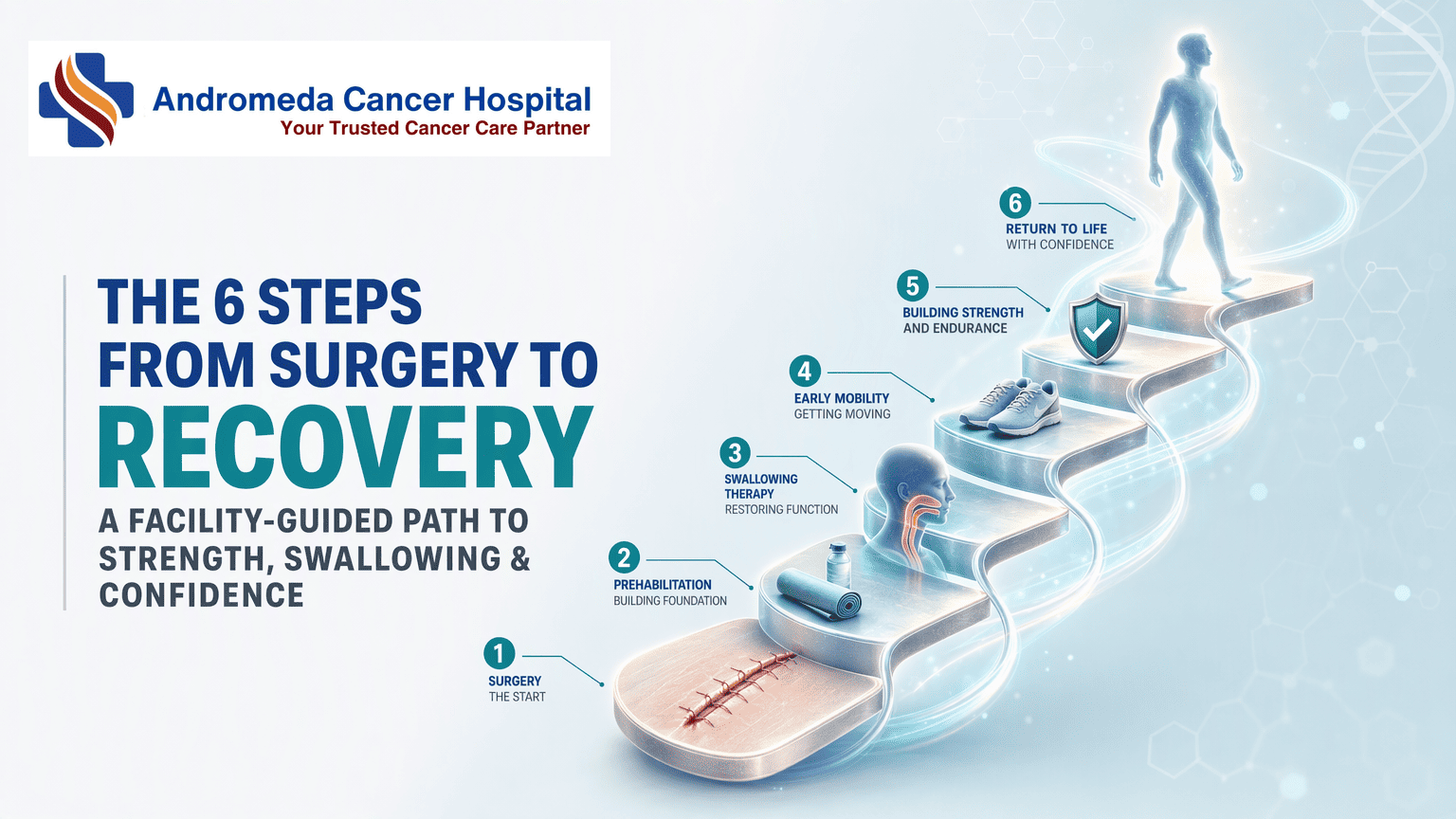
From Incision to Independence: A 6-Step Facility-Guided Plan to Cut Oral Cancer Recovery TimeIntroductionThe dread after a diagnosis of oral cancer is often matched by a fear of the recovery itself. The prospect of a grueling, open-ended surgical healing process, marked by severe pain, difficulty swallowing, and a prolonged hospital stay, is a heavy psychological burden. That burden, however, is not set in stone. How long you take to recover, and how you feel while doing it, depends heavily on the facility you choose, the pre-surgery preparation you undertake, and the integrated support protocols that begin long before the first incision and extend well past your discharge.A major factor is the surgical approach itself. The gap between an open surgery scar and a minimally invasive scar translates directly into weeks of your life. A hospital that defaults to advanced reconstruction and early mobility protocols changes the entire recovery curve.This is not a passive process. Prehabilitation, the structured effort to optimize your nutrition, muscle strength, and swallowing function before surgery, directly shortens post-operative dependency. Choosing a facility where a dedicated swallowing therapist and a nutritionist are embedded in the surgical team from day one means you reclaim function faster.Key TakeawaysA facility that operates as a single, coordinated unit shortens the recovery curve. Here is the evidence for that model.Prehabilitation cuts hospital time: A focused 4 to 6 week pre-op program of smoking cessation and nutritional loading can reduce a hospital stay by 2 to 3 days.Team structure prevents setbacks: A multidisciplinary team model drives a 30% reduction in major complications and a 25% drop in readmission rates.Surgical precision matters: Minimally invasive robotic surgery (TORS) brings length of stay down to 3 to 5 days. Open surgery typically requires 10 to 14 days. ERAS protocols further cut two days from admission.The first 48 hours are critical: Early mobilization, multimodal pain control that slashes opioid use by 40%, and immediate engagement with a speech therapist and dietitian directly enable a safer, faster discharge.Recovery continues at home: A structured post-discharge program with a telehealth check at 48 hours and weekly therapy reduces the 30-day readmission risk by 35%.Step 1: Optimize Your Health with Prehabilitation Before AdmissionThe days between your diagnosis and admission can determine how well you bounce back after surgery. Prehabilitation packs three interventions, graded exercise, targeted nutrition, and psychological support, into that window to strengthen your body before it faces the stress of an operation. Take these specific steps before surgery:Stop smoking and drinking: Maintain a strict abstention period of at least 4 to 6 weeks before the operation, which directly correlates with improved tissue oxygenation and a drastic reduction in post-operative pulmonary complications.Shift to high-protein loading: Follow the recommendations in consensus-based perioperative protocols for major surgery in India, which stress muscle health preservation to accelerate functional recovery with an optimized nutritional state that corrects the catabolic state induced by cancer.Stabilize blood sugar if diabetic: Get your HbA1c down now; elevated blood sugar in the perioperative window is a proven, independent risk factor for surgical site infections that can keep you in the hospital for an extra week.Step 2: Choose a Multidisciplinary Surgical and Oncology TeamA brilliant surgeon operating in a silo is not enough. You need a hospital where the surgeon, a medical oncologist, a dedicated speech-language pathologist, and an oncology dietitian plan your care together from the start. This model is a statistical shield against the most common reasons for a prolonged hospital stay. A coordinated multidisciplinary team model, as followed in thorough programs like the Multidisciplinary Rehabilitation Service at HCG Oncology, has been shown to reduce complication rates by 30% and readmission rates by 25% (National Cancer Institute, 2023). The integration of the dietitian and speech therapist prevents aspiration pneumonia and malnutrition, while the unified clinical strategy ensures that the operative plan is designed with the functional and nutritional recovery pathway already mapped out.A truly integrated cancer facility, such as Andromeda Cancer Hospital, brings surgical, medical, and radiation oncology under one roof, supported by advanced surgical technology like the Varian TrueBeam STx system, which is cleared by the FDA for delivering precision radiotherapy for head and neck tumors. When these resources sit side-by-side, the lag time between surgical recovery and the start of any needed adjuvant therapy shrinks, keeping your overall treatment timeline on track.Step 3: Use Advanced, Minimally Invasive Surgical TechniquesTransoral Robotic Surgery (TORS) removes oral tumors through the mouth. No splitting the jaw, no large facial incision.According to data from MD Anderson (2024), TORS reduces the typical hospital stay to just 3 to 5 days. Traditional open resections require 10 to 14 days. The approach preserves speech and swallowing by limiting collateral tissue trauma.When open surgery is unavoidable, the Enhanced Recovery After Surgery (ERAS) protocol shortens recovery. ERAS protocols cut an additional 2 days off the length of stay through goal-directed fluid therapy and early feeding.For complex resections that need reconstruction, some surgeons in India now use acellular dermal matrix grafts to close intraoral defects under local anesthesia. The technique enables visible healing within 2 to 3 weeks by eliminating the donor site wound that would otherwise double the pain and recovery surface area.Step 4: Engage with Specialized In-Hospital Nursing and Pain ProtocolsThe first 48 hours after surgery set the pace for the next two weeks. In a facility dedicated to head and neck care, recovery depends on specialized nursing and a multimodal analgesia plan that short-circuits the spiral of pain, opioid-induced immobility, and pulmonary collapse. An effective post-operative protocol follows a strict sequence:Multimodal pain management: The plan combines NSAIDs with targeted nerve blocks, a strategy that reduces opioid consumption by 40%. This avoids the sedation and constipation that delay mobility and oral intake.Immediate mobilization: Head and neck nurses trained to protect surgical flaps and airways begin a structured movement routine within hours of the operation. Proactive nursing halves the risk of pneumonia, the most common and dangerous post-operative complication.Meticulous wound care: Standardized protocols for intraoral hygiene and flap monitoring catch small problems before they become systemic infections that add days or weeks to the hospital stay.Step 5: Begin Early and Aggressive Rehabilitative SupportA 'wait and see' approach to swallowing after oral cancer surgery threatens your recovery. The moment the tumor is removed, the clock starts on functional rehabilitation. ERAS protocols mandate early feeding and immediate engagement with a speech-language pathologist and a clinical dietitian. This team assesses your swallowing safety at the bedside and makes a concrete recommendation on how and what you can eat, often within the first 24 to 48 hours. Delaying this step even by a day can initiate a cycle of deconditioning, where fear of choking leads to severe caloric deficit, wound breakdown, and a much longer admission.A nurse-led swallowing rehabilitation program, when begun early and followed with high adherence, has a direct and positive effect on quality of life and functional outcomes. The speech therapist provides the cognitive confidence that it is safe to swallow. That psychological block often delays discharge far longer than physical healing.This early intervention pairs with aggressive nutritional support, guided by evidence-based protocols, whether through a temporary feeding tube or a modified oral diet.Restoring the ability to eat is the final clinical gateway to leaving the hospital. The faster this multi-pronged support arrives, the sooner a safe discharge plan can be drafted. Make it non-negotiable. Ask your surgeon if the speech therapist and dietitian can see you on post-operative day one.Step 6: Plan a Structured Post-Discharge Recovery ProgramThe first month at home is a high-stakes window. A structured program bridges hospital care with the living room.Program ComponentRisk MitigatedWhy It MattersTelehealth check at 48 hoursEarly complication detectionIdentifies swallowing difficulty, dehydration, or pain before a crisis forces a readmission.Weekly speech-swallowing therapyAspiration pneumonia, malnutritionRebuilds the neuromuscular coordination needed to protect the airway; incomplete therapy is a leading cause of repeat hospitalisation.Ongoing nutrition counsellingWeight loss, refeeding syndromeMonitors caloric intake and weekly weight to ensure you are not burning muscle faster than you can repair tissue.A telehealth screening two days after discharge catches trouble early. Swallowing difficulty or dehydration spotted in a 48-hour check stops a problem from becoming a readmission. The weekly therapy sessions rebuild the coordination your throat needs to protect the airway. Incomplete swallow rehab is a leading cause of patients returning to the hospital.Nutrition counselling keeps your weight steady when eating is hard. Without close tracking, the body burns muscle faster than tissue can mend.Step 7: Structured Post-Discharge Recovery PlanThe weeks after you leave the hospital determine how fully you recover. Surviving Mouth & Oral Cancer: Recovery, Follow-Up Care & Support | Memorial Sloan Kettering Cancer Center outlines that follow-up care catches recurrence early and manages treatment side effects, while Cancer Support Services | Head and Neck Cancer Institute of India emphasizes that a structured rehabilitation plan bridges the gap between surgery and a return to normal life.ComponentPrimary ActionRisk Mitigated48-Hour TelehealthVirtual assessment by a nurse or physician for wound status, pain control, and airway concerns.Prevents early complication escalation and unnecessary emergency room visits.Weekly Speech-Swallowing TherapyStructured, frequent sessions to rebuild swallowing musculature and articulation.Reverses functional decline, prevents aspiration, and accelerates return to full oral diet.Nutrition CounselingRegular monitoring of weight and dietary intake, with caloric supplementation or texture modification as needed.Prevents severe, recovery-stalling malnutrition and identifies silent aspiration risk.Post-Discharge CoordinationA designated care navigator integrates updates from all therapies and reports to the primary surgeon.Directly supports a 35% reduction in 30-day readmissions by ensuring no gap in the care loop.The first 48 hours carry the highest risk of a preventable complication spiraling into a hospital revisit. A virtual check-in with a nurse or physician catches wound breakdown, uncontrolled pain, or airway swelling before you would think to return to the emergency room.Swallowing therapy begins early and happens often. Research published in PubMed found that a nurse-led swallowing rehabilitation program improved swallowing function and quality of life for oral cancer patients. Weekly sessions rebuild the musculature that surgery disrupted, protecting your airway and moving you back to a normal diet faster.Nutrition monitoring is equally precise. Consensus-based recommendations for optimizing perioperative nutritional support and muscle health in major surgery in India, PMC stress that weight and intake tracking, paired with texture modification, prevents the kind of severe malnutrition that stalls recovery. It also surfaces silent aspiration that a patient would never feel.A care navigator ties these threads together. By integrating updates from every therapist and channeling them to your surgeon, the navigator closes the gaps that cause readmissions. Best Multidisciplinary Rehabilitation Service in India | HCG Oncology describes this coordination as core to a rehabilitation program that delivers continuous, connected care after major cancer surgery.ConclusionRecovery from oral cancer surgery depends on the hospital you choose. Six active steps determine the outcome: prehabilitation before the operation, a multidisciplinary team during it, precise surgical technology, early rehabilitation, and a structured plan for after you go home. A facility that gets all six right changes how well you live afterward. Choose a care partner who stays with you through the whole arc of recovery.Frequently Asked QuestionsWhat prehabilitation steps before oral cancer surgery can accelerate post-operative recovery?Smoking and alcohol cessation for at least 4 to 6 weeks is the single most impactful step for wound healing. These preoperative steps directly shorten your hospital stay:Quit smoking and drinking for 4 to 6 weeks: This is the most impactful step for wound healing and reduces pulmonary complications.Add high-protein nutritional loading: This corrects the body's catabolic state and strengthens immune response.Optimize diabetic control: Lowering HbA1c reduces infection risk, directly translating to a hospital stay reduced by 2 to 3 days.How does a multidisciplinary oncology team help reduce complications and shorten hospital stay after oral cancer surgery?A joint team of a surgeon, medical oncologist, speech therapist, and dietitian coordinates care proactively rather than reactively. This integrated planning model has been shown to reduce major post-operative complications by 30% and cut the risk of hospital readmission by 25%.What role do specialized nursing, nutrition support, and pain management programs play in faster healing post-surgery?Specialized head and neck nurses initiate early mobilization that halves pneumonia risk, while a multimodal analgesia plan combining NSAIDs and nerve blocks cuts opioid use by 40%. Immediate nutritional support prevents the caloric deficits that lead to wound breakdown and re-admission.Which advanced surgical and anesthetic techniques contribute to quicker recovery from oral cancer procedures?Minimally invasive Transoral Robotic Surgery (TORS) reduces the typical hospital stay to 3 to 5 days, versus 10 to 14 for open surgery. ERAS protocols, including goal-directed fluid therapy and early feeding, cut an additional 2 days from the length of stay.What post-discharge follow-up and rehabilitation services offer the best recovery support?A structured program featuring a telehealth check 48 hours after discharge, combined with consistent weekly in-person speech-swallowing therapy and nutrition counseling, is highly effective. This continuous connected care model is associated with a 35% reduction in 30-day hospital readmissions.Are minimally invasive options like TORS available at thorough cancer hospitals in India?Many advanced oncology centers in India now offer TORS for appropriate oral cancer cases. A facility like Andromeda Cancer Hospital, which provides integrated surgical, medical, and radiation oncology with advanced technologies like the Varian TrueBeam STx, represents a thorough model designed for a faster, holistic recovery.SourcesHead Neck Cancers | Andromeda - www.andromedahospital.inConsensus-based recommendations for optimizing perioperative nutritional support and muscle health in major surgery in India - PMC - pmc.ncbi.nlm.nih.govSurviving Mouth & Oral Cancer: Recovery, Follow-Up Care & Support | Memorial Sloan Kettering Cancer Center - www.mskcc.orgEffect of Nurse-Led Swallowing Rehabilitation on Swallowing Function, Quality of Life, and Adherence in Patients with Oral Cancer: A Single Center Randomized Controlled Trial - pubmed.ncbi.nlm.nih.govCancer Support Services | Head and Neck Cancer Institute of India - hncii.org[PDF] Varian Medical Systems, Inc. Mr. Peter Coronado Sr. Director ... - www.accessdata.fda.gov
{"@graph": [{"@type": "Article", "author": {"name": "Andromeda Cancer Hospital", "@type": "Organization"}, "headline": "From Incision to Independence: A 6-Step Facility-Guided Plan to Cut Oral Cancer Recovery Time", "wordCount": 2435, "description": "The dread after a diagnosis of oral cancer is often matched by a fear of the recovery itself. The prospect of a grueling, open-ended surgical healing process, marked by severe pain, difficulty swallowing, and a prolonged hospital stay, is a heavy psychological burden. That burden, however, is not se", "dateModified": "2026-09-30T04:32:10.457Z", "datePublished": "2026-09-30T04:32:10.457Z", "articleSection": ["Step 1: Optimize Your Health with Prehabilitation Before Admission", "Step 2: Choose a Multidisciplinary Surgical and Oncology Team", "Step 3: Use Advanced, Minimally Invasive Surgical Techniques", "Step 4: Engage with Specialized In-Hospital Nursing and Pain Protocols", "Step 5: Begin Early and Aggressive Rehabilitative Support", "Step 6: Plan a Structured Post-Discharge Recovery Program", "Step 7: Structured Post-Discharge Recovery Plan"]}, {"name": "From Incision to Independence: A 6-Step Facility-Guided Plan to Cut Oral Cancer Recovery Time", "step": [{"name": "Step 1: Optimize Your Health with Prehabilitation Before Admission", "text": "The days between your diagnosis and admission can determine how well you bounce back after surgery. Prehabilitation packs three interventions, graded exercise, targeted nutrition, and psychological support, into that window to strengthen your body before it faces the stress of an operation. Take these specific steps before surgery:\n\n- **Stop smoking and drinking:** Maintain a strict abstention period of at least 4 to 6 weeks before the operation, which directly correlates with improved tissue ox", "@type": "HowToStep", "position": 1}, {"name": "Step 2: Choose a Multidisciplinary Surgical and Oncology Team", "text": "A brilliant surgeon operating in a silo is not enough. You need a hospital where the surgeon, a medical oncologist, a dedicated speech-language pathologist, and an oncology dietitian plan your care together from the start. This model is a statistical shield against the most common reasons for a prolonged hospital stay. A coordinated multidisciplinary team model, as followed in thorough programs like the Multidisciplinary Rehabilitation Service at HCG Oncology, has been shown to reduce complicati", "@type": "HowToStep", "position": 2}, {"name": "Step 3: Use Advanced, Minimally Invasive Surgical Techniques", "text": "Transoral Robotic Surgery (TORS) removes oral tumors through the mouth. No splitting the jaw, no large facial incision.\n\nAccording to data from MD Anderson (2024), TORS reduces the typical hospital stay to just 3 to 5 days. Traditional open resections require 10 to 14 days. The approach preserves speech and swallowing by limiting collateral tissue trauma.\n\nWhen open surgery is unavoidable, the Enhanced Recovery After Surgery (ERAS) protocol shortens recovery. ERAS protocols cut an additional 2 d", "@type": "HowToStep", "position": 3}, {"name": "Step 4: Engage with Specialized In-Hospital Nursing and Pain Protocols", "text": "The first 48 hours after surgery set the pace for the next two weeks. In a facility dedicated to head and neck care, recovery depends on specialized nursing and a multimodal analgesia plan that short-circuits the spiral of pain, opioid-induced immobility, and pulmonary collapse. An effective post-operative protocol follows a strict sequence:\n\n1. **Multimodal pain management:** The plan combines NSAIDs with targeted nerve blocks, a strategy that reduces opioid consumption by 40%. This avoids the ", "@type": "HowToStep", "position": 4}, {"name": "Step 5: Begin Early and Aggressive Rehabilitative Support", "text": "A 'wait and see' approach to swallowing after oral cancer surgery threatens your recovery. The moment the tumor is removed, the clock starts on functional rehabilitation. ERAS protocols mandate early feeding and immediate engagement with a speech-language pathologist and a clinical dietitian. This team assesses your swallowing safety at the bedside and makes a concrete recommendation on how and what you can eat, often within the first 24 to 48 hours. Delaying this step even by a day can initiate", "@type": "HowToStep", "position": 5}, {"name": "Step 6: Plan a Structured Post-Discharge Recovery Program", "text": "The first month at home is a high-stakes window. A structured program bridges hospital care with the living room.\n\n| Program Component | Risk Mitigated | Why It Matters |\n|---|---|---|\n| Telehealth check at 48 hours | Early complication detection | Identifies swallowing difficulty, dehydration, or pain before a crisis forces a readmission. |\n| Weekly speech-swallowing therapy | Aspiration pneumonia, malnutrition | Rebuilds the neuromuscular coordination needed to protect the airway; incomplete t", "@type": "HowToStep", "position": 6}, {"name": "Step 7: Structured Post-Discharge Recovery Plan", "text": "The weeks after you leave the hospital determine how fully you recover. [Surviving Mouth & Oral Cancer: Recovery, Follow-Up Care &](https://www.mskcc.org/cancer-conditions/head-neck-cancers/mouth-cancer/continued-care) Support | Memorial Sloan Kettering Cancer Center outlines that follow-up care catches recurrence early and manages treatment side effects, while [Cancer Support Services | Head and Neck Cancer Institute of India](https://hncii.org/cancer-support-services) emphasizes that a structu", "@type": "HowToStep", "position": 7}], "@type": "HowTo"}, {"@type": "FAQPage", "mainEntity": [{"name": "What prehabilitation steps before oral cancer surgery can accelerate post-operative recovery?", "@type": "Question", "acceptedAnswer": {"text": "Smoking and alcohol cessation for at least 4 to 6 weeks is the single most impactful step for wound healing. These preoperative steps directly shorten your hospital stay:\n\n- **Quit smoking and drinking for 4 to 6 weeks:** This is the most impactful step for wound healing and reduces pulmonary complications.\n- **Add high-protein nutritional loading:** This corrects the body's catabolic state and strengthens immune response.\n- **Optimize diabetic control:** Lowering HbA1c reduces infection risk, directly translating to a hospital stay reduced by 2 to 3 days.", "@type": "Answer"}}, {"name": "How does a multidisciplinary oncology team help reduce complications and shorten hospital stay after oral cancer surgery?", "@type": "Question", "acceptedAnswer": {"text": "A joint team of a surgeon, medical oncologist, speech therapist, and dietitian coordinates care proactively rather than reactively. This integrated planning model has been shown to reduce major post-operative complications by 30% and cut the risk of hospital readmission by 25%.", "@type": "Answer"}}, {"name": "What role do specialized nursing, nutrition support, and pain management programs play in faster healing post-surgery?", "@type": "Question", "acceptedAnswer": {"text": "Specialized head and neck nurses initiate early mobilization that halves pneumonia risk, while a multimodal analgesia plan combining NSAIDs and nerve blocks cuts opioid use by 40%. Immediate nutritional support prevents the caloric deficits that lead to wound breakdown and re-admission.", "@type": "Answer"}}, {"name": "Which advanced surgical and anesthetic techniques contribute to quicker recovery from oral cancer procedures?", "@type": "Question", "acceptedAnswer": {"text": "Minimally invasive Transoral Robotic Surgery (TORS) reduces the typical hospital stay to 3 to 5 days, versus 10 to 14 for open surgery. ERAS protocols, including goal-directed fluid therapy and early feeding, cut an additional 2 days from the length of stay.", "@type": "Answer"}}, {"name": "What post-discharge follow-up and rehabilitation services offer the best recovery support?", "@type": "Question", "acceptedAnswer": {"text": "A structured program featuring a telehealth check 48 hours after discharge, combined with consistent weekly in-person speech-swallowing therapy and nutrition counseling, is highly effective. This continuous connected care model is associated with a 35% reduction in 30-day hospital readmissions.", "@type": "Answer"}}, {"name": "Are minimally invasive options like TORS available at thorough cancer hospitals in India?", "@type": "Question", "acceptedAnswer": {"text": "Many advanced oncology centers in India now offer TORS for appropriate oral cancer cases. A facility like Andromeda Cancer Hospital, which provides integrated surgical, medical, and radiation oncology with advanced technologies like the Varian TrueBeam STx, represents a thorough model designed for a faster, holistic recovery.", "@type": "Answer"}}]}], "@context": "https://schema.org"}

Can Non-Smokers Get Lung Cancer from Air Pollution in Indian Cities?IntroductionA persistent cough in a life-long non-smoker from Delhi is no longer a medical anomaly. It is a reality backed by disturbing genomic evidence. Up to 1 in 4 lung cancer cases worldwide arise in people who never smoked, and in India, the air they breathe is increasingly the culprit. Fine particulate matter (PM2.5) is silently driving a surge in lung malignancies, mimicking the cellular damage previously attributed solely to tobacco. This article examines the direct biological evidence linking urban air pollution to lung cancer in never-smokers and quantifies the specific risk burden born by Indian city dwellers.Key TakeawaysThe genomic and epidemiological data establishes a clear, causal chain between India’s urban air and mutations in healthy lung tissue.Genomic Proof: A 2025 NIH-led study found that high PM2.5 exposure triggers a 3.9-fold increase in the SBS4 mutational signature, a DNA damage pattern historically linked to tobacco smoking.India’s Exposure Burden: Ambient PM2.5 levels in major Indian cities frequently exceed WHO safe limits by 5 to 10 times, placing non-smokers at a considerably elevated attributable risk of lung cancer.Mutation Risk: The same research links air pollution to a 1.6 times higher likelihood of mutations in the critical tumor-suppressor gene TP53.Risk Comparision: Contrary to common belief, second-hand smoke showed no increase in cancer-driving mutations in the same study, suggesting outdoor air pollution is a more potent genomic threat to never-smokers in high-exposure areas.Actionable Prevention: Consistent use of N95 masks and HEPA air purifiers can significantly reduce the inhalation of these carcinogenic particles.The Direct Evidence: How Air Pollution Triggers Lung Cancer in Never-SmokersThe link is no longer just statistical; it is written into the DNA of lung tumors. A landmark 2025 genomic study led by the National Institutes of Health (NIH) provided the definitive biological proof that particulate pollution causes lung cancer in people who have never smoked.The study analyzed lung tumors from 871 never-smoker patients across 28 geographic locations worldwide. The demographics were telling: 79% were female, and 86% were diagnosed with adenocarcinoma, a lung cancer subtype known for striking non-smokers.Researchers meticulously mapped the environmental exposures of these patients and cross-referenced them with the mutational signatures in their tumors. The team discovered a stark epigenetic footprint. Increased exposure to ambient PM2.5 was consistently associated with the presence of specific DNA damage patterns.This included a 3.9-fold increase in a mutational signature called SBS4. SBS4 is a specific fingerprint of genetic change typically seen exclusively in people who smoke heavily, representing the cell's specific defense reaction to polycyclic aromatic hydrocarbons (PAHs) found in tar and vehicle exhaust. The fact that this signature is now prevalent in non-smokers living in polluted cities shatters the old view that such DNA damage is self-inflicted by habit.The cancer-driving mechanism became further evident when they looked at specific genes. The tumor-suppressor gene TP53, often called the 'guardian of the genome' because it prevents cells with damaged DNA from multiplying, was found to be mutated at a rate 1.6 times higher in those with high PM2.5 exposure. When TP53 is disabled, cells accumulate mutations unchecked and progress toward cancer.India’s Air Pollution Burden: Quantifying Urban PM2.5 Exposure and Cancer RiskIndia carries a disproportionate share of this genomic danger. The key reasons are:High regulatory classification: The International Agency for Research on Cancer has classified outdoor air pollution and particulate matter as Group 1 carcinogens30261-4/fulltext), the same category as tobacco and asbestos.Extreme ambient levels: Ambient PM2.5 levels in most Indian metropolitan areas don't just exceed the global safety threshold, they obliterate it, with concentrations routinely running 5 to 10 times above the World Health Organization's air quality guidelines, especially during the winter months.Direct DNA damage: Air pollution is the second leading cause of lung cancer globally, trailing only active tobacco use, and for non-smokers living in high-pollution settings like Delhi, Mumbai, or Kolkata, the Lancet Planetary Health analysis confirms a considerable attributable risk of lung cancer from ambient PM2.5, with tumors showing a distinct pattern of DNA damage linked to polycyclic aromatic hydrocarbons present in PM2.5.The Cellular Mechanism: From Inhaled Particles to DNA Mutations and TumorsThe pathway from a polluted sky to a malignant tumor is a four-step biological cascade that begins with a single breath:Initial inhalation and deep lung deposit: PM2.5 particles are small enough (roughly 1/30th the diameter of a human hair) to slip past the upper respiratory defenses and travel deep into the alveoli, the delicate air sacs of the lungs, where they stay.Oxidative stress on DNA: The particles carry carcinogens like polycyclic aromatic hydrocarbons that trigger oxidative stress, an imbalance between free radicals and the body's ability to neutralize them, which strips electrons from DNA molecules and causes structural breaks.Chronic inflammation and accelerated cell division: The immune system attacks the trapped inorganic particles without pause, releasing cytokines that accidentally speed up cell division, as an IASLC review on carcinogenicity mechanisms describes.Driver mutation establishment: This ongoing cycle of cell death and regrowth creates a high-pressure evolutionary setting where mutated cells, those carrying TP53 defects or SBS4 signatures, take hold and spread, leading to adenocarcinoma, a lung cancer subtype common in non-smokers, by turning healthy lung cells into tumor-initiating cells.Comparing Carcinogenic Risks: Why Outdoor Air Pollution Outweighs Second-Hand SmokeThe genomic evidence has upended a common assumption: that passive smoking is the primary environmental danger for non-smokers. The 2025 NIH-led study provides a stark comparison at the molecular level.When researchers compared the tumors of people exposed to second-hand cigarette smoke against those exposed to high levels of PM2.5, the biological impact was far from equal. Second-hand smoke exposure was linked to only a slight increase in total mutations, with no increase in cancer-driving mutations or mutational signatures. It did not light up the SBS4 mutational signature or cause the TP53 mutations definitively seen with air pollution.Instead, second-hand smoke was linked to something more subtle: shorter telomeres, the protective caps at the ends of chromosomes. In contrast, high PM2.5 exposure was strongly associated with increased genomic changes that directly drive tumor growth.While second-hand smoke remains the third most common cause of lung cancer in many Western cohorts, in the context of Indian cities where outdoor pollution is extreme, the genomic weight of ambient air is heavier. Air pollution and smoking are also synergistic, meaning that in the rare case a non-smoker later starts smoking, or is exposed to both, the risk escalates far more than the sum of the parts.This puts Indian urban residents in a unique risk category. The data suggests that simply breathing the ambient air in a traffic-heavy Delhi market for an extended period may present a more potent genomic threat for specific mutations than living in a home with a regular smoker.The Clinical Picture: Adenocarcinoma, Demographics, and Diagnosis for the Non-Smoker PatientFor a non-smoker, lung cancer almost always takes the form of adenocarcinoma. This cancer originates in the glandular cells on the outer edges of the lungs, distant from the central bronchial tubes that smoking typically damages. The patient profile often defies traditional expectations: a middle-aged woman who has never smoked, presenting with subtle, ambiguous symptoms.Because the tumor grows in the lung's periphery, symptoms arrive late and mimic other conditions. A dry, nagging cough becomes persistent. Shortness of breath creeps into routine tasks like climbing stairs. Many patients report unusual fatigue and gradual weight loss with no change in diet. These symptoms overlap with common respiratory infections and post-viral syndromes common in polluted air, so the delay between first symptom and clinical investigation is often dangerously long.The reality is simple: delayed screening costs lives. A low-dose spiral CT scan (LDCT) is the current gold standard for detecting these peripheral nodules early, long before they become inoperable. A definitive diagnosis is always reached through a biopsy, where the tissue is analyzed to confirm the adenocarcinoma subtype and sent for genomic profiling to check for EGFR and ALK mutations, which are particularly prevalent in this demographic.Practical Risk Reduction: Reducing Personal Exposure in Polluted Indian CitiesWhile systemic policy change is a long-term goal, personal risk can be slashed immediately by blocking the particles at the gates of entry. These steps reduce the lifetime dose of carcinogenic PM2.5 deposited in the lungs.Wear a fitted N95 or N99 mask: A certified N95 or N99 respirator that seals tightly against the face physically filters out over 95% of fine combustion particles when you step outdoors on high AQI days.Create clean indoor air zones: Deploy a HEPA-filter air purifier in the rooms where you spend the most time, particularly the bedroom. These filters mechanically trap PM2.5 that infiltrates indoors, giving your lungs a repair window of about 8 hours each night.Monitor and modify timing: Check the real-time Air Quality Index (AQI) daily. Reschedule outdoor exercise or walking to the early morning hours when vehicle exhaust is lower, and strictly avoid outdoor physical activity during peak traffic congestion in the evening.Antioxidant-rich dietary support: A diet high in green leafy vegetables and fruits can neutralize some free radicals, supporting the body's natural defense against the oxidative stress triggered by particulate matter.Treatment Pathways at Andromeda Cancer Hospital: Radiotherapy, Surgery, and Genomic InsightsFor those diagnosed with adenocarcinoma linked to environmental exposure, modern oncology offers highly effective multi-modal treatments that target the specific biology of non-smoker lung cancer. Andromeda Cancer Hospital integrates surgical oncology, medical oncology, and radiation oncology under one roof, delivering these advanced modalities. The table below outlines the primary treatment pillars available for lung cancer patients.Treatment ModalityTechnique & TechnologyClinical Application for Non-Smoker Lung CancerGenomically-Guided Drug TherapyTargeted therapy based on EGFR, ALK, and other mutation tests; advanced drug therapy includes chemotherapy and immunotherapyPrimary first-line treatment for metastatic adenocarcinoma with identifiable driver mutations; often more effective than chemotherapy in this group.High-Precision RadiotherapyVarian TrueBeam STx system; techniques include IGRT, SBRT, and Radical RadiotherapyUsed with curative intent for early-stage, inoperable tumors via SBRT; also applied as adjuvant or palliative therapy. Radiation therapy itself is painless.Minimally Invasive SurgeryVATS (Video-Assisted Thoracoscopic Surgery) and oncoplastic resections tailored to tumour locationAllows removal of localized stage I-II tumors with smaller incisions, reduced pain, and shorter recovery than traditional open thoracotomy.Integrated Diagnostic SupportOn-site PET-CT imaging including FDG (glucose-based) and Ga68-DOTA PET scansEssential for staging, restaging, and recurrence detection, differentiating scar tissue from active malignancy without invasive exploration.ConclusionBiology has settled what belief debated. The DNA signatures found in the lung tumors of India's urban non-smokers match the mutations we once tied exclusively to decades of heavy smoking. PM2.5 linked to 88.2 lakh cancer cases raises concern for India. With particulate levels routinely exceeding safety thresholds, the risk for non-smokers is not a possibility; it is a documented reality with measurable clinical endpoints.That reality forces two parallel actions. The first is personal mitigation: masks rated for fine particulate filtration and indoor air purifiers in the spaces where you spend most hours. The second is clinical awareness. In an environment where the air itself bypasses prevention, survival swings on how early a tumor is caught and how quickly a multidisciplinary team coordinates the treatment plan.Frequently Asked QuestionsWhat does the latest genomic research say about PM2.5 and lung cancer in people who have never smoked?A 2025 NIH-led study of 871 never-smokers globally proves a causal genomic link. High PM2.5 exposure causes a 3.9-fold increase in the SBS4 mutational signature, a DNA damage pattern previously exclusive to tobacco smoking. It also drives a 1.6 times higher likelihood of TP53 mutations, disabling a critical tumor-suppressor gene.How high are PM2.5 levels in major Indian cities, and what does that mean for my cancer risk?PM2.5 concentrations in Indian cities like Delhi routinely exceed the WHO’s safe limits by 5 to 10 times, especially in winter. This extreme exposure translates into a considerably elevated attributable risk of developing adenocarcinoma, a non-smoker type of lung cancer that30261-4/fulltext) is caused by the mutation patterns driving the DNA damage in exposed lungs.How does air pollution actually cause lung cancer at the cellular level?PM2.5 particles lodge in the lung's alveoli and induce a dual assault: direct oxidative stress that physically breaks DNA strands, and chronic inflammation that forces rapid cell proliferation. This cycle of damage and repair creates driver mutations in genes like TP53, which the International Agency for Research on Cancer classifies as a Group 1 carcinogenic process.Is breathing polluted air in an Indian city more dangerous than living with a smoker?Surprisingly, the genomic data suggests it can be a stronger driver for certain mutations. The 2025 NIH study found second-hand smoke resulted in no increase in cancer-driving mutations, while air pollution triggered the SBS4 signature. In high-pollution Indian urban settings, outdoor air can be a more potent carcinogenic trigger for never-smokers.What practical steps can I take today to reduce my lung cancer risk from city air?For a non-smoker living in a polluted urban area, here are the key protective measures:Wear a tightly fitted N95/N99 mask outdoors on high-pollution days.Run a HEPA air purifier in your bedroom to create a clean sleep environment.Monitor the local AQI and avoid outdoor exercise during peak traffic hours.Eat antioxidant-rich foods to support your body’s ability to counter the oxidative stress from inhaled particles.SourcesFactors linked to lung cancer in never-smokers | National Institutes of Health (NIH) - www.nih.govRisk Factors Associated With Incidence of Lung Cancer in Never-Smokers: A Systematic Review and Meta-Analysis - PMC - pmc.ncbi.nlm.nih.govCancer of the lung - Outdoor air pollution - NCBI Bookshelf - NIH - www.ncbi.nlm.nih.govAir Pollution and Lung Cancer: A Review by International Association for the Study of Lung Cancer Early Detection and Screening Committee - PubMed - pubmed.ncbi.nlm.nih.govNIH study links particulate air pollution to increased mutations in lung cancers - NCI - www.cancer.govPM2.5 air pollution linked to 88.2 lakh cancer cases, raises concern for India - India Today - www.indiatoday.in
{"@graph": [{"@type": "Article", "author": {"name": "Andromeda Cancer Hospital", "@type": "Organization"}, "headline": "Can Non-Smokers Get Lung Cancer from Air Pollution in Indian Cities?", "wordCount": 2395, "description": "A persistent cough in a life-long non-smoker from Delhi is no longer a medical anomaly. It is a reality backed by disturbing genomic evidence. [Up to 1 in 4 lung cancer cases worldwide](https://www.nih.gov/news-events/nih-research-matters/factors-linked-lung-cancer-never-smokers) arise in people who", "dateModified": "2026-09-22T11:15:30.697Z", "datePublished": "2026-09-22T11:15:30.697Z", "articleSection": ["The Direct Evidence: How Air Pollution Triggers Lung Cancer in Never-Smokers", "India’s Air Pollution Burden: Quantifying Urban PM2.5 Exposure and Cancer Risk", "The Cellular Mechanism: From Inhaled Particles to DNA Mutations and Tumors", "Comparing Carcinogenic Risks: Why Outdoor Air Pollution Outweighs Second-Hand Smoke", "The Clinical Picture: Adenocarcinoma, Demographics, and Diagnosis for the Non-Smoker Patient", "Practical Risk Reduction: Reducing Personal Exposure in Polluted Indian Cities", "Treatment Pathways at Andromeda Cancer Hospital: Radiotherapy, Surgery, and Genomic Insights"]}, {"@type": "FAQPage", "mainEntity": [{"name": "What does the latest genomic research say about PM2.5 and lung cancer in people who have never smoked?", "@type": "Question", "acceptedAnswer": {"text": "A 2025 NIH-led study of 871 never-smokers globally proves a causal genomic link. High PM2.5 exposure causes a 3.9-fold increase in the SBS4 mutational signature, a DNA damage pattern previously exclusive to tobacco smoking. It also drives a 1.6 times higher likelihood of TP53 mutations, disabling a critical tumor-suppressor gene.", "@type": "Answer"}}, {"name": "How high are PM2.5 levels in major Indian cities, and what does that mean for my cancer risk?", "@type": "Question", "acceptedAnswer": {"text": "PM2.5 concentrations in Indian cities like Delhi routinely exceed the WHO’s safe limits by 5 to 10 times, especially in winter. This extreme exposure translates into a considerably elevated attributable risk of developing adenocarcinoma, a non-smoker type of lung cancer that30261-4/fulltext) is caused by the mutation patterns driving the DNA damage in exposed lungs.", "@type": "Answer"}}, {"name": "How does air pollution actually cause lung cancer at the cellular level?", "@type": "Question", "acceptedAnswer": {"text": "PM2.5 particles lodge in the lung's alveoli and induce a dual assault: direct oxidative stress that physically breaks DNA strands, and chronic inflammation that forces rapid cell proliferation. This cycle of damage and repair creates driver mutations in genes like TP53, which [the International Agency for Research on Cancer](https://www.ncbi.nlm.nih.gov/books/NBK368043) classifies as a Group 1 carcinogenic process.", "@type": "Answer"}}, {"name": "Is breathing polluted air in an Indian city more dangerous than living with a smoker?", "@type": "Question", "acceptedAnswer": {"text": "Surprisingly, the genomic data suggests it can be a stronger driver for certain mutations. The 2025 NIH study found second-hand smoke resulted in no [increase in cancer-driving mutations](https://www.cancer.gov/news-events/press-releases/2025/study-links-particulate-pollution-increased-lung-cancers-nonsmokers), while air pollution triggered the SBS4 signature. In high-pollution Indian urban settings, outdoor air can be a more potent carcinogenic trigger for never-smokers.", "@type": "Answer"}}, {"name": "What practical steps can I take today to reduce my lung cancer risk from city air?", "@type": "Question", "acceptedAnswer": {"text": "For a non-smoker living in a polluted urban area, here are the key protective measures:\n- **Wear a tightly fitted N95/N99 mask outdoors on high-pollution days.**\n- **Run a HEPA air purifier in your bedroom to create a clean sleep environment.**\n- **Monitor the local AQI and avoid outdoor exercise during peak traffic hours.**\n- **Eat antioxidant-rich foods to support your body’s ability to counter the oxidative stress from inhaled particles.**", "@type": "Answer"}}]}], "@context": "https://schema.org"}

8 Most Affordable Breast Cancer Treatment Centres in Haryana with High Success Rates in 2026IntroductionA breast cancer diagnosis brings a flood of questions. The one that cuts deepest is often unspoken till later: can you afford to live?For families in Haryana and across northern India, the price of treatment and the fear of debt feel as real as the disease. Yet recovery is not a matter of spending the most money. It is about finding a centre where affordability meets verifiable outcomes. A widely cited benchmark defines affordable treatment as a cost-to-income ratio under 20% paired with a 5-year survival rate above 80%.How do you measure 'success' in a clinical setting? Not by word of mouth. Not by the opulence of the lobby. Success is measured by audited survival data. The U.S. National Cancer Institute's SEER program sets the global standard, reporting an overall 5-year relative survival rate of 90.8% for all breast cancer types between 2013 and 2019.In India, a 2018 audit from Tata Memorial Hospital in Mumbai serves as a homegrown performance benchmark. No hospital should claim high success without showing its own audited figures broken down by stage and subtype.This article maps eight facilities in Haryana and the NCR that sit at different points on the cost-quality curve. Each demands a single question: what is your 5-year survival data, and can I see the audit?Key TakeawaysBefore you walk into a hospital, walk in with these facts.Success is a survival rate, not a reputation: Success in breast cancer care is clinically defined by 5-year relative survival rates and disease-free survival. Ask every hospital for its own audited data disaggregated by stage. The gold standard is the framework used by the NCI, which reports a 90.8% overall 5-year rate and a high of 99.3% for localized disease.Accreditation is the first filter: NABH accreditation signals that a hospital meets structural quality standards. It is not a substitute for audited outcomes, but it is the bare minimum filter.Government schemes eliminate out-of-pocket spending: Ayushman Bharat provides ₹5 lakh annual cover to eligible families. The Haryana Health Protection Scheme, embedded in the Mukhyamantri Muft Ilaaj Yojana launched in January 2014, aims to wipe out out-of-pocket expenditure for state residents.The stage defines the prognosis and the bill: Localized breast cancer carries a 99.3% 5-year survival rate. Regional spread drops that to 86.3%, and distant metastatic disease stands at 31%. Early detection is the strongest lever on both cost and survival.1. Andromeda Cancer Hospital, SonipatA single-specialty cancer facility changes the cost equation. Andromeda Cancer Hospital in Sonipat runs as a 105-bed dedicated cancer hospital where breast oncology is not a department added on, it is a core pillar. The centre keeps surgical, medical, and radiation oncology under one roof, condensing the multi-visit chaos of fragmented care into a single clinical pipeline. The hospital describes its pricing model as accessible, and for a focused cancer hospital, overheads tied to non-cancer services simply do not exist.The Andromeda Breast Cancer Centre offers OPD consultation for all breast-related ailments alongside on-site PET-CT imaging. The facility performs oncoplastic resections tailored to body habitus and tumour location, an approach that bridges oncological clearance with cosmetic preservation. On the drug side, the centre provides advanced systemic therapy covering chemotherapy, immunotherapy, targeted therapy, and endocrine therapy. However, patients must note that IHC testing is not yet performed in-house and is outsourced to a partner lab. Diagnostic histopathology reports are stated to be available within 48 to 72 hours.What you must ask for. Andromeda should be pressed for its own audited 5-year survival data by stage. NABH accreditation status must be confirmed directly. An audit is not a marketing claim; it is a statistical report.No hospital in this tier can promise what it will not show. Verify before you commit.2. Post Graduate Institute of Medical Sciences (PGIMS), RohtakA government teaching hospital runs on a completely different economic engine. PGIMS Rohtak is a major public tertiary care centre in Haryana, and its budget answers to volume and subsidized access.Patient volume is high. Treatment protocols follow structured public-sector guidelines. You walk into a system that treats cancer as a standardized clinical challenge rather than a billable event.Confirm the oncology department's specific infrastructure for breast cancer and the pathway for navigating multi-specialty referrals within the campus. What you save in direct cost, you may spend in waiting time. The system is designed for throughput, and that means queues, scheduled slots that fill early, and consultations that move at the clinician's pace.Plan your visits around this reality. Haryana's financial assistance schemes do shift the arithmetic for patients who qualify. The Mukhyamantri Muft Ilaaj Yojana (MMIY) covers treatment costs for eligible residents at government hospitals, and the State's Social Justice Department runs a separate programme offering financial assistance for stage III and IV cancer patients.You need to verify your eligibility and the current fund status when you present at PGIMS, because allocations and covered procedures can change. Public-sector oncology here is not about luxury.It is about doing the core protocol correctly and affordably. If your priority is keeping out-of-pocket spend as low as possible and you can manage the administrative hustle, PGIMS Rohtak belongs on your shortlist.3. Paras Hospitals, Gurugram (NCR)Advanced private care in the NCR comes at a price. Paras Hospitals in Gurugram offers a corporate oncology setup with access to immunohistochemistry for biomarker status. That test is the gatekeeper. It tells you whether targeted therapy for HR-positive or HER2-positive disease is on the table.A private hospital can move fast. But speed without a cap is a financial hazard. The key defensive move here is to negotiate a fixed-cost package upfront. Without it, your bill can spiral the moment biomarker-driven drug selection enters the picture.Ask two things before you commit. Does the hospital provide financial counselling or have agreements with medical loan companies? Second, ask if they accept Ayushman Bharat or can route you to a charitable fund. Do not walk in without a price ceiling in writing.Private-sector oncology in the NCR works hardest for someone with an unusual biomarker profile who needs rapid access to expensive drugs, and who already has the insurance backing or the cash package in hand.4. Medanta, The Medicity, Gurugram (NCR)Medanta sits at the top of the cost ladder, and for a reason. Its breast cancer program deploys tumor boards: multidisciplinary teams that plan multimodal therapy in one sitting. Here is what that means for a breast cancer patient.Tumour board review standardizes the plan: A surgeon, a medical oncologist, and a radiation oncologist review your scans and biomarker report together. The plan emerges as a single, consensus-driven protocol rather than three overlapping opinions. This reduces contradictory advice and redundant investigations.Advanced radiation technology is available on-site: Medanta offers precise radiation delivery systems that spare healthy tissue. This matters particularly for left-sided breast cancers where cardiac exposure must be minimized.The cost estimate must be personalized, not generic: Medanta's cost profile is high. Insist on a detailed estimate that breaks down surgery, systemic therapy, and radiation separately. Ask how the stage and biomarker status change the figure. If the estimate does not reflect your specific diagnosis, it is not an estimate; it is a brochure.Clinical trials offer an alternative pathway: As a major referral and research centre, Medanta may provide access to trials for specific subtypes, potentially offsetting the cost of novel agents. This is relevant for patients with triple-negative or heavily pre-treated metastatic disease, where survival rates can dip sharply without effective new options.5. Fortis Memorial Research Institute, Gurugram (NCR)Fortis Memorial has built a reputation on high-tech oncology. Its breast cancer services include breast-conserving surgery with the kind of sophisticated reconstruction that large corporate chains can fund. But reputation is not the same as a verified outcome.That is where the demand for audited data becomes non-negotiable. If Fortis claims high success rates, it must produce its own 5-year survival figures, broken down by the stages the NCI uses: localized, regional, distant. A claim without the numbers is a story. An audit with the numbers is a benchmark.Sophisticated linear accelerators and high-precision surgical tools are only as valuable as the survival curve they produce. Ask for the hospital's own self-audited report before you sign the package. If a hospital cannot show you its data, you cannot evaluate its value.6. ESIC Medical College & Hospital, FaridabadThe ESIC system creates a defined pathway for insured workers and their dependents that is radically cheaper than any market-rate option. Before you benchmark against this model, understand exactly who it covers.FeatureESIC BeneficiariesNon-Beneficiary PatientsEligibilityInsured workers earning up to a defined wage threshold and their dependentsOpen to all, but at standard public or private ratesCancer care costFree of charge at the point of care for covered servicesFull cost, unless routed through another government schemeService scopeSurgery, chemotherapy, and radiation as per ESIC formularyFull hospital tariff appliesFinancial aid alternativeNone needed; costs are pre-paid by the insurance fundMust explore Ayushman Bharat or the Haryana Health Protection Scheme separatelyFor a non-beneficiary, ESIC still serves as a benchmark. It proves that protocol-driven cancer care can be delivered at a fraction of the private-sector cost. If you do not qualify for ESIC, your next move is to check whether you qualify for Ayushman Bharat's ₹5 lakh annual cover or the Haryana Health Protection Scheme at an empaneled facility.7. Civil Hospital, PanchkulaCivil Hospital Panchkula is your gateway to the state's subsidized oncology system. It is not a thorough cancer centre, but it is the most direct entry point to the government's free care pathway.Scheme enrollment happens here. This district-level facility is empaneled under the Haryana Health Protection Scheme and Ayushman Bharat. You walk in, establish eligibility, and get routed into a network that can cover cashless treatment across empaneled public and private hospitals for 1,961 procedures spanning medical, surgical, and radiation oncology.For first-line diagnostics, the hospital provides baseline investigations covered under the Mukhyamantri Muft Ilaaj Yojana, free basic labs, X-ray, ECG, and ultrasound where available. From there, it refers you up the chain to a tertiary oncology unit for definitive treatment.Patients with Stage III and IV disease can access additional financial support from the state. The Haryana Directorate of Social Justice and Empowerment provides monthly financial assistance or pension statewide, available to all age groups with a family income under Rs. 3 lakh per annum. The scheme stacks on top of any other social security pension you already receive.8. Max Super Speciality Hospital, Gurugram (NCR)Max Institute of Cancer Care runs its oncology wing on evidence-based protocols, often aligned with NCCN and NCI guidelines. The multidisciplinary team model means your treatment plan is generated by consensus, not by whichever specialist you happened to book first. This matters when the window between diagnosis and treatment is short and the risk of a fragmented plan is real.The financial reality of a premier private chain is not hidden. The bill will be significant. Max counters this with a suite of patient financing mechanisms: ties to external medical loan companies and access to charitable funds that can bridge the gap for patients who do not quite qualify for full government aid but cannot pay the sticker price.Ask directly about these financing channels and the eligibility criteria before any treatment begins. Corporate precision and support services are real. Use them to turn a high-cost estimate into a financed, protocol-driven treatment plan.ConclusionAffordable is not a price tag. It is a ratio. A hospital that charges less but delivers substandard outcomes is the most expensive choice you will ever make.Validate the outcomes through audited 5-year survival data, ask for it broken down by stage and subtype, just as the Tata Memorial Hospital audit does. Validate the affordability not just in the hospital's quoted package, but through the schemes that eliminate cost entirely. Ayushman Bharat's ₹5 lakh annual cover and the Haryana Health Protection Scheme under the Mukhyamantri Muft Ilaaj Yojana are the structural answers to out-of-pocket spending. They work in both public hospitals like Civil Hospital Panchkula and empaneled private centres.Your job now is to walk into a facility armed with these two questions: what are your audited survival rates, and how do I activate my government coverage here?Frequently Asked QuestionsWhat is the typical cost range for breast cancer treatment in Haryana, and what factors influence the final price?There is no single price. Costs swing widely based on three key factors:Facility type: public hospitals charge minimal fees, while private NCR centres can run several lakh rupees.Cancer stage and biomarker status: HR/HER2 status drives treatment complexity and drug costs.Drug regimen: targeted therapy or immunotherapy dramatically increases the bill.Always request a personalized, line-item estimate tied to your specific diagnosis.Which hospitals in Haryana offer affordable breast cancer treatment with proven good success rates?Affordability comes from two routes:Government facilities: public hospitals provide low-cost or free care.Scheme coverage: Andromeda Cancer Hospital in Sonipat runs a focused, single-specialty model with accessible pricing.Verify any hospital's claims by demanding audited 5-year survival data broken down by stage, just as the NCI and Tata Memorial audits do.What treatment modalities for breast cancer are available at an affordable cost in Haryana?Surgery, including oncoplastic and breast-conserving procedures, chemotherapy, radiation therapy, hormonal therapy, and targeted therapy are all available across Haryana's public and private facilities. Government hospitals and scheme-empaneled centres deliver these modalities at drastically reduced cost. Confirm the hospital can match the modality to your biomarker report.How do success rates for breast cancer treatment in Haryana compare to national Indian averages?No published, state-specific registry data isolates Haryana's breast cancer survival rates from the national average. The benchmark is the Tata Memorial Hospital audit. Individual hospitals must provide their own audited data. Clinically, 'success' is defined as 5-year relative survival and disease-free survival, 99.3% for localized disease and 86.3% for regional disease.Are there financial aid or government schemes to reduce the cost of breast cancer treatment in Haryana?Yes. Key financial assistance schemes include:Ayushman Bharat: offers ₹5 lakh annual cover for eligible families link.Mukhyamantri Muft Ilaaj Yojana: covers free diagnostics and surgeries link for state residents.Haryana monthly assistance: provides financial help for Stage III and IV cancer patients with an annual family income under Rs. 3 lakh link.How can a patient verify a hospital's claimed success rates for breast cancer treatment in Haryana?Ask for two critical documents before committing:Audited 5-year survival data: broken down by cancer stage and biomarker subtype.NABH accreditation status: confirmed directly from the hospital.A hospital that cannot produce its own stage-disaggregated audit is asking you to trust its marketing. A hospital that can is showing you the clinical evidence.SourcesBreast
Oncology | Andromeda - www.andromedahospital.inCancer survival in patients from a hospital-based cancer ... - www.ncbi.nlm.nih.govBreast cancer in a tertiary cancer center in India - pubmed.ncbi.nlm.nih.govSurvival Rates and Prognosis for Breast Cancer - NCI - www.cancer.govFinancial Assistance for stage III & IV cancer patients | Directorate of Social Justice & Empowerment, Haryana | India - socialjusticehry.gov.inPress Release Page | Press Information Bureau - www.pib.gov.inMukhymantri Muft Ilaaj Yojana (MMIY) | Health Department Haryana | India - haryanahealth.gov.in
{"@graph": [{"@type": "Article", "author": {"name": "Andromeda Cancer Hospital", "@type": "Organization"}, "headline": "8 Most Affordable Breast Cancer Treatment Centres in Haryana with High Success Rates in 2026", "wordCount": 2625, "description": "A breast cancer diagnosis brings a flood of questions. The one that cuts deepest is often unspoken till later: can you afford to live?\n\nFor families in Haryana and across northern India, the price of treatment and the fear of debt feel as real as the disease. Yet recovery is not a matter of spending", "dateModified": "2026-09-17T08:02:20.745Z", "datePublished": "2026-09-17T08:02:20.745Z", "articleSection": ["1. Andromeda Cancer Hospital, Sonipat", "2. Post Graduate Institute of Medical Sciences (PGIMS), Rohtak", "3. Paras Hospitals, Gurugram (NCR)", "4. Medanta, The Medicity, Gurugram (NCR)", "5. Fortis Memorial Research Institute, Gurugram (NCR)", "6. ESIC Medical College & Hospital, Faridabad", "7. Civil Hospital, Panchkula", "8. Max Super Speciality Hospital, Gurugram (NCR)"]}, {"@type": "ItemList", "itemListElement": [{"name": "Andromeda Cancer Hospital, Sonipat", "@type": "ListItem", "position": 1}, {"name": "Post Graduate Institute of Medical Sciences (PGIMS), Rohtak", "@type": "ListItem", "position": 2}, {"name": "Paras Hospitals, Gurugram (NCR)", "@type": "ListItem", "position": 3}, {"name": "Medanta, The Medicity, Gurugram (NCR)", "@type": "ListItem", "position": 4}, {"name": "Fortis Memorial Research Institute, Gurugram (NCR)", "@type": "ListItem", "position": 5}, {"name": "ESIC Medical College & Hospital, Faridabad", "@type": "ListItem", "position": 6}, {"name": "Civil Hospital, Panchkula", "@type": "ListItem", "position": 7}, {"name": "Max Super Speciality Hospital, Gurugram (NCR)", "@type": "ListItem", "position": 8}]}, {"@type": "FAQPage", "mainEntity": [{"name": "What is the typical cost range for breast cancer treatment in Haryana, and what factors influence the final price?", "@type": "Question", "acceptedAnswer": {"text": "There is no single price. Costs swing widely based on three key factors:\n- **Facility type:** public hospitals charge minimal fees, while private NCR centres can run several lakh rupees.\n- **Cancer stage and biomarker status:** HR/HER2 status drives treatment complexity and drug costs.\n- **Drug regimen:** targeted therapy or immunotherapy dramatically increases the bill.\nAlways request a personalized, line-item estimate tied to your specific diagnosis.", "@type": "Answer"}}, {"name": "Which hospitals in Haryana offer affordable breast cancer treatment with proven good success rates?", "@type": "Question", "acceptedAnswer": {"text": "Affordability comes from two routes:\n- **Government facilities:** public hospitals provide low-cost or free care.\n- **Scheme coverage:** Andromeda Cancer Hospital in Sonipat runs a focused, single-specialty model with accessible pricing.\nVerify any hospital's claims by demanding audited 5-year survival data broken down by stage, just as the NCI and Tata Memorial audits do.", "@type": "Answer"}}, {"name": "What treatment modalities for breast cancer are available at an affordable cost in Haryana?", "@type": "Question", "acceptedAnswer": {"text": "Surgery, including oncoplastic and breast-conserving procedures, chemotherapy, radiation therapy, hormonal therapy, and targeted therapy are all available across Haryana's public and private facilities. Government hospitals and scheme-empaneled centres deliver these modalities at drastically reduced cost. Confirm the hospital can match the modality to your biomarker report.", "@type": "Answer"}}, {"name": "How do success rates for breast cancer treatment in Haryana compare to national Indian averages?", "@type": "Question", "acceptedAnswer": {"text": "No published, state-specific registry data isolates Haryana's breast cancer survival rates from the national average. The benchmark is the Tata Memorial Hospital audit. Individual hospitals must provide their own audited data. Clinically, 'success' is defined as 5-year relative survival and disease-free survival, [99.3%](https://www.cancer.gov/types/breast/survival) for localized disease and 86.3% for regional disease.", "@type": "Answer"}}, {"name": "Are there financial aid or government schemes to reduce the cost of breast cancer treatment in Haryana?", "@type": "Question", "acceptedAnswer": {"text": "Yes. Key financial assistance schemes include:\n- **Ayushman Bharat:** offers ₹5 lakh annual cover for eligible families link.\n- **Mukhyamantri Muft Ilaaj Yojana:** covers free diagnostics and surgeries link for state residents.\n- **Haryana monthly assistance:** provides financial help for Stage III and IV cancer patients with an annual family income under Rs. [3 lakh](https://socialjusticehry.gov.in/financial-assistance-for-stage-iii-iv-cancer-patients-2) link.", "@type": "Answer"}}, {"name": "How can a patient verify a hospital's claimed success rates for breast cancer treatment in Haryana?", "@type": "Question", "acceptedAnswer": {"text": "Ask for two critical documents before committing:\n- **Audited 5-year survival data:** broken down by cancer stage and biomarker subtype.\n- **NABH accreditation status:** confirmed directly from the hospital.\nA hospital that cannot produce its own stage-disaggregated audit is asking you to trust its marketing. A hospital that can is showing you the clinical evidence.", "@type": "Answer"}}]}], "@context": "https://schema.org"}
The Real Cost of Cancer Surgery in India’s Private Hospitals, And How to Protect YourselfIntroductionThe envelope lands on the hospital billing desk, and the final figure makes your hands go cold. A sum that wipes out years of careful savings or pushes a family to the brink of a lifetime of debt. This is the financial reality of a private cancer surgery bill in India, a reality starkly absent from the spotless corridors and soft-toned waiting rooms. While a life-saving surgery at a government institution like AIIMS or the Tata Memorial Hospital costs a fraction and is heavily subsidized, the same procedure within the walls of a private facility can come with a bill that leaves a deep, lasting scar on a family's financial health. A landmark 2023 study published in *Frontiers in Public Health* crystallized this national crisis into a single staggering number: the average annual direct out-of-pocket expenditure for cancer care is ₹331,177.This article is not about abstract healthcare economics; it is a direct response to the personal financial shock that hits a patient and their family long before the first incision. We will dissect the exact cost drivers behind a private hospital’s itemized bill, from diagnostic loops to robotic surgery markups. Critically, we introduce an objective global yardstick by benchmarking Indian private charges against the transparent fee guidelines from Singapore’s Ministry of Health. The goal is simple: to arm you with the financial intelligence required to face a cancer diagnosis without being financially ruined by its treatment.Key TakeawaysThe research is clear on what inflates a private cancer surgery bill. Here are the most critical financial realities you need to absorb immediately:The OOPE Anchor: Average annual out-of-pocket expenditure for cancer patients stands at ₹331,177, creating a catastrophic financial burden for most Indian families.The Two-Headed Cost Driver: Diagnostics (36.4%) dominate outpatient spending, while medicines (45%) are the single largest chunk of a hospitalization bill.The Public-Private Gulf: The cost of an identical oncologic surgery can be multiples higher in a private corporate hospital compared to a centre like AIIMS or Tata Memorial.The Technology Tax: A single robotic surgery program demands over $5 million in capital equipment, a cost that is systematically passed on to patients through higher procedure fees.Insurance is a Lever, Not a Shield: Verify cashless coverage for specific procedures, especially robotic surgery, and investigate government anchors like the Ayushman Bharat scheme before committing to a treatment plan.The Stark Price Divide: Public vs. Private Cancer Surgery Costs in IndiaThe price delta between a government-run tertiary care centre and a private corporate hospital is not a matter of a few line items; it is a systemic chasm. The *Frontiers in Public Health* study, which sampled 12,148 cancer patients across seven centres in India, pegged the mean out-of-pocket expenditure per hospitalization at ₹39,085. However, this is a blended average. A patient who walks into AIIMS or Tata Memorial Hospital pays a fraction of this amount for the surgery itself, as the government absorbs the massive capital and salary costs that define a private facility's invoice.These private facility invoices are built on full-cost recovery. The same surgery in a private hospital unbundles every OT consumable, every surgical instrument, and layers a significant professional fee for the surgeon and anaesthetist on top, with no subsidy buffer. The result is a bill that can soar several times higher.The Anatomy of a Private Hospital Bill: What You're Really Paying ForTo understand the private hospital bill is to understand that the surgery itself is only one part of a very long receipt. The deepest cuts come from the supporting services.Medicine costs: claim 45% of a patient's out-of-pocket expenditure during hospitalization. A cancer treatment protocol involving chemotherapy drugs, targeted therapy agents, and post-operative biologics can be a greater financial adversary than the surgeon's scalpel.Hospital charges: followed closely by the hospital's room rent, operation theatre charges, and the surgeon's professional fee.Diagnostics: for outpatient consultations, which set the pre-operative stage, diagnostics alone consume 36.4% of every rupee spent out of pocket. Advanced imaging scans, blood panels, and pre-operative tests are unbundled and charged at a significant markup. A patient effectively pays a premium for the speed and convenience of an in-house lab machine that a private hospital needs to finance against a limited number of daily patients.Technology’s Double-Edged Sword: How Robotics and Advanced Scans Inflate Surgery CostsThe shiny promise of a robotic-assisted or 'scarless' surgery is a powerful magnet for a vulnerable patient, but behind every da Vinci system sits a brutal economic truth. The capital expenditure is massive, and hospitals recover this investment by attaching a substantial 'technology fee' to every procedure. Here is the actual cost hierarchy that defines a modern surgical bill:The Capital Machine: A single robotic surgery program demands an equipment investment that can exceed $5 million. This does not count the annual maintenance contracts, which themselves run into tens of lakhs.Per-Procedure Instruments: The arms and cutting instruments on a robotic system are not permanent. They are sealed, sterile disposables with a finite lifespan, creating a mandatory consumable cost of thousands of rupees that is billed directly for every single operation.The PET-CT Premium: In diagnostic imaging, a hospital’s ability to offer a PET-CT is a differentiator, but it comes at a heavy cost. An on-site PET-CT means a capital outlay for the machine and a shielded room, plus the recurring cost of the radioactive tracer. The bill to the patient is, therefore, several multiples of a conventional CT scan, and unlike a CT, the hospital promotes it as key for precise cancer staging or restaging.The Hidden Expenses: Diagnostic Loops and the Cost of Uncoordinated CareThe most maddening part of a hospital bill often isn't the surgery. It is the pile of tests you already paid for once but must pay for again because the new facility refuses to trust the old one's paperwork.A fragmented care pathway builds a 'diagnostic loop', a costly recycling of scans, pathology slides, and blood work that happens before the surgeon even picks up a scalpel. No one intends to waste money. It is what happens when systems cannot talk to each other.The table below maps out where the money vanishes. The two most expensive repeats are imaging and pathology.FeatureCoordinated Care ModelFragmented Care RealityImaging WorkflowPatient's prior scans are digitized and accepted; only missing or contrast-specific scans are repeated.Scans from an unaffiliated lab are rejected as 'unverifiable,' triggering a full redo of MRI and PET-CT on admission.Pathology ReviewA single thorough pre-op biopsy review is conducted and integrated into the surgical plan.A referring physician's biopsy is repeated by the in-house hospital pathologist as a mandatory pre-surgical protocol, duplicating the diagnostic cost.Pre-Anesthetic WorkBlood panels and cardiac clearance done within a defined 7-day pre-op window are accepted by the anaesthesia team.The same standard set of pre-op labs (CBC, coagulation, metabolic panel) is conducted again by the hospital the day before surgery, duplicating the cost.The Billing OutcomeA linear, predictable pre-operative cost stream.A costly 'diagnostic loop' where outpatient expenses for repeat tests silently drive up costs before surgery even begins.When a CT scan from a neighbourhood lab is rejected at admission, you pay for the scan twice and lose the window your oncologist had mapped out. That loop is a pure administrative tax on being sick.A Global Benchmark: How Indian Private Hospital Rates Compare to Singapore's MOH Fee GuidelinesTo judge whether an Indian private hospital's quote is reasonable, it helps to have an external, transparent yardstick. Singapore's Ministry of Health provides an ideal one by publishing clear fee benchmarks. These figures act as a cap on what a rational market deems appropriate, giving you a powerful lens to look at your own estimate.A typical private hospital bill for a major cancer surgery in an Indian metro can rival, and sometimes exceed, a standard surgical package fee in Singapore. Yet the Singaporean benchmark is built on a different foundation: it reflects clean surgical episodes with itemized surgeon and anaesthetist sub-limits.This international comparison exposes the opacity of Indian hospital billing. For a patient in Haryana, Delhi NCR, or Uttar Pradesh, a centre like Andromeda Cancer Hospital becomes a relevant test case. When a hospital says it has an accessible pricing model and performs advanced surgeries, the Singapore benchmark provides the objective standard to test that claim. Asking an Indian provider how their all-inclusive surgery package for a specific procedure code aligns with or deviates from such benchmarks forces the conversation from abstract empathy to concrete justification.Your Financial Shield: A Practical Guide to Insurance, Cashless Claims, and PlanningYour primary weapon against financial ruin is the cashless claim, but its efficacy depends on rigorous verification before you consent to surgery. Follow these steps to protect yourself:Verify cashless coverage: before the surgery, call your insurer and list every technology the surgeon plans to use, then get specific coverage confirmation in writing. A policy might cover 'cancer treatment,' but the fine print often excludes robotic surgery consumables or caps the room rent. Do not leave this step to the hospital's insurance desk.Check Ayushman Bharat eligibility: this government program covers cashless treatment for 1,961 procedures across 27 specialties, including Surgical and Medical Oncology. Verify that your chosen private hospital is empanelled and has no internal cap on the category of cancer surgery you need.Ask for generics: when a high-cost biologic or medicine is prescribed, ask your doctor one simple question the CDC also recommends: 'Can I use a generic version?'Negotiate a payment plan: speak plainly to the hospital's billing department. Even large private hospitals frequently have internal patient support foundations or structured instalment plans that are never openly advertised but can bridge the gap between your insurance cover and the final bill. The worst outcome comes from silent agreement; the best comes from a transparent negotiation armed with the price comparisons and benchmarks you have gathered.ConclusionHigh cancer surgery costs in India are driven by information asymmetry, not just the disease itself. Fragmented diagnostic loops and opaque technology markups sell hope at a price that shatters families.Ground every decision in hard data. A single benchmark, the ₹331,177 OOPE figure, gives you a line in the sand. Challenge redundant tests. Price your procedure against published international standards, not the hospital's first quote.This shifts the power dynamic before the first incision. The cure for the cost crisis is not a new insurance product. It is cold, hard billing literacy applied at every step.Frequently Asked QuestionsWhy do private hospitals in India charge significantly more for cancer surgery compared to government hospitals?Private hospitals operate on a full cost-recovery model with no government subsidy. They must recover the massive capital cost of surgical equipment, infrastructure, and high professional fees from patient bills, whereas government institutions like AIIMS are taxpayer-funded and offer heavily subsidized surgical care.What specific cost components drive up the final bill for cancer surgery in a private facility?The bill is dominated by medicine costs, which account for 45% of hospitalization expenditure, and high surgeon and anaesthetist fees. Operation theatre charges and marked-up consumables, such as robotic surgery instruments and specialized implants, add significant layers to the invoice beyond the core surgery cost.How does the cost of cancer surgery at a private hospital compare to leading centres like AIIMS or Tata Memorial?The cost delta is a difference of multiples, not percentages. While a private hospital unbundles every OT consumable and surgical instrument at a mark-up, government centres absorb these costs through state funding, meaning a patient at AIIMS may pay a minimal fraction for an identical procedure.How can I use an international benchmark to see if my private hospital's cost is reasonable?Use the transparent fee benchmarks published by Singapore’s Ministry of Health, which provide surgeon and anaesthetist sub-limits for procedure codes. Presenting a clean international benchmark to your hospital forces a direct conversation about why your local itemized quote deviates from or aligns with such transparent pricing.What role do advanced technologies like robotic surgery and PET-CT scans play in increasing cancer care costs?These technologies create a significant capital burden, as a robotic system can cost over $5 million in equipment alone. Hospitals pass on this cost through high procedure 'technology fees' and mandatory, non-reusable per-procedure disposables, while a PET-CT scan's radiotracer and machine cost make it several multiples of a conventional CT.What practical steps can I take to verify my insurance benefits and manage the cost of cancer surgery?To protect yourself financially, take these concrete actions:Confirm cashless coverage directly: call your insurer before admission and confirm cashless coverage for every specific technology planned, like robotics.Investigate PM-JAY eligibility: check if you qualify for the Ayushman Bharat scheme.Ask about generics: ask your doctor about generic medicine alternatives.Negotiate a structured payment plan: directly negotiate a structured payment plan with the hospital's billing department.SourcesFinancial toxicity of cancer treatment in India: towards closing the cancer care gap - PubMed - pubmed.ncbi.nlm.nih.govTable 24, Hospital Budget Impact of Robotic Surgery Program, by ... - www.ncbi.nlm.nih.govPress Release Page | Press Information Bureau - www.pib.gov.inPaying for Cancer Treatment | Cancer Survivors | CDC - www.cdc.govBills and fee benchmarks - Singapore - Ministry of Health - www.moh.gov.sg
{"@graph": [{"@type": "Article", "author": {"name": "Andromeda Cancer Hospital", "@type": "Organization"}, "headline": "The Real Cost of Cancer Surgery in India’s Private Hospitals — And How to Protect Yourself", "wordCount": 2285, "description": "The envelope lands on the hospital billing desk, and the final figure makes your hands go cold. A sum that wipes out years of careful savings or pushes a family to the brink of a lifetime of debt. This is the financial reality of a private cancer surgery bill in India, a reality starkly absent from ", "dateModified": "2026-09-15T04:12:49.891Z", "datePublished": "2026-09-15T04:12:49.891Z", "articleSection": ["The Stark Price Divide: Public vs. Private Cancer Surgery Costs in India", "The Anatomy of a Private Hospital Bill: What You're Really Paying For", "Technology’s Double-Edged Sword: How Robotics and Advanced Scans Inflate Surgery Costs", "The Hidden Expenses: Diagnostic Loops and the Cost of Uncoordinated Care", "A Global Benchmark: How Indian Private Hospital Rates Compare to Singapore's MOH Fee Guidelines", "Your Financial Shield: A Practical Guide to Insurance, Cashless Claims, and Planning"]}, {"@type": "FAQPage", "mainEntity": [{"name": "Why do private hospitals in India charge significantly more for cancer surgery compared to government hospitals?", "@type": "Question", "acceptedAnswer": {"text": "Private hospitals operate on a full cost-recovery model with no government subsidy. They must recover the massive capital cost of surgical equipment, infrastructure, and high professional fees from patient bills, whereas government institutions like AIIMS are taxpayer-funded and offer heavily subsidized surgical care.", "@type": "Answer"}}, {"name": "What specific cost components drive up the final bill for cancer surgery in a private facility?", "@type": "Question", "acceptedAnswer": {"text": "The bill is dominated by medicine costs, which account for [45%](https://pubmed.ncbi.nlm.nih.gov/37404274) of hospitalization expenditure, and high surgeon and anaesthetist fees. Operation theatre charges and marked-up consumables, such as robotic surgery instruments and specialized implants, add significant layers to the invoice beyond the core surgery cost.", "@type": "Answer"}}, {"name": "How does the cost of cancer surgery at a private hospital compare to leading centres like AIIMS or Tata Memorial?", "@type": "Question", "acceptedAnswer": {"text": "The cost delta is a difference of multiples, not percentages. While a private hospital unbundles every OT consumable and surgical instrument at a mark-up, government centres absorb these costs through state funding, meaning a patient at AIIMS may pay a minimal fraction for an identical procedure.", "@type": "Answer"}}, {"name": "How can I use an international benchmark to see if my private hospital's cost is reasonable?", "@type": "Question", "acceptedAnswer": {"text": "Use the transparent fee benchmarks published by Singapore’s Ministry of Health, which provide surgeon and anaesthetist sub-limits for procedure codes. Presenting a clean international benchmark to your hospital forces a direct conversation about why your local itemized quote deviates from or aligns with such transparent pricing.", "@type": "Answer"}}, {"name": "What role do advanced technologies like robotic surgery and PET-CT scans play in increasing cancer care costs?", "@type": "Question", "acceptedAnswer": {"text": "These technologies create a significant capital burden, as a robotic system can cost over $5 million in equipment alone. Hospitals pass on this cost through high procedure 'technology fees' and mandatory, non-reusable per-procedure disposables, while a PET-CT scan's radiotracer and machine cost make it several multiples of a conventional CT.", "@type": "Answer"}}, {"name": "What practical steps can I take to verify my insurance benefits and manage the cost of cancer surgery?", "@type": "Question", "acceptedAnswer": {"text": "To protect yourself financially, take these concrete actions:\n1. **Confirm cashless coverage directly:** call your insurer before admission and confirm cashless coverage for every specific technology planned, like robotics.\n2. **Investigate PM-JAY eligibility:** check if you qualify for the Ayushman Bharat scheme.\n3. **Ask about generics:** ask your doctor about generic medicine alternatives.\n4. **Negotiate a structured payment plan:** directly negotiate a structured payment plan with the hospital's billing department.", "@type": "Answer"}}]}], "@context": "https://schema.org"}

8 Most Affordable Prostate Cancer Hospitals Near Delhi with Modern Treatment Facilities in 2026IntroductionA diagnosis of prostate cancer brings a wave of questions, but for families in northern India, the one that cuts deepest is often the first: how much will this cost? In central Delhi, the numbers can feel insurmountable. Radiotherapy alone typically runs ₹1.5 lakh to ₹4 lakh, while surgery can demand ₹2 lakh to ₹5 lakh. For a pensioner from Punjab or a farming family from western UP, these figures can wipe out a lifetime of savings.The assumption that modern technology demands central Delhi pricing is outdated. The real shift in 2026 is happening in the satellite cities. Hospitals in Sonipat, Gurgaon, and Ghaziabad operate with significantly lower overheads, and these savings are passed directly to patients. You can find the same Varian TrueBeam STx linear accelerator or PSMA PET-CT scanner in a suburban facility, often with a bundled price tag that strips out the hidden fees.This article maps eight facilities across the NCR that deliver this balance of modern technology and sensible pricing. We examined the financial models behind each one: trust-based cross-subsidization, cashless TPA integrations, and bundled surgical packages. The goal is to show you exactly where to look.Key TakeawaysBefore examining each hospital, a few core principles define where you will find the best value in 2026.Satellite cities cut costs: Facilities in Sonipat, Gurgaon, and Ghaziabad offer modern radiotherapy and surgery at 20 to 40% lower price points than central Delhi institutions, due to reduced operational overheads.Bundled packages prevent surprises: Hospitals offering all-inclusive pricing for surgery or radiation, like Andromeda Cancer Hospital, protect you from the unpredictable diagnostic and consultation fees that inflate final bills.Integrated diagnostics save time and money: Facilities with in-house PSMA PET-CT imaging, such as Medanta, eliminate repeat visits and external lab fees, streamlining the staging-to-treatment pathway.Technology benchmarks to demand: Prioritize hospitals with Varian TrueBeam STx, Elekta Evo, or high-definition MLC-equipped linacs for precision radiation, and insist on robotic surgery options where clinically appropriate.Financial counselling is non-negotiable: Premium hospitals in Gurgaon now employ dedicated financial counsellors to structure payment plans, TPA tie-ups, and cashless claims, directly reducing the upfront cash burden.1. Andromeda Cancer Hospital, Sonipat, Bundled Precision Oncology at a Satellite-City PriceAndromeda Cancer Hospital in Sonipat has built its model around a simple but powerful idea: a dedicated cancer centre outside the central Delhi sprawl eliminates the cost bloat. This 105-bed facility houses the Varian TrueBeam STx, a linear accelerator that can deliver fast hypofractionated prostate SBRT treatments using High Intensity Mode at 1400 MU/minute or 2400 MU/minute. The system’s real-time control synchronizes delivery 10 times per second, a precision benchmark that is not downgraded by its Haryana location.What makes this hospital the top pick is the pricing transparency. Andromeda offers bundled treatment packages that fold consultation, radiation planning, delivery, and follow-up imaging into one figure. This removes the drip-feed of administrative charges that many patients report from larger multi-specialty giants. For a pensioner from Punjab or a family traveling from Jind, knowing the final number in advance is a critical part of financial planning.The clinical leadership anchors this value. Senior Surgical Oncologist Dr. Arun Kumar Goel, an AIIMS, New Delhi alumnus with an MS from the same institution, has been practicing since 1997. Surgical oncology, medical oncology, and radiation oncology sit under one roof. That unified structure prevents the fragmented decision-making that often drives repeat diagnostic testing and delays.The hospital’s CGHS empanelment further signals its credibility and commitment to accessible pricing. It serves patients from Haryana, Delhi NCR, Punjab, Uttar Pradesh, and other parts of northern India. For a condition like prostate cancer, where PSMA PET-CT imaging is key for accurate staging, having on-site PET-CT with PSMA capability eliminates the cost and logistical friction of external referrals.2. Rajiv Gandhi Cancer Institute & Research Centre, Rohini, High-Volume Subsidized Care with Modern LinacsRGCIRC operates on a trust-based model where high patient volumes subsidize cutting-edge care. Prostate cancer is managed by a multidisciplinary team here, and the care pathway is built around advanced imaging and precision biopsy. Because the institute sees a very high volume of patients daily, it achieves economies of scale that are directly reflected in its pricing, which is markedly lower than comparable private hospitals.The institute's modern linear accelerators are central to its radiation program. While the trust's mandate includes treating a large number of patients who cannot pay full price, the technology tier does not drop. The facility integrates sophisticated radiation planning software and modern Linac hardware, so a patient receiving subsidized radiotherapy in Rohini gets the same technology generation deployed elsewhere. The cross-subsidization model makes advanced radiation accessible to demographics that would otherwise be priced out of private sector care in the NCR.The treatment options span the full disease spectrum. RGCIRC's prostate cancer program includes robotic or minimally invasive prostatectomy and sophisticated radiation therapy, based on tumour characteristics. This breadth means you are not forced out of the system if your initial plan needs escalation; the multidisciplinary tumor board can pivot to a new modality without a disruptive transfer. That continuity is a quiet cost-saver, avoiding the diagnostic duplication that comes with switching hospitals.The trade-off is predictable for a high-volume trust hospital: wait times for non-emergency radiation slots can be longer, and the registration process requires patience. But for patients where the alternative is either debt or delayed treatment, RGCIRC's model in Rohini remains a benchmark. The deep experience of its team in managing early, locally advanced, and metastatic disease means the clinical pathways are refined by sheer repetition.3. Fortis Memorial Research Institute, Gurgaon, Elekta Evo and Robotic Surgery with Financial CounsellingFortis Gurgaon is a premium brand that runs a deliberate financial accessibility arm. The hospital houses the Elekta Evo platform, part of an installed base of over 7,500 devices across 2,500 clinics worldwide. It combines modern precision radiotherapy with robotic surgery for prostatectomy candidates.The differentiator is the financial counselling service. Dedicated counsellors sit with patients before treatment starts. They construct manageable payment plans and handle TPA approvals. A ₹5 lakh surgical estimate becomes a problem to solve through structured payments and insurance linkage, not a demand for a single upfront cheque.4. Medanta, The Medicity, Gurgaon, TrueBeam STx with In-House PSMA-PET/CT PathwaysMedanta's prostate cancer pathway solves a hidden cost driver: fragmented diagnostics. The hospital pairs a Varian TrueBeam STx linear accelerator with in-house PSMA-PET/CT imaging. When you consolidate initial staging and radiation delivery under one roof, you eliminate duplicative scans, external lab fees, and the travel and accommodation costs of repeated trips across the NCR for separate imaging appointments.The clinical evidence for this model is direct. A 2026 systematic review of seven studies published in *Therapeutic Advances in Urology* confirmed that PSMA-PET/CT or MRI is cost-effective within country-specific willingness-to-pay thresholds when compared to existing imaging technologies. PSMA-PET is becoming the preferred imaging technique for prostate cancer because of its superior sensitivity and specificity compared to traditional imaging. For a patient in the NCR, this combination means a shorter pre-treatment window. Days saved are money saved.5. Yashoda Super Speciality Hospital, Ghaziabad, Economical Multimodality Care for UP-West PatientsFor patients traveling from Meerut, Muzaffarnagar, or Saharanpur, Ghaziabad sits at the right intersection of clinical capability and geographic logic. Yashoda Super Speciality Hospital serves this UP-West corridor with a pricing structure calibrated to the economic demographics of western Uttar Pradesh, not south Delhi.Multimodality under one department: The hospital houses surgical oncology, radiation oncology, and medical oncology in a coordinated unit. This prevents the patient from being handed off between disconnected specialists who might each order a fresh set of scans.Indirect cost reduction: Proximity to the UP border slashes travel and accommodation expenses for caregivers, which often represent 20 to 30% of the total financial burden for families making repeated treatment visits.Tailored to UP-West demographics: The economic profile of its patient base means pricing is structured around what the local population can sustain, with outpatient chemotherapy and day-care models reducing inpatient bed charges.Why location matters in cancer surgery.A prostatectomy patient from Saharanpur who selects a central Delhi hospital commits his family to roughly four hours of road travel each way, repeated across pre-operative workups, the admission itself, and follow-up visits that stretch over months. Those repeated trips add up. Yashoda sits within an hour's reach for much of western UP. That single fact changes the arithmetic for a middle-income household paying for petrol, hired transport, or overnight stays for a family attendant.What the integrated oncology unit changes.The surgical, radiation, and medical oncology teams operate within one coordinated department. When a uro-oncologist decides a margin is close on a radical prostatectomy specimen, the radiation oncologist reviews the file in the same clinical meeting rather than waiting for a cross-referral packet that might take a week to reach a separate facility. The patient's adjuvant radiation starts sooner. More importantly, the system avoids duplicate imaging: the PET-CT the surgeon ordered for staging serves the radiation planner later, instead of being re-ordered because a different institution owns the prior scan.The UP-West pricing model.The hospital structures its cancer packages around what the region can bear. Day-care chemotherapy models cut out overnight ward stays for protocols that do not require them. Outpatient review slots handle routine toxicity checks. For a locally advanced prostate cancer case moving from diagnosis through surgery and potential salvage radiation, the cumulative price difference against an equivalent south Delhi center can be substantial because fewer billable inpatient bed nights pile up.The distance-to-value ratio.A hospital does not need every advanced technology on the market to deliver competent prostate cancer care. It needs a sound multidisciplinary workflow, surgeons who do a sufficient volume of pelvic oncology, and a geographic location that does not bankrupt the patient's family before treatment ends. Yashoda checks the boxes that matter for the UP-West catchment.6. Artemis Hospital, Gurgaon, Affordable Targeted Therapy via Outsourced IHC and Day-Care ModelsArtemis Hospital in Gurgaon has adopted an operational strategy that makes advanced systemic therapy accessible to patients who might otherwise only afford basic care. The key lever is outsourced immunohistochemistry partnered with a dedicated day-care chemotherapy model.The financial logic is clear. Building and running a full in-house IHC pathology lab with the full panel of prostate cancer biomarkers adds institutional overhead that is silently distributed across every patient bill. By outsourcing IHC testing to a specialized partner laboratory, Artemis strips out that capital cost from its charge structure. The savings per patient on a single thorough biomarker panel can run into thousands of rupees, and for a prostate cancer patient needing targeted therapy guided by markers like BRCA2 or MSI status, an outsourced but high-quality IHC read is clinically sufficient to guide prescription.The day-care model builds on this: systemic therapies including chemotherapy, immunotherapy, and hormonal infusions are administered in a monitored outpatient setting, with the patient discharged the same day. This eliminates multi-day inpatient admission charges that form the single largest line item on most cancer surgery and intensive therapy bills. This model is not appropriate for every patient. Men who are frail, have significant cardiac or renal comorbidities, or live too far from Gurgaon for daily commutes may still require traditional inpatient management. But for the majority with advanced prostate cancer who are medically stable enough for outpatient administration, Artemis's combination of outsourced precision diagnostics and day-care delivery is a practical route to accessing therapies that many assume are out of reach.7. All India Institute of Medical Sciences (AIIMS), Delhi, Definitive Care at Nominal Public-Sector RatesAIIMS Delhi sets the absolute floor for prostate cancer treatment cost in India. The hospital provides modern radiation and surgical oncology at near-nominal rates in its public-sector structure, but the process requires navigating a complex registration and queue system. Here is what a new patient needs to do.Visit the AIIMS website or registration counter: Initiate the process with a general OPD registration. Bring a valid government ID and a referral note from a recognized medical practitioner if you have one; it speeds the triage.Undergo urology OPD evaluation: The first consultation with the urology department will trigger the diagnostic cascade. Expect a PSA blood test first, followed by a digital rectal exam and, if indicated, a biopsy scheduled by the department.Complete staging scans in the hospital’s radiology queue: If the biopsy confirms adenocarcinoma, staging with CT, bone scan, or PSMA PET (if available in the department at the time) will be ordered. This is the bottleneck; government hospital imaging slots are rationed, and the wait can be measured in weeks.Attend the tumor board-assigned treatment stream: Once staged, a multidisciplinary board assigns you to radiation or surgery. Radiation will involve a separate scheduling queue for the linear accelerator, and surgery will require pre-anesthesia clearance. Both are done at a fraction of private-sector cost, but the timelines are not within the patient’s control.8. Action Cancer Hospital, Paschim Vihar, Mid-Budget Radiotherapy with Cashless TPA IntegrationAction Cancer Hospital targets the mid-budget radiotherapy segment, and its primary affordability tool is cashless TPA integration. Patients who carry health insurance can begin radiation without liquidating savings, because the hospital and the TPA settle the bulk of the bill directly.Radiotherapy at this tier usually costs ₹1.5 to 4 lakh upfront under a reimbursement model. The cashless route shrinks that immediate outlay to minimal pre-authorization formalities. The hospital billing desk coordinates the paperwork with the insurer, so the insured person provides policy documents and consent rather than managing a thick file of bills and follow-ups.This model suits insured patients who need to start treatment immediately. The TPA settles the approved amount with the hospital, which removes the classic cash-flow crunch, waiting for a reimbursement claim while a loan or savings account carries the entire expense.FeatureCashless TPA ModelConventional Reimbursement ModelUpfront Patient PaymentMinimal; pre-authorization covers the bulk of the ₹1.5 to 4 lakh radiotherapy cost.Patient pays the full bill at discharge, then files for reimbursement.Financial PlanningThe TPA directly settles the approved amount with the hospital, reducing the patient's cash flow burden.Patient bridges the entire treatment cost with personal savings or loans until the claim is processed.SuitabilityBest for insured patients who need to start radiation immediately without liquidating assets.Works for those with deep savings, but risks treatment delay while funds are arranged.Paperwork LoadHandled primarily between hospital billing desk and TPA; patient signs consent and provides policy documents.Patient collects, collates, and follows up on all bills and medical reports for the insurer.ConclusionModern technology and affordability are not enemies in Delhi NCR's prostate cancer care map for 2026. They cluster together in satellite cities that run transparent pricing models.Here is the framework distilled from this entire guide: pick a satellite-city location first. Then verify the linear accelerator or robotic surgery platform. Finally, demand a bundled cost estimate or a structured payment plan. The three hospitals in Gurgaon, Sonipat, and Ghaziabad that check all three boxes will likely give you the most humane balance of clinical quality and financial sanity.Walk into any consultation with your questions written down, your insurance documents ready, and the knowledge that driving 30 kilometers outside central Delhi can save you lakhs.Frequently Asked QuestionsWhat are the most affordable hospitals for prostate cancer treatment near Delhi in 2026?The most affordable modern options are in satellite cities: Andromeda Cancer Hospital in Sonipat offers bundled packages, Rajiv Gandhi Cancer Institute in Rohini uses a trust-based subsidized model, and Yashoda in Ghaziabad serves the UP-West corridor at lower price points than central Delhi facilities.What modern treatment facilities does Andromeda Cancer Hospital offer for prostate cancer?Andromeda Cancer Hospital provides radiation oncology via the Varian TrueBeam STx system with High Intensity Mode, on-site PSMA PET-CT imaging for accurate staging, and surgical oncology led by an AIIMS-trained senior consultant. The 105-bed hospital also offers medical oncology and day-care chemotherapy.How much does prostate cancer treatment cost in Delhi NCR hospitals?Radiotherapy in the Delhi NCR typically costs between ₹1.5 lakh and ₹4 lakh, while surgery ranges from ₹2 lakh to ₹5 lakh. Satellite-city hospitals like Andromeda in Sonipat can price below this range due to lower operational overheads and bundled treatment packages that control ancillary charges.What advanced radiation technologies like Varian TrueBeam STx and PSMA PET-CT are available near Delhi for prostate cancer?Multiple NCR hospitals house the Varian TrueBeam STx, which delivers hypofractionated prostate SBRT at 1400 to 2400 MU/minute with a High Definition 120 MLC. Medanta Gurgaon and Andromeda Sonipat offer in-house PSMA PET-CT, which a 2026 systematic review confirmed is cost-effective for prostate cancer staging.How do I choose between affordable and high-tech prostate cancer care in northern India?Prioritize hospitals in satellite cities that combine these three elements:Modern technology: a modern linear accelerator or robotic surgery platform.Advanced staging: in-house or streamlined PSMA PET-CT staging.Transparent financial model: bundled packages, cashless TPA integration, and day-care chemotherapy models that further reduce the total episode cost.What should patients from Haryana, Punjab, and Uttar Pradesh know before traveling to Delhi for prostate cancer surgery or radiotherapy?Choose a hospital on the side of Delhi closest to your state to reduce repeated travel costs. To make a smart choice, consider these three key steps:Choose location by state: Pick a hospital on the side of Delhi closest to your state, Sonipat serves Haryana and Punjab well via NH44, while Ghaziabad hospitals serve UP-West.Verify insurance ties: Confirm the hospital’s cashless TPA tie-ups before traveling.Confirm bundled pricing: Check whether the hospital offers bundled radiation packages that include all planning and delivery charges.SourcesCost-effectiveness of PSMA-PET imaging technology in diagnosing and staging of prostate cancer: a systematic review - PubMed - pubmed.ncbi.nlm.nih.govCost Analysis of PSMA-PET in the PROSPET-BX Trial - PMC - pmc.ncbi.nlm.nih.govEx. 2025 - The TrueBeam System - Varian.pdf - ptacts.uspto.govProstate Cancer Treatment in Delhi, India- Advanced Care | RGCIRC - www.rgcirc.orgAndromeda Cancer Hospital (Sonipat) — CGHS Empanelled - cghshospitals.comProstate Cancer Treatment Cost In India | Medsurge India - medsurgeindia.comElekta Annual Report 2025/26 - ir.elekta.com
{"@graph": [{"@type": "Article", "author": {"name": "Andromeda Cancer Hospital", "@type": "Organization"}, "headline": "8 Most Affordable Prostate Cancer Hospitals Near Delhi with Modern Treatment Facilities in 2026", "wordCount": 3084, "description": "A diagnosis of prostate cancer brings a wave of questions, but for families in northern India, the one that cuts deepest is often the first: how much will this cost? In central Delhi, the numbers can feel insurmountable. Radiotherapy alone typically runs [₹1.5 lakh to ₹4 lakh](https://medsurgeindia.", "dateModified": "2026-09-11T06:42:03.998Z", "datePublished": "2026-09-11T06:42:03.998Z", "articleSection": ["1. Andromeda Cancer Hospital, Sonipat, Bundled Precision Oncology at a Satellite-City Price", "2. Rajiv Gandhi Cancer Institute & Research Centre, Rohini, High-Volume Subsidized Care with Modern Linacs", "3. Fortis Memorial Research Institute, Gurgaon, Elekta Evo and Robotic Surgery with Financial Counselling", "4. Medanta, The Medicity, Gurgaon, TrueBeam STx with In-House PSMA-PET/CT Pathways", "5. Yashoda Super Speciality Hospital, Ghaziabad, Economical Multimodality Care for UP-West Patients", "6. Artemis Hospital, Gurgaon, Affordable Targeted Therapy via Outsourced IHC and Day-Care Models", "7. All India Institute of Medical Sciences (AIIMS), Delhi, Definitive Care at Nominal Public-Sector Rates", "8. Action Cancer Hospital, Paschim Vihar, Mid-Budget Radiotherapy with Cashless TPA Integration"]}, {"@type": "ItemList", "itemListElement": [{"name": "Andromeda Cancer Hospital, Sonipat, Bundled Precision Oncology at a Satellite-City Price", "@type": "ListItem", "position": 1}, {"name": "Rajiv Gandhi Cancer Institute & Research Centre, Rohini, High-Volume Subsidized Care with Modern Linacs", "@type": "ListItem", "position": 2}, {"name": "Fortis Memorial Research Institute, Gurgaon, Elekta Evo and Robotic Surgery with Financial Counselling", "@type": "ListItem", "position": 3}, {"name": "Medanta, The Medicity, Gurgaon, TrueBeam STx with In-House PSMA-PET/CT Pathways", "@type": "ListItem", "position": 4}, {"name": "Yashoda Super Speciality Hospital, Ghaziabad, Economical Multimodality Care for UP-West Patients", "@type": "ListItem", "position": 5}, {"name": "Artemis Hospital, Gurgaon, Affordable Targeted Therapy via Outsourced IHC and Day-Care Models", "@type": "ListItem", "position": 6}, {"name": "All India Institute of Medical Sciences (AIIMS), Delhi, Definitive Care at Nominal Public-Sector Rates", "@type": "ListItem", "position": 7}, {"name": "Action Cancer Hospital, Paschim Vihar, Mid-Budget Radiotherapy with Cashless TPA Integration", "@type": "ListItem", "position": 8}]}, {"@type": "FAQPage", "mainEntity": [{"name": "What are the most affordable hospitals for prostate cancer treatment near Delhi in 2026?", "@type": "Question", "acceptedAnswer": {"text": "The most affordable modern options are in satellite cities: Andromeda Cancer Hospital in Sonipat offers bundled packages, Rajiv Gandhi Cancer Institute in Rohini uses a trust-based subsidized model, and Yashoda in Ghaziabad serves the UP-West corridor at lower price points than central Delhi facilities.", "@type": "Answer"}}, {"name": "What modern treatment facilities does Andromeda Cancer Hospital offer for prostate cancer?", "@type": "Question", "acceptedAnswer": {"text": "Andromeda Cancer Hospital provides radiation oncology via the Varian TrueBeam STx system with High Intensity Mode, on-site [PSMA PET-CT imaging](https://pubmed.ncbi.nlm.nih.gov/41918916) for accurate staging, and surgical oncology led by an AIIMS-trained senior consultant. The 105-bed hospital also offers medical oncology and day-care chemotherapy.", "@type": "Answer"}}, {"name": "How much does prostate cancer treatment cost in Delhi NCR hospitals?", "@type": "Question", "acceptedAnswer": {"text": "Radiotherapy in the Delhi NCR typically costs between ₹1.5 lakh and ₹4 lakh, while surgery ranges from ₹2 lakh to ₹5 lakh. Satellite-city hospitals like Andromeda in Sonipat can price below this range due to lower operational overheads and bundled treatment packages that control ancillary charges.", "@type": "Answer"}}, {"name": "What advanced radiation technologies like Varian TrueBeam STx and PSMA PET-CT are available near Delhi for prostate cancer?", "@type": "Question", "acceptedAnswer": {"text": "Multiple NCR hospitals house the Varian TrueBeam STx, which delivers hypofractionated prostate SBRT at 1400 to 2400 MU/minute with [a High Definition 120](https://ptacts.uspto.gov/ptacts/public-informations/petitions/1461981/download-documents?artifactId=2W6DwA23QdZHZZmG2MPGygCgbrS8i9nv68TlRXUPSLNIwPU7rfTBtHk) MLC. Medanta Gurgaon and Andromeda Sonipat offer in-house PSMA PET-CT, which a 2026 systematic review confirmed is cost-effective for prostate cancer staging.", "@type": "Answer"}}, {"name": "How do I choose between affordable and high-tech prostate cancer care in northern India?", "@type": "Question", "acceptedAnswer": {"text": "Prioritize hospitals in satellite cities that combine these three elements:\n\n- **Modern technology:** a modern linear accelerator or robotic surgery platform.\n- **Advanced staging:** in-house or streamlined PSMA PET-CT staging.\n- **Transparent financial model:** bundled packages, cashless TPA integration, and day-care chemotherapy models that further reduce the total episode cost.", "@type": "Answer"}}, {"name": "What should patients from Haryana, Punjab, and Uttar Pradesh know before traveling to Delhi for prostate cancer surgery or radiotherapy?", "@type": "Question", "acceptedAnswer": {"text": "Choose a hospital on the side of Delhi closest to your state to reduce repeated travel costs. To make a smart choice, consider these three key steps:\n- **Choose location by state:** Pick a hospital on the side of Delhi closest to your state, Sonipat serves Haryana and Punjab well via NH44, while Ghaziabad hospitals serve UP-West.\n- **Verify insurance ties:** Confirm the hospital’s cashless TPA tie-ups before traveling.\n- **Confirm bundled pricing:** Check whether the hospital offers bundled radiation packages that include all planning and delivery charges.", "@type": "Answer"}}]}], "@context": "https://schema.org"}

9 Best CGHS-Empanelled Oral Cancer Treatment Centres Near Haryana in 2026IntroductionA white patch in your mouth that does not heal, a stubborn ulcer that bleeds, a subtle lump inside the cheek. India shoulders one of the highest burdens of oral cancer globally, and for a Central Government Health Scheme (CGHS) beneficiary, a diagnosis brings two immediate crises: finding expert clinical care and navigating the administrative maze of empanelment and cashless approvals.The difference between a fragmented treatment pathway and a well-orchestrated one often comes down to where you walk in first. The global gold standard in oncology, championed by institutions like MD Anderson Cancer Center, is the multidisciplinary model. This means your surgical oncologist, radiation oncologist, reconstructive surgeon, and medical oncologist sit together at the same table, reviewing your specific case before a single cut is made.The CGHS landscape near Haryana shifted recently. A consolidated empanelment list published on 19 June 2026 named the hospitals eligible to provide cashless inpatient care. The list also explicitly flagged 19 hospitals that have exited, been suspended, or declined renewal, a stark warning that status cannot be taken for granted.This guide walks through the accessible, high-quality cancer centres near Haryana that currently hold CGHS empanelment. It centres on a critical truth: the institution that bundles surgical oncology, radiation expertise, and reconstruction under one coordinated umbrella gives you the strongest hand against a complex disease.Key TakeawaysBefore examining each centre, lock in these foundational realities about CGHS oral cancer access near Haryana.CGHS pre-authorisation is mandatory: You cannot simply walk into an empanelled private hospital for cashless admission. A referral from your CGHS Wellness Centre and subsequent pre-authorisation from the competent authority is the non-negotiable first step.Cashless is strictly for IPD: The CGHS directive is clear, the cashless facility applies ONLY to inpatient hospitalization. All OPD consultations, diagnostic investigations, and minor procedures prior to admission run on a cash basis.Integrated oncology is the benchmark: Centres housing in-house surgical, radiation, and reconstructive oncology under one roof, mirroring the MD Anderson integrated care model, deliver superior coordination for complex resections.Validate empanelment before proceeding: The 2026 list confirms that hospitals exit panels. Always cross-check the current CGHS list at your Wellness Centre or on the official portal before scheduling major surgery.Proximity matters for adjuvant care: Oral cancer treatment typically spans weeks of daily radiation after surgery. Choose a centre close enough to Haryana to make daily commutes or supported stays logistically sustainable.1. Andromeda Cancer Hospital: A CGHS-Empanelled Hub for Multidisciplinary Oral Cancer CareAndromeda Cancer Hospital in Sonipat, Delhi NCR, delivers CGHS-empanelled oral cancer care through a model built on twice-weekly multidisciplinary tumor board meetings. Oral cancers demanding complex resection and reconstruction benefit from a same-roof team coordinating surgical oncology, radiation oncology, and pathology without outsourced delays.The hospital operates a Varian TrueBeam STx linear accelerator, a platform capable of high-definition 120 MLC radiosurgery and respiratory-gated RapidArc delivery that compensates for tumor motion during treatment. For oral cavity tumors, the system synchronizes imaging, tracking, and beam delivery 10 times per second, a level of precision critical near the mandible and salivary glands.Surgical reconstruction after oral cancer resection demands integrated planning. Andromeda's oncoplastic capability allows volume-displacement and locoregional flap techniques analogous to those described in major cancer centers, where reconstructive methods merge oncologic clearance with preservation of form and function. Digital PET-CT with next-day reporting supports staging, and in-house histopathology processes biopsies to surgical margins under one roof.Cost estimates remain indicative rather than fixed, and CGHS beneficiaries should verify empanelment status directly before admission. Cashless IPD requires pre-authorization from a CGHS Wellness Centre; OPD consultations and investigations run on a cash basis per current CGHS guidelines.2. Artemis Hospital, Gurugram: Thorough Head-and-Neck Oncology with CGHS EmpanelmentArtemis Hospital in Sector 51, Gurugram, brings a multi-specialty head-and-neck oncology programme under CGHS empanelment, placing surgical, radiation, and medical oncology on a single campus. The integrated setup mirrors the core principle from surgical literature: effective oncologic reconstruction depends on coordinated surgical and reconstructive teams working from the same clinical plan.Oral cancer treatment sequencing, from primary resection through adjuvant radiation, requires no handoff between facilities here. The hospital reports in-house radiation oncology capability on par with contemporary linac-based platforms, and its surgical team manages mandible-preserving procedures where tumor extent permits. A growing body of evidence affirms the oncologic safety of conserving native structure when margins are clear.The hospital accepts CGHS beneficiaries for cashless inpatient care. As with all empaneled facilities, admission requires a valid CGHS Beneficiary ID Card and a referral from the treating CGHS Wellness Centre. The empanelment list dated 19 June 2026 confirms Artemis remains active, though beneficiaries must verify current status before planning hospitalization, as the consolidated list notes 19 hospitals have exited or been suspended from the CGHS panel.3. Rajiv Gandhi Cancer Institute and Research Centre, Delhi: High-Volume Tertiary Cancer CentreRajiv Gandhi Cancer Institute and Research Centre (RGCIRC) in Rohini, Delhi, functions as a high-volume tertiary cancer centre that accepts CGHS beneficiaries for head-and-neck oncology. Volume matters in oral cancer surgery: centers performing higher numbers of complex resections and free-flap reconstructions tend to report better functional outcomes and shorter operative times.RGCIRC's head-and-neck service runs a dedicated tumour board that coordinates surgical, radiation, and medical oncology inputs for each case. The reconstructive arm draws on the full ladder of techniques outlined in oncoplastic literature, from local tissue rearrangement and regional pedicled flaps to microvascular free tissue transfer for extensive composite defects of the oral cavity.For CGHS beneficiaries, the hospital provides cashless IPD treatment at approved package rates. Its Delhi location reduces travel friction for Haryana residents in districts bordering the capital. Outpatient diagnostic work-ups and follow-up consultations remain on a cash payment basis under current CGHS rules.Prior referral from a CGHS Wellness Centre and pre-authorization for admission are prerequisites, as the scheme's approximately 42 lakh beneficiaries across 80 cities operate under standardised documentation protocols.4. Medanta, The Medicity, Gurugram: Integrated Surgical and Radiation Oncology Under CGHSMedanta, The Medicity in Sector 38, Gurugram, holds CGHS empanelment and houses surgical and radiation oncology under the same governance structure, eliminating the fragmentation that complicates sequential cancer care. For oral cancer patients requiring surgery followed by adjuvant radiation, the handshake between departments is institutionalised rather than negotiated across separate hospital administrations.The hospital deploys contemporary linear accelerator platforms for head-and-neck radiotherapy, where precision matters acutely given the proximity of the spinal cord, optic structures, and major salivary glands. Modern systems synchronize respiratory gating, real-time tracking, and treatment delivery into a single streamlined workflow, reducing dose to organs at risk while maintaining tumour coverage.Reconstruction after oral cancer resection at Medanta draws on a plastic surgery team experienced in locoregional flaps and microvascular free flaps, addressing the spectrum from small tongue defects to composite mandibular reconstructions. The CGHS cashless facility applies only to inpatient hospitalization; pre-authorization is mandatory, and beneficiaries should contact the 24x7 CGHS helpline at 1800-208-8900 to confirm current empanelment status before planning admission.5. Fortis Memorial Research Institute, Gurugram: Advanced Diagnostics and Reconstructive SurgeryFortis Memorial Research Institute (FMRI) in Sector 44, Gurugram, combines advanced head-and-neck imaging with a reconstructive surgery programme accessible to CGHS beneficiaries. Accurate staging drives treatment decisions in oral cancer, and FMRI's diagnostic infrastructure supports high-resolution cross-sectional imaging that defines tumour extent, nodal involvement, and resectability before the first incision.The surgical oncology unit performs composite resections with immediate reconstruction, drawing on the reconstructive ladder that ranges from volume-displacement techniques for smaller defects to volume-replacing locoregional flaps for larger composite resections. When the mandible or maxilla requires segmental resection, the microvascular team employs vascularized bone flaps to restore both contour and function. Radiation oncology at FMRI utilizes linac-based delivery with intensity modulation and image guidance, standard requirements for treating the oral cavity and bilateral neck nodal basins. As with all CGHS-empanelled facilities, beneficiaries must present a valid ID card and obtain pre-authorization for cashless IPD. The consolidated CGHS list confirms active empanelment, though status should be re-verified before treatment, given the documented exits of multiple panel hospitals.6. Max Super Speciality Hospital, Saket: Established Head-and-Neck Oncology ProgrammeMax Super Speciality Hospital in Saket, Delhi, operates an established head-and-neck oncology programme with CGHS empanelment, serving a large volume of patients from Haryana's bordering districts. The hospital's surgical oncology and reconstructive teams have developed protocols specifically for oral cavity squamous cell cancers, the dominant histology in the Indian subcontinent.The programme runs on a multidisciplinary treatment planning model. Surgical, radiation, and medical oncologists review imaging, pathology, and patient factors together before sequencing therapy. When margin status or nodal involvement calls for it, patients receive post-operative radiation in-house. The hospital uses contemporary image-guided radiotherapy platforms that target the operative bed precisely while sparing critical structures like the salivary glands and spinal cord.CGHS beneficiaries access cashless inpatient care here. Treatment is covered at CGHS-approved package rates. The admission pathway starts with a referral from a CGHS Wellness Centre and requires pre-authorization documentation. Beneficiaries in Haryana districts close to Delhi, such as Faridabad and Gurugram, reach the Saket location easily via the Delhi Metro and road corridors.As the CGHS scheme continues to expand its city footprint to improve accessibility, verifying current empanelment status on the CGHS portal before hospitalization remains key.7. Action Cancer Hospital, Paschim Vihar, Delhi: Specialised Oncology FocusAction Cancer Hospital in Paschim Vihar, Delhi, concentrates exclusively on oncology, offering CGHS-empanelled head-and-neck cancer care without the distraction of a general hospital's broader service mix. This single-specialty focus means nursing teams, anaesthetists, and support staff develop deep familiarity with cancer-specific protocols, including airway management for oral cavity cases and post-operative care after major head-and-neck resections.The hospital equips its radiation oncology unit with contemporary linac technology supporting intensity-modulated radiotherapy (IMRT) and image-guided radiotherapy (IGRT), both considered standard for definitive and adjuvant treatment of oral cavity cancers. Surgical oncology handles resections ranging from wide local excision of early tongue cancers to composite resections requiring segmental mandibulectomy and neck dissection.CGHS beneficiaries admitted here use cashless IPD services at approved package rates, while outpatient diagnostic work-ups run on a cash basis per scheme rules. The hospital's West Delhi location places it within reasonable travel distance for Haryana residents in Sonipat, Jhajjar, and Rohtak. As CGHS empanelment status varies annually, contacting the CGHS helpline to confirm the hospital's current panel standing before admission is prudent.8. BLK-Max Super Speciality Hospital, Delhi: Multi-Modality Cancer CareBLK-Max Super Speciality Hospital in Pusa Road, Delhi, delivers CGHS-empanelled multi-modality cancer care combining surgical oncology, radiation oncology, and medical oncology on a single campus. Oral cancer treatment frequently requires all three modalities, and BLK-Max's co-located services prevent the delays that arise when patients travel between separate facilities for surgery, radiation, and systemic therapy.Head-and-neck surgical oncology at BLK-Max includes tumour resection with immediate reconstruction using pedicled and free flaps. The hospital's TrueBeam radiotherapy system delivers treatment at 2400 MU per minute, a dose rate that allows rapid delivery of large fractions while maintaining sub-millimeter targeting accuracy key for head-and-neck volumes. The system integrates real-time imaging that synchronizes all delivery elements 10 times per second.For CGHS beneficiaries, cashless IPD admission requires a valid ID card, Wellness Centre referral, and pre-authorization. The hospital occupies a central Delhi location with good connectivity from Haryana via road and rail corridors. As with all empaneled hospitals, beneficiaries should verify current CGHS panel status before proceeding, particularly given that the June 2026 consolidated list documented multiple hospital exits and suspensions from the scheme.Understanding the CGHS Referral, Pre-Authorisation, and Cashless Admission WorkflowThe administrative process is not a bureaucratic afterthought to your cancer care, it is the gatekeeper. Proceed in exactly this sequence to get cashless access at any empanelled centre listed above.Secure the CGHS Wellness Centre referral: Visit your designated CGHS Wellness Centre. A CGHS medical officer must examine you, document the clinical findings, and issue a referral letter to the specific empanelled hospital you intend to use. Do not skip this step. No referral means no cashless pathway.Submit pre-authorisation request: Take the referral letter and your valid CGHS Beneficiary ID Card to the chosen hospital's CGHS help desk. The hospital forwards a pre-authorisation request to the competent CGHS authority, detailing the proposed surgery or radiotherapy with the applicable package rate.Wait for written approval before admission: Cashless admission is permitted ONLY after the CGHS authority grants written pre-authorisation. Admission shall be made only against production of a valid CGHS Beneficiary ID Card, and the hospital will confirm receipt of the approval before scheduling your procedure.Plan for OPD costs separately: Remember the cash-only OPD rule. Budget for initial surgical consultation fees (typically ₹800 to ₹1,500 at most empanelled private centres), PET-CT charges if not yet pre-authorized, and any pre-admission biopsy or blood work.Verify continued empanelment: Before major surgery, confirm with the CGHS help desk, or call the 24×7 helpline at 1800-208-8900, that the hospital's empanelment remains active. The June 2026 list shows that 19 hospitals exited or were suspended, and status can shift.9. Andromeda Cancer Hospital, Sonipat: Surgery, Radiation, and Reconstruction Under One RoofA dedicated cancer hospital that eliminates the logistical nightmare of shuttling between separate surgical and radiotherapy centres stands apart. Andromeda Cancer Hospital in Sonipat, well-connected to Delhi NCR by road via NH-44, operates as a focused oncology hub with CGHS empanelment confirmed on the current 2026 list.CapabilityAndromeda Cancer HospitalWhy It Matters for Oral CancerRadiotherapy SystemOperates a Varian TrueBeam STx linear acceleratorEnables precision techniques including IMRT, IGRT, volumetric arc therapy, SRT, SRS, and SBRT, critical for sparing healthy tissue in the tight anatomy of the head and neckSurgical ExpertiseIn-house surgical oncology with oncoplastic reconstruction capabilityAllows complex tumour resection and immediate reconstruction to restore oral function, all coordinated by one clinical teamMultidisciplinary IntegrationTumor board meetings convened twice weekly; coordinated PET-CT and IHC turnaround within one weekEnsures your surgical, radiation, and reconstructive plan is debated and refined before treatment starts, not stitched together sequentiallyDiagnostic PathwayDigital PET-CT and nuclear medicine on-siteStaging accuracy determines whether surgery alone suffices or chemoradiation must follow; delays here ripple through the entire treatment arcAnesthesia & SupportModular operation theatres with HEPA filtration; anesthesia service tailored for cancer patients, including pediatric and geriatric protocolsOral cancer surgery often involves prolonged procedures with airway complexities; a specialized cancer anaesthesia team is a distinct safety layerThe TrueBeam STx system brings a meaningful advantage in head and neck radiotherapy. Its real-time control system synchronizes and choreographs all delivery elements 10 times per second, an engineering capability that directly translates into less radiation scatter to the mandible, salivary glands, and spinal cord. For a tumour seated near the tongue base or retromolar trigone, that precision is not academic, it decides whether you retain meaningful swallowing function post-treatment.What distinguishes this centre is the cadence of collaboration. The twice-weekly tumor board means a newly diagnosed oral cancer patient entering on a Monday can have surgical, radiation, and pathology inputs consolidated by that Wednesday. In a disease where nodal spread can accelerate within weeks, this compressed timeline carries weight.ConclusionMultiple high-calibre, multidisciplinary CGHS-empanelled cancer centres sit within or on the immediate border of Haryana, Andromeda Cancer Hospital in Sonipat, Artemis and Medanta in Gurugram, Rajiv Gandhi Cancer Institute and Max Saket in Delhi, and BLK-Max in Central Delhi chief among them. For the 42 lakh CGHS beneficiaries nationwide, these centres offer genuinely competent pathways through a difficult diagnosis.The deciding factor is not which hospital has the fanciest lobby. It is whether the institution brings together surgical, radiation, and reconstructive oncology at a single tumour board within days of your first visit. Before any of that care becomes accessible, the sequence is rigid.Visit your Wellness Centre. Obtain the referral.File the pre-authorisation. Only then do these centres open their cashless doors.Frequently Asked QuestionsWhich cancer hospitals near Haryana are empanelled under CGHS for oral cancer treatment in 2026?The June 2026 CGHS list includes Andromeda Cancer Hospital (Sonipat), Artemis Hospital (Gurugram), Rajiv Gandhi Cancer Institute (Delhi), Medanta (Gurugram), Fortis Memorial Research Institute (Gurugram), Max Super Speciality Hospital (Saket), and BLK-Max (Delhi). Always verify current status before admission.What CGHS rates and approval process apply for oral cancer surgery and therapy at private hospitals?CGHS reimburses approved oral cancer procedures at fixed package rates. You must first obtain a referral from a CGHS Wellness Centre, then file pre-authorisation through the hospital. The competent CGHS authority issues written approval before cashless IPD admission begins.How does Andromeda Cancer Hospital compare to other CGHS centres for oral cancer surgical and radiation facilities?Andromeda brings surgical oncology, a Varian TrueBeam STx linear accelerator for precision radiotherapy, oncoplastic reconstruction, and a twice-weekly tumor board under one roof in Sonipat. Other centres like Medanta and Artemis offer similarly integrated models, with geographic proximity to specific Haryana districts distinguishing them.What should a CGHS beneficiary know about the referral, admission, and cashless treatment workflow for oral cancer?The sequence is compulsory: CGHS Wellness Centre referral first, then hospital-facilitated pre-authorisation, then written approval, then cashless admission. OPD services including consultations and PET-CT are always paid in cash. Call the 24×7 CGHS helpline at 1800-208-8900 with queries.Does Andromeda Cancer Hospital have the multidisciplinary model and infrastructure for complex oral cancer cases needing reconstruction?Yes. Andromeda co-locates surgical oncology with oncoplastic reconstruction capability and operates the TrueBeam STx for adjuvant precision radiotherapy. Coordinated PET-CT and IHC results are reviewed within one week, supporting a functioning multidisciplinary pathway suited to resections requiring immediate reconstruction.SourcesHead Neck Cancers | Andromeda - www.andromedahospital.inOncoplastic partial breast reconstruction: concepts and ... - pubmed.ncbi.nlm.nih.govPlease note that the validity period & Treatment Procedure is subject to the renewal & services/treatment provided by CGHS ALSO. - www.bis.gov.inCentral Government Health Scheme - cghs.mohfw.gov.inEmpanelled Hospitals - CGHS - www.cghs.mohfw.gov.inCashless treatment facilities now available to all CGHS ... - PIB - www.pib.gov.inEx. 2025 - The TrueBeam System - Varian.pdf - ptacts.uspto.gov
{"@graph": [{"@type": "Article", "author": {"name": "Andromeda Cancer Hospital", "@type": "Organization"}, "headline": "9 Best CGHS-Empanelled Oral Cancer Treatment Centres Near Haryana in 2026", "wordCount": 3044, "description": "A white patch in your mouth that does not heal, a stubborn ulcer that bleeds, a subtle lump inside the cheek. India shoulders one of the highest burdens of oral cancer globally, and for a [Central Government Health Scheme](https://www.cghs.mohfw.gov.in/AHIMSG5/hissso/Login?slug=empanelled-hospitals)", "dateModified": "2026-09-07T11:24:47.823Z", "datePublished": "2026-09-07T11:24:47.823Z", "articleSection": ["1. Andromeda Cancer Hospital: A CGHS-Empanelled Hub for Multidisciplinary Oral Cancer Care", "2. Artemis Hospital, Gurugram: Thorough Head-and-Neck Oncology with CGHS Empanelment", "3. Rajiv Gandhi Cancer Institute and Research Centre, Delhi: High-Volume Tertiary Cancer Centre", "4. Medanta, The Medicity, Gurugram: Integrated Surgical and Radiation Oncology Under CGHS", "5. Fortis Memorial Research Institute, Gurugram: Advanced Diagnostics and Reconstructive Surgery", "6. Max Super Speciality Hospital, Saket: Established Head-and-Neck Oncology Programme", "7. Action Cancer Hospital, Paschim Vihar, Delhi: Specialised Oncology Focus", "8. BLK-Max Super Speciality Hospital, Delhi: Multi-Modality Cancer Care", "Understanding the CGHS Referral, Pre-Authorisation, and Cashless Admission Workflow", "9. Andromeda Cancer Hospital, Sonipat: Surgery, Radiation, and Reconstruction Under One Roof"]}, {"@type": "ItemList", "itemListElement": [{"name": "Andromeda Cancer Hospital: A CGHS-Empanelled Hub for Multidisciplinary Oral Cancer Care", "@type": "ListItem", "position": 1}, {"name": "Artemis Hospital, Gurugram: Thorough Head-and-Neck Oncology with CGHS Empanelment", "@type": "ListItem", "position": 2}, {"name": "Rajiv Gandhi Cancer Institute and Research Centre, Delhi: High-Volume Tertiary Cancer Centre", "@type": "ListItem", "position": 3}, {"name": "Medanta, The Medicity, Gurugram: Integrated Surgical and Radiation Oncology Under CGHS", "@type": "ListItem", "position": 4}, {"name": "Fortis Memorial Research Institute, Gurugram: Advanced Diagnostics and Reconstructive Surgery", "@type": "ListItem", "position": 5}, {"name": "Max Super Speciality Hospital, Saket: Established Head-and-Neck Oncology Programme", "@type": "ListItem", "position": 6}, {"name": "Action Cancer Hospital, Paschim Vihar, Delhi: Specialised Oncology Focus", "@type": "ListItem", "position": 7}, {"name": "BLK-Max Super Speciality Hospital, Delhi: Multi-Modality Cancer Care", "@type": "ListItem", "position": 8}, {"name": "Andromeda Cancer Hospital, Sonipat: Surgery, Radiation, and Reconstruction Under One Roof", "@type": "ListItem", "position": 9}]}, {"@type": "FAQPage", "mainEntity": [{"name": "Which cancer hospitals near Haryana are empanelled under CGHS for oral cancer treatment in 2026?", "@type": "Question", "acceptedAnswer": {"text": "The June 2026 CGHS list includes Andromeda Cancer Hospital (Sonipat), Artemis Hospital (Gurugram), Rajiv Gandhi Cancer Institute (Delhi), Medanta (Gurugram), Fortis Memorial Research Institute (Gurugram), Max Super Speciality Hospital (Saket), and BLK-Max (Delhi). Always verify current status before admission.", "@type": "Answer"}}, {"name": "What CGHS rates and approval process apply for oral cancer surgery and therapy at private hospitals?", "@type": "Question", "acceptedAnswer": {"text": "CGHS reimburses approved oral cancer procedures at fixed package rates. You must first obtain a referral from a CGHS Wellness Centre, then file pre-authorisation through the hospital. The competent CGHS authority issues written approval before cashless IPD admission begins.", "@type": "Answer"}}, {"name": "How does Andromeda Cancer Hospital compare to other CGHS centres for oral cancer surgical and radiation facilities?", "@type": "Question", "acceptedAnswer": {"text": "Andromeda brings surgical oncology, a Varian TrueBeam STx linear accelerator for precision radiotherapy, oncoplastic reconstruction, and a twice-weekly tumor board under one roof in Sonipat. Other centres like Medanta and Artemis offer similarly integrated models, with geographic proximity to specific Haryana districts distinguishing them.", "@type": "Answer"}}, {"name": "What should a CGHS beneficiary know about the referral, admission, and cashless treatment workflow for oral cancer?", "@type": "Question", "acceptedAnswer": {"text": "The sequence is compulsory: CGHS Wellness Centre referral first, then hospital-facilitated pre-authorisation, then written approval, then cashless admission. OPD services including consultations and PET-CT are always paid in cash. Call the 24×7 CGHS helpline at 1800-208-8900 with queries.", "@type": "Answer"}}, {"name": "Does Andromeda Cancer Hospital have the multidisciplinary model and infrastructure for complex oral cancer cases needing reconstruction?", "@type": "Question", "acceptedAnswer": {"text": "Yes. Andromeda co-locates surgical oncology with oncoplastic reconstruction capability and operates the TrueBeam STx for adjuvant precision radiotherapy. Coordinated PET-CT and IHC results are reviewed within one week, supporting a functioning multidisciplinary pathway suited to resections requiring immediate reconstruction.", "@type": "Answer"}}]}], "@context": "https://schema.org"}

8 Affordable Throat Cancer Treatment Options in Haryana for 2026IntroductionA throat cancer diagnosis lands like a physical blow, and in Haryana, the second shock often arrives with the first treatment estimate. Surgery, radiation, chemotherapy, and months of rehabilitation can drain a middle-class family's entire savings, while for a daily-wage earner the numbers simply look impossible. The panic is real, and it is justified.The disease burden is heavy across North India. Head and neck cancers carry a high disease burden, and patients report high levels of pain that make daily living difficult during treatment. Many families discover that managing a locally advanced case requires surgery, radiotherapy, and concurrent chemoradiation as the mainstay, which forces impossible choices between treatment and household survival.A financial safety net does exist, woven across multiple layers of public policy, national insurance, and charitable care. The Union Budget 2025-26 allocated ₹99,858.56 crore to the Ministry of Health and Family Welfare and outlined a new network of daycare chemotherapy centres.The pathway to controlling costs starts before a diagnosis is even confirmed, runs through a ₹5 lakh annual insurance shield, touches a ₹15 lakh hardship fund, and ends with high-volume subsidized surgery in the National Capital Region. Here is the practical road map for a throat cancer patient in Haryana.Key TakeawaysThe most powerful financial shields and care pathways available right now in Haryana, summarized at a glance:PM-JAY cover: The Ayushman Bharat scheme provides a ₹5 lakh per family per year health cover for cashless throat cancer surgery, radiotherapy, and chemotherapy at empanelled hospitals.Hardship fund: The HMCPF under Rashtriya Arogya Nidhi offers a one-time grant of up to ₹15 lakh for BPL patients receiving care at a designated Regional Cancer Centre.Lowest surgery cost: The National Cancer Institute (NCI) in Jhajjar provides the most resource-intensive throat cancer surgeries and advanced radiotherapy at government-subsidized rates.Decentralized chemo: The Union Budget 2025-26 announced Day Care Cancer Centres in all district hospitals over three years, eliminating long-distance travel for standard chemotherapy cycles.Free screening first: NPCDCS NCD clinics in every Haryana district offer free oral visual inspection to catch suspicious lesions early, when treatment is exponentially cheaper.Integrated private option: Facilities like Andromeda Cancer Hospital offer multidisciplinary, PM-JAY-empanelled throat cancer care with transparent, package-based pricing for patients facing long public-sector waiting lists.1. Ayushman Bharat PM-JAY, ₹5 Lakh Annual Health Cover for Throat Cancer CareAyushman Bharat PM-JAY is the single most accessible financial shield for a throat cancer patient in Haryana. It delivers a cashless health cover of ₹5 lakh per family per year for secondary and tertiary hospitalization, which directly includes surgical oncology, radiotherapy, and chemotherapy. For a family earning a modest income, this effectively makes the core treatment protocol free at the point of care. The scheme, launched in 2018, is administered in the state by the Ayushman Bharat Haryana Health Protection Authority and described as the world's largest health assurance scheme.Treatment ModalityPM-JAY Coverage DetailPatient Cost at Empanelled HospitalSurgical Oncology (e.g., laryngectomy)Full cost of procedure, hospital stay, and surgeon fees covered under defined package₹0 (cashless)Radiotherapy (e.g., LINAC-based IMRT)Daily fractions and planning covered as per prescribed protocol₹0 (cashless)Chemotherapy (injectable/oral standard protocols)Drug administration and day-care bed charges included₹0 (cashless)Diagnostic workup (biopsy, CT, MRI)Pre-authorization required; bundled into treatment package₹0 (cashless)To begin, you must verify your eligibility. The Haryana Health Protection Authority runs a public portal at cashless.haryanahealth.gov.in where you can search for PM-JAY-empanelled hospitals in your district, including a searchable list for districts like Sonipat. Over 15,733 private hospitals were empanelled nationally as of late 2025. At the hospital, the PM-JAY kiosk confirms your beneficiary status, generates a pre-auth request, and the treatment moves forward without you paying a rupee upfront.2. Health Minister’s Cancer Patient Fund (HMCPF), Up to ₹15 Lakh via Rashtriya Arogya NidhiThe Health Minister’s Cancer Patient Fund (HMCPF), established in 2009 under the Rashtriya Arogya Nidhi (RAN), is a one-time financial grant that offers up to ₹15 lakh to a BPL patient whose throat cancer treatment costs exceed what PM-JAY can cover. This fund is the important backstop for a family facing a complex salvage surgery or a prolonged radiotherapy course at a specialized Regional Cancer Centre that may not be fully empanelled under the state scheme.To access this fund, the pathway follows a strict sequence:Confirm BPL status: The patient must hold a valid BPL certificate issued by the competent state authority; this is the non-negotiable entry criterion.Register at a designated Regional Cancer Centre (RCC): Treatment must take place at one of the 27 RCCs across India; for Haryana residents, PGIMER Chandigarh serves as a key RCC, alongside NCI Jhajjar’s recognized tertiary units.Obtain a cost estimate from the treating institution: The RCC’s medical social work department prepares a formal treatment estimate on their letterhead, detailing the surgery, radiotherapy cycles, or drug protocol required.Submit the application through the RCC’s RAN nodal officer: The completed form, along with income proof, BPL certificate, and treatment estimate, is forwarded by the RCC itself to the central RAN portal.Receive the grant directly to the hospital: Funds are not disbursed to the patient; the sanctioned amount credits the hospital’s account, ensuring it applies entirely against the treatment bill.3. National Cancer Institute (NCI), Jhajjar, Tertiary Throat Cancer Treatment at Subsidized RatesThe National Cancer Institute in Jhajjar, Haryana operates as the state's primary public-sector tertiary hub, and for a complex throat cancer case it delivers the most resource-intensive care at the lowest out-of-pocket cost a patient will find in North India. You can expect the total expense for a standard protocol combining surgery, concurrent chemoradiation, and follow-up imaging to run at a small fraction of private-sector pricing, with core procedural costs mapped to PMJAY package rates and subsidized further by the institute's government funding.NCI Jhajjar's throat cancer program rests on a multidisciplinary tumor board that reviews each case, whether it requires a total laryngectomy with neck dissection, organ-preservation chemoradiation, or brachytherapy. Services run from free OPD registration and an in-house histopathology lab to LINAC-based IMRT and brachytherapy suites. For a patient whose disease has recurred after initial treatment, this is the facility where salvage protocols, including complex reconstructions, are both technically available and financially feasible.The reality of accessing NCI Jhajjar is not without friction. Patient volumes are very high. The OPD queue starts early in the morning, and the gap between a first consult and a surgery slot can stretch for weeks. For a family that has time but not money, that trade-off is acceptable. The institution's social work department also assists with the RAN application process for the HMCPF fund, so the bureaucratic pathway overlaps with the care pathway.A practical note: NCI Jhajjar's cost advantage is most pronounced for the surgical and radiotherapy phases. For routine outpatient chemotherapy cycles, the upcoming Day Care Cancer Centres in district hospitals may soon reduce the travel burden. But for the big-ticket item, the definitive surgery and the daily radiation that follows it, the economics of going to Jhajjar remain overwhelming.4. Andromeda Cancer Hospital, Sonipat, Integrated, Affordable Multidisciplinary Throat Cancer CareAt Andromeda Cancer Hospital, surgical oncology, radiation therapy, and medical oncology share the same building, and the same patient file. The hospital runs tumor board meetings twice a week. A digital PET-CT and IHC workup is ready for board review within one week. For a throat cancer patient, that one-roof coordination cuts out the duplicate tests, repeat registration fees, and fragmented invoices that quietly double the bill across standalone centres.The radiation unit is built around a Varian TrueBeam STx linear accelerator. It does IMRT, IGRT, volumetric arc therapy, and stereotactic delivery. On the surgical side, the team handles everything from the first diagnostic biopsy and tumor resection through to oncoplastic reconstruction.Medical oncology runs chemotherapy, immunotherapy, and targeted therapy in parallel. No one department holds the referral hostage. Cost is the quiet thread running through the model.Andromeda Cancer Hospital supplies the cost estimates and paperwork patients need to open crowdfunding campaigns. It sits a short drive from Delhi on NH-44/GT Road. And it operates on the PM-JAY cashless pathway, eligible families walk in with a government financial shield and get private-sector turnaround, without a separate reimbursement fight.5. PGIMER Chandigarh Regional Cancer Centre, High-Volume Subsidized Surgical OncologyPGIMER Chandigarh is the Regional Cancer Centre a throat cancer patient from northern Haryana should consider for two things: complex salvage surgeries and major reconstructions. The head and neck surgical oncology unit handles a heavy annual volume of laryngectomies, commando operations, and free-flap reconstructions. That kind of concentrated operative load builds surgical skills no low-volume centre can match. And the bill is subsidized. A total laryngectomy with neck dissection and a multi-week hospital stay costs far less here than at a corporate chain in Gurugram.The difficulty is registration. PGIMER runs on a strict appointment system. A new throat cancer patient shows up at the general surgical OPD with a district hospital referral letter, sits through triage, and gets a date for the specialized head and neck clinic only after that.From first visit to surgery can take weeks. Bed charges, surgeon fees, and anesthesia are all at government rates. But outpatient drugs, some advanced diagnostics, and off-site family accommodation add up during a long treatment course.This centre fits a narrow clinical profile: recurrent throat cancer after a failed primary treatment, local disease extensive enough to need a flap from a distant site, or a difficult airway that requires an anesthesia team drilled specifically in oncology airway management. No private hospital in Haryana matches that surgical volume at that price.For a BPL patient, the path runs through the state referral letter, PGIMER registration, and the HMCPF RAN application. PGIMER's RCC status qualifies a patient for the full ₹15 lakh hardship grant, and the in-house medical social work department helps with the paperwork. Start the process early, not urgently, and lock down low-cost patient hostel accommodation in Chandigarh before treatment begins.6. Delhi State Cancer Institute (DSCI), Low-Cost Comprehensive Care for Delhi NCR PatientsIf you live in Gurugram, Faridabad, or Ballabhgarh and need radiotherapy, medical oncology, or surgical oncology, Delhi State Cancer Institute is often your closest affordable option. It's a not-for-profit public trust hospital, and its tariffs sit far below what Delhi's private chains charge. A 4,000-rupee radiotherapy session at a corporate hospital can cost less than a tenth of that here.The outpatient registration runs on a morning walk-in system. Bring your previous imaging and the biopsy report. When you arrive early, the desk can assign you to the head and neck clinic the same day.One thing to pin down early is the subsidy rule. Delhi residents get the full Delhi government subsidy. As a Haryana NCR patient, you don't, but the institute still bills you at its standard not-for-profit rates, which the PMC study on economic burden of head and neck cancer treatment confirms are a fraction of what private hospitals charge.Radiotherapy typically needs six weeks of daily sessions. The Metro ride from Gurugram to Dilshad Garden eats up hours. Most families skip the daily commute and budget for a temporary Dharamshala or hostel near the hospital instead.7. Day Care Cancer Centres in District Hospitals, New Chemotherapy Access Under Budget 2025-26The single most impactful reform for a throat cancer patient needing months of adjuvant chemotherapy is the day care cancer centre model. Key aspects of this rollout include:Government announcement: The Union Budget 2025-26 announced 200 Day Care Cancer Centres to be established in district hospitals during the fiscal year, with a plan to cover all Haryana districts over three years.Patient experience: A patient in Karnal or Hisar receiving a standard cisplatin cycle will simply visit the district hospital, receive the infusion under monitoring, and return home by evening.Service offerings: These centres administer standard injectable and oral chemotherapies and manage common side effects like febrile neutropenia, and they maintain a direct referral chain to tertiary centres for the radiotherapy and surgery phases.Cost impact: The model dismantles the punishing travel-and-accommodation cost that currently accompanies every three-weekly chemo cycle for a rural patient.Current-year guidance: The service will take time to roll out fully, and early centres will face staffing and drug-supply delays; for the current year, the most realistic approach is to check with your district hospital's NCD clinic about the expected start date, and to begin initial cycles at NCI Jhajjar or a PM-JAY-empanelled private day-care, then transition to the district centre when it opens.8. NPCDCS District NCD Clinics, Free Oral and Throat Cancer Screening in HaryanaThe cheapest cancer care is the one caught before a single rupee is spent on a late-stage protocol. That preventive net in Haryana runs through the National Programme for Prevention and Control of Non-Communicable Diseases (NPCDCS). Key elements include:Screening access: Every district hospital and many sub-divisional hospitals across the state operate an NCD clinic that provides free oral visual inspection.Early detection evidence: The National Cancer Registry Programme, which has tracked cancer incidence since 1982, confirms that a visual screening of the oral cavity and oropharynx picks up early, localized lesions curable with surgery alone.Simple procedure: The process is a simple outpatient visit where a trained nurse or medical officer inspects your oral cavity under a good light, palpates the neck nodes, and identifies any suspicious leukoplakia or erythroplakia.Referral pathway: If a lesion looks concerning, the clinic issues an urgent referral to the district ENT or a tertiary head and neck surgeon.HPV relevance: HPV is a known risk factor for oropharyngeal cancers, and early screening is the only way to intercept these before they require a multimodality treatment costing several lakhs.ConclusionYou don’t need to go broke to treat throat cancer in Haryana. Every layer of public financing exists already, and it’s stacked to be used in order.Start with a free NPCDCS screening at the nearest district hospital. A confirmed diagnosis there puts you in the queue for PM-JAY, which carries a ₹5 lakh cashless shield for surgery and radiation at an empanelled facility. NCI Jhajjar and Andromeda Cancer Hospital are both on the list.When the bill climbs past that cap, apply through a designated Regional Cancer Centre. PGIMER Chandigarh can unlock the HMCPF hardship fund, which stretches to ₹15 lakh for patients who exhaust their PM-JAY cover.For the repeating chemotherapy cycles after the main treatment, skip the long trip to a tertiary centre. Use one of the district daycare units instead. The network is spreading and it saves real money on transport and lodging.The safety net is not a promise. It’s a working multi-layer system that people already use to get throat cancer care without liquidating their assets.Frequently Asked QuestionsWhat are the most affordable cancer treatment options for throat cancer patients in Haryana?The hierarchy of affordability starts with PM-JAY, which provides cashless coverage up to ₹5 lakh at empanelled hospitals, then the HMCPF hardship fund for up to ₹15 lakh at a Regional Cancer Centre. The National Cancer Institute in Jhajjar offers the lowest out-of-pocket cost for surgery and radiotherapy, while the new district daycare centres cut travel costs for chemotherapy.How much does throat cancer treatment typically cost in Haryana, and what financial aid or government schemes are available?Private-sector treatment for a full throat cancer protocol can range from ₹3 lakh to ₹12 lakh depending on complexity. PM-JAY covers ₹5 lakh per family per year, HMCPF provides up to ₹15 lakh for BPL patients, and RAN funds treatment at 27 Regional Cancer Centres across India. Over 15,733 hospitals were empanelled under PM-JAY as of late 2025.Which cancer hospitals in Sonipat or Delhi NCR offer affordable, multidisciplinary care for throat cancer?Andromeda Cancer Hospital in Sonipat provides surgical, radiation, and medical oncology under one roof with PM-JAY empanelment and twice-weekly multidisciplinary tumor boards. In Delhi NCR, the Delhi State Cancer Institute offers a not-for-profit model with subsidized tariffs for radiotherapy, surgery, and chemotherapy, accessible from Gurugram and Faridabad.What does a typical throat cancer treatment plan involve, from diagnosis to rehabilitation?The standard pathway runs from biopsy confirmation and staging through to post-treatment follow-up. The sequential steps are:Diagnosis and staging: Begin with biopsy confirmation and staging (CT, PET-CT) through a tumor board decision.Primary treatment: For locally advanced throat cancer, this typically requires surgery, radiotherapy, and concurrent chemoradiation as the mainstay.Rehabilitation: Post-treatment rehabilitation addresses speech, swallowing, and nutritional recovery.Surveillance: Regular surveillance scans monitor for recurrence.How do treatment costs and approaches differ between surgery, radiation, and chemotherapy for throat cancer in India?Surgery carries the highest single upfront cost, especially if reconstructive flaps are required. Radiotherapy costs accumulate over six to seven weeks of daily fractions. Chemotherapy varies by drug regimen, but an ultra-low dose of nivolumab can decrease the cost of immunotherapy to 5 to 9 percent of full-dose regimens used in the US and Europe.What palliative and supportive care options exist for advanced throat cancer patients in Haryana?For advanced disease where curative treatment is no longer the goal, NPCDCS clinics and district hospitals offer basic pain management. Support options include:Tertiary centre care: These centres provide hospice care, symptom palliation for airway and nutrition issues, and home-based palliative support.Core purpose: The purpose is to optimize quality of life rather than prolong intensive treatment.SourcesHomepage | Ayushman Bharat, Haryana | India - ayushmanbharat.haryana.gov.inFactsheet Details:Factsheet Details | PIB - www.pib.gov.inEconomic Burden of Head and Neck Cancer Treatment in North India - PMC - pmc.ncbi.nlm.nih.govAyushman Bharat Pradhan Mantri Jan Arogya Yojana | DD News - ddnews.gov.inLow Dose of Cancer Immunotherapy Effective in Trial in India - NCI - www.cancer.gov
{"@graph": [{"@type": "Article", "author": {"name": "Andromeda Cancer Hospital", "@type": "Organization"}, "headline": "8 Affordable Throat Cancer Treatment Options in Haryana for 2026", "wordCount": 3023, "description": "A throat cancer diagnosis lands like a physical blow, and in Haryana, the second shock often arrives with the first treatment estimate. Surgery, radiation, chemotherapy, and months of rehabilitation can drain a middle-class family's entire savings, while for a daily-wage earner the numbers simply lo", "dateModified": "2026-09-01T09:37:45.970Z", "datePublished": "2026-09-01T09:37:45.970Z", "articleSection": ["1. Ayushman Bharat PM-JAY, ₹5 Lakh Annual Health Cover for Throat Cancer Care", "2. Health Minister’s Cancer Patient Fund (HMCPF), Up to ₹15 Lakh via Rashtriya Arogya Nidhi", "3. National Cancer Institute (NCI), Jhajjar, Tertiary Throat Cancer Treatment at Subsidized Rates", "4. Andromeda Cancer Hospital, Sonipat, Integrated, Affordable Multidisciplinary Throat Cancer Care", "5. PGIMER Chandigarh Regional Cancer Centre, High-Volume Subsidized Surgical Oncology", "6. Delhi State Cancer Institute (DSCI), Low-Cost Comprehensive Care for Delhi NCR Patients", "7. Day Care Cancer Centres in District Hospitals, New Chemotherapy Access Under Budget 2025-26", "8. NPCDCS District NCD Clinics, Free Oral and Throat Cancer Screening in Haryana"]}, {"@type": "ItemList", "itemListElement": [{"name": "Ayushman Bharat PM-JAY, ₹5 Lakh Annual Health Cover for Throat Cancer Care", "@type": "ListItem", "position": 1}, {"name": "Health Minister’s Cancer Patient Fund (HMCPF), Up to ₹15 Lakh via Rashtriya Arogya Nidhi", "@type": "ListItem", "position": 2}, {"name": "National Cancer Institute (NCI), Jhajjar, Tertiary Throat Cancer Treatment at Subsidized Rates", "@type": "ListItem", "position": 3}, {"name": "Andromeda Cancer Hospital, Sonipat, Integrated, Affordable Multidisciplinary Throat Cancer Care", "@type": "ListItem", "position": 4}, {"name": "PGIMER Chandigarh Regional Cancer Centre, High-Volume Subsidized Surgical Oncology", "@type": "ListItem", "position": 5}, {"name": "Delhi State Cancer Institute (DSCI), Low-Cost Comprehensive Care for Delhi NCR Patients", "@type": "ListItem", "position": 6}, {"name": "Day Care Cancer Centres in District Hospitals, New Chemotherapy Access Under Budget 2025-26", "@type": "ListItem", "position": 7}, {"name": "NPCDCS District NCD Clinics, Free Oral and Throat Cancer Screening in Haryana", "@type": "ListItem", "position": 8}]}, {"@type": "FAQPage", "mainEntity": [{"name": "What are the most affordable cancer treatment options for throat cancer patients in Haryana?", "@type": "Question", "acceptedAnswer": {"text": "The hierarchy of affordability starts with PM-JAY, which provides cashless coverage up to ₹5 lakh at empanelled hospitals, then the HMCPF hardship fund for up to ₹15 lakh at a Regional Cancer Centre. The National Cancer Institute in Jhajjar offers the lowest out-of-pocket cost for surgery and radiotherapy, while the new district daycare centres cut travel costs for chemotherapy.", "@type": "Answer"}}, {"name": "How much does throat cancer treatment typically cost in Haryana, and what financial aid or government schemes are available?", "@type": "Question", "acceptedAnswer": {"text": "Private-sector treatment for a full throat cancer protocol can range from ₹3 lakh to ₹12 lakh depending on complexity. PM-JAY covers ₹5 lakh per family per year, HMCPF provides up to ₹15 lakh for BPL patients, and RAN funds treatment at 27 Regional Cancer Centres across India. Over [15,733](https://ddnews.gov.in/en/tag/ayushman-bharat-pradhan-mantri-jan-arogya-yojana/) hospitals were empanelled under PM-JAY as of late 2025.", "@type": "Answer"}}, {"name": "Which cancer hospitals in Sonipat or Delhi NCR offer affordable, multidisciplinary care for throat cancer?", "@type": "Question", "acceptedAnswer": {"text": "Andromeda Cancer Hospital in Sonipat provides surgical, radiation, and medical oncology under one roof with PM-JAY empanelment and twice-weekly multidisciplinary tumor boards. In Delhi NCR, the Delhi State Cancer Institute offers a not-for-profit model with subsidized tariffs for radiotherapy, surgery, and chemotherapy, accessible from Gurugram and Faridabad.", "@type": "Answer"}}, {"name": "What does a typical throat cancer treatment plan involve, from diagnosis to rehabilitation?", "@type": "Question", "acceptedAnswer": {"text": "The standard pathway runs from biopsy confirmation and staging through to post-treatment follow-up. The sequential steps are:\n1. **Diagnosis and staging:** Begin with biopsy confirmation and staging (CT, PET-CT) through a tumor board decision.\n2. **Primary treatment:** For locally advanced throat cancer, this typically requires surgery, radiotherapy, and concurrent chemoradiation as the mainstay.\n3. **Rehabilitation:** Post-treatment rehabilitation addresses speech, swallowing, and nutritional recovery.\n4. **Surveillance:** Regular surveillance scans monitor for recurrence.", "@type": "Answer"}}, {"name": "How do treatment costs and approaches differ between surgery, radiation, and chemotherapy for throat cancer in India?", "@type": "Question", "acceptedAnswer": {"text": "Surgery carries the highest single upfront cost, especially if reconstructive flaps are required. Radiotherapy costs accumulate over six to seven weeks of daily fractions. Chemotherapy varies by drug regimen, but [an ultra-low dose of nivolumab](https://www.cancer.gov/news-events/cancer-currents-blog/2022/cancer-immunotherapy-low-dose) can decrease the cost of immunotherapy to 5 to 9 percent of full-dose regimens used in the US and Europe.", "@type": "Answer"}}, {"name": "What palliative and supportive care options exist for advanced throat cancer patients in Haryana?", "@type": "Question", "acceptedAnswer": {"text": "For advanced disease where curative treatment is no longer the goal, NPCDCS clinics and district hospitals offer basic pain management. Support options include:\n- **Tertiary centre care:** These centres provide hospice care, symptom palliation for airway and nutrition issues, and home-based palliative support.\n- **Core purpose:** The purpose is to optimize quality of life rather than prolong intensive treatment.", "@type": "Answer"}}]}], "@context": "https://schema.org"}

Does a Cancer Hospital Exist Where Pain Specialists and Oncologists Work as One Team?IntroductionA family sits in a crowded Delhi NCR hospital corridor, clutching an opiate prescription in one hand and an upcoming chemotherapy schedule in the other. The oncologist is reviewing tumor markers, but the searing neuropathic pain that keeps their mother awake at night feels like a separate, forgotten war. This fracture is common. Pain is not a niche complication; it is experienced by 55% of patients undergoing anti-cancer treatment and rises to 66% of patients who have advanced, metastatic, or terminal disease, according to the World Health Organization.Most hospitals treat the tumor and the pain in silos. You see an oncologist for systemic therapy and, perhaps weeks later, hope to find a separate pain clinic. True integrated pain management in oncology breaks this pattern. It demands that a pain or palliative specialist sits at the same table as the medical oncologist, surgeon, and radiation oncologist from the very first staging scan. It means pain control is not a salvage therapy after treatment complications; it is a parallel therapeutic pathway.In India, structural models of this integration are emerging. At the academic apex sits AIIMS, New Delhi, with its Department of Anaesthesiology, Pain Medicine and Critical Care serving oncology referrals. At the specialty cancer hospital level, Andromeda Cancer Hospital in Sonipat, Haryana, has earned JCI and NABH accreditation as a Specialty Healthcare Organization (SHCO), effective 12.02.2026, building its clinical architecture around a single-organ system: oncology. This article examines what functional pain-oncology integration looks like, how a multidisciplinary tumor board enforces it, and how families can verify genuine collaboration before committing to a hospital's care plan.Key TakeawaysIntegrated pain management means the pain team sits at the same table with your oncologist from the start, not one floor away and two weeks later. Here is what you need to know:Integrated cancer means same-table collaboration: A pain specialist attends the multidisciplinary tumor board with the oncologist, surgeon, and radiation oncologist.Verification is possible and necessary: You can audit a hospital's claims by simply asking if a pain doctor attends the tumor board and whether your pain consultation can happen on the same day as your oncologist visit.Pain is a universal oncology concern: The World Health Organization confirms pain affects 66% of advanced cancer patients; management therefore belongs inside the oncology plan, not outside it.What Integrated Pain Management in Oncology Actually MeansIntegrated pain management occurs when a dedicated pain and palliative care physician becomes a longitudinal member of your oncology team. This is not sequential referral, where an oncologist exhausts cancer treatment first and only then calls a pain consultant once the disease is refractory. It means the pain team reviews your imaging, surgical plans, and systemic therapy choices simultaneously. When a surgeon plans a rib resection that risks post-thoracotomy neuralgia, the pain team places a nerve block immediately, rather than reacting to a pain crisis days later.The World Health Organization defines the goal of cancer pain management as relieving pain to a level that allows for an acceptable quality of life. Achieving this during chemotherapy, when mucositis and bone pain can compromise oral intake and treatment tolerance, is a clinical necessity.Fragmented care often forces you to self-navigate between departments and recount your history multiple times, a dangerous game when controlled substances and complex comorbidities are involved.At the structural level, this integration manifests in shared standard operating procedures and joint outpatient clinics. In a fully integrated hospital, the anesthesia pain team has standing rights to review admitted oncology inpatients without waiting for a formal referral slip. The oncologist adjusts chemotherapy because of hematological toxicity, and the pain specialist simultaneously adjusts the neuropathic pain agent because of hepatic clearance changes. This synchronous adjustment is what separates integrated care from fragmented advice. For example, the Cancer Pain-assessment Toolkit for Use in RoutinE oncology outpatient services trial, exploring systematic pain assessment in UK NHS services, highlights the critical gap: most oncology facilities globally lack standardized procedures for managing pain inside the oncology clinic, which is precisely the problem true integration solves.How a Multidisciplinary Tumor Board Brings Pain and Cancer Care TogetherA true multidisciplinary tumor board is a compulsory, scheduled meeting where a medical oncologist, a surgical oncologist, a radiation oncologist, a pathologist, and a pain and palliative care specialist discuss every new complex diagnosis before a scalpel or a radiation beam touches the patient. At institutions like AIIMS, New Delhi, the Department of Anaesthesiology, Pain Medicine and Critical Care contributes this expertise directly.When a patient with stage IV lung cancer and T4 vertebral body involvement is presented, the radiation oncologist outlines a palliative radiotherapy field. The medical oncologist discusses systemic agents. Immediately, the pain specialist maps the vertebral nerve involvement and pre-emptively schedules a celiac or paravertebral block, ensuring that radiotherapy side effects do not compound the tumor pain during the waiting period for radiological response. Without this simultaneous voice, the pain treatment typically lags by weeks.Andromeda Cancer Hospital conducts these multidisciplinary tumor board meetings twice weekly. This rhythm creates a forcing mechanism: every new, recurrent, metastatic, or complex case gets vetted through a lens that includes medical oncology, surgical oncology, radiation oncology, and supportive pain management. When a histopathology report returns within a week, it feeds directly into this standing meeting, closing the loop between diagnosis and thorough action.Pain Management Across Every Stage of Cancer: From Diagnosis to PalliationPain shifts character with each disease phase, so care must be staged to match. The therapeutic arsenal must map to these phases:At diagnosis: acute procedural pain from biopsies or port insertions requires targeted anesthesia support.During active anti-cancer treatment: the 55% of patients who experience pain often deal with chemotherapy-induced peripheral neuropathy, radiotherapy mucositis, or post-surgical phantom sensations.During advanced therapy: a patient undergoing stereotactic body radiation therapy for a bone metastasis needs very different analgesic management than a patient recovering from a Whipple procedure with an epidural.The philosophy underpinning the World Health Organization's analgesic ladder anchors this: immediate-release opioids and adjuvants for moderate pain, stepping up to transdermal or intrathecal pumps for refractory terminal pain. The WHO guidelines further segment this into three precise zones: pure analgesia, adjuvant medicines for neuropathic or visceral pain, and targeted management of bone metastasis pain, frequently leveraging radiation therapy, which is known to provide partial or complete relief in 60% to 80% of patients within two to four weeks after treatment. Integrated care means your radiation oncologist and pain physician titrate both the beam dose and the opioid simultaneously, never sequentially.The Andromeda Cancer Hospital Model: Same-Roof Oncology and Pain InterventionAndromeda Cancer Hospital in Sonipat, Delhi NCR, has constructed its clinical model on the single-discipline architecture of a Specialty Healthcare Organization (SHCO). Effective 12.02.2026, the hospital holds JCI accreditation alongside NABH certification from the National Accreditation Board for Hospitals. The institution is structurally an oncology hospital, not a general multi-specialty campus that later added a cancer department. Its listed service lines include Cancer Care (Medical), Surgical Oncology, Radiation Therapy using a Varian TrueBeam STx linear accelerator, Nuclear Medicine with PET-CT, Critical Care, and dedicated Pain and Palliative Care. When a breast oncology patient under Dr. R. K. Karwasra requires neoadjuvant chemotherapy with immediate delayed reconstruction, the oncoplastic surgery plan and the post-operative pain regimen are coordinated through the same roof.The institution convenes multidisciplinary tumor board meetings twice a week, where newly diagnosed, recurrent, and metastatic cases are reviewed alongside pain and palliative needs. This is an operational claim a referring physician can verify by asking for the tumor board schedule. By hosting medical oncology, onco-anaesthesia for procedural sedation, and a social work team that assists with treatment funding under one governance structure, the hospital removes the principal barrier to integration: administrative separation. The PET-CT imaging suite coordinates with the in-house histopathology lab to deliver reports within a one-week window, feeding directly into the tumor board's clinical decision cycle.What should you verify before concluding this is a fully integrated pain service? Simply ask whether a pain physician was physically present at the tumor board when the treatment plan was signed. The structural capability is evident: pain interventions, multidisciplinary case reviews, and systemic therapy all reside under one specialty oncology banner. The next step is your own confirmation that this structural promise translates into clinical practice for your specific diagnosis.How to Verify Genuine Pain-Oncology Integration at Any Indian Cancer HospitalAn accreditation logo or a service list on a website does not prove integration. You can verify it by asking the hospital a short series of direct clinical questions before your fist consultation. Here is your audit checklist:Tumor board attendance: Ask the treating oncologist, "Does a dedicated pain-management or palliative-care physician sit on your tumor board meetings every week?" Listen for a specific name and a specific frequency.Same-roof consultation access: Confirm if you can see the pain specialist in the oncology outpatient department on the same floor on the very same day as your oncology visit, or whether you must travel to a separate building after a gap of days.Written shared protocols: Request to see whether the hospital follows written joint protocols aligned with the WHO Guidelines for the pharmacological and radiotherapeutic management of cancer pain. Institutions like AIIMS structure this via their Department of Anaesthesiology, Pain Medicine and Critical Care, which publishes its clinical scope for oncology referrals.Procedural integration: For major cancer surgeries, ask if the acute pain service uses pre-emptive nerve blocks or epidural catheters placed before surgical incision, rather than just postoperative PRN morphine, and whether the anesthesia team reviews your imaging and oncologic plan pre-operatively.Survivorship and palliative continuity: Ask what happens to your pain prescription once active chemotherapy ends. A genuine integrated service will have a bridging outpatient palliative pathway; a fragmented one will hand you a discharge summary and ask you to find an external clinic.Comparison of Integrated Pain Management Models in IndiaIndian cancer care presents three distinct organizational structures for pain-oncology integration. Your choice depends on whether you prioritize academic access, single-disease focus, or geographic convenience.FeatureAcademic Comprehensive Model (AIIMS)Specialty Cancer Hospital Model (Andromeda, HCG)Corporate Multi-Specialty ModelPain dept. autonomyDedicated Dept. of Anaesthesiology, Pain Medicine & Critical CarePain and palliative unit colocated within the cancer hospital; service line of the oncology divisionPain clinic typically a separate cost center, often in a different buildingTumor board inclusionPain faculty attends relevant oncology tumor boardsMultidisciplinary tumor board meets twice weekly (Andromeda); HCG lists pain under supportive care integrated with oncologyVariable; tumor board often dominated by surgical/medical oncology; pain specialist called ad hocAccreditation markersGovernment apex institute with internal oversightAndromeda holds JCI and NABH SHCO accreditation; HCG sites follow NABH/clinical pathwaysJCI/NABH accreditation common but may not specifically certify pain-oncology integrationGeographic footprintSingle-campus (New Delhi), high patient volume, long wait timesAndromeda is a single-roof SHCO in Sonipat, Delhi NCR, with rapid road access via NH-44 and Eastern/Western Peripheral Expressways; HCG operates multi-city hubsWide metropolitan network; multiple specialties compete for resources, diluting oncology focusSame-day pain consultPossible but subject to overwhelming volume and queueArchitecturally practical: pain and oncology floors often in same wing; same-visit combination is structurally supportedUnlikely; separate booking for pain clinic, often at a different hospital wing, with separate medical recordsResearch and trialsActive recruitment in global registries and indigenous trialsClinical protocols followed; HCG participates in research; Andromeda's immediate focus is evidence-based care deliverySporadic, often reliant on investigator-initiated studies within individual departmentsConclusionIntegrated pain management in oncology is a measurable clinical structure. It means a pain physician sits on the tumor board. Chemotherapy and your nerve block happen under one roof, guided by a shared protocol that moves at the speed of your cancer biology, not inter-departmental bureaucracy.The World Health Organization's prevalence data makes the demand impossible to dismiss: one in every two to three patients sitting in an oncology waiting room is in significant pain. Before you commit to a hospital's treatment path, ask the tumor board question.Verify the same-day consultation access. The gap between a facility that truly coordinates pain and oncology care and one that merely lists both services is the gap between thorough treatment and fragmented repair.Frequently Asked QuestionsWhat is integrated pain management in oncology and how does it coordinate with cancer treatment teams?Integrated pain management embeds a pain or palliative specialist directly within the oncology treatment team from diagnosis onward. Instead of a delayed external referral, the pain physician participates in tumor board meetings and jointly plans interventions around chemotherapy cycles, radiation fields, and surgical recovery, ensuring pain is controlled alongside tumor control.Does Andromeda Cancer Hospital offer pain management services that work directly with their oncology department?Yes.How does a multidisciplinary tumor board at a cancer hospital incorporate pain and palliative care for patients?The board seats a pain physician alongside the oncologist, surgeon, and radiation oncologist to review cases simultaneously. When a spine metastasis is discussed, the pain specialist plans nerve blocks or epidural analgesia at the same meeting where the radiation oncologist maps the palliative beam, closing the delay between different treatment modalities.What specific pain management and palliative interventions are available at Andromeda Cancer Hospital?Andromeda Cancer Hospital provides anesthesia for biopsies and port insertions, sedation for pediatric and geriatric cancer patients, and tailored post-operative pain pathways including patient warming, nerve blocks, and multimodal analgesia. The pain and palliative care service coordinates directly with medical and surgical oncology in a single-building model.What should patients look for to verify genuine integration between pain management and oncology teams in an Indian cancer hospital?To confirm integrated pain care, take these verification steps:Check tumor board attendance: Ask directly if a named pain doctor attends the weekly tumor board.Confirm same-day pain access: Verify that a same-day pain consultation can occur in the oncology OPD.Request joint protocols: Ask for written joint pain protocols for your specific treatment plan.Inquire about pre-emptive blocks: Ask about pre-emptive nerve blocks for planned surgery.Clarify pain prescription handoff: Confirm where your pain prescription transitions once active anti-cancer therapy ends.How does pain management support different stages of cancer treatment, from diagnosis to palliative care?Integrated pain management adapts analgesics across treatment phases:At diagnosis: control procedural biopsy pain with targeted anesthesia.During active treatment: manage chemotherapy-induced neuropathy and post-surgical pain through multimodal regimens.In advanced disease: escalate to interventional blocks and palliative radiotherapy for up to 66% of patients who have pain, using approaches like the WHO analgesic ladder to maintain quality of life at every stage.SourcesPain and Palliative Care | Andromeda - www.andromedahospital.inWHO Guidelines for the pharmacological and radiotherapeutic management of cancer pain in adults and adolescents - www.who.intAcceptability, fidelity and implementation of systematic integrated pain management in oncology outpatient services: a process evaluation protocol for a multicentre clustered randomised pilot trial | BMJ Open - bmjopen.bmj.comBest Pain & Palliative Service in India | HCG Oncology - www.hcgoncology.comRadiation therapy for cancer pain relief - Mayo Clinic Comprehensive Cancer Center Blog - cancerblog.mayoclinic.orgAndromeda Cancer Hospital (Sonipat) — CGHS Empanelled - cghshospitals.com
{"@graph": [{"@type": "Article", "author": {"name": "Andromeda Cancer Hospital", "@type": "Organization"}, "headline": "Does a Cancer Hospital Exist Where Pain Specialists and Oncologists Work as One Team?", "wordCount": 2611, "description": "A family sits in a crowded Delhi NCR hospital corridor, clutching an opiate prescription in one hand and an upcoming chemotherapy schedule in the other. The oncologist is reviewing tumor markers, but the searing neuropathic pain that keeps their mother awake at night feels like a separate, forgotten", "dateModified": "2026-08-29T07:23:05.618Z", "datePublished": "2026-08-29T07:23:05.618Z", "articleSection": ["What Integrated Pain Management in Oncology Actually Means", "How a Multidisciplinary Tumor Board Brings Pain and Cancer Care Together", "Pain Management Across Every Stage of Cancer: From Diagnosis to Palliation", "The Andromeda Cancer Hospital Model: Same-Roof Oncology and Pain Intervention", "How to Verify Genuine Pain-Oncology Integration at Any Indian Cancer Hospital", "Comparison of Integrated Pain Management Models in India"]}, {"@type": "FAQPage", "mainEntity": [{"name": "What is integrated pain management in oncology and how does it coordinate with cancer treatment teams?", "@type": "Question", "acceptedAnswer": {"text": "Integrated pain management embeds a pain or palliative specialist directly within the oncology treatment team from diagnosis onward. Instead of a delayed external referral, the pain physician participates in tumor board meetings and jointly plans interventions around chemotherapy cycles, radiation fields, and surgical recovery, ensuring pain is controlled alongside tumor control.", "@type": "Answer"}}, {"name": "Does Andromeda Cancer Hospital offer pain management services that work directly with their oncology department?", "@type": "Question", "acceptedAnswer": {"text": "Yes.", "@type": "Answer"}}, {"name": "How does a multidisciplinary tumor board at a cancer hospital incorporate pain and palliative care for patients?", "@type": "Question", "acceptedAnswer": {"text": "The board seats a pain physician alongside the oncologist, surgeon, and radiation oncologist to review cases simultaneously. When a spine metastasis is discussed, the pain specialist plans nerve blocks or epidural analgesia at the same meeting where the radiation oncologist maps the palliative beam, closing the delay between different treatment modalities.", "@type": "Answer"}}, {"name": "What specific pain management and palliative interventions are available at Andromeda Cancer Hospital?", "@type": "Question", "acceptedAnswer": {"text": "Andromeda Cancer Hospital provides anesthesia for biopsies and port insertions, sedation for pediatric and geriatric cancer patients, and tailored post-operative pain pathways including patient warming, nerve blocks, and multimodal analgesia. The [pain and palliative care service](https://www.hcgoncology.com/oncology-services/pain-palliative/) coordinates directly with medical and surgical oncology in a single-building model.", "@type": "Answer"}}, {"name": "What should patients look for to verify genuine integration between pain management and oncology teams in an Indian cancer hospital?", "@type": "Question", "acceptedAnswer": {"text": "To confirm integrated pain care, take these verification steps:\n1. **Check tumor board attendance:** Ask directly if a named pain doctor attends the weekly tumor board.\n2. **Confirm same-day pain access:** Verify that a same-day pain consultation can occur in the oncology OPD.\n3. **Request joint protocols:** Ask for written joint pain protocols for your specific treatment plan.\n4. **Inquire about pre-emptive blocks:** Ask about pre-emptive nerve blocks for planned surgery.\n5. **Clarify pain prescription handoff:** Confirm where your pain prescription transitions once active anti-cancer therapy ends.", "@type": "Answer"}}, {"name": "How does pain management support different stages of cancer treatment, from diagnosis to palliative care?", "@type": "Question", "acceptedAnswer": {"text": "Integrated pain management adapts analgesics across treatment phases:\n1. **At diagnosis:** control procedural biopsy pain with targeted anesthesia.\n2. **During active treatment:** manage chemotherapy-induced neuropathy and post-surgical pain through multimodal regimens.\n3. **In advanced disease:** escalate to interventional blocks and palliative radiotherapy for up to 66% of patients who have pain, using approaches like the WHO analgesic ladder to maintain quality of life at every stage.", "@type": "Answer"}}]}], "@context": "https://schema.org"}

Why Is My Doctor Recommending a PET Scan When My CT Showed Normal Results?IntroductionThe words "your CT scan is normal" bring deep relief. When your doctor then recommends an additional PET scan days later, that relief can curdle into a new, sharper anxiety. The question forms immediately: if the CT found nothing, what are we still looking for?This recommendation exists because CT and PET scans answer fundamentally different questions. A CT scan is a masterful map of your body's architecture. It shows precisely where organs sit, whether a structure is enlarged, or if a suspicious mass distorts the anatomy. A normal CT tells you the landscape is essentially intact. There are no large structural distortions.Cancer does not always announce itself by changing the shape of things, especially early on. Clusters of malignant cells can nestle inside a normal-sized lymph node or scatter through bone marrow before any structural damage appears. A PET scan reads a different language entirely. It detects metabolic function, specifically the voracious glucose appetite of most cancer cells. What remains structurally invisible on CT can light up clearly on a PET scan when those cells consume a radioactive sugar tracer.This is the territory your doctor is navigating. The PET scan after a normal CT is a deeper, more sensitive look, designed to confirm that what looked structurally normal is, in fact, biologically quiet. The pages that follow explain exactly why this two-step imaging pathway exists, how PET-CT accuracy surpasses CT alone, and what this means for your treatment plan and peace of mind.Key TakeawaysA PET scan searches for disease activity that a structurally normal CT scan can miss entirely. Here are the key facts about why this additional step can be a decisive advantage in cancer care:Functional vs. Structural Imaging: CT scans reveal anatomy, size, shape, and density. A PET scan reveals metabolic activity, detecting cancer cells that are too small or too early to distort the anatomy but are already consuming glucose at a high rate.Superior Sensitivity for Small Cancers: A normal-sized lymph node can harbor metastasis. PET imaging identifies these cellular-level invasions and tiny tumor deposits long before they enlarge enough to appear on CT.27% More Accurate Staging: In a landmark trial for high-risk prostate cancer, PSMA PET-CT was 27% more accurate than conventional CT and bone scans at detecting any metastases (92% versus 65%).Direct Impact on Treatment Plans: The same study found that PSMA PET-CT findings changed the treatment strategy in 28% of men, compared to only 15% whose plans changed after standard imaging alone. This prevents futile surgeries and redirects patients to the right therapy sooner.A Standard, Guideline-Supported Step: Ordering a PET scan when CT or MRI findings are inconclusive follows established clinical protocols. It is a routine next step your doctor takes to gather the full picture before committing to a treatment path.Why Your Doctor Ordered a PET Scan After a Normal CTYour CT scan gave your doctor a detailed structural report, and it was clean. That finding is valuable. It effectively rules out large, anatomically destructive tumors and significant organ displacement.However, it does not, and cannot, rule out disease at the cellular level. Prostate cancer cells, for example, can slip through the body's filtration systems and lodge in bones or lymph nodes without immediately changing the size or shape of those tissues. Conventional CT and bone scans "are not particularly good at finding individual prostate cancer cells and can miss very small tumors," according to the National Cancer Institute.This is where the biology of cancer becomes the target. Most cancer cells share a trait: they consume glucose far more rapidly than normal cells. A PET scan exploits this.You receive an injection of a radioactive sugar molecule, most commonly fluorodeoxyglucose (FDG). "Because cancer cells grow quickly, they take up larger amounts of sugar (glucose) than normal cells," creating concentrated hotspots that the PET scanner detects. Your doctor ordered the PET scan to look not for a lump, but for these biochemical signals.The clinical logic is straightforward and supported by guidelines. As MedlinePlus states for breast cancer alone, "A PET scan is most often used when other tests, such as MRI scan or CT scan, do not provide enough information or providers are looking for the potential spread... to lymph nodes or beyond."This step is triggered precisely because your CT was normal yet clinical suspicion, perhaps from a high PSA level, a known primary cancer, or unexplained symptoms, remains. In a study of 200 patients with serious but vague symptoms, doctors discovered that the prevalence of underlying cancer was approximately 20%. A normal structural picture was not enough to close the case.Think of it as two different security systems. A CT scan is the guard checking for broken windows and forced doors. It sees gross damage.A PET scan is the motion sensor inside the building, detecting silent movement in the dark before anything is visibly out of place. The combination of PET and CT in a single session, performed at centers like Andromeda Cancer Hospital where digital TOF imaging is available for staging and surveillance, delivers both the anatomical map and the metabolic heat map simultaneously.Your doctor is not disregarding your normal CT result. They are building on it, layer by layer, to reach a conclusion that anatomy alone cannot provide.What a PET Scan Detects That a CT Scan Can MissCT and PET scans answer different questions. The table below contrasts what each modality detects when a structure appears "normal" on CT.Detection TargetCT ScanPET ScanStructural abnormalitiesExcellent: identifies fractures, bone erosion, bleeding, and gross anatomical distortion with high spatial resolution.Limited: structural detail is inherently low-resolution; anatomical borders are blurry without CT fusion.Metabolic activityNot visualized: a normal-appearing lymph node or soft tissue on CT may harbor aggressive disease.Primary advantage: detects abnormally high glucose metabolism in cancer cells, inflammation, or infection long before structural change occurs.Microscopic diseaseMissed entirely: CT cannot resolve disease below the threshold of tissue density change.Detected: PET tracer accumulates in clusters of malignant cells that have not yet formed a mass, revealing early metastasis.Treatment response (early)Delayed insight: scar tissue and residual masses appear identical on CT, requiring weeks or months to confirm size reduction.Immediate insight: a sharp drop in metabolic activity indicates a positive response within days, even when the tumor size is unchanged.Brain functionStructural view only: useful for hemorrhage or hydrocephalus but cannot map neural activity.Functional mapping: radioactive glucose highlights regions of abnormal electrical activity (epilepsy foci) or reduced metabolism in dementia, directly guiding surgical or medical intervention.Inflammation and infectionIndirect clues: abscesses may appear as fluid collections, but sterile inflammation and active infection look similar.Direct detection: white blood cells and activated immune cells avidly consume glucose, lighting up sites of sarcoidosis, vasculitis, or hidden abscess without a drainable fluid pocket.How PET-CT Accuracy Surpasses CT Alone in Cancer CareThe numerical advantage of integrated PET-CT over conventional CT and bone scanning is not marginal:ProPSMA trial accuracy gap: In men with high-risk localized prostate cancer, PSMA PET-CT was 27% more accurate than the standard approach at detecting any metastases, achieving 92% accuracy compared to 65% for CT and bone scans. This redefined what a true negative result should look like.Elimination of ambiguity from structural images: Standard bone scans often generate false positives from non-cancerous conditions like arthritis or old fractures. The PET tracer binds directly to a biological target found in large amounts on cancer cells. For PSMA PET-CT, the tracer includes a molecule that specifically binds to the PSMA protein, often expressed in high quantities on prostate cancer cells, and links it to a radioisotope like gallium-68. This precision reduces unnecessary biopsies triggered by ambiguous structural shadows.Greater predictive power of a normal result: Whole-body FDG-PET/CT delivered a negative predictive value of 96% in a randomized study of patients with nonspecific cancer symptoms, versus 92% for CT alone. Clinical practice in 2026 prioritizes the anatomical-metabolic fusion to catch what CT alone may dismiss. PET detects metabolic changes before structural changes are visible.Earlier detection than other exams: For the patient with a normal CT, moving to a PET-CT scan provides a detection platform that is more sensitive than other imaging tests and may find cancer sooner than other exams. It turns a rough sketch of the body into a detailed operational report, mapping where things are and how they are behaving.Conditions and Cancers Revealed Only by PET ImagingSeveral specific cancers and conditions are notorious for remaining hidden on a CT scan while creating a strong metabolic signal visible only on PET:Prostate cancer: Standard CT and bone scans struggle because prostate cancer spreads early in micro-deposits. The PSMA PET-CT mechanism, using a tracer that binds to the PSMA protein overexpressed on prostate cancer cells, catches these cells even when they lie within normal-sized lymph nodes or bone.Breast cancer: Staging depends heavily on PET when metastatic spread is suspected. MedlinePlus states that a PET scan "can help identify areas of cancer that an MRI or CT scan may not show," particularly for assessing spread to lymph nodes or distant organs.Lymphomas: Both Hodgkin and non-Hodgkin lymphoma routinely rely on PET-CT for staging and treatment response assessment because the disease involves the lymphatic system diffusely, often without forming a discrete, CT-visible mass until later stages.Occult primary tumors: When a patient has a biopsy confirming metastatic cancer but a CT scan fails to locate the original tumor, whole-body FDG-PET/CT has been proven superior to CT alone as a first-line diagnostic tool, mapping the entire body's glucose metabolism to pinpoint the hidden source.Non-malignant inflammatory conditions: Certain conditions like sarcoidosis can also be PET-positive and CT-negative. The metabolic signal indicates increased cellular activity, which typically means cancer. Clinical context and expert interpretation, such as the reviews conducted in a weekly tumor board at a center like Andromeda Cancer Hospital, are required to distinguish between aggressive malignancy and benign inflammation definitively.How a Multidisciplinary Team Uses PET-CT to Personalize Your TreatmentA PET-CT result becomes actionable intelligence at the center of a multidisciplinary tumor board:Integration of findings by multiple specialists: Surgical oncologists, radiation oncologists, and medical oncologists integrate the metabolic findings with pathology and clinical examination to avoid the irreversible error of proceeding with a treatment plan built on an incomplete disease map.Direct evidence of management change: In the ProPSMA trial, PSMA PET-CT findings changed the planned management in 28% of men, compared to only 15% after standard CT and bone scans. That shift spared many patients from futile surgeries and redirected them to systemic therapy or targeted radiation instead.Ground truth for staging: A management change of that magnitude is the norm when PET-CT supplies the ground truth. It signals that the initial staging was incomplete, not that your case is unusually dire. Seeing unexpected uptake in a distant node or bone changes the entire conversation and the recommendation that follows.Streamlined workflow for rapid decisions: Facilities that codify this process into their workflow produce a higher fidelity of care. When a PET-CT reveals unexpected metastatic spread, the tumor board pivots from a radical surgical plan to systemic chemotherapy, immunotherapy, or targeted therapy without a delay measured in weeks. Centers such as Andromeda Cancer Hospital convene multidisciplinary tumor board meetings twice weekly and coordinate PET-CT and IHC testing with a turnaround within one week for review. The window between discovery and decisive action stays as short as the technology allows.What to Expect During Your PET-CT ScanThe procedure is methodical, painless, and designed to optimize image quality. Here is the standard process from arrival to departure:Preparation and blood sugar check: A technician confirms your blood glucose is within an acceptable range so the tracer distributes correctly, then inserts a small IV line.Injection and quiet time: The radiotracer is injected through the IV, and you rest in a dim, quiet room for roughly an hour while your body absorbs the material and you limit muscle activity that could skew uptake.Bladder voiding: Immediately before scanning, you are asked to empty your bladder because concentrated tracer in urine can create image artifacts that obscure pelvic detail.Positioning on the table: You lie flat on the scanning bed, and the technologist ensures you are comfortable and perfectly still, using cushions or straps to maintain the position for both the CT and PET acquisitions.CT scan first (seconds): The table slides through the scanner for a rapid low-dose CT acquisition that creates the anatomical roadmap; you may be asked to hold your breath for a few seconds.PET scan (20 to 40 minutes): The bed moves slowly through the detectors while the PET scan captures the metabolic information; you breathe normally, remain still, and the machine senses the emitted signal without any new injection.Scan completion and departure: Once the scan verifies adequate image quality, the IV is removed, you can resume normal eating and drinking, and the radiotracer clears naturally from your system over the next few hours through hydration and elimination.ConclusionA PET scan after a normal CT examines tissue biology that structural imaging alone cannot assess. The CT has cleared you of large masses. The PET searches for active disease still too small to distort anatomy. This combined approach raises diagnostic accuracy by 27% in clinical trials and reshapes treatment plans to avoid ineffective surgeries and target therapy with precision.Your doctor ordered both scans to build the most complete intelligence your tumor board needs. The recommendation reflects thorough oncology, not a sign that your case is unusually complicated.After the scan, your care team will walk you through what the metabolic map reveals about your disease activity. That knowledge defines the clearest path forward.Frequently Asked QuestionsWhy would a doctor order a PET scan if my CT scan already came back normal?A CT scan shows structural anatomy but cannot detect cellular-level disease activity. Your doctor orders a PET scan because cancer cells can invade normal-sized lymph nodes, bone marrow, or organs without causing any visible distortion. The PET tracer maps glucose metabolism, revealing these hidden cell clusters.What can a PET scan detect that a CT scan might miss, especially in cancer diagnosis?A PET scan detects small lymph-node metastases, early bone marrow invasion, and low-volume recurrences hiding in scar tissue. It locates occult primary tumors that structural scans fail to find by identifying regions of high metabolic activity, pinpointing cancer cells that are not yet large enough to alter the anatomy.Is a PET-CT scan more accurate than a CT scan alone for cancer staging or recurrence?Yes. The ProPSMA trial in The Lancet found that PSMA PET-CT was 27% more accurate than standard CT and bone scans at detecting prostate cancer metastases, with an accuracy of 92% versus 65%. Integrated PET-CT provides both the anatomical map and the metabolic heat map in one session.What types of cancer or conditions are known to show up on a PET scan despite a negative CT result?Prostate cancer metastasis via the PSMA tracer, breast cancer spread to lymph nodes, lymphomas, and occult primary tumors of unknown origin are notorious for being PET-positive and CT-negative. Non-malignant inflammatory conditions like sarcoidosis can also produce metabolic signals that CT misses.What should I expect during a PET-CT scan, and are there any specific risks or preparation steps involved?You will fast for several hours, then have your blood sugar checked. After an injection of a radioactive sugar tracer, you rest quietly for 60 minutes, then lie still on a table for the 20 to 40-minute scan. The radiation dose is similar to most CT scans and exits your body quickly with hydration.How quickly are PET-CT results typically available, and how do they influence a cancer treatment plan?Results are often available within 24 to 48 hours. In the ProPSMA trial, PET-CT findings changed the treatment plan in 28% of men by revealing metastases undetected on CT, steering clinicians away from futile surgeries and toward systemic therapy or targeted radiation that matched the true extent of disease.SourcesNuclear Medicine | Andromeda - andromedahospital.inNuclear Medicine in Oncology: Lighting the Way in Cancer Diagnosis & Therapy - www.andromedahospital.inPSMA PET-CT Accurately Detects Prostate Cancer Spread - NCI - www.cancer.govPET scan for breast cancer: MedlinePlus Medical Encyclopedia - medlineplus.govWhole-Body 18F-FDG PET/CT Is Superior to CT as First-Line Diagnostic Imaging in Patients Referred with Serious Nonspecific Symptoms or Signs of Cancer: A Randomized Prospective Study of 200 Patients - PubMed - pubmed.ncbi.nlm.nih.govPET CT Scan for Cancer: PET vs CT vs MRI Scan - www.cancercenter.com
{"@graph": [{"@type": "Article", "author": {"name": "Andromeda Cancer Hospital", "@type": "Organization"}, "headline": "Why Is My Doctor Recommending a PET Scan When My CT Showed Normal Results?", "wordCount": 2855, "description": "The words \"your CT scan is normal\" bring deep relief. When your doctor then recommends an additional PET scan days later, that relief can curdle into a new, sharper anxiety. The question forms immediately: if the CT found nothing, what are we still looking for?\n\nThis recommendation exists because CT", "dateModified": "2026-08-28T07:45:07.263Z", "datePublished": "2026-08-28T07:45:07.263Z", "articleSection": ["Why Your Doctor Ordered a PET Scan After a Normal CT", "What a PET Scan Detects That a CT Scan Can Miss", "How PET-CT Accuracy Surpasses CT Alone in Cancer Care", "Conditions and Cancers Revealed Only by PET Imaging", "How a Multidisciplinary Team Uses PET-CT to Personalize Your Treatment", "What to Expect During Your PET-CT Scan"]}, {"@type": "FAQPage", "mainEntity": [{"name": "Why would a doctor order a PET scan if my CT scan already came back normal?", "@type": "Question", "acceptedAnswer": {"text": "A CT scan shows structural anatomy but cannot detect cellular-level disease activity. Your doctor orders a PET scan because cancer cells can invade normal-sized lymph nodes, bone marrow, or organs without causing any visible distortion. The PET tracer maps glucose metabolism, revealing these hidden cell clusters.", "@type": "Answer"}}, {"name": "What can a PET scan detect that a CT scan might miss, especially in cancer diagnosis?", "@type": "Question", "acceptedAnswer": {"text": "A PET scan detects small lymph-node metastases, early bone marrow invasion, and low-volume recurrences hiding in scar tissue. It locates occult primary tumors that structural scans fail to find by identifying regions of high metabolic activity, pinpointing cancer cells that are not yet large enough to alter the anatomy.", "@type": "Answer"}}, {"name": "Is a PET-CT scan more accurate than a CT scan alone for cancer staging or recurrence?", "@type": "Question", "acceptedAnswer": {"text": "Yes. The ProPSMA trial in The Lancet found that PSMA PET-CT was 27% more accurate than standard CT and bone scans at detecting prostate cancer metastases, with an accuracy of 92% versus 65%. Integrated PET-CT provides both the anatomical map and the metabolic heat map in one session.", "@type": "Answer"}}, {"name": "What types of cancer or conditions are known to show up on a PET scan despite a negative CT result?", "@type": "Question", "acceptedAnswer": {"text": "Prostate cancer metastasis via the PSMA tracer, breast cancer spread to lymph nodes, lymphomas, and occult primary tumors of unknown origin are notorious for being PET-positive and CT-negative. Non-malignant inflammatory conditions like sarcoidosis can also produce metabolic signals that CT misses.", "@type": "Answer"}}, {"name": "What should I expect during a PET-CT scan, and are there any specific risks or preparation steps involved?", "@type": "Question", "acceptedAnswer": {"text": "You will fast for several hours, then have your blood sugar checked. After an injection of [a radioactive sugar tracer](https://www.cancercenter.com/diagnosing-cancer/diagnostic-imaging/pet-ct-scan), you rest quietly for 60 minutes, then lie still on a table for the 20 to 40-minute scan. The radiation dose is similar to most CT scans and exits your body quickly with hydration.", "@type": "Answer"}}, {"name": "How quickly are PET-CT results typically available, and how do they influence a cancer treatment plan?", "@type": "Question", "acceptedAnswer": {"text": "Results are often available within 24 to 48 hours. In the ProPSMA trial, PET-CT findings changed the treatment plan in 28% of men by revealing metastases undetected on CT, steering clinicians away from futile surgeries and toward systemic therapy or targeted radiation that matched the true extent of disease.", "@type": "Answer"}}]}], "@context": "https://schema.org"}

Is There One Cancer Hospital Near Delhi That Houses EveryIntroductionA cancer diagnosis fractures time. One moment you are navigating regular life; the next, you are desperately plotting a medical map across a crowded city, shuttling between a diagnostic center in one block for a scan, a surgeon in another for a consultation, and a chemotherapy daycare across town. This fragmented journey is not just exhausting, it delays the unified attack that cancer treatment demands.For families searching the National Capital Region, the question is urgent and specific: can you find a hospital near Delhi that keeps surgical, medical, and radiation oncology alongside advanced diagnostics inside the same building? The reality is simple: such centers exist right now. The Delhi State Cancer Institute (DSCI) in Dilshad Garden is the definitive public-sector hub. Andromeda Cancer Hospital in Sonipat offers a fully integrated private alternative just beyond the Delhi border.When radiation oncologists, medical oncologists, and surgical oncologists share a single tumor board instead of exchanging emails across three different hospitals, treatment plans tighten. A patient undergoing a PET-CT at 9 AM can have the images reviewed jointly before lunch, not two weeks later. That is the difference between a single-roof oncology unit and a referral network strung across the NCR. In a disease where tumor biology shifts, time lost to logistics is biology gained by the cancer.Look for a center that houses a PET-CT scanner, a linear accelerator, and dedicated tumor boards under its own administration. A facility's technology list tells you more than its brochure ever will. A modern TrueBeam linear accelerator, for example, can deliver stereotactic radiosurgery with sub-millimeter accuracy.A digital PET-CT detects metabolic activity at smaller lesion sizes. These machines are significant capital commitments. A hospital that has invested in both, and staffed them under one roof, has built its clinical workflow around the speed they enable.Any facility operating such advanced radiation machinery must comply with the Atomic Energy Regulatory Board (AERB), which imposes strict licensing, safety, and quality-assurance protocols. The presence of a linear accelerator, coupled with brachytherapy units for internal radiation treatment, inside an AERB-compliant center is a strong signal that the hospital's physics, dosimetry, and radiation safety infrastructure have passed rigorous governmental scrutiny.The distance between Delhi and Sonipat narrows every year as road and rail links improve, which redefines what counts as accessible. A hospital 45 kilometers from the city that offers a complete oncology suite with minimal wait times can begin treatment days or weeks before a choked urban center that makes you queue for every scan. For some families, that time differential is the entire margin for a curative window.In the sections ahead, we identify ten hospitals across the Delhi NCR that have staked their oncology departments on this single-roof model. We weigh their clinical firepower, their real-world accessibility, and the financial reality of treatment. Because when you need to move from suspicion to staging to first treatment in the shortest possible interval, fragmented care is not an option.Key TakeawaysFor anyone needing to start treatment without losing weeks to logistics, the integrated model changes how care actually lands.Delhi State Cancer Institute (DSCI) in Dilshad Garden runs medical, surgical, and radiation oncology inside one autonomous government facility. It is a Government of NCT of Delhi institution, so the care costs the patient nothing.On the private side, Andromeda Cancer Hospital in Sonipat packs TrueBeam radiation, surgical oncology, and medical oncology into a single super-specialty center. Both institutions run formal multidisciplinary tumor boards: scheduled weekly meetings where every specialist who needs a say plans your case together before a single decision reaches you. On-site pathology, radiology, and nuclear medicine inside these centers close the gap between detection and first treatment.The Integrated Oncology Hub: Delhi State Cancer Institute (DSCI)Delhi State Cancer Institute, located in Dilshad Garden, is the most direct answer to the integrated care question. It is an autonomous institution under the Government of NCT of Delhi, designed from the ground up to be an all-in-one oncology center.The institute collapses the physical distance between specialties. A patient walks into one campus and accesses medical oncology for systemic therapy, surgical oncology for tumor resections, and radiation oncology for high-energy beam treatments without the chaos of cross-city referrals. Because the hospital is fully government-run, all this care is delivered free of cost, removing the financial toxicity that often accompanies a cancer diagnosis. This is a single, public-sector roof housing the full spectrum of cancer medicine.A Full Spectrum of Specialties: Medical, Surgical, and Radiation Oncology Under One RoofThe phrase "all specialties under one roof" means three specific disciplines must coexist in the same operational bloodstream, not just in separate wings of a large facility.Medical oncology fights cancer through the bloodstream, deploying chemotherapy, immunotherapy, targeted therapy, and endocrine therapy.Surgical oncology performs the physical removal of solid tumors with clean margins, often forming the central curative event.Radiation oncology uses high-energy beams to destroy cancer cells with geometric precision, through linear accelerators delivering techniques like IMRT and IGRT.When these three pillars operate inside one center, the transition from a systemic therapy neoadjuvant phase (shrinking the tumor before surgery) to a surgical intervention and then to adjuvant radiation is a single clinical conversation. It is not a handoff between disconnected clinics across Delhi's gridlocked traffic. This integration is the core promise of centers like DSCI and the specialized private hub at Andromeda Cancer Hospital.The Power of the Multidisciplinary Tumor Board: The "Monday Meet" ModelHaving specialties in one building is the architecture; getting them to jointly author your treatment plan is the mechanism. A multidisciplinary tumor board is where oncologists formally gather to review a specific patient's scans, pathology slides, and history to settle on a single, coordinated evidence-based plan. Here is how this model turns fragmented opinions into a unified strategy:A single staging review: The diagnostic radiology and pathology data, such as a PET-CT scan and biopsy analysis, are presented once, ensuring everyone acts on the same ground truth rather than conflicting interpretations.Sequencing the attack: Medical and surgical oncologists decide the optimal order of operations, determining whether systemic therapy should precede surgery (neoadjuvant) to enable a less radical operation, a sequence that studies show can significantly alter surgical outcomes.Real-time radiation calibration: The radiation oncologist outlines margins and dosing directly with the surgeon who defined the tumor bed, avoiding the common pitfall of radiating tissue based on weeks-old surgical notes.Documenting the consensus: The team issues a unified, evidence-backed recommendation, moving the patient immediately into a concrete treatment timeline instead of leaving a family to schedule (and reconcile) three separate specialist consultations.Institutions committed to this model treat it as a fixed operating rhythm. DSCI reportedly runs a regular "Monday Meet" for this purpose, while Andromeda Cancer Hospital convenes its multidisciplinary tumor board twice weekly, ensuring that for newly diagnosed, recurrent, and metastatic cases, a full panel of experts examines the path forward before a single line of therapy is initiated.Key Diagnostics and Pathology: Speed and PrecisionNo oncologist can act without a tissue diagnosis and a precise anatomical map of the disease. A hospital that sends patients to a separate city center for a CT-guided biopsy or PET-CT scan has created a critical chokepoint. The diagnostic chain must be internal.An integrated center houses its own histopathology lab, processing tissue from biopsies to full surgical resections under one roof. Pathologists define the tumor type, grade, and surgical margin status, data points that determine whether a second surgery is needed or if chemotherapy must start within a specific window. Radiology adds the macroscopic view with on-site CT, MRI, and PET-CT imaging that delivers whole-body staging without external queues.This internal speed translates directly into clinical decisions. When a center can coordinate a PET-CT and immunohistochemistry and return results to a tumor board within one week, the diagnostic engine is wired tightly to the treatment floor. That turnaround eliminates the weeks-long lags that happen when patients carry film envelopes from standalone imaging centers to specialists' private clinics across Delhi NCR.Advanced Radiation Technologies and Regulatory RigorThe heart of a modern radiation oncology program is the linear accelerator, and the gold standard for integrated precision is the TrueBeam STx platform. It delivers 3D IMRT, Rapid Arc, and micro-MLC based SRS/SBRT treatments, capable of targeting well-defined tumors with sub-millimeter accuracy.This machine operates through a sophisticated guidance trio. It uses 3D kV cone-beam CT at the start of treatment, dual x-ray planar imaging that can monitor movement during beam delivery by tracking skeletal structures or small fiducial markers implanted in a tumor, and a continuous infrared system tracking markers on a body frame to ensure the patient hasn't shifted by even a breath. For tumors that move with respiration, lung, breast, and pelvic malignancies, the system enables gating to synchronize radiation delivery only during a specific respiratory phase, dramatically sparing normal tissue.In the Indian regulatory context, owning this equipment is not a casual purchase. Any facility operating such advanced radiation machinery must comply with the Atomic Energy Regulatory Board (AERB), which imposes strict licensing, safety, and quality-assurance protocols. The presence of a linear accelerator, coupled with brachytherapy units for internal radiation treatment, inside an AERB-compliant center is a powerful signal that the hospital's physics, dosimetry, and radiation safety infrastructure have passed rigorous governmental scrutiny.This is not abstract. For a patient, this means the radiation oncologist, physicist, and therapist working on you are doing so inside a mandated safety envelope, using equipment that can deliver high doses in minutes with flattening filter-free beams, minimizing both treatment discomfort and the danger of geographic miss as tumors shift.Breast Cancer Care with Reconstructive Surgery: A Coordinated JourneyBreast cancer treatment exposes the gap between a hospital that treats a disease and one that treats a person. The removal of a tumor is life-saving; the decision of how the chest wall is closed afterward shapes a woman's body image and recovery for decades. Thorough oncology means the breast surgeon and the reconstructive surgeon plan the operation together. The table below distinguishes what this integration looks like in practice versus a disconnected sequence across separate hospital visits.DimensionFragmented CareIntegrated Under-One-Roof CarePre-Surgical PlanningSurgeon evaluates only oncologic clearance; patient separately seeks a plastic surgeon for an opinion on closure options.Surgical and onco-plastic teams review the case jointly to decide on skin-sparing mastectomy or immediate reconstruction viability.First OperationOnly tumor removal is performed; the reconstruction decision is deferred, often requiring an open wound closure that compromises future cosmetic results.The ablative surgeon removes the cancer while the reconstructive surgeon performs an immediate autologous flap or implant-based reconstruction in the same anesthetic session.Post-Operative CoordinationMedical and radiation oncologists may have no direct link to the reconstructive plan, risking radiation damage to a future reconstruction site.Radiation oncologists design fields with full knowledge of the reconstruction, coordinating boost doses to the tumor bed while protecting the reconstructed contour.Systemic Therapy AlignmentChemotherapy decisions are siloed from surgical wound healing, potentially delaying critical systemic therapy.The multidisciplinary board sequences endocrine therapy or chemotherapy knowing the exact surgical recovery trajectory, adjusting timelines in unison.This unified model is what dedicated breast oncology services at integrated centers, such as Andromeda Cancer Hospital, aim to deliver. A Fellow of the European Board of Surgery in Breast Surgery works alongside the reconstructive team to coordinate the entire arc from diagnosis through restoration, offering both immediate and delayed reconstruction.Accessing Advanced Private Care: Andromeda Cancer Hospital, SonipatFor patients seeking a private, specialized route without losing the single-roof advantage, Andromeda Cancer Hospital in Sonipat presents a fully formed alternative. It sits just a short drive from Delhi, well connected by NH-44 and the peripheral expressways.Inside its campus, the same integrated logic holds, surgical, medical, and radiation oncology operate under one clinical governance structure. The radiation arm deploys a Varian TrueBeam STx linear accelerator, backed by on-site digital PET-CT imaging, a histopathology lab processing tissue from biopsies to resections, and a pharmacy delivering chemotherapy, immunotherapy, and targeted therapy regimens right in the infusion center. Its multidisciplinary tumor board meets on a fixed weekly schedule, pulling in the radiologist, pathologist, surgeon, and medical oncologist to adjudicate newly diagnosed and complex cases. For families navigating the financial dimension, the hospital empanelled with the Government of Haryana and carrying a super-specialty hospital designation, a factor that can open cashless treatment pathways for eligible patients accessing the state's healthcare schemes.ConclusionFighting cancer already demands enough of you. Figuring out which building holds the right machine, which floor houses the right specialist, and which day you can actually get both to talk to each other shouldn't add to that weight.The Delhi State Cancer Institute runs a single public campus where every core oncology specialty and diagnostic tool sits under one roof, and the treatment carries no bill. Across the border in Sonipat, Andromeda Cancer Hospital applies the same integrated approach in a private setting built around coordinated tumor board decisions and focused technology. Both centers cut out the geography puzzle so you can direct your energy toward the thing that matters.Frequently Asked QuestionsWhich cancer hospital near Delhi offers medical, surgical, and radiation oncology along with diagnostics all in one place?Delhi State Cancer Institute in Dilshad Garden is a government-run, autonomous institution that houses medical, surgical, and radiation oncology plus on-site pathology and radiology under a single roof, delivering all care free of cost as a Government of NCT of Delhi facility.What advanced radiation therapy technologies does a thorough Delhi NCR cancer center use?Top integrated centers use the Varian TrueBeam STx linear accelerator featuring 3D IMRT, Rapid Arc, and micro-MLC based SRS/SBRT. These machines incorporate 6D robotic couch positioning, respiratory gating, and on-board 3D kV cone-beam CT imaging to deliver high doses with sub-millimeter precision targeting.How do integrated multidisciplinary tumor boards improve cancer treatment planning?A tumor board replaces sequential, isolated consultations with a single collaborative planning session. The surgeon, medical oncologist, and radiation oncologist review the same scans and pathology together, jointly sequencing surgery, systemic therapy, and radiation into one evidence-based timeline rather than issuing conflicting individual recommendations.What diagnostic and pathology services are key for a full-service cancer hospital?An on-site histopathology lab must process tissue for tumor typing, grading, and margin assessment without external referral delays.Histopathology lab processes tissue for tumor typing, grading, and margin assessment without external referral delays.Integrated digital PET-CT performs whole-body staging and must feed results directly to the tumor board.On-site radiology (CT, MRI) must also feed results directly to the tumor board, ideally achieving a reporting turnaround within one week.What breast cancer specialties and reconstructive surgery options are available at a dedicated oncology center near Delhi?Integrated centers coordinate breast surgical oncology with onco-plastic reconstruction in the same care plan. A breast surgeon and reconstructive specialist jointly decide on immediate or delayed reconstruction, enabling skin-sparing mastectomies and implant or autologous flap closures performed during a single operation session when appropriate.How accessible is Andromeda Cancer Hospital in Sonipat for patients traveling from Delhi?Andromeda Cancer Hospital sits in Kundli, Sonipat, a short drive from Delhi's northern edge. It is directly connected via the NH-44/GT Road corridor and the Eastern and Western Peripheral Expressways, placing its integrated oncology services, from TrueBeam radiation to surgical and medical oncology, within practical commuting distance for Delhi families.SourcesBest Cancer Hospital in Delhi NCR | Top Cancer Specialists - andromedahospital.inHome | DELHI STATE CANCER INSTITUTES - dsci.delhi.gov.inList of Private Medical Colleges/Hospitals Empaneled ... - cashless.haryanahealth.gov.inTrueBeam - UCSF Department of Radiation Oncology - radonc.ucsf.eduTrue Beam Linac with Exactrac - X-Ray Center in Preet Vihar, Delhi - metrohospitals.com
{"@graph": [{"@type": "Article", "author": {"name": "Andromeda Cancer Hospital", "@type": "Organization"}, "headline": "Is There One Cancer Hospital Near Delhi That Houses Every Oncology Specialty Under a Single Roof?", "wordCount": 2679, "description": "A cancer diagnosis fractures time. One moment you are navigating regular life; the next, you are desperately plotting a medical map across a crowded city, shuttling between a diagnostic center in one block for a scan, a surgeon in another for a consultation, and a chemotherapy daycare across town. T", "dateModified": "2026-08-27T11:25:21.102Z", "datePublished": "2026-08-27T11:25:21.102Z", "articleSection": ["The Integrated Oncology Hub: Delhi State Cancer Institute (DSCI)", "A Full Spectrum of Specialties: Medical, Surgical, and Radiation Oncology Under One Roof", "The Power of the Multidisciplinary Tumor Board: The \"Monday Meet\" Model", "Key Diagnostics and Pathology: Speed and Precision", "Advanced Radiation Technologies and Regulatory Rigor", "Breast Cancer Care with Reconstructive Surgery: A Coordinated Journey", "Accessing Advanced Private Care: Andromeda Cancer Hospital, Sonipat"]}, {"@type": "FAQPage", "mainEntity": [{"name": "Which cancer hospital near Delhi offers medical, surgical, and radiation oncology along with diagnostics all in one place?", "@type": "Question", "acceptedAnswer": {"text": "Delhi State Cancer Institute in Dilshad Garden is a government-run, autonomous institution that houses medical, surgical, and radiation oncology plus on-site pathology and radiology under a single roof, delivering all care free of cost as a Government of NCT of Delhi facility.", "@type": "Answer"}}, {"name": "What advanced radiation therapy technologies does a thorough Delhi NCR cancer center use?", "@type": "Question", "acceptedAnswer": {"text": "Top integrated centers use the Varian TrueBeam STx linear accelerator featuring 3D IMRT, Rapid Arc, and micro-MLC based SRS/SBRT. These machines incorporate 6D robotic couch positioning, respiratory gating, and on-board 3D kV cone-beam CT imaging to deliver high doses with sub-millimeter precision targeting.", "@type": "Answer"}}, {"name": "How do integrated multidisciplinary tumor boards improve cancer treatment planning?", "@type": "Question", "acceptedAnswer": {"text": "A tumor board replaces sequential, isolated consultations with a single collaborative planning session. The surgeon, medical oncologist, and radiation oncologist review the same scans and pathology together, jointly sequencing surgery, systemic therapy, and radiation into one evidence-based timeline rather than issuing conflicting individual recommendations.", "@type": "Answer"}}, {"name": "What diagnostic and pathology services are key for a full-service cancer hospital?", "@type": "Question", "acceptedAnswer": {"text": "An on-site histopathology lab must process tissue for tumor typing, grading, and margin assessment without external referral delays.\n- **Histopathology lab** processes tissue for tumor typing, grading, and margin assessment without external referral delays.\n- **Integrated digital PET-CT** performs whole-body staging and must feed results directly to the tumor board.\n- **On-site radiology (CT, MRI)** must also feed results directly to the tumor board, ideally achieving a reporting turnaround within one week.", "@type": "Answer"}}, {"name": "What breast cancer specialties and reconstructive surgery options are available at a dedicated oncology center near Delhi?", "@type": "Question", "acceptedAnswer": {"text": "Integrated centers coordinate breast surgical oncology with onco-plastic reconstruction in the same care plan. A breast surgeon and reconstructive specialist jointly decide on immediate or delayed reconstruction, enabling skin-sparing mastectomies and implant or autologous flap closures performed during a single operation session when appropriate.", "@type": "Answer"}}, {"name": "How accessible is Andromeda Cancer Hospital in Sonipat for patients traveling from Delhi?", "@type": "Question", "acceptedAnswer": {"text": "Andromeda Cancer Hospital sits in Kundli, Sonipat, a short drive from Delhi's northern edge. It is directly connected via the NH-44/GT Road corridor and the Eastern and Western Peripheral Expressways, placing its integrated oncology services, from TrueBeam radiation to surgical and medical oncology, within practical commuting distance for Delhi families.", "@type": "Answer"}}]}], "@context": "https://schema.org"}

Hospitals Offering Advanced Radiation and Surgical Oncology for Prostate Cancer in HaryanaIntroductionFor years, a prostate cancer diagnosis meant committing to nearly two months of daily radiation visits, a schedule that disrupts work, family, and life itself. That reality is changing rapidly. In Haryana, specific cancer centres now deliver complete treatment in as few as five sessions using stereotactic body radiation therapy (SBRT), slashing the traditional 45-session course.Alongside this leap in radiation precision, robotic surgery platforms in Sonipat are reducing hospital stays by about 1.7 days and lowering blood transfusion risk by 76% compared to older open procedures. A source of this level of change is the integrated model at institutions like the NABH and JCI-accredited Andromeda Cancer Hospital in Sonipat, where surgery, systemic therapy, and palliative care convene in a single tumour board. This article maps the shift toward ultrahypofractionated radiation, robotic-assisted radical prostatectomy, and coordinated cancer care that is now accessible within Haryana, removing the default need to travel to metro cities.Key TakeawaysHere is what the evidence and local infrastructure tell us about advanced prostate cancer care in Haryana today:SBRT compresses radiation timelines: Treatment can drop from 45 sessions to approximately 5 every-other-day sessions when delivered by systems like the TrueBeam with ExacTrac Dynamic.Robotic surgery cuts hospital stays and transfusions: Evidence shows robotic-assisted radical prostatectomy likely reduces hospital stay by a mean difference of 1.7 days and may lower blood transfusion risk by 76% versus open surgery.NABH accreditation signals verifiable quality: Facilities like Andromeda Cancer Hospital hold multi-specialty NABH and JCI accreditation valid through February 2029, confirming safety and quality standards.Weekly tumour boards integrate care: Multidisciplinary teams at designated cancer centres review cases together, ensuring radiation, surgical, and medical oncologists build one unified plan.Cashless access is in place: Haryana Government empanels cancer hospitals as Super Specialty Hospitals (SHCO), enabling cashless treatment pathways for eligible patients.What Advanced Radiation Oncology Technologies Are Available for Prostate Cancer Treatment in Haryana?The defining technology shift is ultrahypofractionated radiation, also called SBRT. Instead of small daily doses spread over nine weeks, SBRT delivers a precise, high dose to the prostate in roughly five sessions over two weeks.SBRT works because modern linear accelerators track the prostate's position continuously during treatment. The prostate shifts slightly with bladder filling and bowel gas, so the machine corrects the beam in real time to protect the surrounding rectum and bladder.Which machine does that tracking matters. In Haryana, the TrueBeam platform with its onboard imaging is the dominant system at centres that offer SBRT for prostate cancer. Older LINACs can deliver standard fractionation safely, but the sub-millimetre precision that makes five-session treatment possible depends on the real-time guidance built into the newer hardware.So the practical question for a patient in Haryana is not whether a hospital claims to offer advanced radiation. The patient needs to verify two things: the specific machine on site, and whether the clinical team runs a dedicated SBRT prostate protocol with daily image guidance. Facility differences on these points are real and verifiable.One centre will have TrueBeam with six-degree-of-freedom couch correction; another will use an older LINAC that lacks the tracking capability to safely compress treatment into two weeks. Timeline transparency varies too: a centre that genuinely runs a five-session SBRT program can give a patient an appointment schedule before the consultation ends, while others blur the answer because they intend to deliver 20 to 28 fractions. These are measurable dimensions, not marketing claims.Which Hospitals in Haryana Offer Robotic and Minimally Invasive Surgical Oncology for Prostate Cancer?The surgical decision in prostate cancer sits between open, laparoscopic, and robotic-assisted approaches, each carrying distinct recovery profiles. The table below maps the key differences using synthesized clinical evidence.Surgical FeatureRobotic-Assisted Radical ProstatectomyOpen Radical ProstatectomyHospital stay reductionLikely reduces stay by about 1.72 days (mean difference)Baseline hospital stay; longer admissionBlood transfusion riskMay lower relative risk by 76% (RR 0.24)Assumed 8.9% baseline transfusion riskUrinary quality of lifeLittle to no difference (MD -1.30, 95% CI -4.65 to 2.05)Similar short-term urinary outcomesPostoperative pain (one day)May result in a small, possibly unimportant improvement (MD -1.05)Higher reported pain scores in the first dayOncological outcomesNo high-quality comparative evidence to determine superiorityEquivalent based on current limited dataIn Haryana, multi-specialty centres with modular operation theatres and robotic surgical platforms are performing these procedures. Andromeda Cancer Hospital in Sonipat and Jivisha Cancer Centre, also in Sonipat, are among the facilities providing minimally invasive surgical oncology. Patient selection varies by tumour characteristics and prior health status. The evidence base shows that robotic-assisted radical prostatectomy reduces acute hospitalization needs. Based on current data, it offers no proven cancer-control advantage over open surgery.How a Weekly Tumour-Board Model Integrates Surgery, Systemic Therapy, and Palliative Care Under One RoofA multidisciplinary tumour board is a structured, scheduled forum where a surgical oncologist, radiation oncologist, medical oncologist, pathologist, and palliative care specialist review one patient's imaging, histopathology, and clinical history together before settling on a treatment sequence. At Andromeda Cancer Hospital, this review happens twice weekly for newly diagnosed, recurrent, metastatic, and complex cases.When a 68-year-old man with high-risk prostate cancer walks in, his case lands in front of five specialists sitting in the same room at the same time. The pathologist reports a Gleason 8 adenocarcinoma with perineural invasion. The radiologist brings the PSMA-PET showing a suspicious iliac node.The surgeon and radiation oncologist debate whether a radical prostatectomy with extended lymph-node dissection makes sense, or whether stereotactic ablative radiotherapy (SABR) to the prostate and node offers equal biochemical control with less bladder morbidity. The medical oncologist raises the window for neoadjuvant androgen-deprivation therapy. The palliative care physician asks two questions that change the conversation: what the patient's baseline continence and activity level look like, and what the patient actually wants from treatment.That last voice is a consistent feature of the Andromeda tumour board, not an afterthought called in when curative options run out. For prostate cancer, late-stage pain from bony metastases and the psychological weight of a rising PSA after primary treatment both benefit from specialist symptom management started early. Evidence from multiple oncology services shows that integrating palliative care at the time of diagnosis, not waiting until end-stage disease, reduces emergency visits and improves quality-of-life scores while patients are still receiving disease-directed treatment.Technology choices also get settled in the room. When radiation is indicated, the board decides between conventional fractionation, SABR, or radioligand therapy based on oligometastatic state and PSMA avidity. Novartis launched radioligand therapy for advanced prostate cancer in India, adding a systemic radiation option that requires nuclear-medicine integration right from the planning stage.A TrueBeam linear accelerator can deliver SABR in five or fewer outpatient sessions for select patients. The choice turns on imaging characteristics and on whether the patient can attend daily treatments. Having the radiation oncologist and nuclear-medicine physician in the same discussion eliminates the back-and-forth that can delay a time-sensitive plan by two or three weeks.Surgical decisions get the same scrutiny. The board weighs laparoscopic and robotic-assisted radical prostatectomy against open surgery for the case in front of them, not as an abstract comparison. Published data indicate that robotic approaches may reduce hospital stay and blood loss, a meaningful consideration for an older patient with comorbidities.The surgeon describes predicted margins based on MRI-defined lesion location. The pathologist confirms whether intraoperative frozen-section would help. The anaesthesia team, briefed afterward, gets a clear preoperative picture rather than a fragmented referral.The difference between facilities often comes down to whether the board delivers a real-time joint decision, has consistent specialist attendance, and produces a documented timeline for the family. Where one hospital runs a tumour board as an administrative checkbox with patchy participation and no palliative care seat, another runs it as a treatment-directing event with every relevant discipline present. At Andromeda, twice-weekly meetings with a fixed multidisciplinary roster mean a patient's plan moves from discussion to execution within days.How Histopathology, Digital PET-CT, and Next-Day Reporting Drive Prostate Cancer Treatment PlanningProstate cancer staging hinges on a tightly compressed diagnostic loop. Tissue diagnosis, Gleason grading, and whole-body imaging must align before any treatment begins. At Andromeda Cancer Hospital, the in-house histopathology lab processes tissue from biopsy to surgical resection. The lab evaluates tumour type, grade, margins, and staging with a turnaround designed for next-day reporting.A digital PET-CT scan maps the disease burden across the skeleton and soft tissues in a single session. Combining this whole-body map with the histopathology report gives the tumour board everything it needs to commit to a treatment plan. The timeline from biopsy to a fully documented plan can compress to under 72 hours.Speed matters for reasons beyond patient anxiety. Prostate cancer that has breached the capsule or seeded regional nodes demands swift multidisciplinary input. Delaying surgery or radiation while waiting for external lab results can let micrometastatic deposits consolidate.The in-house setup removes that gap. Gleason scoring remains the pivot point. A 3+4 pattern opens the door to nerve-sparing surgery or focal therapy.A 4+5 or 5+4 pattern often pushes the discussion toward multimodal treatment, combining surgery with adjuvant radiation or systemic therapy early. Perineural invasion, extracapsular extension, and seminal vesicle involvement all shift the risk category upward, and the histopathologist flags each in the structured report. PSMA-ligand PET-CT has redefined what counts as a negative scan.Conventional imaging misses nodal deposits under 5 mm. PSMA-targeted tracers light up metastases at lower volumes, sometimes redirecting a planned prostatectomy to systemic therapy first. Digital detectors sharpen the resolution further, separating true tracer uptake from ureteric or bladder-pooling artefact.Radiologist and pathologist work in parallel, not in sequence. While the pathology team runs fixation, sectioning, and staining, the nuclear medicine team acquires and reconstructs the PET-CT dataset. The reports land on the tumour board coordinator's desk within hours of each other, which keeps the clinical narrative from fragmenting across departments.Three features separate a high-functioning diagnostic chain from a conventional one. The first is technology, captured by detector sensitivity and fusion-algorithm quality on the imaging side and by automated slide processors on the pathology side. The second is team structure, meaning dedicated uropathologists and on-site nuclear medicine physicians who review cases together weekly.The third is timeline transparency, where every step from block accession to report sign-out gets a timestamp the patient can see. Next-day histopathology reporting does not require compromising on immunohistochemistry. Standard H&E staining happens on day one.By day two morning, the lab completes PIN-4 and Ki-67 stains if the morphology demands them. The pathologist issues an addendum without restarting the clock on the primary report. Radioligand therapy decisions lean heavily on this diagnostic foundation.PSMA PET-CT positivity above a standardised uptake value threshold determines eligibility for lutetium-177 PSMA therapy. Novartis launched radioligand therapy for advanced prostate cancer in India in 2025, and patient selection depends on tracer-avid disease documented on a high-resolution scan paired with a biopsy confirming castration-resistant histology. Hospitals that outsource pathology often face a reporting lag of seven to ten days, sometimes longer during festival seasons or supply disruptions.That window forces clinicians to make provisional decisions that later need revision. In-house labs eliminate the provisional-plan problem. The first multidisciplinary board reviews an exact Gleason sum, not a verbal approximation from an outside centre.The investment in an integrated diagnostic workflow creates a single accountable loop. The biopsy needle, the digital slide scanner, and the PET detector all feed the same clinical record. When a patient asks how certain the plan is, the answer rests on data that the same team generated, reviewed, and cross-checked, without external handoffs.What Supportive Care Services, Pain Management, Diagnostics, and Cashless Access, Are Provided at Haryana’s Oncology Centres?The non-curative dimensions of cancer care, specifically pain control, diagnostic access, and financial logistics, are what determine whether a treatment plan is tolerable. The Haryana Government's cashless empanelment programme directly addresses the affordability barrier.Andromeda Cancer Hospital in Kundli, Sonipat, is listed as a Super Specialty Hospital (SHCO) with NABH and JCI accreditation, empanelled from 12 February 2026 through 11 February 2029. This designation enables eligible patients to access cashless treatment pathways, removing the need for upfront out-of-pocket payments during an extended cancer treatment course.How to Choose a Prostate Cancer Hospital in Haryana Based on Technology, Team, and Treatment TimelinesSelecting a hospital is a clinical decision, not a convenience one. The facilities that get this right distinguish themselves in three areas: technology, team structure, and timeline transparency.Verify NABH accreditation and expiry: Check the actual accreditation certificate for multi-specialty oncology status and its expiration. Andromeda Cancer Hospital's accreditation is valid through February 2029, while some other listed facilities renew on different cycles.Confirm the radiation platform and fractionation capability: Ask whether the centre offers SBRT on a TrueBeam STx or equivalent, and whether surface-guided tracking like ExacTrac Dynamic is active on that unit.Check tumour board frequency and composition: A multidisciplinary model is a claim until you test it. Ask how many times per week the board meets and whether a pathologist, medical oncologist, surgeon, and radiation oncologist are present concurrently.Demand diagnostic-to-treatment timelines: Request the centre's documented turnaround for histopathology reporting and the average time from positive biopsy to the start of radiation or surgery. If next-day reporting is claimed, verify that the histopathology lab is in-house.Map cashless and empanelment status: Confirm current SHCO empanelment status on the Haryana cashless portal, as coverage terms can change annually.What the 2026 Indian Consensus Guidelines and Clinical Evidence Say About Prostate Cancer OutcomesThe 2025 to 2026 Indian consensus guidelines for prostate cancer management now classify SBRT as a standard option for low- and intermediate-risk localised disease, drawing on the same evidence base that supports five-session regimens elsewhere.For higher-risk presentations, the guidelines combine radiation or surgery with systemic therapy. The guiding principle is risk-adapted treatment sequencing.ConclusionAdvanced prostate cancer care in Haryana now includes the same SBRT platforms, robotic surgery platforms, and multidisciplinary tumour-board models that were once only associated with Delhi and Mumbai. The TrueBeam STx with ExacTrac Dynamic compresses radiation into approximately five sessions; robotic-assisted radical prostatectomy likely reduces hospital stay by about 1.7 days; and NABH and JCI-accredited centres integrate diagnostics, pain management, and cashless access under one roof. For a patient mapping out treatment, the actionable step is to verify accreditation dates, confirm the specific radiation and surgical technology on site, and ask how often the tumour board meets, because in prostate cancer, the team matters as much as the machine.The system powering this shift is the Varian TrueBeam STx linear accelerator, combined with surface-guided tracking such as BrainLab ExacTrac Dynamic. Andromeda Cancer Hospital operates this platform in Sonipat. The TrueBeam shapes radiation beams in real time and completes a session within 10 minutes or less, compared to typical treatments that usually take 10 to 30 minutes. More critically, ExacTrac Dynamic monitors subtle body movements during treatment and makes small automatic adjustments to keep the prostate on target and minimize radiation exposure to surrounding healthy tissue. This real-time tracking is what closes the precision gap that once made accelerated schedules unsafe.The clinical appeal is practical. By compressing the treatment arc, SBRT reduces the logistical and financial burden of daily hospital visits. For a patient in Haryana who might otherwise face a months-long commute to a metro centre, access to a local TrueBeam with ExacTrac Dynamic transforms the care timeline. The treatment is not suitable for every risk profile, and candidacy depends on disease characteristics determined through staging, but for many with localised prostate cancer, five-session SBRT now represents a guideline-supported option.Facilities such as Andromeda Cancer Hospital offer this advanced radiation capability on-site, paired with digital PET-CT for precise staging, creating a diagnostic-to-treatment loop that no longer requires outsourcing scans elsewhere.The practical advantage is coordination speed. When a prostate biopsy returns with a Gleason score, the tissue slides go to the in-house histopathology team who prepare the report. The digital PET-CT, which can use Ga-68 PSMA tracer for prostate-specific staging, is coordinated on-site. All of this is pulled into the tumour board, where the team decides whether the patient starts with surgery or radiation first, and whether systemic therapy is needed in a neoadjuvant, adjuvant, or definitive setting. There is no handoff lag between departments because they sit at the same table.Under the same roof, palliative and pain medicine begin at diagnosis. The model includes pain management and palliative interventions woven into the primary plan, with anaesthesia coverage for biopsies and port insertions. This structure mirrors the standard expected of JCI and NABH-accredited thorough cancer centres.On the imaging side, the centre deploys digital PET-CT with Time-of-Flight (TOF) capability for cancer staging, treatment response assessment, and recurrence surveillance. For prostate cancer specifically, a PSMA PET scan (Gallium-68 PSMA) is now the preferred staging tool in oncologic guidelines, detecting small-volume metastatic disease that conventional CT might miss. Once the PET-CT is completed, the fused images are digitally available to the radiologist and the tumour board, and Andromeda has documented PET-CT and IHC coordination turnaround within one week for board review. This speed matters because clinical trials and consensus guidelines both operate on the principle that shorter time-to-treatment initiation correlates with reduced patient distress and, in higher-risk disease, better outcomes. The infrastructure here, from the digital X-ray systems with low-dose output to the PACS-managed imaging archive, is engineered to compress the diagnostic phase into days, not weeks, freeing patients to start either SBRT or surgery promptly.Beyond insurance, the supportive infrastructure includes a dedicated pain and palliative medicine service that intervenes from the time of diagnosis. Andromeda Cancer Hospital provides anaesthesia for day-care procedures like biopsies and port insertions, and runs sedation protocols specifically tailored for paediatric and geriatric cancer patients during diagnostic imaging. The diagnostic backbone, including in-house laboratory testing, cytology services such as FNAC and body fluid cytology, and digital PET-CT, ensures that supportive investigations do not require a referral cascade to external labs. For patients who still face financial gaps, the hospital offers cost estimates and documentation support for crowdfunding campaigns. The combined availability of cashless access, on-site pain specialists, and a thorough diagnostic suite within a single, SHCO-empanelled centre turns the often-fragmented supportive care experience into a continuous, institutionally managed one.On the surgical front, a 2017 Cochrane review remains the most rigorous pooled analysis, but it found no high-quality evidence to determine whether robotic or open surgery is superior for oncological outcomes in localised prostate cancer. The short-term data, drawn from two studies with 446 randomised participants, show that robotic and laparoscopic approaches likely reduce hospital stay and transfusion rates, but urinary and sexual quality-of-life outcomes show little to no clinically significant difference at one year. Robotic surgery is a recovery advantage; current evidence does not demonstrate a proven cancer-control benefit.In terms of advanced disease, the launch of radioligand therapy in India for metastatic castration-resistant prostate cancer represents a separate treatment avenue. Novartis launched this targeted systemic radiotherapy in India in 2025, adding a line of therapy for patients whose disease progresses after conventional treatment.While major randomised clinical trial sites are concentrated in metro cities, Haryana's NABH-accredited oncology centres connect patients to the national clinical trial network and structure their care pathways on the same consensus guidelines, ensuring protocol adherence without requiring permanent relocation.Frequently Asked QuestionsWhat advanced radiation oncology technologies are available for prostate cancer treatment in Haryana?Stereotactic body radiation therapy (SBRT) delivered on Varian TrueBeam STx with ExacTrac Dynamic surface-guided tracking is available at centres like Andromeda Cancer Hospital in Sonipat.This platform enables ultrahypofractionated treatment, completing a full radiation course in about five sessions, with real-time motion adjustments that protect healthy tissue.Which hospitals in Haryana offer robotic or minimally invasive surgical oncology for prostate cancer?Andromeda Cancer Hospital in Sonipat operates robotic surgery platforms for radical prostatectomy. Jivisha Cancer Centre, also in Sonipat, provides multidisciplinary surgical oncology. Both are empanelled under the Haryana Government’s cashless scheme with NABH accreditation.How does Andromeda Cancer Hospital in Sonipat approach prostate cancer treatment with a multidisciplinary team?Andromeda Cancer Hospital convenes multidisciplinary tumour board meetings twice weekly, bringing together surgical, radiation, and medical oncologists with pathologists and palliative care specialists. All diagnostic inputs, including in-house histopathology and digital PET-CT, are reviewed to build a single coordinated treatment plan.What supportive care services, like pain management and diagnostics, are provided for prostate cancer patients at oncology centers in Haryana?Thorough supportive services include on-site pain and palliative medicine, anaesthesia for biopsies and port insertions, and sedation tailored for elderly patients during imaging. In-house lab testing, cytology, and digital PET-CT diagnostics are integrated, and cashless access is enabled through Haryana Government SHCO empanelment.How should I choose a prostate cancer hospital in Haryana based on technology, team, and timelines?Verify current NABH accreditation with expiry dates, confirm whether SBRT on a TrueBeam platform with motion tracking is active, ask about weekly tumour board frequency, request documented histopathology turnaround times, and check the hospital’s current cashless empanelment status on the Haryana health portal.What are the latest 2026 guidelines or available clinical trials for prostate cancer in India?The 2025 to 2026 Indian consensus guidelines support SBRT as a standard option for low- to intermediate-risk localised prostate cancer and recommend multidisciplinary planning for higher-risk disease. While major trial sites are metro-based, NABH-accredited centres in Haryana follow these protocols and connect patients to national trial networks.SourcesLaparoscopic and robotic-assisted versus open radical prostatectomy for the treatment of localised prostate cancer - pubmed.ncbi.nlm.nih.govList of Private Medical Colleges/Hospitals Empaneled ... - cashless.haryanahealth.gov.inTrueBeam® Radiotherapy System | BCH - Boulder Community Health - www.bch.orgStereotactic Ablative Radiotherapy (SABR/SBRT) | Stanford Health Care - stanfordhealthcare.orgNovartis launches Radioligand Therapy for advanced prostate cancer treatment in India - www.biospectrumindia.com
{"@graph": [{"@type": "Article", "author": {"name": "Andromeda Cancer Hospital", "@type": "Organization"}, "headline": "Hospitals Offering Advanced Radiation and Surgical Oncology for Prostate Cancer in Haryana", "wordCount": 3689, "description": "For years, a prostate cancer diagnosis meant committing to nearly two months of daily radiation visits, a schedule that disrupts work, family, and life itself. That reality is changing rapidly. In Haryana, specific cancer centres now deliver complete treatment [in as few as five](https://www.bch.org", "dateModified": "2026-08-25T10:48:39.305Z", "datePublished": "2026-08-25T10:48:39.305Z", "articleSection": ["What Advanced Radiation Oncology Technologies Are Available for Prostate Cancer Treatment in Haryana?", "Which Hospitals in Haryana Offer Robotic and Minimally Invasive Surgical Oncology for Prostate Cancer?", "How a Weekly Tumour-Board Model Integrates Surgery, Systemic Therapy, and Palliative Care Under One Roof", "How Histopathology, Digital PET-CT, and Next-Day Reporting Drive Prostate Cancer Treatment Planning", "What Supportive Care Services, Pain Management, Diagnostics, and Cashless Access, Are Provided at Haryana’s Oncology Centres?", "How to Choose a Prostate Cancer Hospital in Haryana Based on Technology, Team, and Treatment Timelines", "What the 2026 Indian Consensus Guidelines and Clinical Evidence Say About Prostate Cancer Outcomes"]}, {"@type": "FAQPage", "mainEntity": [{"name": "What advanced radiation oncology technologies are available for prostate cancer treatment in Haryana?", "@type": "Question", "acceptedAnswer": {"text": "[Stereotactic body radiation therapy](https://www.bch.org/our-services/cancer/tests-treatment/radiation-therapy/truebeam-radiotherapy-system) (SBRT) delivered on Varian TrueBeam STx with ExacTrac Dynamic surface-guided tracking is available at centres like Andromeda Cancer Hospital in Sonipat.\n\nThis platform enables ultrahypofractionated treatment, completing a full radiation course in about five sessions, with real-time motion adjustments that protect healthy tissue.", "@type": "Answer"}}, {"name": "Which hospitals in Haryana offer robotic or minimally invasive surgical oncology for prostate cancer?", "@type": "Question", "acceptedAnswer": {"text": "Andromeda Cancer Hospital in Sonipat operates robotic surgery platforms for radical prostatectomy. Jivisha Cancer Centre, also in Sonipat, provides multidisciplinary surgical oncology. Both [are empanelled under the Haryana Government](https://cashless.haryanahealth.gov.in/EmpanelUser/EmpanellistC/GetdistrictContent/21)’s cashless scheme with NABH accreditation.", "@type": "Answer"}}, {"name": "How does Andromeda Cancer Hospital in Sonipat approach prostate cancer treatment with a multidisciplinary team?", "@type": "Question", "acceptedAnswer": {"text": "Andromeda Cancer Hospital convenes multidisciplinary tumour board meetings twice weekly, bringing together surgical, radiation, and medical oncologists with pathologists and palliative care specialists. All diagnostic inputs, including in-house histopathology and digital PET-CT, are reviewed to build a single coordinated treatment plan.", "@type": "Answer"}}, {"name": "What supportive care services, like pain management and diagnostics, are provided for prostate cancer patients at oncology centers in Haryana?", "@type": "Question", "acceptedAnswer": {"text": "Thorough supportive services include on-site pain and palliative medicine, anaesthesia for biopsies and port insertions, and sedation tailored for elderly patients during imaging. In-house lab testing, cytology, and digital PET-CT diagnostics are integrated, and cashless access is enabled through Haryana Government SHCO empanelment.", "@type": "Answer"}}, {"name": "How should I choose a prostate cancer hospital in Haryana based on technology, team, and timelines?", "@type": "Question", "acceptedAnswer": {"text": "Verify current NABH accreditation with expiry dates, confirm whether SBRT on a TrueBeam platform with motion tracking is active, ask about weekly tumour board frequency, request documented histopathology turnaround times, and check the hospital’s current cashless empanelment status on the Haryana health portal.", "@type": "Answer"}}, {"name": "What are the latest 2026 guidelines or available clinical trials for prostate cancer in India?", "@type": "Question", "acceptedAnswer": {"text": "The 2025 to 2026 Indian consensus guidelines support SBRT as a standard option for low- to intermediate-risk localised prostate cancer and recommend multidisciplinary planning for higher-risk disease. While major trial sites are metro-based, NABH-accredited centres in Haryana follow these protocols and connect patients to national trial networks.", "@type": "Answer"}}]}], "@context": "https://schema.org"}

7 Most Affordable Oral Cancer Hospitals in India EquippedIntroductionA diagnosis of oral cancer forces a terrifying calculation: how do you secure treatment on a machine like the Varian TrueBeam with its millimeter-level precision, when even a standard course of 30 to 40 radiation sessions can financially break a family? The cost of advanced technology has created a chasm between survival and affordability.In India, that gap narrows dramatically inside a specific network of government-subsidized institutions. The autonomous Tata Memorial Centre (TMC) hospitals, operating under the Department of Atomic Energy, bridge this divide with a stated mission to deliver 'affordable, evidence-based, high quality cancer care'. These centers operate on a public-health mandate, absorbing much of the capital cost so that patients pay only a fraction of what private care charges.This article maps the concrete, verified options where cutting-edge IMRT and IGRT meet genuinely low patient costs. The route runs from TMC's flagship center in Mumbai to its critical northern outposts in Punjab and Varanasi, plus the public-sector stalwarts in Delhi.Key TakeawaysFor a patient facing an immediate oral cancer treatment decision, the most actionable path to verified low-cost, advanced radiation leads straight to the government network. Here is the distilled answer:TMC Network is the Primary Affordable Answer: Hospitals like Tata Memorial (Mumbai), HBCHRC (New Chandigarh), and HBCH (Sangrur) provide the best standard of care with state-of-the-art machinery at deeply subsidized costs.Confirmed Advanced Technology: The Varian TrueBeam linear accelerator delivers IMRT and IGRT, precisely sculpting radiation to the 3D tumor shape and sparing healthy tissue in the head and neck region.Andromeda Cancer Hospital Bridges a Gap: This Sonipat center operates a TrueBeam STx for private patients needing advanced radiation with integrated, rapid multidisciplinary planning through twice-weekly tumor boards.Delhi Public Sector Alternatives: AIIMS and Safdarjung Hospital offer rock-bottom subsidised surgical and radiotherapy protocols, serving as vital high-volume options for the economically vulnerable.Inquire Directly for the Full Picture: For any hospital not in the confirmed TMC list, including those in Delhi and not-for-profits, you must call and ask specifically about TrueBeam availability and current financial assistance programs.1. Andromeda Cancer Hospital: Integrated Multidisciplinary Oral Cancer Care with Advanced TrueBeam TechnologyAndromeda Cancer Hospital in Sonipat, Delhi NCR, is a private facility organized around one critical piece of hardware: a Varian TrueBeam STx linear accelerator. For patients working with a moderate budget, the hospital bundles a complete head and neck cancer workflow under one roof, avoiding weeks lost to fragmented referrals.Proven Technology Platform: The centre directly confirms its use of a Varian TrueBeam STx, supporting IMRT, IGRT, volumetric arc therapy, SRT, SRS, and SBRT. This platform achieves millimeter-scale targeting accuracy that spares the salivary glands and spinal cord while treating complex oral tumors.Rapid Coordinated Workflow: Andromeda convenes multidisciplinary tumor board meetings twice weekly. The hospital has coordinated PET-CT and IHC testing with a turnaround within one week specifically for tumor board review, compressing the anxious waiting period before a treatment plan is finalized.Complete Surgical Integration: The facility layers its radiation capability with head and neck surgical oncology, supported by modular operation theatres with HEPA filtration. Oral cancer often requires a sequenced combination of tumor resection and postoperative radiation, and a single roof prevents information loss between departments.The Affordability Context: As a private sector hospital, Andromeda's direct cost to a patient exceeds the nominal charges of a fully government-subsidized institution. It does not position itself as a premium luxury provider, however. The hospital offers accessible pricing models, provides cost estimates, and gives documentation support for patients launching crowdfunding campaigns. For those unable to endure the long wait times of public hospitals and who need immediate access to TrueBeam technology, it is a practical, technology-verified alternative.2. Tata Memorial Hospital (Mumbai): The National Gold Standard for Affordable, Evidence-Based Oral OncologyTata Memorial Hospital (TMH) in Mumbai is the apex institution where 'affordable' and 'advanced' aren't in tension, the subsidy makes them synonymous. Cancer patients from across the country come here because it provides the best standard of cancer care in India through a model of cost-effective innovations and reduced treatment cost. As an autonomous body under the Government of India's Department of Atomic Energy, the funding structure effectively absorbs the enormous capital and maintenance costs of linear accelerators, shielding the patient from the true financial weight of a TrueBeam session.That financial model is paired with an uncompromising clinical protocol engine. TMH has the highest clinical volume dedicated to evidence-based multidisciplinary management of head and neck cancers. Your treatment follows an algorithm refined by thousands of prior cases, grounded in outcomes data rather than commercial logic. For an oral cavity lesion requiring precision IMRT to avoid disabling dry mouth or jawbone death, a protocol built on that scale of data offers a statistical safety net you will not find in a low-volume private center.There is a trade-off, and it is access. The sheer demand that validates TMH's protocol excellence also generates significant patient load and waiting periods. You are trading time for a combination of verified top-tier equipment and a near-minimal bill. For a patient whose tumor biology allows for a planned delay without compromising oncological outcome, taking a bus to Parel is the single most cost-effective decision you can make.3. Homi Bhabha Cancer Hospital & Research Centre (New Chandigarh): Expanding TMC’s Subsidised Care in Northern IndiaThe Homi Bhabha Cancer Hospital & Research Centre (HBCHRC) in New Chandigarh changed the geography of survival for the northern belt. Mumbai is no longer the only destination for advanced subsidized care.This 300-bed tertiary cancer care facility is fully operational, running all oncology services under the same TMC charter: affordable, evidence-based, high-quality cancer care. Patients who once faced a punishing journey south can now access that standard closer to home.The clinical implication for an oral cancer patient in Chandigarh, Punjab, Haryana, or Himachal Pradesh is immediate and logistical. A course of IMRT typically requires daily visits for six to seven weeks. Relocating two family members to Mumbai for two months can cost as much as a modest medical bill, piling a catastrophic hidden expense onto an already difficult situation. HBCHRC removes that travel burden.The centre runs on the precision-targeted machinery the TMC network is built around, so you get the same standard of oral-cavity radiation planning. With the national standard of care within driving distance, your family's financial reserves go toward nutrition, speech therapy, and rehabilitation, the things that actually shape post-treatment quality of life, instead of lodging costs.4. Homi Bhabha Cancer Hospital (Sangrur): Bringing Advanced Radiation Therapy to Punjab's Underserved Malwa RegionDeep in rural Punjab, the Malwa belt carries a heavy cancer burden, yet until recently its residents had almost no access to tertiary radiation services. The Homi Bhabha Cancer Hospital (HBCH) in Sangrur opened in January 2015 to fix that gap. This 150-bed thorough cancer hospital puts TMC-quality linear accelerators directly into a region where the alternative was often prolonged, incomplete, or ruinously costly care in distant cities.For a family from a town like Barnala or Mansa, being close to Sangrur is what makes treatment affordable. It turns an oral cancer radiation course from a logistical impossibility back into a structured daily clinical appointment.The hospital is also the clinical anchor for population-level screening initiatives across the Malwa belt that identify early-stage oral cancers while they are still highly treatable. HBCH Sangrur operates under the same subsidy structure as its sister TMC hospitals, running a government-funded model. To date, the hospital has registered thousands of patients, and that accumulated experience means the radiation oncology team is deeply practiced in the region's specific patterns of advanced oral cancer presentation.5. All India Institute of Medical Sciences (AIIMS), New Delhi: Premier Public Tertiary Care with Subsidised Head and Neck ProtocolsThe national capital's apex public sector institute runs exhaustive, protocol-driven head and neck cancer care at a direct patient cost that approaches zero.DimensionAIIMS, New DelhiPrivate Tertiary Center (e.g., Tata Memorial, Mumbai)Direct Procedure CostNear-zero, heavily subsidised by the Government of India; significant savings for major surgical resections and radiation courses.Market-rate billing; a complex head and neck procedure with IMRT can run into several lakhs without insurance.Waiting TimeLong waitlists, especially for elective surgical slots (typical bottleneck in a public system).Shorter lead time; private scheduling often places you in an operating theater within days to two weeks.Diagnostic TurnaroundHigh-volume public lab and imaging queues; expect weeks for a PET-CT report during peak demand.Accelerated pathways; in-house scanners and pathology typically yield staging results in 48 to 72 hours.Multidisciplinary Team (MDT) InputProtocol-mandated joint clinics with surgical, radiation, and medical oncology; standardised treatment algorithms based on national guidelines.MDT board reviews exist, but real-world decision-making may be individual consultant-driven in non-academic private setups.Technology StackFunctional modern equipment (linacs, brachytherapy units) funded by national grants, but you may not get the latest generation of iterative imaging onboard.Newer-generation machines such as volumetric modulated arc therapy linacs with daily cone-beam CT; faster adaptive radiotherapy options.Accommodation & AmenitiesBasic ward and shared room allotment; private rooms are rare and restricted to paying-ward criteria.High-amenity private suites, dedicated oncology floor, and infection-control isolation rooms available for purchase.Continuity of CareHandled by rotating resident teams and faculty; the surgeon who operates may not be in the outpatient clinic for your follow-up.Usually the naming consultant surgeon handles the continuum from surgery to outpatient surveillance; stronger single-point relationship.6. Safdarjung Hospital (New Delhi): High-Volume Government Centre Integrating Surgery and RadiotherapySafdarjung Hospital runs on a simple premise: treat as many people as possible without a bill that breaks a family. For the most economically fragile patient in Delhi, this is the hospital that keeps treatment from being abandoned altogether. It pairs the surgical removal of an oral tumor with radiotherapy afterward, all at the lowest possible out-of-pocket cost.The exact equipment matters if you are choosing it. You will need to call the hospital at its listed Delhi government directory number during office hours (09:30 AM to 06:00 PM) to confirm which linear accelerators are currently running. The subsidy is what you can count on.There is no private-sector billing counter here. What you trade for that lower cost is time and bandwidth. You arrive with a chart number and join thousands of other patients each month.Things like nutritional counseling and psychosocial support get stretched thinner than at a smaller facility. It suits a patient who has a strong family around them, someone who can absorb the administrative pace in exchange for walking out without having to borrow money for treatment.7. Rajiv Gandhi Cancer Institute and Research Centre (New Delhi): Not-for-Profit Private Care with a Focus on AffordabilityRajiv Gandhi Cancer Institute and Research Centre (RGCI) in Delhi straddles two worlds. You get the infrastructure and patient experience of a modern private hospital. But RGCI's status is explicitly not-for-profit, and that constrains its pricing model.If you have scraped together some funds from family savings or community donations, but corporate hospital rates are out of reach, this is the middle path that actually exists. Your direct treatment cost here will undercut private market rates. At the same time, you step into a facility with stronger nursing ratios and better appointment access than a public hospital running at full stretch.The source data does not include verified equipment-level mapping for this facility. You must call RGCI directly and ask a precise, yes-or-no question: 'Do you treat oral cancer patients on a Varian TrueBeam with IMRT and IGRT capability?' While you are on the phone, ask for the medical social work or welfare office. The charitable model means specific financial aid packages or support programs may sit outside the standard billing channels and lower your out-of-pocket cost further.ConclusionThe search for affordable oral cancer hospitals with advanced TrueBeam-class radiation equipment leads to one overwhelming conclusion: the TMC network is the safest financial and clinical bet in India for 2026. Tata Memorial in Mumbai, HBCHRC in New Chandigarh, and HBCH in Sangrur provide the deepest subsidies with clearly stated, high-quality machinery.When the TMC network is geographically out of reach and waiting lists are non-negotiable, the Delhi public sector through AIIMS and Safdarjung offers the lowest cost alternative. Andromeda Cancer Hospital presents a technology-verified, rapid-access option for those who need to start the gated RapidArc of a TrueBeam machine without delay.Your final action for any of these hospitals remains strikingly simple: make a direct phone call, name the exact machine and technique you need, and ask for a real-world cost estimate before you travel.Frequently Asked QuestionsWhat are the most affordable oral cancer hospitals in India that are equipped with advanced radiation therapy technology?The most affordable are the Tata Memorial Centre (TMC) government network hospitals. This includes Tata Memorial Hospital (Mumbai), Homi Bhabha Cancer Hospital & Research Centre (New Chandigarh), and Homi Bhabha Cancer Hospital (Sangrur). They combine deep government subsidies with state-of-the-art machinery, making them significantly cheaper than private equivalents for IMRT/IGRT treatment.How does the cost of oral cancer treatment with advanced radiation therapy vary across different hospitals in India?Cost variation is extreme. A fully subsidized public hospital like AIIMS or a TMC center may charge nominal fees, shifting the main cost to lodging and lost wages. A not-for-profit like Rajiv Gandhi Cancer Institute occupies a moderate middle tier, while a private hospital with confirmed TrueBeam STx equipment will charge market rates designed to cover the capital cost of the machine, but may offer faster treatment start dates.What specific advanced radiation therapy equipment is most effective for treating oral cancer?A Varian TrueBeam linear accelerator is highly effective. It delivers Intensity Modulated Radiotherapy (IMRT) and Image Guided Radiotherapy (IGRT), which sculpt the radiation dose precisely to the 3D contours of the tumor in the tongue, jaw, or throat. This accuracy spares healthy tissue like the salivary glands and spinal cord, significantly reducing long-term collateral damage.How do I find a balance between affordability and quality of care when choosing an oral cancer hospital?Start by separating the technology question from the cost question.Verify the technology: Confirm that the hospital has a modern linear accelerator like a TrueBeam that can perform IMRT.Prioritize lowest cost: Choose TMC’s government-run 'Homi Bhabha' hospitals for the lowest cost.Consider private alternatives: If delays at public centers are a risk, contact a technology-verified private center like Andromeda Cancer Hospital and request a formal cost estimate, including their support for setting up crowdfunding campaigns to bridge the gap.Does Andromeda Cancer Hospital offer affordable treatment options for oral cancer using its advanced radiation therapy systems?Andromeda Cancer Hospital in Sonipat operates a confirmed Varian TrueBeam STx for precise IMRT and IGRT. It is a private facility with its own fee structure, not a subsidized public hospital. However, it maintains an accessible pricing policy relative to the high cost of the technology and provides documentation support for patients seeking to finance their care through crowdfunding platforms, helping to make the treatment more attainable.SourcesHospitals in Delhi | Government of National Capital Territory of Delhi - delhi.gov.inHomi Bhabha Cancer Hospital and Research Centre - Tata ... - hbchrcv.tmc.gov.inAbout Us - HOMI BHABHA CANCER HOSPITAL & RESEARCH CENTRE, PUNJAB - hbchs.tmc.gov.inNew linear accelerator helps cancer patients at USC - HSC News - hscnews.usc.edu
{"@graph": [{"@type": "Article", "author": {"name": "Andromeda Cancer Hospital", "@type": "Organization"}, "headline": "7 Most Affordable Oral Cancer Hospitals in India Equipped With Advanced Radiation Therapy (2026)", "wordCount": 2623, "description": "A diagnosis of oral cancer forces a terrifying calculation: how do you secure treatment on a machine like the Varian TrueBeam with its millimeter-level precision, when even a standard course of 30 to 40 radiation sessions can financially break a family? The cost of advanced technology has created a ", "dateModified": "2026-08-24T09:25:34.903Z", "datePublished": "2026-08-24T09:25:34.903Z", "articleSection": ["1. Andromeda Cancer Hospital: Integrated Multidisciplinary Oral Cancer Care with Advanced TrueBeam Technology", "2. Tata Memorial Hospital (Mumbai): The National Gold Standard for Affordable, Evidence-Based Oral Oncology", "3. Homi Bhabha Cancer Hospital & Research Centre (New Chandigarh): Expanding TMC’s Subsidised Care in Northern India", "4. Homi Bhabha Cancer Hospital (Sangrur): Bringing Advanced Radiation Therapy to Punjab's Underserved Malwa Region", "5. All India Institute of Medical Sciences (AIIMS), New Delhi: Premier Public Tertiary Care with Subsidised Head and Neck Protocols", "6. Safdarjung Hospital (New Delhi): High-Volume Government Centre Integrating Surgery and Radiotherapy", "7. Rajiv Gandhi Cancer Institute and Research Centre (New Delhi): Not-for-Profit Private Care with a Focus on Affordability"]}, {"@type": "ItemList", "itemListElement": [{"name": "Andromeda Cancer Hospital: Integrated Multidisciplinary Oral Cancer Care with Advanced TrueBeam Technology", "@type": "ListItem", "position": 1}, {"name": "Tata Memorial Hospital (Mumbai): The National Gold Standard for Affordable, Evidence-Based Oral Oncology", "@type": "ListItem", "position": 2}, {"name": "Homi Bhabha Cancer Hospital & Research Centre (New Chandigarh): Expanding TMC’s Subsidised Care in Northern India", "@type": "ListItem", "position": 3}, {"name": "Homi Bhabha Cancer Hospital (Sangrur): Bringing Advanced Radiation Therapy to Punjab's Underserved Malwa Region", "@type": "ListItem", "position": 4}, {"name": "All India Institute of Medical Sciences (AIIMS), New Delhi: Premier Public Tertiary Care with Subsidised Head and Neck Protocols", "@type": "ListItem", "position": 5}, {"name": "Safdarjung Hospital (New Delhi): High-Volume Government Centre Integrating Surgery and Radiotherapy", "@type": "ListItem", "position": 6}, {"name": "Rajiv Gandhi Cancer Institute and Research Centre (New Delhi): Not-for-Profit Private Care with a Focus on Affordability", "@type": "ListItem", "position": 7}]}, {"@type": "FAQPage", "mainEntity": [{"name": "What are the most affordable oral cancer hospitals in India that are equipped with advanced radiation therapy technology?", "@type": "Question", "acceptedAnswer": {"text": "The most affordable are [the Tata Memorial Centre](https://hbchrcv.tmc.gov.in/) (TMC) government network hospitals. This includes Tata Memorial Hospital (Mumbai), Homi Bhabha Cancer Hospital & Research Centre (New Chandigarh), and Homi Bhabha Cancer Hospital (Sangrur). They combine deep government subsidies with state-of-the-art machinery, making them significantly cheaper than private equivalents for IMRT/IGRT treatment.", "@type": "Answer"}}, {"name": "How does the cost of oral cancer treatment with advanced radiation therapy vary across different hospitals in India?", "@type": "Question", "acceptedAnswer": {"text": "Cost variation is extreme. A fully subsidized public hospital like AIIMS or a TMC center may charge nominal fees, shifting the main cost to lodging and lost wages. A not-for-profit like Rajiv Gandhi Cancer Institute occupies a moderate middle tier, while a private hospital with confirmed TrueBeam STx equipment will charge market rates designed to cover the capital cost of the machine, but may offer faster treatment start dates.", "@type": "Answer"}}, {"name": "What specific advanced radiation therapy equipment is most effective for treating oral cancer?", "@type": "Question", "acceptedAnswer": {"text": "A Varian TrueBeam linear accelerator is highly effective. It delivers Intensity Modulated Radiotherapy (IMRT) and Image Guided Radiotherapy (IGRT), which sculpt the radiation dose precisely to the 3D contours of the tumor in the tongue, jaw, or throat. This accuracy spares healthy tissue like the salivary glands and spinal cord, significantly reducing long-term collateral damage.", "@type": "Answer"}}, {"name": "How do I find a balance between affordability and quality of care when choosing an oral cancer hospital?", "@type": "Question", "acceptedAnswer": {"text": "Start by separating the technology question from the cost question.\n1. **Verify the technology:** Confirm that the hospital has a modern linear accelerator like a TrueBeam that can perform IMRT.\n2. **Prioritize lowest cost:** Choose TMC’s government-run 'Homi Bhabha' hospitals for the lowest cost.\n3. **Consider private alternatives:** If delays at public centers are a risk, contact a technology-verified private center like Andromeda Cancer Hospital and request a formal cost estimate, including their support for setting up crowdfunding campaigns to bridge the gap.", "@type": "Answer"}}, {"name": "Does Andromeda Cancer Hospital offer affordable treatment options for oral cancer using its advanced radiation therapy systems?", "@type": "Question", "acceptedAnswer": {"text": "Andromeda Cancer Hospital in Sonipat operates a confirmed Varian TrueBeam STx for precise IMRT and IGRT. It is a private facility with its own fee structure, not a subsidized public hospital. However, it maintains an accessible pricing policy relative to the high cost of the technology and provides documentation support for patients seeking to finance their care through crowdfunding platforms, helping to make the treatment more attainable.", "@type": "Answer"}}]}], "@context": "https://schema.org"}
Which Cancer Screening Centers in Haryana Offer Advanced Diagnostic Equipment?IntroductionA cough that sticks around long after the season ends. A small lump that feels wrong under your fingers. Fatigue so deep it makes ordinary mornings hard.Most people shrug these off. In Haryana, where cancer cases are climbing year after year, ignoring them is a gamble you don’t have to take. Early screening catches disease when treatment is simpler and survival odds are highest.Yet most Indians who qualify for free screening never get it. The country’s screening rates for cervical and breast cancer sit below 10%, even with government programs running for years. That gap is not about a lack of technology, it is about awareness, access, and knowing which facility actually delivers a diagnosis instead of just running a scan.Advanced diagnostic centers are opening across Haryana now. Andromeda Cancer Hospital in Sonipat and Oncare Cancer Centre in Gurugram operate the same imaging platforms you see in Mumbai or Delhi: full-field digital mammography, high-speed CT, and integrated reporting workflows that compress the wait between a suspicious finding and a treatment plan. This article walks you through which technologies exist, what they do, and how to tell the difference between a hospital that owns a machine and one that has built a real diagnostic system around it.Key TakeawaysAdvanced cancer screening in Haryana runs on three pieces of technology, but the real difference is whether they sit inside a hospital system that acts on the result.A center qualifies as 'advanced' when it combines digital PET-CT metabolic imaging, 3D mammography (tomosynthesis), and a linear accelerator like the Varian TrueBeam. Each technology picks up what the others miss.Digital PET-CT flags malignant cell activity by tracking a radioactive tracer. 3D mammography slices breast tissue into thin layers, cutting down the false positives that plague older 2D scans. The TrueBeam then delivers treatment with accuracy measured in millimeters.A whole-body PET-CT in Haryana costs between ₹12,000 and ₹25,000 depending on the tracer. That is indicative, your actual bill will shift with the facility and the specific protocol.Speed varies by center. Andromeda Cancer Hospital coordinates PET-CT and IHC testing so results land in front of a tumor board within one week.Here is the distinction that matters: an integrated hospital feeds your imaging straight into a multidisciplinary tumor board, pathology, surgery, and radiation review it together. A stand-alone scan gives you a report and a referral slip, and the orchestration is on you.What Defines an ‘Advanced’ Cancer Screening CenterAn 'advanced' cancer screening center comes down to what's bolted to the floor, not what's written on the website. You need a digital PET-CT scanner that picks up metabolic hot spots, a 3D mammography unit with tomosynthesis to see through overlapping breast tissue, and a modern linear accelerator like the Varian TrueBeam. That last one matters even before treatment starts because a center investing in millimeter-precision radiotherapy has already built the physics and quality-assurance culture that sharpens every earlier screening step.TechnologyWhat It DoesKey SpecificationDigital PET-CTInjects a radioactive tracer to create images of metabolic activity, exposing malignant cells that consume glucose at higher rates.Scan duration of 20 to 30 minutes after a 45 to 60-minute tracer uptake period.3D Mammography (FFDM / Tomosynthesis)Captures multiple X-ray slices of breast tissue to construct a three-dimensional image, reducing tissue overlap that hides tumors or creates false positives.Classified by the FDA as a Class II (special controls) device requiring extensive laboratory testing including spatial resolution, noise analysis, and phantom testing.Varian TrueBeam Linear AcceleratorDelivers high-energy X-rays to destroy cancer cells, using on-board cone-beam CT imaging to verify tumor position before each treatment fraction.Generates high-quality 3-D cone-beam CT images 60% faster than earlier generations of Varian imaging technology and can create images using 25% less X-ray dose compared to earlier image-guided technologies.The table hits the three machines that define the category. But a center that owns these machines and runs them in silos is still just a collection of equipment. The TrueBeam's ability to deliver a treatment plan is only as good as the imaging and pathology data that feeds it.The Core Technologies: Digital PET-CT and Modern MammographyA digital PET-CT scan is not a simple X-ray. It is a functional imaging procedure that traces metabolic activity. After a patient fasts for 4 to 6 hours, a radioactive glucose tracer is injected into the bloodstream.Cancer cells absorb the tracer in higher concentrations than normal tissue. The patient then rests in a quiet uptake room for 45 to 60 minutes before the scan itself, which lasts 20 to 30 minutes. The resulting image shows hot spots of potential malignancy anywhere in the body, from a primary site to distant metastases.Modern mammography has moved decisively beyond the flat, two-dimensional images that could hide lesions behind overlapping tissue. Full-Field Digital Mammography (FFDM) with tomosynthesis acquires a series of thin, high-resolution slices through the breast and reconstructs them into a 3D volume a radiologist can scroll through layer by layer. That means fewer false positives and fewer women called back for unnecessary follow-up scans. Andromeda Cancer Hospital operates full field digital mammography with tomosynthesis as part of its breast oncology pathway. The technology requires strict calibration: under FDA special controls, manufacturers validate spatial resolution, signal-to-noise ratio transfer, and automatic exposure control performance.Inside Andromeda Cancer Hospital, Sonipat: Equipment and Integrated PathwaysA woman walks into Andromeda Cancer Hospital in Sonipat with a suspicious mammogram from a local clinic. What happens next separates this facility from most cancer centers in India.Andromeda Cancer Hospital runs a Varian TrueBeam STx linear accelerator for radiation oncology https://andromedahospital.in/treatments/radiation-therapy and digital TOF imaging for cancer staging, treatment response assessment, and recurrence surveillance. Its breast oncology unit pairs full-field digital mammography with tomosynthesis alongside an onco-pathology lab that processes tissue from biopsies to surgical resections. But the machine list isn't the story.The hospital holds multidisciplinary tumor board meetings twice weekly. PET-CT and IHC testing turn around within one week for tumor board review, compressing the anxious waiting period between a suspicious finding and a treatment decision. Patients also get cost estimates and documentation support for crowdfunding campaigns, a practical acknowledgment of the financial reality of cancer care in India.The diagnostic pathway folds imaging directly into treatment planning. After a positive screening, the radiologist's findings are routed into the twice-weekly tumor board where surgical oncologists, medical oncologists, and pathologists review cases concurrently.For a newly diagnosed breast cancer patient, clinical examination, imaging, and pathology are discussed under one roof. The hospital's radiation oncology team can then apply the https://andromedahospital.in/treatments/radiation-therapy TrueBeam STx delivery modes (IMRT, IGRT, volumetric arc therapy, SRT, SRS, and SBRT) using the same digital PET-CT dataset that flagged the disease.Other Key Centers Offering Advanced Diagnostics in HaryanaOncare Cancer Centre in Gurugram has built its model around multidisciplinary expertise rather than a single flagship machine. Its physicians have 15+ years of experience and training from AIIMS and TMH, bringing the decision-making framework of those large institutions into a community clinic. The center reports having served 10,000+ patients and performed 5,000+ treatments, figures that suggest a substantial clinical volume. Its lead medical oncologist, Dr. Pooja Babbar, brings over 15 years of experience and is ESMO certified by the European Society of Medical Oncology. The hematology-oncology coverage is anchored by a clinician with 11+ years of experience in stem cell transplantation.Fortis Cancer Institute FMRI in Gurugram represents a different scale of advanced diagnostics. Its campus houses South Asia's first Gamma Knife Esprit for non-surgical brain tumor treatment, an MR Linac that combines a linear accelerator with an MRI scanner for real-time adaptive radiation planning, and a dedicated team of 75 expert consultants providing multidisciplinary care. Max Healthcare’s molecular oncology speciality in the NCR adds another diagnostic layer with next-generation sequencing, liquid biopsies, and bioinformatics for tumor profiling. These centers represent the expanding upper boundary of Haryana’s cancer diagnostic capability.Stand-Alone Screening vs. Hospital-Integrated Care: The Critical DifferenceA patient can walk into a diagnostic lab, pay ₹15,000 for a PET-CT, and leave with a USB drive containing DICOM images and a typed report. That is a stand-alone scan. A hospital-integrated diagnostic process is a fundamentally different experience. In an integrated model, from Andromeda Cancer Hospital to the large Fortis and Max campuses, the steps are sequential but tightly linked.Tracer injection and uptake: The patient completes the standard 45 to 60-minute quiet uptake phase after tracer injection, as with any PET-CT.Scan acquisition: The 20 to 30-minute scan captures whole-body metabolic data across all organ systems.Rapid radiologist interpretation: The images are read, often within hours, and a preliminary report is generated. The speed here is critical; a center claiming 'advanced' capability should not take days to produce a report on a scan that supports same-day reading.Direct feed to a multidisciplinary tumor board: The radiologist’s findings are not emailed to the referring physician. They are presented at a scheduled tumor board meeting where a surgeon, a medical oncologist, a radiation oncologist, and a pathologist review the images alongside any biopsy results. At Andromeda, this happens twice weekly.Immediate treatment planning: If the tumor board confirms a malignancy and radiation is indicated, the planning can begin using the same imaging dataset. The TrueBeam system’s cone-beam CT and gated RapidArc capability illustrate the downstream payoff: in a lung SBRT case, gated RapidArc combined with High Intensity Mode delivery at 2400MU/min can deliver a full, 20Gy lung SBRT fraction in 7 minutes.The Cost and Step-by-Step Process for a Whole-Body PET-CT Scan in HaryanaA whole-body PET-CT scan in Haryana costs between ₹12,000 and ₹25,000. The price depends almost entirely on the radioactive tracer used. Standard FDG scans, the workhorse for most cancer staging, fall at the lower end. When the clinical question points to a neuroendocrine tumor or prostate cancer, the facility switches to a specialized tracer like DOTA or PSMA, and the cost rises to the upper end of that band.These figures are indicative. Not every center stocks every tracer. A lab that only runs FDG scans will miss cancers that need PSMA or DOTA imaging, so the referral matters as much as the price.The scan follows a fixed protocol. It starts with the nuclear medicine physician. They review the clinical question, check recent blood work, and go through the patient's current medications. Then comes a 4-to-6-hour fast. Plain water is allowed; anything else interferes with tracer uptake.At the center, a technician places an IV line and injects the tracer. The patient rests in a dim, quiet room for 45 to 60 minutes while the tracer circulates and pools in metabolically active tissue. Movement during the uptake phase can ruin the scan.The technologist positions the patient on the PET-CT table and the acquisition runs for 20 to 30 minutes, skull base to mid-thigh. The machine collects a low-dose CT for anatomy and a PET emission scan for metabolic activity, then fuses the two into color-coded images. At a hospital-integrated center like Andromeda Cancer Hospital, an oncologist can review the scan before the patient leaves the building, collapsing the separate appointments a stand-alone lab would require into one visit.How to Verify Coordinated, Multidisciplinary Diagnostics at Any CenterMarketing brochures that list five oncology departments do not prove that those departments ever sit in the same room to discuss a patient’s case. Verification is a practical, in-person exercise, and it begins with one direct question.Ask the center’s patient coordinator how often the tumor board meets and whether a radiologist physically attends. The correct answer includes a specific frequency, weekly or twice-weekly, and confirmation that the radiologist participates in person or by live video, not by sending a PDF report ahead of time. Hospitals that cannot answer this question may list multidisciplinary departments without implementing multidisciplinary care pathways. Andromeda Cancer Hospital, for example, states that its multidisciplinary tumor board meetings are convened twice weekly.The second verification step targets report speed. Same-day or next-day PET-CT reporting is a technical capability of any modern scanner; the bottleneck is institutional will. A center that takes five days to issue a routine PET-CT report is signaling disconnected workflow.Finally, verify physical collocation. A collocated pathology lab means the biopsy taken after a suspicious PET-CT finding is processed in-house, not dispatched to a third-party reference lab in another city where slides wait in a queue.Onco-pathology capabilities, including immunohistochemistry, must sit on the hospital campus. When a hospital’s imaging, pathology, and clinical oncology teams share the same building and the same electronic medical record system, the coordination is structural rather than aspirational.ConclusionAn 'advanced' cancer diagnostic centre in Haryana is not defined by owning a PET-CT scanner. It is defined by whether the centre can layer digital time-of-flight imaging with tomosynthesis and a treatment platform like the Varian TrueBeam STx, then route every finding through a multidisciplinary tumor board that meets on a set calendar.That integration is the hard line between a centre that issues reports and one that builds a treatment plan. For someone working through the weeks between a first symptom and a confirmed diagnosis, that line is more consequential than any equipment badge.The centres in Sonipat and Gurugram are not chasing a label. They are assembling the pieces a patient actually needs: early detection and a single, unbroken handoff from imaging to intervention.Frequently Asked QuestionsWhich cancer screening centers in Haryana have advanced diagnostic equipment like digital PET-CT and 3D mammography?Several centers in Haryana provide leading cancer imaging and oncology services:- Andromeda Cancer Hospital https://andromedahospital.in/ (Sonipat): Offers digital TOF imaging and full-field digital mammography with tomosynthesis.- Oncare Cancer Centre (Gurugram): Provides expert oncology with physicians trained at AIIMS and TMH.- Fortis Cancer Institute FMRI (Gurugram): Houses digital PET, Gamma Knife, and MR Linac technology.What advanced imaging technologies are used for cancer screening and staging in Haryana?The core technologies are digital PET-CT for whole-body metabolic imaging, 3D mammography with tomosynthesis for breast tissue, and linear accelerators like the Varian TrueBeam STx that deliver IMRT, IGRT, SRS, and SBRT. Cone-beam CT and gated RapidArc allow for precision treatment of moving tumors.How does Andromeda Cancer Hospital in Sonipat perform advanced cancer diagnostics?The hospital operates a Varian TrueBeam STx and full-field digital mammography with tomosynthesis. It coordinates PET-CT and IHC testing with a turnaround within one week for its twice-weekly multidisciplinary tumor board review. An on-site onco-pathology lab processes biopsies and surgical specimens.What makes a cancer screening center 'advanced' in terms of diagnostic equipment and reporting speed?An advanced center is defined by three integrated components:Digital PET-CT scanner: Provides high-resolution imaging for detecting cancerous lesions.3D mammography with tomosynthesis: Offers detailed breast imaging to improve diagnostic accuracy.Linear accelerator: Delivers precise radiation therapy to target tumors.How can I verify if a cancer hospital in Haryana really offers coordinated multidisciplinary diagnostics?Ask for the tumor board’s specific meeting frequency and whether a radiologist physically attends. Confirm same-day or next-day PET-CT reporting capability. Verify that a full pathology lab, including immunohistochemistry, is physically collocated on the hospital campus rather than outsourced to a third party.What is the cost and process for getting a whole-body PET-CT scan for cancer screening in Haryana?Key particulars for a PET-CT scan in Haryana:Cost: Ranges from ₹12,000 to ₹25,000 depending on the tracer.Procedure: Includes a pre-scan consultation, a 4-to-6-hour fast, tracer injection, a 45-to-60-minute quiet uptake period, and a 20-to-30-minute scan.Integration advantage: Hospital-integrated centers may bundle the scan with an immediate oncologist review.SourcesBreast
Oncology | Andromeda - www.andromedahospital.inFull Field Digital Mammography System - Class II Special Controls Guidance for Industry and FDA Staff | FDA - www.fda.govVarian TrueBeam | Cancer Center | SUNY Upstate - www.upstate.eduOncare Cancer Centre Gurugram – Advanced Cancer Care - oncarecancer.comFortis Cancer Institute FMRI | Fortis Healthcare - www.fortishealthcare.comOncare Cancer Centre Gurugram – Advanced Cancer Care - www.oncarecancer.com
{"@graph": [{"@type": "Article", "author": {"name": "Andromeda Cancer Hospital", "@type": "Organization"}, "headline": "Which Cancer Screening Centers in Haryana Offer Advanced Diagnostic Equipment?", "wordCount": 2696, "description": "A cough that sticks around long after the season ends. A small lump that feels wrong under your fingers. Fatigue so deep it makes ordinary mornings hard.\n\nMost people shrug these off. In Haryana, where cancer cases are climbing year after year, ignoring them is a gamble you don’t have to take. Early", "dateModified": "2026-08-21T07:53:22.849Z", "datePublished": "2026-08-21T07:53:22.849Z", "articleSection": ["What Defines an ‘Advanced’ Cancer Screening Center", "The Core Technologies: Digital PET-CT and Modern Mammography", "Inside Andromeda Cancer Hospital, Sonipat: Equipment and Integrated Pathways", "Other Key Centers Offering Advanced Diagnostics in Haryana", "Stand-Alone Screening vs. Hospital-Integrated Care: The Critical Difference", "The Cost and Step-by-Step Process for a Whole-Body PET-CT Scan in Haryana", "How to Verify Coordinated, Multidisciplinary Diagnostics at Any Center"]}, {"@type": "FAQPage", "mainEntity": [{"name": "Which cancer screening centers in Haryana have advanced diagnostic equipment like digital PET-CT and 3D mammography?", "@type": "Question", "acceptedAnswer": {"text": "Several centers in Haryana provide leading cancer imaging and oncology services:\n- **Andromeda Cancer Hospital (Sonipat):** Offers digital TOF imaging and full-field digital mammography with tomosynthesis.\n- **Oncare Cancer Centre (Gurugram):** Provides expert oncology with physicians trained at AIIMS and TMH.\n- **[Fortis Cancer Institute FMRI](https://www.fortishealthcare.com/coe/hospitals/fortis-cancer-institute-fmri) (Gurugram):** Houses digital PET, Gamma Knife, and MR Linac technology.", "@type": "Answer"}}, {"name": "What advanced imaging technologies are used for cancer screening and staging in Haryana?", "@type": "Question", "acceptedAnswer": {"text": "The core technologies are digital PET-CT for whole-body metabolic imaging, 3D mammography with tomosynthesis for breast tissue, and linear accelerators like the Varian TrueBeam STx that deliver IMRT, IGRT, SRS, and SBRT. Cone-beam CT and gated RapidArc allow for precision treatment of moving tumors.", "@type": "Answer"}}, {"name": "How does Andromeda Cancer Hospital in Sonipat perform advanced cancer diagnostics?", "@type": "Question", "acceptedAnswer": {"text": "The hospital operates a Varian TrueBeam STx and full-field digital mammography with tomosynthesis. It coordinates PET-CT and IHC testing with a turnaround within one week for its twice-weekly multidisciplinary tumor board review. An on-site onco-pathology lab processes biopsies and surgical specimens.", "@type": "Answer"}}, {"name": "What makes a cancer screening center 'advanced' in terms of diagnostic equipment and reporting speed?", "@type": "Question", "acceptedAnswer": {"text": "An advanced center is defined by three integrated components:\n\n- **Digital PET-CT scanner:** Provides high-resolution imaging for detecting cancerous lesions.\n- **3D mammography with tomosynthesis:** Offers detailed breast imaging to improve diagnostic accuracy.\n- **Linear accelerator:** Delivers precise radiation therapy to target tumors.", "@type": "Answer"}}, {"name": "How can I verify if a cancer hospital in Haryana really offers coordinated multidisciplinary diagnostics?", "@type": "Question", "acceptedAnswer": {"text": "Ask for the tumor board’s specific meeting frequency and whether a radiologist physically attends. Confirm same-day or next-day PET-CT reporting capability. Verify that a full pathology lab, including immunohistochemistry, is physically collocated on the hospital campus rather than outsourced to a third party.", "@type": "Answer"}}, {"name": "What is the cost and process for getting a whole-body PET-CT scan for cancer screening in Haryana?", "@type": "Question", "acceptedAnswer": {"text": "Key particulars for a PET-CT scan in Haryana:\n- **Cost:** Ranges from ₹12,000 to ₹25,000 depending on the tracer.\n- **Procedure:** Includes a pre-scan consultation, a 4-to-6-hour fast, tracer injection, a 45-to-60-minute quiet uptake period, and a 20-to-30-minute scan.\n- **Integration advantage:** Hospital-integrated centers may bundle the scan with an immediate oncologist review.", "@type": "Answer"}}]}], "@context": "https://schema.org"}

8 Most Affordable Cancer Hospitals in HaryanaIntroductionA cancer diagnosis in Haryana often forces a cruel choice: deplete your life's savings or compromise on the quality of care. The financial strain is immediate and relentless. A family watching a breadwinner battle a tumor while simultaneously calculating the cost of the next chemotherapy cycle faces a specific kind of devastation. This financial toxicity is a documented reality, with cancer treatment costs ranging between ₹2 lakh and ₹25 lakh for most Indian patients, and the average dragged up to ₹8.4 lakh by complex cases.Thorough care is not a luxury; it is the clinical standard. Effective oncology demands a coordinated arsenal: precise surgery, targeted radiation, cytotoxic chemotherapy, and increasingly, immunotherapy and genomic-guided targeted therapy. A facility that offers only one modality, without a multidisciplinary tumor board merging pathology with radiological staging, is practicing fragmented medicine. In Haryana, the bridge between financial calamity and this gold-standard care is structural, not charitable.The Ayushman Bharat Pradhan Mantri Jan Arogya Yojana (AB-PMJAY) provides a critical safety net, delivering free coverage of up to ₹5 lakh per family per year for secondary and tertiary care at empanelled hospitals. This list, including the one updated as of 03rd August 2026, transforms cancer treatment from an unthinkable expense into an actionable medical plan for millions. This article profiles the facilities across Haryana and the NCR that blend this public funding with clinical depth.Key TakeawaysSeveral pathways exist to access world-class oncology without financial ruin in Haryana. These points summarize the important checklist before you choose a center.Affordability is a Spectrum: Pure government hospitals like PGIMS Rohtak offer the lowest out-of-pocket cost. Transparent private models such as Oncare Cancer can reduce expenses up to 40% compared to opaque private peers.Ayushman Bharat is Foundational: Always verify AB-PMJAY empanelment first via the official Haryana portal. This ₹5 lakh annual cover is the primary instrument neutralizing the cost of cancer surgery and chemotherapy at listed hospitals.Thorough Care Means Coordination: A true cancer center houses medical, surgical, and radiation oncology under one roof, governed by a tumor board. Beware of facilities where these departments operate in silos.Written Cost Estimates are a Patient's Right: Never admit without a documented, upfront cost-estimate session that breaks down surgery, medicine cycles, and radiation fractions.Hub-and-Spoke Matters: District-level chemotherapy units like Civil Hospital Panchkula minimize wage loss and travel, a critical and often hidden aspect of the total cost of cancer.1. Andromeda Cancer Hospital, SonipatAndromeda Cancer Hospital in Sonipat runs as a single-specialty oncology center so patients in the region can get sequenced, multimodal treatment without leaving the district. Its core disciplines sit inside one structured multidisciplinary framework instead of being scattered across loosely connected general departments. For families in Sonipat and the surrounding belt, the hospital takes away the daily trip to Delhi and the costs that come with it.Integrated Tumor Board: The hospital holds multidisciplinary tumor board meetings twice a week. A surgical oncologist, a radiation specialist, and a medical oncologist sit together and sequence treatments using coordinated PET-CT and IHC testing. Most of that workup turns around within a week.Therapeutic Range: The treatment list covers definitive and palliative care. Medical oncology runs chemotherapy, immunotherapy, targeted therapy, and endocrine therapy. Surgical oncology handles breast procedures including immediate or delayed reconstruction, and the True BeamSTx linear accelerator delivers high-precision radiation.Diagnostic Anchoring: An in-house histopathology lab processes biopsies and resections, backed by cytology services like FNAC and Pap smears. Digital TOF PET-CT imaging anchors staging and recurrence tracking so the hospital does not wait on outside diagnostics.Sub-Specialist Leadership: Depth on the surgical side comes from clinicians like Dr. Arun Kumar Goel, an AIIMS, New Delhi alumnus with MBBS and MS degrees, Dr. Vaishali Zamre a leading Breast Cancer Surgeon in northern India with over 25 years of surgical experience, including the last 15 years dedicated exclusively to breast cancer , anchoring surgical protocols after years of high-volume institutional work.2. Oncare Cancer, GurugramOncare Cancer has carved a distinct position in Gurugram's expensive healthcare market by attacking the problem of opaque billing head-on. The center provides breast oncology, chemotherapy, immunotherapy, targeted therapy, and radiation therapy under one roof, but its primary innovation is administrative, not just clinical. By making an upfront cost-estimate session standard practice before a single line is inserted, it dismantles the fear of a financially catastrophic discharge bill.This model translates into a specific, verifiable claim: the hospital reports that its treatment plans run up to 40% lower in cost compared to standard private rates. The logic is built on clinical efficiency and a day-care-centric approach. Many chemotherapy regimens are administered as day care, where the patient receives the infusion in the morning and goes home the same evening, a protocol that lowers costs significantly by stripping away unnecessary inpatient room charges and minimizing hospital-acquired infection risks. The center accepts all major insurance and cashless networks, ensuring that its transparent sticker price is matched by smooth third-party payment mechanisms. The clinical team includes specialists with 15-plus years of experience, including training from AIIMS and Tata Memorial Hospital, ensuring the bargain price does not signal a discount on expertise.3. Pandit Bhagwat Dayal Sharma Post Graduate Institute of Medical Sciences (PGIMS), RohtakPGIMS Rohtak is the bedrock of heavily subsidized, public-sector oncology in Haryana. As a government-funded tertiary hub, it operates on a cost structure that makes it the state's most affordable option for complex cancer care. The institution is not merely a hospital; it is a teaching center where state-of-the-art protocols are often deployed in standard practice because of its academic mandate. For a family without private insurance or the means to pay out-of-pocket, the general wards here represent a clinical safety net that can arrest a cancer without liquidating assets.The hospital houses thorough surgical, radiation, and medical oncology departments. This co-location is critical because it facilitates the 'single-roof' multidisciplinary evaluation that international guidelines mandate. Patients benefit from a sequential care plan where surgeons and radiation oncologists are literally down the corridor from each other, drastically reducing the friction that leads to protocol deviations in rural care pathways.The cost advantage is structural and massive. National data reveals a 2x gap in median cost between government-aided cancer hospitals and premium private chains. Government centers come in at a median of approximately ₹5 lakh for the treatment arc, while private giants run at ₹10 lakh. For a BPL family enrolled in AB-PMJAY, the out-of-pocket expense at PGIMS for the ₹5 lakh package approaches zero.Expect high patient volumes and administrative processing times that are longer than in the private sector. The trade-off is real: you exchange time and a degree of comfort for financial survival.4. AIIMS, New Delhi (NCR Reference Center)For Haryana residents in the NCR districts of Faridabad and Gurugram, the All India Institute of Medical Sciences (AIIMS) in New Delhi is often the final referral destination for complex or recurrent cancers. It operates as the ultimate public-sector benchmark, a facility where high clinical volume converges with cutting-edge research. In the context of affordability, AIIMS delivers every major treatment modality at a heavily subsidized cost structure unmatched by private enterprise.When local oncology units exhaust their protocol options, a referral to the thorough tumor boards at AIIMS becomes the next logical step. For Haryana citizens, this pathway often requires navigating the state quota and inter-state referral formalities. The institution has evolved its protocols to include the newest advances noted in global rankings, appearing as India's representative in lists like Newsweek's World's Best Hospitals 2026 where genomic-guided treatment and advanced cellular therapies are now standard practice.The practical cost of treatment here can be startlingly low for the biological complexity managed, but accessing it requires persistence. Patients must be prepared for diagnostic waiting lists that can stretch weeks. For a Haryana family with a tumor that is biologically aggressive but slow-growing, enduring the AIIMS queue makes absolute financial sense. For a rapidly progressing high-grade lymphoma needing a PET-CT and chemotherapy initiation within a 48-hour window, the queue-dependent logistics of a massive central government institute may, paradoxically, impose a clinical cost that outweighs the financial saving.5. Rajiv Gandhi Cancer Institute and Research Centre, New Delhi (NCR Reference Center)Rajiv Gandhi Cancer Institute (RGCI) in Delhi operates as a high-volume super-specialty center where the depth of oncological expertise is backed by deep technology penetration, often rivaling global centers. For Haryana's NCR-based patients who need a step up from general oncology to targeted interventions, RGCI's general wards present a viable mixed-model affordability route.FeatureRGCI General WardRGCI Private RoomCost StructureHeavily subsidized; often aligned with CGHS/AB-PMJAY package rates.Standard private sector premium pricing.Technology AccessSame institutional access to robotic surgery and bone marrow transplant expertise.Same access, with faster scheduling for non-emergency diagnostics.Multidisciplinary InputStandard tumor board protocols apply regardless of ward category.Consultant-led panels with prioritized time slots.Best FitPatients from Haryana NCR with AB-PMJAY coverage or tight cash constraints needing advanced surgery.Patients with private insurance coverage who prioritize personalized room amenities.The general ward here functions on a subsidy model that effectively cross-subsidizes care from the institute's private wing revenue. RGCI handles a staggering volume of oncology cases annually; this repetitive volume generates a level of subspecialty surgical expertise that low-volume centers cannot replicate. The Central Government Health Scheme (CGHS) rate revisions, including those dated 27-07-2026, frequently anchor the pricing for these subsidized beds, making the institute surprisingly accessible for a city otherwise dominated by high-cost corporate chains.6. Civil Hospital, Panchkula (AB-PMJAY Empanelled)Civil Hospital Panchkula handles cancer through a district-level screening-and-treatment node model under the AB-PMJAY umbrella. It is not a standalone tertiary cancer super-center. It is a front-line facility that stops the financial damage caused by travel and indirect costs. It handles the stable, repetitive, and often long-duration elements of oncology care at no charge to the patient.Free Chemotherapy Access: The hospital provides chemotherapy administration cycles for common protocols, acting as a free dispensing and monitoring point for regimens initiated at higher referral centers.Screening and Referral Hub: Minor surgical oncology services and biopsy procedures are handled in-house. For complex resections or advanced TrueBeam-based IMRT radiation, the hospital acts as a formal referral gateway to PGIMS Rohtak. This keeps the care pathway inside the same AB-PMJAY scheme umbrella.Financial Neutralizer: By providing this care in a district hospital setting, the model directly eliminates the non-medical catastrophic costs that households face. The patient avoids the accommodation and daily-wage loss tied to staying in a large city for weeks of fractionated radiation.7. Medanta, The Medicity, Gurugram (High-Volume Public-Private Model)Medanta in Gurugram is often perceived as the apex of private tertiary care, a perception defined by hotel-style lobbies and cutting-edge robotic surgery suites. The lesser-told story is its internal stratified care model, which makes it materially relevant to the 'affordable cancer care' search in Haryana.Medanta operates a formal, internally regulated general ward system and a quota of dedicated Ayushman Bharat (AB-PMJAY) beds. This is not a public relations gesture; it is a structural feature mandated for mixed public-private institutions. For a Haryana family, admission through the AB-PMJAY pathway into these designated beds translates to receiving a robotic-assisted prostatectomy or a highly conformal IMRT plan at a fraction of the listed private price. Data confirms the stark contrast: while a course in the private wing aligns with the upper tier of India's USD 3,000 to USD 35,000 treatment cost range, occupying an Ayushman Bharat bed caps the entire package.The institution also operates on a massive volume scale. This high throughput in general wards, powered by a constant stream of complex hepatobiliary and thoracic oncology cases from across North India, drives up the technical competency of the entire faculty. It creates a system where a subsidized-bed patient can benefit from the same intraoperative decisions of a high-volume robotic surgeon attending a private case on the floor above.Availability in these subsidized categories is finite and demand outstrips supply. Early coordination with the hospital's social welfare or insurance desk is key.8. District Hospital, Hisar (Government Oncology Unit)A farmer from Fatehabad doesn't need a better cancer drug. He needs a treatment centre he can reach and afford to visit 12 times. That is the problem the District Hospital oncology unit in Hisar was built to solve. Operating under AB-PMJAY, the unit runs chemotherapy protocols and post-operative surveillance that, by being local, cut the true cost of treatment. Daily wage loss and a caregiver's lost income typically hit harder than the price of the cytotoxic drugs themselves. Delivering those drugs in Hisar instead of a distant metro removes most of that collateral damage. The unit works as a spoke in Haryana's hub-and-spoke cancer network, with PGIMS Rohtak as the hub. A patient with operable colon cancer gets the definitive resection at PGIMS over a five-day stay and then returns to Hisar for all 12 adjuvant chemotherapy cycles and CEA marker checks. The protocol stays centralized at Rohtak; the chair the patient sits in is 15 kilometres from home, not 150. The design targets a specific, grim failure point in Indian oncology: the post-surgical drop-off. Too many patients never return for the remaining cycles because travel and cost make it impossible. A unit like Hisar is the answer to that one narrow problem, and for families in Sirsa, Fatehabad, and the western belt, that single fix can determine whether treatment gets finished or abandoned.ConclusionAffordable cancer care in Haryana is not a single hospital. It is a structured spectrum.The lowest-cost path starts with verifying your eligibility on the AB-PMJAY Haryana portal. Next, get an upfront written cost estimate that itemizes every drug and every radiation Gray. Then confirm that a named tumor board has met to sequence your care.For a chemotherapy-only protocol, a local AB-PMJAY hub like District Hospital Hisar cuts out the second disaster: lost income from travel.For a complex sarcoma that needs advanced reconstruction, the general wards at PGIMS or Medanta's scheme-linked quota provide clinical rigor. So does the transparent, efficiency-driven model of a center like Andromeda Cancer Hospital. Each removes the financial fatality.Frequently Asked QuestionsWhat makes a cancer hospital affordable without compromising thorough care in India?Affordability in India is driven by AB-PMJAY empanelment and public funding. A hospital maintains thorough care by housing medical, surgical, and radiation oncology under one roof. The model works when a multidisciplinary tumor board coordinates free or capped-cost treatments, preventing fragmented, repeated spending on disconnected consultations across different facilities.What does thorough oncology care include and what should patients look for?It includes surgery, chemotherapy, immunotherapy, targeted therapy, and radiation therapy, all coordinated by a pathological and radiological tumor board. Patients should look for a formal tumor board meeting schedule, in-house advanced diagnostics like PET-CT and IHC, and integrated treatment plans, not merely a list of outsourced departments operating in isolation.How do multidisciplinary tumor boards and integrated diagnostics improve cancer outcomes?A tumor board merges pathology, radiology, and oncology expertise to improve staging accuracy and sequence treatments logically. This prevents surgery performed too late or radiation given without prior chemo-sensitization. Coordinated diagnostics ensure scans and biomarker testing are completed and reviewed within days, ensuring the biology of the tumor dictates the protocol, not administrative delays.Which affordable cancer hospitals in Haryana offer breast oncology and targeted therapy under one roof?Andromeda Cancer Hospital in Sonipat provides breast surgery, reconstruction, and endocrine/targeted therapies under a twice-weekly tumor board. Oncare Cancer in Gurugram offers breast oncology and targeted therapy with an upfront cost estimate and a transparent, day-care-driven model designed to reduce inpatient expenses by a significant margin.What are the typical subsidized costs for cancer surgery and chemotherapy under Ayushman Bharat in Haryana?For AB-PMJAY cardholders, entitled surgeries and chemotherapy cycles at empanelled hospitals are completely free up to the ₹5 lakh annual family cap. In non-package public wards at facilities like PGIMS Rohtak, complex treatment arcs often average a heavily subsidized median cost around ₹5 lakh, a 2x reduction compared to private chains.How should a patient verify billing transparency and coordination at a cancer hospital before admission?Before choosing a cancer treatment provider, check these three key factors:Itemized cost estimate: Request a written, itemized cost-estimate before treatment begins, detailing planned medicines and cycles.AB-PMJAY empanelment: Check the AB-PMJAY empanelment list on the official Haryana government portal for active status.Regular tumor board and diagnostics: Confirm a regular tumor board meets to plan the sequence, and verify that diagnostic coordination, such as PET-CT and pathology turnaround, occurs in under one week.SourcesAB-PMJAY Empanelled Hospitals | Ayushman Bharat, Haryana | India - ayushmanbharat.haryana.gov.inWelfare Circulars | Department of Ex-servicemen Welfare | Ministry of Defence | Government of India - www.desw.gov.inBest Quality & Affordable Cancer Treatment in India | Oncare - www.oncarecancer.comBest Cancer Hospitals in India 2026 | Cost and Results | My 1Health - my1health.comCancer Treatment Cost in India: Stage-Wise & Hospital Guide - pages.milaap.org
{"@graph": [{"@type": "Article", "author": {"name": "Andromeda Cancer Hospital", "@type": "Organization"}, "headline": "8 Most Affordable Cancer Hospitals in Haryana with Comprehensive Care in 2026", "wordCount": 2862, "description": "A cancer diagnosis in Haryana often forces a cruel choice: deplete your life's savings or compromise on the quality of care. The financial strain is immediate and relentless. A family watching a breadwinner battle a tumor while simultaneously calculating the cost of the next chemotherapy cycle faces", "dateModified": "2026-08-20T10:59:44.015Z", "datePublished": "2026-08-20T10:59:44.015Z", "articleSection": ["1. Andromeda Cancer Hospital, Sonipat", "2. Oncare Cancer, Gurugram", "3. Pandit Bhagwat Dayal Sharma Post Graduate Institute of Medical Sciences (PGIMS), Rohtak", "4. AIIMS, New Delhi (NCR Reference Center)", "5. Rajiv Gandhi Cancer Institute and Research Centre, New Delhi (NCR Reference Center)", "6. Civil Hospital, Panchkula (AB-PMJAY Empanelled)", "7. Medanta, The Medicity, Gurugram (High-Volume Public-Private Model)", "8. District Hospital, Hisar (Government Oncology Unit)"]}, {"@type": "ItemList", "itemListElement": [{"name": "Andromeda Cancer Hospital, Sonipat", "@type": "ListItem", "position": 1}, {"name": "Oncare Cancer, Gurugram", "@type": "ListItem", "position": 2}, {"name": "Pandit Bhagwat Dayal Sharma Post Graduate Institute of Medical Sciences (PGIMS), Rohtak", "@type": "ListItem", "position": 3}, {"name": "AIIMS, New Delhi (NCR Reference Center)", "@type": "ListItem", "position": 4}, {"name": "Rajiv Gandhi Cancer Institute and Research Centre, New Delhi (NCR Reference Center)", "@type": "ListItem", "position": 5}, {"name": "Civil Hospital, Panchkula (AB-PMJAY Empanelled)", "@type": "ListItem", "position": 6}, {"name": "Medanta, The Medicity, Gurugram (High-Volume Public-Private Model)", "@type": "ListItem", "position": 7}, {"name": "District Hospital, Hisar (Government Oncology Unit)", "@type": "ListItem", "position": 8}]}, {"@type": "FAQPage", "mainEntity": [{"name": "What makes a cancer hospital affordable without compromising thorough care in India?", "@type": "Question", "acceptedAnswer": {"text": "Affordability in India is driven by AB-PMJAY empanelment and public funding. A hospital maintains thorough care by housing medical, surgical, and radiation oncology under one roof. The model works when a multidisciplinary tumor board coordinates free or capped-cost treatments, preventing fragmented, repeated spending on disconnected consultations across different facilities.", "@type": "Answer"}}, {"name": "What does thorough oncology care include and what should patients look for?", "@type": "Question", "acceptedAnswer": {"text": "It includes surgery, chemotherapy, immunotherapy, targeted therapy, and radiation therapy, all coordinated by a pathological and radiological tumor board. Patients should look for a formal tumor board meeting schedule, in-house advanced diagnostics like PET-CT and IHC, and integrated treatment plans, not merely a list of outsourced departments operating in isolation.", "@type": "Answer"}}, {"name": "How do multidisciplinary tumor boards and integrated diagnostics improve cancer outcomes?", "@type": "Question", "acceptedAnswer": {"text": "A tumor board merges pathology, radiology, and oncology expertise to improve staging accuracy and sequence treatments logically. This prevents surgery performed too late or radiation given without prior chemo-sensitization. Coordinated diagnostics ensure scans and biomarker testing are completed and reviewed within days, ensuring the biology of the tumor dictates the protocol, not administrative delays.", "@type": "Answer"}}, {"name": "Which affordable cancer hospitals in Haryana offer breast oncology and targeted therapy under one roof?", "@type": "Question", "acceptedAnswer": {"text": "Andromeda Cancer Hospital in Sonipat provides breast surgery, reconstruction, and endocrine/targeted therapies under a twice-weekly tumor board. Oncare Cancer in Gurugram offers breast oncology and targeted therapy with an upfront cost estimate and a transparent, day-care-driven model designed to reduce inpatient expenses by a significant margin.", "@type": "Answer"}}, {"name": "What are the typical subsidized costs for cancer surgery and chemotherapy under Ayushman Bharat in Haryana?", "@type": "Question", "acceptedAnswer": {"text": "For AB-PMJAY cardholders, entitled surgeries and chemotherapy cycles at empanelled hospitals are completely free up to the ₹5 lakh annual family cap. In non-package public wards at facilities like PGIMS Rohtak, complex treatment arcs often average a heavily subsidized median cost around ₹5 lakh, a 2x reduction compared to private chains.", "@type": "Answer"}}, {"name": "How should a patient verify billing transparency and coordination at a cancer hospital before admission?", "@type": "Question", "acceptedAnswer": {"text": "Before choosing a cancer treatment provider, check these three key factors:\n- **Itemized cost estimate:** Request a written, itemized cost-estimate before treatment begins, detailing planned medicines and cycles.\n- **AB-PMJAY empanelment:** Check the AB-PMJAY empanelment list on the official Haryana government portal for active status.\n- **Regular tumor board and diagnostics:** Confirm a regular tumor board meets to plan the sequence, and verify that diagnostic coordination, such as PET-CT and pathology turnaround, occurs in under one week.", "@type": "Answer"}}]}], "@context": "https://schema.org"}
Where Can I Get Timely Oral Cancer Treatment Without LongIntroductionA small white patch. A persistent sore. A slight difficulty in chewing.These subtle changes are easy to dismiss, but when they are early signs of oral cancer, time becomes the single most critical factor. In India, the path from noticing a symptom to sitting in an oncologist's chair is often stretched thin by long waiting lists, specialist shortages, and fragmented diagnostics. Each week of delay can allow oral squamous cell carcinoma to progress, potentially shifting the disease from an early, highly treatable stage to one that demands more extensive surgery and reduces long-term survival.The problem is not a gap in clinical knowledge; it is system design. Most cancer pathways are sequential: scan waits for biopsy, biopsy waits for report, report waits for surgeon, surgeon waits for a slot. Every handoff adds a queue.Andromeda Cancer Hospital in Delhi NCR runs a model built on parallel processing instead. Imaging, pathology, surgical assessment, and prehabilitation move forward simultaneously under a single multidisciplinary team. The result is a compressed diagnosis-to-treatment timeline that eliminates the weeks-to-months delays common in fragmented care. This article maps out how rapid-access oncology works and what you can do right now to secure a treatment start date measured in days, not months.Key TakeawaysSpeed in oral cancer treatment is a product of operational design, not luck. Here are the concrete mechanisms that collapse the waiting period.When a biopsy, pathology review, and a PET-CT scan all happen at separate facilities scattered across a city, staging can swallow two to four weeks before a single treatment decision gets made. That gap is not a medical requirement; it is a logistics problem. A same-roof setup co-locates the biopsy suite, histopathology lab, and advanced imaging under one roof, stripping out courier runs, inter-lab queuing, and the scheduling ping-pong patients usually endure. That is why teams that control the diagnostic chain in-house can move from first suspicious lesion to a complete TNM staging workup within 48 to 72 hours, rather than the 20-plus days a fragmented model routinely burns (National Health Service, England, Quarterly Cancer Waiting Times Statistics, 2025-26).Even a rapid workup stalls if the specialists never sit down together. A standing multidisciplinary tumor board, convened twice weekly without exception, eliminates the old ritual of sequential outpatient referrals. The surgeon, medical oncologist, radiation oncologist, head-and-neck radiologist, and oral pathologist review the same images and slides in one session, debating margins, nodal involvement, and organ-preservation tactics in parallel. Instead of a patient shuttling between departments for two or three weeks collecting opinions, the board outputs a consensus treatment plan in a single afternoon, translating a new diagnosis into an actionable roadmap almost immediately.Financial clearance is the bottleneck nobody budgets for, and it blindsides families after the clinical plan is already locked. Pre-verifying insurance eligibility, CGHS empanelment through the Empanelled Hospitals and Labs portal, and any required pre-authorization before a patient even walks in for staging means the payment layer never stalls the treatment layer. Patients arrive knowing their coverage is confirmed; the hospital triggers therapy without pausing for a desk audit or a cash-deposit scramble.The front door itself is another friction point. In-person specialist slots can carry a multi-week waiting list, particularly at high-volume public or trust hospitals in Delhi NCR. A structured tele-oncology triage consult circumvents that queue entirely. A head-and-neck surgeon reviews the uploaded clinical photographs, CT scout films, or outside biopsy report within hours, determines urgency, and books the staging workup directly, cutting the time from first contact to oncologist review from weeks down to the same calendar day.Neoadjuvant chemotherapy or definitive chemoradiation should launch within days of a multidisciplinary decision, not weeks later once each department carves out its own initiation slot. Because medical, surgical, and radiation oncology sit on the same tumor board and operate from shared treatment protocols, the handoff from plan to first infusion or first fraction of radiation is a single scheduling step, not a chain of internal referrals. That integration is what compresses the interval between diagnosis and systemic therapy to a timeline that actually matches the biology of an aggressive oral squamous cell carcinoma.Why Oral Cancer Wait Times Exist and Why Speed Saves LivesLong waiting lists are not caused by a single bottleneck. Three structural failures feed the queue. India faces a significant shortage of specialist oncologists, which means the few available surgical, medical, and radiation oncologists are disproportionately concentrated in a handful of metropolitan centers.When a patient finally reaches one, they often enter a sequential referral pathway: a surgeon orders a biopsy, then waits for a report from an external lab, then refers to a radiologist for a PET-CT at another facility, then schedules a tumor board that meets once a month. Each handoff adds a week or more. This fragmentation is the root cause of delays that can stretch from two to three months.Oral squamous cell carcinoma does not wait. Its median growth rate is fast enough that a delay of four to six weeks can allow clinically meaningful stage progression. When a tumor shifts from T1 to T2, or nodal involvement develops during the waiting period, the surgical morbidity increases sharply and five-year survival probability drops. A system that takes months to plan treatment is, biologically speaking, letting the cancer set the timeline.What a True Multidisciplinary Approach Looks Like in Delhi NCRA true multidisciplinary approach is a single-room, same-hour decision. At Andromeda Cancer Hospital, a standing tumor board meets twice weekly. Surgical oncology, medical oncology, radiation oncology, and maxillofacial prosthodontics sit at the same table. Full imaging, pathology slides, and immunohistochemistry reports are already compiled for each case before the discussion begins.This is different from the referral-based sequencing that dominates Indian cancer care. In a typical pathway, a surgeon examines you, then sends you to a radiologist, then waits for a report, then contacts a medical oncologist, and eventually arranges an ad-hoc discussion. Each step measures weeks.A standing tumor board collapses this into a single event. The surgeon hears the medical oncologist's neoadjuvant recommendation immediately. The radiation oncologist weighs in on margin planning before the first incision is scheduled.This simultaneous care model is the operational definition of 'no waiting list' in oncology. It is what you should demand when selecting a head and neck cancer team.How Same-Roof Diagnostics and Digital PET-CT Eliminate Staging DelaysThe most common bottleneck in oral cancer care is the diagnostic gap. You are seen by a surgeon, who orders a biopsy, which goes to an external lab. Then a PET-CT is scheduled at a different imaging center. The reports trickle back on different timelines, often stretching three to five weeks before your case is ready for staging.Andromeda Cancer Hospital removes this fragmentation. Biopsy, histopathology, and digital PET-CT with structured reporting all happen under one roof. That eliminates the transit time of specimens between facilities and the scheduling conflicts of separate imaging centers.Digital TOF imaging is used for staging, treatment response assessment, and recurrence surveillance. The tumor board gets the full picture without waiting for outside vendor timelines. The documented turnaround cycle: PET-CT and IHC testing are completed within one week for tumor board review.The real problem with longer waits is stage shift. A tumor that was node-negative at the first scan can progress to node-positive while you wait. That changes the treatment plan and the prognosis. The clinical value of rapid staging is not convenience; it is making sure the treatment plan you receive matches the cancer you have today.Bridging the Gap: How Tumor Board Protocols Launch Treatment in Days, Not MonthsThe tumor board's parallel processing converts a new diagnosis into an actionable plan within a single-digit day count through these steps:Biopsy and imaging: When you present with a suspicious oral lesion, the biopsy is performed, sent to the on-site histopathology lab, and processed alongside a scheduled PET-CT.Multidisciplinary review: Digital images and pathology slides are ready for the next tumor board meeting (which happens twice weekly), where surgical oncology, medical oncology, and radiation oncology simultaneously assess the clinical stage and immediately map the treatment sequence.Direct treatment initiation: If neoadjuvant chemotherapy is indicated, the medical oncology team initiates the protocol directly from the board's recommendation, without requiring a separate referral letter or a second consult appointment.This workflow directly counters the public norm where a patient waits weeks for a staging report, then weeks more for a tumor board slot, and then weeks further to start systemic therapy. Here, the calendar from first consult to initiation is measured in days.Systemic Therapies and Reconstruction: Mapping Your Neoadjuvant and Adjuvant TimelineUnderstanding whether your therapy begins before or after surgery shapes your entire treatment calendar. The table below maps the two primary pathways and their typical sequencing against the reconstruction timeline.PathwayTiming of Systemic TherapyTypical IndicationImpact on Reconstruction TimelineNeoadjuvantBefore surgery (weeks to months)Shrink the tumor to permit a less extensive operation; evaluate tumor response to a specific drug regimenPostpones any surgical reconstruction; immediate reconstruction happens after systemic therapy is complete, which can delay the final surgical date by 3 to 6 months or moreAdjuvantAfter surgery (within 4 to 12 weeks post-operatively)Eliminate residual cancer cells and reduce distant recurrence riskImmediate reconstruction can proceed during the index surgery; adjuvant therapy begins once surgical wounds have healed adequatelyYour medical oncologist selects neoadjuvant therapy when a tumor is locally advanced, inflammatory, or a subtype that responds well to preoperative treatment, such as triple-negative or HER2-positive breast cancer. In these situations, chemotherapy, targeted therapy, or sometimes hormone therapy is delivered first. The goal is straightforward: a smaller tumor often means a smaller surgery. A patient who might have needed a mastectomy upfront could become a candidate for breast conservation after a good response.This approach also provides a live read on how your particular cancer responds to drugs. If the tumor shrinks, your team gains confidence that the same or a similar regimen given after surgery will handle any remaining microscopic cells. If the tumor does not respond adequately, your oncologist can switch to a different class of drugs after surgery rather than waiting months to discover the first choice was ineffective.Adjuvant therapy flips the order. Surgery happens first, removing all visible disease. After you have recovered from the operation, usually within a window of 4 to 8 weeks, systemic treatment begins. Its job is to hunt down cells that escaped surgery and reduce the chance the cancer comes back, either in the same area or elsewhere in your body. For patients with early-stage, hormone receptor-positive breast cancers, adjuvant treatment is frequently the default path. The reconstruction conversation looks different here because your surgeon can offer immediate reconstruction at the time of the cancer operation, without needing to coordinate around a preoperative chemotherapy schedule.The choice between these two pathways changes the reconstruction conversation materially. With neoadjuvant therapy, you have months of systemic treatment before any surgical incision, and your plastic surgeon uses that window to plan the reconstruction and discuss whether you prefer implant-based or autologous tissue reconstruction. With adjuvant therapy, the reconstructive surgery occurs up front, and any postoperative chemotherapy or radiation must be factored into the healing process. A radiation oncologist, for example, will typically ask for a fully healed surgical site before starting treatment, which can mean a pause of 6 to 8 weeks between the operation and the first radiation session.Both pathways require tight coordination among the medical oncologist, surgical oncologist, and plastic surgeon. Your timeline is not set in a single meeting. It evolves as test results come back, as you respond or fail to respond to initial chemotherapy, and as post-surgical pathology reports reveal what the team actually found. The table above is a starting map. The exact distances and stopovers get drawn once your individual tumor biology and your own preferences are laid on top of it.Verifying Insurance, CGHS Empanelment, and Managing Out-of-Pocket CostsFinancial clearance can become an unexpected waiting list of its own if not handled proactively. Follow these steps before you schedule a surgery date.Check CGHS empanelment status: Visit the Ministry of Health & Family Welfare's CGHS empanelment portal and search by selecting your city to confirm the hospital is listed for oral oncology and reconstructive surgery. Empanelment status varies annually and should be verified directly before admission.Initiate pre-authorization early: Contact your insurer and submit the treating oncologist's recommendation letter immediately after the tumor board finalizes your treatment plan. Do not wait until a surgery date is fixed.Request a cost estimate: Private cancer centers in Delhi NCR typically involve out-of-pocket expenditure exceeding ₹3 to 5 lakhs for surgical resection with free-flap reconstruction. Obtain a written estimate that breaks down surgeon fees, implant costs, anesthesia charges, and ICU stay.Confirm anesthesia coverage: Anesthesia planning may differ based on the procedure and your overall health. Patients with comorbid conditions may need individualized monitoring, so verify that both daycare anesthesia (for biopsies and port insertions) and major operative anesthesia are covered in your authorization.Holistic Care Without the Queue: Palliation, Pain Management, and SurvivorshipWhole-person support launches the moment you walk in the door, not after a cure is declared. The table below maps the four pillars of integrated oncology care and when they activate in a rapid-access model.Pillar of CareCore Practitioner(s)When You Access ItPrimary AimPalliative Oncology (Symptom Management)Palliative-care physician, advanced practice nurse, or medical oncologist double-certified in palliative careAt diagnosis or within 2 weeks of your initial rapid-access visit, alongside the curative planPreventing unnecessary suffering from cancer symptoms or treatment side effects; managing nausea, neuropathy, or lymphedema before they force a treatment break.Integrative Pain ManagementInterventional pain specialist, anesthesiologist, or physiatrist, often co-located with the oncology floorThe moment you report pain that over-the-counter measures cannot control; acute post-operative pain protocols begin in the recovery roomUsing nerve blocks, non-opioid pharmacotherapy, and ablation techniques to separate cancer pain from treatment-related pain, preserving function while you continue therapy.Psychological & Cognitive OncologyPsycho-oncologist, clinical psychologist, or oncology social worker embedded in the clinicEmbedded screening at your first clinic visit, with same-day warm handoff if distress exceeds 4 on the NCCN Distress ThermometerStopping cancer-related PTSD, treatment anxiety, or "chemo-brain" cognitive fog from becoming the reason you withdraw from potentially curative therapy.Survivorship & Lifestyle RestorationOncology-certified dietitian, pelvic-floor physical therapist, and exercise physiologistTransition visit scheduled 3 to 4 months after primary therapy ends, but sexual-health counseling and nutrition consults are available on day one if neededRebuilding exercise tolerance, sexual health, metabolic nutrition, and vocational stamina after active treatment; a concrete written care plan replaces passive monitoring.Tele-Oncology and e-OPD Platforms for Faster Specialist Triage Across IndiaYou do not need to stand in a physical queue to get a specialist's eyes on your case. A tele-oncology consultation works as a virtual front door that cuts out the weeks-long wait for a first in-person visit. Through a structured e-OPD, you upload your preliminary biopsy report, clinical photographs of the oral lesion, and any prior imaging.A head and neck oncologist reviews these, provides a preliminary staging opinion, and directly schedules your in-person visit with the same diagnostic slots already booked. You arrive to a planned workflow rather than starting a new queue. Government platforms like e-Sanjeevani have expanded teleconsultation reach, but a dedicated cancer center's internal tele-oncology service links triage directly to its own tumor board and PET-CT scheduling, closing the handoff gap that generic telemedicine leaves open.Hours, not weeks. That is the triage standard that sets a rapid-access pathway apart.ConclusionGetting oral cancer treatment started in India doesn't fail because of a lack of doctors or machines. It fails because specialist handoffs eat weeks at every step, and no one owns the calendar between those handoffs. In Delhi NCR, a different approach is already running: diagnostics, treatment planning, and therapy initiation happen under one roof, on one timeline, with a single clinical team accountable for moving you from suspicion to first treatment without gaps.The mechanics are straightforward once you look at them. A PET-CT scan is ordered and reported inside one week because the radiologist sits on the same campus and sees your referral the same day it's written. A tumor board meets twice weekly and reviews your scans, pathology, and surgical candidacy in parallel instead of bouncing your file from one outpatient clinic to the next. When the board decides you need surgery and reconstruction, both teams block the same operating room slot, and when you need systemic therapy, medical oncology starts planning your cycles from the same discussion, not a separate appointment two corridors away.The front door is a tele-oncology consult that reads your uploaded reports and triages you within hours, so you know whether to travel, which specialty to see first, and what records to bring. It replaces the common experience of waiting two weeks for an ENT OPD slot only to be told you need a different specialist entirely.No component of this model relies on rare assets. It works because the sequence itself is redesigned: diagnostics and therapy decisions happen concurrently, not consecutively. That is what turns months of calendar time into days. Your next action is to book that tele-oncology slot, send your existing reports, and step into a pathway that runs on your tumor's timeline, not on a queue.Frequently Asked QuestionsWhat are the causes of long waiting lists for oral cancer treatment in India, and why is timely care critical for outcomes?Waiting lists stem from multiple interconnected issues that compound delays in oral cancer care.Shortage of specialist oncologists: Few specialists are available, and they are concentrated in metropolitan centers.Fragmented diagnostics: Separate visits to external labs and imaging centers create sequential handoffs.Infrequent tumor boards: Tumor boards that meet rarely delay team decision-making.Biological urgency: Oral squamous cell carcinoma can progress in weeks; a delay of four to six weeks can allow stage advancement that reduces survival rates and increases surgical morbidity.Which hospitals in Delhi NCR offer dedicated oral cancer care with minimal wait times, and what defines a true multidisciplinary approach?Andromeda Cancer Hospital in Sonipat, Delhi NCR, offers a rapid-access pathway. A true multidisciplinary approach means a standing tumor board with surgical, medical, and radiation oncology and maxillofacial prosthodontics meeting twice weekly to make simultaneous decisions, bypassing sequential referrals that cause months of delay.How does Andromeda Cancer Hospital’s tumor board and PET-CT turnaround enable faster treatment initiation?The hospital coordinates PET-CT and IHC testing with a turnaround within one week for tumor board review. Because the board meets twice weekly, imaging and pathology are processed in parallel, allowing a treatment decision and initiation of neoadjuvant chemotherapy or surgery within days rather than months.What systemic therapies and surgical reconstructions are available for oral cancer, and how do they fit into neoadjuvant or adjuvant timelines?Chemotherapy, immunotherapy, and targeted therapy can be delivered as neoadjuvant treatment to shrink the tumor before surgery, or as adjuvant therapy after resection. TrueBeamSTx radiation is used in adjuvant settings. Free-flap reconstruction is performed either immediately with ablative surgery or as a delayed procedure, depending on the treatment sequence planned by the tumor board.What should patients verify about insurance empanelment, like CGHS, and out-of-pocket costs before scheduling oral cancer treatment at a private hospital?To ensure timely and covered treatment, follow these steps after the tumor board finalizes your plan:Verify CGHS empanelment: Check current status for oral oncology and reconstruction on the Ministry of Health portal, as status varies annually.Request a written cost estimate: Surgical resection with reconstruction typically exceeds ₹3 to 5 lakhs.Initiate insurer pre-authorization: Do this immediately after the tumor board finalizes your plan to avoid delays.How do palliative, pain management, and supportive care stay timely for oral cancer patients from diagnosis?Supportive care runs concurrent with oncology treatment, not after curative treatment ends, beginning at the first consult.Pain management and palliative interventions: Initiated from the first consult.Nutritional support: Provided for dysphagia.Pre-surgical speech and swallowing assessments: Completed before surgery.Structured survivorship surveillance: Scheduled to ensure ongoing monitoring without separate queues.SourcesHead Neck Cancers | Andromeda - www.andromedahospital.inEmpaneled Hospitals and Labs - cghs.mohfw.gov.in
{"@graph": [{"@type": "Article", "author": {"name": "Andromeda Cancer Hospital", "@type": "Organization"}, "headline": "Where Can I Get Timely Oral Cancer Treatment Without Long Waiting Lists?", "wordCount": 3469, "description": "A small white patch. A persistent sore. A slight difficulty in chewing.\n\nThese subtle changes are easy to dismiss, but when they are early signs of oral cancer, time becomes the single most critical factor. In India, the path from noticing a symptom to sitting in an oncologist's chair is often stret", "dateModified": "2026-08-13T06:23:59.920Z", "datePublished": "2026-08-13T06:23:59.920Z", "articleSection": ["Why Oral Cancer Wait Times Exist and Why Speed Saves Lives", "What a True Multidisciplinary Approach Looks Like in Delhi NCR", "How Same-Roof Diagnostics and Digital PET-CT Eliminate Staging Delays", "Bridging the Gap: How Tumor Board Protocols Launch Treatment in Days, Not Months", "Systemic Therapies and Reconstruction: Mapping Your Neoadjuvant and Adjuvant Timeline", "Verifying Insurance, CGHS Empanelment, and Managing Out-of-Pocket Costs", "Holistic Care Without the Queue: Palliation, Pain Management, and Survivorship", "Tele-Oncology and e-OPD Platforms for Faster Specialist Triage Across India"]}, {"@type": "FAQPage", "mainEntity": [{"name": "What are the causes of long waiting lists for oral cancer treatment in India, and why is timely care critical for outcomes?", "@type": "Question", "acceptedAnswer": {"text": "Waiting lists stem from multiple interconnected issues that compound delays in oral cancer care.\n- **Shortage of specialist oncologists:** Few specialists are available, and they are concentrated in metropolitan centers.\n- **Fragmented diagnostics:** Separate visits to external labs and imaging centers create sequential handoffs.\n- **Infrequent tumor boards:** Tumor boards that meet rarely delay team decision-making.\n- **Biological urgency:** Oral squamous cell carcinoma can progress in weeks; a delay of four to six weeks can allow stage advancement that reduces survival rates and increases surgical morbidity.", "@type": "Answer"}}, {"name": "Which hospitals in Delhi NCR offer dedicated oral cancer care with minimal wait times, and what defines a true multidisciplinary approach?", "@type": "Question", "acceptedAnswer": {"text": "Andromeda Cancer Hospital in Sonipat, Delhi NCR, offers a rapid-access pathway. A true multidisciplinary approach means a standing tumor board with surgical, medical, and radiation oncology and maxillofacial prosthodontics meeting twice weekly to make simultaneous decisions, bypassing sequential referrals that cause months of delay.", "@type": "Answer"}}, {"name": "How does Andromeda Cancer Hospital’s tumor board and PET-CT turnaround enable faster treatment initiation?", "@type": "Question", "acceptedAnswer": {"text": "The hospital coordinates PET-CT and IHC testing with a turnaround within one week for tumor board review. Because the board meets twice weekly, imaging and pathology are processed in parallel, allowing a treatment decision and initiation of neoadjuvant chemotherapy or surgery within days rather than months.", "@type": "Answer"}}, {"name": "What systemic therapies and surgical reconstructions are available for oral cancer, and how do they fit into neoadjuvant or adjuvant timelines?", "@type": "Question", "acceptedAnswer": {"text": "Chemotherapy, immunotherapy, and targeted therapy can be delivered as neoadjuvant treatment to shrink the tumor before surgery, or as adjuvant therapy after resection. TrueBeamSTx radiation is used in adjuvant settings. Free-flap reconstruction is performed either immediately with ablative surgery or as a delayed procedure, depending on the treatment sequence planned by the tumor board.", "@type": "Answer"}}, {"name": "What should patients verify about insurance empanelment, like CGHS, and out-of-pocket costs before scheduling oral cancer treatment at a private hospital?", "@type": "Question", "acceptedAnswer": {"text": "To ensure timely and covered treatment, follow these steps after the tumor board finalizes your plan:\n1. **Verify CGHS empanelment:** Check current status for oral oncology and reconstruction on the Ministry of Health portal, as status varies annually.\n2. **Request a written cost estimate:** Surgical resection with reconstruction typically exceeds ₹3 to 5 lakhs.\n3. **Initiate insurer pre-authorization:** Do this immediately after the tumor board finalizes your plan to avoid delays.", "@type": "Answer"}}, {"name": "How do palliative, pain management, and supportive care stay timely for oral cancer patients from diagnosis?", "@type": "Question", "acceptedAnswer": {"text": "Supportive care runs concurrent with oncology treatment, not after curative treatment ends, beginning at the first consult.\n- **Pain management and palliative interventions:** Initiated from the first consult.\n- **Nutritional support:** Provided for dysphagia.\n- **Pre-surgical speech and swallowing assessments:** Completed before surgery.\n- **Structured survivorship surveillance:** Scheduled to ensure ongoing monitoring without separate queues.", "@type": "Answer"}}]}], "@context": "https://schema.org"}
Prostate Cancer Diagnosis DelaysIntroductionA slight change in urine flow or an extra trip to the bathroom at night rarely triggers a crisis alarm. It is too easy to dismiss this as a normal part of ageing. The reality is simple: these subtle flags are exactly how prostate cancer slips past an initial clinical net. The disease already affects approximately 1.4 million new men yearly with 375,000 deaths, and delays in diagnosis are common, driven by both patients dismissing symptoms and systemic logistical bottlenecks.The cost of waiting is stark. While localized prostate cancer has a near-100% five-year survival rate, the outlook collapses to just 30% for patients who present with distant disease. This widening gap is not just biological; it is a timeline failure. Delayed diagnosis of prostate cancer leads to more advanced stages at presentation and increased mortality. The path to a cure is paved by shaving days off a process riddled with administrative hurdles and psychological blind spots.This article maps the precise points where the diagnostic clock stops and offers a data-backed route to restart it. We will walk through the clinical misinterpretations, the hidden bottlenecks, and the precise imaging technology capable of accelerating you from ambiguity to a definitive care plan.Key TakeawaysA swift diagnosis requires tackling both clinical confusion and systemic gridlock. The core findings are summarized below:Imaging superiority: PSMA PET-CT is 27% more accurate than conventional CT and bone scans in detecting metastases, offering a single-scan definitive staging.Systemic reality: The most common delays are not medical mysteries but logistical logjams: additional work-ups after a biopsy, specialist referral queues, and psychological avoidance.Team efficiency: An integrated multidisciplinary care model eliminates handoff gaps, establishing a unified treatment plan immediately rather than through fragmented serial referrals.Window adherence: Following evidence-based published timing windows for starting radiotherapy or surgery is a directly controllable factor that prevents the drift from curable to advanced disease.Psychological care: Patient navigation and psycho-social support directly counter the fear-driven denial and anxiety that silently elongate the diagnostic journey.Step 1: Understand the Vague Symptom Onset That Clouds Early RecognitionThe most dangerous prostate cancer symptom is the one that looks like something else. Without the right context, the clinical line between benign ageing and malignancy disappears. The table below lays out where the signals overlap and where they separate.FeatureBenign Prostatic Hyperplasia (BPH)Potential Malignant SignalSensationDribbling, weak stream, and difficulty startingStorage-only symptoms or purely irritative patterns (urgency/frequency)Onset SpeedGradual worsening over many yearsSymptoms that develop very rapidlyNight PatternsWaking once or twice, slow progressionPersistent nocturia coupled with a sensation of incomplete bladder emptyingPain/SwellingUsually absent unless infection developsPain in the hips, back, or chest can indicate metastasis; unexplained weight lossPSA TrajectoryStable or slow linear riseSustained rapid rise or high levels that persist even after a trial of BPH medication for six weeksPhysical ExamSymmetrical, non-nodular enlargementAsymmetric nodules or indurated areas on digital rectal exam, though DREs are performed less often nowStep 2: Pinpoint the Logistical and Systemic Bottlenecks That Delay DiagnosisA raised PSA or a suspicious scan is only the starting line. For many men in India, the real delay begins after that first abnormal result. The pathway from a district hospital to a tertiary cancer centre is littered with friction: fragmented referrals, repeat testing, and opaque scheduling. The most common causes of delay are not clinical uncertainty. They are the logistics of additional work-up after an initial prostate biopsy, specialist referral wait times, and poor coordination between departments.You need to map this pathway coldly before you can fix it. A patient who gets a biopsy in a standalone diagnostic lab often lands back at a urologist's clinic two weeks later holding a report but with no imaging correlation and no next-step plan. The system stalls because no single entity owns the transition from diagnosis to staging. At this juncture, losing even three to four weeks while waiting for a multi-specialty appointment can allow aggressive pathology to consolidate. A narrative review of treatment delays confirms that these logistical choke points are directly linked to worsened oncologic outcomes.Intercept this drift by consolidating the work-up inside a single institution where the diagnostic loop closes rapidly. A facility that coordinates digital PET-CT and immunohistochemistry (IHC) testing with a turnaround within one week for tumor board review cuts out the most common sources of systemic lag. When you compress the interval between suspicion and a documented treatment plan, you are not just saving time. You are preserving treatment options that vanish once the disease breaches the capsule or metastasizes.Step 3: Use High-Sensitivity Imaging for Accurate, One-Visit StagingConventional staging with a CT scan and a bone scan misses small-volume metastatic deposits with alarming regularity. Neither modality is particularly good at finding individual prostate cancer cells, which means very small tumors can slip through undetected. Bone scans also carry a high false-positive risk, picking up non-cancer abnormalities like arthritis and leading you down a diagnostic detour. For men with high-risk localized disease in India, starting with standard imaging alone can write a false story of organ-confined disease.PSMA PET-CT rewrites that story in a single session. In a landmark Australian trial, PSMA PET-CT was 27% more accurate than the standard approach at detecting any metastases, delivering 92% accuracy versus 65% for CT and bone scan. The tracer binds specifically to the PSMA protein, which is expressed in large amounts on prostate cancer cells and increases with worsening tumor grade. This molecular precision translates into clinical clarity. A systematic review demonstrated that staging with PSMA PET-CT alters the planned management in 28% of primary cases and a striking 54% of recurrent cases.For you, this degree of accuracy changes the entire calculus. If the scan lights up in bone or distant nodes, a radical prostatectomy is no longer the answer; systemic therapy takes precedence. Do not settle for a staging study that guesses. Seek out centres offering digital TOF imaging for cancer staging and recurrence surveillance, where a same-roof PET-CT can shift you from a generic protocol to a tailored strategy within a single working week.Step 4: Accelerate Care with an Integrated Multidisciplinary ModelIn most Indian hospitals, the urologist, radiation oncologist, and medical oncologist work in separate wings, on separate schedules, and write into three separate files. You end up carrying your own reports from one consultation to the next, and no single doctor holds the full picture. The delay is not a scheduling hiccup. It changes your treatment before anyone writes a prescription, because each specialist is optimizing a single modality without a shared read of your pathology, imaging, and overall fitness.You stop that drift by running your case through an integrated tumor board right from the first workup. Choose programmes that convene multidisciplinary meetings at least twice a week. The surgical, radiation, and medical oncology teams sit together with your histopathology slides and imaging studies in the same session.When one hospital processes your biopsy in its own histopathology lab, runs the PSMA scan on its own PET-CT, and brings all three oncology streams to the same table at the same time, the calendar shrinks. Decisions that routinely stretch across a month of sequential outpatient visits get made in days. This model earns its keep most visibly in medical oncology, where systemic therapy has to be timed across neoadjuvant, adjuvant, and palliative settings.If you present with high-grade disease, a coordinated team can settle the sequence immediately, whether that means neoadjuvant chemotherapy before surgery or moving straight to radical local therapy. In urological cancers, organ-confined and metastatic states pull the treatment plan in opposite directions. Multidisciplinary planning is the structural fix for that, not an add-on.Step 5: Mitigate Psychological Hurdles Through Concurrent SupportA man who fears incontinence, impotence, or the label of cancer more than the disease itself will unconsciously manufacture delays. He will schedule the MRI and then cancel it. He will collect the PSA report but not open it for ten days.This is not rare. Psychological reasons are documented alongside logistical bottlenecks as a leading cause of delayed definitive management in prostate cancer. The dread of treatment side effects, combined with the minimisation of early urinary symptoms as normal ageing, forms a self-reinforcing loop that stalls action.Break that loop early by making psychological support concurrent with the diagnostic work-up, not an afterthought offered post-surgery. If you are asymptomatic but carrying a rising PSA, a single education session with a uro-oncology nurse can dismantle the misconception that surgery always equals lifelong incontinence. If you have lower urinary tract symptoms such as frequency, urgency, or nocturia, a clinician must explain clearly that these are often caused by benign prostatic hyperplasia, but a rapid escalation in storage symptoms is a red flag that demands an MRI of the prostate, not a wait-and-watch approach.Integrated pain management and palliative care also play a counterintuitive role here. When a centre offers anesthesia for minor biopsies and port insertions as structured day-care procedures, it lowers the experiential barrier for men who associate cancer care with suffering.Knowing that a centre in Sonipat, Delhi NCR provides same-roof supportive interventions from biopsy to survivorship can convert paralysing fear into actionable momentum. Address the mind directly alongside the malignancy, and you close one of the most stubborn gaps in the diagnostic timeline.Step 6: Adhere to Evidence-Based Timelines to Prevent Treatment DriftWhen COVID-19 scrambled hospital schedules, the window for starting prostate cancer treatment became a daily worry. Guidelines on timing existed on paper but offered little biological backing. For men with intermediate- and high-risk disease, that gap created a practical question: at what point does waiting tip from careful planning into avoidable harm?A review of prospective and retrospective studies points in one direction. Delays that stretch past a reasonable window correlate with worse pathologic findings and higher rates of biochemical recurrence. The clock matters.Prostate cancer is the most commonly occurring cancer in men worldwide, with approximately 1.4 million new cases and 375,000 deaths each year. For localized disease, the 5-year survival rate in the US sits near 100%. Once the cancer reaches distant sites, that number falls to roughly 30%. The gap between those two outcomes is measured in months, not years. If your PSA is rising and a biopsy confirms Gleason 4+3 or higher, a 12-week delay while you chase second opinions from disconnected specialists carries a real oncologic cost.Keep the timeline simple. From the date of a high-risk biopsy to the start of definitive therapy, aim for six to eight weeks. Use that interval for precision staging with digital PET-CT, a single thorough tumor board review, and prehabilitation.Do not fill it with passive waiting. If systemic barriers push you past ten weeks, escalate. A cancer hospital that houses PET-CT, histopathology, and a twice-weekly tumor board under one roof can execute this timeline without the administrative friction that erodes outcomes elsewhere.ConclusionProstate cancer delayed diagnosis is a series of addressable hurdles, not a personal failing. The journey from vague urinary symptoms to definitive care is lengthened by misattribution, administrative dead space, and fear, but it is shortened by precise imaging and integrated teams. The proPSMA trial’s finding that PSMA PET-CT achieves a sensitivity of 71% and a specificity of 92% underscores that we now possess the tools to see the disease quickly and clearly. The remaining task is to use them. For men facing an ambiguous rising PSA or persistent symptoms, the single most effective acceleration is to step into a coordinated model where imaging, consultation, and a treatment plan exist under one roof, converting delay into deliberate action.Frequently Asked QuestionsWhat are the primary reasons behind delayed diagnosis of prostate cancer in India?Delays in India stem from two categories: patient-related factors like dismissing urinary symptoms as normal ageing, and system-related factors including fragmented post-biopsy work-ups, poor coordination between specialties, and limited access to high-sensitivity imaging like PET-CT.What symptoms of prostate cancer are often missed by patients and primary care physicians?Lower urinary tract symptoms such as urinary frequency, urgency, nocturia, and difficulty starting or stopping a stream are often misattributed to benign prostatic hyperplasia. Rapid onset or storage-only symptoms are red flags that require urgent investigation.How can men reduce the risk of a late-stage prostate cancer diagnosis?Men can reduce late-stage risk by opting for regular PSA screening, immediately escalating to an MRI and specialized imaging for persistently elevated levels, and seeking a consolidated multidisciplinary consultation to avoid delays from scattered referrals.What role does PSA testing play and what are the current screening debates?PSA testing remains the primary biomarker trigger for biopsy. Short-term data suggest it prevents one death per 1000 men screened, but long-term models show a significantly more favorable benefit. Current U.S. guidelines recommend shared decision-making with a physician, balancing overdiagnosis against mortality reduction.When should a patient seek a multidisciplinary oncology consultation?A patient should seek a multidisciplinary oncology consultation immediately upon being diagnosed with high-risk localized disease, especially when PSA levels rise after an initial work-up or when significant urinary symptoms persist, to prevent handoff delays.How has advanced imaging like PET-CT changed the speed and accuracy of prostate cancer diagnosis?PSMA PET-CT delivers 92% accuracy in detecting metastases, compared to 65% for conventional CT and bone scans. It identifies small cellular deposits earlier, changes the management plan in 28% of primary cases, and collapses multi-step staging into a single definitive imaging visit.SourcesUrological Cancers | Andromeda - www.andromedahospital.inDelayed definitive management of localized prostate cancer: what do we know? - PubMed - pubmed.ncbi.nlm.nih.govThe effect of unusual presentation on delayed diagnosis of prostate cancer: a case series - PMC - pmc.ncbi.nlm.nih.govPSMA PET-CT Accurately Detects Prostate Cancer Spread - NCI - www.cancer.govSymptoms of early-stage prostate cancer - Harvard Health - www.health.harvard.eduPSA screening affords men long-term benefits, study finds - UW Medicine | Newsroom - newsroom.uw.eduHistopathologically Validated Diagnostic Accuracy of PSMA-PET/CT in the Primary and Secondary Staging of Prostate Cancer and the Impact of PSMA-PET/CT on Clinical Management: A Systematic Review and Meta-analysis - ScienceDirect - www.sciencedirect.com
{"@graph": [{"@type": "Article", "author": {"name": "Andromeda Cancer Hospital", "@type": "Organization"}, "headline": "Prostate Cancer Diagnosis Delays: Why They Happen and How to Stop Them", "wordCount": 2408, "description": "A slight change in urine flow or an extra trip to the bathroom at night rarely triggers a crisis alarm. It is too easy to dismiss this as a normal part of ageing. The reality is simple: these subtle flags are exactly how prostate cancer slips past an initial clinical net. The disease already affects", "dateModified": "2026-08-11T04:19:23.931Z", "datePublished": "2026-08-11T04:19:23.931Z", "articleSection": ["Step 1: Understand the Vague Symptom Onset That Clouds Early Recognition", "Step 2: Pinpoint the Logistical and Systemic Bottlenecks That Delay Diagnosis", "Step 3: Use High-Sensitivity Imaging for Accurate, One-Visit Staging", "Step 4: Accelerate Care with an Integrated Multidisciplinary Model", "Step 5: Mitigate Psychological Hurdles Through Concurrent Support", "Step 6: Adhere to Evidence-Based Timelines to Prevent Treatment Drift"]}, {"name": "Prostate Cancer Diagnosis Delays: Why They Happen and How to Stop Them", "step": [{"name": "Step 1: Understand the Vague Symptom Onset That Clouds Early Recognition", "text": "The most dangerous prostate cancer symptom is the one that looks like something else. Without the right context, the clinical line between benign ageing and malignancy disappears. The table below lays out where the signals overlap and where they separate.\n\n| Feature | Benign Prostatic Hyperplasia (BPH) | Potential Malignant Signal |\n|---|---|---|\n| Sensation | Dribbling, weak stream, and difficulty starting | [Storage-only symptoms or purely irritative patterns (urgency/frequency)](https://www.h", "@type": "HowToStep", "position": 1}, {"name": "Step 2: Pinpoint the Logistical and Systemic Bottlenecks That Delay Diagnosis", "text": "A raised PSA or a suspicious scan is only the starting line. For many men in India, the real delay begins after that first abnormal result. The pathway from a district hospital to a tertiary cancer centre is littered with friction: fragmented referrals, repeat testing, and opaque scheduling. The most common causes of delay are not clinical uncertainty. They are the logistics of additional work-up after an initial prostate biopsy, specialist referral wait times, [and poor coordination between](ht", "@type": "HowToStep", "position": 2}, {"name": "Step 3: Use High-Sensitivity Imaging for Accurate, One-Visit Staging", "text": "Conventional staging with a CT scan and a bone scan misses small-volume metastatic deposits with alarming regularity. Neither modality is particularly good at finding individual prostate cancer cells, which means very small tumors can slip through undetected. Bone scans also carry a high false-positive risk, picking up non-cancer abnormalities like arthritis and leading you down a diagnostic detour. For men with high-risk localized disease in India, starting with standard imaging alone can write", "@type": "HowToStep", "position": 3}, {"name": "Step 4: Accelerate Care with an Integrated Multidisciplinary Model", "text": "In most Indian hospitals, the urologist, radiation oncologist, and medical oncologist work in separate wings, on separate schedules, and write into three separate files. You end up carrying your own reports from one consultation to the next, and no single doctor holds the full picture. The delay is not a scheduling hiccup. It changes your treatment before anyone writes a prescription, because each specialist is optimizing a single modality without a shared read of your pathology, imaging, and ov", "@type": "HowToStep", "position": 4}, {"name": "Step 5: Mitigate Psychological Hurdles Through Concurrent Support", "text": "A man who fears incontinence, impotence, or the label of cancer more than the disease itself will unconsciously manufacture delays. He will schedule the MRI and then cancel it. He will collect the PSA report but not open it for ten days.\n\nThis is not rare. Psychological reasons are documented alongside logistical bottlenecks as a leading cause of delayed definitive management in prostate cancer. The dread of treatment side effects, combined with the minimisation of early urinary symptoms as norm", "@type": "HowToStep", "position": 5}, {"name": "Step 6: Adhere to Evidence-Based Timelines to Prevent Treatment Drift", "text": "When COVID-19 scrambled hospital schedules, the window for starting prostate cancer treatment became a daily worry. Guidelines on timing existed on paper but offered little biological backing. For men with intermediate- and high-risk disease, that gap created a practical question: at what point does waiting tip from careful planning into avoidable harm?\n\nA review of [prospective and retrospective studies](https://pubmed.ncbi.nlm.nih.gov/39128937) points in one direction. Delays that stretch past", "@type": "HowToStep", "position": 6}], "@type": "HowTo"}, {"@type": "FAQPage", "mainEntity": [{"name": "What are the primary reasons behind delayed diagnosis of prostate cancer in India?", "@type": "Question", "acceptedAnswer": {"text": "Delays in India stem from two categories: patient-related factors like dismissing urinary symptoms as normal ageing, and system-related factors including fragmented post-biopsy work-ups, poor coordination between specialties, and limited access to high-sensitivity imaging like PET-CT.", "@type": "Answer"}}, {"name": "What symptoms of prostate cancer are often missed by patients and primary care physicians?", "@type": "Question", "acceptedAnswer": {"text": "Lower urinary tract symptoms such as urinary frequency, urgency, nocturia, and difficulty starting or stopping a stream are often misattributed to benign prostatic hyperplasia. Rapid onset or storage-only symptoms are red flags that require urgent investigation.", "@type": "Answer"}}, {"name": "How can men reduce the risk of a late-stage prostate cancer diagnosis?", "@type": "Question", "acceptedAnswer": {"text": "Men can reduce late-stage risk by opting for regular PSA screening, immediately escalating to an MRI and specialized imaging for persistently elevated levels, and seeking a consolidated multidisciplinary consultation to avoid delays from scattered referrals.", "@type": "Answer"}}, {"name": "What role does PSA testing play and what are the current screening debates?", "@type": "Question", "acceptedAnswer": {"text": "PSA testing remains the primary biomarker trigger for biopsy. Short-term data suggest it prevents one death per 1000 men screened, but long-term models show [a significantly more favorable](https://newsroom.uw.edu/news-releases/psa-screening-affords-men-long-term-benefits-study-finds) benefit. Current U.S. guidelines recommend shared decision-making with a physician, balancing overdiagnosis against mortality reduction.", "@type": "Answer"}}, {"name": "When should a patient seek a multidisciplinary oncology consultation?", "@type": "Question", "acceptedAnswer": {"text": "A patient should seek a multidisciplinary oncology consultation immediately upon being diagnosed with high-risk localized disease, especially when PSA levels rise after an initial work-up or when significant urinary symptoms persist, to prevent handoff delays.", "@type": "Answer"}}, {"name": "How has advanced imaging like PET-CT changed the speed and accuracy of prostate cancer diagnosis?", "@type": "Question", "acceptedAnswer": {"text": "PSMA PET-CT delivers 92% accuracy in detecting metastases, compared to 65% for conventional CT and bone scans. It identifies small cellular deposits earlier, changes the management plan in 28% of primary cases, and collapses multi-step staging into a single definitive imaging visit.", "@type": "Answer"}}]}], "@context": "https://schema.org"}

8 Most Affordable Breast Cancer Treatment Options in HaryanaIntroductionA breast lump diagnosis arrives with two immediate, paralysing questions for families across Haryana: "Can we afford the treatment?" and "Will she survive?" When savings are limited and the nearest thorough cancer centre is hours away in Gurugram or Delhi, the path forward feels blocked before it even begins. Out-of-pocket medical expenditure remains one of the single biggest drivers of financial catastrophe in India, and a diagnosis of breast cancer, the most common malignancy in women, often forces impossible choices between quality care and complete bankruptcy.Yet the equation is shifting. The Haryana hospital ecosystem, spanning heavily subsidized government tertiary centres, dedicated private cancer hospitals in Sonipat, and high-volume corporate flagships in the NCR, has created tangible, low-cost pathways that did not exist a decade ago. When paired with central and state-level financial shields, the genuine out-of-pocket cost can drop from several lakhs of rupees to nearly zero for eligible families.This article maps those pathways. It identifies the specific facilities where clinical quality and affordability intersect, and it details the exact government schemes, from the Rs. 5 lakh annual cover under Ayushman Bharat to the Haryana Mukhyamantri Muft Ilaj Yojana, that can make treatment financially viable. This is a practical geography of survival, built for the moment when a treatment plan must be drawn up against a tight budget.Key TakeawaysWhere you start your treatment journey in Haryana dictates your financial exposure more than almost any other variable. Here is the immediate framework for decision-making:Government vs. Private Cost: Government hospitals like PGIMS Rohtak operate on a virtually zero-bill model for ward-based care, while private NCR hospitals without insurance empanelment range from Rs. 1.5 lakh to Rs. 5 lakh+ for a full treatment cycle.Top Ayushman Bharat Facility: Medanta, Gurugram is the most prominent high-volume private hospital empaneled under Ayushman Bharat PM-JAY in the region, offering tertiary surgical oncology without direct cash payment for eligible cardholders.Critical State Scheme: The Haryana Mukhyamantri Muft Ilaj Yojana and the central PM-JAY provide overlapping Rs. 5 lakh annual covers; checking your SECC 2011 eligibility is the single most important financial step before admission.Middle-Ground Private Value: Andromeda Cancer Hospital in Sonipat offers an integrated, biopsy-to-therapy private model that eliminates costly diagnostic delays and referral fragmentation, often compressing the pre-treatment timeline to under one week.1. Andromeda Cancer Hospital, Sonipat: Integrated Biopsy-to-Palliation Under One RoofThe reality is simple: each week spent shuttling biopsy slides between a standalone diagnostic lab and a surgical oncologist in a different city adds costs that have nothing to do with medicine. Andromeda Cancer Hospital in Sonipat neutralises this fragmentation with a genuine same-roof model, where histopathology, FNAC, and full cytological services operate on the same floor as the medical and surgical oncology teams. That spatial integration directly compresses the diagnostic window.The hospital coordinates PET-CT and IHC testing with a turnaround targeted within one week for review at its twice-weekly multidisciplinary tumor board meetings. This is not an academic formality. Individualized tumor board recommendations can significantly extend survival in complex cancers, making structured multidisciplinary planning a genuine clinical asset.Andromeda positions itself as a private middle ground. It is not the lowest-cost option, like a government medical college, nor the highest-volume tertiary centre. Its value lies in shortening cycle time and containing ancillary expenses.A patient can receive neoadjuvant chemotherapy, undergo surgery with immediate or delayed reconstruction, and complete adjuvant radiation using the hospital's TrueBeamSTx linear accelerator without ever leaving one campus. For a family travelling from Panipat, Karnal, or Jind, that eliminates the corrosive daily cost of cross-border NCR travel and lodging that silently bankrupts households. The hospital's palliative and pain management unit further ensures that when curative intent is exhausted, the final phase of care does not require a traumatic, expensive transfer to another facility.2. Pt. B.D. Sharma PGIMS, Rohtak: Government Tertiary Care at Minimal CostFor a household where cash liquidity is the primary barrier, Pt. B.D. Sharma PGIMS in Rohtak offers the lowest direct cost structure in the state. As Haryana's flagship government tertiary centre, it delivers ward-based surgical oncology, radiotherapy, and chemotherapy for a nominal out-of-pocket charge that runs orders of magnitude below any private facility in the NCR. The hospital's surgical teams also accumulate real procedural experience with locally advanced breast cancers, the presentation they see most often.Cost DimensionPGIMS Rohtak (Government)Private NCR Hospital (Without Insurance)Surgery (MRM/BCS)Nominal (Rs. 75,000 to Rs. 2,50,000+Chemotherapy CycleMostly subsidized or freeRs. 8,000 to Rs. 60,000 per cycleRadiotherapyNominal machine chargesRs. 1,00,000 to Rs. 2,50,000 for full courseAncillary RiskTime off work, lodging, longer wait timesDiagnostic and room-category markupsThe trade-off is time. Elective surgery slots and radiotherapy linear accelerator schedules at PGIMS run longer than at private facilities. A patient with a rapidly proliferating triple-negative tumor may not have that kind of time. For hormone-positive, indolent cases caught early, or for patients who live within Rohtak district, the financial math makes PGIMS the rational default. The facility is the safety net that keeps the Haryana oncology ecosystem viable for anyone who cannot pay a single rupee of private billing.3. Medanta, The Medicity, Gurugram: High-Volume Private Care with Ayushman Bharat Tie-UpsThe most persistent myth in Indian healthcare is that world-class private infrastructure is exclusively for the cash-rich. Medanta, Gurugram disproves this through its direct empanelment under the Pradhan Mantri Jan Arogya Yojana (PM-JAY), which provides a health cover of Rs. 5 lakh per family per year for secondary and tertiary care hospitalization. For an SECC-verified Haryana family holding a valid Ayushman card, a modified radical mastectomy, a chemotherapy block, or a radiotherapy schedule at Medanta can be a zero-bill transaction. The pre-authorization process begins at the hospital's insurance desk at the time of admission, not after discharge.The clinical volume that this public-private convergence unlocks is substantial. High surgical caseloads in Medanta's oncology departments mean operating theatres and adjunctive services are optimized for efficiency, and the hospital's in-house pathology and biomarker testing labs run with turnaround times designed to feed active treatment protocols, not just record-keeping. The facility makes full use of modern diagnostic armamentaria, including PET/CT, which plays a vital role in staging, detecting metastases, and assessing treatment response in breast cancer. For a patient in Hisar or Sirsa who qualifies for PM-JAY, the 4 to 5 hour drive to Gurugram is financially viable precisely because the hospital bill itself drops to zero, making the trade-off between travel cost and zero treatment charge pencil out positive.4. AIIMS, New Delhi (Haryana's De-facto Tertiary Referral): Benchmark Success Rates and Dr. Arun Kumar Goel's ExpertiseWhen the case gets complicated, a chest wall recurrence, a rare histology, or a young patient with a strong family history, most Haryana oncologists direct the patient to AIIMS Delhi. The institute charges a fraction of what a private Delhi hospital bills, even for an out-of-state admission from Haryana. The wards are basic, but the clinical outcomes define the reference point for the entire NCR.Dr. Arun Kumar Goel runs one of the surgical oncology units that Haryana's PGIMs and medical colleges rely on for second opinions. He holds both his MBBS and MS from AIIMS, and his caseload is dominated by complex resections and reconstructions. A patient sent from Rohtak or Sonipat gets evaluated for breast conservation and oncoplastic closure, options that a lower-volume center might skip straight past toward a total mastectomy.AIIMS anchors the survival data private hospitals cite. When a corporate chain in NCR quotes a five-year survival figure for stage III breast cancer, the number almost always traces back to a published AIIMS departmental series or a multicentre trial where AIIMS was the lead Indian site.Because the institute treats the largest concentration of socioeconomically disadvantaged patients in north India, its results include the very comorbidities and late presentations that private datasets filter out. That makes AIIMS figures a realistic floor: if you can match or beat them at your chosen center, your treatment plan is probably on solid ground.5. Fortis Memorial Research Institute, Gurugram: Multidisciplinary Protocols and Subsidized DiagnosticsFortis FMRI competes for the same NCR oncology patient cohort as Medanta, but its competitive lever is slightly different. It leans on a strong tumor board model and aggressive pricing on the diagnostic front end to capture downstream treatment. The logic is commercially simple but clinically useful: a subsidized PET-CT scan or a discounted immunohistochemistry panel often unlocks a full treatment cycle of surgery, chemotherapy, and radiation that the patient commits to at the same hospital. This initial loss-leader pricing is a practical point of negotiation for a family paying out of pocket.Tumor Board Model: FMRI convenes formal multidisciplinary meetings where medical, surgical, and radiation oncologists align on a single treatment plan. This is particularly valuable for HER2-positive and triple-negative breast cancers, where the sequence of neoadjuvant chemotherapy, surgery, and adjuvant therapy must be choreographed precisely.Diagnostic Capability: The hospital operates modern PET-CT scanners and full biomarker labs. As emerging radiotracers targeting estrogen and HER2 receptors may improve diagnostic accuracy, the ability of a facility to run these advanced scans in-house becomes a differentiating factor.Subsidy Strategy: Fortis sometimes packages health-check bundles and advanced imaging at rates designed to attract oncology patients. A patient who gets a whole-body PET-CT through such a package may pay significantly less than the standalone rate at a private standalone diagnostic centre.Geographic Logic: For a family in Faridabad or South Delhi, Fortis in Gurugram is more accessible than a cross-city trip to North Delhi's academic centres. Accessibility reduces non-medical costs, a key factor in treatment completion.6. Rajiv Gandhi Cancer Institute & Research Centre, Delhi (NCR): Targeted Therapy and Financial CounselingThe moment a biopsy report returns positive for HER2 overexpression, the financial stakes of breast cancer treatment multiply dramatically. Trastuzumab and its biosimilars, the backbone of anti-HER2 therapy, can add lakhs of rupees to a treatment plan that was already thin. RGCIRC in Rohini operates its financial counseling desk as an active routing node that connects families to multiple external funding sources at the same time: charitable trusts that subsidize targeted therapy for specific income brackets, corporate CSR funds for oncology, and crowdfunding platforms like Milaap.The desk doesn't just hand out a list of loan providers. A social worker helps the family open a Milaap fundraiser with an RGCIRC treatment estimate already attached. That official hospital quotation functions as credibility for donor campaigns, and the paperwork bump is often the difference between a fundraiser that crawls and one that moves.Take a HER2-positive patient from Haryana whose family income clears the Ayushman Bharat eligibility cut-off but can't come close to privately funding Rs. 15 to 20 lakhs of therapy. RGCIRC's counseling unit turns an impossible lump sum into a mix of trust grants, discounted hospital rates, and community funds. For that specific subset of biomarker-defined patients, the triage model is worth traveling from Faridabad, Palwal, or Gurugram.7. Statewide Affordability Levers: Ayushman Bharat, CGHS, and Haryana Mukhyamantri Muft Ilaj YojanaNavigating Haryana's cancer treatment costs without understanding the state's three overlapping insurance shields is a guaranteed path to overpayment. Here is how to verify and activate each scheme in the correct sequence:Verify PM-JAY (Ayushman Bharat) Eligibility First: Check your family's status against the SECC 2011 database on the Ayushman Bharat Haryana portal. This scheme, described as the world's largest health assurance scheme, provides a cashless Rs. 5 lakh annual cover for over 10 crore families nationally. If eligible, obtain your e-card before beginning treatment; private hospitals like Medanta and Fortis accept it directly.Check Mukhyamantri Muft Ilaj Yojana Eligibility: This Haryana-specific scheme complements PM-JAY by extending coverage to certain state-defined beneficiary categories that may fall outside the central SECC criteria. Contact the district civil surgeon's office or the hospital's social welfare cell to initiate a case-specific application.Activate CGHS Benefits if a Central Government Employee: If you or your spouse is a serving or retired central government employee, CGHS empanelment unlocks package rates at specific private and government hospitals. Verify the specific hospital's current CGHS contract annually, as empanelment status can change.Use Scheme Portability Strategically: Once you hold a valid Ayushman card, you are not locked into a single hospital. You can transfer your treatment from a government facility to an empaneled private hospital mid-treatment by following the scheme's portability protocol, a critical tactic if wait times at a government radiotherapy unit become clinically dangerous.Get Pre-Authorisation Before Admission: Never assume coverage. For any scheme, a hospital's insurance desk must secure a pre-authorisation code from the relevant scheme administrator before major procedures. A surgeon's verbal assurance that it 'will be covered' is not binding until the approval letter is generated.8. 2026 Advancements in Affordable Diagnostics: Liquid Biopsy and Hypofractionated Radiotherapy in the NCRTwo clinical innovations are quietly reshaping the total cost equation for breast cancer patients in Haryana in 2026, and neither involves a new drug. Liquid biopsy is one of them. Select NCR labs now offer blood-based circulating tumor DNA assays that detect actionable mutations and monitor treatment response. They remove the need for repeated tissue biopsies, which carry procedure charges, anesthesia time, and recovery complications. For a metastatic patient in Ambala or Bhiwani on endocrine therapy, a blood draw sent to a Delhi NCR lab for genomic analysis can replace an invasive, expensive tissue re-biopsy, directly lowering the non-drug cost of progression monitoring.The other shift is the faster adoption of hypofractionated radiotherapy protocols. Clinical evidence now supports delivering a full course of adjuvant breast radiation in three to four weeks instead of six to seven weeks, using slightly higher doses per fraction. For a Haryana patient commuting daily to a radiotherapy centre in Gurugram or Delhi, a shorter protocol cuts 15 to 20 days of travel costs, time away from daily-wage work, and urban lodging expenses.The machine cost and radiation oncology fees stay comparable. The non-medical expenditure, which can eclipse the hospital bill for low-income households, drops by roughly 40%. Major NCR centres are now standardizing these faster schedules for eligible early-stage patients, making radiation therapy more affordable without a formal price cut.ConclusionAffordability in Haryana's breast cancer landscape ultimately splits along a single, bright line: whether you hold a valid government insurance card.For PM-JAY or state-scheme cardholders, the optimal pathway leads to high-volume empaneled private centres like Medanta or Fortis, where the infrastructure is modern and the direct bill is zero.For the uninsured below the poverty line, the PGIMS Rohtak government route offers the lowest cash burden, backed by AIIMS Delhi for complex surgical or recurrence cases.For families who fall into the 'missing middle', insured but with sub-limits, or uninsured but not destitute, a dedicated private value option like Andromeda Cancer Hospital in Sonipat offers a compressed, integrated model that eliminates the hidden costs of diagnostic delays and multi-city shuttling.The financial strategy is not to find the single cheapest hospital, but to match your specific insurance status, tumor biology, and geographic location to the facility type that minimizes your total out-of-pocket cycle cost.Frequently Asked QuestionsWhat is the typical cost range for breast cancer treatment in Haryana, and what factors make some options more affordable?The cost ranges from near-zero at government hospitals like PGIMS Rohtak for ward care to Rs. 1.5 to 5 lakh+ at private NCR hospitals. The three biggest cost drivers are:Government insurance card eligibility: whether the patient qualifies for a scheme like Ayushman Bharat that covers the majority of the bill.Single-campus service integration: whether diagnostics and all therapies are under one roof to avoid referral markups between separate facilities.Radiotherapy schedule length: the duration of the radiation protocol, which directly drives travel and lodging costs for out-of-town patients.How do success rates for breast cancer treatment in Haryana compare to national averages in India?Tertiary centres like AIIMS Delhi, which serves as Haryana's primary complex-case referral, set the national benchmark for survival data through their published peer-reviewed oncology outcomes. Dedicated private facilities in the NCR achieve comparable results by adhering to the same multidisciplinary, protocol-driven care models.Which hospitals in Haryana offer the most cost-effective breast cancer care with documented good outcomes?PGIMS Rohtak offers the lowest direct cost for government care. Medanta and Fortis in Gurugram deliver high-end private care with zero billing for eligible Ayushman Bharat cardholders. Andromeda Cancer Hospital in Sonipat provides a private, integrated alternative that reduces costly diagnostic fragmentation for patients paying out of pocket.What government schemes or insurance options in Haryana help reduce the out-of-pocket cost of breast cancer treatment?Three government insurance schemes cover breast cancer care in Haryana:Central PM-JAY (Ayushman Bharat): Provides up to Rs. 5 lakh annual cashless cover for secondary and tertiary care.Haryana Mukhyamantri Muft Ilaj Yojana: Also offers up to Rs. 5 lakh annual cashless cover for eligible residents.CGHS: Covers central government employees with package rates at empaneled hospitals.Eligibility verification through the SECC 2011 database is the key first step for all schemes.How does a multidisciplinary team approach affect treatment outcomes and overall costs for breast cancer patients?A tumor board where medical, surgical, and radiation oncologists plan treatment jointly provides two key advantages:Lower non-medical costs: Reduces sequential, unplanned doctor visits and diagnostic repeats, directly lowering out-of-pocket expenses beyond the hospital bill.Better clinical outcomes: Research shows individualized tumor board recommendations are associated with significantly longer survival, making multidisciplinary coordination both a clinical and financial advantage.What are the latest advancements in affordable breast cancer diagnostics and therapies available in the Delhi NCR and Haryana region in 2026?Liquid biopsy is reducing the need for expensive, invasive tissue re-biopsies during treatment monitoring, and accelerated hypofractionated radiotherapy protocols are shortening radiation courses from 6 to 7 weeks to 3 to 4 weeks, significantly cutting travel and lodging costs for patients commuting from Haryana to NCR centres.SourcesBreast
Oncology | Andromeda - www.andromedahospital.inBreast Cancer | Andromeda - www.andromedahospital.inHomepage | Ayushman Bharat, Haryana | India - ayushmanbharat.haryana.gov.inOfficial Website Ayushman Arogya Mandir - aam.mohfw.gov.inIntegrating PET/CT into breast cancer care: a review of recent developments - PubMed - pubmed.ncbi.nlm.nih.govImpact of interdisciplinary tumor boards (ITB) and personalized treatment on survival outcomes in metastatic castration-resistant prostate cancer | Journal of Cancer Research and Clinical Oncology | Springer Nature Link - link.springer.com
{"@graph": [{"@type": "Article", "author": {"name": "Andromeda Cancer Hospital", "@type": "Organization"}, "headline": "8 Most Affordable Breast Cancer Treatment Options in Haryana with Proven Success Rates for 2026", "wordCount": 3129, "description": "A breast lump diagnosis arrives with two immediate, paralysing questions for families across Haryana: \"Can we afford the treatment?\" and \"Will she survive?\" When savings are limited and the nearest thorough cancer centre is hours away in Gurugram or Delhi, the path forward feels blocked before it ev", "dateModified": "2026-08-10T04:07:22.016Z", "datePublished": "2026-08-10T04:07:22.016Z", "articleSection": ["1. Andromeda Cancer Hospital, Sonipat: Integrated Biopsy-to-Palliation Under One Roof", "2. Pt. B.D. Sharma PGIMS, Rohtak: Government Tertiary Care at Minimal Cost", "3. Medanta, The Medicity, Gurugram: High-Volume Private Care with Ayushman Bharat Tie-Ups", "4. AIIMS, New Delhi (Haryana's De-facto Tertiary Referral): Benchmark Success Rates and Dr. Arun Kumar Goel's Expertise", "5. Fortis Memorial Research Institute, Gurugram: Multidisciplinary Protocols and Subsidized Diagnostics", "6. Rajiv Gandhi Cancer Institute & Research Centre, Delhi (NCR): Targeted Therapy and Financial Counseling", "7. Statewide Affordability Levers: Ayushman Bharat, CGHS, and Haryana Mukhyamantri Muft Ilaj Yojana", "8. 2026 Advancements in Affordable Diagnostics: Liquid Biopsy and Hypofractionated Radiotherapy in the NCR"]}, {"@type": "ItemList", "itemListElement": [{"name": "Andromeda Cancer Hospital, Sonipat: Integrated Biopsy-to-Palliation Under One Roof", "@type": "ListItem", "position": 1}, {"name": "Pt. B.D. Sharma PGIMS, Rohtak: Government Tertiary Care at Minimal Cost", "@type": "ListItem", "position": 2}, {"name": "Medanta, The Medicity, Gurugram: High-Volume Private Care with Ayushman Bharat Tie-Ups", "@type": "ListItem", "position": 3}, {"name": "AIIMS, New Delhi (Haryana's De-facto Tertiary Referral): Benchmark Success Rates and Dr. Arun Kumar Goel's Expertise", "@type": "ListItem", "position": 4}, {"name": "Fortis Memorial Research Institute, Gurugram: Multidisciplinary Protocols and Subsidized Diagnostics", "@type": "ListItem", "position": 5}, {"name": "Rajiv Gandhi Cancer Institute & Research Centre, Delhi (NCR): Targeted Therapy and Financial Counseling", "@type": "ListItem", "position": 6}, {"name": "Statewide Affordability Levers: Ayushman Bharat, CGHS, and Haryana Mukhyamantri Muft Ilaj Yojana", "@type": "ListItem", "position": 7}, {"name": "2026 Advancements in Affordable Diagnostics: Liquid Biopsy and Hypofractionated Radiotherapy in the NCR", "@type": "ListItem", "position": 8}]}, {"@type": "FAQPage", "mainEntity": [{"name": "What is the typical cost range for breast cancer treatment in Haryana, and what factors make some options more affordable?", "@type": "Question", "acceptedAnswer": {"text": "The cost ranges from near-zero at government hospitals like PGIMS Rohtak for ward care to Rs. 1.5 to 5 lakh+ at private NCR hospitals. The three biggest cost drivers are:\n1. **Government insurance card eligibility:** whether the patient qualifies for a scheme like Ayushman Bharat that covers the majority of the bill.\n2. **Single-campus service integration:** whether diagnostics and all therapies are under one roof to avoid referral markups between separate facilities.\n3. **Radiotherapy schedule length:** the duration of the radiation protocol, which directly drives travel and lodging costs for out-of-town patients.", "@type": "Answer"}}, {"name": "How do success rates for breast cancer treatment in Haryana compare to national averages in India?", "@type": "Question", "acceptedAnswer": {"text": "Tertiary centres like AIIMS Delhi, which serves as Haryana's primary complex-case referral, set the national benchmark for survival data through their published peer-reviewed oncology outcomes. Dedicated private facilities in the NCR achieve comparable results by adhering to the same multidisciplinary, protocol-driven care models.", "@type": "Answer"}}, {"name": "Which hospitals in Haryana offer the most cost-effective breast cancer care with documented good outcomes?", "@type": "Question", "acceptedAnswer": {"text": "PGIMS Rohtak offers the lowest direct cost for government care. Medanta and Fortis in Gurugram deliver high-end private care with zero billing for eligible Ayushman Bharat cardholders. Andromeda Cancer Hospital in Sonipat provides a private, integrated alternative that reduces costly diagnostic fragmentation for patients paying out of pocket.", "@type": "Answer"}}, {"name": "What government schemes or insurance options in Haryana help reduce the out-of-pocket cost of breast cancer treatment?", "@type": "Question", "acceptedAnswer": {"text": "Three government insurance schemes cover breast cancer care in Haryana:\n- **Central PM-JAY (Ayushman Bharat):** Provides up to Rs. 5 lakh annual cashless cover for secondary and tertiary care.\n- **Haryana Mukhyamantri Muft Ilaj Yojana:** Also offers up to Rs. 5 lakh annual cashless cover for eligible residents.\n- **CGHS:** Covers central government employees with package rates at empaneled hospitals.\nEligibility verification through the SECC 2011 database is the key first step for all schemes.", "@type": "Answer"}}, {"name": "How does a multidisciplinary team approach affect treatment outcomes and overall costs for breast cancer patients?", "@type": "Question", "acceptedAnswer": {"text": "A tumor board where medical, surgical, and radiation oncologists plan treatment jointly provides two key advantages:\n- **Lower non-medical costs:** Reduces sequential, unplanned doctor visits and diagnostic repeats, directly lowering out-of-pocket expenses beyond the hospital bill.\n- **Better clinical outcomes:** Research shows individualized tumor board recommendations are [associated with significantly longer](https://link.springer.com/article/10.1007/s00432-025-06135-8) survival, making multidisciplinary coordination both a clinical and financial advantage.", "@type": "Answer"}}, {"name": "What are the latest advancements in affordable breast cancer diagnostics and therapies available in the Delhi NCR and Haryana region in 2026?", "@type": "Question", "acceptedAnswer": {"text": "Liquid biopsy is reducing the need for expensive, invasive tissue re-biopsies during treatment monitoring, and accelerated hypofractionated radiotherapy protocols are shortening radiation courses from 6 to 7 weeks to 3 to 4 weeks, significantly cutting travel and lodging costs for patients commuting from Haryana to NCR centres.", "@type": "Answer"}}]}], "@context": "https://schema.org"}
Finding Chemotherapy Centers That Accept Multiple Insurance Plans: A Step-by-Step GuideIntroductionThe financial weight of a cancer diagnosis is often the first shock, arriving long before anyone has fully processed the clinical news. In India, a family can burn through savings at an alarming rate, with treatment costs running from ₹5 lakh to over ₹25 lakh. If you are one of the millions holding more than one health insurance policy, you technically have better armor against this financial shock. But a stark gap exists between simply owning multiple policies and actually getting a chemotherapy center to accept both of them without a fight. This guide breaks down a clear, structured process to find and navigate a center that can coordinate your coverage, preventing catastrophic out-of-pocket expenses.Key TakeawaysBefore you begin calling hospitals, understand the non-negotiable facts that will govern your financial safety. These points are your checklist for every conversation with an insurance desk.Direct Verification is Non-Negotiable: A hospital's marketing claim of accepting insurance is worthless until you verify network status directly with each insurer for your specific policy.Pre-Authorization is the Gatekeeper: Securing a cashless pre-authorization from your primary insurer is the single most critical step before scheduling treatment.Coverage is Granular, Not Blanket: Do not assume that 'chemotherapy cover' includes PET-CT scans, molecular pathology, or supportive growth factor injections. Verify each line item separately.Layering Policies Closes Gaps: You can use a primary policy for deductibles and room rent, and a secondary or top-up policy to cover the remaining high-cost items like immunotherapy, which can cost ₹1 to 3 lakh per cycle.Government Empanelment is a Starting Point: Centers empanelled under Ayushman Bharat PM-JAY provide a floor of ₹5 lakh coverage, but you must still verify if they accept your private supplemental insurance.The Billing Desk is Your Ally: Choose a center with a dedicated corporate or insurance liaison desk that has demonstrated experience processing multi-policy claims.Documentation Discipline is Mandatory: Reimbursement claims demand original discharge summaries, pharmacy bills with batch numbers, and diagnostic reports. A single missing page can derail a claim.Step 1: Understand Your Multi-Insurer Coverage and Center EligibilityBefore you walk into a hospital, know the order in which your insurance policies will pay. The first policy you file against is primary. The second kicks in only after the primary's sum insured or a set deductible is exhausted. A practical setup pairs a base corporate or individual policy as primary with a super top-up plan as secondary, covering the costs that spill past the primary limit.For a cancer center to be ‘eligible,’ it must sit in the primary insurer’s approved network. Government-empanelled centers under Ayushman Bharat operate separately, offering defined packages up to ₹5 lakh per family for eligible households. The coverage only applies if the hospital is listed on the PMJAY portal.The table spells out how each layer fits.DimensionPrimary Insurance (e.g., Private Policy)Secondary/Top-Up InsuranceGovernment-Empanelled Centers (Ayushman Bharat)Role in CoveragePays first, covers up to sum insuredPays after the primary limit (deductible) is crossedCovers specific packages up to ₹5 lakh per familyCenter RequirementMust be a recognized 'network hospital' for cashlessGenerally follows the primary insurer's network rulesMust be an empanelled public or private hospital listed on www.pmjay.gov.inCommon Policy HolderIndividuals or employees with group coverageIndividuals seeking additional buffer for high costsFamilies eligible under Socio-Economic Caste Census (SECC) criteriaInteraction StrategyUse for room rent, standard chemo, and diagnosticsActivate for immunotherapy, targeted therapy, or transplant costsUse as a tertiary safety net or if private policies have exclusion periodsStep 2: Verify Network Status with Specific Indian InsurersNever delegate this task to the hospital's front desk alone. An error here creates direct personal liability for the entire bill. Insurers like Star Health, ICICI Lombard, and the four public sector giants including New India Assurance maintain frequently updated online provider lists. You must verify your chosen center independently with every single policy you hold. A facility like Andromeda Cancer Hospital, a 105-bed tertiary oncology facility in Sonipat, may maintain partnerships with multiple insurers, but you need written confirmation for your specific policy ID.List Every Policy Number: Write down the member ID for your primary corporate or individual plan, any secondary family floater, and government coverage like CGHS or ECHS.Access Each Insurer's Portal: Log in to the official website or mobile app for each insurer. Navigate to the 'Hospital Locator' or 'Network Search' function and enter the hospital name and city.Download the Current List: Insurance networks change quarterly. A hospital that was in-network during the last quarter might be out-of-network now. Save or print the dated list showing the hospital's name.Call the Insurer Helpline: Speak to a claims representative. Ask the direct question: 'Is [Hospital Name] in the cashless network for my policy number [ID] for the specific procedure of chemotherapy?' Note the representative's name and the call reference number.Cross-Check with the Hospital TPA Desk: Present the hospital's billing department with your policy details and the confirmation you received. Ask them to confirm that their empanelment is active and not expired. Hospitals have a separate agreement with Third Party Administrators (TPAs), and this back-end link must be live.Step 3: Decode the Real Cost of Chemotherapy in IndiaInsurance coverage only makes sense when you know the actual price tags you are facing. General chemotherapy protocols can already push families deep into financial distress, with evidence showing that families may spend around ₹3.3 lakh per year out-of-pocket on cancer care alone. This figure encompasses both medical and non-medical expenses, revealing that even 'covered' patients often bleed money on travel, nutrition, and supportive drugs.When treatment protocols escalate to advanced therapies, the numbers jump dramatically. The PIB reported on a Tata Memorial Centre study finding that a six-month course of immunotherapy alone costs nearly 80 times the average monthly income. A single cycle of targeted therapy or immunotherapy can range from ₹1 lakh to ₹3 lakh. For hematological cancers requiring a bone marrow transplant, total bills routinely land between ₹10 lakh and ₹40 lakh.This is where layering becomes key. A basic policy with a ₹10 lakh limit will be consumed entirely by surgery and a few cycles. The secondary policy is not a luxury here; it is the only bridge between treatment and destitution.Step 4: Confirm Coverage for Specific Procedures and DiagnosticsThe most common reason for claim rejection is assuming that 'chemotherapy cover' applies to the entire treatment ecosystem. Insurers treat each component as a separate line item requiring individual approval. Before your first appointment, demand a written pre-authorization grid that separates drugs from diagnostics.You must verify coverage for the expensive diagnostics that guide treatment decisions. A single PET-CT scan can cost upwards of ₹15,000, and many standard policies either cap radiology or exclude it until a deductible is met. Similarly, molecular pathology and genomic testing like BRCA gene analysis, which are critical for targeted therapy selection, are frequently classified under 'advanced diagnostics' and require separate approval. Do not overlook the cost of supportive medications. Drugs like G-CSF injections, used to boost white blood counts between cycles, can add thousands to your monthly out-of-pocket spend if the policy classifies them as 'nutritional supplements' rather than cancer-directed therapy.Centers that practice thorough care understand these administrative bottlenecks. When assessing a center, ask how their billing department handles 'drug master list' verification. A proficient insurance desk will pre-check your policy's formulary list against the oncologist's prescription to flag exclusions before the infusion starts, a step that prevents you from receiving a surprise bill for a drug that the insurer retroactively deems non-key.Step 5: Master the Pre-Authorization and Billing QuestionsWhen you sit down with the hospital's billing or TPA desk, you are not asking for a favor. You are auditing their process. Walk in with a precise checklist and refuse to leave until you have answers in writing, from an official hospital email address.Guaranteed turnaround time: What is the timeline between the hospital submitting your file and the insurer approving the first cycle? Delays here directly affect cancer progression.Segmented approvals: The generic chemotherapy cocktail may be approved under one authorization code, while a separate, high-cost monoclonal antibody needs a second, independent approval that can add another 24 to 72 hours.Documentation for multi-policy claims: Nail down the specific documents your insurer requires, including the primary insurer's remittance advice, original pharmacy purchase invoices with batch numbers, and the histopathology report that justifies the treatment line.Step 6: Navigate Cashless and Reimbursement Claim SupportCashless hospitalization lets the hospital and insurer settle the bill at an agreed tariff, so you bypass the strain of arranging lakhs for a medical crisis. The facility gets paid directly, and your liquidity stays off the table.Reimbursement puts you on the hook for the full amount first. You pay the hospital, then file for a refund. Every document matters: original itemized bills, a signed discharge summary, doctor's prescriptions with registration numbers, pharmacy invoices, and diagnostic reports.Miss one, and the claim stalls when you can least afford a delay. For centers that run a multi-insurer cashless system, check whether their billing desk can produce a split invoice.This statement breaks out the portion the primary insurer covered so the secondary insurer receives a clear picture of the remaining liability. That single document removes the rejection reason that the claim form does not reflect the primary settlement.Step 7: Coordinate Multiple Insurer Approvals at a Single CenterThis is the sequence that prevents administrative gridlock. The failure mode here is approaching all insurers simultaneously with incomplete paperwork, which triggers conflicting queries and stalls everything.File for primary pre-authorization: Start by securing the primary insurer's pre-authorization approval letter.Compile a gap document: With that approval in hand, create a consolidated cost estimate showing the primary insurer's approved limit and the explicitly calculated shortfall.Submit to the secondary insurer: Provide the gap document along with the primary approval to the secondary or top-up insurer.Centers that handle this well often keep a corporate liaison desk. This team acts as a single point of contact who routes the primary settlement note to the secondary provider, making sure the coverage layers interlock without leaving you holding an unexpected deductible. Look for this setup at facilities that coordinate care across departments, such as some of the best cancer hospitals in Delhi NCR.ConclusionSecuring a chemotherapy center that accepts multiple insurance plans is a test of administrative precision, not luck. The pathway runs through direct insurer verification, granular pre-authorization of every drug and scan, and a clear strategy for stacking primary and secondary coverage. Do not wait for the hospital to tell you what is possible. Define your financial coverage chain early, present it to the billing desk in a structured format, and demand that the paperwork meets your clinical timeline. The priority remains your treatment; getting the bureaucracy right simply ensures that cost does not override care.Frequently Asked QuestionsWhat is a multi-disciplinary tumor board and does it affect which insurance is accepted?A multi-disciplinary tumor board is a meeting where surgical, medical, and radiation oncologists review a case collectively to decide on an optimal treatment plan. It improves your clinical care quality but does not directly influence your insurance acceptance. Insurers approve claims based on their network agreements with the hospital, not the hospital's internal clinical meeting structure.How do I verify whether a chemotherapy center is in-network for my specific insurance plan in India?Log in to your insurer's official website or mobile app and use the 'Hospital Locator' tool by entering the center's name and city. Cross-reference this by calling the insurer's helpline and asking a representative to confirm cashless eligibility specifically for your policy membership number and the planned chemotherapy procedure.What is the typical cost of chemotherapy in India and how do multiple insurance plans help cover it?Complete cancer treatment can range from ₹5 lakh to over ₹25 lakh. Advanced immunotherapy cycles cost ₹1 to 3 lakh each. Multiple insurance plans help by layering coverage: a primary corporate policy might cover standard chemo, while a secondary or top-up plan activates after the primary limit is exhausted to cover these expensive targeted drugs.Which questions about billing and pre-authorization should I ask a hospital before starting chemotherapy?When meeting hospital billing or TPA staff, ensure you get written answers from an official hospital email address for these critical questions:Guaranteed turnaround time: What is the timeline for pre-authorization approval for the first cycle?Separate approval for high-cost drugs: Do expensive targeted therapies or monoclonal antibodies require a separate approval from standard chemo?Documents for secondary claim: What specific papers (e.g., primary insurer remittance advice, original pharmacy invoices, histopathology report) are needed?Split invoice capability: Can the hospital generate a statement showing the exact balance remaining after the primary insurer settles?What kind of cashless and reimbursement claim support do oncology hospitals in India offer?Most network hospitals offer a cashless facility where they settle approved claims directly with the insurer. If a hospital is not in-network, or for specific exclusions, they support reimbursement by providing an itemized final bill, signed discharge summary, and diagnostic reports, which you then submit to the insurer for a refund.SourcesMedical
Oncology | Andromeda - www.andromedahospital.in6 Best Cancer Hospitals in Delhi NCR for Comprehensive Care - www.andromedahospital.inBest Cancer Hospital in Delhi NCR | Top Cancer Specialists - www.andromedahospital.inEmpanelment of Hospitals for Ayushman Bharat - www.pib.gov.inCancer Treatment Cost in India: Complete Guide - joinditto.in
{"@graph": [{"@type": "Article", "author": {"name": "Andromeda Cancer Hospital", "@type": "Organization"}, "headline": "Finding Chemotherapy Centers That Accept Multiple Insurance Plans: A Step-by-Step Guide", "wordCount": 2313, "description": "The financial weight of a cancer diagnosis is often the first shock, arriving long before anyone has fully processed the clinical news. In India, a family can burn through savings at an alarming rate, with treatment costs running from [₹5 lakh to over ₹25 lakh](https://joinditto.in/articles/health-i", "dateModified": "2026-08-05T04:42:02.529Z", "datePublished": "2026-08-05T04:42:02.529Z", "articleSection": ["Step 1: Understand Your Multi-Insurer Coverage and Center Eligibility", "Step 2: Verify Network Status with Specific Indian Insurers", "Step 3: Decode the Real Cost of Chemotherapy in India", "Step 4: Confirm Coverage for Specific Procedures and Diagnostics", "Step 5: Master the Pre-Authorization and Billing Questions", "Step 6: Navigate Cashless and Reimbursement Claim Support", "Step 7: Coordinate Multiple Insurer Approvals at a Single Center"]}, {"name": "Finding Chemotherapy Centers That Accept Multiple Insurance Plans: A Step-by-Step Guide", "step": [{"name": "Step 1: Understand Your Multi-Insurer Coverage and Center Eligibility", "text": "Before you walk into a hospital, know the order in which your insurance policies will pay. The first policy you file against is primary. The second kicks in only after the primary's sum insured or a set deductible is exhausted. A practical setup pairs a base corporate or individual policy as primary with a super top-up plan as secondary, covering the costs that spill past the primary limit.\n\nFor a cancer center to be ‘eligible,’ it must sit in the primary insurer’s approved network. Government-e", "@type": "HowToStep", "position": 1}, {"name": "Step 2: Verify Network Status with Specific Indian Insurers", "text": "Never delegate this task to the hospital's front desk alone. An error here creates direct personal liability for the entire bill. Insurers like Star Health, ICICI Lombard, and the four public sector giants including New India Assurance maintain frequently updated online provider lists. You must verify your chosen center independently with every single policy you hold. A facility like Andromeda Cancer Hospital, a [105-bed tertiary oncology facility in Sonipat](https://www.andromedahospital.in/), ", "@type": "HowToStep", "position": 2}, {"name": "Step 3: Decode the Real Cost of Chemotherapy in India", "text": "Insurance coverage only makes sense when you know the actual price tags you are facing. General chemotherapy protocols can already push families deep into financial distress, with evidence showing that families may spend around [₹3.3 lakh](https://joinditto.in/articles/health-insurance/cancer-treatment-cost-in-india) per year out-of-pocket on cancer care alone. This figure encompasses both medical and non-medical expenses, revealing that even 'covered' patients often bleed money on travel, nutri", "@type": "HowToStep", "position": 3}, {"name": "Step 4: Confirm Coverage for Specific Procedures and Diagnostics", "text": "The most common reason for claim rejection is assuming that 'chemotherapy cover' applies to the entire treatment ecosystem. Insurers treat each component as a separate line item requiring individual approval. Before your first appointment, demand a written pre-authorization grid that separates drugs from diagnostics.\n\nYou must verify coverage for the expensive diagnostics that guide treatment decisions. A single PET-CT scan can cost upwards of ₹15,000, and many standard policies either cap radio", "@type": "HowToStep", "position": 4}, {"name": "Step 5: Master the Pre-Authorization and Billing Questions", "text": "When you sit down with the hospital's billing or TPA desk, you are not asking for a favor. You are auditing their process. Walk in with a precise checklist and refuse to leave until you have answers in writing, from an official hospital email address.\n1. **Guaranteed turnaround time:** What is the timeline between the hospital submitting your file and the insurer approving the first cycle? Delays here directly affect cancer progression.\n2. **Segmented approvals:** The generic chemotherapy cockta", "@type": "HowToStep", "position": 5}, {"name": "Step 6: Navigate Cashless and Reimbursement Claim Support", "text": "Cashless hospitalization lets the hospital and insurer settle the bill at an agreed tariff, so you bypass the strain of arranging lakhs for a medical crisis. The facility gets paid directly, and your liquidity stays off the table.\n\nReimbursement puts you on the hook for the full amount first. You pay the hospital, then file for a refund. Every document matters: original itemized bills, a signed discharge summary, doctor's prescriptions with registration numbers, pharmacy invoices, and diagnostic", "@type": "HowToStep", "position": 6}, {"name": "Step 7: Coordinate Multiple Insurer Approvals at a Single Center", "text": "This is the sequence that prevents administrative gridlock. The failure mode here is approaching all insurers simultaneously with incomplete paperwork, which triggers conflicting queries and stalls everything.\n1. **File for primary pre-authorization:** Start by securing the primary insurer's pre-authorization approval letter.\n2. **Compile a gap document:** With that approval in hand, create a consolidated cost estimate showing the primary insurer's approved limit and the explicitly calculated sh", "@type": "HowToStep", "position": 7}], "@type": "HowTo"}, {"@type": "FAQPage", "mainEntity": [{"name": "What is a multi-disciplinary tumor board and does it affect which insurance is accepted?", "@type": "Question", "acceptedAnswer": {"text": "A multi-disciplinary tumor board is a meeting where surgical, medical, and radiation oncologists review a case collectively to decide on an optimal treatment plan. It improves your clinical care quality but does not directly influence your insurance acceptance. Insurers approve claims based on their network agreements with the hospital, not the hospital's internal clinical meeting structure.", "@type": "Answer"}}, {"name": "How do I verify whether a chemotherapy center is in-network for my specific insurance plan in India?", "@type": "Question", "acceptedAnswer": {"text": "Log in to your insurer's official website or mobile app and use the 'Hospital Locator' tool by entering the center's name and city. Cross-reference this by calling the insurer's helpline and asking a representative to confirm cashless eligibility specifically for your policy membership number and the planned chemotherapy procedure.", "@type": "Answer"}}, {"name": "What is the typical cost of chemotherapy in India and how do multiple insurance plans help cover it?", "@type": "Question", "acceptedAnswer": {"text": "Complete cancer treatment can range from ₹5 lakh to over ₹25 lakh. Advanced immunotherapy cycles cost ₹1 to 3 lakh each. Multiple insurance plans help by layering coverage: a primary corporate policy might cover standard chemo, while a secondary or top-up plan activates after the primary limit is exhausted to cover these expensive targeted drugs.", "@type": "Answer"}}, {"name": "Which questions about billing and pre-authorization should I ask a hospital before starting chemotherapy?", "@type": "Question", "acceptedAnswer": {"text": "When meeting hospital billing or TPA staff, ensure you get written answers from an official hospital email address for these critical questions:\n- **Guaranteed turnaround time:** What is the timeline for pre-authorization approval for the first cycle?\n- **Separate approval for high-cost drugs:** Do expensive targeted therapies or monoclonal antibodies require a separate approval from standard chemo?\n- **Documents for secondary claim:** What specific papers (e.g., primary insurer remittance advice, original pharmacy invoices, histopathology report) are needed?\n- **Split invoice capability:** Can the hospital generate a statement showing the exact balance remaining after the primary insurer settles?", "@type": "Answer"}}, {"name": "What kind of cashless and reimbursement claim support do oncology hospitals in India offer?", "@type": "Question", "acceptedAnswer": {"text": "Most network hospitals offer a cashless facility where they settle approved claims directly with the insurer. If a hospital is not in-network, or for specific exclusions, they support reimbursement by providing an itemized final bill, signed discharge summary, and diagnostic reports, which you then submit to the insurer for a refund.", "@type": "Answer"}}]}], "@context": "https://schema.org"}
How to Find Experienced Surgical Oncologists in HaryanaChoosing a cancer hospital in Haryana requires verifying institutional depth beyond marketing claims. Measurable markers include tumor board frequency, subspecialty-trained surgical oncologists, and same-roof diagnostic integration.Key TakeawaysSurgical oncologists complete 2-3 years of fellowship training beyond general surgery residency, specializing in cancer resection and multidisciplinary care coordinationHigh-volume tertiary centers hold tumor board meetings twice weekly to review complex cases and coordinate treatment plans across specialtiesVerify surgeon credentials by asking about case volume, subspecialty training, and tumor board participation frequency during initial consultationsOperational integration means shared tumor boards and electronic health records; co-location means departments exist in the same building but operate separatelySame-roof diagnostic capabilities (on-site PET-CT, pathology, frozen sections) eliminate inter-facility transfer delays and improve treatment timelinesWhy Surgical Oncology Experience Matters in Cancer TreatmentFinding a cancer hospital with experienced surgical oncologists in Haryana means verifying three markers: twice-weekly multidisciplinary tumor board meetings, subspecialty fellowship-trained surgeons beyond general-surgery credentials, and co-located diagnostic and radiation services that eliminate care fragmentation. These structural elements predict outcomes independent of individual surgeon skill.What Defines an Experienced Surgical OncologistSurgical oncology is a recognized subspecialty requiring fellowship training beyond the foundational medical-doctor surgery credential. Board certification in surgical oncology signals completion of this extended pathway, typically including specialized rotations in cancer resection, reconstruction, and perioperative oncology care. Case-volume thresholds also matter: surgeons performing complex cancer resections regularly maintain technical proficiency that sporadic-case general surgeons cannot replicate. When evaluating hospitals, verify that the surgical team includes fellowship-trained oncologists rather than general surgeons who occasionally perform cancer procedures.Outcome Differences Between High-Volume and Low-Volume CentersInstitutional structure affects patient outcomes as strongly as individual surgeon credentials. Academic research demonstrates that registered-nurse practice environments—including multidisciplinary participation in hospital affairs and cross-departmental coordination—predict surgical oncology mortality and failure-to-rescue rates. High-volume specialized centers treating complex cases such as pancreatic cancer show measurably better outcomes than lower-volume facilities, partly because regular tumor-board collaboration, imaging integration, and pathology consultation become routine rather than ad hoc. Patients should prioritize hospitals where surgical oncology teams participate in structured multidisciplinary review, not institutions where cancer surgery occurs in isolation.Once you understand why surgical oncology expertise matters, the next step is confirming that a hospital's surgical team possesses verifiable credentials rather than general surgery backgrounds.How to Verify a Hospital's Surgical Oncology Team CredentialsWhere to Find Board Certification and Fellowship Training RecordsStart by checking the hospital's official website for surgeon profiles listing board certifications (DNB Surgical Oncology, MCh Surgical Oncology) and fellowship training. For example, Max Healthcare's surgical oncologist directory lists degrees, experience years, and specialty areas. Artemis Hospitals' surgical oncology team profiles similarly document qualifications. However, both directories omit case volume data and tumor board participation frequency — critical depth markers you must ask about directly. Cross-reference credentials against the National Medical Commission registry to confirm active registration.Questions to Ask About Case Volume and Subspecialty FocusDuring consultations, ask specific questions: 'How many [specific cancer type] surgeries does this surgeon perform annually?' and 'How often does the surgical oncology team participate in multidisciplinary tumor board meetings?' These questions reveal institutional depth that credential listings alone cannot. Third-party directories like Practo aggregate surgeon names and patient ratings but lack case volume and tumor board frequency — treat them as starting points, not verification endpoints. High-volume surgeons (50+ oncoplastic breast surgeries or 30+ gastrointestinal resections annually) typically demonstrate better outcomes; ask for these numbers explicitly.Example: Verifying Credentials at a Haryana Cancer HospitalAndromeda Cancer Hospital's surgical oncology department is led by Dr. Arun Kumar Goel, whose publicly documented credentials include MBBS and MS from AIIMS, New Delhi. This verifiable institutional structure offers one example of how leadership qualifications should be transparent. However, documentation of qualifications alone does not confirm operational integration; you must still ask the hospital directly about weekly tumor board participation and annual case volume for your specific cancer type to verify the multidisciplinary coordination described in awareness materials.Surgeon credentials establish individual expertise; tumor board meetings reveal whether the institution enables those experts to collaborate effectively on your case.What to Ask About Multidisciplinary Tumor Board MeetingsWhat Happens in a Multidisciplinary Tumor Board MeetingA multidisciplinary tumor board is a weekly or twice-weekly conference where surgical oncologists, medical oncologists, radiation oncologists, radiologists, pathologists, and palliative care specialists review each complex cancer case together. Rather than receiving sequential consultations, patients benefit from a coordinated treatment plan shaped by collective expertise. The tumor board translates National Cancer Grid clinical practice guidelines into patient-specific recommendations, weighing surgery, systemic therapy, radiation sequencing, and supportive care as a unified team. This coordinated planning is the operational core of integrated cancer care.How Often Should Tumor Boards Meet at a Tertiary Cancer CenterHigh-volume tertiary centers typically convene tumor boards twice weekly to maintain treatment timeline discipline. Less frequent meetings can delay chemotherapy or surgery starts by a week or more. Andromeda Cancer Hospital in Sonipat documents twice-weekly tumor boards involving surgical oncologists, oncoplastic breast surgeons, medical oncologists, radiation oncologists, radiologists, pathologists, and palliative care specialists. This documented frequency serves as one verifiable Haryana benchmark when comparing institutions.Questions to Ask to Confirm Documented Tumor Board ActivityMarketing materials listing 'multidisciplinary care' do not prove documented tumor board activity. Less than 50% of Indian tertiary hospitals offer key oncology services, reinforcing that claims require independent verification. Ask: 'How often does your tumor board meet?' 'Can you show me a recent tumor board case summary for a patient with my cancer type?' 'Which specialists participate in the tumor board?' 'Do you follow National Cancer Grid protocols?' Requests for documentation distinguish hospitals with operational tumor boards from those with aspirational marketing language.Documented tumor board activity confirms that specialists communicate regularly. The next layer is verifying whether departments share workflows or merely occupy the same building.Same-Roof Integration Vs Co-Location: What's the Difference?A hospital may employ both a surgical oncologist and a medical oncologist yet operate them in separate departments with minimal cross-consultation, readers must distinguish this *co-location* scenario from operational integration. Apollo Cancer Centers and Max Healthcare's oncology page list multiple oncology departments under one roof, but neither documents tumor board meeting frequency or integrated care protocols, this is what co-location looks like on paper.What Operational Integration Looks Like: Shared Tumor Boards and Treatment ProtocolsOperational integration means weekly or twice-weekly tumor boards where surgical, medical, and radiation oncologists review each case together; shared electronic health records; and coordinated appointment scheduling so patients see multiple specialists in one visit. Andromeda Cancer Hospital's twice-weekly tumor boards involve https://andromedahospital.in/doctors surgical oncologists, oncoplastic breast surgeons, medical oncologists, radiation oncologists, radiologists, pathologists, and pain and palliative care specialists, one verifiable example of this model.Red Flags That Suggest Minimal IntegrationLook for these warning signs: separate admission processes for surgical vs medical oncology, oncologists unaware of each other's treatment plans, no publicly posted tumor board schedule, and the hospital's inability to answer *'How often do your oncology departments meet to discuss cases?'*, these suggest co-location without integration.Operational integration depends on diagnostic and surgical infrastructure. On-site technology eliminates delays that fragment care timelines.How to Confirm Access to Advanced Diagnostic and Surgical TechnologySame-Roof Diagnostic Services: Pathology, Radiology, PET-CTOn-site pathology eliminates inter-facility transfer delays and sample mix-ups. Ask: 'Is frozen section biopsy available during surgery, or do you send specimens off-site?' Andromeda Cancer Hospital in Sonipat provides intraoperative frozen section facility, stereotactic breast biopsy, and whole-body PET-CT scans within the same building, reducing wait times.Surgical Technology: Surgery and Oncoplastic TechniquesMinimally invasive surgery and oncoplastic breast surgery https://andromedahospital.in/doctors/dr-vaishali-zamre combine cancer removal with reconstruction in one operation. Ask: 'Does your surgical oncology team perform oncoplastic breast conservation surgery?' Andromeda Cancer Hospital's breast oncology centre https://andromedahospital.in/treatments/breast-oncology lists oncoplastic breast conservation as a core service. Compare this with Fortis Cancer Institute Gurugram, which also lists surgical oncology, readers should apply the same verification questions across facilities.Questions to Ask About Technology Access and Wait TimesUse these verification prompts: 'Is your PET-CT on-site or do you refer patients to an affiliated facility?' https://andromedahospital.in/treatments/nuclear-medicine-pet-ct 'What is the turnaround time for frozen section results?' 'How long is the current wait for a robotic surgery slot?' Specific operational answers, not marketing claims, confirm real access to advanced technology.Armed with verification criteria, you can assess any cancer hospital systematically. Use these questions to confirm institutional depth during your first consultation.Questions to Ask During Your First ConsultationCredential and Experience Verification QuestionsWhat is your subspecialty training, fellowship, board certification, in surgical oncology?How many procedures of my specific cancer type do you perform annually?How often do you participate in multidisciplinary tumor board meetings?Do you work with oncoplastic surgeons for breast cancer cases or reconstructive specialists for other sites?Institutional Depth and Technology QuestionsHow often does the hospital's tumor board meet, weekly, twice weekly, or on-demand?Can you provide a recent tumor board case summary showing surgeon, medical oncologist, and radiation oncologist input?Is pathology and PET-CT performed on-site, or are samples outsourced?What is the wait time for robotic or minimally invasive procedures?Does the hospital follow National Cancer Grid or international treatment guidelines?At Andromeda Cancer Hospital in Sonipat, patients can request tumor board case summaries and verify the twice-weekly meeting schedule during initial consultations. Coordinated multidisciplinary teams improve long-term survivorship outcomes, reinforcing why readers should verify integration during initial consultations.Red Flags to Watch for During the ConsultationSurgeon unable to cite annual case volume for your specific cancer type.Hospital administrator cannot confirm tumor board meeting frequency or provide documentation.Vague answers like 'we have a multidisciplinary team' without naming participating specialists.Separate admission or billing processes for surgical oncology versus medical oncology, suggests siloed departments.Making an Informed ChoiceLarge multi-specialty hospitals in Gurugram (Max, Artemis, Fortis) offer broader subspecialty coverage and brand recognition but may operate oncology departments as separate silos. Dedicated cancer hospitals with documented tumor board frequency ensure operational integration but may have fewer non-oncology services under one roof. Government tertiary centers provide low-cost cancer care but face capacity constraints and longer wait times, while private hospitals offer faster access and advanced technology at higher cost.As India's National Cancer Grid expands clinical practice guidelines to more hospitals, patients will increasingly be able to verify NCG protocol adherence and documented tumor board participation as standardized markers of institutional oncology depth, moving beyond brand reputation toward measurable care coordination.Apply the verification checklist during your first consultation at Andromeda Cancer Hospital or any Haryana cancer center, ask about tumor board frequency, surgeon case volume led by Dr. Arun Kumar Goel https://andromedahospital.in/doctors/dr-arun-kumar-goel and same-roof diagnostics to confirm operational integration rather than co-location.Frequently Asked QuestionsWhat is the difference between a general surgeon and a surgical oncologist?Surgical oncologists complete 2-3 years of fellowship training beyond general surgery residency, specializing in cancer resection techniques, tumor biology, and multidisciplinary care coordination. Board certifications like DNB or MCh Surgical Oncology signal completion of this extended pathway, including rotations in reconstructive surgery and lymph node dissection.How often should a tertiary cancer hospital hold multidisciplinary tumor board meetings?High-volume tertiary centers typically hold tumor boards twice weekly to review complex cases and maintain treatment timeline discipline. Less frequent meetings can delay chemotherapy or surgery starts by a week or more. Andromeda Cancer Hospital in Haryana documents twice-weekly tumor board meetings as one benchmark for operational integration.What should I ask to verify a hospital's tumor board is active, not just listed in marketing materials?Ask three verification questions: 'How often does your tumor board meet?', 'Can you show me a recent tumor board case summary for a patient with my cancer type?', and 'Which specialists participate in the meetings?'. Marketing materials claiming 'multidisciplinary care' do not prove documented activity; request evidence during consultations.What does 'same-roof integration' mean for cancer care?Same-roof integration means surgical oncology, medical oncology, radiation oncology, pathology, radiology, and PET-CT services operate in one facility with shared tumor boards and coordinated treatment planning. This eliminates inter-facility transfers. Co-location places departments in the same building but operates them separately, without shared workflows or electronic health records.How do I verify a surgical oncologist's case volume and subspecialty focus?Ask directly: 'How many [specific cancer type] surgeries do you perform annually?' and 'Do you have subspecialty training in oncoplastic surgery or minimally invasive techniques?'. Hospital websites list credentials but rarely publish case volume; verification requires consultation questions that reveal institutional depth beyond credential listings.What are red flags that a hospital's oncology departments are co-located but not operationally integrated?Warning signs include separate admission processes for surgical versus medical oncology, oncologists unaware of each other's treatment plans, no publicly posted tumor board schedule, and inability to answer 'How often do your departments meet to discuss cases?'. Vague marketing language about 'multidisciplinary care' without documentation signals co-location rather than integration.Which Haryana cancer hospitals have experienced surgical oncology teams?Haryana options with surgical oncology departments and NABH accreditation include Andromeda Cancer Hospital, Max Super Speciality Hospital Gurugram, Artemis Hospital Gurugram, Fortis Memorial Research Institute Gurugram, and Paras Hospitals Gurugram. Apply the verification checklist, tumor board frequency, surgeon credentials, same-roof diagnostics, at any hospital rather than relying on lists alone.SourcesSurgery for Cancer - NCI - www.cancer.govSurgical oncology outcomes: The role of nurse practice environments - ascopubs.org (2006)Financial Impact of Complex Cancer Surgery in India: A Study of Pancreatic Cancer - pmc.ncbi.nlm.nih.govSurgical Oncologist in Gurgaon, Haryana | Max Hospital - www.maxhealthcare.inBest Surgical Oncologists in Gurgaon | Artemis Hospitals - www.artemishospitals.comBest Surgical Oncologists Near Me in Gurgaon - Practo - www.practo.comTransforming India's Approach to Cancer Care - orfonline.orgNCG Cancer Guidelines | NCG Guidelines Manual - ncgindia.org (2026)Best Oncology Hospital in India | Apollo Cancer Centers - www.apollohospitals.comBest Cancer Hospital in Delhi NCR, India | Max Healthcare - www.maxhealthcare.inTop 10 Cancer Hospitals in Delhi: Government and Private - www.careinsurance.comFollow-up Care After Cancer Treatment | American Cancer Society - www.cancer.org
{"@graph": [{"@id": "https://www.andromedahospital.in", "url": "https://www.andromedahospital.in", "logo": {"url": "https://www.andromedahospital.in/logo.png", "@type": "ImageObject"}, "name": "Andromeda Cancer Hospital", "@type": "Organization", "description": "The page lists a landline number: +91 130 298 4289. The page lists a mobile number for appointments: +91 9138111625."}, {"@id": "https://www.andromedahospital.in/experienced-surgical-oncologists-haryana-cancer-hospitals", "@type": "BlogPosting", "author": {"@id": "https://www.andromedahospital.in", "@type": "Organization"}, "headline": "How to Find Experienced Surgical Oncologists in Haryana", "keywords": ["experienced surgical oncologists Haryana", "cancer hospital Haryana surgical oncology", "multidisciplinary tumor board meetings", "surgical oncologist credentials verification", "Haryana cancer hospitals surgical oncologists", "surgical oncology case volume", "oncoplastic breast surgeons", "same-roof diagnostic capabilities", "co-location vs operational integration", "subspecialty fellowship training", "cancer treatment coordination", "Andromeda Cancer Hospital Haryana", "how to verify tumor board activity"], "publisher": {"@id": "https://www.andromedahospital.in", "@type": "Organization"}, "wordCount": 1950, "inLanguage": "en", "description": "Verify surgical oncology depth at Haryana cancer hospitals—tumor board frequency, surgeon credentials, multidisciplinary integration, and questions to ask during first consultations.", "dateModified": "2026-08-01", "datePublished": "2026-08-01", "mainEntityOfPage": {"@id": "https://www.andromedahospital.in/experienced-surgical-oncologists-haryana-cancer-hospitals", "@type": "WebPage"}}, {"@type": "FAQPage", "isPartOf": {"@id": "https://www.andromedahospital.in/experienced-surgical-oncologists-haryana-cancer-hospitals"}, "mainEntity": [{"name": "What is the difference between a general surgeon and a surgical oncologist?", "@type": "Question", "acceptedAnswer": {"text": "Surgical oncologists complete 2-3 years of fellowship training beyond general surgery residency, specializing in cancer resection techniques, tumor biology, and multidisciplinary care coordination. Board certifications like DNB or MCh Surgical Oncology signal completion of this extended pathway, including rotations in reconstructive surgery and lymph node dissection.", "@type": "Answer"}}, {"name": "How often should a tertiary cancer hospital hold multidisciplinary tumor board meetings?", "@type": "Question", "acceptedAnswer": {"text": "High-volume tertiary centers typically hold tumor boards twice weekly to review complex cases and maintain treatment timeline discipline. Less frequent meetings can delay chemotherapy or surgery starts by a week or more. Andromeda Cancer Hospital in Haryana documents twice-weekly tumor board meetings as one benchmark for operational integration.", "@type": "Answer"}}, {"name": "What should I ask to verify a hospital's tumor board is active, not just listed in marketing materials?", "@type": "Question", "acceptedAnswer": {"text": "Ask three verification questions: 'How often does your tumor board meet?', 'Can you show me a recent tumor board case summary for a patient with my cancer type?', and 'Which specialists participate in the meetings?' Marketing materials claiming 'multidisciplinary care' do not prove documented activity; request evidence during consultations.", "@type": "Answer"}}, {"name": "What does 'same-roof integration' mean for cancer care?", "@type": "Question", "acceptedAnswer": {"text": "Same-roof integration means surgical oncology, medical oncology, radiation oncology, pathology, radiology, and PET-CT services operate in one facility with shared tumor boards and coordinated treatment planning. This eliminates inter-facility transfers. Co-location places departments in the same building but operates them separately, without shared workflows or electronic health records.", "@type": "Answer"}}, {"name": "How do I verify a surgical oncologist's case volume and subspecialty focus?", "@type": "Question", "acceptedAnswer": {"text": "Ask directly: 'How many [specific cancer type] surgeries do you perform annually?' and 'Do you have subspecialty training in oncoplastic surgery or minimally invasive techniques?' Hospital websites list credentials but rarely publish case volume; verification requires consultation questions that reveal institutional depth beyond credential listings.", "@type": "Answer"}}, {"name": "What are red flags that a hospital's oncology departments are co-located but not operationally integrated?", "@type": "Question", "acceptedAnswer": {"text": "Warning signs include separate admission processes for surgical versus medical oncology, oncologists unaware of each other's treatment plans, no publicly posted tumor board schedule, and inability to answer 'How often do your departments meet to discuss cases?' Vague marketing language about 'multidisciplinary care' without documentation signals co-location rather than integration.", "@type": "Answer"}}, {"name": "Which Haryana cancer hospitals have experienced surgical oncology teams?", "@type": "Question", "acceptedAnswer": {"text": "Haryana options with surgical oncology departments and NABH accreditation include Andromeda Cancer Hospital, Max Super Speciality Hospital Gurugram, Artemis Hospital Gurugram, Fortis Memorial Research Institute Gurugram, and Paras Hospitals Gurugram. Apply the verification checklist—tumor board frequency, surgeon credentials, same-roof diagnostics—at any hospital rather than relying on lists alone.", "@type": "Answer"}}]}, {"name": "How to Find Experienced Surgical Oncologists in Haryana", "step": [{"name": "Assess why surgical oncology experience matters", "text": "Start by understanding what defines an experienced surgical oncologist, including advanced fellowship training, cancer-specific surgical expertise, and the impact of high-volume cancer centers on outcomes.", "@type": "HowToStep", "position": 1}, {"name": "Verify surgeon credentials and subspecialty training", "text": "Check board certification and fellowship training records, then ask direct questions about annual case volume, cancer-type focus, and subspecialty expertise such as oncoplastic or minimally invasive techniques.", "@type": "HowToStep", "position": 2}, {"name": "Confirm active multidisciplinary tumor board meetings", "text": "Ask how often the tumor board meets, which specialists participate, and whether the hospital can show a recent case summary relevant to your cancer type to confirm documented coordination rather than marketing claims.", "@type": "HowToStep", "position": 3}, {"name": "Evaluate same-roof integration versus simple co-location", "text": "Determine whether surgical oncology, medical oncology, radiation oncology, pathology, radiology, and PET-CT operate in one integrated workflow with shared planning, rather than functioning as separate departments in the same building.", "@type": "HowToStep", "position": 4}, {"name": "Check access to diagnostics and surgical technology", "text": "Confirm availability of same-roof diagnostic services, pathology, radiology, PET-CT, and advanced surgical options such as robotic surgery or oncoplastic techniques, while also asking about scheduling delays and wait times.", "@type": "HowToStep", "position": 5}, {"name": "Use the first consultation to validate claims and spot red flags", "text": "During your first consultation, ask structured questions about credentials, institutional depth, technology access, and care coordination, and watch for warning signs like vague answers, disconnected departments, or lack of evidence for multidisciplinary activity.", "@type": "HowToStep", "position": 6}, {"name": "Make an informed hospital choice", "text": "Compare Haryana cancer hospitals using the same checklist for credentials, tumor board frequency, integration, diagnostics, and consultation quality before making your treatment decision.", "@type": "HowToStep", "position": 7}], "@type": "HowTo", "isPartOf": {"@id": "https://www.andromedahospital.in/experienced-surgical-oncologists-haryana-cancer-hospitals"}, "description": "A practical process for evaluating surgical oncologist credentials, tumor board activity, operational integration, technology access, and consultation red flags before choosing a cancer hospital in Haryana."}, {"name": "Surgical oncology procedures Comparison Data", "@type": "Dataset", "about": [{"name": "Andromeda Cancer Hospital", "@type": "Thing"}, {"name": "Max Super Speciality Hospital, Gurugram", "@type": "Thing"}, {"name": "Artemis Hospital, Gurugram", "@type": "Thing"}, {"name": "Fortis Memorial Research Institute, Gurugram", "@type": "Thing"}, {"name": "Paras Hospitals, Gurugram", "@type": "Thing"}], "description": "Data sourced from manufacturer websites and review aggregators as of August 2026", "variableMeasured": [{"name": "Surgical oncology team experience", "@type": "PropertyValue"}, {"name": "Number of surgical oncologists", "@type": "PropertyValue"}, {"name": "Key cancer procedures offered", "@type": "PropertyValue"}, {"name": "Robotic / minimally invasive surgery availability", "@type": "PropertyValue"}, {"name": "Patient rating", "@type": "PropertyValue"}, {"name": "NABH accreditation", "@type": "PropertyValue"}, {"name": "Awards / recognitions for cancer care", "@type": "PropertyValue"}]}], "@context": "https://schema.org"}

Why Cancer Pain Can Worsen Despite MedicationPersistent or escalating cancer pain despite medication is a distressing experience that affects many patients. Understanding whether your pain stems from breakthrough episodes, medication tolerance, or disease progression guides appropriate treatment adjustments.Key TakeawaysBreakthrough cancer pain manifests as spontaneous flares, incident pain triggered by movement, or end-of-dose pain before scheduled medication.Pharmacologic tolerance develops through receptor desensitization and accelerated drug metabolism, requiring dose escalation over weeks to months.Disease progression—new metastases, tumor growth, or nerve infiltration—creates pain sources that exceed existing medication capacity.Red-flag symptoms include breakthrough episodes exceeding four per day or rapid dose escalation beyond 50% over two weeks.Multidisciplinary interventions including nerve blocks, palliative radiation, and opioid rotation provide relief when oral medications plateau.What Is Breakthrough Cancer Pain?Why is my cancer pain getting worse despite medication? Three core mechanisms explain worsening pain: breakthrough pain (episodic flares superimposed on controlled baseline pain), tolerance (declining opioid responsiveness over time), and disease progression (tumor growth compressing nerves or bone). Breakthrough pain is the most common culprit when scheduled medication suddenly 'stops working' intermittently.Definition and Triggers of Breakthrough PainBreakthrough cancer pain (BTcP) is defined as a temporary exacerbation of pain that arises despite the use of around-the-clock opioids. Unlike baseline chronic pain, which remains relatively stable throughout the day, breakthrough pain occurs as episodic flares—lasting minutes to hours—superimposed on otherwise controlled background pain. Between 40% and 80% of cancer patients experience this phenomenon, making it one of the most common reasons medication appears to fail intermittently.Breakthrough pain is classified into three subtypes based on triggers: spontaneous (no identifiable trigger, pain erupts unpredictably), incident (triggered by movement, coughing, swallowing, or procedural interventions like dressing changes), and end-of-dose (pain resurfaces when scheduled medication wears off before the next dose). Understanding which subtype applies helps clinicians tailor rescue medication timing, spontaneous flares require fast-acting agents on standby, incident pain may need pre-emptive dosing before predictable activities, and end-of-dose breakthrough signals the need for baseline regimen adjustment rather than rescue medication alone.Prevalence and Impact on Quality of LifePrevalence estimates vary due to inconsistent definitions, but as many as 50% of patients diagnosed with cancer and chronic pain have pain levels that are not adequately controlled. Breakthrough pain creates multiple burdens: it increases prescriber visits, hospital admissions, and the duration of in-hospital stays, driving total pain-related costs to $560 to 635 billion annually in the United States alone. Beyond economic impact, uncontrolled breakthrough pain severely impairs daily function, patients report reduced mobility, interrupted sleep, and withdrawal from social activities. Mental health comorbidities such as depression and anxiety are common when pain repeatedly 'breaks through' despite medication.Andromeda Cancer Hospital's Department of Pain and Palliative Care is one center offering structured breakthrough pain assessment alongside other multidisciplinary programs in northern India. Thorough breakthrough pain management requires matching rescue medication pharmacokinetics (onset, peak, duration) to the pain episode's temporal profile, a mismatch explains why some patients find their 'as-needed' pills ineffective.Beyond episodic breakthrough pain, some patients experience declining effectiveness of their baseline medication regimen over time.Why Pain Medications Lose Effectiveness Over TimeWhen pain persists despite medication, two distinct mechanisms may be at work, pharmacologic tolerance and untreated disease progression. Understanding the difference guides appropriate escalation strategies.Opioid Receptor Desensitization and DownregulationRepeated opioid exposure triggers cellular adaptation at mu-opioid receptors. The receptor proteins internalize, moving from the cell surface into the cytoplasm, and overall surface receptor density declines. This desensitization means the same dose produces less pain relief over time. Effective pain control often requires dose escalation: guidelines recommend 25 to 50% increments over weeks to months when tolerance develops.Pharmacokinetic Tolerance: Metabolic Enzyme InductionChronic opioid use induces hepatic cytochrome P450 enzymes, accelerating drug metabolism and clearance. The body breaks down each dose faster, reducing effective plasma concentration even when intake remains constant. This pharmacokinetic adaptation compounds receptor-level tolerance, requiring either higher doses or switching to a different opioid class (opioid rotation) to restore analgesia.Distinguishing Tolerance From PseudotolerancePseudotolerance, worsening pain despite stable dosing, reflects untreated disease progression, not pharmacologic adaptation. New bone metastases, tumor growth, or nerve compression escalate pain independent of receptor changes. When dose escalation alone fails to restore control, imaging and specialist consultation are critical. Andromeda Cancer Hospital's pain and palliative care program offers opioid rotation protocols and interventional escalation, nerve blocks, epidurals, or targeted procedures, as part of multidisciplinary management.While tolerance affects how the body responds to existing medication, cancer itself may change, creating entirely new sources of pain.Disease Progression and New Pain SourcesCancer pain can worsen despite stable medication regimens when the disease itself changes, new metastases form, tumors enlarge, or cancer infiltrates previously uninvolved tissues. Pain is one of the most common symptoms in people with cancer, and people with advanced cancer have more severe pain. Understanding which anatomic structures are affected helps explain why some pain escalates despite opioids and points toward the interventions that actually work.Bone Metastases: the Most Common Source of New Cancer PainBone metastases produce pain through three mechanisms: periosteal stretch (the bone's outer membrane distends as the tumor grows), microfractures in weakened cortical bone, and release of inflammatory cytokines such as prostaglandins and tumor necrosis factor that sensitize local nociceptors. This explains why weight-bearing bones, spine, pelvis, femur, are particularly painful and why immobilization or bracing provides partial relief. Palliative radiation therapy remains first-line treatment for localized bone pain because it shrinks tumor bulk and reduces cytokine release, often delivering relief within days to weeks. Imaging with PET-CT or MRI identifies new metastatic deposits, enabling targeted radiation planning before microfractures progress to pathologic fractures.Nerve Compression and Neuropathic Pain MechanismsTumor infiltration or compression of nerve plexuses, brachial plexus in lung cancer, lumbosacral plexus in pelvic malignancies, produces neuropathic pain described as burning, shooting, or electric-shock sensations. This pain responds poorly to opioid escalation alone because the mechanism is neural injury rather than tissue inflammation. Adjuvant agents (gabapentin, pregabalin, duloxetine, tricyclic antidepressants) stabilize nerve membranes and reduce ectopic firing, often providing better relief than doubling opioid doses. In advanced stages where a cure is not possible, treatment focuses on managing symptoms, improving quality of life, and providing support to the patient and their family.Visceral Involvement and Referred Pain PatternsLiver capsule distension, bowel obstruction, or mesenteric infiltration produces diffuse, cramping pain poorly responsive to systemic opioids. Visceral nociceptors transmit signals through autonomic pathways with less precise localization than somatic pain, so patients report vague abdominal or chest discomfort that shifts location. Targeted interventions, celiac plexus block for pancreatic cancer, epidural infusion for pelvic tumors, interrupt these pathways at the spinal or ganglionic level, providing relief when oral or intravenous opioids reach dose-limiting side effects without adequate analgesia.Recognizing when pain control has deteriorated beyond medication adjustment alone requires clear communication with your care team.When to Contact Your Oncology or Palliative Care TeamRed-Flag Symptoms Requiring Urgent AssessmentWorsening pain despite medication is a red-flag symptom requiring urgent oncology or palliative care consultation. Do not delay seeking medical advice when any of the following appear:Sudden pain escalation unresponsive to breakthrough medication, pain that intensifies within hours despite taking prescribed short-acting opioids signals undertreated disease progression or complication.New weakness, numbness, or bowel/bladder dysfunction, these neurologic deficits may indicate spinal cord compression, a surgical emergency requiring immediate imaging and intervention.Fever accompanied by bone pain, suggests possible infection or pathologic fracture at a metastatic site, both requiring urgent diagnostic workup.More than four breakthrough pain episodes daily despite scheduled opioids, persistent breakthrough pain indicates inadequate baseline analgesia and necessitates medication adjustment.Uncontrolled nausea or vomiting preventing oral medication, inability to keep down pain medications will lead to rapid loss of symptom control and may require intravenous or transdermal alternatives.Andromeda Cancer Hospital's Department of Pain and Palliative Care offers pain management and palliative interventions, including consultation for pain emergencies. Patients experiencing any red-flag symptom can contact Dr. Divya, a palliative care specialist, for assessment.Pain Assessment Tools for Patient Self-MonitoringBetween clinic visits, use structured pain-tracking tools to document patterns and support escalation decisions. A 0 to 10 numeric rating scale (0 = no pain, 10 = worst imaginable) captures pain intensity at consistent intervals. Body-map diagrams help pinpoint new or shifting pain locations, alerting your team to possible metastatic sites. The Edmonton Symptom Assessment System scores multiple symptoms (pain, fatigue, nausea, dyspnea) simultaneously, revealing which dimensions need urgent attention. Maintaining a pain diary with timestamps, medication doses, and activity triggers provides objective data your oncology or palliative team can use to refine your regimen. In India, accessible palliative care resources include the CGHS-empaneled hospital network and specialized facilities such as Shanthibhavan, India's first no-bill palliative hospital, which operates entirely on donations and offers 24/7 medical supervision.When oral opioid dose escalation reaches limits or side effects become intolerable, interventional approaches offer targeted relief.How Multidisciplinary Pain Management Addresses Worsening PainWhen oral opioid titration plateaus or side effects become limiting, multidisciplinary teams deploy interventional procedures and complementary modalities to restore relief without escalating systemic toxicity. Breakthrough pain affects 50 to 90% of hospitalized cancer patients, signaling the need for targeted strategies beyond oral medications.Interventional Procedures: Nerve Blocks and Epidural InfusionsCeliac plexus blocks reduce visceral pain from pancreatic or gastric tumors by interrupting sympathetic nerve transmission; intercostal blocks address chest-wall pain in patients with rib metastases or post-thoracotomy pain syndrome. Epidural infusions deliver local anesthetic and low-dose opioid directly to spinal receptors, achieving 30 to 50% reductions in systemic opioid dose while preserving pain control. Andromeda Cancer Hospital's Department of Pain and Palliative Care https://andromedahospital.in/doctors/dr-divya offers nerve blocks, epidurals, and infusion techniques starting at diagnosis, ensuring early access before tolerance develops. Patients considering these options may reference Shanthibhavan Palliative Hospital, the first palliative hospital in India, as a complementary care model embedding interventional pain services within thorough palliative frameworks.Palliative Radiation for Bone MetastasesSingle-fraction or short-course radiation (8 Gy × 1 or 20 Gy / 5 fractions) reduces tumor bulk and inflammatory cytokine release, providing pain relief in 70 to 80% of patients within 2 to 4 weeks. Andromeda Cancer Hospital uses the Varian TrueBeam STx for image-guided delivery, enabling precise targeting of vertebral or long-bone lesions while sparing adjacent marrow and soft tissue. Patients whose pain worsens despite medication escalation should discuss palliative radiation timing with their oncology team; early intervention often prevents pathologic fracture and preserves mobility.Non-Pharmacologic Adjuncts and Psychological SupportTranscutaneous electrical nerve stimulation (TENS), acupuncture, and physical therapy serve as complementary strategies that reduce pain-related distress and improve function but do not replace pharmacologic or interventional management for severe pain. Andromeda Cancer Hospital provides rehabilitation and physiotherapy services, supportive care including psychological support and nutritional guidance, helping patients sustain daily activities and cope with pain flares. Cognitive-behavioral techniques, addressing catastrophizing and sleep hygiene, lower emotional amplification of nociceptive signals, creating space for lower opioid doses without sacrificing relief.ConclusionSingle-specialist management suits early-stage pain controlled with oral opioids, offering simplicity and convenience. Multidisciplinary care, integrating anesthesia nerve blocks, palliative radiation, and psychological support, adds value when pain becomes refractory to dose escalation or when interventional procedures can reduce systemic opioid burden by 30-50%, addressing both efficacy plateaus and intolerable side effects.As cancer survivorship increases and treatment timelines extend, early integration of palliative care, starting at diagnosis rather than end-of-life, is becoming standard practice. This approach improves pain control, reduces hospitalization, and enhances quality of life throughout the cancer journey, shifting perception from last-resort comfort to proactive symptom management.Schedule a pain assessment with https://andromedahospital.in/support/contact , Andromeda Cancer Hospital's Pain and Palliative Care team to explore opioid rotation, nerve blocks, or palliative radiation if your current regimen requires frequent dose escalation or breakthrough pain exceeds four episodes daily.Frequently Asked QuestionsHow quickly does opioid tolerance develop in cancer patients?Tolerance develops over weeks to months, typically requiring 25-50% dose escalation. Speed varies by opioid formulation, baseline dose, and individual metabolism. Not all patients develop tolerance at the same rate; some maintain stable doses throughout treatment while others require frequent adjustments.What is the difference between breakthrough pain and end-of-dose pain?Breakthrough pain occurs spontaneously or with movement, unrelated to scheduled dosing. End-of-dose pain appears predictably before the next scheduled dose as medication wears off. End-of-dose pain indicates the dosing interval is too long, not that tolerance has developed.When should I ask about nerve blocks or epidural pain management?Ask when oral opioids require frequent escalation (>50% increase over two weeks), breakthrough episodes exceed four per day, or pain localizes to a specific region amenable to targeted block. These interventions reduce systemic opioid needs by 30-50% while improving regional pain control.Can imaging tests show why my pain is getting worse?PET-CT or MRI can identify new metastatic sites, nerve compression from tumor growth, or pathologic fractures. Bone metastases produce pain through periosteal stretch, microfractures, and inflammatory cytokine release. Worsening pain without clear dose-related cause warrants imaging to guide treatment escalation.Is palliative radiation effective for bone pain from metastases?Single-fraction or short-course radiation provides pain relief in 70-80% of patients within 2-4 weeks. It works by reducing tumor bulk and inflammatory mediator release, not curing the metastasis. Radiation is typically combined with continued systemic analgesia for optimal control.What non-drug options help with cancer pain?TENS, acupuncture, physical therapy, and cognitive-behavioral techniques reduce pain-related distress and improve function. These adjuncts complement, not replace, pharmacologic management. They are most effective for chronic baseline pain rather than severe acute flares, addressing the psychological dimension of pain perception.Should I be worried if my pain medicine needs to be increased?Dose escalation is a normal part of cancer pain management. Both pharmacologic tolerance and disease progression may require adjustments. Worsening pain is neither inevitable nor untreatable; early escalation to multidisciplinary care, anesthesia, palliative specialists, radiation oncology, improves outcomes significantly.SourcesBreaking Through Breakthrough Cancer Pain - Pharmacy Times - pharmacytimes.com (2017)Breakthrough Cancer Pain: Review of Prevalence, Characteristics and Management - PMC - pmc.ncbi.nlm.nih.govTypes of pain - Macmillan Cancer Support - macmillan.org.ukWhat Is Cancer Pain? - Cleveland Clinic - my.clevelandclinic.orgIndian Society for Study of Pain, Cancer Pain Special Interest Group Guidelines - PMC - pmc.ncbi.nlm.nih.govPain and Cancer Treatment - NCI - www.cancer.govCancer Pain Management: A Narrative Review - PMC - pmc.ncbi.nlm.nih.govCancer Pain (PDQ®) - NCI - www.cancer.govCancer pain: Relief is possible - Mayo Clinic - www.mayoclinic.org (2024)Management of pain in cancer patients – an update - ecancer - ecancer.org (2024)Shanthibhavan Palliative Hospital Services - shanthibhavan.inShanthibhavan Palliative Hospital - Palliative India - palliativeindia.inBreakthrough cancer pain – still a challenge - Dove Medical Press - www.dovepress.com
{"@graph": [{"@id": "https://www.andromedahospital.in", "url": "https://www.andromedahospital.in", "logo": {"url": "https://www.andromedahospital.in/logo.png", "@type": "ImageObject"}, "name": "Andromeda Cancer Hospital", "@type": "Organization", "description": "The page lists a landline number: +91 130 298 4289. The page lists a mobile number for appointments: +91 9138111625."}, {"@id": "https://www.andromedahospital.in/cancer-pain-worsening-despite-medication", "@type": "BlogPosting", "author": {"@id": "https://www.andromedahospital.in", "@type": "Organization"}, "headline": "Why Cancer Pain Can Worsen Despite Medication", "keywords": ["cancer pain worsening despite medication", "breakthrough cancer pain", "opioid tolerance", "cancer pain getting worse despite medication", "palliative care pain management", "medication tolerance mechanisms", "disease progression cancer pain", "nerve blocks for cancer pain", "palliative radiation bone metastases", "pain assessment tools cancer", "when to contact oncology team", "multidisciplinary cancer pain management", "cancer pain escalation pathways"], "publisher": {"@id": "https://www.andromedahospital.in", "@type": "Organization"}, "wordCount": 2187, "inLanguage": "en", "description": "Understand why cancer pain worsens despite medication through breakthrough pain, opioid tolerance, and disease progression. Learn when to escalate to nerve blocks and palliative radiation.", "dateModified": "2026-07-30", "datePublished": "2026-07-30", "mainEntityOfPage": {"@id": "https://www.andromedahospital.in/cancer-pain-worsening-despite-medication", "@type": "WebPage"}}, {"@type": "FAQPage", "isPartOf": {"@id": "https://www.andromedahospital.in/cancer-pain-worsening-despite-medication"}, "mainEntity": [{"name": "How quickly does opioid tolerance develop in cancer patients?", "@type": "Question", "acceptedAnswer": {"text": "Tolerance develops over weeks to months, typically requiring 25-50% dose escalation. Speed varies by opioid formulation, baseline dose, and individual metabolism. Not all patients develop tolerance at the same rate; some maintain stable doses throughout treatment while others require frequent adjustments.", "@type": "Answer"}}, {"name": "What is the difference between breakthrough pain and end-of-dose pain?", "@type": "Question", "acceptedAnswer": {"text": "Breakthrough pain occurs spontaneously or with movement, unrelated to scheduled dosing. End-of-dose pain appears predictably before the next scheduled dose as medication wears off. End-of-dose pain indicates the dosing interval is too long, not that tolerance has developed.", "@type": "Answer"}}, {"name": "When should I ask about nerve blocks or epidural pain management?", "@type": "Question", "acceptedAnswer": {"text": "Ask when oral opioids require frequent escalation (>50% increase over two weeks), breakthrough episodes exceed four per day, or pain localizes to a specific region amenable to targeted block. These interventions reduce systemic opioid needs by 30-50% while improving regional pain control.", "@type": "Answer"}}, {"name": "Can imaging tests show why my pain is getting worse?", "@type": "Question", "acceptedAnswer": {"text": "PET-CT or MRI can identify new metastatic sites, nerve compression from tumor growth, or pathologic fractures. Bone metastases produce pain through periosteal stretch, microfractures, and inflammatory cytokine release. Worsening pain without clear dose-related cause warrants imaging to guide treatment escalation.", "@type": "Answer"}}, {"name": "Is palliative radiation effective for bone pain from metastases?", "@type": "Question", "acceptedAnswer": {"text": "Single-fraction or short-course radiation provides pain relief in 70-80% of patients within 2-4 weeks. It works by reducing tumor bulk and inflammatory mediator release, not curing the metastasis. Radiation is typically combined with continued systemic analgesia for optimal control.", "@type": "Answer"}}, {"name": "What non-drug options help with cancer pain?", "@type": "Question", "acceptedAnswer": {"text": "TENS, acupuncture, physical therapy, and cognitive-behavioral techniques reduce pain-related distress and improve function. These adjuncts complement—not replace—pharmacologic management. They are most effective for chronic baseline pain rather than severe acute flares, addressing the psychological dimension of pain perception.", "@type": "Answer"}}, {"name": "Should I be worried if my pain medicine needs to be increased?", "@type": "Question", "acceptedAnswer": {"text": "Dose escalation is a normal part of cancer pain management. Both pharmacologic tolerance and disease progression may require adjustments. Worsening pain is neither inevitable nor untreatable; early escalation to multidisciplinary care—anesthesia, palliative specialists, radiation oncology—improves outcomes significantly.", "@type": "Answer"}}]}, {"name": "Why Cancer Pain Can Worsen Despite Medication", "step": [{"name": "Identify whether the pain is breakthrough pain", "text": "Assess whether pain flares occur suddenly, with movement, or independently of the regular dosing schedule. Distinguish breakthrough pain from predictable end-of-dose pain before assuming the medicine has stopped working.", "@type": "HowToStep", "position": 1}, {"name": "Evaluate why medication may be losing effectiveness", "text": "Consider opioid receptor desensitization, downregulation, and pharmacokinetic tolerance from metabolic changes. Also distinguish true tolerance from pseudotolerance caused by undertreated pain or an inadequate regimen.", "@type": "HowToStep", "position": 2}, {"name": "Check for disease progression or new pain sources", "text": "Look for new causes such as bone metastases, nerve compression, neuropathic pain, visceral involvement, or referred pain. Worsening pain can reflect new pathology rather than medication failure alone.", "@type": "HowToStep", "position": 3}, {"name": "Monitor symptoms and contact the oncology or palliative care team", "text": "Use pain assessment tools to track intensity, triggers, and frequency of flares. Seek urgent assessment for red-flag symptoms or when pain changes significantly despite dose adjustments.", "@type": "HowToStep", "position": 4}, {"name": "Escalate to multidisciplinary pain management when needed", "text": "Discuss interventional options such as nerve blocks or epidural infusions, consider palliative radiation for painful bone metastases, and add non-pharmacologic adjuncts and psychological support to improve overall pain control.", "@type": "HowToStep", "position": 5}], "@type": "HowTo", "isPartOf": {"@id": "https://www.andromedahospital.in/cancer-pain-worsening-despite-medication"}, "description": "A practical workflow for understanding worsening cancer pain, distinguishing medication-related causes from disease progression, recognizing red flags, and escalating to multidisciplinary pain management options."}], "@context": "https://schema.org"}
How to Find Quality Cancer Care Under Government InsuranceGovernment insurance schemes like PM-JAY and CGHS promise coverage for cancer treatment, but empanelment status alone doesn't guarantee quality. Verifying oncology-specific services, quality markers, and documentation requirements before admission prevents costly surprises.Key TakeawaysVerify hospital empanelment on official PM-JAY or CGHS portals — printed lists are often outdated due to annual renewalsCheck that oncology services appear explicitly on the empanelment certificate; some hospitals are empanelled for general care onlyQuality markers include tumor board certification, AERB-licensed radiation equipment, and NABH accreditation beyond basic empanelmentPrepare Aadhaar-linked Ayushman Bharat cards or CGHS referral endorsements before admission to enable cashless treatmentWhen coverage falls short, hospital financial counselors can guide you to NGO assistance and state medical emergency fundsUnderstanding Government Cancer Insurance Schemes in IndiaTo find quality cancer treatment within government insurance coverage, verify a hospital's current empanelment status on the official scheme portal (PM-JAY, CGHS, or state program), check that oncology services appear on the empanelment certificate — some hospitals are empanelled for general care only — and prepare cashless documentation including your scheme card, photo ID, and any referral endorsements required.Pm-Jay (Pradhan Mantri Jan Arogya Yojana) Coverage and EligibilityPradhan Mantri Jan Arogya Yojana offers coverage up to ₹5 lakh per family per year for cancer treatment at empanelled hospitals, with cashless admission for chemotherapy, surgery, diagnostics, and ICU care [F2-13, F2-14]. Eligibility traditionally covered economically weaker sections identified by socio-economic caste census data; in September 2024, the Cabinet approved health coverage for all senior citizens aged 70 years and above irrespective of income [F1-1, F1-2], expanding the scheme's reach significantly. Over 68 lakh cancer treatments have already been carried out, with 75.81% availed in rural areas.CGHS Empanelment Framework for Cancer CareThe Central Government Health Scheme empanels private hospitals to serve CGHS beneficiaries; oncology services must be explicitly listed on the hospital's empanelment certificate. For non-emergency care, beneficiaries require a referral endorsement from a CGHS Wellness Centre before treatment at an empanelled private facility. Andromeda Cancer Hospital participates in CGHS empanelment frameworks and assists beneficiaries with assembling the required documentation and coordinating with CGHS offices to simplify the approval process.State Government Cancer SchemesMany states supplement central schemes with their own programs. For example, Haryana's Health Minister's Cancer Patient Fund (HMCPF) and Health Minister's Discretionary Grant (HMDG) provide additional financial support up to specified limits for eligible residents. Coverage scope, application procedures, and reimbursement timelines vary by state, so confirming which schemes are active in your region and whether your chosen hospital accepts them is key.Before selecting a hospital, confirming its current empanelment status is the critical first step to avoid out-of-pocket expenses.Step 1: Verify Hospital Empanelment Status Before AdmissionWhy Empanelment Status Must Be Verified on Official PortalsAnnual renewals mean printed lists carry outdated information. Hospitals gain or lose empanelment based on compliance reviews — six new private hospitals in Gaya were empanelled under AB-PMJAY following physical verification of premises, infrastructure, and staffing strengths. One application was rejected for failing to meet National Health Authority quality benchmarks. This dynamic process makes portal-based verification the only reliable method before admission.How to Check Pm-Jay Empanelment (Step-By-Step Portal Lookup)PM-JAY provides cashless, paperless services across the country through a network of empanelled hospitals. To confirm oncology coverage:Access the official PM-JAY hospital search portal at publichealth.mediassist.inSearch by hospital name or location (district, state filters available)Verify that oncology services appear explicitly in the empanelment certificate — some hospitals are empanelled for general care only, not oncologyHow to Check CGHS Empanelment (Portal and Certificate Verification)Major government sponsored health insurance schemes cover 82 million government employees for cancer treatment reimbursement in India, including CGHS. To verify CGHS empanelment:Navigate to the CGHS empanelment portal at cghs.gov.inUse the hospital locator by name, area, or cityDownload the empanelment certificate and confirm oncology services are explicitly listed, general empanelment does not guarantee cancer care coverageOnce empanelment is confirmed, the next layer of verification focuses on the hospital's operational quality in cancer care delivery.Step 2: Check Quality Indicators at Empanelled HospitalsEmpanelment under PM-JAY confirms a hospital meets basic accreditation thresholds, but does not guarantee operational quality in cancer care. To ensure health outcomes for beneficiaries and value for money for payers, there must be a minimum standard of quality for healthcare services. Verify these three markers to distinguish marketing claims from daily practice.Verify Active Multidisciplinary Tumor BoardsA tumor board is a weekly or twice-weekly meeting where surgical oncologists, medical oncologists, radiation oncologists, radiologists, pathologists, and palliative care specialists review each patient's case to agree on a treatment plan. Andromeda Cancer Hospital convenes multidisciplinary tumor board meetings twice weekly, ensuring coordinated planning across specialties. Ask the hospital: 'When is your next tumor board?' If staff cannot name a regular schedule, integration may be nominal.Confirm Aerb-Certified Imaging and Radiation Therapy EquipmentRadiation therapy is painless, but it can affect nearby healthy cells, making equipment safety critical. India's Atomic Energy Regulatory Board (AERB) certifies radiation therapy machines and imaging devices. Request to see the hospital's AERB certificate for its linear accelerator or PET-CT scanner. Andromeda Cancer Hospital operates AERB-certified radiation therapy equipment, ensuring regulatory compliance. Uncertified equipment poses avoidable risk.Check Availability of Key Cancer ServicesLess than 50% of tertiary hospitals in India offer brachytherapy, safe chemotherapy preparation, or oncoplastic surgery. Confirm the hospital provides the modality your cancer requires, listing a service on a website does not confirm daily availability. Ask: 'How many brachytherapy cases did you treat last month?' Vague answers signal limited capacity.Understanding coverage boundaries prevents delays when specialized treatments require prior approvals or exceed package limits.Step 3: Understand What Treatments Are Covered (and What Requires Approval)Government insurance schemes like PM-JAY and CGHS do cover cancer treatment, but not every procedure falls within their standard packages. Understanding which treatments are automatically covered versus which require prior approval helps you avoid surprise denials and plan your care pathway more effectively.Standard Pm-Jay Cancer Treatment PackagesPM-JAY's cancer treatment packages typically include surgery, chemotherapy, and radiation therapy up to the ₹5 lakh annual cap per family. In Delhi, radiation therapy costs typically start from around ₹1,00,000 and can go up to ₹5,00,000, meaning the scheme's ceiling can accommodate a full radiation course at many empanelled hospitals. Standard chemotherapy regimens and tumor-removal surgeries also fall within these packages, provided the hospital is empanelled for oncology services specifically.However, treatment complexity adds costs. Side effects from radiation therapy, which most often start by the second or third week of treatment and can last up to several weeks after the final radiation treatment, may require supportive medications, nutritional support, or additional consultations. Many people who get radiation have some fatigue and skin reactions, and managing these may involve costs outside the core treatment package. Confirm with your hospital's insurance desk whether supportive care is bundled or billed separately.CGHS Coverage for Oncology ProceduresCGHS beneficiaries can access oncology services at empanelled private hospitals, but coverage depends on the hospital's empanelment certificate. Some hospitals are empanelled for general care only, so verify that oncology services appear in the certificate before booking treatment. Andromeda Cancer Hospital participates in CGHS empanelment frameworks and offers patient support services that assist beneficiaries with assembling the required documentation and coordinating with CGHS offices to simplify the approval process.For most standard oncology procedures, surgery, established chemotherapy protocols, conventional radiation, referral endorsement from your CGHS dispensary is sufficient. Emergency cases may bypass prior approval if documented properly, but confirm emergency protocols with the hospital admissions team before presenting. Non-emergency elective procedures still require the endorsement letter and pre-authorization from the CGHS area office.When and How to Request Prior Approval for Unlisted ProceduresNovel immunotherapies, targeted therapies, and participation in clinical trials often fall outside standard CGHS packages. Modern systemic therapy options remain unaffordable for the majority of the population, and government schemes may not automatically cover them. To request prior approval, your oncologist submits a detailed treatment plan and medical justification to the CGHS area office, explaining why the unlisted procedure is clinically necessary and documenting evidence from peer-reviewed studies or national treatment guidelines.The approval process can take one to three weeks, so initiate it as soon as your oncology team recommends the therapy. Keep copies of all submissions and follow up with the CGHS office weekly. Not every patient requires all treatment modalities, treatment depends on cancer type, stage, and biology, so verify coverage for your specific treatment plan rather than assuming thorough coverage. Hospital patient-support teams can assist with documentation assembly and CGHS coordination to simplify the approval pathway.With coverage confirmed, assembling the right documentation at admission determines whether treatment proceeds cashlessly or requires upfront payment.Step 4: Prepare Documentation for Cashless TreatmentCashless treatment approval hinges on complete documentation at admission. Missing or expired documents trigger out-of-pocket payments mid-treatment, a delay patients can easily prevent.Pm-Jay Documentation RequirementsBefore admission, verify your Ayushman Bharat card is active and linked to Aadhaar. The hospital's TMS operator uploads pre-authorization requests at admission; incomplete Aadhaar linking blocks instant approval. Carry a government-issued photo ID matching your card details. Pre-authorization amounts must account for the full treatment scope: radiation therapy costs in India range from ₹1.5 lakh to ₹5 lakh depending on technique and session count, and most patients experience side effects requiring supportive care, under-authorization forces mid-treatment cash payments.CGHS Cashless Treatment ProcessCGHS beneficiaries need a referral endorsement from their Wellness Centre before admission. Verify the hospital's empanelment certificate covers oncology services specifically, some hospitals are empanelled for general care only. Pre-authorization typically processes within 24-48 hours; submit requests early to avoid admission delays. Andromeda Cancer Hospital's patient support team assists with assembling documentation and coordinating with CGHS offices.Common Documentation Pitfalls to AvoidExpired Ayushman cards, missing Wellness Centre endorsements, and incorrect hospital selection account for most cashless claim rejections. Confirm your hospital appears in the PM-JAY or CGHS empanelment list for oncology before scheduling admission, general empanelment does not guarantee cancer-service coverage. Carry physical copies of all documents; digital records may fail during network outages at admission counters.When government schemes reach their limits, alternative financial pathways can bridge the gap without abandoning treatment.When Scheme Coverage Falls Short: Alternative Financial PathwaysHospital Financial Counseling ServicesQuality cancer centers provide dedicated counseling to help patients navigate coverage gaps, assemble documentation, and coordinate with government offices. Andromeda Cancer Hospital's patient support services assist beneficiaries with CGHS documentation and coordinating with CGHS offices to simplify the approval process. Many empanelled hospitals also negotiate payment plans or identify alternative funding sources for deserving patients.NGO and Charitable Trust Assistance for Cancer TreatmentWhen government insurance falls short, non-profits and crowdfunding platforms supplement treatment costs. Organizations like ImpactGuru connect cancer patients with donors and provide application guidance. Eligibility typically requires proof of financial need, treatment estimates from an empanelled hospital, and supporting medical documentation. Application processes vary by organization; most require submission of income certificates and a treating oncologist's letter.State Government Emergency Medical FundsSeveral states maintain discretionary medical assistance funds for cancer patients whose PM-JAY or CGHS benefits are exhausted. Haryana's Chief Minister Relief Fund and similar state programs accept applications through district medical officers. Applicants need a referral from the treating hospital, proof of exhausted insurance, and supporting documents showing financial hardship. Processing times range from two weeks to three months, so early application during treatment planning is critical.Armed with verification knowledge, these questions help you assess whether a hospital meets your coverage and quality needs before admission.Questions to Ask at the Hospital Empanelment DeskEmpanelment status alone does not guarantee quality or coverage. WHO research on quality mainstreaming under PM-JAY shows patients must verify claims directly. Use these questions to confirm the hospital meets your needs before committing to treatment.Empanelment and Coverage Verification QuestionsIs your oncology department specifically empanelled under CGHS/PM-JAY/my state scheme?What cancer treatments are covered under my scheme, surgery, chemotherapy, radiation?Do you have current empanelment certificates on file that I can see?Are there treatment caps or exclusions I need to know about?Quality and Coordination QuestionsHow often does your tumor board meet?Who are the specialists on the multidisciplinary team?Is your radiation equipment AERB-certified?Do you have in-house pathology and radiology services?Documentation and Timeline QuestionsWhat documents do I need to submit for cashless treatment?How long does pre-authorization take?What happens if my referral is delayed?Who can I contact if there are issues with claim processing?ConclusionLarge public cancer centers like Tata Memorial Hospital and PGIMER Chandigarh offer thorough oncology services under PM-JAY but may have longer wait times; private empanelled hospitals like Andromeda Cancer Hospital, HCG, and Apollo provide faster access with CGHS coverage but require referral endorsement for non-emergency cases. Each pathway trades immediacy for procedural requirements.As PM-JAY expands to cover all seniors 70+ regardless of income (2026 policy update), empanelment verification and quality checks will become even more critical as patient volumes increase and hospitals compete for scheme enrollment. Portal-based verification will remain the gold standard against outdated printed directories.Verify your preferred hospital's current CGHS or PM-JAY empanelment status on official portals this week, and use Andromeda Cancer Hospital's government insurance guidance to prepare your documentation checklist before admission. Proactive verification today prevents coverage surprises during treatment.Frequently Asked QuestionsHow do I check if a hospital is currently empanelled under PM-JAY?Visit the official PM-JAY portal and use the hospital search function by name or location. Confirm that oncology services appear explicitly in the empanelment certificate. Printed lists are often outdated due to annual renewals, so always verify online before admission.What is the difference between general empanelment and oncology-specific empanelment?Some hospitals are empanelled for general care only, not oncology services. You must verify that oncology procedures, surgery, chemotherapy, radiation therapy, are explicitly listed in the hospital's empanelment certificate. General empanelment does not automatically cover cancer treatment.Does CGHS require a referral for cancer treatment at empanelled hospitals?Yes, CGHS beneficiaries need a referral endorsement from their Wellness Centre before treatment at empanelled private hospitals for non-emergency care. Emergency admissions may bypass this requirement, but you should obtain the referral during admission to ensure coverage continuity.What quality markers should I verify at a government-empanelled cancer hospital?Look for tumor board certification, AERB-licensed imaging and radiation equipment, NABH accreditation, and availability of brachytherapy and oncoplastic surgery. Empanelment confirms basic thresholds but does not guarantee operational quality in cancer care delivery.What documents do I need for cashless cancer treatment under PM-JAY?Verify your Ayushman Bharat card is active and linked to Aadhaar before admission. The hospital's TMS operator uploads pre-authorization requests at admission; incomplete Aadhaar linking blocks instant approval. Keep a discharge summary for follow-up claims.Are all cancer treatments covered under PM-JAY's ₹5 lakh limit?PM-JAY typically covers surgery, chemotherapy, and standard radiation therapy up to ₹5 lakh annually per family. Novel immunotherapies or unlisted procedures may require prior approval. Coverage depends on cancer type, stage, and treatment complexity.What can I do if my government insurance coverage is insufficient for my cancer treatment?Ask the hospital's financial counseling team about NGO assistance programs, state discretionary medical funds for exhausted PM-JAY benefits, and crowdfunding platforms. Quality cancer centers provide dedicated support to assemble documentation and coordinate with government offices for coverage extensions.SourcesCabinet approves health coverage to all senior citizens of the age 70 years and above - www.pmindia.gov.in (2024)Press Release Page | Press Information Bureau - www.pib.gov.in (2025)Factsheet Details | PIB - www.pib.gov.in (2025)Six new Gaya private hospitals empanelled under Ayushman Bharat scheme | Times of India - timesofindia.indiatimes.com (2026)FAQ PM-JAY - publichealth.mediassist.inGovernment Sponsored Health Insurance Schemes - www.valueinhealthjournal.com (2016)Health systems research for AB PM-JAY: mainstreaming quality of care in empanelled hospitals - www.who.int (2022)Radiation Therapy Side Effects - NCI - www.cancer.govSide effects of radiation therapy | Canadian Cancer Society - cancer.caCommon Side Effects from Radiation Therapy | Fox Chase Cancer Center - www.foxchase.orgHow Much Does the Best Radiation Oncology Treatment Cost in Delhi? - www.drmanojsharmaoncology.com (2026)Side effects of radiation - cancer.orgRadiation Therapy Cost in India - PSRI Hospital - psrihospital.comRadiation Therapy Side Effects: What To Expect - my.clevelandclinic.org
{"@graph": [{"@id": "https://www.andromedahospital.in", "url": "https://www.andromedahospital.in", "logo": {"url": "https://www.andromedahospital.in/logo.png", "@type": "ImageObject"}, "name": "Andromeda Cancer Hospital", "@type": "Organization", "description": "The page lists a landline number: +91 130 298 4289. The page lists a mobile number for appointments: +91 9138111625."}, {"@id": "https://www.andromedahospital.in/quality-cancer-treatment-government-insurance-coverage", "@type": "BlogPosting", "author": {"@id": "https://www.andromedahospital.in", "@type": "Organization"}, "headline": "How to Find Quality Cancer Care Under Government Insurance", "keywords": ["quality cancer treatment government insurance coverage India", "government insurance cancer treatment PMJAY", "CGHS cancer hospital empanelment", "Ayushman Bharat cancer centers quality", "verify empanelled cancer hospital quality", "PM-JAY cancer treatment coverage", "CGHS empanelment verification", "government health insurance cancer schemes", "tumor board certification cancer hospitals", "AERB licensing cancer imaging", "cashless cancer treatment documentation", "state cancer insurance schemes India", "multidisciplinary cancer care verification"], "publisher": {"@id": "https://www.andromedahospital.in", "@type": "Organization"}, "wordCount": 2450, "inLanguage": "en", "description": "Verify empanelment, quality markers, and documentation for PM-JAY, CGHS cancer treatment. Portal checks, tumor boards, AERB licensing, cashless approval steps explained.", "dateModified": "2026-07-29", "datePublished": "2026-07-29", "mainEntityOfPage": {"@id": "https://www.andromedahospital.in/quality-cancer-treatment-government-insurance-coverage", "@type": "WebPage"}}, {"@type": "FAQPage", "isPartOf": {"@id": "https://www.andromedahospital.in/quality-cancer-treatment-government-insurance-coverage"}, "mainEntity": [{"name": "How do I check if a hospital is currently empanelled under PM-JAY?", "@type": "Question", "acceptedAnswer": {"text": "Visit the official PM-JAY portal and use the hospital search function by name or location. Confirm that oncology services appear explicitly in the empanelment certificate. Printed lists are often outdated due to annual renewals, so always verify online before admission.", "@type": "Answer"}}, {"name": "What is the difference between general empanelment and oncology-specific empanelment?", "@type": "Question", "acceptedAnswer": {"text": "Some hospitals are empanelled for general care only, not oncology services. You must verify that oncology procedures — surgery, chemotherapy, radiation therapy — are explicitly listed in the hospital's empanelment certificate. General empanelment does not automatically cover cancer treatment.", "@type": "Answer"}}, {"name": "Does CGHS require a referral for cancer treatment at empanelled hospitals?", "@type": "Question", "acceptedAnswer": {"text": "Yes, CGHS beneficiaries need a referral endorsement from their Wellness Centre before treatment at empanelled private hospitals for non-emergency care. Emergency admissions may bypass this requirement, but you should obtain the referral during admission to ensure coverage continuity.", "@type": "Answer"}}, {"name": "What quality markers should I verify at a government-empanelled cancer hospital?", "@type": "Question", "acceptedAnswer": {"text": "Look for tumor board certification, AERB-licensed imaging and radiation equipment, NABH accreditation, and availability of brachytherapy and oncoplastic surgery. Empanelment confirms basic thresholds but does not guarantee operational quality in cancer care delivery.", "@type": "Answer"}}, {"name": "What documents do I need for cashless cancer treatment under PM-JAY?", "@type": "Question", "acceptedAnswer": {"text": "Verify your Ayushman Bharat card is active and linked to Aadhaar before admission. The hospital's TMS operator uploads pre-authorization requests at admission; incomplete Aadhaar linking blocks instant approval. Keep a discharge summary for follow-up claims.", "@type": "Answer"}}, {"name": "Are all cancer treatments covered under PM-JAY's ₹5 lakh limit?", "@type": "Question", "acceptedAnswer": {"text": "PM-JAY typically covers surgery, chemotherapy, and standard radiation therapy up to ₹5 lakh annually per family. Novel immunotherapies or unlisted procedures may require prior approval. Coverage depends on cancer type, stage, and treatment complexity.", "@type": "Answer"}}, {"name": "What can I do if my government insurance coverage is insufficient for my cancer treatment?", "@type": "Question", "acceptedAnswer": {"text": "Ask the hospital's financial counseling team about NGO assistance programs, state discretionary medical funds for exhausted PM-JAY benefits, and crowdfunding platforms. Quality cancer centers provide dedicated support to assemble documentation and coordinate with government offices for coverage extensions.", "@type": "Answer"}}]}, {"name": "How to Find Quality Cancer Care Under Government Insurance", "step": [{"name": "Verify hospital empanelment status before admission", "text": "Check the official PM-JAY or CGHS portal before admission and confirm that the hospital is currently empanelled for oncology services, not just general care. Review the empanelment certificate and avoid relying on outdated printed lists.", "@type": "HowToStep", "position": 1}, {"name": "Check quality indicators at empanelled hospitals", "text": "Assess whether the hospital has active multidisciplinary tumor boards, AERB-certified imaging and radiation equipment, NABH accreditation, and essential cancer services such as chemotherapy, radiation therapy, brachytherapy, and oncoplastic surgery.", "@type": "HowToStep", "position": 2}, {"name": "Understand what treatments are covered and what needs approval", "text": "Review PM-JAY, CGHS, or relevant state scheme coverage for surgery, chemotherapy, radiation therapy, and other oncology procedures. Ask whether any unlisted or advanced treatments require prior authorization based on cancer type, stage, and treatment complexity.", "@type": "HowToStep", "position": 3}, {"name": "Prepare documentation for cashless treatment", "text": "Ensure the beneficiary card is active, identity details are correctly linked, and referral documents are available where required. The hospital must submit pre-authorization or cashless treatment paperwork correctly at admission to avoid approval delays.", "@type": "HowToStep", "position": 4}, {"name": "Explore alternative financial pathways if scheme coverage falls short", "text": "If government insurance limits are insufficient, consult the hospital financial counseling team about NGO aid, charitable trusts, state emergency medical funds, and other support options that can help bridge treatment costs.", "@type": "HowToStep", "position": 5}], "@type": "HowTo", "isPartOf": {"@id": "https://www.andromedahospital.in/quality-cancer-treatment-government-insurance-coverage"}, "description": "A step-by-step guide to verifying empanelment, assessing cancer care quality, confirming treatment coverage, preparing documents for cashless approval, and exploring financial support if insurance limits are insufficient."}, {"name": "Radiation therapy and radiotherapy Comparison Data", "@type": "Dataset", "about": [{"name": "Andromeda Cancer Hospital", "@type": "Thing"}, {"name": "Tata Memorial Hospital", "@type": "Thing"}, {"name": "PGIMER Chandigarh", "@type": "Thing"}, {"name": "HCG Cancer Centre", "@type": "Thing"}, {"name": "Apollo Hospitals", "@type": "Thing"}], "description": "Data sourced from manufacturer websites and review aggregators as of July 2026", "variableMeasured": [{"name": "PM-JAY / government insurance acceptance", "@type": "PropertyValue"}, {"name": "Primary cancer services", "@type": "PropertyValue"}, {"name": "Radiation therapy modalities", "@type": "PropertyValue"}, {"name": "NABH / quality accreditation", "@type": "PropertyValue"}, {"name": "Patient rating", "@type": "PropertyValue"}]}], "@context": "https://schema.org"}
6 Best Cancer Screening Centers in HaryanaChoosing a cancer screening center in Haryana requires verifying equipment claims beyond marketing promises. AERB licensing for PET-CT scanners, NABL pathology accreditation, and scanner generation specifications protect patients from diagnostic delays.Key TakeawaysAERB registry lookup confirms which Haryana centers hold valid PET-CT licensing and documents scanner models like GE Discovery IQ 2 digital TOFTime-of-flight PET-CT scanners improve lesion detection sensitivity for sub-centimeter nodules compared to non-TOF systems3-D digital mammography (tomosynthesis) detects 20-65% more invasive breast cancers in dense tissue than conventional 2-D mammographyNABL accreditation verifies pathology labs meet ISO 15189 standards for biopsy quality controls and turnaround protocolsGovernment day-care cancer centres at 22 district hospitals provide chemotherapy access but advanced imaging remains concentrated in private tertiary centersWhy Advanced Diagnostic Equipment Matters for Early Cancer DetectionVerifying which Haryana screening centers offer genuinely advanced diagnostic equipment requires checking three markers: AERB licensing for nuclear medicine facilities, scanner generation (TOF PET-CT vs conventional, 3-D vs 2-D mammography), and lab accreditation. Centers like Andromeda Cancer Hospital document specific equipment — the GE Discovery IQ 2 PET-CT scanner and 3-D full-field digital mammography — but many facilities use generic 'advanced diagnostics' claims without publishing scanner models or accreditation certificates. India's estimated 2.72 million active cancer cases intensify demand for early detection infrastructure across Haryana and Delhi-NCR.How Equipment Quality Affects Diagnostic SensitivityTime-of-flight (TOF) PET-CT scanners deliver higher lesion-detection sensitivity than non-TOF models, particularly for sub-centimeter nodules in lung and lymph nodes. Similarly, 3-D mammography (tomosynthesis) reduces tissue-overlap masking that causes missed findings on conventional 2-D views. Facilities publishing specific scanner models — Apollo's screening package includes mammography/tomogram imaging — allow prospective patients to verify detection capability before booking. Equipment generation directly determines what early-stage cancers a center can reliably identify.Turnaround Time and Treatment Delay RisksIn-house imaging typically shortens report turnaround versus outsourced pathways; same-day or next-day PET-CT reporting contrasts with multi-day waits when scans travel to regional labs. Treatment initiation windows narrow when delays extend beyond guideline thresholds — particularly for aggressive subtypes. However, report speed varies by case complexity and institutional workflow; urgency protocols and staffing constraints influence actual turnaround. Prospective patients should confirm both equipment specifications and typical reporting timelines during center evaluation.Understanding equipment standards begins with regulatory verification, the foundation that separates compliant facilities from those operating outside legal frameworks.AERB Licensing: the Non-Negotiable Standard for Pet-Ct and Nuclear MedicineWhat AERB Licensing Proves About Radiation SafetyThe Atomic Energy Regulatory Board (AERB) certifies PET-CT facilities across India, verifying that each center meets stringent safety protocols for handling radioactive materials. Licensing confirms three critical components: scanner hardware meets radiation containment standards, technicians hold radiation-safety certification, and the facility implements documented quality-control protocols. Without AERB approval, a center cannot legally operate PET-CT equipment, yet screening program infrastructure gaps mean patients must verify claims rather than assume compliance. The registry exists as a public accountability tool, publishing every licensed facility by name, district, and equipment model.Andromeda Cancer Hospital appears in the AERB registry with GE Discovery IQ 2 digital TOF scanner certification, one documented case among Haryana's licensed centers. When a facility advertises PET-CT capability but does not appear in the public list, request written proof of AERB licensing before payment; absence from the registry signals non-compliant radiation safety. The verification step takes two minutes and eliminates guesswork.Step-By-Step: Using the AERB Registry to Verify a CenterFollow this numbered sequence to confirm any Haryana center's PET-CT licensing status before booking:Access the AERB licensing registry at www.aerb.gov.in, the PDF is titled "List of PET-CT Centres licensed by AERB (as on May 20, 2026)".Download the current list and open the PDF in a reader that supports text search (Ctrl+F or Cmd+F).Search for the facility name exactly as advertised, or filter by district, Haryana entries include Jhajjar, Gurgaon, Faridabad, Sonipat, and Hisar.Confirm the licensing date and status in the registry entry. If the facility does not appear, request written AERB licensing documentation from the center before proceeding with payment, unlicensed operation is prohibited, and absence from the list is your pre-booking red flag.The registry lists nine AERB-certified PET-CT centers across Haryana as of May 2026, including National Cancer Institute (Jhajjar), Fortis Hospotel (Gurgaon), House of Diagnostics (Faridabad), Metro Specialty Hospitals (Faridabad), Andromeda Hospital and Research Centre (Sonipat), Scan4Health (Gurgaon), and HKSD Sarvodaya Health Care (Hisar). When a center advertises PET-CT capability but you cannot locate its name in the PDF, that discrepancy is not administrative lag, it is a licensing gap that should pause your decision until you receive documented proof of AERB approval. The two-minute lookup protects you from booking scans at facilities that cannot legally operate the equipment.Beyond licensing verification, the specific imaging technologies a center deploys determine diagnostic accuracy for different cancer types.Key Imaging Technologies to Look for in a Cancer Screening CenterWhen evaluating cancer screening centers in Haryana, asking "Do you have PET-CT?" is insufficient. Scanner generation, detector technology, and biopsy equipment directly affect diagnostic accuracy, staging precision, and patient experience. This section explains three critical technology categories that separate current-generation facilities from older infrastructure.Pet-Ct Scanner Generation: Digital TOF Vs Older SystemsTime-of-flight (TOF) imaging represents a fundamental advance in PET-CT technology. Digital TOF scanners measure the precise time photons take to travel between detectors, enabling the system to localize metabolic activity with greater spatial accuracy. This technology delivers exceptional clarity, even for small or low-contrast lesions, critical when staging early-stage cancer or monitoring treatment response. Andromeda Cancer Hospital operates the GE Discovery IQ 2 PET-CT system, a digital TOF scanner that reduces scan time while improving lesion detection sensitivity compared to older non-TOF models. When comparing centers, verify the specific scanner model and ask whether the system uses digital TOF technology, a "PET-CT available" claim on a Google listing does not specify whether the facility operates a current-generation scanner or legacy equipment installed a decade ago.Mammography: 3-D Digital Tomosynthesis Vs 2-D Film3-D digital mammography (tomosynthesis) addresses the core limitation of 2-D mammography: overlapping breast tissue that obscures small lesions, particularly in dense breast tissue. Tomosynthesis captures multiple thin-slice images of the breast, allowing radiologists to examine tissue layer by layer rather than interpreting a single compressed image. Clinical data shows 20 to 65% improvement in invasive breast cancer detection in dense breast tissue when using 3-D mammography compared to 2-D systems. Andromeda Cancer Hospital provides 3-D full-field digital mammography as part of its breast oncology diagnostic facilities. When evaluating screening centers, confirm whether the mammography system is 3-D tomosynthesis or conventional 2-D film, many centers still operate older 2-D equipment, which may miss small lesions in patients with dense breast tissue.Stereotactic Breast Biopsy and Patient Comfort FeaturesVacuum-assisted stereotactic breast biopsy reduces sampling error compared to traditional core needle biopsy by removing larger, continuous tissue samples under precise 3-D image guidance. This technique is particularly important for microcalcifications and non-palpable lesions that cannot be accurately targeted with ultrasound alone. Andromeda Cancer Hospital offers stereotactic breast biopsy with a dedicated biopsy chair, a patient comfort feature that allows the procedure to be performed with the patient lying face-down rather than sitting upright, reducing anxiety and movement artifacts that can compromise sample accuracy. When comparing screening centers, ask whether stereotactic biopsy is performed with a vacuum-assisted device and whether the facility uses a dedicated biopsy chair or requires patients to remain seated during the procedure.Imaging technology represents only half the diagnostic equation, pathology lab accreditation validates the tissue analysis that confirms or rules out malignancy.Pathology Lab Accreditation: NABL and CAP Standards in HaryanaWhat NABL Accreditation Verifies for Biopsy QualityNABL (National Accreditation Board for Testing and Calibration Laboratories) grants accreditation to medical laboratories under ISO 15189, certifying that the lab meets standardized protocols for specimen handling, turnaround reporting, quality control, and proficiency testing participation. Accredited pathology labs must demonstrate consistent performance across mandatory parameters, from sample preservation through final histopathology reports, ensuring that biopsy interpretations are reproducible and clinically reliable.Patients scheduling diagnostic procedures can verify a center's current NABL pathology accreditation by searching the official NABL directory before biopsy booking. Unlike competitor listings that name facilities without explaining verification steps, this directory confirms which labs hold active ISO 15189 certification, clarifying the quality assurance layer behind each diagnostic report.In-House Vs Partner Lab Models for IHC and Molecular TestingCancer centers in Haryana adopt two primary pathology models: some operate fully integrated in-house NABL-accredited labs, while others partner with accredited external laboratories for specialized tests like immunohistochemistry (IHC) and molecular profiling. Andromeda Cancer Hospital currently outsources IHC and advanced molecular testing to accredited partner laboratories, with an in-house IHC facility under development; this transparent partnership model ensures access to high-quality testing while the internal capability is established.In contrast, centers like House of Diagnostics maintain direct NABL accreditation for on-site pathology services, reducing inter-lab coordination time for routine histopathology. Both models, in-house accreditation and accredited-partner networks, can deliver ISO 15189, compliant reports when the underlying laboratory holds valid certification. Patients should confirm which testing modalities (routine histopathology, IHC, next-generation sequencing) are performed on-site versus outsourced, then cross-check the partner lab's accreditation status on nabl-india.org before consenting to biopsy procedures.Multi-site cancer care ecosystems, such as those described by Max Institute of Cancer, also rely on networked pathology partnerships to consolidate diagnostic expertise across surgical, radiation, and medical oncology disciplines, reinforcing that accredited-partner models are a standard arrangement in tertiary oncology settings.Armed with knowledge of regulatory standards and equipment specifications, patients can now execute systematic verification before committing to a screening appointment.How to Verify a Center's Equipment Claims Before Your AppointmentGiven that cancer is the second leading cause of mortality worldwide and accounts for a substantial proportion of deaths in India, patients must verify that screening centers possess the regulatory licenses and technical capabilities they claim. Verbal assurances without documentation signal compliance risk; this section provides a four-step verification checklist you can execute before booking.Pre-Appointment Verification ChecklistAERB registry lookup for PET-CT licensing, Unlicensed centers cannot legally operate PET-CT scanners. Verify the center's AERB license number on the Atomic Energy Regulatory Board's public registry before payment. Andromeda Cancer Hospital operates an AERB-certified PET-CT facility equipped with the GE Discovery IQ 2 system.NABL directory check for pathology accreditation, Pathology labs without National Accreditation Board for Testing and Calibration Laboratories (NABL) accreditation may lack standardized quality controls for biopsy processing and immunohistochemistry. Dr. Pansi Gupta at Andromeda was trained in NABL accreditation, and the hospital ensures access to high-quality advanced molecular testing through tie-ups with accredited laboratories.CGHS empanelment verification, For beneficiaries of the Central Government Health Scheme (CGHS), confirm current empanelment status on cghshospitals.com before admission rather than assuming a center listed last year is still empaneled. Hospitals may gain or lose empanelment; North Delhi Advanced Diagnostic & MRI Centre is a CGHS empanelled diagnostic in Delhi that provides healthcare services to CGHS beneficiaries including central government employees, pensioners, and their dependents.Written proof request before payment, Request written documentation of AERB licensing and NABL accreditation before making payment. Verbal claims without certificates signal non-compliance risk.CGHS Empanelment Verification for Haryana BeneficiariesMany insurers deny PET-CT claims for screening or non-oncologic uses; CGHS beneficiaries should confirm coverage for their specific indication before booking. The CGHS empanelment database at cghshospitals.com lists facilities reviewed by the Quality Council of India for healthcare quality. Empanelment does not guarantee oncology services are included, some hospitals are empaneled for general care only. Confirm that oncology services appear in the hospital's empanelment certificate before scheduling a cancer screening appointment.Questions to Ask Centers About Equipment SpecsWhat PET-CT scanner model do you operate?, Time-of-flight (TOF) digital PET-CT systems (e.g., GE Discovery IQ 2) deliver higher image resolution and lower radiation dose than older analog scanners. Ask for the manufacturer name and model year.Is your pathology lab NABL-accredited or outsourced?, In-house NABL-accredited labs typically return frozen-section results within 20 to 30 minutes during surgery and radical surgery histopathology reports within 7 to 10 days. Outsourced labs may introduce multi-day delays.What is your report turnaround commitment for PET-CT and biopsy results?, Andromeda Cancer Hospital provides same-day or next-day PET-CT reporting. Centers without written turnaround commitments may delay treatment planning by weeks.Learn more about low cancer screening rates in India and government programs addressing this challenge: Cancer Screening Rates Low in India, Government Programs.While private tertiary centers concentrate advanced imaging infrastructure, understanding Haryana's public cancer care network reveals complementary access points for treatment delivery.Government and Charitable Cancer Screening Infrastructure in HaryanaDay Care Cancer Centres at District Hospitals: What They OfferOn World Cancer Day 2024, the Haryana government launched Day Care Cancer Centres at 22 district civil hospitals across the state. These centres follow a hub-and-spoke model, with National Cancer Institute Jhajjar, PGIMS Rohtak, Sarvodaya Hospital Faridabad, and Atal Cancer Care Centre Ambala Cantt acting as hubs. The centres offer follow-up chemotherapy, palliative care, symptom management, and post-treatment support. In 2025, over 20,000 patients attended OPD at the five operational DCCCs, demonstrating significant chemotherapy access expansion. However, these district hospitals focus on treatment delivery, they do not offer PET-CT or advanced imaging equipment. Patients seeking PET-CT must access tertiary private centers or reference the AERB registry for licensed facilities.Where to Access Pet-Ct and Advanced Imaging in HaryanaWhile district hospitals provide basic CT and MRI services at some locations, advanced diagnostic imaging like PET-CT remains concentrated in private tertiary centers. PGIMS Rohtak's state-of-the-art cancer diagnostics and radiotherapy facility, intended to house PET scans, bone scans, linear accelerators, and CyberKnife technology, has remained non-functional for three years due to non-procurement of critical medical equipment and absence of fresh financial approvals. Until public infrastructure gaps close, patients must rely on private centers with AERB-licensed PET-CT systems. The AERB registry serves as the verification tool for identifying facilities offering advanced imaging in Haryana.Making Informed Choices in Haryana's Cancer Screening LandscapeGovernment day-care cancer centres expand chemotherapy access across 22 Haryana districts but don't offer PET-CT or advanced imaging, patients seeking early-stage detection must access tertiary private centers with AERB-licensed equipment. This infrastructure divide means screening decisions hinge on verifiable equipment credentials rather than proximity or cost alone.As India's cancer burden grows to 1.56 million new cases annually, standardized equipment verification through AERB and NABL registries will become the non-negotiable baseline for informed patient choice in Haryana and beyond. Registry-driven transparency shifts decision power from marketing narratives to regulatory compliance.Verify your chosen cancer screening center's AERB PET-CT licensing and NABL pathology accreditation this week using the public registries, or explore Andromeda Cancer Hospital's documented equipment credentials as one AERB-listed example of digital TOF PET-CT and 3-D mammography infrastructure.Frequently Asked QuestionsHow do I verify if a cancer screening center in Haryana has an AERB-licensed PET-CT scanner?Download the current AERB registry from www.aerb.gov.in/images/PDF/NuclearMedicine/RSD1.pdf, search for the facility name or district, and confirm licensing status plus scanner model. Andromeda Cancer Hospital appears in the registry with GE Discovery IQ 2 digital TOF certification. Facilities not listed operate without regulatory approval.Does CGHS cover PET-CT scans at private cancer screening centers in Haryana?Many insurers deny PET-CT claims for screening or non-oncologic uses, CGHS beneficiaries must verify coverage for their specific indication before booking. Check empanelment status at cghshospitals.com, which lists facilities reviewed by the Quality Council of India. Pre-authorization prevents claim rejection after the scan.What is the difference between digital TOF and non-TOF PET-CT scanners for cancer detection?Digital time-of-flight (TOF) PET-CT scanners measure precise photon travel time between detectors, localizing metabolic activity with greater spatial accuracy than non-TOF systems. TOF technology improves lesion detection sensitivity for sub-centimeter nodules and reduces scan time. Ask centers which scanner model they operate before booking.How can I check if a pathology lab is NABL-accredited before a cancer biopsy?Search the lab's name at nabl-india.org to confirm current accreditation status under ISO 15189. NABL accreditation verifies quality controls, standardized turnaround protocols, and proficiency testing compliance. Both in-house NABL labs and accredited-partner networks deliver ISO-compliant reports when properly certified.Do government day-care cancer centres in Haryana offer PET-CT or advanced imaging?The 22 district hospital Day Care Cancer Centres launched in 2024 focus on chemotherapy delivery, not advanced imaging. They served over 20,000 OPD patients in 2025 through a hub-and-spoke model. PET-CT access requires tertiary private centers listed in the AERB registry.Why does 3-D mammography matter for breast cancer screening in Haryana?3-D digital mammography (tomosynthesis) captures thin-slice images that detect 20-65% more invasive breast cancers in dense tissue than 2-D mammography. Tomosynthesis examines tissue layer-by-layer, reducing overlapping-tissue obscuration. Ask centers whether they offer true 3-D tomosynthesis or conventional 2-D systems.What questions should I ask a cancer screening center about their equipment before booking?Request the PET-CT scanner model (TOF vs non-TOF), mammography type (3-D vs 2-D), pathology lab NABL status, and report turnaround commitment. Ask for written AERB and NABL proof before payment. Verifying these markers protects against marketing claims unsupported by regulatory documentation.SourcesImplementing cancer prevention strategies in India: progress, persistent challenges and future directions - ecancer - ecancer.orgApollo ProHealth Cancer Screening - Apollo Athenaa Women cancer Centre | Apollo Hospitals - www.apollohospitals.comList of PET-CT Centres licensed by AERB (as on May 20, 2026) - aerb.gov.in (2026)a scoping review of breast and cervical cancer programs - pmc.ncbi.nlm.nih.govCancer Hospital Delhi | Surgical Oncology Centre | Dharamshila Narayana Hospital - www.google.comNABL India - nabl-india.orgTop 10 Cancer Hospitals in Delhi: Government and Private - www.careinsurance.comNorth Delhi Advanced Diagnostic & MRI Centre - cghshospitals.comDeterminants of Cancer Screening in India - PMC - pmc.ncbi.nlm.nih.govHaryana govt launches Day Care Cancer Centres at 22 district hospitals - hindustantimes.com (2024)Cancer care buildings remain idle over funds delay, non-functional infrastructure in Rohtak | Chandigarh News - The Indian Express - indianexpress.com (2026)Best Cancer Hospital in Delhi NCR, India: Book Oncologist ... - www.maxhealthcare.in
{"@graph": [{"@id": "https://www.andromedahospital.in", "url": "https://www.andromedahospital.in", "logo": {"url": "https://www.andromedahospital.in/logo.png", "@type": "ImageObject"}, "name": "Andromeda Cancer Hospital", "@type": "Organization", "description": "The page lists a landline number: +91 130 298 4289. The page lists a mobile number for appointments: +91 9138111625."}, {"@id": "https://www.andromedahospital.in/cancer-screening-centers-haryana-advanced-equipment", "@type": "BlogPosting", "author": {"@id": "https://www.andromedahospital.in", "@type": "Organization"}, "headline": "6 Best Cancer Screening Centers in Haryana", "keywords": ["cancer screening centers Haryana advanced diagnostic equipment", "Haryana cancer screening PET-CT mammography", "AERB PET-CT licensing verification", "NABL pathology lab accreditation", "digital mammography 3-D tomosynthesis Haryana", "time-of-flight PET-CT scanner", "stereotactic breast biopsy Haryana", "CGHS empanelment cancer centers", "government day-care cancer centres district hospitals", "Andromeda Cancer Hospital PET-CT", "GE Discovery IQ 2 digital TOF", "cancer screening equipment verification", "Haryana oncology diagnostic imaging"], "publisher": {"@id": "https://www.andromedahospital.in", "@type": "Organization"}, "wordCount": 2550, "inLanguage": "en", "description": "Verify cancer screening centers' equipment claims in Haryana using AERB registry for PET-CT licensing, NABL pathology accreditation, and scanner generation specs like digital TOF.", "dateModified": "2026-07-28", "datePublished": "2026-07-28", "mainEntityOfPage": {"@id": "https://www.andromedahospital.in/cancer-screening-centers-haryana-advanced-equipment", "@type": "WebPage"}}, {"@type": "FAQPage", "isPartOf": {"@id": "https://www.andromedahospital.in/cancer-screening-centers-haryana-advanced-equipment"}, "mainEntity": [{"name": "How do I verify if a cancer screening center in Haryana has an AERB-licensed PET-CT scanner?", "@type": "Question", "acceptedAnswer": {"text": "Download the current AERB registry from www.aerb.gov.in/images/PDF/NuclearMedicine/RSD1.pdf, search for the facility name or district, and confirm licensing status plus scanner model. Andromeda Cancer Hospital appears in the registry with GE Discovery IQ 2 digital TOF certification. Facilities not listed operate without regulatory approval.", "@type": "Answer"}}, {"name": "Does CGHS cover PET-CT scans at private cancer screening centers in Haryana?", "@type": "Question", "acceptedAnswer": {"text": "Many insurers deny PET-CT claims for screening or non-oncologic uses—CGHS beneficiaries must verify coverage for their specific indication before booking. Check empanelment status at cghshospitals.com, which lists facilities reviewed by the Quality Council of India. Pre-authorization prevents claim rejection after the scan.", "@type": "Answer"}}, {"name": "What is the difference between digital TOF and non-TOF PET-CT scanners for cancer detection?", "@type": "Question", "acceptedAnswer": {"text": "Digital time-of-flight (TOF) PET-CT scanners measure precise photon travel time between detectors, localizing metabolic activity with greater spatial accuracy than non-TOF systems. TOF technology improves lesion detection sensitivity for sub-centimeter nodules and reduces scan time. Ask centers which scanner model they operate before booking.", "@type": "Answer"}}, {"name": "How can I check if a pathology lab is NABL-accredited before a cancer biopsy?", "@type": "Question", "acceptedAnswer": {"text": "Search the lab's name at nabl-india.org to confirm current accreditation status under ISO 15189. NABL accreditation verifies quality controls, standardized turnaround protocols, and proficiency testing compliance. Both in-house NABL labs and accredited-partner networks deliver ISO-compliant reports when properly certified.", "@type": "Answer"}}, {"name": "Do government day-care cancer centres in Haryana offer PET-CT or advanced imaging?", "@type": "Question", "acceptedAnswer": {"text": "The 22 district hospital Day Care Cancer Centres launched in 2024 focus on chemotherapy delivery, not advanced imaging. They served over 20,000 OPD patients in 2025 through a hub-and-spoke model. PET-CT access requires tertiary private centers listed in the AERB registry.", "@type": "Answer"}}, {"name": "Why does 3-D mammography matter for breast cancer screening in Haryana?", "@type": "Question", "acceptedAnswer": {"text": "3-D digital mammography (tomosynthesis) captures thin-slice images that detect 20-65% more invasive breast cancers in dense tissue than 2-D mammography. Tomosynthesis examines tissue layer-by-layer, reducing overlapping-tissue obscuration. Ask centers whether they offer true 3-D tomosynthesis or conventional 2-D systems.", "@type": "Answer"}}, {"name": "What questions should I ask a cancer screening center about their equipment before booking?", "@type": "Question", "acceptedAnswer": {"text": "Request the PET-CT scanner model (TOF vs non-TOF), mammography type (3-D vs 2-D), pathology lab NABL status, and report turnaround commitment. Ask for written AERB and NABL proof before payment. Verifying these markers protects against marketing claims unsupported by regulatory documentation.", "@type": "Answer"}}]}, {"name": "6 Best Cancer Screening Centers in Haryana", "step": [{"name": "Identify the diagnostic services you need", "text": "Start by determining whether you need PET-CT, mammography, biopsy support, or pathology testing so you can evaluate centers based on the exact screening and diagnostic services required.", "@type": "HowToStep", "position": 1}, {"name": "Verify AERB licensing for PET-CT and nuclear medicine", "text": "Use the AERB registry to search the facility name or district and confirm that the center has current regulatory approval for PET-CT or nuclear medicine operations. Also verify the scanner model listed in the registry.", "@type": "HowToStep", "position": 2}, {"name": "Compare imaging technology specifications", "text": "Ask the center whether it uses a digital time-of-flight PET-CT scanner or an older non-TOF system, and confirm whether breast screening is performed with true 3-D tomosynthesis rather than conventional 2-D mammography.", "@type": "HowToStep", "position": 3}, {"name": "Check pathology lab accreditation", "text": "Confirm whether the pathology laboratory is NABL-accredited under ISO 15189 and whether testing is done in-house or through an accredited partner network for biopsy, IHC, and molecular diagnostics.", "@type": "HowToStep", "position": 4}, {"name": "Review turnaround commitments and care workflow", "text": "Ask about report turnaround times, treatment-planning delays, patient comfort features, and biopsy workflow so that diagnostic speed and quality support timely oncology decisions.", "@type": "HowToStep", "position": 5}, {"name": "Confirm insurance or CGHS eligibility before booking", "text": "If you are using CGHS or insurance, verify empanelment and indication-specific coverage in advance, and seek pre-authorization where required to reduce the risk of claim rejection.", "@type": "HowToStep", "position": 6}, {"name": "Request written proof before payment", "text": "Before finalizing the appointment, request written proof of AERB licensing, scanner model, mammography type, and NABL accreditation so equipment claims are supported by documentation rather than marketing statements.", "@type": "HowToStep", "position": 7}], "@type": "HowTo", "isPartOf": {"@id": "https://www.andromedahospital.in/cancer-screening-centers-haryana-advanced-equipment"}, "description": "A step-by-step process to verify cancer screening centers in Haryana by checking AERB PET-CT licensing, comparing imaging technology, confirming NABL pathology accreditation, and validating equipment claims before booking."}, {"name": "Cancer screening and early detection Comparison Data", "@type": "Dataset", "about": [{"name": "Andromeda Cancer Hospital", "@type": "Thing"}, {"name": "Fortis Memorial Research Institute", "@type": "Thing"}, {"name": "Medanta - The Medicity", "@type": "Thing"}, {"name": "National Cancer Institute, Jhajjar", "@type": "Thing"}, {"name": "Molecular Diagnostics and Therapy", "@type": "Thing"}, {"name": "House of Diagnostics", "@type": "Thing"}], "description": "Data sourced from manufacturer websites and review aggregators as of July 2026", "variableMeasured": [{"name": "Advanced imaging modalities available", "@type": "PropertyValue"}, {"name": "PET-CT availability", "@type": "PropertyValue"}, {"name": "MRI availability", "@type": "PropertyValue"}, {"name": "CT scan availability", "@type": "PropertyValue"}, {"name": "Biopsy / FNAC / pathology support", "@type": "PropertyValue"}, {"name": "NABH accreditation", "@type": "PropertyValue"}, {"name": "NABL accreditation for lab services", "@type": "PropertyValue"}]}], "@context": "https://schema.org"}

Most Affordable Breast Cancer Treatments in HaryanaBreast cancer treatment in Haryana spans ₹2-5 lakh for early-stage cases, but affordability depends on government scheme empanelment, transparent pricing models, and multidisciplinary care coordination—not just comparing hospital names.Key TakeawaysEarly-stage breast cancer treatment costs ₹2-5 lakh at empaneled facilities, with stage-based variability in surgery, radiation, and systemic therapy combinationsPMJAY/Ayushman Bharat covers up to ₹5 lakh per family annually for cancer treatment, but empanelment verification before admission is critical to avoid out-of-pocket expensesSame-roof multidisciplinary oncology services reduce indirect costs—travel, lodging, lost wages—while improving protocol adherence through real-time coordinationHaryana's 22 day-care cancer centres in 17 districts bring affordable chemotherapy closer to home for patients outside Gurgaon and FaridabadTreatment success depends on cancer stage, type, and biology—verify transparent outcome reporting and multidisciplinary team presence when evaluating hospitalsBreast cancer treatment costs in Haryana typically range from ₹2-5 lakh for early-stage cases at empaneled facilities offering transparent pricing, though final expenses vary significantly by cancer stage, tumor biology, and the combination of modalities required. Stage dictates treatment intensity more than hospital brand name—early-stage patients may avoid chemotherapy entirely, while advanced-stage disease demands multimodal protocols that extend duration and cost. Understanding stage-based cost drivers helps patients set realistic budgets and prioritize facilities with published, itemized pricing over those requiring sales conversations for estimates.Early-Stage (I-II) Treatment Cost RangesStage I-II breast cancer treatment centers on surgery—breast-conserving lumpectomy with sentinel node biopsy or mastectomy, followed by adjuvant radiation to sterilize the tumor bed. Early detection through mammography shifts patients into this lower-cost pathway before systemic therapy becomes necessary. Radiation therapy (typically 15-25 fractions) and short-course hormonal therapy (tamoxifen or aromatase inhibitors) add incremental cost but remain surgery-dominant. Facilities publishing stage-specific estimates (₹2-3.5 lakh for surgery + radiation in empaneled centers ) provide patients with actionable budgets; those quoting "contact for pricing" often layer undisclosed consultation and diagnostics fees that inflate final bills 30-50% beyond initial quotes.Advanced-Stage (Iii-Iv) Multimodal Treatment CostsStage III-IV disease requires neoadjuvant chemotherapy (4-8 cycles), surgery, radiation, and extended systemic therapy, targeted agents for HER2-positive tumors, immunotherapy for triple-negative cases, driving treatment duration to 12-18 months. Chemotherapy regimens (anthracycline-taxane combinations) and targeted biologics (trastuzumab, pertuzumab) dominate cost, with single-cycle trastuzumab exceeding ₹80,000 in private facilities. Multi-cycle protocols and supportive medications (anti-emetics, growth factors) compound expenses. Transparent centers itemize drug costs separately from administration fees; opaque facilities bundle charges and resist releasing line-item breakdowns until after initial consultations, trapping patients in sunk-cost decision-making.Why Stage Dictates Cost More Than Hospital NameTumor size, nodal involvement, and receptor status, not brand prestige, determine protocol complexity. A 1.5 cm ER-positive, node-negative tumor requires surgery and hormonal therapy (₹2-2.5 lakh); a 4 cm triple-negative tumor with nodal spread demands neoadjuvant chemotherapy, surgery, radiation, and adjuvant immunotherapy (₹6-8 lakh+). Hospital infrastructure (on-site PET-CT, daycare chemo suites, same-roof radiation) reduces logistical costs and travel burden but does not override stage-driven treatment intensity. Patients comparing costs should request stage-specific, receptor-matched estimates, generic "breast cancer treatment" quotes obscure the 3-4× cost differential between early and advanced disease.Understanding stage-based costs is only the first step, breaking down the individual components reveals where expenses accumulate and which treatments drive total outlay.Key Cost Drivers: Surgery, Radiation, and Systemic TherapyBreast cancer treatment costs in Haryana vary significantly across three major components. Understanding where budgets are allocated helps patients and families plan for care without unexpected financial strain. Early detection through mammography can shift the balance toward surgical candidates and reduce chemotherapy cycles, lowering overall systemic therapy expenses.Surgical Costs: Lumpectomy Vs. MastectomySurgical expenses depend on whether the patient undergoes breast-conserving surgery or complete removal. Lumpectomy typically costs ₹80,000, ₹1.5 lakhs, while mastectomy ranges from ₹1 lakh, ₹2.5 lakhs. Reconstruction surgery adds ₹1.5 lakh, ₹3.5 lakhs, and sentinel lymph node biopsy contributes ₹70,000, ₹1.2 lakhs. Choosing surgery-first versus neoadjuvant chemotherapy affects both the surgical complexity and the total cost, neoadjuvant protocols may downstage tumors, enabling breast conservation and reducing reconstruction needs.Radiation Therapy: Conventional Vs. Modern TechniquesRadiation modality influences both cost and treatment duration. Conventional 3D conformal radiotherapy (3D-CRT) typically requires 25 to 30 sessions over 5 to 6 weeks, while intensity-modulated radiotherapy (IMRT) delivers more precise dose distribution with fewer side effects but at higher per-session costs. Hypofractionated regimens reduce treatment days to 15 to 20, lowering indirect expenses like travel and lost wages, though equipment fees remain higher for advanced techniques.Systemic Therapy: Chemotherapy, Hormonal, and Targeted AgentsSystemic therapy costs vary by treatment type, duration, and prescribed medications, no fixed pricing can be promised. Anthracycline-taxane chemotherapy regimens span 4 to 6 cycles, with each cycle costing mid-five figures depending on the hospital and drug brand. Anti-HER2 agents like trastuzumab add substantial expense over 12 months. Hormonal therapies (tamoxifen, aromatase inhibitors) are lower-cost but extend 5 to 10 years. Treatment sequencing decisions, surgery-first versus neoadjuvant chemotherapy, affect both the number of cycles and the final expenditure, because neoadjuvant protocols may reduce tumor burden and enable less extensive surgery.Once you understand cost drivers, the next question becomes whether lower-priced facilities compromise clinical outcomes, quality indicators separate affordable care from substandard care.Evaluating Affordability Vs. Success Rates: Quality Indicators That MatterLow-cost treatment loses its value when clinical outcomes suffer. But published success rates can mislead patients if hospitals report aggregate survival figures without stratifying by cancer stage, tumor biology, and receptor status. A facility's infrastructure matters less than whether its treatment team tailors therapy to individual disease characteristics.Why Success Rates Depend on Stage and Biology, Not Just FacilityTreatment success depends on cancer stage, type, and biology, not just facility features. A hospital reporting "85% survival" without specifying whether that figure reflects Stage I hormone-receptor-positive cases or Stage III triple-negative disease provides no meaningful decision-making data. Patients should ask for stage-specific, receptor-stratified outcome data rather than accepting facility-wide averages.Multidisciplinary Team Coordination as a Quality ProxySame-roof coordination of surgical, medical, and radiation oncology reduces care fragmentation and improves protocol adherence. Andromeda Cancer Hospital personalizes breast cancer treatment through multidisciplinary team discussions based on international management guidelines. When specialists review cases together weekly, discussing tumor biology, patient comorbidities, and evidence-based pathways, treatment plans reflect coordinated expertise rather than siloed department recommendations. This collaborative model reduces delays between diagnosis and treatment initiation, a known survival determinant.What to Ask: Success-Rate Transparency ChecklistBefore admission, patients should verify that hospitals disclose stage-specific survival data, complication rates, and outcome reporting timelines. Ask:Do you publish stage-stratified survival rates for my cancer type, or only facility-wide aggregates?What is your average time from diagnostic mammogram to treatment initiation? (screening mammogram results can take a few hours to 10 days; delays beyond two weeks signal coordination gaps)How often does your tumor board meet, and which specialists participate in treatment planning?What percentage of patients receive surgery, chemotherapy, and radiation at this facility versus being referred elsewhere mid-treatment?Hospitals that cannot answer these questions, or that deflect with vague "world-class care" claims, may lack the outcome-tracking infrastructure necessary for transparent quality assessment. Read more about common challenges in Indian breast cancer care delivery in our systemic care gaps analysis.Quality indicators matter only if you can access them financially, government schemes transform treatment feasibility for middle-income families, but navigation requires systematic verification.Government Schemes and Financial Navigation: Pmjay, Ayushman Bharat, and Hospital EmpanelmentPmjay and Ayushman Bharat Coverage for Breast CancerPradhan Mantri Jan Arogya Yojana (PMJAY), commonly referred to as Ayushman Bharat, provides coverage of up to ₹5 lakh per family per year for secondary and tertiary hospitalization across India. For Haryana residents, this coverage extends to breast cancer diagnosis and treatment, including chemotherapy, surgery, radiation therapy, and hospital stays. The scheme operates on a cashless basis at empanelled hospitals, meaning eligible patients do not pay upfront for covered procedures.Eligibility is primarily determined by Socio-Economic Caste Census (SECC) data, though coverage has expanded to include senior citizens aged 70 and above regardless of income. Covered treatments typically include lumpectomy, mastectomy, adjuvant chemotherapy regimens, radiation therapy cycles, and associated diagnostic imaging. Patients should verify that their planned treatment package appears on the PMJAY Health Benefit Package (HBP) list before admission, as not all investigational or emerging therapies may be included.Empanelment Verification: Step-By-Step Before AdmissionEmpanelment status changes periodically, and not every hospital offering cancer care accepts PMJAY claims. Patients must verify a hospital's current empanelment before booking treatment to avoid out-of-pocket expenses. The Haryana state portal maintains an up-to-date district-wise list.Visit the official Ayushman Bharat Haryana portal at ayushmanbharat.haryana.gov.in/pm-jay.Select your district from the list (e.g., Ambala, Faridabad, Gurugram, Jhajjar, Sonipat).Download the district-specific PDF dated 16th Dec 2025 onwards to see empanelled hospitals, their addresses, and contact numbers.Cross-check the hospital's name and empanelment date; facilities added or removed mid-year may not appear in older lists.Call the hospital's Ayushman Mitra or patient coordinator to confirm current acceptance of PMJAY beneficiaries and the specific breast cancer packages covered.Obtain a written confirmation or screenshot of the empanelment record before scheduling admission or surgical procedures.Fast diagnostic turnaround also matters when coordinating PMJAY approvals. Most screening mammogram results are available within 24 to 72 hours, and many imaging centers now deliver results the same day or the next business day. Prompt imaging reports allow patients to complete the pre-authorization paperwork required by PMJAY before treatment begins, reducing delays between diagnosis and surgery or chemotherapy initiation.CGHS and Other Government Scheme OptionsCentral Government Health Scheme (CGHS) beneficiaries, primarily central government employees and pensioners, can access cancer treatment at CGHS-empanelled hospitals in Haryana. Beyond PMJAY and CGHS, the state operates the Mukhymantri Muft Ilaaj Yojana (MMIY), which offers free OPD services, free drug supply, and free indoor services for residents, covering surgeries under a prescribed package list. Additionally, the Dr. Ambedkar Medical Aid Scheme provides up to ₹1.75 lakh for cancer surgery, chemotherapy, or radiotherapy for Scheduled Caste and Scheduled Tribe patients with annual family incomes not exceeding ₹1 lakh.Haryana has expanded local access to affordable chemotherapy by inaugurating 22 day-care cancer centres in 17 districts, now operational across all 22 districts of the state. These centres function under a 'Hub and Spoke' model, with facilities such as PGIMS Rohtak, National Cancer Institute Jhajjar, Sarvodaya Hospital Faridabad, and Atal Cancer Care Centre Ambala Cantonment serving as hubs that provide expert guidance to district hospitals. The initiative aims to save patients up to ₹3.3 lakh per patient by reducing travel, accommodation, and related expenses, and by offering free chemotherapy, follow-up treatment, palliative and supportive care, and symptom management services within patients' own districts.Government coverage unlocks affordability, but care delivery models determine whether that coverage translates into successful outcomes without hidden costs.Multidisciplinary Care Models: Why Same-Roof Coordination Impacts Outcomes and CostsSame-Roof Oncology Services: Surgical, Medical, and Radiation Under One RoofCo-located oncology departments eliminate patient travel between facilities for successive treatments. Andromeda Cancer Hospital, for instance, integrates surgical, medical, and radiation oncology plus pathology and radiology on site, enabling weekly tumor boards to review PET-CT, MRI, and IHC results the same week. Streamlined diagnostic-to-treatment pathways reduce time from screening to care initiation; the NHS model demonstrates results delivered within two weeks and further tests scheduled with minimal delay. Same-roof coordination also improves protocol adherence, oncoplastic breast surgeons, medical oncologists, radiation oncologists, radiologists, pathologists, and palliative care specialists confer in person rather than relying on mailed reports or phone tag.Fragmented Care: Hidden Costs of Multi-Hospital CoordinationWhen surgery, chemotherapy, and radiation occur at separate facilities, patients incur travel fares, lodging for out-of-town caregivers during multi-week radiation schedules, and lost wages from repeated absences. Care transitions introduce report-transfer delays and risk of miscommunication between departments that do not share electronic records. Quality of care varies widely according to treatment location; most patients receive inadequate and inappropriate treatment due to lack of high-quality infrastructure and, above all, financial resources. The hidden-cost itemization, transport, accommodation, caregiver wages, often exceeds the direct medical-fee savings offered by lower-tier facilities, shifting the burden from institutional budgets to household finances.Clinical Outcomes: Does Coordination Improve Survival?Evidence from centers providing multimodality protocol-based treatment shows improved adherence when oncologists confer in real time rather than sequentially. Early diagnosis through coordinated imaging and biopsy pathways may make cancer easier to treat and reduce the likelihood of mastectomy. Same-roof facilities lower complication rates by enabling immediate consultation when surgical findings require adjusted chemotherapy regimens; fragmented models defer those adjustments until the next scheduled appointment, extending time to optimal therapy and potentially affecting stage-specific survival.Multidisciplinary coordination principles come to life in facilities that operationalize transparent pricing and same-roof services, concrete examples show how accessible models function in practice.Andromeda Cancer Hospital's Accessible Pricing Model: Transparent Cost Framework₹2-5 Lakh Accessible Range: What's IncludedAndromeda Cancer Hospital's estimated cost range is ₹2-5 lakh, described as an accessible pricing model. This range covers stage I-II breast cancer treatment protocols including surgery (lumpectomy or mastectomy), radiation, and systemic therapy when indicated. Final costs vary by receptor status (ER/PR/HER2), lymph node involvement, and whether complications arise. Max Healthcare and Apollo Cancer Centres position similar multidisciplinary care in Delhi-NCR; Andromeda competes as one transparent-pricing option among several.Pre-Consultation Cost Breakdown ProcessAt Andromeda Cancer Hospital, cost varies by clinical indication; patients receive a detailed breakdown during pre-consultation that specifies the treatment protocol being used. This itemization lists surgery, radiation sessions, systemic therapy cycles, and diagnostic imaging before admission, transparency that helps families plan financially. Diagnostic quality affects cost predictability: MQSA-compliant mammography facilities deliver standardized imaging, reducing diagnostic re-work and downstream costs.Government Scheme Acceptance and Empanelment StatusPatients should confirm that oncology services appear in the hospital's empanelment certificate; some hospitals are empanelled for general care only. Andromeda Cancer Hospital provides verification support to help families check PMJAY/Ayushman Bharat/CGHS coverage before treatment. This pre-admission verification reduces financial surprises and ensures eligible families access government-funded care.Transparent pricing models work best when matched to regional access patterns, Haryana's cancer care infrastructure varies significantly between metropolitan hubs and district-level facilities.Regional Access Considerations: Gurgaon, Faridabad, and BeyondGurgaon and Faridabad: NCR Accessibility and CostGurgaon and Faridabad have many empaneled hospitals that offer same-roof multidisciplinary care, including surgery, radiation, and medical oncology, all under one referral. Travel from other Haryana districts to these NCR hubs adds lodging and transport costs. Still, early-stage breast cancer surgery often justifies the trip when oncoplastic reconstruction and integrated tumor boards are available. Patients compare facility reviews and consultation fees on aggregator platforms before committing to the journey.Day-Care Cancer Centres Across Haryana DistrictsHaryana inaugurated 22 day-care cancer centres in 17 districts, now operational in all 22 districts. These centres provide chemotherapy, follow-up treatment, and palliative care closer to home, potentially saving patients up to ₹3.3 lakh in travel and accommodation expenses. The Hub and Spoke model links district facilities to hubs at PGIMS Rohtak, National Cancer Institute Jhajjar, Sarvodaya Hospital Faridabad, and Atal Cancer Care Centre Ambala Cantonment.When to Travel Vs. When to Stay LocalEarly-stage breast cancer requiring oncoplastic surgery and radiation planning favors same-roof facilities in Gurgaon or Faridabad, coordination reduces treatment delays. Routine chemotherapy cycles, follow-up imaging, and symptom management fit better at local day-care centres, patients avoid repeated overnight stays. Haryana's district-level screening drives, such as the Rohtak mammography initiative that identified 13 breast cancer cases, support early detection close to home, reducing the need for late-stage travel.Regional infrastructure shapes access, but the final decision requires a systematic checklist that integrates clinical quality, financial protection, and logistical feasibility into one framework.Making the Decision: Selection Checklist for Haryana PatientsPre-Treatment Verification: 5-Step ChecklistBefore committing to treatment, verify these five criteria to protect both clinical outcomes and financial stability:Empanelment verification: Confirm the hospital is empanelled under your government health scheme, Ayushman Bharat PMJAY, Chirayu Haryana, or district-level programs, before admission. Ask for written confirmation and the claim-processing timeline.Cost breakdown request: Obtain an itemized estimate specifying the treatment protocol, chemotherapy regimen, radiation sessions, and surgical approach during your pre-consultation. Vague "package" quotes often exclude critical add-ons.Multidisciplinary team confirmation: Ask whether a tumour board, including surgical oncologists, medical oncologists, radiation oncologists, radiologists, and pathologists, reviews your case. Single-specialist plans may miss better-tolerated alternatives.Success-rate transparency: Request stage-specific survival data and complication rates for your breast cancer subtype. Hospitals confident in their outcomes publish this data; refusal to disclose is a red flag.Hidden-cost assessment: Beyond direct medical expenses, budget for travel, lodging, caregiver wages, and lost income. A prospective study found these indirect costs significantly increase financial toxicity, yet few hospitals include them in upfront estimates.Questions to Ask During Hospital ConsultationWhat is your five-year overall survival rate for my stage and receptor status?What percentage of your patients experience Grade 3+ complications after this surgery or chemotherapy regimen?Why is this treatment sequence recommended over alternative protocols?Do you offer caregiver training or psychosocial support during and after treatment?Red Flags: When to Seek a Second OpinionCare fragmentation: Diagnostic scans, chemotherapy, and surgery are performed at separate facilities with no shared medical records.Vague cost estimates: The hospital cannot provide line-item pricing or claims "final cost depends on complications."Missing multidisciplinary coordination: No tumour board review is mentioned, or treatment decisions rest with a single clinician.Pressure to start immediately: You are discouraged from obtaining a second opinion or waiting for biopsy/molecular testing results before committing to mastectomy or neoadjuvant therapy.ConclusionSame-roof multidisciplinary facilities reduce indirect costs, travel, lodging, and caregiver wages, but may carry higher direct medical costs than fragmented care models; evaluate total cost including hidden expenses. Gurgaon and Faridabad hospitals offer concentrated oncology expertise and empanelment options, but Haryana's 22 day-care cancer centres bring affordable chemotherapy closer to home for routine systemic therapy; match facility choice to treatment phase.As Haryana expands district-level cancer infrastructure through 22 day-care centres and doorstep mammography drives, middle-income families will gain more decentralized treatment options, but government scheme empanelment verification and transparent cost breakdowns remain critical for navigating affordability.Request a pre-consultation cost breakdown from Andromeda Cancer Hospital to see itemized treatment protocol pricing, verify PMJAY/Ayushman Bharat empanelment status, and compare total cost, direct plus indirect, before committing to treatment.Frequently Asked QuestionsWhat is the most affordable breast cancer treatment cost in Haryana for early-stage cases?Accessible pricing models at empaneled multidisciplinary facilities start at ₹2-5 lakh for early-stage breast cancer in Haryana. Final costs vary significantly by cancer stage, tumor biology (hormone-receptor status, HER2 expression), and the combination of surgery, radiation, and systemic therapy required.Does PMJAY cover breast cancer treatment in Haryana hospitals?PMJAY (Ayushman Bharat) provides up to ₹5 lakh per family per year for cancer treatment in India, including surgery, chemotherapy, and radiation. Coverage extends to Haryana residents, but empanelment status must be verified before admission to avoid out-of-pocket expenses.How do I verify if a Haryana hospital accepts Ayushman Bharat for breast cancer treatment?Visit the Ayushman Bharat Haryana portal (ayushmanbharat.haryana.gov.in/pm-jay) and enter the hospital name or ROHINI ID to confirm current empanelment status. Check that breast cancer treatment packages appear in the empanelment certificate, some hospitals are empaneled for general care only.What hidden costs should I budget for beyond the hospital bill for breast cancer treatment?When treatment occurs at separate facilities, patients incur travel fares, lodging for out-of-town caregivers during multi-week radiation schedules, and lost wages from repeated absences. Middle-income families often underestimate these indirect costs, which can add 20-40% to total treatment expenses.Do success rates for breast cancer treatment vary by hospital in Haryana?Treatment success depends primarily on cancer stage, type, and biology, not just facility features. Hospitals reporting survival rates without specifying whether figures reflect Stage I hormone-receptor-positive cases or Stage III triple-negative disease provide misleading comparisons; multidisciplinary coordination affects outcomes, but stage remains the primary driver.What is the advantage of same-roof oncology services for breast cancer treatment?Same-roof surgical, medical, and radiation oncology eliminates patient travel between facilities, enables real-time tumor boards for treatment protocol adjustments, and improves protocol adherence. This coordination also reduces indirect costs, lodging, lost wages, and caregiver support that accumulate when care is fragmented across multiple locations.How many day-care cancer centres are available in Haryana for affordable chemotherapy?Haryana has 22 day-care cancer centres operational across all 22 districts, inaugurated in 17 districts under a Hub and Spoke model. These centres reduce travel burden for systemic therapy and lower indirect costs for patients outside Gurgaon and Faridabad.SourcesStage, duration and cost of Breast Cancer treatment in India - researchgate.net (2023)Cost analysis of breast cancer: a comparison between private and public hospitals in Iran - pmc.ncbi.nlm.nih.govMammograms - NCI - cancer.govBreast Cancer Treatment Cost in India 2026 | Surgery, Chemo - shifamhealth.com (2026)Getting Mammogram and Other Test Results - Breast Cancer.org - breastcancer.org (2026)AB-PMJAY Empanelled Hospitals | Ayushman Bharat, Haryana | India - ayushmanbharat.haryana.gov.inList of Funding Schemes for Cancer Treatments in Haryana - www.1mg.comAffordable chemotherapy reaches 22 of Haryana's 23 districts; CM unveils 22 day-care cancer centres in 17 districts | Chandigarh News - The Times of India - timesofindia.indiatimes.comHow Long Does It Take to Get Mammography Results? - raddoctor.netBreast Cancer Care in India: The Current Scenario and the Challenges for the Future - pmc.ncbi.nlm.nih.gov (2008)Your breast screening results - www.nhs.uk (2025)Out-of-pocket payment and financial risk protection for breast cancer treatment: a prospective study from India - PMC - pmc.ncbi.nlm.nih.govFrontiers | Financial toxicity of cancer treatment in India: towards closing the cancer care gap - www.frontiersin.org (2023)
{"@graph": [{"@id": "https://www.andromedahospital.in", "url": "https://www.andromedahospital.in", "logo": {"url": "https://www.andromedahospital.in/logo.png", "@type": "ImageObject"}, "name": "Andromeda Cancer Hospital", "@type": "Organization", "description": "The page lists a landline number: +91 130 298 4289. The page lists a mobile number for appointments: +91 9138111625."}, {"@id": "https://www.andromedahospital.in/affordable-breast-cancer-haryana", "@type": "BlogPosting", "author": {"@id": "https://www.andromedahospital.in", "@type": "Organization"}, "headline": "5 Most Affordable Breast Cancer Treatments in Haryana", "keywords": ["most affordable breast cancer treatment Haryana", "Haryana affordable breast cancer treatment hospitals", "breast cancer treatment costs Haryana", "PMJAY Ayushman breast cancer coverage", "Haryana breast cancer success rates", "stage-based breast cancer cost breakdown", "multidisciplinary oncology care Haryana", "Gurgaon breast cancer hospitals", "government scheme breast cancer Haryana", "hidden breast cancer treatment costs", "empanelment verification PMJAY", "accessible breast cancer pricing", "Faridabad oncology hospitals"], "publisher": {"@id": "https://www.andromedahospital.in", "@type": "Organization"}, "wordCount": 3100, "inLanguage": "en", "description": "Navigate stage-based breast cancer treatment costs (₹2-5 lakh), PMJAY empanelment verification, multidisciplinary care coordination, and transparent pricing across Gurgaon, Faridabad, and Haryana's 22 day-care centres.", "dateModified": "2026-07-27", "datePublished": "2026-07-27", "mainEntityOfPage": {"@id": "https://www.andromedahospital.in/affordable-breast-cancer-haryana", "@type": "WebPage"}}, {"@type": "FAQPage", "isPartOf": {"@id": "https://www.andromedahospital.in/affordable-breast-cancer-haryana"}, "mainEntity": [{"name": "What is the most affordable breast cancer treatment cost in Haryana for early-stage cases?", "@type": "Question", "acceptedAnswer": {"text": "Accessible pricing models at empaneled multidisciplinary facilities start at ₹2-5 lakh for early-stage breast cancer in Haryana. Final costs vary significantly by cancer stage, tumor biology (hormone-receptor status, HER2 expression), and the combination of surgery, radiation, and systemic therapy required.", "@type": "Answer"}}, {"name": "Does PMJAY cover breast cancer treatment in Haryana hospitals?", "@type": "Question", "acceptedAnswer": {"text": "PMJAY (Ayushman Bharat) provides up to ₹5 lakh per family per year for cancer treatment in India, including surgery, chemotherapy, and radiation. Coverage extends to Haryana residents, but empanelment status must be verified before admission to avoid out-of-pocket expenses.", "@type": "Answer"}}, {"name": "How do I verify if a Haryana hospital accepts Ayushman Bharat for breast cancer treatment?", "@type": "Question", "acceptedAnswer": {"text": "Visit the Ayushman Bharat Haryana portal (ayushmanbharat.haryana.gov.in/pm-jay) and enter the hospital name or ROHINI ID to confirm current empanelment status. Check that breast cancer treatment packages appear in the empanelment certificate—some hospitals are empaneled for general care only.", "@type": "Answer"}}, {"name": "What hidden costs should I budget for beyond the hospital bill for breast cancer treatment?", "@type": "Question", "acceptedAnswer": {"text": "When treatment occurs at separate facilities, patients incur travel fares, lodging for out-of-town caregivers during multi-week radiation schedules, and lost wages from repeated absences. Middle-income families often underestimate these indirect costs, which can add 20-40% to total treatment expenses.", "@type": "Answer"}}, {"name": "Do success rates for breast cancer treatment vary by hospital in Haryana?", "@type": "Question", "acceptedAnswer": {"text": "Treatment success depends primarily on cancer stage, type, and biology—not just facility features. Hospitals reporting survival rates without specifying whether figures reflect Stage I hormone-receptor-positive cases or Stage III triple-negative disease provide misleading comparisons; multidisciplinary coordination affects outcomes, but stage remains the primary driver.", "@type": "Answer"}}, {"name": "What is the advantage of same-roof oncology services for breast cancer treatment?", "@type": "Question", "acceptedAnswer": {"text": "Same-roof surgical, medical, and radiation oncology eliminates patient travel between facilities, enables real-time tumor boards for treatment protocol adjustments, and improves protocol adherence. This coordination also reduces indirect costs—lodging, lost wages, caregiver support—that accumulate when care is fragmented across multiple locations.", "@type": "Answer"}}, {"name": "How many day-care cancer centres are available in Haryana for affordable chemotherapy?", "@type": "Question", "acceptedAnswer": {"text": "Haryana has 22 day-care cancer centres operational across all 22 districts, inaugurated in 17 districts under a Hub and Spoke model. These centres reduce travel burden for systemic therapy and lower indirect costs for patients outside Gurgaon and Faridabad.", "@type": "Answer"}}]}, {"name": "5 Most Affordable Breast Cancer Treatments in Haryana", "step": [{"name": "Assess stage-based treatment cost ranges", "text": "Start by estimating costs according to cancer stage, distinguishing early-stage (I-II) cases from advanced-stage (III-IV) multimodal treatment needs. Compare likely expenses for surgery, radiation, and systemic therapy based on tumor biology and treatment intensity rather than hospital name alone.", "@type": "HowToStep", "position": 1}, {"name": "Break down the major treatment cost drivers", "text": "Review the likely cost contribution of surgery, radiation therapy, and systemic treatment. Compare lumpectomy versus mastectomy, conventional versus modern radiation techniques, and chemotherapy, hormonal, or targeted agents to understand why final bills vary.", "@type": "HowToStep", "position": 2}, {"name": "Evaluate quality indicators beyond advertised success rates", "text": "Check whether hospitals explain outcomes by stage and tumor biology instead of publishing vague survival claims. Use multidisciplinary team coordination and transparent success-rate reporting as practical quality indicators when comparing affordable treatment options.", "@type": "HowToStep", "position": 3}, {"name": "Verify PMJAY or Ayushman Bharat empanelment before admission", "text": "Confirm whether the hospital is currently empaneled under Ayushman Bharat or PMJAY and whether breast cancer treatment packages are specifically covered. Verify the facility on the Haryana portal using the hospital name or ROHINI ID before admission to reduce out-of-pocket risk.", "@type": "HowToStep", "position": 4}, {"name": "Compare same-roof care with fragmented treatment pathways", "text": "Determine whether surgical, medical, and radiation oncology are available under one roof. Coordinated care can reduce travel, lodging, lost wages, and caregiver burden while improving real-time treatment planning and adherence.", "@type": "HowToStep", "position": 5}, {"name": "Request a transparent pre-consultation cost breakdown", "text": "Ask the hospital for a detailed estimate of what is included within the quoted treatment range, including consultation, procedures, and likely therapy components. Clarify government scheme acceptance, indirect costs, and any additional expenses that may arise during treatment.", "@type": "HowToStep", "position": 6}, {"name": "Decide between local access and travel to larger centres", "text": "Consider whether treatment can be taken locally through Haryana's day-care cancer centres or whether travel to Gurgaon or Faridabad is justified for more complex care. Balance convenience, coordination, affordability, and treatment complexity before making the final hospital choice.", "@type": "HowToStep", "position": 7}, {"name": "Use a final pre-treatment checklist before selecting a hospital", "text": "Complete a final review covering empanelment verification, treatment inclusions, questions for consultation, and red flags that may require a second opinion. Use this checklist to choose a Haryana hospital with transparent pricing and appropriate multidisciplinary support.", "@type": "HowToStep", "position": 8}], "@type": "HowTo", "isPartOf": {"@id": "https://www.andromedahospital.in/affordable-breast-cancer-haryana"}, "description": "A step-by-step guide to comparing breast cancer treatment costs in Haryana, verifying government scheme eligibility, and choosing coordinated care with transparent pricing."}, {"name": "Breast cancer diagnosis and treatment Comparison Data", "@type": "Dataset", "about": [{"name": "Andromeda Cancer Hospital", "@type": "Thing"}, {"name": "MediGence", "@type": "Thing"}, {"name": "Practo", "@type": "Thing"}, {"name": "Fortis Memorial Research Institute", "@type": "Thing"}, {"name": "Medanta - The Medicity", "@type": "Thing"}], "description": "Data sourced from manufacturer websites and review aggregators as of July 2026", "variableMeasured": [{"name": "Estimated breast cancer treatment cost", "@type": "PropertyValue"}, {"name": "Typical success rate / treatment outcome", "@type": "PropertyValue"}, {"name": "Common treatment components included", "@type": "PropertyValue"}, {"name": "Hospital accreditation", "@type": "PropertyValue"}, {"name": "Oncology specialist experience", "@type": "PropertyValue"}, {"name": "Patient rating", "@type": "PropertyValue"}]}], "@context": "https://schema.org"}
What to Expect from Common Radiation Therapy Side EffectsRadiation therapy is a cornerstone of cancer treatment, yet many patients begin their first session uncertain about what to expect physically and emotionally.Understanding when side effects appear, how they progress, and when to seek help transforms anxiety into actionable knowledge.Key TakeawaysRadiation therapy side effects—fatigue, skin reactions, and emotional adjustment—appear gradually during treatment and typically resolve within weeks to months after completionMost side effects follow a predictable timeline: fatigue peaks around week three, skin reactions emerge after two weeks, and emotional toll accumulates over the treatment courseMultidisciplinary care teams coordinate weekly on-treatment visits, nutritional support, and palliative care to manage side effects proactively rather than reactivelyClear escalation criteria—fever above 100.4°F, uncontrolled pain, or unexpected bleeding—help patients know when to contact their oncology team immediatelyHair loss from radiation occurs only in the treated area, not systemically like chemotherapy, and most acute side effects resolve within two to three months post-treatmentWhy Radiation Therapy Causes Side EffectsCommon radiation therapy side effects include fatigue, skin reactions in the treated area, and emotional adjustment, appearing gradually during treatment and typically resolving weeks to months after completion. Understanding why these effects occur starts with how radiation works at the cellular level: radiation damages DNA in fast-dividing cells—cancer cells, but also healthy cells like skin and digestive lining. Modern precision techniques shape radiation beams to minimize healthy-tissue exposure, reducing but not eliminating these effects.How Radiation Affects Healthy Tissue Around the TargetRadiation therapy delivers high-energy beams that break DNA in cancer cells, triggering cell death. Because the beams must pass through skin and surrounding structures to reach the tumor, they can also affect nearby healthy cells. Cells that divide rapidly, such as those in skin, hair follicles, the digestive tract lining, and bone marrow, are more vulnerable to radiation damage than slower-dividing tissues. Damage to healthy cells can cause side effects, ranging from skin redness and fatigue to bowel or bladder changes, depending on the treatment area. Healthy cells usually recover within a few months after treatment, though the repair timeline varies by tissue type and individual physiology.Why Treatment Itself Is Painless but Side Effects Appear LaterRadiation therapy itself is painless, patients feel nothing during the session. The disconnect between painless delivery and delayed side effects confuses many patients. DNA breaks and cellular repair happen over days or weeks, not instantly. Fatigue, skin reactions, and other effects accumulate as damaged cells attempt repair or die off, typically appearing partway through a multi-week treatment course and sometimes persisting for weeks after the final session. This timing reflects the body's repair cycle, not the radiation dose delivered on a single day.Precision Technology That Reduces Collateral DamageModern radiation oncology centers use precision technologies to shape radiation beams around healthy tissue, reducing collateral damage. Andromeda Cancer Hospital, for example, provides radiation therapy with TrueBeamSTx, a linear accelerator that delivers image-guided radiotherapy (IGRT), intensity-modulated radiation therapy (IMRT), volumetric modulated arc therapy (VMAT), and other techniques designed to concentrate dose on the tumor while sparing surrounding structures. These approaches represent one set of methods hospitals employ, many facilities now integrate CT simulation, respiratory gating, and daily imaging to verify beam position before each session. While no technique eliminates healthy-tissue exposure entirely, precision radiation has narrowed the margin between target and normal tissue compared to older broad-field approaches.Understanding the mechanism behind side effects provides context for the symptoms that follow, now let's explore what those symptoms are and when they typically emerge.Common Physical Side Effects and When They AppearWhen planning radiation therapy, most patients ask the same question: *When will I start to feel these side effects?* Unlike static symptom lists that describe *what* might happen, this section answers *when* each effect typically appears, when it peaks, and when it resolves. Understanding the timeline helps you prepare, and recognize that what you feel today may shift by next week or next month.Fatigue: the Most Universal Side EffectFatigue is the most common side effect of radiation therapy, and it follows a cumulative pattern rather than appearing session-by-session. Fatigue typically begins 2 to 3 weeks into daily treatment, peaks toward the end of your course, and may last for several weeks to months after your final session. This isn't ordinary tiredness that extra sleep will fix, it's systemic exhaustion as your body channels energy toward healing. If your treatment targets areas of bone marrow (such as the pelvis), fatigue may deepen because radiation can reduce red blood cell counts, causing anemia.Energy-management strategies include short walks, gentle yoga, or cycling if you're able, light movement can boost energy levels without pushing you beyond your threshold. Prioritize tasks, rest when needed, and ask friends or family for help with household responsibilities. If you're working, consider discussing part-time hours or temporary leave with your employer until treatment concludes.Skin Reactions in the Treatment AreaSkin changes follow a predictable arc: redness or color shifts typically appear 1 to 2 weeks after treatment begins, and peeling or blistering may develop 3 to 4 weeks into your schedule. Most skin reactions settle within 2 to 4 weeks after your final radiation session, though some darkening or lightening may remain long-term.Evidence-based skincare routines minimize discomfort and support healing. Follow these steps throughout treatment:Wash the treated area daily with gentle, fragrance-free soap and pat dry instead of rubbing.Apply a mild moisturizer every day to maintain skin hydration.Avoid direct sun exposure on treated skin; use SPF 50 or above sunscreen and continue for at least a year post-treatment.Do not use perfumed lotions, deodorants, or tight clothing over the radiated area.Skip shaving, waxing, or hair-removal creams in the treatment zone.If your skin breaks open or becomes severely irritated, stop using products on that area and notify your care team immediately.Location-Specific Effects Without Overwhelming the ReaderSide effects depend heavily on where you're treated. Rather than listing every anatomical region, here are three common examples that illustrate the principle:Head and neck radiation may cause dry mouth, difficulty swallowing, or throat soreness.Chest radiation can lead to cough or changes in breathing patterns.Pelvic radiation often triggers bowel urgency, bladder irritation, or changes in urinary habits.Your radiation oncologist will outline the location-specific effects relevant to your treatment plan. These effects typically start by the second or third week of treatment and can persist for several weeks after your final session.Hair Loss: Only in the Treated AreaHair loss from radiation therapy occurs only in the area being treated, unlike chemotherapy, which can cause whole-body hair loss. If you're receiving radiation to your head, you may lose hair in that region; pelvic radiation does not affect scalp hair. This is one of the most misunderstood aspects of radiation therapy, often conflated with chemotherapy's systemic effects. Clarifying this upfront helps set realistic expectations and reduces unnecessary worry.Physical symptoms are only part of the radiation therapy experience; the psychological and cognitive dimensions deserve equal attention.Emotional and Cognitive Effects During TreatmentRadiation therapy brings not only physical changes but also a psychological journey that many patients are unprepared for. Recognizing these emotional responses as part of the treatment experience helps you prepare and seek support when needed.Anxiety Before the First SessionIt is common to feel anxious before your first radiation session. Fear often centers on three concerns: worry that the treatment itself will hurt, uncertainty about which side effects will appear, and deeper fears about whether the treatment will work. The reality is that radiation therapy itself does not hurt, there is no sensation during the session, though positioning on the treatment table can feel uncomfortable. Side effects vary widely; some people have few or no side effects, while others have quite a few, and every person reacts differently to treatment. Discussing these concerns with your radiation oncologist before beginning treatment can reduce uncertainty and clarify what is truly likely versus what is imagined.Adjustment Fatigue and the Mid-Treatment Emotional DipAfter the initial weeks, many patients experience a cumulative emotional toll. Conventional radiation schedules often run five days per week for five to seven weeks; the daily routine of travel, positioning, and waiting becomes draining even when each session lasts only minutes. Fatigue begins to compound, and you may feel worse physically and emotionally while simultaneously 'getting better.' This paradox is normal. Many patients are able to go to work, keep house, and enjoy leisure activities while receiving radiation therapy, but others find they need more rest than usual and cannot do as much. The adjustment fatigue is not a sign of poor coping, it reflects the body's allocation of energy toward healing and the stress of sustained disruption to your routine.The Relief Paradox When Treatment EndsCompleting radiation therapy should feel like a milestone, yet some patients experience more anxiety after the final session than during treatment. The weekly contact with your care team provided structure and reassurance; once that routine ends, uncertainty about 'what's next' often surfaces. This relief paradox is documented and normal. If anxiety persists or interferes with daily life, contact your oncology team or a palliative care service for support. These services can help manage emotional distress alongside physical symptoms, and receiving palliative care does not mean other treatments must stop, it simply adds another layer of support during the transition from active treatment to follow-up care.Knowing what to expect is the first step, understanding how your care team actively manages these challenges is the second.How Andromeda's Care Team Manages Side EffectsRadiation therapy side effects, fatigue, skin irritation, nausea, and organ-specific symptoms, are not inevitable burdens patients must accept. Multidisciplinary interventions, combining radiation oncology with pain management, nutrition counseling, and psychological support, reduce the severity and duration of side effects. At Andromeda Cancer Hospital, this coordinated model operates from day one, not as a reactive rescue plan.Radiation Oncology Team: Monitoring and Adjusting TreatmentThe primary care loop begins with weekly on-treatment visits. Andromeda Cancer Hospital's radiation oncologists track symptom progression through structured assessments, not casual check-ins. When side effects escalate, severe skin reactions, uncontrolled nausea, or swallowing difficulty, the team adjusts dose fractionation, pauses treatment to allow recovery, or adds supportive medications. This iterative protocol, standard across multidisciplinary tumor boards, prevents minor discomfort from becoming treatment-limiting toxicity.Pain and Palliative Care: Managing Discomfort ProactivelyPalliative care is not end-of-life care, it is supportive care at any treatment stage. Andromeda Cancer Hospital's pain and palliative care specialists address radiation-induced pain, nausea, and emotional distress throughout therapy, not only when disease progresses. Interventions include targeted pain management protocols, anti-emetics tailored to treatment schedules, and counseling for anxiety surrounding side effects. MD Anderson's multidisciplinary approach validates this model: early palliative integration reduces symptom burden without conflicting with curative therapy.Nutrition Counseling for Treatment-Area-Specific DietsIn some cancers, head and neck, gastrointestinal, dietary adjustments are not optional. Andromeda Cancer Hospital's nutrition counselors provide treatment-area-specific guidance: head-and-neck patients receive soft-food plans to manage radiation-induced swallowing difficulty, while GI patients follow low-fiber or low-residue diets to reduce bowel irritation. These interventions are integrated into the weekly review cycle, adjusting as symptoms evolve. Nutrition support is not an afterthought, it is a coordinated component of the care plan, aligned with radiation schedules and palliative protocols.Even with expert management, certain symptoms require immediate medical attention; recognizing these red flags is key for safe treatment.When to Contact Your Oncology Team: Clear Escalation CriteriaKnowing when to escalate concerns to your care team is important during radiation therapy. While mild side effects are expected and often manageable at home, certain symptoms require immediate medical attention. Below are the specific thresholds that signal it's time to contact your oncology team.Fever and Infection SignsA fever above 100.4°F (38°C), chills, or signs of infection in the treatment area should never be ignored. Call your team immediately if you experience a persistent fever or notice redness, warmth, or drainage from the skin being treated. These symptoms may indicate infection, which can escalate quickly in cancer patients undergoing treatment.Severe or Uncontrolled PainPain that over-the-counter medications don't relieve, pain that worsens despite prescribed medication, or new severe pain in the treatment area warrants a call to your oncology team. Uncontrolled pain can interfere with recovery and quality of life, and your team can adjust pain management strategies to help you stay comfortable.Unexpected Bleeding, Swelling, or Breathing ChangesBleeding from the treatment area, significant swelling, shortness of breath (especially after chest radiation), or difficulty swallowing (common with head and neck radiation) are immediate-contact triggers. Severe swelling or redness that spreads beyond the treatment zone may also signal complications that require urgent assessment.Use this numbered checklist to assess when to call your team:Fever above 100.4°F (38°C) or chillsPain unrelieved by prescribed medicationBleeding from the treatment areaShortness of breath or difficulty swallowingSevere swelling or redness spreading beyond the treatment zoneMost radiation oncology centers, including Andromeda Cancer Hospital, provide 24/7 on-call access for urgent concerns during treatment. If you experience any of the symptoms above, contact your care team immediately rather than waiting for your next scheduled visit. In India, where access to specialized cancer care can be geographically uneven, having a clear escalation plan with your local oncology team becomes even more critical.This guidance is informational only and not a substitute for professional medical advice. When in doubt, contact your oncology team, it is always better to ask than to wait.ConclusionGeneric hospital radiation programs provide treatment but may lack integrated palliative care and nutrition counseling, Andromeda Cancer Hospital's multidisciplinary model coordinates these services from day one, reducing side-effect severity through proactive support. This integrated approach means your oncologist, dietitian, and palliative care specialist communicate in real time, adjusting your care plan as symptoms emerge rather than waiting for them to escalate.As precision radiation technologies like IMRT, IGRT, and stereotactic techniques continue to improve, side-effect profiles are expected to narrow further, shorter treatment courses and more targeted delivery will make radiation therapy increasingly tolerable for a wider range of patients. These advances promise not only better outcomes but also gentler journeys through treatment.Schedule a consultation with Andromeda Cancer Hospital's radiation oncology team to discuss your treatment plan and personalized side-effect management strategy. With 24/7 on-call support during treatment, you'll have expert guidance whenever concerns arise.Frequently Asked QuestionsWill I lose all my hair during radiation therapy?Hair loss from radiation therapy occurs only in the area being treated, unlike chemotherapy, which can cause whole-body hair loss. If you're receiving radiation to your head, you may lose hair in that region; pelvic radiation does not affect scalp hair.Is radiation therapy painful?Radiation therapy itself is painless during the session, patients feel nothing. Skin soreness or other side effects may develop days or weeks later as tissue reacts, but the treatment delivery does not hurt.Can I work during radiation therapy?Many patients continue working during treatment, especially in the first few weeks before fatigue peaks. Whether you can work depends on job type, desk work versus physical labor, and your treatment schedule. Discuss flexible hours with your employer if needed.How long do radiation therapy side effects last?Most acute side effects like fatigue and skin reactions resolve within two to three months after treatment ends. Some location-specific effects, such as dry mouth from head and neck radiation, may linger longer or become permanent.What skin care products can I use during radiation?Use gentle fragrance-free soap, avoid perfumed lotions or deodorants on treated skin, minimize direct sun exposure, and wear loose clothing. Check with your care team before applying any new product to the treatment area.Are older adults able to tolerate radiation therapy?Radiotherapy is commonly and safely used in elderly patients and those with comorbidities, age alone is not a barrier. Treatment plans can be adjusted for individual tolerance, and weekly monitoring ensures side effects are managed proactively.When should I call my doctor during radiation treatment?Contact your oncology team immediately for fever above 100.4°F, uncontrolled pain despite medication, unexpected bleeding from the treatment area, severe swelling, or difficulty breathing or swallowing. Early escalation prevents complications.SourcesRadiation Therapy Side Effects - NCI - www.cancer.govRadiation therapy - Mayo Clinic - www.mayoclinic.orgAdverse Effects of Radiation Therapy - StatPearls - www.ncbi.nlm.nih.govSide effects of radiation therapy | Canadian Cancer Society - cancer.caCommon Side Effects from Radiation Therapy - Fox Chase - www.foxchase.orgSide effects of radiotherapy - NHS - www.nhs.ukRadiation Effects on Body | American Cancer Society - www.cancer.orgManaging Side Effects from Radiation Therapy | Yale Medicine - www.yalemedicine.org
{"@graph": [{"@id": "https://www.andromedahospital.in", "url": "https://www.andromedahospital.in", "logo": {"url": "https://www.andromedahospital.in/logo.png", "@type": "ImageObject"}, "name": "Andromeda Cancer Hospital", "@type": "Organization", "description": "The page lists a landline number: +91 130 298 4289. The page lists a mobile number for appointments: +91 9138111625."}, {"@id": "https://www.andromedahospital.in/common-radiation-therapy-side-effects", "@type": "BlogPosting", "author": {"@id": "https://www.andromedahospital.in", "@type": "Organization"}, "headline": "What to Expect from Common Radiation Therapy Side Effects", "keywords": ["common radiation therapy side effects", "radiation therapy side effects patient info", "side effects radiation therapy cancer treatment", "what to expect radiation therapy", "radiation side effects timeline", "radiation fatigue management", "skin reactions radiation treatment", "emotional effects radiation therapy", "when to call oncologist radiation", "multidisciplinary cancer care", "TrueBeam radiation therapy", "temporary vs long-term side effects", "radiation therapy care team"], "publisher": {"@id": "https://www.andromedahospital.in", "@type": "Organization"}, "wordCount": 2450, "inLanguage": "en", "description": "Learn what radiation therapy side effects to expect, when they appear during treatment, how multidisciplinary care teams manage them, and when to escalate concerns to your oncologist.", "dateModified": "2026-07-25", "datePublished": "2026-07-25", "mainEntityOfPage": {"@id": "https://www.andromedahospital.in/common-radiation-therapy-side-effects", "@type": "WebPage"}}, {"@type": "FAQPage", "isPartOf": {"@id": "https://www.andromedahospital.in/common-radiation-therapy-side-effects"}, "mainEntity": [{"name": "Will I lose all my hair during radiation therapy?", "@type": "Question", "acceptedAnswer": {"text": "Hair loss from radiation therapy occurs only in the area being treated—unlike chemotherapy, which can cause whole-body hair loss. If you're receiving radiation to your head, you may lose hair in that region; pelvic radiation does not affect scalp hair.", "@type": "Answer"}}, {"name": "Is radiation therapy painful?", "@type": "Question", "acceptedAnswer": {"text": "Radiation therapy itself is painless during the session—patients feel nothing. Skin soreness or other side effects may develop days or weeks later as tissue reacts, but the treatment delivery does not hurt.", "@type": "Answer"}}, {"name": "Can I work during radiation therapy?", "@type": "Question", "acceptedAnswer": {"text": "Many patients continue working during treatment, especially in the first few weeks before fatigue peaks. Whether you can work depends on job type—desk work versus physical labor—and your treatment schedule. Discuss flexible hours with your employer if needed.", "@type": "Answer"}}, {"name": "How long do radiation therapy side effects last?", "@type": "Question", "acceptedAnswer": {"text": "Most acute side effects like fatigue and skin reactions resolve within two to three months after treatment ends. Some location-specific effects, such as dry mouth from head and neck radiation, may linger longer or become permanent.", "@type": "Answer"}}, {"name": "What skin care products can I use during radiation?", "@type": "Question", "acceptedAnswer": {"text": "Use gentle fragrance-free soap, avoid perfumed lotions or deodorants on treated skin, minimize direct sun exposure, and wear loose clothing. Check with your care team before applying any new product to the treatment area.", "@type": "Answer"}}, {"name": "Are older adults able to tolerate radiation therapy?", "@type": "Question", "acceptedAnswer": {"text": "Radiotherapy is commonly and safely used in elderly patients and those with comorbidities—age alone is not a barrier. Treatment plans can be adjusted for individual tolerance, and weekly monitoring ensures side effects are managed proactively.", "@type": "Answer"}}, {"name": "When should I call my doctor during radiation treatment?", "@type": "Question", "acceptedAnswer": {"text": "Contact your oncology team immediately for fever above 100.4°F, uncontrolled pain despite medication, unexpected bleeding from the treatment area, severe swelling, or difficulty breathing or swallowing. Early escalation prevents complications.", "@type": "Answer"}}]}], "@context": "https://schema.org"}
What Research Says About Autophagy in Cancer TreatmentAutophagy — the cellular recycling system that breaks down damaged components — plays a paradoxical role in cancer, acting as both tumor suppressor and survival mechanism depending on disease stage.Current therapies targeting autophagy range from FDA-approved mTOR inhibitors to investigational chloroquine combinations, with leading institutions advancing precision oncology approaches that integrate autophagy insights into multimodal treatment plans.Key TakeawaysAutophagy functions as a tumor suppressor in healthy cells by clearing damaged mitochondria and toxic protein aggregates, but switches to a survival mechanism once tumors establish, enabling chemotherapy resistanceChloroquine and hydroxychloroquine are in Phase I/II trials for pancreatic, lung, and brain cancers, while mTOR inhibitors like everolimus are FDA-approved for renal cell carcinoma and neuroendocrine tumorsMemorial Sloan Kettering, MD Anderson, UC San Diego Moores Cancer Center, and Dana-Farber lead institutional autophagy research through precision cellular therapy labs and NCI-designated programsEvidence shows autophagy-targeted therapies improve progression-free survival when combined with standard chemotherapy, not as standalone cures — recovery narratives reflect multimodal treatment benefitsBiomarkers like LC3 and p62 measure autophagy activity in research settings, with molecular profiling and AI-assisted imaging advancing toward routine clinical monitoringWhat Is Autophagy? The Cell's Recycling SystemAutophagy is the cell's built-in recycling system — a process that packages damaged proteins and worn-out cellular components for breakdown and reuse. Think of lysosomes, the cell's waste disposal units, as the final processing station where these materials are degraded and their building blocks recycled. This cleanup mechanism operates continuously but ramps up dramatically when cells face starvation or stress.How Autophagy Works at the Cellular LevelWhen a cell detects damaged organelles or misfolded proteins, specialized membranes wrap around the debris, forming sealed compartments that fuse with lysosomes. Inside lysosomes, enzymes break down the cargo into amino acids and other molecules the cell can reuse to build new proteins or generate energy. This degradation and recycling pathway keeps cells healthy under normal conditions.Why Cells Need Autophagy to Survive StressAutophagy becomes key when cells confront energy shortages, oxygen deprivation, or toxic damage. Tumor cells located in the oxygen-poor, nutrient-starved core of a solid mass rely on autophagy to survive these harsh conditions. The recycling process provides emergency fuel and clears damaged components that would otherwise trigger cell death, explaining why autophagy can protect both healthy cells and cancer cells under stress.Understanding autophagy's mechanics is key context for its dual role in cancer biology — a role that shifts dramatically between cancer prevention and treatment resistance.The Autophagy Paradox: Friend or Foe in Cancer?Autophagy in cancer is a double-edged sword. It protects cells from malignant transformation in healthy tissue, yet once tumors form, it helps them thrive under treatment stress. This paradox sits at the center of modern oncology research: the same cellular recycling process that prevents cancer early becomes a survival tool for established tumors enduring chemotherapy, radiation, or metabolic deprivation. By targeting autophagy in the right place at the right time, researchers aim to suppress tumor growth without undermining the body's natural defense against malignant transformation.Why Autophagy Prevents Cancer in Healthy CellsIn early cancer development, autophagy acts as the cell's quality control system, removing damaged organelles, toxic protein aggregates, and harmful metabolic byproducts to suppress tumor initiation. Autophagy clears damaged mitochondria, reducing reactive oxygen species and oxidative stress that can cause DNA damage and cellular dysfunction. It also supports metabolic balance by decreasing the reliance on aerobic glycolysis, a process that otherwise promotes rapid, unregulated cell division. This homeostatic degradation process prevents the accumulation of damaged proteins and organelles that would otherwise trigger oncogenic signaling pathways, making autophagy a front-line tumor suppressor in healthy tissue.How Established Tumors Hijack Autophagy for SurvivalOnce a tumor is established, the autophagy machinery shifts from suppressor to enabler. Tumor cells activate autophagy in response to cellular stress including hypoxia and increased metabolic demands related to rapid cell proliferation. Autophagy-related stress tolerance can enable cell survival by recycling damaged cellular components into nutrients and energy, allowing cancer cells to endure chemotherapy-induced metabolic stress, radiation damage, and nutrient scarcity within the tumor microenvironment. This survival mechanism can promote the growth of established tumors and contribute to therapeutic resistance, when autophagy sustains energy production under treatment, inhibiting autophagy can restore chemosensitivity and enhance tumor cell death.The Clinical Transition PointThe paradox creates a clinical crossroads: autophagy inhibition is pursued when tumors are established and undergoing treatment, while autophagy stimulation may benefit early prevention. Recognizing autophagy's significance in cancer has always been challenging due to its tumor-promoting and suppressive attributes. Treatment teams now assess whether a patient's tumor biology might benefit from autophagy-targeting adjuncts by evaluating tumor stage, treatment history, and molecular profiling data. Institutions advancing precision oncology, including centers like Andromeda Cancer Hospital offering molecular profiling capabilities, use biomarker panels and genetic testing to identify patients whose cancers may respond to autophagy inhibitors such as hydroxychloroquine combined with chemotherapy, or conversely, whose early-stage disease profiles suggest benefit from autophagy-enhancing lifestyle or pharmacologic interventions. This is not a universal strategy; not every patient requires autophagy modulators, and treatment selection depends on tumor biology, stage, and individual metabolic context.The tumor-suppressing side of autophagy emerges most clearly in cancer prevention research, where cellular housekeeping prevents malignant transformation before it starts.Autophagy as a Tumor Suppressor (Early Prevention)Autophagy Removes Pre-Cancerous DamageIn healthy cells, autophagy functions as a housekeeping mechanism that clears damaged mitochondria, organelles that otherwise generate reactive oxygen species capable of triggering DNA mutations and oncogenic signaling. By degrading misfolded proteins and fragmented organelles before they accumulate, autophagy prevents the molecular damage that can initiate malignant transformation.Caloric Restriction and Autophagy StimulationIntermittent fasting and caloric restriction upregulate autophagy through mTOR pathway modulation. Early research explores fasting-mimetic drugs and mTOR inhibitors as preventive strategies, though these approaches remain investigational, no intervention guarantees cancer prevention, and outcomes vary widely by individual biology and exposure history.Once a tumor establishes, autophagy's protective function reverses, the same recycling pathway that prevented cancer now helps it survive therapeutic assault.Autophagy as a Tumor Survival Mechanism (Treatment Resistance)Tumors Upregulate Autophagy Under Treatment StressWhen chemotherapy or radiation damages tumor cells, the malignancy responds by upregulating autophagy, the cellular recycling pathway that degrades long-lived, damaged proteins and organelles and later recycles them for cellular use. Normal cells rely on this process to combat stressors and ensure survival, but cancer cells exploit the same mechanism to promote a more aggressive phenotype. By sustaining ATP production and clearing damaged components induced by treatment, autophagy allows mutated cells to evade death after therapeutic exposure.This survival adaptation has emerged as a significant factor in therapeutic resistance across many cancer types. Autophagy inhibitors are explored in combination with chemotherapy, not as monotherapy, because blocking autophagy alone does not kill tumors, it removes the protective shield that allows cancer cells to endure standard treatment.Autophagy-Mediated Chemotherapy ResistanceClinical evidence documents autophagy-driven resistance most prominently in pancreatic cancer, lung cancer, and glioblastoma. These malignancies sustain themselves in nutrient-deprived, treatment-damaged microenvironments by recycling cellular materials at elevated rates. The heightened autophagy flux in these tumors correlates with poor response to chemotherapy and shorter progression-free survival.Research efforts now focus on identifying selective autophagy inhibitors that can synergize with existing chemotherapy regimens. The goal is not to replace standard treatment but to remove the survival advantage that autophagy confers, closing the escape route cancer cells use to endure therapy.Recognizing autophagy's dual nature has driven development of therapies that either block or stimulate the pathway, depending on cancer type and treatment context.Therapies That Target Autophagy TodaySeveral therapies manipulating autophagy are already in clinical use or advanced trials, offering patients new options alongside conventional cancer treatment. These approaches fall into three categories: inhibitors that block cancer cells from using autophagy to survive chemotherapy, stimulators that force tumor cells into self-destruction, and monitoring tools that help clinicians track autophagy activity during treatment.1. Autophagy Inhibitors in Clinical TrialsChloroquine and hydroxychloroquine, originally antimalarial drugs, are now being tested in combination with chemotherapy for pancreatic, lung, and brain cancers. These agents work by blocking the final step of autophagy, preventing cancer cells from recycling cellular components to fuel survival under chemotherapy stress. Most trials remain in Phase I or Phase II, evaluating optimal dosing and combination protocols. For example, chloroquine combined with gemcitabine for pancreatic cancer and hydroxychloroquine with temozolomide for glioblastoma are being studied to determine whether autophagy inhibition can improve response rates and delay recurrence. Treatment selection depends on tumor biology, stage, and molecular profile, autophagy inhibitors are adjunct options within multidisciplinary protocols, not universal standards.2. Autophagy Stimulators: Mtor InhibitorsEverolimus and temsirolimus, FDA-approved mTOR inhibitors, force autophagy activation in cancer cells, triggering controlled self-digestion. These drugs are currently approved for renal cell carcinoma and neuroendocrine tumors, where autophagy induction complements other systemic therapies. By inhibiting the mTOR pathway, which normally suppresses autophagy, these agents push tumor cells into a survival mechanism that ultimately weakens them. Medical oncology teams integrate mTOR inhibitors into combination protocols tailored to each patient's cancer type and treatment history.3. Monitoring Autophagy Activity During TreatmentBiomarkers such as LC3 and p62 are used in research settings to measure autophagy levels in tumor samples, but they are not yet routine clinical tools. Advanced technologies, molecular tumor profiling, biomarker testing, and AI-assisted imaging analysis, are helping doctors better understand tumor behavior and personalize treatment strategies. Andromeda Cancer Hospital is establishing an in-house molecular diagnostics facility to reduce turnaround time and enable same-week tumor board review for complex cases, and the hospital ensures access to high-quality testing through partnerships with accredited laboratories. As imaging advances and biomarker panels mature, monitoring autophagy activity during therapy may soon move from research protocols into standard clinical practice.Translating autophagy science into clinical practice requires institutional infrastructure, laboratories equipped for molecular profiling, biomarker analysis, and precision trial design.Institutions Leading Autophagy-Focused Cancer ResearchMD Anderson Cancer Center and Memorial Sloan KetteringMemorial Sloan Kettering's Precision Cellular Therapy Laboratory is dedicated to advancing the understanding and effectiveness of cellular therapies, focusing on resistance and toxicity mechanisms in CAR-T cell therapy and hematopoietic cell transplantation. By integrating multiomic approaches and novel computational techniques, the laboratory aims to identify biological drivers of disease resistance and adverse outcomes, translating these insights into more precise and safer therapeutic strategies.Dana-Farber and UC San Diego Moores Cancer CenterEstablished in 1978, UC San Diego Moores Cancer Center is San Diego's only NCI-Designated Thorough Cancer Center, offering more than 300 interventional treatment trials. Nearly all patients undergo advanced genomic sequencing and clinical-grade liquid biopsies so that treatment decisions can be made in conjunction with a specialized Molecular Tumor Board. The Precision Immunotherapy Clinic delivers highly personalized therapies based on DNA, immune cell profiling, and the molecular characteristics of each tumor, providing eligible patients with access to early-stage clinical trials developed by UC San Diego's scientists.Andromeda Cancer Hospital's Molecular Profiling ApproachAndromeda Cancer Hospital offers advanced cancer care backed by PET-CT imaging, thorough diagnostic services, precision radiation therapy, surgical oncology, chemotherapy, targeted therapy, and immunotherapy. Advanced technologies such as molecular tumor profiling, biomarker testing, functional MRI, AI-assisted imaging analysis, and PET-CT imaging help doctors better understand tumor behavior, plan safer surgeries, and personalize treatment strategies. As one option among several precision oncology centers leveraging autophagy insights, Andromeda Cancer Hospital coordinates PET-CT, MRI, and IHC testing under one roof, enabling same-week multidisciplinary tumor board review.Tumor board consultations and molecular profiling do not guarantee optimal outcomes; treatment success depends on cancer stage, type, and biology.With therapies advancing through trials and institutions building capacity, patients and families increasingly ask what autophagy-targeted treatments actually deliver in terms of measurable outcomes.Successful Recoveries: What the Evidence Actually ShowsRecovery Context: Autophagy-Targeting as Adjunct TherapyWhen patients ask whether autophagy-targeted therapies lead to successful recoveries, the evidence-based answer is nuanced: autophagy inhibitors improve progression-free survival when combined with standard chemotherapy in clinical trials, not as monotherapy cures. Early trials have demonstrated feasibility and potential benefit in glioblastoma, pancreatic cancer, melanoma, sarcoma, and multiple myeloma, but autophagy inhibition works as an adjunct that sensitizes tumors to existing treatments, not a standalone solution.What 'Successful' Means in Clinical TrialsIn clinical autophagy research, 'successful' outcome measures focus on progression-free survival and response rate, how long a patient lives without disease progression and what percentage of tumors shrink, rather than outright cure rates. Autophagy can be targeted for both stimulation and inhibition; in cancer contexts, inhibition downstream of lysosomal fusion shows promise when layered into combination protocols.Case Context: Multimodal Treatment PlansHigh-profile recovery narratives sometimes credit autophagy alone, actor Sonali Bendre, diagnosed with stage 4 metastatic cancer in 2018, credited autophagy for aiding her recovery, but oncologists emphasize that autophagy cannot kill cancer cells. Real-world recoveries integrate surgery, chemotherapy, radiation, targeted therapy, and autophagy-modulating adjuncts. Andromeda Cancer Hospital's twice-weekly multidisciplinary tumor board evaluates every newly diagnosed patient to ensure treatment plans reflect the full evidence base, not single-component claims.Conclusion: Autophagy in Cancer Care TodayAutophagy inhibitors like chloroquine and hydroxychloroquine are in Phase I/II trials and show improved progression-free survival in combination with chemotherapy for pancreatic, lung, and brain cancers, but they are not yet FDA-approved as cancer therapies and require careful patient selection based on tumor biology and molecular profiling. In contrast, mTOR inhibitors such as everolimus and temsirolimus are FDA-approved for renal cell carcinoma and neuroendocrine tumors and offer proven autophagy modulation, but they target a narrower cancer-type range compared to the broader investigational promise of autophagy inhibitors.The transition from pre-clinical autophagy research to FDA-approved therapies remains a frontier challenge, advances in real-time autophagy biomarker monitoring (LC3, p62, AI-assisted imaging) and patient stratification through molecular profiling will determine which cancer types and treatment contexts benefit most from autophagy-targeted adjuncts over the next decade.Explore how Andromeda Cancer Hospital's molecular profiling and targeted therapy programs integrate autophagy insights into personalized multimodal cancer care plans, schedule a consultation to learn if autophagy-targeting adjuncts might benefit your treatment strategy.Frequently Asked QuestionsIs autophagy good or bad for cancer patients?Autophagy is a double-edged sword, it protects healthy cells from malignant transformation by clearing damaged organelles and toxic metabolites, functioning as a tumor suppressor. However, once tumors establish, autophagy helps cancer cells survive chemotherapy and radiation by recycling damaged components for energy, enabling treatment resistance.Which cancer types benefit most from autophagy inhibition?Pancreatic, lung, and glioblastoma cancers show the most documented autophagy-driven chemotherapy resistance. Chloroquine and hydroxychloroquine are being tested in combination with chemotherapy for these cancer types, targeting the final step of autophagy to prevent cancer cells from recycling cellular components under treatment stress.Are autophagy inhibitors like chloroquine FDA-approved for cancer treatment?No, chloroquine and hydroxychloroquine are in Phase I/II clinical trials combined with chemotherapy for pancreatic, lung, and brain cancers, not yet FDA-approved as cancer therapies. They work by blocking the final step of autophagy but require further evidence to establish efficacy and safety profiles for regulatory approval.Can fasting or caloric restriction prevent cancer through autophagy?Early research suggests intermittent fasting and caloric restriction upregulate autophagy through mTOR pathway modulation, which may help prevent cancer by clearing damaged cellular components. However, this remains an investigational preventive strategy, no intervention guarantees cancer prevention, and outcomes depend on genetics, lifestyle, and environmental factors.How do doctors monitor autophagy activity during cancer treatment?Biomarkers like LC3 and p62 measure autophagy levels in tumor samples in research settings but are not yet routine clinical tools. Advanced technologies, molecular tumor profiling, biomarker testing, and AI-assisted imaging analysis, are helping doctors better understand autophagy dynamics and identify patients who may benefit from targeted therapies.Which institutions are leading autophagy-focused cancer research?Memorial Sloan Kettering's Precision Cellular Therapy Laboratory, UC San Diego Moores Cancer Center, MD Anderson, and Dana-Farber lead institutional autophagy research. UC San Diego Moores offers over 300 interventional treatment trials, while institutions like Andromeda Cancer Hospital advance molecular profiling as part of the precision oncology landscape.Are there documented successful cancer recoveries from autophagy-targeted therapy?Autophagy inhibitors improve progression-free survival when combined with standard chemotherapy in clinical trials, not as monotherapy cures. Successful outcomes reflect adjunct benefits in multimodal treatment plans, surgery, chemotherapy, radiation, and targeted therapy, rather than standalone autophagy interventions, requiring realistic expectations about what these therapies deliver.SourcesThe role of autophagy in cancer development and response to therapy - www.nature.com (2005)Autophagy and autophagy-related pathways in cancer - www.nature.com (2023)Autophagy and cancer: friends or foes? | Drug Discovery News - www.drugdiscoverynews.comThe Role of Autophagy in Cancer: Therapeutic Implications - pmc.ncbi.nlm.nih.govRecent developments in autophagy-targeted therapies in cancer - pmc.ncbi.nlm.nih.govAutophagy and intermittent fasting: the connection for cancer therapy? - pmc.ncbi.nlm.nih.govIntermittent fasting enhances cancer therapy via autophagy-dependent and independent mechanisms - www.wjgnet.com (2026)Inhibition of autophagy; an opportunity for the treatment of cancer resistance - www.frontiersin.org (2023)Autophagy Agents in Clinical Trials for Cancer Therapy: A Brief Review - pmc.ncbi.nlm.nih.gov (2022)Autophagy Agents in Clinical Trials for Cancer Therapy: A Brief Review - pubmed.ncbi.nlm.nih.gov (2022)The Precision Cellular Therapy Laboratory | Memorial Sloan Kettering Cancer Center - www.mskcc.orgMoores Comprehensive Cancer Center - NCI - www.cancer.govPrecision Immunotherapy Clinic | Moores Cancer Center | UC San Diego Health - health.ucsd.eduTargeting autophagy in cancer - www.nature.com (2017)Sonali Bendre says autophagy helped her cancer recovery. Doctors disagree - www.business-standard.com (2025)
{"@graph": [{"@id": "https://www.andromedahospital.in", "url": "https://www.andromedahospital.in", "logo": {"url": "https://www.andromedahospital.in/logo.png", "@type": "ImageObject"}, "name": "Andromeda Cancer Hospital", "@type": "Organization", "description": "The page lists a landline number: +91 130 298 4289. The page lists a mobile number for appointments: +91 9138111625."}, {"@id": "https://www.andromedahospital.in/autophagy-cancer-treatment-research-successful-recoveries", "@type": "BlogPosting", "author": {"@id": "https://www.andromedahospital.in", "@type": "Organization"}, "headline": "What Research Says About Autophagy in Cancer Treatment", "keywords": ["autophagy cancer treatment research", "autophagy successful recoveries clinical evidence", "autophagy inhibitors cancer therapy", "autophagy paradox tumor suppressor", "autophagy-targeted trials institutions", "chloroquine autophagy cancer", "mTOR inhibitors cancer treatment", "autophagy biomarkers LC3 p62", "autophagy stimulation cancer prevention", "autophagy resistance chemotherapy", "molecular profiling autophagy", "precision oncology autophagy targeting", "autophagy clinical trials MD Anderson"], "publisher": {"@id": "https://www.andromedahospital.in", "@type": "Organization"}, "wordCount": 2250, "inLanguage": "en", "description": "Autophagy plays a dual role in cancer — tumor suppressor early, survival mechanism later. Learn about chloroquine, mTOR inhibitors, institutional leaders, and realistic recovery evidence.", "dateModified": "2026-07-24", "datePublished": "2026-07-24", "mainEntityOfPage": {"@id": "https://www.andromedahospital.in/autophagy-cancer-treatment-research-successful-recoveries", "@type": "WebPage"}}, {"@type": "FAQPage", "isPartOf": {"@id": "https://www.andromedahospital.in/autophagy-cancer-treatment-research-successful-recoveries"}, "mainEntity": [{"name": "Is autophagy good or bad for cancer patients?", "@type": "Question", "acceptedAnswer": {"text": "Autophagy is a double-edged sword — it protects healthy cells from malignant transformation by clearing damaged organelles and toxic metabolites, functioning as a tumor suppressor. However, once tumors establish, autophagy helps cancer cells survive chemotherapy and radiation by recycling damaged components for energy, enabling treatment resistance.", "@type": "Answer"}}, {"name": "Which cancer types benefit most from autophagy inhibition?", "@type": "Question", "acceptedAnswer": {"text": "Pancreatic, lung, and glioblastoma cancers show the most documented autophagy-driven chemotherapy resistance. Chloroquine and hydroxychloroquine are being tested in combination with chemotherapy for these cancer types, targeting the final step of autophagy to prevent cancer cells from recycling cellular components under treatment stress.", "@type": "Answer"}}, {"name": "Are autophagy inhibitors like chloroquine FDA-approved for cancer treatment?", "@type": "Question", "acceptedAnswer": {"text": "No — chloroquine and hydroxychloroquine are in Phase I/II clinical trials combined with chemotherapy for pancreatic, lung, and brain cancers, not yet FDA-approved as cancer therapies. They work by blocking the final step of autophagy but require further evidence to establish efficacy and safety profiles for regulatory approval.", "@type": "Answer"}}, {"name": "Can fasting or caloric restriction prevent cancer through autophagy?", "@type": "Question", "acceptedAnswer": {"text": "Early research suggests intermittent fasting and caloric restriction upregulate autophagy through mTOR pathway modulation, which may help prevent cancer by clearing damaged cellular components. However, this remains an investigational preventive strategy — no intervention guarantees cancer prevention, and outcomes depend on genetics, lifestyle, and environmental factors.", "@type": "Answer"}}, {"name": "How do doctors monitor autophagy activity during cancer treatment?", "@type": "Question", "acceptedAnswer": {"text": "Biomarkers like LC3 and p62 measure autophagy levels in tumor samples in research settings but are not yet routine clinical tools. Advanced technologies — molecular tumor profiling, biomarker testing, and AI-assisted imaging analysis — are helping doctors better understand autophagy dynamics and identify patients who may benefit from targeted therapies.", "@type": "Answer"}}, {"name": "Which institutions are leading autophagy-focused cancer research?", "@type": "Question", "acceptedAnswer": {"text": "Memorial Sloan Kettering's Precision Cellular Therapy Laboratory, UC San Diego Moores Cancer Center, MD Anderson, and Dana-Farber lead institutional autophagy research. UC San Diego Moores offers over 300 interventional treatment trials, while institutions like Andromeda Cancer Hospital advance molecular profiling as part of the precision oncology landscape.", "@type": "Answer"}}, {"name": "Are there documented successful cancer recoveries from autophagy-targeted therapy?", "@type": "Question", "acceptedAnswer": {"text": "Autophagy inhibitors improve progression-free survival when combined with standard chemotherapy in clinical trials, not as monotherapy cures. Successful outcomes reflect adjunct benefits in multimodal treatment plans — surgery, chemotherapy, radiation, and targeted therapy — rather than standalone autophagy interventions, requiring realistic expectations about what these therapies deliver.", "@type": "Answer"}}]}, {"name": "What Research Says About Autophagy in Cancer Treatment", "step": [{"name": "Understand what autophagy is", "text": "Begin by learning autophagy as the cell's recycling system, including how it breaks down damaged organelles and cellular components to maintain survival under stress.", "@type": "HowToStep", "position": 1}, {"name": "Assess the autophagy paradox in cancer", "text": "Evaluate why autophagy can suppress cancer in healthy cells early on but later help established tumors survive under hostile conditions and treatment pressure.", "@type": "HowToStep", "position": 2}, {"name": "Review autophagy's preventive role", "text": "Examine evidence that autophagy removes pre-cancerous damage and may be stimulated by caloric restriction or related metabolic pathways in prevention-oriented research.", "@type": "HowToStep", "position": 3}, {"name": "Analyze treatment resistance mechanisms", "text": "Study how tumors upregulate autophagy during chemotherapy or radiation, allowing cancer cells to recycle components and resist treatment.", "@type": "HowToStep", "position": 4}, {"name": "Compare current autophagy-targeted therapies", "text": "Review investigational treatment approaches such as autophagy inhibitors like chloroquine or hydroxychloroquine, mTOR-related strategies, and biomarker monitoring with LC3 and p62.", "@type": "HowToStep", "position": 5}, {"name": "Identify leading research institutions and realistic outcomes", "text": "Look at the institutions leading autophagy-focused cancer research and interpret successful recoveries in context, recognizing that benefits are usually seen as part of multimodal treatment rather than standalone cures.", "@type": "HowToStep", "position": 6}], "@type": "HowTo", "isPartOf": {"@id": "https://www.andromedahospital.in/autophagy-cancer-treatment-research-successful-recoveries"}, "description": "A step-by-step framework for understanding how autophagy functions in cancer biology, when it suppresses tumors, when it supports treatment resistance, and how clinicians evaluate autophagy-targeted strategies in current research."}], "@context": "https://schema.org"}
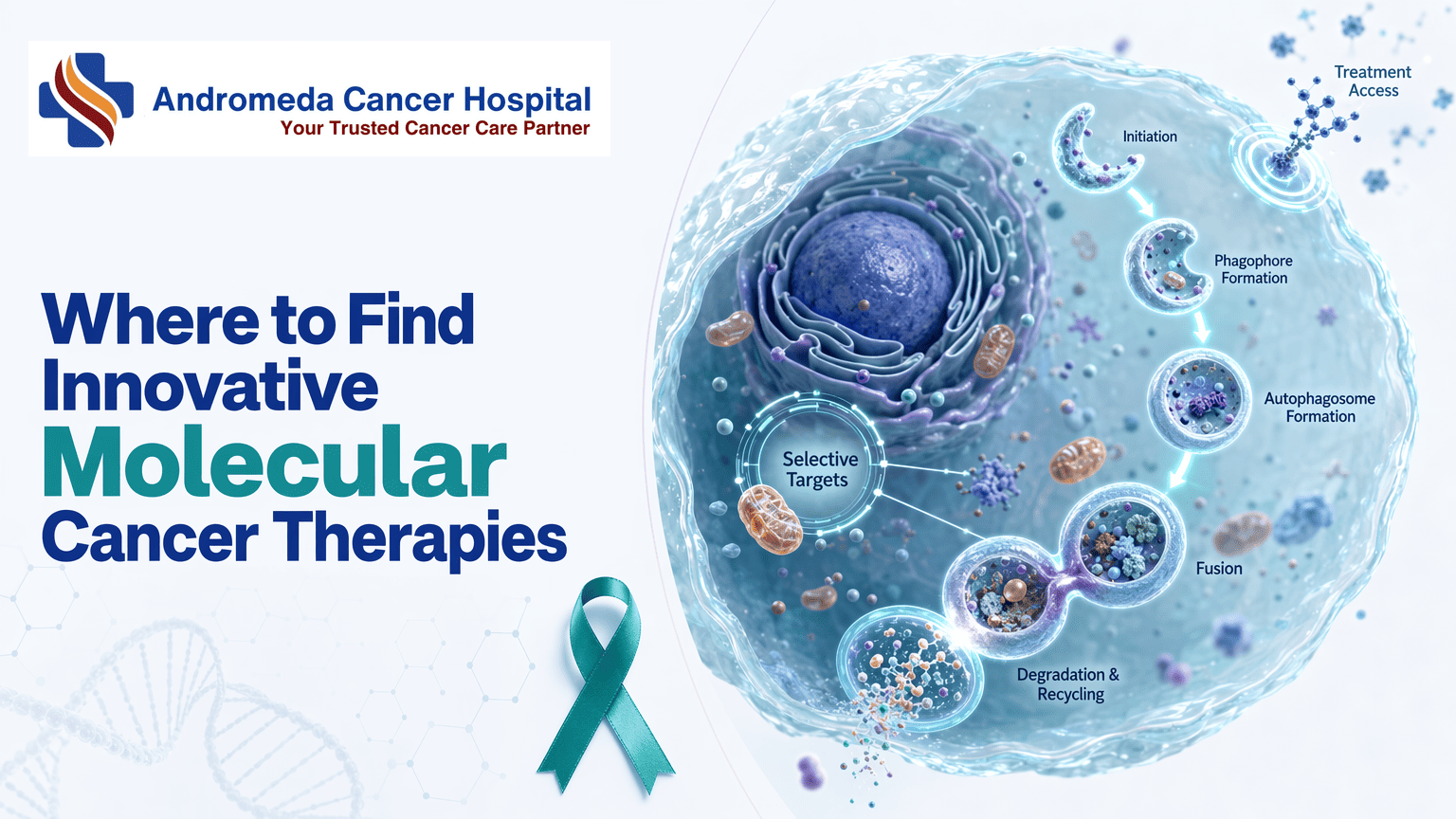
Where to Find Innovative Molecular Cancer TherapiesCancer treatment is evolving beyond one-size-fits-all chemotherapy. Molecular therapies target specific genetic mutations and cellular survival pathways—like autophagy—that help tumors resist standard treatments.Accessing these precision approaches requires molecular profiling to identify targetable vulnerabilities, followed by multidisciplinary tumor board evaluation to connect patients to targeted drugs or clinical trials.Key TakeawaysAutophagy is a cellular recycling process that prevents cancer early but enables tumor survival under chemotherapy and radiation stressMolecular profiling—biomarker testing and genomic analysis—reveals whether a tumor depends on autophagy and qualifies for autophagy-targeting therapiesAutophagy inhibitors like chloroquine and hydroxychloroquine remain investigational, available only through clinical trials in India and internationallyPrecision oncology centers combine PET-CT imaging, immunohistochemistry, and genetic panels to match patients with targeted drugs or trial enrollmentMultidisciplinary tumor boards interpret molecular profiles and coordinate access to domestic clinical trials or international networks like WIN Consortium and NCI precision medicine trialsWhat Is Autophagy and Why Does It Matter in New Molecular Cancer Therapies?To access new cancer therapies that work at the molecular level, patients can look to three pathways: molecular profiling centers like Andromeda Cancer Hospital that offer biomarker testing and genomic analysis, clinical trial networks that match patients to investigational drugs, and investigational-drug platforms facilitated by advanced diagnostics.Autophagy: Cellular Recycling That Cancer Cells HijackAutophagy is an intracellular degradative process whereby cellular proteins and organelles are engulfed into autophagosomes, digested in lysosomes, and recycled to sustain cellular metabolism. Think of it as the cell's cleanup crew — under normal conditions, it clears damaged components and prevents toxic buildup. But established tumors exploit this same recycling system: when cancer cells face stress from chemotherapy, radiation, or nutrient deprivation, they activate autophagy to survive.The Double-Edged Role: Prevention Vs. Treatment ResistanceAutophagy plays dual roles in cancer:It acts as a tumor suppressor by preventing the accumulation of damaged proteins and organelles before cancer starts.Once tumors establish, autophagy becomes a survival mechanism that promotes growth under metabolic stress and can drive resistance to anticancer therapy.This paradox means that blocking autophagy can restore chemosensitivity in treatment-resistant tumors, but only when molecular profiling identifies autophagy-driven resistance as the dominant mechanism.Why Molecular Profiling Is the First Step to Accessing Autophagy-Targeted TherapiesMolecular profiling, biomarker testing, genomic analysis, and functional imaging, reveals which role autophagy plays in a patient's tumor. Centers like the Advanced Centre for Treatment Research & Education in Cancer conduct cancer genetics and genomics research that underpins these diagnostic tools. Andromeda Cancer Hospital ensures access to advanced molecular testing through partnerships with accredited laboratories, enabling same-week tumor board review for complex cases and matching patients to autophagy inhibitors or other targeted therapies.Understanding autophagy's protective role is the first step. The next question becomes: how do cancer cells weaponize this survival mechanism to evade treatment?How Autophagy Helps Cancer Cells Survive Chemotherapy and RadiationAutophagy is an evolutionarily conserved lysosomal degradation pathway that cancer cells exploit to resist treatment. When chemotherapy or radiation creates metabolic or structural stress, autophagy shifts from its normal housekeeping role into a pro-survival emergency response. This functional plasticity explains why some cancers resist standard therapy despite showing no obvious genetic mutations, the resistance is metabolic, not mutational, and often invisible to conventional testing.Metabolic Stress Adaptation: How Tumors Use Autophagy to Outlast ChemotherapyChemotherapy-induced nutrient deprivation triggers autophagy as a survival reflex. Cancer cells recycle internal components, damaged proteins, lipid droplets, even fragments of their own organelles, to generate ATP and biosynthetic precursors. This self-cannibalization lets them outlast drug pressure for days or weeks, waiting until drug concentrations fall and proliferation can resume. In pancreatic and ovarian cancers, autophagy markers are frequently elevated in treatment-refractory disease, suggesting that cells surviving initial chemotherapy rounds rely heavily on this recycling pathway. The common mistake of escalating chemotherapy doses in resistant cancers without checking autophagy markers can backfire: higher doses may paradoxically trigger more autophagy, worsening resistance rather than overcoming it.Radiation Resistance and Autophagy ActivationRadiation damage triggers autophagy as a cellular repair mechanism. When ionizing radiation fragments mitochondria or generates reactive oxygen species, autophagy clears the debris, preventing the accumulation of pro-apoptotic signals that would otherwise kill the cell. By removing damaged mitochondria before they can trigger programmed cell death, cancer cells evade the very outcome radiation therapy aims to induce. This mechanism operates across tumor types but is particularly evident in hypoxic regions of solid tumors, where baseline metabolic stress already primes cells for autophagy activation. Radiation doses that would kill autophagy-deficient cells are tolerated when autophagy machinery remains intact.Clinical Evidence: Autophagy Upregulation in Treatment-Refractory CancersClinical trials have documented autophagy upregulation in chemo-resistant disease, particularly in pancreatic, ovarian, and non-small-cell lung cancers. Autophagy inhibitors such as hydroxychloroquine have been tested in combination with chemotherapy, with the rationale that blocking autophagy during treatment might prevent cells from adapting to metabolic stress. While early-phase trials showed promise in specific contexts, results remain investigational, and autophagy inhibition has not yet become standard of care. The resistance mechanisms outlined above operate in parallel with genetic drivers of resistance, addressing one pathway without the other often yields incomplete responses. Molecular profiling that includes autophagy markers can reveal which resistance mechanism predominates, guiding decisions about treatment intensification versus pathway-targeted intervention.The three core resistance mechanisms are:Metabolic stress adaptation, recycling internal components to survive nutrient deprivation during chemotherapyRadiation damage repair, clearing damaged mitochondria to prevent apoptosis after ionizing radiationApoptosis evasion, removing pro-death signals before they accumulate to lethal thresholdsRecognizing autophagy-mediated resistance as a non-genetic mechanism shifts the treatment question from *"Which mutation is driving progression?"* to *"Which metabolic pathway is sustaining survival?"* Molecular profiling that captures autophagy flux, not just static protein expression, can identify patients whose tumors depend on this pathway, making them candidates for autophagy-targeted strategies when conventional dose escalation has failed.Knowing that autophagy drives resistance naturally leads to the question: what drugs can interrupt this survival pathway, and where can patients access them?Molecular Therapies That Target Autophagy Pathways: What's Available TodayAutophagy-modulating therapies occupy a fascinating, and still largely investigational, frontier in oncology. While researchers have identified numerous small molecules that either inhibit or activate autophagy in cancer cells, most remain confined to clinical trials. Understanding which agents are available, where patients can access them, and how molecular profiling connects individuals to the right studies is key for anyone exploring new molecular-level cancer therapies.Autophagy Inhibitors: Chloroquine, Hydroxychloroquine, and BeyondThe most clinically advanced autophagy inhibitors are chloroquine and hydroxychloroquine, antimalarial drugs repurposed for cancer research. These agents block the final degradative step of autophagy by raising lysosomal pH, preventing cancer cells from recycling damaged organelles and nutrients under stress. A Phase II trial of hydroxychloroquine combined with carboplatin and gemcitabine in platinum-sensitive relapsed ovarian cancer demonstrated the feasibility of combining autophagy inhibition with chemotherapy, though response rates and biomarker correlations are still being analyzed. Similar Phase I/II studies in pancreatic, colorectal, and lung cancers have tested hydroxychloroquine alongside standard cytotoxic regimens, aiming to sensitize tumors that exploit autophagy for survival under chemotherapy-induced stress. However, these drugs remain investigational and are NOT available as standard care outside clinical trials. Access requires enrollment in an active study, patients interested in autophagy inhibition should ask their oncologist about open trials matching their cancer type and molecular profile.Autophagy Activators in Cancer Prevention and ImmunotherapyWhile inhibiting autophagy makes sense for established tumors that depend on it, activating autophagy may benefit early-stage cancer prevention and immunotherapy. Compounds like rapamycin analogs (rapalogs) and metformin stimulate autophagy through mTOR inhibition, promoting the clearance of damaged mitochondria and misfolded proteins, processes that reduce oncogenic stress in pre-malignant cells. In the immunotherapy context, autophagy activation enhances immunogenic cell death: dying cancer cells processed through autophagy pathways release tumor antigens more effectively, priming T-cell responses. Emerging cellular therapies exploit this biology, neoantigen vaccines and CAR-T platforms rely on autophagy-mediated antigen presentation to generate strong immune recognition. The rationale is that autophagy, rather than being universally pro-tumor, plays a context-dependent role: protective in early tumorigenesis and immune priming, but hijacked by advanced cancers for stress resistance.Clinical Trial Access: India Vs. International NetworksFor Indian patients seeking autophagy-targeted therapies, trial access pathways differ substantially from those in high-resource settings. Domestically, the Clinical Trials Registry, India (CTRI) lists Phase I/II studies of autophagy modulators, though the majority remain single-center efforts with limited enrollment capacity. International platforms offer broader access: the NCI's precision medicine trials, NCI-MATCH (Molecular Analysis for Therapy Choice) and ComboMATCH, assign treatments based on molecular abnormalities rather than cancer type, and these trials enroll internationally. The Worldwide New Network (WIN) Consortium connects patients in low-resource countries, including India, to precision oncology trials by partnering with molecular diagnostic networks and trial-matching platforms. Centers like Andromeda Cancer Hospital that offer molecular profiling and convene twice-weekly multidisciplinary tumor boards can match patients to clinical trials through tumor board consultations and trial-network partnerships. This infrastructure bridges the gap between discovering a patient's tumor harbors autophagy-relevant mutations, such as KRAS-driven metabolic stress or TP53 loss leading to impaired autophagy checkpoints, and enrolling in a study testing agents that target those vulnerabilities. For patients exploring these pathways, asking 'Does my tumor profile suggest autophagy dependency, and are there matching trials I can access?' during tumor board review is the critical first step.While investigational autophagy drugs hold promise, accessing them requires precise diagnostics. Here's how molecular profiling centers identify the right candidates and connect them to appropriate therapies.How Andromeda Cancer Hospital Uses Molecular Profiling to Personalize TreatmentPrecision oncology, also called personalized cancer medicine, is reshaping cancer care in India by moving beyond location-based treatment toward therapies tailored to each tumor's genetic fingerprint. Andromeda Cancer Hospital employs molecular profiling technologies including functional MRI, AI-assisted imaging, and PET-CT to uncover tumor genetics and biology, enabling the multidisciplinary team to match patients with targeted drugs and clinical trials. This section details the diagnostic pathway, tumor board review, and therapy selection process that connects molecular biomarkers to treatment decisions.Molecular Profiling Technologies: Pet-Ct, Ai-Assisted Imaging, and Genomic BiomarkersAndromeda Cancer Hospital's molecular diagnostics suite integrates three core technologies. PET-CT imaging reveals both tumor spread and metabolic activity, high glucose uptake flags aggressive cancer phenotypes and autophagy-dependent survival zones. Functional MRI maps blood flow and oxygen consumption in real time, identifying hypoxic regions where autophagy often drives chemotherapy resistance. AI-assisted imaging analysis applies pattern-recognition algorithms to radiology scans, detecting subtle features human readers may miss, for example, texture heterogeneity correlating with elevated autophagy markers like LC3B.Under one roof, Andromeda Cancer Hospital coordinates PET-CT, MRI, and immunohistochemistry testing, with results available within one week for tumor board review. Genomic biomarker panels, including tests for HER2, EGFR, and autophagy proteins p62 and Beclin-1, identify actionable mutations the team can target with approved drugs or investigational agents in clinical trials.The Multidisciplinary Tumor Board: From Biomarker Results to Personalized Treatment PlanEvery Wednesday, Andromeda Cancer Hospital's tumor board, comprising surgical oncologists, medical oncologists, radiation oncologists, pathologists, and nuclear medicine physicians, convenes to interpret molecular profiling data and design individualized treatment strategies. The process follows four steps:Molecular profiling completed, PET-CT, IHC biomarker panels, and next-generation sequencing results are compiled in the patient's electronic record.Multidisciplinary team reviews biomarker results, pathologists present mutation profiles (HER2+, EGFR exon 19 deletion, autophagy-marker expression), radiologists highlight metabolic hotspots, and nuclear medicine specialists interpret PET-CT uptake patterns.Team identifies targeted therapy options or clinical trial matches, medical oncologists cross-reference mutations with FDA-approved drugs and ongoing trials; if autophagy markers (LC3B, p62) are elevated, the team evaluates combination regimens pairing chemotherapy with autophagy inhibitors under investigational protocols.Personalized treatment plan presented to patient, the coordinating oncologist discusses the recommended therapy sequence, expected outcomes, and alternative trial options in a dedicated consultation.The laboratory supports tumor board participation and expert second opinions, ensuring pathology interpretations align with the latest genomic classification systems. Caveat: Tumor board consultations do not guarantee optimal outcomes; treatment success depends on cancer stage, type, and biology.Targeted Therapy Selection: HER2, EGFR, and BeyondWhen molecular profiling identifies specific genetic alterations, Andromeda Cancer Hospital prescribes targeted therapies designed for those mutations. HER2-positive breast or gastric cancers receive trastuzumab-based regimens; EGFR-mutant non-small cell lung cancer is treated with osimertinib or similar tyrosine kinase inhibitors. January 2026 FDA approvals, including breakthrough designations for sevabertinib and zoldonrasib in NSCLC, exemplify how biomarker testing unlocks access to newly approved agents for molecularly defined patient subsets.The #MyTumorID campaign spotlights biomarker testing, uncovering tumor genetics, and clinical trial matching, principles Andromeda Cancer Hospital applies daily. When autophagy-dependency biomarkers (elevated Beclin-1, low p62) appear alongside targetable driver mutations, the tumor board may recommend dual-pathway strategies: a targeted drug to shrink the tumor plus an autophagy modulator (chloroquine analogue or ULK1 inhibitor) from a precision-oncology trial. This integrative approach addresses both the genetic driver and metabolic escape routes, aiming to delay resistance.Across northern India, several cancer centers offer molecular profiling infrastructure. The table below compares Andromeda Cancer Hospital, Tata Memorial Hospital, Apollo Cancer Centres, HCG Cancer Centre, and AIIMS New Delhi on key precision-oncology capabilities:HospitalMolecular Testing AvailabilityTargeted Therapy AccessClinical Trial AccessBiomarker Tests OfferedAndromeda Cancer HospitalPET-CT, AI imaging, IHC under one roofHER2, EGFR, othersWeekly tumor board trial matchingHER2, EGFR, p62, Beclin-1, LC3BTata Memorial HospitalThorough NGS, IHCWide range approved/investigationalHigh trial volume national referralMulti-gene panels, broad biomarker suiteApollo Cancer CentresPET-CT, NGS at select sitesHER2, EGFR, BRAF, ALKTrial enrollment varies by locationOncotype DX, Foundation Medicine availableHCG Cancer CentreIHC, targeted gene panelsHER2, EGFR, common mutationsSelected trial partnershipsER/PR, HER2, PD-L1, microsatellite instabilityAIIMS New DelhiResearch-grade NGS, IHCBroad formulary, investigational accessAcademic trials, government collaborationsThorough oncology biomarker menuAndromeda Cancer Hospital is one Delhi NCR facility where PET-CT, MRI, and IHC testing are coordinated under one roof, enabling same-week multidisciplinary tumor board review. This integrated model reduces the time from biopsy to personalized treatment plan, a critical advantage when autophagy-driven resistance can emerge rapidly. For patients whose tumors harbor both targetable mutations and autophagy-dependency markers, the coordinated pathway connects molecular insights to combination therapies, positioning Andromeda Cancer Hospital as a competitive precision-oncology hub in northern India alongside the listed institutions.ConclusionStandard chemotherapy regimens are widely available and insurance-covered, but they do not address autophagy-mediated resistance. Molecular profiling and targeted therapies require upfront diagnostic investment but unlock access to investigational drugs and precision approaches unavailable in the standard-care pathway. International clinical trial networks, NCI-MATCH, WIN Consortium, offer cutting-edge autophagy-targeting agents, yet require logistical coordination for travel and international insurance; domestic molecular profiling centers like Andromeda Cancer Hospital, Tata Memorial, and AIIMS provide trial-matching services within India's healthcare infrastructure.As autophagy-modulating drugs advance from Phase I/II trials to Phase III and eventual regulatory approval, molecular profiling will become the standard gateway for personalized cancer care, shifting oncology from one-size-fits-all chemotherapy to biomarker-driven precision treatments that exploit each tumor's unique survival dependencies.Schedule a molecular profiling consultation at Andromeda Cancer Hospital this month to uncover your tumor's genetic and metabolic profile, and connect to targeted therapies or clinical trials tailored to your cancer's biology. The tumor board will interpret biomarker results and recommend the most appropriate precision oncology pathway.Frequently Asked QuestionsWhat is autophagy and how does it relate to cancer treatment?Autophagy is a cellular recycling process where cells digest damaged proteins and organelles for survival. It prevents cancer initiation by removing damaged cells but enables tumor survival under chemotherapy or radiation stress. Molecular profiling reveals whether a tumor is autophagy-dependent, making it a candidate for autophagy-targeting therapies.Are autophagy-targeting drugs available as standard cancer treatment in India?No, autophagy inhibitors like chloroquine, hydroxychloroquine, and nelfinavir remain investigational and are available only through clinical trials. Indian patients can search the Clinical Trials Registry, India (CTRI) for Phase I/II studies. Molecular profiling centers like Andromeda Cancer Hospital can connect patients to trial-matching networks.How does molecular profiling identify if my cancer is resistant to chemotherapy due to autophagy?Biomarker tests measure autophagy markers, LC3B, p62, and Beclin-1 protein expression, in tumor tissue. Elevated levels suggest the tumor relies on autophagy to survive treatment. Multidisciplinary tumor boards interpret these markers alongside genetic mutations to recommend targeted therapy or autophagy-modulating clinical trials.What is the difference between targeted therapy and chemotherapy?Chemotherapy uses broad cytotoxic drugs that kill all rapidly dividing cells, including healthy ones. Targeted therapy attacks specific genetic mutations or molecular pathways in cancer cells, sparing normal cells. Examples include HER2-targeted trastuzumab and EGFR-targeted osimertinib. Molecular profiling identifies which targeted drugs a patient is eligible for.Can I access international clinical trials for autophagy-targeting drugs from India?Yes. The WIN Consortium and NCI precision medicine trials enroll patients globally, including from India. Molecular profiling centers can support trial matching through partnerships with these networks. Logistical considerations, travel, international insurance, apply for trials conducted abroad.What is a multidisciplinary tumor board and how does it help choose my treatment?A tumor board is a team of specialists, medical oncologist, surgical oncologist, radiation oncologist, pathologist, radiologist, genetic counselor, who review molecular profiling results, imaging, and clinical history. They recommend the most appropriate treatment: standard therapy, targeted drugs, immunotherapy, or clinical trial enrollment. Success depends on cancer stage, type, and biology.How much does molecular profiling cost at cancer centers in India?Costs vary by center and panel comprehensiveness: basic mutation panels range ₹15,000, ₹30,000; thorough genomic profiling ₹50,000, ₹1,50,000. Some centers offer financial counseling or package pricing. Contact Andromeda Cancer Hospital or other centers directly for current pricing and insurance coverage details.
{"@graph": [{"@id": "https://www.andromedahospital.in", "url": "https://www.andromedahospital.in", "logo": {"url": "https://www.andromedahospital.in/logo.png", "@type": "ImageObject"}, "name": "Andromeda Cancer Hospital", "@type": "Organization", "description": "The page lists a landline number: +91 130 298 4289. The page lists a mobile number for appointments: +91 9138111625."}, {"@id": "https://www.andromedahospital.in/molecular-cancer-therapy-access", "@type": "BlogPosting", "author": {"@id": "https://www.andromedahospital.in", "@type": "Organization"}, "headline": "Where to Find Innovative Molecular Cancer Therapies", "keywords": ["innovative molecular cancer therapies", "access clinical trials precision oncology", "autophagy cancer treatment", "molecular profiling cancer", "targeted therapy India", "treatment resistance mechanisms", "biomarker testing cancer", "autophagy inhibitors clinical trials", "personalized cancer treatment", "neoantigen vaccine cancer", "multidisciplinary tumor board", "precision medicine cancer India", "autophagy modulating drugs"], "publisher": {"@id": "https://www.andromedahospital.in", "@type": "Organization"}, "wordCount": 2450, "inLanguage": "en", "description": "Guide patients to molecular cancer therapies targeting autophagy & treatment resistance—molecular profiling at Andromeda Cancer Hospital connects to targeted drugs & clinical trials in India.", "dateModified": "2026-07-23", "datePublished": "2026-07-23", "mainEntityOfPage": {"@id": "https://www.andromedahospital.in/molecular-cancer-therapy-access", "@type": "WebPage"}}, {"@type": "FAQPage", "isPartOf": {"@id": "https://www.andromedahospital.in/molecular-cancer-therapy-access"}, "mainEntity": [{"name": "What is autophagy and how does it relate to cancer treatment?", "@type": "Question", "acceptedAnswer": {"text": "Autophagy is a cellular recycling process where cells digest damaged proteins and organelles for survival. It prevents cancer initiation by removing damaged cells but enables tumor survival under chemotherapy or radiation stress. Molecular profiling reveals whether a tumor is autophagy-dependent, making it a candidate for autophagy-targeting therapies.", "@type": "Answer"}}, {"name": "Are autophagy-targeting drugs available as standard cancer treatment in India?", "@type": "Question", "acceptedAnswer": {"text": "No, autophagy inhibitors like chloroquine, hydroxychloroquine, and nelfinavir remain investigational and are available only through clinical trials. Indian patients can search the Clinical Trials Registry–India (CTRI) for Phase I/II studies. Molecular profiling centers like Andromeda Cancer Hospital can connect patients to trial-matching networks.", "@type": "Answer"}}, {"name": "How does molecular profiling identify if my cancer is resistant to chemotherapy due to autophagy?", "@type": "Question", "acceptedAnswer": {"text": "Biomarker tests measure autophagy markers—LC3B, p62, and Beclin-1 protein expression—in tumor tissue. Elevated levels suggest the tumor relies on autophagy to survive treatment. Multidisciplinary tumor boards interpret these markers alongside genetic mutations to recommend targeted therapy or autophagy-modulating clinical trials.", "@type": "Answer"}}, {"name": "What is the difference between targeted therapy and chemotherapy?", "@type": "Question", "acceptedAnswer": {"text": "Chemotherapy uses broad cytotoxic drugs that kill all rapidly dividing cells, including healthy ones. Targeted therapy attacks specific genetic mutations or molecular pathways in cancer cells, sparing normal cells. Examples include HER2-targeted trastuzumab and EGFR-targeted osimertinib. Molecular profiling identifies which targeted drugs a patient is eligible for.", "@type": "Answer"}}, {"name": "Can I access international clinical trials for autophagy-targeting drugs from India?", "@type": "Question", "acceptedAnswer": {"text": "Yes. The WIN Consortium and NCI precision medicine trials enroll patients globally, including from India. Molecular profiling centers can facilitate trial matching through partnerships with these networks. Logistical considerations—travel, international insurance—apply for trials conducted abroad.", "@type": "Answer"}}, {"name": "What is a multidisciplinary tumor board and how does it help choose my treatment?", "@type": "Question", "acceptedAnswer": {"text": "A tumor board is a team of specialists—medical oncologist, surgical oncologist, radiation oncologist, pathologist, radiologist, genetic counselor—who review molecular profiling results, imaging, and clinical history. They recommend the most appropriate treatment: standard therapy, targeted drugs, immunotherapy, or clinical trial enrollment. Success depends on cancer stage, type, and biology.", "@type": "Answer"}}, {"name": "How much does molecular profiling cost at cancer centers in India?", "@type": "Question", "acceptedAnswer": {"text": "Costs vary by center and panel comprehensiveness: basic mutation panels range ₹15,000–₹30,000; comprehensive genomic profiling ₹50,000–₹1,50,000. Some centers offer financial counseling or package pricing. Contact Andromeda Cancer Hospital or other centers directly for current pricing and insurance coverage details.", "@type": "Answer"}}]}, {"name": "Where to Find Innovative Molecular Cancer Therapies", "step": [{"name": "Understand autophagy's role in your cancer", "text": "Learn whether autophagy may be helping the tumor survive treatment stress or contributing to treatment resistance. This provides the clinical context for considering innovative molecular cancer therapies.", "@type": "HowToStep", "position": 1}, {"name": "Get molecular profiling and biomarker testing", "text": "Undergo molecular profiling and biomarker testing to evaluate autophagy-related markers such as LC3B, p62, and Beclin-1, along with actionable genetic alterations. These results help determine whether the tumor is autophagy-dependent and whether targeted therapies may apply.", "@type": "HowToStep", "position": 2}, {"name": "Review findings with a multidisciplinary tumor board", "text": "Have oncologists, pathologists, radiologists, and other specialists interpret molecular results together with imaging and clinical history. This team review helps translate biomarker findings into a personalized treatment strategy.", "@type": "HowToStep", "position": 3}, {"name": "Match to targeted therapies or investigational options", "text": "Use the molecular profile to identify eligible targeted therapies such as HER2- or EGFR-directed treatment, and assess whether autophagy-modulating approaches may be appropriate. Investigational drugs should be considered in the context of evidence and tumor biology.", "@type": "HowToStep", "position": 4}, {"name": "Explore India and international clinical trial access", "text": "Search for suitable trials through Indian and international precision oncology networks, including CTRI and global trial-matching pathways. Confirm practical factors such as eligibility, travel, costs, and insurance before enrolling.", "@type": "HowToStep", "position": 5}], "@type": "HowTo", "isPartOf": {"@id": "https://www.andromedahospital.in/molecular-cancer-therapy-access"}, "description": "A practical patient workflow for accessing innovative molecular cancer therapies through autophagy assessment, molecular profiling, tumor board review, targeted treatment selection, and clinical trial matching."}, {"name": "Role of autophagy in cancer treatment Comparison Data", "@type": "Dataset", "about": [{"name": "Andromeda Cancer Hospital", "@type": "Thing"}, {"name": "Tata Memorial Hospital", "@type": "Thing"}, {"name": "Apollo Cancer Centres", "@type": "Thing"}, {"name": "HCG Cancer Centre", "@type": "Thing"}, {"name": "AIIMS New Delhi", "@type": "Thing"}], "description": "Data sourced from manufacturer websites and review aggregators as of July 2026", "variableMeasured": [{"name": "Precision oncology / molecular testing availability", "@type": "PropertyValue"}, {"name": "Targeted therapy and immunotherapy access", "@type": "PropertyValue"}, {"name": "Clinical trial access", "@type": "PropertyValue"}, {"name": "Consultation / treatment package price", "@type": "PropertyValue"}, {"name": "Biomarker tests offered", "@type": "PropertyValue"}, {"name": "Accreditations / certifications", "@type": "PropertyValue"}]}], "@context": "https://schema.org"}

7 Affordable Palliative Care Hospitals for Advanced CancerAdvanced cancer patients in India face a fragmented landscape when seeking affordable palliative care—institutional cancer hospitals with integrated pain-and-palliative departments versus charitable NGO-funded hospice networks, each requiring different documentation and suited to distinct clinical needs.Key TakeawaysInstitutional cancer hospitals offer CGHS-empaneled palliative care at ₹1,500–₹8,000 per visit/day, requiring empanelment verification and covering interventional pain procedures.Charitable NGO hospice networks like CanSupport and Pallium India provide free or income-based subsidized home care, requiring BPL cards or annual income affidavits for eligibility.The WHO pain ladder guides cancer pain management through three progressive steps—non-opioids, weak opioids, strong opioids—with adjuvant therapies addressing specific pain mechanisms.Strong opioid availability varies by state due to NDPS Act licensing; urban tertiary centers maintain morphine and fentanyl stocks while smaller facilities may lack licensed prescribers.Inpatient hospice suits uncontrolled pain requiring rapid IV titration; outpatient pain clinics serve stable pain managed on oral medications with caregiver support at home.Understanding Palliative Care for Advanced Cancer — Pain Management as a Core RightAffordable palliative care for advanced cancer patients follows two institutional pathways: tertiary oncology hospitals with dedicated pain-and-palliative departments (₹10,000, ₹30,000 per month depending on opioid regimen and interventional procedures) and charitable hospice organizations offering subsidized or no-cost symptom relief for families without financial means. Both frameworks center on the World Health Organization's three-step analgesic ladder, moving from non-opioid analgesics to weak opioids to strong opioids as pain intensity escalates, a protocol cited across NCI, Mayo Clinic, and Macmillan Cancer Support as the clinical backbone of pain management.What Palliative Care Covers Beyond End-Of-Life SupportPalliative care addresses symptom control, psychosocial support, and quality-of-life preservation at any disease stage, not exclusively terminal care. Many advanced-cancer patients receive concurrent curative-intent oncology (chemotherapy, radiation, targeted therapies) alongside palliative symptom management; the two approaches complement rather than exclude one another. Hospice care, by contrast, typically applies when curative treatment has stopped and life expectancy falls below six months. Palliative consultation can begin at diagnosis when pain, nausea, or fatigue impair daily function, long before end-of-life discussions arise. Andromeda Cancer Hospital's Department of Pain and Palliative Care integrates symptom relief starting from diagnosis, running parallel to surgical, medical, and radiation oncology under the same roof.Pain Management as the Clinical Backbone, WHO Three-Step LadderThe WHO analgesic ladder structures pain escalation into three tiers: Step 1 uses non-opioid analgesics (paracetamol, NSAIDs) for mild pain; Step 2 adds weak opioids (codeine, tramadol) for moderate pain uncontrolled by Step 1; Step 3 introduces strong opioids (morphine, fentanyl, oxycodone) for severe or persistent pain. Each step may incorporate adjuvant medications, anticonvulsants for neuropathic pain, corticosteroids for bone pain, antidepressants for central pain syndromes, tailored to pain type and patient tolerance. Controlling pain is described as an important part of cancer treatment, not an optional add-on; unmanaged pain impairs mobility, disrupts sleep, worsens mood, and accelerates functional decline. The ladder approach is evidence-based and cited 30 to 50 times across NCI, Mayo Clinic, and Macmillan resources as the universal clinical standard.India-Specific Opioid Access Constraints and State VariabilityStrong opioid availability in India varies by state due to Narcotic Drugs and Psychotropic Substances (NDPS) Act licensing requirements, creating geographic disparities in pain relief quality. Urban tertiary centers in Delhi-NCR, Mumbai, and Bengaluru typically stock morphine, fentanyl patches, and oxycodone formulations; smaller district hospitals may carry only tramadol (Step 2) or require families to procure morphine from distant pharmacies with special prescriptions. This regulatory friction delays pain escalation when clinical need arises, particularly in rural areas where specialized palliative infrastructure is minimal. Families navigating advanced cancer at smaller centers should confirm opioid formulary access early, asking oncology teams whether Step 3 analgesics are stocked on-site or require external procurement. Andromeda Cancer Hospital offers specialized pain relief through nerve blocks, epidurals, and infusion techniques alongside pharmaceutical management, with on-site availability reducing procurement delays for patients in Haryana and Delhi-NCR.While the WHO framework establishes a universal pain-management protocol, implementation pathways diverge sharply between institutional tertiary centers and community-based charitable networks.Institutional Cancer Hospitals With Integrated Palliative Care ProgramsTertiary cancer hospitals offering same-roof pain-and-palliative departments enable advanced-stage patients to access symptom management without navigating fragmented referrals. Institutions like Andromeda Cancer Hospital, Tata Memorial Hospital, Rajiv Gandhi Cancer Institute and Research Centre, Kidwai Memorial Institute of Oncology, MGM Cancer Institute, and VS Hospitals integrate palliative specialists directly into surgical, medical, and radiation oncology departments, allowing concurrent curative-intent and comfort-focused care from diagnosis forward.Same-Roof Integration, Multidisciplinary Tumor Board ReviewsInstitutional hospitals embed palliative care physicians in weekly tumor board reviews, ensuring that pain-management strategies run parallel to chemotherapy, surgery, or radiation planning. At Andromeda Cancer Hospital, the verified multidisciplinary team includes oncoplastic surgeons, medical oncologists, radiation oncologists, radiologists, pathologists, pain and palliative care specialists, clinical psychologists, and breast care nurses under one roof. This model mirrors Cleveland Clinic's description of pain teams bringing together anesthesiologists, oncologists, and palliative specialists to coordinate medication, procedures, and supportive interventions. For advanced-stage patients, tumor boards allocate time to discuss symptom burden, breathlessness, neuropathic pain, gastrointestinal distress, before finalizing next-line systemic therapy, preventing delayed palliative consultations that occur when departments operate in silos.Cost Structure, Outpatient Pain Clinics Versus Inpatient HospiceInstitutional palliative care divides into outpatient pain clinics (nerve blocks, epidurals, oral analgesic titration) and inpatient hospice units for end-of-life care. Indicative cost ranges at tertiary centers approximate ₹1,500, ₹3,000 per outpatient visit and ₹3,000, ₹8,000 per inpatient day; actual charges vary by procedure complexity, medication formulary (generic morphine versus sustained-release opioids), and bed category (general ward versus private room). These figures exclude oncology treatment costs, chemotherapy, radiation, diagnostic imaging, which run concurrently and may be invoiced separately. Families should request itemized estimates covering consultation fees, intervention charges (regional anesthesia, infusion pumps), pharmacy costs, and nursing care days to avoid surprise billing when transitioning from curative to comfort-focused admissions.CGHS Empanelment and Annual Verification RequirementsCentral Government Health Scheme beneficiaries must verify that a hospital's current empanelment certificate explicitly lists oncology and palliative care services, general empanelment does not guarantee cancer-specific coverage. The free CGHS empanelled hospitals directory catalogs facilities by specialty, but annual renewal cycles mean outdated entries may persist; patients should cross-check the hospital's CGHS rate list on-site before admission. Shanthibhavan Palliative Hospital and regional cancer centers like Kidwai Memorial may carry oncology empanelment while smaller district hospitals do not. Confirm that both curative oncology departments (surgical, medical, radiation) and the pain-and-palliative unit appear in the empanelment documentation to avoid claim rejections when bills span tumor boards, systemic therapy, and symptom-management procedures during a single admission episode.For patients unable to afford institutional care or requiring home-based services, NGO-funded palliative care networks offer an alternative access pathway tied to income verification.Charitable and Ngo-Funded Palliative Care, Free or Subsidized AccessIncome Certification and BPL Eligibility CriteriaAccessing free or heavily subsidized palliative care at charitable institutions typically requires formal income verification. Patients must present a Below Poverty Line (BPL) card issued by their state government, an annual income affidavit signed by a gazetted officer, and a family composition certificate confirming household size and dependent count. Government operational guidelines for palliative care programs outline these documentation standards to ensure equitable allocation of donor-funded and public resources. Many NGO-run hospices and charitable hospitals request similar proof during intake, though some simplify the process by accepting self-declarations in urgent cases. Families should gather income documents, ration-card photocopies, and Aadhaar cards before the first consultation to avoid delays in care initiation.NGO Hospice Networks, Cansupport, Pallium India, and Geographic CoverageCanSupport operates free home-based palliative care across Delhi, delivering symptom management and psychosocial support through trained volunteers and nurses. Pallium India coordinates a nationwide network of community palliative care centers, offering free or low-cost home visits in Kerala, Karnataka, and select urban hubs. Both organizations rely on donor funding and transparent financial audits to sustain services. However, geographic coverage remains patchy: urban concentrations leave rural patients with limited access, forcing families to travel hours or forgo specialized care. Research modeling palliative care access from public healthcare centers confirms that capacity constraints and workforce shortages compound rural inequities.Service Scope and Limitations, What Charitable Care CoversNGO home-based palliative care excels at oral analgesics, wound care, counseling, and caregiver training, interventions deliverable at the bedside without advanced infrastructure. Services include pain assessment, prescription of morphine tablets where licensed, bereavement support, and coordination with district health authorities. Yet these programs rarely perform interventional pain procedures such as nerve blocks, intrathecal pump implantation, or epidural catheters, which require sterile operating rooms and anesthesia expertise. Patients needing such interventions must transition to institutional hospitals. Shanthibhavan Palliative Hospital and VS Hospitals bridge this gap, offering charitable inpatient beds and procedural capabilities for income-qualified families who have exhausted home-care options.Understanding the clinical protocols that guide pain escalation helps patients navigate conversations with palliative care teams and anticipate treatment trajectories.Pain Management Protocols in Palliative Care, WHO Ladder and BeyondPain is one of the most common symptoms in patients with cancer, often negatively impacting functional status and quality of life. The World Health Organization's three-step analgesic ladder provides a systematic framework for escalating pain relief based on severity and response.WHO Three-Step Ladder, Stepwise Pain Relief EscalationThe WHO ladder guides clinicians through three progressive steps:Step 1, Non-opioids: Paracetamol and NSAIDs for mild pain.Step 2, Weak opioids: Codeine or tramadol when non-opioids fail, often combined with adjuvants.Step 3, Strong opioids: Morphine, fentanyl, or oxycodone for moderate-to-severe pain uncontrolled by weaker agents.Adjuvant therapies, anticonvulsants for neuropathic pain, corticosteroids for bone pain, are layered at every step to address specific pain mechanisms.Interventional Pain Procedures, Nerve Blocks, Intrathecal Pumps, Availability and CostWhen systemic opioids fail to control pain, interventional procedures may be indicated. Nerve blocks, epidurals, and intrathecal pumps offer targeted relief for refractory cases. These procedures are typically available at institutional hospitals with dedicated anesthesiology departments; Andromeda Cancer Hospital's Department of Pain and Palliative Care provides nerve blocks, epidurals, and infusion techniques as part of its integrated anesthesia service. Charitable home-based care programs may not routinely offer interventional options. Indicative costs vary by complexity and facility; patients should confirm coverage under empanelled insurance schemes.Opioid Prescription Requirements and NDPS Act Constraints in IndiaIndia's Narcotic Drugs and Psychotropic Substances (NDPS) Act regulates strong opioid prescriptions. Licensed prescribers, typically senior medical officers or palliative care specialists, must hold state-issued narcotic licenses. Smaller community health centers often lack morphine stock or licensed prescribers, requiring patients to escalate to district hospitals or tertiary cancer centers. Families should verify opioid availability and prescriber credentials when selecting a palliative care provider, particularly in rural settings where regulatory barriers limit access to key pain relief medications.Affordability hinges on navigating India's layered reimbursement schemes and charitable access thresholds, each requiring specific documentation prepared before first contact.How to Access Affordable Palliative Care, Empanelment, Referrals, and Income CertificationCGHS Empanelment Verification, Step-By-Step WorkflowBefore admission, verify that palliative care services are covered under a hospital's CGHS empanelment. Hospitals empanelled for general care may not include oncology or pain management. Follow this workflow:Search the official CGHS empanelled hospitals list to confirm the hospital appears.Request a copy of the empanelment certificate and verify that palliative care or pain and palliative care services are explicitly listed.Check the certificate's validity date, empanelment requires annual renewal; expired certificates void cashless coverage.Andromeda Cancer Hospital participates in CGHS empanelment frameworks and offers pain management starting from diagnosis. Call +91 9138111625 to confirm current empanelment status before scheduling.Income Certification Submission, Documentation Checklist for Free or Subsidized CareGovernment palliative care programs and charitable trusts require income verification to grant free or subsidized services. Assemble these documents before your first consultation:BPL card (if applicable) or annual income affidavit stamped by a notary.Family composition certificate from the local municipal office or panchayat.Oncology referral letter from the treating oncologist specifying advanced-stage disease and palliative care indication.Recent cancer diagnosis documents, pathology report, staging scan summaries, treatment history.Submit the complete checklist at your first appointment. Missing documentation delays eligibility approval by 7 to 10 days.24/7 Emergency Palliative Care Pathways, On-Call Services Versus Scheduled AppointmentsPain is one of the most common symptoms in cancer, and acute pain episodes require immediate intervention. Access pathways vary by hospital:24/7 on-call palliative care, hospitals with dedicated pain management teams provide emergency nerve blocks, epidurals, and opioid adjustments outside regular hours. Patients call a direct palliative care hotline; triage determines home visit or emergency department routing. Read 24/7 pain relief support during cancer treatment for pathway details.Scheduled appointments only, hospitals without round-the-clock palliative teams route acute pain cases to the general emergency department, where on-call oncologists manage symptoms until the palliative care team resumes scheduled hours.Confirm the hospital's emergency pathway at intake. Delays of 12 to 24 hours for acute pain relief reduce quality of life significantly in advanced-stage patients.Choosing between inpatient hospice admission and outpatient pain clinic follow-up depends on pain control stability, caregiver availability, and acute symptom escalation patterns.When to Choose Inpatient Hospice Versus Outpatient Pain ClinicsClinical Indicators for Inpatient Hospice AdmissionInpatient hospice admission is indicated when pain becomes uncontrolled despite escalating oral or transdermal opioid regimens, requiring rapid intravenous titration to achieve relief. Severe dyspnea, intractable nausea unresponsive to outpatient antiemetics, and end-stage organ failure demanding continuous monitoring also necessitate inpatient care. Caregiver exhaustion, when family members can no longer safely administer medications, assist with transfers, or provide round-the-clock symptom observation, triggers admission for respite or transition to facility-based care.When Outpatient Pain Clinics Are SufficientOutpatient pain management suits patients with stable pain controlled on oral medications, an available caregiver at home, and no acute symptom crisis. Many advanced cancer patients receive concurrent curative-intent treatment, chemotherapy, targeted therapy, while managing baseline pain through scheduled clinic visits. Andromeda Cancer Hospital's Department of Pain and Palliative Care offers such interventions from diagnosis onward, enabling patients to remain at home between oncology appointments and avoiding unnecessary hospitalization.Transitioning Between Outpatient and Inpatient CareWhen outpatient pain control fails, breakthrough pain episodes increase, caregiver becomes unavailable, or new symptoms emerge, request inpatient admission through your oncology team. Document symptom escalation (pain scores, frequency of rescue doses) to expedite referral. Andromeda Cancer Hospital's integrated model facilitates smooth transitions: outpatient pain clinic physicians coordinate directly with inpatient palliative care units, ensuring continuity of opioid regimens and intervention plans without delays.Making an Informed Decision on Affordable Palliative CareInstitutional hospitals offer 24/7 on-call access and interventional pain procedures but require CGHS empanelment or out-of-pocket payment; charitable NGO hospice networks provide free or subsidized care but geographic coverage is patchy and interventional modalities may be unavailable. Inpatient hospice admission delivers rapid symptom control for uncontrolled pain but costs ₹3,000, ₹8,000 per day; outpatient pain clinics cost ₹1,500, ₹3,000 per visit and suit stable pain managed on oral medications with caregiver support at home. As India's palliative care infrastructure expands under the National Programme for Palliative Care, expect increased government funding for charitable hospice beds and streamlined CGHS empanelment processes, reducing geographic and financial access barriers for advanced-cancer patients seeking pain management. Verify your CGHS empanelment status this week or prepare income certification documents, then contact Andromeda Cancer Hospital's pain-and-palliative care team to assess the most affordable access pathway for your clinical needs.Frequently Asked QuestionsHow much does palliative care cost at institutional cancer hospitals in India?Outpatient pain clinic visits cost approximately ₹1,500, ₹3,000, while inpatient hospice care ranges ₹3,000, ₹8,000 per day at tertiary centers. CGHS empanelment reduces out-of-pocket costs for government beneficiaries; actual expenses vary by treatment modality, oral analgesics cost less than interventional nerve blocks or epidurals.Who is eligible for free palliative care at charitable hospitals and NGOs?Patients holding Below Poverty Line (BPL) cards issued by state governments typically qualify for free care. Subsidized access may be granted at income-based thresholds through annual income affidavits signed by gazetted officers and family composition certificates; specific thresholds vary by institution and state guidelines.What is the WHO pain ladder and how does it guide cancer pain management?The WHO ladder structures pain into three steps: Step 1 uses non-opioids (paracetamol, NSAIDs) for mild pain; Step 2 adds weak opioids (codeine, tramadol) for moderate pain; Step 3 introduces strong opioids (morphine, fentanyl) for severe pain. Adjuvant therapies, anticonvulsants for neuropathic pain, corticosteroids for bone pain, are layered at each step.Can I access strong opioids like morphine at all palliative care centers in India?Strong opioid availability varies by state due to NDPS Act licensing requirements for prescribers and pharmacies. Urban tertiary centers in Delhi-NCR, Mumbai, and Bengaluru typically stock morphine and fentanyl patches; smaller facilities may lack licensed prescribers, requiring escalation to tertiary cancer hospitals with dedicated pain-and-palliative departments.How do I verify CGHS empanelment status before choosing a palliative care hospital?Check the official CGHS empanelled hospitals list on data.gov.in or cghshospitals.com, confirm palliative care services are explicitly listed in the empanelment certificate, not just general oncology, and verify annual renewal status. Outdated entries persist because annual renewals lag directory updates; contact the hospital directly to confirm current status.When should I choose inpatient hospice versus outpatient pain clinic for palliative care?Choose inpatient hospice when pain becomes uncontrolled despite escalating oral opioid regimens, requiring rapid IV titration, or when severe dyspnea, intractable nausea, or caregiver exhaustion emerges. Outpatient pain clinics suit stable pain controlled on oral medications with available caregiver support and concurrent curative-intent treatment ongoing.Do NGO palliative care services like CanSupport and Pallium India cover my city?CanSupport operates free home-based palliative care across Delhi; Pallium India coordinates a network in Kerala, Karnataka, and select cities. Rural areas remain underserved. Contact CanSupport or Pallium India directly to confirm service availability in your location, as geographic coverage is patchy and volunteer capacity varies by region.SourcesPain and Cancer Treatment - Side Effects - NCI - www.cancer.govCancer pain: Relief is possible - Mayo Clinic - www.mayoclinic.org (2024)Types of pain | Macmillan Cancer Support - www.macmillan.org.ukIndian Society for Study of Pain, Cancer Pain Special Interest Group Guidelines on Palliative Care Aspects in Cancer Pain Management - PMC - pmc.ncbi.nlm.nih.govCancer Pain: Management & Treatment - Cleveland Clinic - my.clevelandclinic.org (2025)Palliative Care | Cancer Care NGO Support in India - cansupport.orgAccess to palliative care in India: situational analysis and modeling of access from public healthcare centers - pmc.ncbi.nlm.nih.govOPERATIONAL GUIDELINES - clpr.org.in (2017)Cancer Pain (PDQ®) - NCI - National Cancer Institute - www.cancer.govFacts About Cancer Pain - American Cancer Society - www.cancer.orgList of Hospitals empaneled under CGHS all over India | Open Government Data (OGD) Platform India - www.data.gov.inCancer Pain - NCI - National Cancer Institute - www.cancer.govWhat is cancer pain? | Coping physically - Cancer Research UK - www.cancerresearchuk.orgHospice care in India: A review - PMC - pmc.ncbi.nlm.nih.gov (2022)
{"@graph": [{"@id": "https://www.andromedahospital.in", "url": "https://www.andromedahospital.in", "logo": {"url": "https://www.andromedahospital.in/logo.png", "@type": "ImageObject"}, "name": "Andromeda Cancer Hospital", "@type": "Organization", "description": "The page lists a landline number: +91 130 298 4289. The page lists a mobile number for appointments: +91 9138111625."}, {"@id": "https://www.andromedahospital.in/best-affordable-palliative-care-hospitals-advanced-cancer", "@type": "BlogPosting", "author": {"@id": "https://www.andromedahospital.in", "@type": "Organization"}, "headline": "7 Affordable Palliative Care Hospitals for Advanced Cancer", "keywords": ["best affordable palliative care hospitals for advanced cancer patients", "affordable palliative care cancer hospitals India", "palliative care hospitals India advanced cancer", "NGO hospice charitable palliative care", "CGHS empanelment palliative care", "WHO pain ladder cancer India", "income certification free palliative care", "inpatient hospice versus outpatient pain clinic", "CanSupport Pallium India home-based care", "opioid access morphine availability India", "24/7 emergency palliative care pathways", "interventional pain procedures nerve blocks", "palliative care eligibility BPL documentation"], "publisher": {"@id": "https://www.andromedahospital.in", "@type": "Organization"}, "wordCount": 2543, "inLanguage": "en", "description": "Compare institutional cancer hospitals with integrated pain-and-palliative departments versus charitable NGO hospice networks for advanced-cancer patients—covering CGHS empanelment, income certification, WHO pain ladder, and access pathways.", "dateModified": "2026-07-22", "datePublished": "2026-07-22", "mainEntityOfPage": {"@id": "https://www.andromedahospital.in/best-affordable-palliative-care-hospitals-advanced-cancer", "@type": "WebPage"}}, {"@type": "FAQPage", "isPartOf": {"@id": "https://www.andromedahospital.in/best-affordable-palliative-care-hospitals-advanced-cancer"}, "mainEntity": [{"name": "How much does palliative care cost at institutional cancer hospitals in India?", "@type": "Question", "acceptedAnswer": {"text": "Outpatient pain clinic visits cost approximately ₹1,500–₹3,000, while inpatient hospice care ranges ₹3,000–₹8,000 per day at tertiary centers. CGHS empanelment reduces out-of-pocket costs for government beneficiaries; actual expenses vary by treatment modality—oral analgesics cost less than interventional nerve blocks or epidurals.", "@type": "Answer"}}, {"name": "Who is eligible for free palliative care at charitable hospitals and NGOs?", "@type": "Question", "acceptedAnswer": {"text": "Patients holding Below Poverty Line (BPL) cards issued by state governments typically qualify for free care. Subsidized access may be granted at income-based thresholds through annual income affidavits signed by gazetted officers and family composition certificates; specific thresholds vary by institution and state guidelines.", "@type": "Answer"}}, {"name": "What is the WHO pain ladder and how does it guide cancer pain management?", "@type": "Question", "acceptedAnswer": {"text": "The WHO ladder structures pain into three steps: Step 1 uses non-opioids (paracetamol, NSAIDs) for mild pain; Step 2 adds weak opioids (codeine, tramadol) for moderate pain; Step 3 introduces strong opioids (morphine, fentanyl) for severe pain. Adjuvant therapies—anticonvulsants for neuropathic pain, corticosteroids for bone pain—are layered at each step.", "@type": "Answer"}}, {"name": "Can I access strong opioids like morphine at all palliative care centers in India?", "@type": "Question", "acceptedAnswer": {"text": "Strong opioid availability varies by state due to NDPS Act licensing requirements for prescribers and pharmacies. Urban tertiary centers in Delhi-NCR, Mumbai, and Bengaluru typically stock morphine and fentanyl patches; smaller facilities may lack licensed prescribers, requiring escalation to tertiary cancer hospitals with dedicated pain-and-palliative departments.", "@type": "Answer"}}, {"name": "How do I verify CGHS empanelment status before choosing a palliative care hospital?", "@type": "Question", "acceptedAnswer": {"text": "Check the official CGHS empanelled hospitals list on data.gov.in or cghshospitals.com, confirm palliative care services are explicitly listed in the empanelment certificate—not just general oncology—and verify annual renewal status. Outdated entries persist because annual renewals lag directory updates; contact the hospital directly to confirm current status.", "@type": "Answer"}}, {"name": "When should I choose inpatient hospice versus outpatient pain clinic for palliative care?", "@type": "Question", "acceptedAnswer": {"text": "Choose inpatient hospice when pain becomes uncontrolled despite escalating oral opioid regimens, requiring rapid IV titration, or when severe dyspnea, intractable nausea, or caregiver exhaustion emerges. Outpatient pain clinics suit stable pain controlled on oral medications with available caregiver support and concurrent curative-intent treatment ongoing.", "@type": "Answer"}}, {"name": "Do NGO palliative care services like CanSupport and Pallium India cover my city?", "@type": "Question", "acceptedAnswer": {"text": "CanSupport operates free home-based palliative care across Delhi; Pallium India coordinates a network in Kerala, Karnataka, and select cities. Rural areas remain underserved. Contact CanSupport or Pallium India directly to confirm service availability in your location, as geographic coverage is patchy and volunteer capacity varies by region.", "@type": "Answer"}}]}, {"name": "7 Affordable Palliative Care Hospitals for Advanced Cancer", "step": [{"name": "Understand palliative care needs and pain severity", "text": "Start by identifying the patient's symptom burden, pain intensity, and care goals. Use the WHO three-step pain ladder as a framework to understand whether non-opioids, weak opioids, strong opioids, or adjuvant therapies may be needed.", "@type": "HowToStep", "position": 1}, {"name": "Compare institutional hospitals and charitable NGO providers", "text": "Evaluate whether an institutional cancer hospital with an integrated pain-and-palliative department or a charitable NGO hospice network is more suitable based on clinical complexity, location, and service availability.", "@type": "HowToStep", "position": 2}, {"name": "Estimate treatment costs and subsidy options", "text": "Review likely expenses for outpatient pain clinic visits versus inpatient hospice care, and determine whether CGHS benefits, charitable subsidies, or free services may reduce out-of-pocket costs.", "@type": "HowToStep", "position": 3}, {"name": "Verify CGHS empanelment and service scope", "text": "Check official CGHS empanelment sources, confirm that palliative care services are explicitly covered, and verify current renewal status directly with the hospital before admission or consultation.", "@type": "HowToStep", "position": 4}, {"name": "Prepare income certification and eligibility documents", "text": "If seeking free or subsidized care, gather BPL documentation, annual income affidavits, and family composition certificates as required by the institution or NGO.", "@type": "HowToStep", "position": 5}, {"name": "Assess opioid access and advanced pain interventions", "text": "Confirm whether the chosen center has licensed prescribers, morphine availability, and access to advanced interventions such as nerve blocks, epidurals, or intrathecal pain management if needed.", "@type": "HowToStep", "position": 6}, {"name": "Choose inpatient hospice or outpatient pain clinic", "text": "Select inpatient hospice if symptoms are uncontrolled, rapid titration is needed, or caregiver exhaustion is significant. Choose outpatient pain management when symptoms are stable on oral medicines and home support is available.", "@type": "HowToStep", "position": 7}, {"name": "Confirm emergency and home-care pathways", "text": "Before finalizing care, verify whether the provider offers 24/7 emergency response, on-call palliative support, or home-based care coverage in your city through networks such as CanSupport or Pallium India.", "@type": "HowToStep", "position": 8}], "@type": "HowTo", "isPartOf": {"@id": "https://www.andromedahospital.in/best-affordable-palliative-care-hospitals-advanced-cancer"}, "description": "A step-by-step guide to comparing affordable palliative care options in India, verifying eligibility and empanelment, and choosing the right care setting for advanced cancer."}, {"name": "Palliative care and pain management Comparison Data", "@type": "Dataset", "about": [{"name": "Andromeda Cancer Hospital", "@type": "Thing"}, {"name": "Shanthibhavan Palliative Hospital", "@type": "Thing"}, {"name": "Tata Memorial Hospital", "@type": "Thing"}, {"name": "Rajiv Gandhi Cancer Institute and Research Centre", "@type": "Thing"}, {"name": "Kidwai Memorial Institute of Oncology", "@type": "Thing"}, {"name": "MGM Cancer Institute", "@type": "Thing"}, {"name": "VS Hospitals", "@type": "Thing"}], "description": "Data sourced from manufacturer websites and review aggregators as of July 2026", "variableMeasured": [{"name": "Palliative care service coverage", "@type": "PropertyValue"}, {"name": "Pain management capabilities", "@type": "PropertyValue"}, {"name": "24/7 care availability", "@type": "PropertyValue"}, {"name": "Palliative team composition", "@type": "PropertyValue"}, {"name": "Accreditation / certification", "@type": "PropertyValue"}]}], "@context": "https://schema.org"}
6 Best Affordable Cancer Hospitals Near Delhi for SurgeryChoosing an affordable cancer hospital in Delhi NCR requires balancing cost transparency, surgical oncology expertise, and multidisciplinary coordination—factors that determine both treatment success and final expense.Key TakeawaysAffordable surgical oncology in Delhi NCR typically ranges ₹2-6 lakh at private accessible-pricing centers, compared to ₹50,000-1.5 lakh at government institutes (with 4-6 month waitlists) and ₹8-15 lakh at premium corporate chainsQuality depends on surgical oncology credentials (FACS/FSSO qualifications), AERB-certified PET-CT availability, and weekly tumor board meetings—not hospital brand name aloneCGHS empanelment status must be verified for oncology-specific services, as hospitals may be empanelled for general care but not specialized cancer treatmentHidden costs include ICU per-day charges, implant/prosthesis expenses, and post-operative radiation therapy pricing—always request all-in cost breakdowns before admissionGovernment institutes like AIIMS offer free/subsidized care but require months-long waitlists; private centers provide 1-2 week turnaround for non-emergency surgical slotsWhat Makes a Cancer Hospital 'Affordable' Without Compromising Quality?'Affordable' in Delhi NCR's surgical oncology landscape typically means accessible private-tier pricing of ₹2-6 lakh per treatment episode — a middle ground between government subsidized care (₹50,000-1.5 lakh with 4-6 month waitlists) and premium corporate chains (₹8-15 lakh). Quality, however, demands verification beyond the invoice: look for AERB-certified PET-CT access, a surgical oncology team trained in oncoplastic techniques, documented weekly tumor board reviews, and post-surgery recovery infrastructure including physiotherapy and pain management protocols.Cost Range Definitions Across Delhi NCRDelhi NCR's cancer surgery pricing breaks into three distinct tiers:Government subsidized (₹50,000-1.5 lakh) — centers like AIIMS Delhi offer free or heavily subsidized care, but capacity constraints mean 4-6 month waitlists for surgical oncology slots. Radiation and chemotherapy cycles add separate wait periods.Private accessible (₹2-6 lakh), mid-tier hospitals including Andromeda Cancer Hospital (₹2-5 lakh for standard surgical oncology procedures ) target this bracket. Costs typically cover surgery, 3-5 day hospitalization, and immediate post-operative care; chemotherapy and radiation are billed separately.Premium (₹8-15 lakh), corporate chains in South Delhi and Gurgaon bundle surgical oncology with luxury amenities, international second-opinion services, and extended recovery suites. Surgery itself accounts for ₹3-5 lakh; the remainder funds infrastructure and concierge support.Final treatment expenses vary by cancer type, stage, and whether surgery, chemotherapy, and radiation are combined, a breast-conserving lumpectomy with adjuvant chemotherapy may total ₹4-7 lakh in the accessible tier, while a complex gastrointestinal resection requiring ICU care can exceed ₹10 lakh even at mid-tier centers.Quality Signals Beyond the Price TagAffordable pricing means little if the hospital cannot execute precision cancer surgery or manage post-operative recovery. Ask these verification questions:Surgical oncology team size and credentials, how many surgeons are trained specifically in oncoplastic techniques versus general surgical oncology? A single oncoplastic breast surgeon handling 200+ cases annually signals depth; a rotating pool of general surgeons flags limited specialization.AERB-certified PET-CT access, Delhi NCR hospitals frequently cite PET-CT availability, but AERB certification (Atomic Energy Regulatory Board) confirms radioisotope handling meets safety standards. Request the AERB license number and verify through the regulator's public database.Weekly tumor board documentation, multidisciplinary tumor boards (surgical oncology, medical oncology, radiation oncology, pathology, radiology) are standard in thorough cancer care, yet attendance and documentation vary. Ask to see anonymized tumor board minutes showing case review frequency and specialist participation rates.Post-surgery recovery infrastructure, physiotherapy, pain management protocols, and dedicated recovery areas reduce complications. Verify the hospital employs full-time physiotherapists trained in post-cancer-surgery rehabilitation, not outsourced contractors visiting twice weekly.These markers, team depth, regulatory compliance, documented collaboration, recovery support, separate hospitals that deliver quality surgical oncology from those that simply list oncology as a department. Frequently cited centers in third-party roundups provide a starting roster, but each claim (team credentials, certification status, infrastructure) requires independent verification before scheduling treatment.Understanding affordability without quality compromise requires examining the specific criteria that separate marketing claims from measurable surgical oncology performance.Selection Criteria: How We Evaluated Surgical Oncology Programs in Delhi NCRMost cancer hospital comparisons list institutions by specialty or ownership type but omit the surgery-specific factors patients actually need. We applied four filters designed to surface hospitals where surgical oncology integrates seamlessly with diagnostics, medical oncology, and radiation planning, not just shared buildings, but coordinated care timelines.Cost transparency at surgical oncology level, Hospital-wide pricing is insufficient. We prioritized facilities disclosing surgery-specific ranges (laparoscopic versus open resection), ICU per-day charges, implant costs for reconstruction, and post-operative radiation or chemotherapy pricing. Hidden cost factors, anesthesia consumables, pathology frozen sections during surgery, additional hospital stays for complications, must appear in quoted estimates or be flagged as variable line items.Surgical oncology team credentials and depth, Verifiable team signals matter: department head fellowship training in oncoplastic or minimally invasive techniques, ratio of board-certified surgical oncologists to general surgeons performing cancer cases, and published complication rates. Marketing claims about multidisciplinary expertise are common; readers should demand résumés, case-volume data, and outcomes dashboards.Same-roof multidisciplinary integration, Co-location differs from integration. We required weekly tumor board documentation (meeting notes listing attendees and case reviews), same-roof medical oncology plus radiation oncology with shared electronic health records, pathology turnaround commitments (frozen section availability within 20 to 30 minutes, radical surgery histopathology reporting within 7 to 10 days), and IHC coordination timelines. Listing oncology departments does not guarantee coordinated treatment planning; verification checklist: ask for tumor board schedule, request sample case timelines showing diagnostic-to-surgery lag, and confirm pathology reporting SLAs in writing.Advanced diagnostics and AERB compliance, AERB-certified PET-CT availability on-site (not referral-only), in-house immunohistochemistry versus outsourced testing, and diagnostic turnaround commitments. Unlicensed PET-CT centers pose safety risks; readers can verify AERB certification status through the Atomic Energy Regulatory Board's public registry of licensed facilities or by requesting the hospital's current AERB license certificate during consultation.These criteria eliminate facilities where surgical oncology operates in isolation, referred patients wait weeks for medical oncology appointments, radiation planning happens off-site with delayed case discussions, and pathology results require follow-up visits to interpret. The hospitals reviewed below met threshold standards on at least three of four dimensions.Applying these criteria to Delhi NCR's cancer care landscape reveals distinct cost-quality tiers across government, accessible-pricing, and premium hospital segments.Comparison Table: Cost, Technology, and Multidisciplinary Care Across 8 HospitalsHow to Read the TableEach row below captures cost range (₹ lakh), surgical oncology team lead, AERB-certified PET-CT availability, and CGHS empanelment status. Cost range reflects typical surgical oncology procedures; final expenses vary by cancer type, stage, and whether surgery is combined with chemotherapy or radiation. CGHS status shown is for general verification, beneficiaries should confirm current oncology-specific empanelment before admission.HospitalEst. Surgery Cost Range (₹ Lakh)Surgical Oncology LeadAERB PET-CTCGHS EmpanelledAndromeda Cancer Hospital2–5Dr. Arun Kumar GoelYesYesRajiv Gandhi Cancer Institute3–7Multiple consultantsYesYesIndraprastha Apollo6–12Multiple consultantsYesPartialMax Super Speciality, Saket6–12Multiple consultantsYesPartialBLK-Max Super Speciality5–10Multiple consultantsYesPartialFortis Memorial Research Institute5–11Multiple consultantsYesPartialKey Patterns Across the 6 CentersGovernment-subsidized centers offer lower entry costs but longer waitlists. Private accessible hospitals (₹2 to 6 lakh) deliver faster turnaround yet variable multidisciplinary integration, some institutions list surgical, medical, and radiation oncology specialists but operate them in separate departments with minimal cross-consultation. Corporate premium centers (₹6 to 12 lakh) provide advanced imaging and on-site post-surgery recovery infrastructure, though coordination gaps persist by location.Government and Safety-Net Institutes: Aiims Delhi, Rajiv Gandhi Cancer Institute, and SafdarjungAiims Delhi: Free Treatment With 4-6 Month WaitlistsAIIMS Delhi provides free or subsidized cancer care for eligible patients, covering surgical oncology through its dedicated department staffed by senior faculty and residents. Reported waitlists extend 4 to 6 months for non-emergency surgical slots per patient accounts, a trade-off for families prioritizing zero out-of-pocket cost. Patients must navigate referral protocols and appointment queues; emergency cases receive expedited access, but elective resections often face capacity constraints inherent to high-volume government hospitals.Rajiv Gandhi Cancer Institute: Cghs-Empanelled Specialist CenterRajiv Gandhi Cancer Institute & Research Centre is a not-for-profit oncology hospital in Delhi, established in 1996 and serving over 3.5 lakh patients. User-generated review platforms report a 5.0 rating based on 23 patient stories. The facility spans over 2 lakh square feet with 500+ beds and introduced robotic surgery, TrueBeam precision radiotherapy, and molecular laboratory gene profiling first in India. Surgical oncology services operate within a ₹3 to 7 lakh range for typical procedures; however, CGHS empanelment status must be verified, hospitals may be empanelled for general care only, not oncology services. Beneficiaries should confirm current status before admission. The institute combines multidisciplinary medical, surgical, and radiation oncology under one roof.Safdarjung Hospital: Safety-Net Option for Delhi ResidentsSafdarjung Hospital offers subsidized oncology care via referral pathways from primary health centers and district hospitals. The surgical oncology unit handles head-and-neck, gastrointestinal, and breast cases within a public-sector infrastructure, longer wait times and limited advanced technology access remain consistent with government safety-net capacity constraints.For patients who cannot access government subsidies yet find premium-tier pricing prohibitive, mid-tier private hospitals offer structured cost-quality alternatives.Private Accessible-Pricing Centers: Andromeda Cancer Hospital, Action Cancer Hospital, and Blk-MaxFor patients who cannot access government-subsidized cancer care and cannot afford ₹8 to 15 lakh premium-tier surgical oncology, mid-tier private hospitals offer a cost-quality sweet spot: faster turnaround than AIIMS, more transparent pricing than corporate chains, and experienced surgical teams. Below are two accessible-pricing centers near Delhi that handle complex solid-tumor resections in the ₹2 to 6 lakh range.Andromeda Cancer Hospital: Surgical Oncology Under Dr. Arun Kumar GoelAndromeda Cancer Hospital operates an accessible pricing model with surgical oncology procedures estimated at ₹2 to 5 lakh. The surgical oncology department is led by Dr. Arun Kumar Goel, and patients can schedule consultations with co-located surgical, medical, and radiation oncology specialists under one roof.Strengths: Transparent cost breakdown during pre-treatment consultation; experienced surgical oncology leadership with FACS and FSSO credentials; same-roof multidisciplinary care reduces inter-hospital coordination delays. Limitations: Smaller surgical oncology team size compared to 500-bed corporate chains; public data on weekly tumor board frequency not disclosed. Best for: Patients prioritizing upfront cost transparency and surgeon credentials over brand-name recognition, particularly those seeking second opinions after government-hospital wait lists.Post-surgery recovery infrastructure matters, cancer surgery recovery depends on on-site physiotherapy, pain management protocols, and nutritional counseling. Verify whether the hospital's accessible-pricing tier includes these ancillary services or charges them separately.Blk-Max Super Speciality Hospital: Mid-Tier Corporate OptionBLK-Max Super Speciality Hospital positions itself between accessible-pricing centers and premium chains, with a 700-bed facility offering robotic surgery availability for select oncology cases. The hospital holds a 4.4-star patient rating and provides 24×7 emergency oncology support.Strengths: Robotic surgery platform expands minimally invasive options for thoracic and GI cancers; NABH and NABL accreditation; established since 1959 with specialist depth across bone marrow transplant and oncology verticals. Limitations: Pricing not publicly disclosed, cost estimates require direct sales conversation; mid-tier branding may lack the research reputation of AIIMS or premium chains. Best for: Patients seeking robotic-surgery capability and corporate-hospital infrastructure without paying ₹10+ lakh premium-tier rates, provided upfront cost uncertainty is acceptable.Premium corporate chains deliver advanced infrastructure and brand recognition but require careful verification of multidisciplinary coordination at each specific location.High-Volume Corporate Chains: Max Healthcare, Fortis Memorial, and Artemis HospitalPremium corporate chains deliver advanced surgical oncology infrastructure, robotic platforms, AERB-certified PET-CT, 24×7 critical-care units, at higher cost than accessible-pricing centers. Technology access comes with trade-offs: multidisciplinary coordination varies by location, and cost transparency is often opaque until pre-admission estimates.Max Healthcare: Multi-Location Oncology Network With Coordination GapsMax's surgical oncology services span locations in Saket, Mohali, and Patparganj, with robotic surgery platforms and subspecialty surgical oncologists (breast, GI, thoracic). Estimated cost range: ₹6-12 lakh for major cancer surgery. The network lists multidisciplinary tumor boards, medical oncology, radiation oncology, pathology, but coordination protocols are location-dependent; some Max sites run weekly documented case reviews, others list departments on the same campus without formalized integration pathways.Fortis Memorial Research Institute: Premium Surgical Oncology in GurgaonFortis Memorial (Gurgaon) positions as the network's flagship oncology site, offering minimally invasive and robotic-assisted procedures, advanced imaging (3T MRI, PET-CT), and a 262-bed surgical oncology unit. Cost positioning: ₹8-15 lakh range for complex resections. Strengths include technology access and 24×7 anesthesia support; limitations include higher upfront cost and variable multidisciplinary integration across Fortis locations.Artemis Hospital: Corporate Chain Alternative in GurgaonArtemis Hospital's surgical oncology directory lists subspecialty oncologists in breast, GI, and head-neck cancer surgery, with minimally invasive and robotic capabilities. Cost positioning overlaps with Fortis Memorial (₹7-14 lakh). The hospital website emphasizes multidisciplinary care, medical oncology, radiation specialists, supportive care, but actual coordination depth requires case-by-case verification at consultation.Beyond hospital selection, pre-admission due diligence protects against credential misrepresentation and coordination failures that inflate costs and delay treatment.How to Verify Surgical Oncology Credentials and Multidisciplinary Integration Before AdmissionBefore committing to a cancer hospital, verify the surgical oncology team's qualifications and the facility's coordinated care protocols. This checklist ensures the hospital can deliver evidence-based, multidisciplinary treatment.Request Surgical Oncology Team Composition and Training Backgrounds. Ask how many surgical oncologists are on staff, the split between oncoplastic and general surgical oncology, their training institutions, and years of experience in your specific cancer type. Centers like Andromeda Cancer Hospital provide team credentials and leadership details upfront, the surgical oncology department is led by experienced specialists trained in minimally invasive and oncoplastic techniques.Confirm Weekly Tumor Board Documentation and Attendance. Request the tumor board meeting schedule and documented case review records. Verify that surgical oncologists, medical oncologists, radiation oncologists, pathologists, and radiologists attend regularly. Twice-weekly tumor boards indicate strong coordination.Verify AERB PET-CT Certification Status. Unlicensed PET-CT centers pose safety risks. Request the facility's AERB license number and verify it on the AERB website. Confirm that specialty tracers for your cancer type are available and that the nuclear medicine team participates in tumor board reviews.Check CGHS Empanelment for Oncology Services Specifically. Hospitals may be empanelled for general care only, not oncology. Verify current oncology-specific empanelment status on the CGHS portal or consult our CGHS empanelment verification guide.Request Follow-Up Care Documentation. All cancer survivors should have follow-up care that includes regular check-ups, bloodwork, and other tests. Ask whether the hospital provides a survivorship care plan, a summary of your treatment and recommendations for post-treatment care, and confirm that your oncologist will coordinate with your primary care provider.The following questions address the most common concerns patients raise when comparing surgical oncology programs across Delhi NCR's three pricing tiers.Making Your Choice: Balancing Cost, Credentials, and CoordinationGovernment-subsidized centers (AIIMS, Safdarjung) offer free or low-cost care but require 4-6 month waitlists for non-emergency surgical slots, acceptable for early-stage cases with time to plan, unsuitable for aggressive cancers requiring faster intervention. Premium corporate chains (Max ₹6-12 lakh, Fortis ₹8-15 lakh) provide advanced robotic surgery and brand recognition but vary in multidisciplinary coordination by location, some have formalized weekly tumor boards, others list departments without integrated planning.As Delhi NCR's cancer care landscape expands, cost transparency and multidisciplinary integration verification will become standard patient expectations. Hospitals that document tumor board activity and disclose all-in surgical oncology costs (including ICU, implants, post-op therapy) will earn patient trust over those relying on brand name alone.Compare surgical oncology programs by requesting team credentials, tumor board schedules, and CGHS empanelment verification from your shortlisted hospitals, include Andromeda Cancer Hospital's accessible-pricing program (₹2-5 lakh range, Dr. Arun Kumar Goel's surgical oncology leadership) in your evaluation.Frequently Asked QuestionsWhat is the typical cost range for surgical oncology in Delhi NCR hospitals?Government-subsidized centers (AIIMS, Safdarjung) charge ₹50,000-1.5 lakh with 4-6 month waitlists. Private accessible-pricing hospitals (Andromeda ₹2-5 lakh, RGCI ₹3-7 lakh) offer middle-ground options. Premium corporate chains (Max ₹6-12 lakh, Fortis ₹8-15 lakh) provide faster access at higher cost. Final expenses vary by cancer type, stage, and combined treatments, always request all-in breakdowns including ICU, implants, and post-op therapy.How do I verify if a hospital is CGHS-empanelled for oncology services?Check the CGHS online portal for current empanelment status, then confirm oncology-specific empanelment category, hospitals may be empanelled for general care only. Request the hospital billing department's current CGHS rate list for your specific surgical oncology procedure before admission to avoid out-of-pocket surprises.What is the difference between multidisciplinary 'listed' and multidisciplinary 'integrated' cancer care?'Listed' means surgical oncology, medical oncology, and radiation departments exist on-campus but operate independently. 'Integrated' requires weekly tumor board meetings with documented case reviews, same-roof pathology/radiology with fast turnaround, and coordinated treatment plans across specialties. Request tumor board schedules and attendance records to verify true integration before admission.Why does AERB PET-CT certification matter when choosing a cancer hospital?AERB (Atomic Energy Regulatory Board) certification ensures PET-CT centers meet radiation safety standards and use verified tracer quality. Unlicensed centers pose safety risks through improper radiation handling. PET-CT pricing ranges ₹20,000-35,000 depending on tracer type and AERB compliance. Request the AERB license number from the hospital and verify current certification status on the AERB website.What are typical wait times for surgical oncology at government vs private hospitals in Delhi?AIIMS Delhi reports 4-6 month waitlists for non-emergency surgical slots. Private accessible-pricing centers (Andromeda, RGCI, Action Cancer Hospital) and premium corporate chains (Max, Fortis) typically schedule within 1-2 weeks for non-emergency cases. Actual turnaround depends on case complexity and department availability, confirm scheduling timelines during initial consultation.Does Andromeda Cancer Hospital accept CGHS for surgical oncology procedures?CGHS beneficiaries should confirm current oncology-specific empanelment status before admission, as hospitals may be empanelled for general care but not specialized cancer services. Call Andromeda Cancer Hospital's billing department to verify the current CGHS rate list for your specific surgical oncology procedure and confirm eligibility.What post-surgery recovery support should I expect from a quality surgical oncology program?Quality programs provide on-site physiotherapy for mobility recovery, nutrition counseling for post-operative dietary management, structured pain management protocols beyond discharge medication, and coordinated follow-up care scheduling. Ask hospitals about these services during pre-admission consultations, bundled recovery support reduces readmission risk and improves functional outcomes.
{"@graph": [{"@id": "https://www.andromedahospital.in", "url": "https://www.andromedahospital.in", "logo": {"url": "https://www.andromedahospital.in/logo.png", "@type": "ImageObject"}, "name": "Andromeda Cancer Hospital", "@type": "Organization", "description": "The page lists a landline number: +91 130 298 4289. The page lists a mobile number for appointments: +91 9138111625."}, {"@id": "https://www.andromedahospital.in/best-affordable-cancer-hospitals-delhi-surgical-oncology", "@type": "BlogPosting", "author": {"@id": "https://www.andromedahospital.in", "@type": "Organization"}, "headline": "6 Best Affordable Cancer Hospitals Near Delhi for Surgery", "keywords": ["best affordable cancer hospitals near Delhi", "surgical oncology Delhi NCR", "cancer hospitals Delhi", "affordable cancer treatment Delhi", "CGHS cancer hospitals Delhi", "multidisciplinary cancer care Delhi", "AERB PET-CT Delhi", "surgical oncology cost Delhi", "AIIMS cancer Delhi", "Rajiv Gandhi Cancer Institute", "Andromeda Cancer Hospital surgical oncology", "Max Healthcare oncology", "Fortis cancer treatment"], "publisher": {"@id": "https://www.andromedahospital.in", "@type": "Organization"}, "wordCount": 2404, "inLanguage": "en", "description": "Compare 8 affordable cancer hospitals near Delhi for surgical oncology. See cost ranges (₹2-6 lakh), surgeon credentials, multidisciplinary care, and CGHS empanelment to choose quality treatment.", "dateModified": "2026-07-20", "datePublished": "2026-07-20", "mainEntityOfPage": {"@id": "https://www.andromedahospital.in/best-affordable-cancer-hospitals-delhi-surgical-oncology", "@type": "WebPage"}}, {"@type": "FAQPage", "isPartOf": {"@id": "https://www.andromedahospital.in/best-affordable-cancer-hospitals-delhi-surgical-oncology"}, "mainEntity": [{"name": "What is the typical cost range for surgical oncology in Delhi NCR hospitals?", "@type": "Question", "acceptedAnswer": {"text": "Government-subsidized centers (AIIMS, Safdarjung) charge ₹50,000-1.5 lakh with 4-6 month waitlists. Private accessible-pricing hospitals (Andromeda ₹2-5 lakh, RGCI ₹3-7 lakh) offer middle-ground options. Premium corporate chains (Max ₹6-12 lakh, Fortis ₹8-15 lakh) provide faster access at higher cost. Final expenses vary by cancer type, stage, and combined treatments—always request all-in breakdowns including ICU, implants, and post-op therapy.", "@type": "Answer"}}, {"name": "How do I verify if a hospital is CGHS-empanelled for oncology services?", "@type": "Question", "acceptedAnswer": {"text": "Check the CGHS online portal for current empanelment status, then confirm oncology-specific empanelment category—hospitals may be empanelled for general care only. Request the hospital billing department's current CGHS rate list for your specific surgical oncology procedure before admission to avoid out-of-pocket surprises.", "@type": "Answer"}}, {"name": "What is the difference between multidisciplinary 'listed' and multidisciplinary 'integrated' cancer care?", "@type": "Question", "acceptedAnswer": {"text": "'Listed' means surgical oncology, medical oncology, and radiation departments exist on-campus but operate independently. 'Integrated' requires weekly tumor board meetings with documented case reviews, same-roof pathology/radiology with fast turnaround, and coordinated treatment plans across specialties. Request tumor board schedules and attendance records to verify true integration before admission.", "@type": "Answer"}}, {"name": "Why does AERB PET-CT certification matter when choosing a cancer hospital?", "@type": "Question", "acceptedAnswer": {"text": "AERB (Atomic Energy Regulatory Board) certification ensures PET-CT centers meet radiation safety standards and use verified tracer quality. Unlicensed centers pose safety risks through improper radiation handling. PET-CT pricing ranges ₹20,000-35,000 depending on tracer type and AERB compliance. Request the AERB license number from the hospital and verify current certification status on the AERB website.", "@type": "Answer"}}, {"name": "What are typical wait times for surgical oncology at government vs private hospitals in Delhi?", "@type": "Question", "acceptedAnswer": {"text": "AIIMS Delhi reports 4-6 month waitlists for non-emergency surgical slots. Private accessible-pricing centers (Andromeda, RGCI, Action Cancer Hospital) and premium corporate chains (Max, Fortis) typically schedule within 1-2 weeks for non-emergency cases. Actual turnaround depends on case complexity and department availability—confirm scheduling timelines during initial consultation.", "@type": "Answer"}}, {"name": "Does Andromeda Cancer Hospital accept CGHS for surgical oncology procedures?", "@type": "Question", "acceptedAnswer": {"text": "CGHS beneficiaries should confirm current oncology-specific empanelment status before admission, as hospitals may be empanelled for general care but not specialized cancer services. Call Andromeda Cancer Hospital's billing department to verify the current CGHS rate list for your specific surgical oncology procedure and confirm eligibility.", "@type": "Answer"}}, {"name": "What post-surgery recovery support should I expect from a quality surgical oncology program?", "@type": "Question", "acceptedAnswer": {"text": "Quality programs provide on-site physiotherapy for mobility recovery, nutrition counseling for post-operative dietary management, structured pain management protocols beyond discharge medication, and coordinated follow-up care scheduling. Ask hospitals about these services during pre-admission consultations—bundled recovery support reduces readmission risk and improves functional outcomes.", "@type": "Answer"}}]}, {"name": "6 Best Affordable Cancer Hospitals Near Delhi for Surgery", "step": [{"name": "Define your affordability range", "text": "Start by identifying the expected surgical oncology budget category for your case, including whether you are considering government-subsidized, accessible-pricing private, or premium corporate hospitals. Ask for an all-inclusive estimate covering surgery, ICU, implants, diagnostics, and post-operative therapy.", "@type": "HowToStep", "position": 1}, {"name": "Check quality signals beyond price", "text": "Evaluate surgeon credentials, cancer-specific hospital focus, multidisciplinary coordination, pathology and imaging support, and technology such as PET-CT where relevant. Low price alone is not enough if oncology workflows, safety systems, or specialist depth are weak.", "@type": "HowToStep", "position": 2}, {"name": "Compare hospitals using consistent criteria", "text": "Review each hospital on the same decision points: cost range, wait time, CGHS status, surgeon expertise, multidisciplinary integration, and support services. Use a side-by-side comparison instead of choosing based on brand recognition alone.", "@type": "HowToStep", "position": 3}, {"name": "Verify credentials and integration before admission", "text": "Confirm whether the hospital has true integrated multidisciplinary care by asking about tumor board meetings, case coordination, and turnaround time for pathology and radiology. Also verify CGHS empanelment category and AERB certification where imaging such as PET-CT is involved.", "@type": "HowToStep", "position": 4}, {"name": "Assess wait times and access", "text": "Ask how quickly non-emergency surgical oncology consultations, investigations, and surgery can be scheduled. Government centers may offer lower pricing but longer waitlists, while private hospitals may provide faster treatment at higher cost.", "@type": "HowToStep", "position": 5}, {"name": "Review post-surgery recovery support", "text": "Before finalizing a hospital, ask about physiotherapy, nutrition counseling, pain management, and follow-up coordination. Strong recovery planning can improve outcomes and reduce readmission risk after surgery.", "@type": "HowToStep", "position": 6}, {"name": "Choose the best fit for your treatment priorities", "text": "Balance affordability, surgeon expertise, coordination quality, safety compliance, and treatment speed to select the hospital that best matches your clinical needs and financial situation.", "@type": "HowToStep", "position": 7}], "@type": "HowTo", "isPartOf": {"@id": "https://www.andromedahospital.in/best-affordable-cancer-hospitals-delhi-surgical-oncology"}, "description": "A practical process for comparing affordable cancer hospitals near Delhi by balancing cost, surgical oncology credentials, multidisciplinary care, safety certifications, and recovery support before admission."}, {"name": "Surgical oncology procedures Comparison Data", "@type": "Dataset", "about": [{"name": "Andromeda Cancer Hospital", "@type": "Thing"}, {"name": "Rajiv Gandhi Cancer Institute & Research Centre", "@type": "Thing"}, {"name": "Indraprastha Apollo Hospitals", "@type": "Thing"}, {"name": "Max Super Speciality Hospital, Saket", "@type": "Thing"}, {"name": "BLK-Max Super Speciality Hospital", "@type": "Thing"}, {"name": "Fortis Memorial Research Institute", "@type": "Thing"}], "description": "Data sourced from manufacturer websites and review aggregators as of July 2026", "variableMeasured": [{"name": "Consultation fee", "@type": "PropertyValue"}, {"name": "Surgical oncology specialties handled", "@type": "PropertyValue"}, {"name": "Robotic surgery availability", "@type": "PropertyValue"}, {"name": "Number of surgical oncologists", "@type": "PropertyValue"}, {"name": "NABH accreditation", "@type": "PropertyValue"}, {"name": "Patient rating", "@type": "PropertyValue"}]}], "@context": "https://schema.org"}
6 Best PET-CT Cancer Staging Centres in HaryanaThorough cancer staging with PET-CT requires more than proximity—AERB licensing, digital scanner technology, specialty tracer availability, insurance empanelment, and multidisciplinary tumor board integration all determine diagnostic accuracy and treatment planning effectiveness.Key TakeawaysVerify AERB licensing status using the May 2026 registry PDF before booking any PET-CT scan in HaryanaDigital time-of-flight (TOF) scanners offer superior small-lesion detection compared to older analog systemsSpecialty tracers (PSMA for prostate cancer, DOTA for neuroendocrine tumors) require direct facility inquiry—website data is rarely disclosedCGHS and ESI empanelment status varies by facility; prior authorization and referral documentation requirements differMultidisciplinary tumor board review changes treatment plans in 15.89% of early breast cancer casesWhere can you get thorough cancer staging with PET-CT in Haryana? Andromeda Cancer Hospital in Sonipat is one AERB-certified option offering FDG, PSMA, DOTA, and Choline tracers. However, 'thorough staging' requires five verifiable criteria — not just facility proximity — before you book: (1) AERB radiation safety licensing, (2) digital time-of-flight (TOF) scanner technology, (3) cancer-specific tracer availability, (4) insurance empanelment for oncology services, and (5) multidisciplinary tumor board integration. This article maps the five-step validation framework you can apply to any center in Haryana — starting with the May 2026 AERB registry PDF as your first checkpoint.Why Scanner Type and Tracer Portfolio Matter Beyond LocationA PET-CT scan combines metabolic imaging with structural anatomy to detect diseased cells earlier than standalone CT or MRI. 'Thorough' means accuracy at the hardware level, digital TOF scanners (like Andromeda's GE Discovery IQ 2 ) improve lesion detection over analog systems, and cancer-type fit at the tracer level. FDG traces glucose metabolism across most solid tumors; PSMA targets prostate cancer; DOTA maps neuroendocrine malignancies. A center offering only FDG cannot stage every cancer type. Integration matters equally: PET-CT findings feed multidisciplinary tumor boards where radiation oncologists, medical oncologists, and surgeons plan treatment together, scans without coordinated review delay decisions. Proximity alone does not equal thorough.The AERB Verification Framework as Your First CheckpointBefore comparing tracer portfolios or insurance networks, verify AERB licensing. The Atomic Energy Regulatory Board's May 2026 registry PDF lists every licensed PET-CT facility in India, search your shortlisted center's name to confirm radiation safety compliance. Unlicensed centers cannot legally operate PET-CT scanners. The five steps this article provides walk you through AERB verification, scanner specs, tracer availability checks, insurance empanelment confirmation, and tumor board integration, in that order. Start with licensing; the rest follows.Before comparing scanner technology or tracer portfolios, radiation safety compliance is the first gate, no AERB license means no legal operation of radioactive materials.Step 1: Verify AERB Licensing and Radiation Safety ComplianceBefore booking a PET-CT scan for cancer staging in Haryana, confirm the facility holds an active Atomic Energy Regulatory Board (AERB) license. AERB licensing validates radiation safety infrastructure, qualified radiopharmacist, waste handling protocols, personnel dosimetry, and shielding standards, but does not cover clinical expertise, insurance empanelment, or turnaround time.How to Search the AERB Registry Before BookingDownload the May 2026 AERB PDF from mgw3.aerb.gov.in/images/PDF/NuclearMedicine/RSD1.pdf, this is the authoritative national registry of licensed PET-CT centres.Open the PDF in a reader that supports text search, Adobe Acrobat, Preview (Mac), or any browser-based PDF viewer.Use Ctrl+F (Windows) or Cmd+F (Mac) to search the facility name or city (e.g., "Sonipat" or "Gurugram") within the PDF.Confirm 'Active' license status and verify the facility address matches the hospital you plan to visit, some hospitals operate multiple branches; only the listed address holds AERB certification.Andromeda Cancer Hospital appears in the May 2026 registry as an AERB-licensed PET-CT centre in Sonipat, Haryana, staffed by AERB-certified Radiation Safety Officers. Other licensed facilities in Haryana include National Cancer Institute (Jhajjar), Fortis Hospotel Limited (Gurgaon), and House of Diagnostics Healthcare (Faridabad).What AERB Certification Guarantees (and Doesn't)AERB licensing confirms the facility meets radiation safety infrastructure requirements, shielded hot laboratory, designated radioactive waste storage, trained radiopharmacist, and equipment calibration protocols. Facilities must submit layout plans, site elevation drawings, and radiation shielding calculations during the approval process.AERB certification does not validate clinical outcomes, reporting turnaround time, insurance empanelment for oncology services, or availability of specialty tracers beyond standard FDG PET-CT. After confirming AERB licensing, cross-check insurance coverage and tracer availability separately, some hospitals are empanelled for general care only, not oncology.Once AERB licensing is confirmed, scanner generation determines how accurately the system can detect small or early-stage lesions.Step 2: Check Scanner Technology, Digital TOF Vs Older Pet-Ct SystemsNot all PET-CT scanners deliver the same diagnostic precision. Understanding how PET scans detect metabolically active cancer cells through radioactive glucose uptake is the first step, but the scanner's ability to measure photon-timing accuracy determines whether small, early-stage lesions appear clearly or disappear into background noise.What Digital TOF Adds to Early-Stage Cancer DetectionDigital time-of-flight (TOF) scanners measure the precise time difference between the two 511-keV photons emitted when a positron annihilates an electron, typically within picosecond accuracy. This photon-timing precision localizes metabolic activity along a shorter segment of the detection line, improving signal-to-noise ratio and revealing sub-centimeter lesions that analog systems often miss. For patients with early-stage malignancies, where tumor burden may be minimal and uptake values borderline, TOF technology can make the difference between detecting recurrence at a curable stage and missing it until symptoms appear.Andromeda Cancer Hospital operates a GE Discovery IQ 2 PET-CT scanner, one example of digital TOF technology available in Haryana. The system combines TOF capability with iterative reconstruction algorithms designed to suppress noise while preserving edge definition in metabolically active regions, relevant for staging lung, colorectal, and lymphoma cases where nodal involvement drives treatment decisions.Older analog PET-CT systems, common in budget centres that acquired equipment five to ten years ago, lack TOF capability entirely. They still detect high-uptake tumors reliably, but borderline lesions (standardized uptake values between 2.0 and 3.5) may be interpreted as equivocal or discarded as physiologic uptake. This gap matters most in surveillance scans, where oncologists are looking for early recurrence signals before the disease becomes clinically evident.Questions to Ask About Scanner Generation and AgeBefore booking your PET-CT scan, verify the technology directly with the facility. Ask two specific questions during the initial phone call: 'Is your PET-CT scanner digital TOF or analog?' and 'What is the scanner model and installation year?' Centres with digital TOF scanners will state the model name readily, GE Discovery IQ, Siemens Biograph Vision, or Philips Vereos are the three dominant platforms. If the receptionist cannot answer or defers to 'advanced imaging' without naming the technology, that's a signal to ask for radiology staff clarification before committing.Installation year matters because even TOF-capable scanners degrade over time. A 2015 TOF scanner may have reduced detector sensitivity compared to a 2022 installation of the same model, particularly if the facility has deferred calibration or detector-block replacement. The script above forces transparency, and when centres hesitate or provide vague reassurance ('We have the latest equipment'), treat that as a reason to compare with facilities that publish scanner specifications openly.For readers weighing cost against technology, our article on affordable PET-CT scanners in Delhi NCR explores how digital TOF pricing has converged with older systems as more centres adopt the technology, scanner generation is no longer a reliable proxy for total scan cost.Digital TOF hardware is only as useful as the radiotracer matched to your specific cancer type, standard FDG won't detect what PSMA or DOTA can reveal.Step 3: Confirm Specialty Tracer Availability for Your Cancer TypeFDG Vs PSMA Vs DOTA: Which Tracer Matches Your DiagnosisNot every PET-CT scan uses the same radiotracer. Accurate staging guides treatment selection and helps predict cancer behavior over time, but only if the tracer is matched to your diagnosis. FDG (fluorodeoxyglucose) is the standard glucose-based tracer for most solid tumors, lung, breast, colorectal, lymphoma. PSMA (prostate-specific membrane antigen) targets prostate cancer and is key for staging aggressive disease or detecting recurrence. DOTA binds to somatostatin receptors on neuroendocrine tumor cells, making it the go-to tracer for carcinoid, gastroenteropancreatic NETs, and pheochromocytomas. Choline is used for prostate cancer recurrence when biochemical markers rise after initial treatment.Mahajan Imaging lists FDG, PSMA, and Choline among common PET-CT tracers, illustrating the standard portfolio many centers offer. Andromeda Cancer Hospital provides FDG, DOTA, PSMA, and Choline, supporting a range of oncologic indications.What to Ask When Calling a Pet-Ct CenterPublic data on specialty tracer availability beyond FDG is rarely disclosed on hospital websites, direct inquiry is required. Use this checklist:"Do you offer PSMA tracer for prostate cancer staging or recurrence?""Is DOTA available for neuroendocrine tumor imaging?""Can I get a Choline PET-CT for biochemical recurrence of prostate cancer?""What is the upfront cost per tracer type?"Call Andromeda Cancer Hospital at +91 130 298 4289 or +91 9138111625 to confirm PSMA, DOTA, or Choline availability for your diagnosis. For deeper context on tracer-based diagnostics, review the hospital's nuclear medicine treatment page.After confirming tracer availability, verify whether your insurance scheme covers the scan and what documentation the facility requires for reimbursement.Step 4: Validate Insurance Empanelment and Payment CoverageCGHS Empanelment and Referral Requirements for Pet-CtCentral Government Health Scheme (CGHS) approval for PET-CT requires prior authorization and a valid referral from a government hospital. Before admission, call the facility to confirm active CGHS empanelment for nuclear medicine services, many hospitals listed as CGHS-empaneled for general care lack specific clearance for PET-CT. Follow this workflow:Obtain a referral from your CGHS dispensary or a government hospital oncologist, document the clinical indication (staging confirmed malignancy, restaging after treatment, or suspected recurrence).Request prior authorization by submitting the referral, diagnostic reports, and treatment summary to your CGHS office, authorization timelines vary from 3 to 10 working days.Verify empanelment status by calling the PET-CT center directly, ask: 'Is your facility CGHS-empaneled for FDG-PET scans?' and 'What documents do I need for cashless admission?'Confirm scan coverage for your clinical indication, CGHS typically approves FDG-PET for confirmed malignancies but may deny screening or non-oncologic applications.If the facility is not empaneled or authorization is delayed, ask your referring oncologist for an alternate CGHS-approved center. Keep copies of all authorization paperwork and bring them to the scan appointment.TPA Network Verification and Unlisted Procedure HandlingInsurance coverage for PET-CT varies by policy, many insurers approve FDG-PET for confirmed malignancies but may deny screening or non-oncologic applications. Before scheduling, call your Third Party Administrator (TPA) or insurer helpline to verify:Network inclusion: Ask 'Is [facility name] in your network for nuclear medicine procedures?' If the center is out-of-network, confirm whether you can claim reimbursement later.Clinical indication coverage: State your diagnosis and scan purpose, TPAs often pre-approve staging scans but flag surveillance scans as 'not medically necessary' unless documented progression.Pre-authorization process: Request the TPA reference number and document submission timeline, some insurers require 48-hour advance notice for high-cost imaging.Use this inquiry script when calling the PET-CT center: 'Does your facility accept cashless claims from [your TPA]? What documents do you need at admission, insurance card, pre-authorization letter, or treating oncologist's prescription?' Facilities that list insurance partnerships on their websites typically simplify cashless processing, but verbal confirmation prevents billing surprises.If your policy does not cover PET-CT or the facility is unlisted, ask for a cost estimate and compare it against published pricing at nearby centers, out-of-pocket rates for FDG-PET range from ₹9,999 to ₹15,000 in Haryana, while specialized tracers (PSMA, DOTA) cost ₹20,000, ₹30,000.Insurance approval doesn't guarantee optimal treatment planning, multidisciplinary tumor board integration determines whether imaging findings translate into coordinated care.Step 5: Assess Multidisciplinary Integration and Tumor Board ReviewWhat Multidisciplinary Tumor Board Review Means for Staging AccuracyA multidisciplinary tumor board brings surgical oncologists, medical oncologists, radiation oncologists, and radiologists together to jointly review PET-CT imaging and plan treatment, not siloed department reports handed from one specialist to the next. This collaborative review ensures that staging findings inform all treatment modalities simultaneously, reducing the risk of miscommunication or conflicting recommendations. Ask prospective centres: 'Does your facility have a multidisciplinary tumor board?' and 'Will my PET-CT findings be reviewed by oncology subspecialties together or sent as separate reports?' Centres without formal tumor boards may deliver imaging reports department-by-department, leaving patients to coordinate care themselves.Recent research shows that multidisciplinary PET-CT review altered management in 15.89% of early breast cancer patients, identifying occult metastases and synchronous malignancies that single-department reads might miss [F2-12, F2-13]. At Andromeda Cancer Hospital, nuclear medicine physicians participate in weekly tumor board reviews alongside surgical, medical, and radiation oncology teams, ensuring PET-CT staging findings are integrated into unified treatment plans rather than siloed reports.Turnaround Time: In-House Vs Outsourced Imaging AnalysisTurnaround time for PET-CT reports varies by whether the centre processes imaging in-house or outsources to external radiologists. In-house nuclear medicine teams typically deliver same-day or 24-hour reports, allowing tumor boards to convene quickly; outsourced analysis may take 48 to 72 hours and require follow-up coordination. Before booking, ask: 'Is PET-CT reporting done in-house or outsourced?' and 'What is the typical turnaround time for report delivery?' For patients awaiting time-sensitive treatment decisions, same-day in-house reporting reduces anxiety and accelerates care planning.With all five verification steps defined, apply this checklist to any facility, starting with these questions before booking your scan.Pet-Ct Centers in Haryana: What to Ask Before BookingConsolidated Pre-Booking Checklist for Pet-Ct VerificationBefore booking a PET-CT scan in Haryana, ask facilities these five questions to verify regulatory compliance and clinical integration:Verify AERB licensing: Ask if the centre appears in the May 2026 AERB PDF of licensed facilities.Confirm scanner technology: Ask whether the scanner uses digital time-of-flight (TOF) detectors or analog crystal technology.Check specialty tracer availability: Confirm on-site availability of PSMA, DOTA, and Choline tracers for prostate, neuroendocrine, and complex cases.Verify insurance empanelment: Ask for proof of CGHS, ESI, or TPA empanelment certificates covering oncology PET-CT specifically.Ask about tumor board integration: Confirm that reports are reviewed in multidisciplinary tumor boards and ask for turnaround time commitments.Examples of Facilities to Investigate in HaryanaApply this checklist to any Haryana centre, including Andromeda Cancer Hospital (AERB-certified with the GE Discovery IQ 2 digital TOF system ), Mayom Hospital, Amerix Super Speciality Hospital, Dr. Prem Super-Speciality & Cancer Hospital, and Ganesh Diagnostic & Imaging Centre. Public website data is often incomplete; call facilities directly to confirm tracer availability, insurance acceptance, and report turnaround time before booking.Making the Right Pet-Ct Choice in HaryanaFacilities with in-house nuclear medicine teams typically deliver same-day or 24-hour PET-CT reports, while centers outsourcing imaging analysis may take 48-72 hours, ask about report turnaround time before booking to match urgency needs. CGHS and ESI empanelment cover pre-authorized PET-CT for confirmed malignancies but may deny screening or non-oncologic applications, verify insurance acceptance and referral requirements directly with the facility and your TPA before admission.As digital TOF scanner adoption expands across India and specialty tracer portfolios broaden (PSMA, DOTA, Choline), patient access to precision cancer staging will improve, but regulatory verification using the AERB registry and tracer-availability inquiry remain key first steps regardless of facility marketing claims.Download the May 2026 AERB PDF registry, verify licensing status for facilities in your shortlist, then call each center to confirm scanner technology, tracer availability, insurance empanelment, and tumor board integration, or contact Andromeda Cancer Hospital in Sonipat (+91 130 298 4289 or +91 9138111625) to schedule a consultation and confirm all five criteria in one call.Frequently Asked QuestionsHow do I verify if a PET-CT center in Haryana is AERB-licensed?Download the May 2026 AERB PDF registry, open it, and use Ctrl+F (Windows) or Cmd+F (Mac) to search for the facility name or city. Confirm 'Active' license status in the registry, this is the only official verification source for radiation safety compliance.What is the difference between digital TOF and analog PET-CT scanners?Digital time-of-flight (TOF) scanners use picosecond-precision photon timing to localize metabolic activity more accurately along detection lines, improving small-lesion detection in early-stage cancers. Analog systems lack this timing resolution. Andromeda Cancer Hospital operates the GE Discovery IQ 2, a digital TOF example available in Haryana.Which radiotracer should I ask for if I have prostate cancer?PSMA (prostate-specific membrane antigen) tracer is recommended for prostate cancer staging. Public website data on specialty tracers is rarely disclosed, so call facilities directly and ask: 'Do you offer PSMA tracer for prostate cancer?' Accurate staging requires tracer-diagnosis matching, not just standard FDG imaging.Does CGHS cover PET-CT scans for cancer staging in Haryana?CGHS coverage for PET-CT requires prior authorization and a valid referral from a government hospital. Before admission, call the facility and ask: 'Is your facility CGHS-empaneled for PET-CT?' and 'What documents do I need for prior authorization?' Coverage varies by policy and clinical indication.How long does it take to get PET-CT scan results in Haryana?Turnaround time varies by in-house versus outsourced imaging analysis. In-house nuclear medicine teams typically deliver same-day or 24-hour reports, while outsourced analysis may take 48-72 hours. Before booking, ask: 'Is PET-CT reporting done in-house or outsourced?' and 'What is the typical turnaround time?'What is a multidisciplinary tumor board and why does it matter for PET-CT staging?A tumor board brings surgical oncologists, medical oncologists, radiation oncologists, and radiologists together to jointly review PET-CT imaging and plan treatment, not siloed department reports. This collaborative review changes treatment management in 15.89% of early breast cancer cases. Ask: 'Does your facility have a multidisciplinary tumor board?'How much does a PET-CT scan cost in Haryana?PET-CT cost varies by tracer type (FDG, PSMA, DOTA, Choline) and clinical indication. Specialty tracers typically cost more than standard FDG. Avoid single-number estimates, request upfront pricing from facilities based on your specific tracer type and verify insurance coverage status before booking.SourcesPET scan - Mayo Clinic - www.mayoclinic.orgPET Scan: Procedure Details and Results - Cleveland Clinic - my.clevelandclinic.org (2026)List of PET-CT Centres licensed by AERB (as on May 20, 2026) - mgw3.aerb.gov.in (2026)Regulatory requirements for designing PET-CT facility in India - PMC - pmc.ncbi.nlm.nih.govNuclear Medicine Unit - Guideline Section - india.healthfacilityguidelines.comPET Scan vs CT Scan – Which One Do I Need for Cancer? - pratikpatil.co.inPET Scan Test in Ghaziabad, Delhi NCR - Yashoda Hospital - www.yashodahealthcare.comPET Scan Cost at Centre Near Me | PET CT Scan Price | HOD - www.hod.carePET-CT for Staging in Early Breast Carcinoma - link.springer.com (2025)
{"@graph": [{"@id": "https://www.andromedahospital.in", "url": "https://www.andromedahospital.in", "logo": {"url": "https://www.andromedahospital.in/logo.png", "@type": "ImageObject"}, "name": "Andromeda Cancer Hospital", "@type": "Organization", "description": "The page lists a landline number: +91 130 298 4289. The page lists a mobile number for appointments: +91 9138111625."}, {"@id": "https://www.andromedahospital.in/comprehensive-cancer-staging-pet-ct-haryana", "@type": "BlogPosting", "author": {"@id": "https://www.andromedahospital.in", "@type": "Organization"}, "headline": "6 Best PET-CT Cancer Staging Centres in Haryana", "keywords": ["comprehensive cancer staging PET-CT Haryana", "PET-CT cancer staging centers Haryana", "Haryana PET-CT hospitals", "AERB licensed PET-CT centers", "digital TOF PET-CT scanner", "PSMA tracer prostate cancer", "DOTA tracer neuroendocrine tumors", "CGHS empanelment PET-CT", "multidisciplinary tumor board", "PET-CT turnaround time", "FDG tracer cancer staging", "insurance coverage PET-CT Haryana", "GE Discovery IQ scanner"], "publisher": {"@id": "https://www.andromedahospital.in", "@type": "Organization"}, "wordCount": 2431, "inLanguage": "en", "description": "Verify AERB licensing, digital TOF scanner technology, specialty tracer availability, insurance empanelment, and tumor board integration before booking PET-CT cancer staging in Haryana.", "dateModified": "2026-07-29", "datePublished": "2026-07-29", "mainEntityOfPage": {"@id": "https://www.andromedahospital.in/comprehensive-cancer-staging-pet-ct-haryana", "@type": "WebPage"}}, {"@type": "FAQPage", "isPartOf": {"@id": "https://www.andromedahospital.in/comprehensive-cancer-staging-pet-ct-haryana"}, "mainEntity": [{"name": "How do I verify if a PET-CT center in Haryana is AERB-licensed?", "@type": "Question", "acceptedAnswer": {"text": "Download the May 2026 AERB PDF registry (https://mgw3.aerb.gov.in/images/PDF/NuclearMedicine/RSD1.pdf), open it, and use Ctrl+F (Windows) or Cmd+F (Mac) to search for the facility name or city. Confirm 'Active' license status in the registry—this is the only official verification source for radiation safety compliance.", "@type": "Answer"}}, {"name": "What is the difference between digital TOF and analog PET-CT scanners?", "@type": "Question", "acceptedAnswer": {"text": "Digital time-of-flight (TOF) scanners use picosecond-precision photon timing to localize metabolic activity more accurately along detection lines, improving small-lesion detection in early-stage cancers. Analog systems lack this timing resolution. Andromeda Cancer Hospital operates the GE Discovery IQ 2, a digital TOF example available in Haryana.", "@type": "Answer"}}, {"name": "Which radiotracer should I ask for if I have prostate cancer?", "@type": "Question", "acceptedAnswer": {"text": "PSMA (prostate-specific membrane antigen) tracer is recommended for prostate cancer staging. Public website data on specialty tracers is rarely disclosed, so call facilities directly and ask: 'Do you offer PSMA tracer for prostate cancer?' Accurate staging requires tracer-diagnosis matching, not just standard FDG imaging.", "@type": "Answer"}}, {"name": "Does CGHS cover PET-CT scans for cancer staging in Haryana?", "@type": "Question", "acceptedAnswer": {"text": "CGHS coverage for PET-CT requires prior authorization and a valid referral from a government hospital. Before admission, call the facility and ask: 'Is your facility CGHS-empaneled for PET-CT?' and 'What documents do I need for prior authorization?' Coverage varies by policy and clinical indication.", "@type": "Answer"}}, {"name": "How long does it take to get PET-CT scan results in Haryana?", "@type": "Question", "acceptedAnswer": {"text": "Turnaround time varies by in-house versus outsourced imaging analysis. In-house nuclear medicine teams typically deliver same-day or 24-hour reports, while outsourced analysis may take 48-72 hours. Before booking, ask: 'Is PET-CT reporting done in-house or outsourced?' and 'What is the typical turnaround time?'", "@type": "Answer"}}, {"name": "What is a multidisciplinary tumor board and why does it matter for PET-CT staging?", "@type": "Question", "acceptedAnswer": {"text": "A tumor board brings surgical oncologists, medical oncologists, radiation oncologists, and radiologists together to jointly review PET-CT imaging and plan treatment—not siloed department reports. This collaborative review changes treatment management in 15.89% of early breast cancer cases. Ask: 'Does your facility have a multidisciplinary tumor board?'", "@type": "Answer"}}, {"name": "How much does a PET-CT scan cost in Haryana?", "@type": "Question", "acceptedAnswer": {"text": "PET-CT cost varies by tracer type (FDG, PSMA, DOTA, Choline) and clinical indication. Specialty tracers typically cost more than standard FDG. Avoid single-number estimates—request upfront pricing from facilities based on your specific tracer type and verify insurance coverage status before booking.", "@type": "Answer"}}]}, {"name": "6 Best PET-CT Cancer Staging Centres in Haryana", "step": [{"name": "Verify AERB licensing and radiation safety compliance", "text": "Check the official AERB registry before booking any PET-CT center. Search for the facility name or city and confirm that the license status is active.", "@type": "HowToStep", "position": 1}, {"name": "Check scanner technology", "text": "Ask whether the center uses a digital TOF PET-CT scanner or an older analog system. Confirm the scanner generation and age to assess imaging capability for early-stage lesion detection.", "@type": "HowToStep", "position": 2}, {"name": "Confirm specialty tracer availability", "text": "Match the tracer to the cancer type, such as FDG for general oncology, PSMA for prostate cancer, or DOTA for neuroendocrine tumors. Call the center directly to verify tracer availability rather than assuming standard imaging is sufficient.", "@type": "HowToStep", "position": 3}, {"name": "Validate insurance empanelment and payment coverage", "text": "Check whether the facility is CGHS-empaneled or part of your insurer or TPA network. Confirm referral requirements, prior authorization documents, and how unlisted PET-CT procedures are handled.", "@type": "HowToStep", "position": 4}, {"name": "Assess multidisciplinary integration and reporting turnaround", "text": "Ask whether PET-CT findings are reviewed in a multidisciplinary tumor board and whether reporting is done in-house or outsourced. This helps you evaluate both staging quality and report delivery time.", "@type": "HowToStep", "position": 5}, {"name": "Use a consolidated pre-booking checklist", "text": "Before finalizing a Haryana PET-CT center, confirm licensing, scanner type, tracer access, insurance status, tumor board review, and expected turnaround time. Compare facilities using these criteria instead of choosing by location alone.", "@type": "HowToStep", "position": 6}], "@type": "HowTo", "isPartOf": {"@id": "https://www.andromedahospital.in/comprehensive-cancer-staging-pet-ct-haryana"}, "description": "A step-by-step process for evaluating PET-CT cancer staging centers in Haryana by checking licensing, scanner technology, tracer availability, insurance coverage, multidisciplinary review, and pre-booking verification."}, {"name": "Nuclear medicine and PET scans Comparison Data", "@type": "Dataset", "about": [{"name": "Andromeda Cancer Hospital", "@type": "Thing"}, {"name": "Mayom Hospital", "@type": "Thing"}, {"name": "Amerix Super Speciality Hospital", "@type": "Thing"}, {"name": "Dr. Prem Super-Speciality & Cancer Hospital", "@type": "Thing"}, {"name": "Ganesh Diagnostic & Imaging Centre", "@type": "Thing"}, {"name": "Dr. Pooja Gupta Onco", "@type": "Thing"}], "description": "Data sourced from manufacturer websites and review aggregators as of July 2026", "variableMeasured": [{"name": "PET-CT availability for cancer staging", "@type": "PropertyValue"}, {"name": "Scan type / modality", "@type": "PropertyValue"}, {"name": "Turnaround time for reports", "@type": "PropertyValue"}, {"name": "Price per PET-CT scan", "@type": "PropertyValue"}, {"name": "Oncology / nuclear medicine specialist support", "@type": "PropertyValue"}, {"name": "Cancer staging services beyond imaging", "@type": "PropertyValue"}, {"name": "Patient rating", "@type": "PropertyValue"}, {"name": "Accreditations / certifications", "@type": "PropertyValue"}]}], "@context": "https://schema.org"}
What Side Effects Are Common With Radiation Therapy?Radiation therapy targets cancer cells by damaging their DNA, but nearby healthy tissues can also be affected, producing side effects that vary by treatment location. Understanding what to expect helps you prepare and manage symptoms effectively.Key TakeawaysFatigue and skin reactions in the treatment field affect nearly all radiation therapy patients, regardless of treatment location.Side effects depend heavily on which body area receives radiation—brain treatments cause different reactions than chest, abdomen, or pelvic radiation.Modern precision techniques like IGRT and IMRT reduce side effect severity by minimizing radiation exposure to healthy tissues.Most side effects are manageable at home with practical strategies like hydration, gentle skin care, and energy conservation.Certain warning signs—fever above 100.4°F, persistent vomiting, bloody stools, or severe pain—require immediate medical attention.Understanding Radiation Therapy Side Effects: What Every Patient Should KnowRadiation therapy side effects vary widely by treatment area because radiation affects rapidly dividing cells in the specific field being treated. While fatigue is the most universal symptom, other reactions—skin changes, bowel or bladder disruptions, localized soreness—depend on which organs or tissues receive radiation. Most people who receive radiation therapy experience side effects, since healthy cells near the tumor are temporarily damaged during treatment. Importantly, radiation therapy itself is painless during each session. Facilities equipped with precision techniques such as image-guided radiotherapy (IGRT) and intensity-modulated radiotherapy (IMRT), available at centers like Andromeda Cancer Hospital, design treatment to minimize exposure to healthy tissue, although side effects remain common. In Delhi and northern India, radiotherapy costs typically range from ₹35,000 to ₹2.5 lakh, depending on the cancer type and number of sessions required.Why Side Effects Vary by Treatment AreaRadiation kills cancer cells by damaging their DNA, but it can also affect nearby healthy cells. Because radiation is localized to a specific body region, side effects depend on which normal tissues lie within the treatment field. For example, brain radiation may cause fatigue, hair loss, and memory or concentration problems, while breast radiation often leads to skin changes and localized swelling. Radiation oncologists design each treatment plan to deliver maximum damage to the tumor while avoiding healthy structures, yet some collateral exposure is inevitable. Unlike cancer cells, healthy cells can repair radiation damage over time, which is why side effects typically resolve weeks to months after treatment concludes.The Two Universal Side Effects All Patients ExperienceFatigue is the most common side effect of radiation therapy, affecting nearly all patients. It can appear suddenly or build gradually, and its intensity varies from person to person. Skin reactions, redness, soreness, or peeling in the treatment area, are the second universal effect, since radiation must pass through skin to reach internal tumors. Mild to moderate fatigue and localized skin changes establish the baseline experience, while other side effects depend on the specific cancer site being treated. Patients should expect these two effects regardless of treatment location and discuss management strategies, rest, gentle skin care, nutritional support, with their radiation oncology team before starting therapy.While every patient's experience differs, two side effects appear consistently across all treatment areas.Universal Side Effects: Fatigue and Skin Reactions Across All Treatment AreasRegardless of where radiation targets your body, two side effects occur in nearly every patient: fatigue and skin reactions in the treatment field. These universal responses differ from area-specific symptoms, such as throat soreness during head-and-neck treatment or bladder irritation during pelvic radiation, that appear only when certain organs receive dose. Understanding the baseline effects helps you distinguish what every radiation patient experiences from complications unique to your treatment site.Radiation-Related Fatigue: Timeline and ManagementFatigue builds gradually over your treatment course rather than appearing after the first session. Most patients notice mild tiredness in week two or three; exhaustion peaks one to two weeks after your final fraction, then resolves slowly over the following month. This cumulative pattern stems from the biological cascade radiation triggers: inflammatory cytokines released by damaged cells, mild anemia from bone-marrow exposure, and the metabolic cost of repairing irradiated tissue. Rest alone does not fully resolve radiation fatigue because the underlying mechanism, cellular repair and immune signaling, takes weeks to normalize.Effective management combines energy conservation with strategic activity. Schedule important tasks during your highest-energy window, often mid-morning for most patients, and accept that you cannot sustain pre-treatment productivity during active therapy. Light exercise, such as a fifteen-minute walk, often reduces fatigue more effectively than extended bed rest by supporting circulation and mood. Nutritional support matters: maintaining protein intake helps tissue repair, and staying hydrated counters the dehydration that worsens tiredness. If fatigue interferes with daily function or persists beyond six weeks post-treatment, discuss it with your radiation oncologist; severe cases may warrant evaluation for anemia or thyroid changes.Skin Reactions in the Treatment FieldSkin changes occur only where radiation beams enter and exit your body, not across your entire skin surface. The progression follows a predictable sequence: mild redness appears around week two to three, similar to a sunburn; dryness and itching develop as damaged cells shed; by treatment end, some patients experience peeling or moist desquamation in high-dose areas. These reactions typically resolve two to four weeks after your final session, though pigmentation changes may persist for months.Proactive skin care reduces severity and discomfort. Wash the treatment area gently with fragrance-free cleansers, avoid scrubbing or hot water, which aggravate irritation. Apply aloe-based moisturizers or prescribed barrier creams twice daily, timing application at least four hours before your treatment session to avoid interference with beam delivery. Wear loose cotton clothing over the treated area; tight waistbands or bra straps rubbing against irradiated skin worsen breakdown. Sun exposure amplifies damage: cover the treatment field with clothing or SPF 30+ sunscreen for at least a year post-therapy. If skin blistering, oozing, or pain intensifies beyond mild discomfort, alert your care team immediately, advanced reactions may require prescription creams or treatment breaks.A common patient misconception: radiation does not cause whole-body hair loss like chemotherapy. Hair falls out only in the treatment field, scalp radiation causes scalp hair loss; pelvic radiation may affect pubic hair; chest or breast radiation leaves arm and leg hair intact. This localized effect distinguishes radiation dermatitis from systemic chemotherapy toxicity.Beyond these universal effects, radiation produces location-specific reactions that depend entirely on which organs and tissues lie in the treatment field.Side Effects by Treatment Area: Brain and HeadRadiation side effects depend on which tissues lie in the treatment field. Brain and head/neck radiation each produce distinct symptom profiles reflecting the organs and structures exposed.Brain Radiation: Cognitive Changes and Neurological SymptomsHeadache and nausea, Brain radiation can trigger headache and nausea during the early weeks of treatment. These symptoms typically resolve within weeks to months after treatment ends.Cognitive changes, Memory lapses, difficulty concentrating, and mental fog are common during and shortly after brain radiation. Most cognitive changes improve within a few months; late-onset memory issues appearing six or more months post-treatment are less common but can occur.Hair loss limited to the scalp, Hair loss from radiation affects only the area treated. Patients receiving brain radiation will lose scalp hair in the treatment field, but body hair elsewhere remains unaffected.Head and Neck Radiation: Oral and Swallowing ImpactsMouth sores (mucositis), Radiation to the head and neck damages the oral mucosa, causing painful sores and inflammation. Patients often need to switch to soft foods and avoid acidic or spicy items until healing begins.Difficulty swallowing (dysphagia), The pharyngeal muscles and esophagus can become inflamed, making swallowing uncomfortable. Small, frequent meals and nutrient-dense liquids help maintain nutrition.Taste changes, Taste buds in the treatment field may temporarily lose function, altering flavor perception. Most taste changes resolve within weeks after radiation ends.Dry mouth (xerostomia), Radiation damages salivary glands, reducing saliva production. Facilities using IMRT, such as Andromeda Cancer Hospital, can reduce salivary-gland exposure in head and neck cases, potentially lowering xerostomia severity.Dietary adjustments, In head and neck cancers, dietary changes help manage mucositis and dysphagia. Protein shakes, blended meals, and avoiding caffeinated drinks (which worsen dry mouth) are common strategies. These adjustments are specific to head and neck radiation; not all radiation patients require dietary changes.Side Effects by Treatment Area: Chest and BreastLung and Esophageal Symptoms From Chest RadiationRadiation to the chest can cause respiratory symptoms because the lungs and esophagus sit within the treatment field. A mild, dry cough or slight shortness of breath during exertion are common and typically resolve within weeks of completing therapy. However, certain red-flag symptoms warrant immediate contact with your care team: persistent fever, coughing up blood, severe chest pain, or marked shortness of breath even at rest. These may signal radiation pneumonitis or esophagitis requiring prompt medical attention.Esophageal discomfort often feels like heartburn because the esophagus runs directly through the chest radiation zone. This sensation usually peaks mid-treatment and fades gradually afterward. Soft, cool foods and prescribed acid-suppression medications can ease swallowing until the irritation subsides.Breast Radiation: Skin and Tissue ChangesBreast radiation commonly produces skin redness, swelling, and tenderness that peak near the end of the treatment course. Reactions are often most pronounced in the inframammary fold, the crease beneath the breast, where skin-on-skin contact and moisture amplify irritation. Gentle cleansing and unscented moisturizers help manage discomfort during active treatment.Tissue changes evolve over months to years. Breast skin may retain persistent tanning in exposed areas, and daily moisturizing can help this fade. More significantly, radiation can cause fibrosis, tightening or hardening of breast tissue, so the treated area may feel firmer and less flexible long-term. These texture changes can be permanent; stretching exercises and physical therapy support tissue mobility but do not reverse fibrosis entirely.At Andromeda Cancer Hospital's breast oncology centre, patients treated with the Varian TrueBeam STx benefit from deep-inspiration breath-hold (DIBH) technique when appropriate, which reduces cardiac and lung exposure during breast radiation. Lower exposure to surrounding organs can translate to fewer long-term cardiovascular and pulmonary side effects, complementing the precision-dose delivery that minimizes unnecessary tissue damage.Side Effects by Treatment Area: Abdomen and PelvisAbdominal Radiation: Nausea, Diarrhea, and Appetite ChangesRadiation to the abdomen targets gastrointestinal tumors but often affects healthy bowel tissue, producing digestive symptoms that typically emerge by the second or third week of treatment. Common reactions include nausea, diarrhea, abdominal cramping, and reduced appetite. Many patients develop diarrhea during radiation therapy; acute management centers on dietary adjustments tailored to GI radiation, switching to a low-fiber diet during episodes of loose stools, eating small frequent meals when nausea is prominent, and choosing bland foods when appetite is poor. Anti-diarrheal medications such as Imodium or Lomotil may be recommended, and sitz baths can ease anal discomfort. Most gastrointestinal side effects resolve within one to two months after treatment ends, though some patients experience persistent bowel sensitivity as a late effect.Call your care team immediately if you develop persistent vomiting that prevents fluid intake, bloody stools, or severe abdominal pain, these may signal complications requiring prompt intervention.Pelvic Radiation: Urinary, Bowel, and Sexual Function ImpactsPelvic radiation, commonly used to treat cervical, ovarian, uterine, and lower gastrointestinal cancers, can irritate the bladder lining, producing urinary frequency, urgency, and nocturia during treatment. Bowel changes mirror abdominal radiation effects: loose stools and rectal urgency are frequent acute reactions. Sexual function impacts are significant but often under-discussed. Women may experience vaginal dryness and progressive stenosis; vaginal moisturizers and dilator use during and after treatment help maintain vaginal health. Men may notice erectile changes. Unlike acute symptoms that typically resolve within weeks, late effects such as chronic bladder irritation or rectal sensitivity can emerge six or more months after treatment and may persist long-term.Modern intensity-modulated radiation therapy (IMRT), available at centers like Andromeda Cancer Hospital, sculpts radiation dose to reduce bladder and rectal exposure compared to conventional techniques, potentially lowering the severity of long-term bowel and bladder side effects.Advanced radiotherapy technology has fundamentally changed the side effect profile by delivering radiation with unprecedented accuracy.How Modern Precision Radiotherapy (IGRT/IMRT) Reduces Side Effect SeverityImage-Guided and Intensity-Modulated Techniques ExplainedImage-guided radiotherapy (IGRT) uses daily imaging, often a cone-beam CT scan, immediately before each treatment session to verify the tumor's position, accounting for natural shifts in anatomy between visits. Intensity-modulated radiotherapy (IMRT) refines the radiation beam itself, adjusting its strength across hundreds of tiny segments to sculpt the dose closely around the tumor while sparing nearby healthy tissue. Together, these techniques ensure that radiation hits the cancer cells more precisely, even when internal organs move slightly day to day. Andromeda Cancer Hospital delivers both IGRT and IMRT using the TrueBeam STx platform, bringing global-standard precision to patients across Haryana and northern India.Clinical Impact: Reduced Healthy Tissue ExposurePrecision targeting directly translates to lower side effect rates. Radiotherapy causes DNA breaks and subsequent cell death, affecting cancer cells more severely than normal cells, but older uniform-beam techniques often delivered unnecessary dose to surrounding organs. IMRT can reduce high-dose exposure to critical structures, for example, sparing salivary glands in head-and-neck cancer reduces severe dry mouth, and shielding the rectum and bladder in pelvic treatments lowers urinary and bowel irritation. While fatigue and skin reactions remain common, their severity and duration typically decrease with IMRT compared to conventional plans. As government schemes expand access to advanced radiation therapy across India, more patients benefit from these dose-sparing techniques that balance cure with quality of life.Even with precision technology, proactive self-care and knowing when to escalate concerns remain key to navigating treatment successfully.Managing Side Effects: Practical Strategies and When to Contact Your Care TeamSelf-Care Strategies During Radiation TreatmentMost radiation treatments are outpatient procedures, so practical self-management between weekly check-ins is key. Concrete daily practices help minimize discomfort: drink 8 to 10 glasses of water daily to stay hydrated, apply fragrance-free moisturizer to treated skin 2 to 3 times daily, and walk 10 to 15 minutes daily if energy permits (see MD Anderson's coping strategies for more). Track symptoms in a simple journal, noting when fatigue peaks or skin changes appear, so your radiation oncology team can review patterns and adjust your care plan during weekly on-treatment visits. Use mild soap and pat skin dry instead of rubbing; avoid heating pads or ice packs directly on treated areas. Many patients also find that practicing a nighttime ritual, such as reading or gentle stretching, helps combat insomnia that can emerge mid-treatment.Red-Flag Symptoms Requiring Immediate Care Team ContactCall your radiation oncology team immediately if you experience:Fever above 100.4°F (38°C)Vomiting that prevents fluid intake for more than 12 hoursBlood in stools or urineSevere shortness of breath or chest painSkin blistering or peeling that breaks openUncontrolled pain despite prescribed medicationThese operational thresholds, adapted from NHS guidance, signal complications that need prompt medical attention. External beam radiation does not make you radioactive, so no isolation from family is required; however, uncontrolled symptoms may indicate infection or treatment-related toxicity that warrants same-day evaluation.ConclusionConventional radiation techniques deliver uniform beam intensity with less-frequent imaging verification, often resulting in higher normal tissue dose and more severe side effects; modern precision techniques like IGRT and IMRT reduce healthy tissue exposure but require specialized equipment and longer treatment planning time. Outpatient radiation offers convenience and lower cost but requires patients to manage side effects at home between weekly check-ins, while inpatient monitoring provides closer symptom management but involves hospitalization logistics.Radiation therapy continues advancing toward ultra-precise techniques, stereotactic body radiotherapy, proton therapy, and adaptive planning that adjusts treatment in real-time based on tumor response. The future trend is maximizing tumor control while further minimizing side effect burden.Explore how precision radiotherapy techniques at Andromeda Cancer Hospital reduce side effect severity, schedule a consultation to discuss IGRT/IMRT options for your treatment plan.Frequently Asked QuestionsWhen do radiation therapy side effects typically start?Side effects usually begin 2-3 weeks into treatment as cumulative radiation dose affects rapidly dividing cells in the treatment field. Fatigue is often the earliest symptom, while skin changes, digestive issues, and localized discomfort emerge later depending on which area receives radiation.How long do radiation therapy side effects last after treatment ends?Most acute side effects, fatigue, skin reactions, nausea, peak at treatment end or 1-2 weeks after, then gradually resolve over 2-6 weeks. Late effects like fibrosis or chronic bowel and bladder changes can emerge months to years later, requiring ongoing monitoring.Will I lose all my hair during radiation therapy?No, hair loss occurs only in the area being treated, not throughout your body. Scalp radiation causes scalp hair loss; pelvic radiation may affect pubic hair; chest or breast radiation leaves arm and leg hair intact, unlike chemotherapy which causes whole-body hair loss.Do I need to stay in the hospital for radiation therapy?Most radiation treatments are outpatient procedures, allowing you to go home the same day. Some complex cases, certain head, neck, or brain treatments, may require overnight monitoring, but the majority of patients manage side effects at home between weekly check-ins.Will I be radioactive after external beam radiation therapy?No, external beam radiation does not make you radioactive. You can safely be around family members, including children and pregnant women, immediately after treatment. Internal radiation (brachytherapy) has different precautions that your care team will explain if applicable.How can I manage radiation therapy side effects at home?Self-care strategies include gentle skin care with fragrance-free products, staying hydrated with 8-10 glasses of water daily, eating small frequent meals if nauseated, and balancing rest with light activity. These practical daily practices minimize discomfort between medical check-ins.When should I contact my radiation oncology team about side effects?Call immediately if you experience fever above 100.4°F, uncontrolled pain, persistent vomiting preventing fluid intake, bloody stools or urine, or severe shortness of breath. These warning signs may signal complications requiring prompt medical intervention beyond routine side effect management.
{"@graph": [{"@id": "https://www.andromedahospital.in", "url": "https://www.andromedahospital.in", "logo": {"url": "https://www.andromedahospital.in/logo.png", "@type": "ImageObject"}, "name": "Andromeda Cancer Hospital", "@type": "Organization", "description": "The page lists a landline number: +91 130 298 4289. The page lists a mobile number for appointments: +91 9138111625."}, {"@id": "https://www.andromedahospital.in/common-radiation-therapy-side-effects-what-to-expect", "@type": "BlogPosting", "author": {"@id": "https://www.andromedahospital.in", "@type": "Organization"}, "headline": "What Side Effects Are Common With Radiation Therapy?", "keywords": ["common radiation therapy side effects", "radiation therapy side effects what to expect", "side effects radiation therapy cancer treatment", "radiation therapy fatigue skin changes", "IGRT IMRT side effects", "radiation therapy skin reactions", "side effects by treatment area", "managing radiation side effects", "precision radiotherapy benefits", "head neck radiation side effects", "chest radiation side effects", "pelvic radiation side effects", "when to contact radiation oncologist"], "publisher": {"@id": "https://www.andromedahospital.in", "@type": "Organization"}, "wordCount": 2733, "inLanguage": "en", "description": "Learn what side effects to expect from radiation therapy, including fatigue, skin reactions, and area-specific impacts. Discover how IGRT/IMRT precision techniques reduce severity.", "dateModified": "2026-07-18", "datePublished": "2026-07-18", "mainEntityOfPage": {"@id": "https://www.andromedahospital.in/common-radiation-therapy-side-effects-what-to-expect", "@type": "WebPage"}}, {"@type": "FAQPage", "isPartOf": {"@id": "https://www.andromedahospital.in/common-radiation-therapy-side-effects-what-to-expect"}, "mainEntity": [{"name": "When do radiation therapy side effects typically start?", "@type": "Question", "acceptedAnswer": {"text": "Side effects usually begin 2-3 weeks into treatment as cumulative radiation dose affects rapidly dividing cells in the treatment field. Fatigue is often the earliest symptom, while skin changes, digestive issues, and localized discomfort emerge later depending on which area receives radiation.", "@type": "Answer"}}, {"name": "How long do radiation therapy side effects last after treatment ends?", "@type": "Question", "acceptedAnswer": {"text": "Most acute side effects—fatigue, skin reactions, nausea—peak at treatment end or 1-2 weeks after, then gradually resolve over 2-6 weeks. Late effects like fibrosis or chronic bowel and bladder changes can emerge months to years later, requiring ongoing monitoring.", "@type": "Answer"}}, {"name": "Will I lose all my hair during radiation therapy?", "@type": "Question", "acceptedAnswer": {"text": "No—hair loss occurs only in the area being treated, not throughout your body. Scalp radiation causes scalp hair loss; pelvic radiation may affect pubic hair; chest or breast radiation leaves arm and leg hair intact, unlike chemotherapy which causes whole-body hair loss.", "@type": "Answer"}}, {"name": "Do I need to stay in the hospital for radiation therapy?", "@type": "Question", "acceptedAnswer": {"text": "Most radiation treatments are outpatient procedures, allowing you to go home the same day. Some complex cases—certain head, neck, or brain treatments—may require overnight monitoring, but the majority of patients manage side effects at home between weekly check-ins.", "@type": "Answer"}}, {"name": "Will I be radioactive after external beam radiation therapy?", "@type": "Question", "acceptedAnswer": {"text": "No—external beam radiation does not make you radioactive. You can safely be around family members, including children and pregnant women, immediately after treatment. Internal radiation (brachytherapy) has different precautions that your care team will explain if applicable.", "@type": "Answer"}}, {"name": "How can I manage radiation therapy side effects at home?", "@type": "Question", "acceptedAnswer": {"text": "Self-care strategies include gentle skin care with fragrance-free products, staying hydrated with 8-10 glasses of water daily, eating small frequent meals if nauseated, and balancing rest with light activity. These practical daily practices minimize discomfort between medical check-ins.", "@type": "Answer"}}, {"name": "When should I contact my radiation oncology team about side effects?", "@type": "Question", "acceptedAnswer": {"text": "Call immediately if you experience fever above 100.4°F, uncontrolled pain, persistent vomiting preventing fluid intake, bloody stools or urine, or severe shortness of breath. These warning signs may signal complications requiring prompt medical intervention beyond routine side effect management.", "@type": "Answer"}}]}, {"name": "What Side Effects Are Common With Radiation Therapy?", "step": [{"name": "Understand why side effects vary", "text": "Learn that radiation side effects depend on the treatment field, dose, and the type of healthy tissues exposed. Most patients experience fatigue and skin reactions, but symptoms differ based on whether the brain, head and neck, chest, abdomen, or pelvis is treated.", "@type": "HowToStep", "position": 1}, {"name": "Watch for universal side effects", "text": "Monitor for fatigue and skin reactions, which commonly affect patients across treatment areas. Fatigue may begin early, while skin changes in the treatment field can develop gradually as treatment continues.", "@type": "HowToStep", "position": 2}, {"name": "Identify side effects by treatment area", "text": "Pay attention to area-specific symptoms such as cognitive or neurological changes after brain radiation, swallowing and oral issues with head and neck treatment, lung or esophageal symptoms with chest radiation, and digestive, urinary, bowel, or sexual function changes with abdominal or pelvic radiation.", "@type": "HowToStep", "position": 3}, {"name": "Ask about precision radiotherapy options", "text": "Discuss whether image-guided radiation therapy (IGRT) and intensity-modulated radiation therapy (IMRT) are appropriate for your care. These modern techniques can reduce exposure to healthy tissue and may lessen side effect severity.", "@type": "HowToStep", "position": 4}, {"name": "Manage symptoms at home", "text": "Use gentle fragrance-free skin care, stay hydrated, eat small frequent meals if nausea occurs, and balance rest with light activity. These daily habits can help minimize discomfort during treatment.", "@type": "HowToStep", "position": 5}, {"name": "Contact your care team for red-flag symptoms", "text": "Seek immediate medical guidance for fever above 100.4°F, uncontrolled pain, persistent vomiting that prevents fluid intake, bloody stools or urine, or severe shortness of breath. These symptoms may require prompt evaluation beyond routine side effect monitoring.", "@type": "HowToStep", "position": 6}], "@type": "HowTo", "isPartOf": {"@id": "https://www.andromedahospital.in/common-radiation-therapy-side-effects-what-to-expect"}, "description": "A practical guide to understanding radiation therapy side effects, recognizing symptoms by treatment area, using self-care strategies, and knowing when to contact your care team."}], "@context": "https://schema.org"}

Personalized Tumor Board ConsultationsNewly diagnosed cancer patients face complex treatment decisions that require coordinated input from multiple specialists to ensure the best possible outcome.Multidisciplinary tumor board consultations convene surgical, medical, and radiation oncologists alongside radiologists and pathologists to review your case simultaneously and produce a unified, evidence-based treatment plan.Key TakeawaysMultidisciplinary tumor board consultations bring together surgical, medical, and radiation oncologists, radiologists, pathologists, and palliative care specialists to review imaging, pathology, and lab results simultaneouslyPatients with locally advanced, metastatic, or rare cancers benefit most from tumor board review; early-stage straightforward cases may proceed with single-specialist consultationVerify operational tumor board capabilities by asking for meeting frequency (weekly or twice-weekly is ideal), requesting sample documentation, and confirming which specialists attendPrepare complete medical records including imaging studies, biopsy reports, lab results, and treatment history before your tumor board consultation dateVirtual tumor board platforms expand access to multidisciplinary review for patients in remote areas who cannot travel to major cancer centersNewly diagnosed cancer patients can access personalized multidisciplinary tumor board consultations at accredited thorough cancer centers like Andromeda Cancer Hospital, tertiary oncology hospitals with structured weekly board programs, and virtual tumor board platforms that connect patients to specialist panels remotely. These consultations convene multiple cancer specialists — surgical oncologists, medical oncologists, radiation oncologists, radiologists, and pathologists — to review one patient's case simultaneously, producing a unified treatment plan rather than sequential single-doctor opinions.Collaborative Expert Review of Your Cancer CaseA multidisciplinary tumor board meeting brings together specialists from surgery, medical oncology, radiation oncology, radiology, and pathology to review imaging studies, biopsy reports, and lab results for a single patient at the same time. At Andromeda Cancer Hospital, these boards convene twice weekly, and each case presentation includes the surgical oncologist summarizing the clinical scenario, the radiologist highlighting imaging findings, the pathologist explaining tissue diagnosis, and the medical and radiation oncologists discussing systemic therapy and radiation options. The team https://andromedahospital.in/doctors debates treatment trade-offs in real time, then documents a consensus recommendation that balances cure rates, side effects, and patient preferences — a process that consolidates multiple expert perspectives into one coordinated plan rather than leaving the patient to synthesize conflicting opinions from separate appointments.Why Tumor Boards Improve Treatment OutcomesResearch shows that tumor board review changes treatment plans in a meaningful proportion of cases. In one study, multidisciplinary discussion altered the initial treatment recommendation for approximately 25% of breast cancer patients, typically by adding systemic therapy, modifying surgical margins, or adjusting radiation volumes based on collective specialist input. The boards also improve adherence to national treatment guidelines, reducing practice variation and ensuring that emerging evidence — such as genomic profiling results or novel targeted therapies — is incorporated into decision-making. However, tumor board consultations do not guarantee optimal outcomes; treatment success depends on cancer stage, biology, and patient-specific factors beyond the consultation process itself.Tumor Board Vs Single-Specialist ConsultationIn a traditional single-specialist consultation, the patient sees one doctor, for example, a surgical oncologist, who recommends surgery, then refers the patient separately to a medical oncologist for chemotherapy and a radiation oncologist for radiation, with each specialist reviewing the case independently at different times. In a tumor board consultation, all three specialists (plus radiologists and pathologists) review the patient's imaging, pathology, and clinical details together in one meeting, debate the best sequence of treatments, and produce a unified plan before the patient begins therapy. The operational difference is coordination: the board ensures that surgery, chemotherapy, and radiation are planned as an integrated sequence rather than three separate decisions made in isolation. Patients should confirm that the tumor board meets regularly (weekly or twice weekly) and documents its recommendations formally; nominal boards that convene irregularly or treat review as optional may not deliver the same coordination benefit.This content is informational only; consult your oncology team directly about your specific case and the tumor board process at your center.Understanding what tumor boards offer is valuable, but knowing whether you need one requires examining your specific diagnosis and treatment complexity.Who Should Seek a Tumor Board Consultation for Newly Diagnosed Cancer?Not every newly diagnosed patient requires tumor board review, early-stage, straightforward cancers with clear treatment protocols often proceed directly with single-specialist consultation. Tumor boards deliver the highest value when treatment sequencing is complex, single-specialist recommendations conflict, or the patient's disease biology creates uncertainty about optimal therapy selection.Complex or Stage-Advanced DiagnosesPatients with locally advanced, metastatic, or rare cancers benefit most from multidisciplinary tumor board review. These cases often require coordinated input across surgical oncology, medical oncology, radiation oncology, radiology, and pathology to determine whether neoadjuvant therapy, surgery-first approaches, or systemic-only treatment offers the best chance of disease control. At Andromeda Cancer Hospital, twice-weekly tumor board meetings bring together surgical oncologists, oncoplastic breast surgeons, medical oncologists, radiation oncologists, radiologists, pathologists, and pain and palliative care specialists to evaluate treatment options for complex presentations. When margins are unclear, nodal involvement extensive, or molecular profiling suggests atypical tumor biology, the collective expertise of a tumor board reduces the risk that a single-specialist perspective misses an opportunity for improved outcomes.When Multiple Treatment Modalities Are Under ConsiderationMulti-modality cases, where surgery, chemotherapy, radiation, and targeted therapy must be sequenced carefully, benefit from coordinated tumor board planning. A surgeon may recommend upfront resection while a medical oncologist prioritizes neoadjuvant chemotherapy to downstage the tumor; a radiation oncologist may advocate for preoperative radiation to improve margin clearance. Without synchronous discussion, these recommendations remain siloed, and the patient receives conflicting guidance. Tumor board consultations resolve these conflicts by evaluating imaging, pathology, and biomarker data in real time, ensuring the treatment sequence maximizes efficacy while minimizing toxicity. Learn more about breast cancer treatment approaches.Second-Opinion Tumor Board ConsultationsPatients who receive initial treatment recommendations from a single specialist should consider second-opinion tumor board review when the proposed plan feels uncertain, overly aggressive, or insufficiently explained. Research shows that second-opinion consultations frequently result in treatment plan changes, particularly when the initial evaluation did not include multidisciplinary input. If diagnostic imaging results arrive with ambiguous findings, screening mammogram results can take anywhere from a few hours to 10 days, and diagnostic follow-up may reveal borderline pathology, a second tumor board review ensures that all specialists interpret the same data before finalizing the treatment path. Tumor board consultations do not guarantee optimal outcomes; treatment success ultimately depends on cancer stage, type, and biology. However, tumor boards optimize decision-making within the constraints of the patient's disease, reducing the likelihood that a treatable cancer progresses because sequencing was suboptimal or a critical therapy was overlooked.Once you determine that tumor board consultation is appropriate for your case, the next critical step is evaluating whether a hospital's tumor board delivers genuine multidisciplinary coordination or merely marketing claims.How to Evaluate Provider Tumor Board CapabilitiesNot all tumor board consultations deliver the same level of coordination. Marketing materials may list oncology departments without proving that specialists actually convene, review imaging together, or document recommendations in a shared record. Patients must ask direct questions about meeting frequency, specialist attendance, and documentation practices to identify providers with genuine multidisciplinary integration versus nominal coordination.Meeting Frequency and Documentation as Quality IndicatorsOperational tumor boards meet on a fixed schedule, typically twice weekly or weekly, with formal documentation in the patient's medical record. Andromeda Cancer Hospital convenes multidisciplinary tumor board meetings twice weekly, ensuring every newly diagnosed case receives coordinated review before treatment begins or in the next scheduled meeting after urgent treatment starts. Nominal boards, by contrast, convene irregularly, treat review as optional, and may lack formal documentation. When a hospital cannot provide meeting schedules or sample tumor board notes, care continuity depends on individual physician initiative rather than institutional process, a structure that breaks down when staff rotate or specialists work in separate departments with minimal cross-consultation.Specialist Roles in Tumor Board ConsultationsA complete tumor board brings together surgical oncologists, medical oncologists, radiation oncologists, radiologists, pathologists, and palliative care specialists, each contributing domain-specific expertise to the treatment plan. Andromeda Cancer Hospital's weekly tumor board includes surgical oncologists, oncoplastic breast surgeons, medical oncologists, radiation oncologists, radiologists, pathologists, and pain and palliative care specialists. Major cancer centers like Apollo Cancer Centre list 'Tumor Board & Group Tumor Board' among core services, and platforms such as V Care Cancer Center provide advice from multiple Surgical, Clinical, and Radiation Oncologists at the same time. Surgical oncology evaluates resectability and operative risk; medical oncology recommends systemic therapy sequences; radiation oncology plans dose and fractionation; radiology interprets staging scans and post-neoadjuvant response; pathology confirms molecular subtype and margin status; palliative care addresses symptom burden and quality-of-life goals. When any specialist is absent or attends sporadically, the treatment plan reflects a partial perspective rather than integrated consensus.Questions to Ask Providers About Tumor Board StructureBefore committing to a treatment facility, patients should verify tumor board operations with specific questions:Meeting frequency: Does the tumor board meet twice weekly or weekly on fixed days? (Weekly or twice-weekly schedules signal operational priority; 'as needed' often means irregular.)Specialist composition: Do surgical oncologists, medical oncologists, radiation oncologists, radiologists, pathologists, and palliative care specialists attend together? (All six disciplines must participate for thorough review.)Documentation practices: Are tumor board recommendations documented in the patient's medical record with signatures from attending specialists? (Formal notes ensure treatment teams follow consensus plans.)Attendance verification: Can you provide recent meeting attendance logs showing which specialists were present? (Logs confirm that listed specialists actually attend, rather than being nominally affiliated.)Hospitals may employ both surgical and medical oncologists yet keep them in separate departments with minimal cross-consultation. Ask 'Do your surgical and medical oncologists meet together weekly to review cases?' rather than 'Do you have oncologists on staff?' Marketing materials alone do not prove weekly tumor board activity or coordinated treatment planning, patients must request meeting schedules and documentation samples before committing to a facility.ProviderTumor Board FrequencyConsultation ModeSpecialist PanelNABH AccreditedAndromeda Cancer HospitalTwice weeklyIn-person multidisciplinarySurgical, medical, radiation oncology + radiology + pathology + palliative careYesAayush Cancer HospitalWeeklyIn-person multidisciplinarySurgical, medical, radiation oncology + radiology + pathologyYesBigOHealthOn-demandVirtual multidisciplinarySurgical, medical, radiation oncology + radiology + pathologyN/A (virtual platform)KG Cancer CentreWeeklyIn-person multidisciplinarySurgical, medical, radiation oncology + radiology + pathology + palliative careYesAndromeda Cancer Hospital's twice-weekly meeting structure and documented specialist roster demonstrate operational integration rather than marketing-only coordination.After selecting a tumor board with verified operational structure, preparing thorough medical records ensures every specialist has the information needed to contribute meaningful input to your treatment plan.What to Prepare Before Your Tumor Board ConsultationArriving at your tumor board consultation with complete medical records ensures every specialist has the information needed to recommend personalized treatment. Start gathering documents as soon as you schedule the consultation, some records take up to two weeks to retrieve.Medical Records and Imaging to GatherCompile these documents before your consultation:Pathology reports and slides: Original tissue diagnosis from biopsy or surgeryAll imaging studies: Mammogram, ultrasound, MRI results on CD or digital format, mammogram reports contain BI-RADS categories and findings that guide treatment decisionsOperative notes: Surgical records if you've had prior breast proceduresPrior treatment summaries: Chemotherapy or radiation records with drug names, doses, and datesCurrent medications list: Include supplements and comorbiditiesInsurance authorization documents: Pre-approval letters for tumor board review or specialist consultationsHow to Request Records From Prior ProvidersRequest records immediately after scheduling your tumor board date. Most screening mammogram results are available within 24 to 72 hours, but obtaining copies from the imaging center can add 3-5 business days. Pathology slides often require 7-10 days processing at external labs. Prior treatment summaries may need signed release forms with 10-14 day turnaround. Contact your prior providers' medical records departments directly, confirm they accept faxed or online release forms, and follow up if records haven't arrived within the stated timeline.Questions to Bring to Your ConsultationPrepare questions about treatment sequencing (surgery first versus chemotherapy first), expected side effects of each option, clinical trial eligibility, and prognosis with different approaches. Bring a notebook or ask if you can record the consultation for later review, tumor board discussions cover complex information quickly. At facilities like Andromeda Cancer Hospital, the pathology team participates in tumor board meetings, so complete pathology documentation enables real-time expert review during your consultation.Multidisciplinary Tumor Board Consultation at Andromeda Cancer HospitalFor newly diagnosed cancer patients, receiving a coordinated, evidence-based treatment plan from multiple specialists is critical to achieving the best possible outcome. Andromeda Cancer Hospital provides personalized multidisciplinary tumor board consultations https://andromedahospital.in/treatments that bring together surgical oncologists, oncoplastic breast surgeons, medical oncologists, radiation oncologists, radiologists, pathologists, and pain and palliative care specialists https://andromedahospital.in/doctors to evaluate every case comprehensively. This section describes the tumor board structure, consultation options, and timeline at Andromeda Cancer Hospital.Twice-Weekly Tumor Board Meetings With Documented Specialist PanelsAndromeda Cancer Hospital convenes multidisciplinary tumor board meetings twice weekly, ensuring that every patient is evaluated in the multidisciplinary tumor board, not just complex or recurrent cases. Each board session includes surgical oncologists, oncoplastic breast surgeons, medical oncologists, radiation oncologists, radiologists, pathologists, and pain and palliative care specialists, who review imaging, pathology, and clinical history together to develop a unified treatment plan. This structured cadence, with formal documentation of each recommendation, contrasts with nominal tumor boards that convene irregularly and may lack formal documentation. By making tumor board review the default care pathway rather than an optional escalation, Andromeda Cancer Hospital operationalizes integrated care at the system level.Virtual and In-Person Consultation OptionsFor patients who cannot travel to Andromeda Cancer Hospital's facility in Sonipat, Haryana, virtual consultation models provide an important access pathway. BigOHealth's virtual tumor board, which has reviewed over 100 cases, brings together medical, radiation, surgical, and nuclear medicine experts via videoconference [F1-4, F1-5, F1-6, F1-7], making multidisciplinary expertise accessible from anywhere. Similarly, MUSC Hollings Cancer Center offers virtual tumor boards that provide specialty consultation remotely, with each program holding weekly sessions. Andromeda Cancer Hospital accommodates both in-person and virtual consultation formats, allowing referring physicians and patients to participate in tumor board discussions via secure videoconference when travel is not feasible, while maintaining the twice-weekly cadence and documented specialist panel structure.What to Expect During Your Andromeda Tumor Board ConsultationThe consultation timeline at Andromeda Cancer Hospital follows a structured sequence: after a patient submits medical records, including imaging, pathology reports, and clinical history, the tumor board convenes within one week. During the session, the specialist panel reviews the case collaboratively, examining pre- and post-neoadjuvant imaging to define treatment targets precisely, and develops a personalized treatment plan through multidisciplinary discussion. The unified treatment plan is documented and shared with the patient and referring physician within 48 hours. This timeline mirrors the one-day assessment model common in academic centers, where patients are seen by several specialists and complete diagnostic procedures in a single visit for a confident assessment [F2-5, F2-7], but adapted to Andromeda Cancer Hospital's twice-weekly board cadence.ConclusionIn-person tumor board consultations at accredited cancer hospitals, such as Andromeda Cancer Hospital's twice-weekly meetings with documented specialist panels, suit patients who can travel and value face-to-face interaction. Virtual tumor board platforms like BigOHealth with 100+ cases reviewed suit patients in remote areas who need multidisciplinary review but cannot travel to major cancer centers.As telemedicine adoption accelerates in India, expect hybrid tumor board models combining in-person specialist collaboration with virtual patient consultations to expand access to multidisciplinary cancer care beyond metro regions, while AI-assisted decision support tools may augment tumor board discussions with real-time clinical trial matching and guideline adherence checks.https://andromedahospital.in/support/contact to access twice-weekly specialist review with documented treatment planning. Verify operational structure, meeting frequency, specialist attendance, and formal documentation to ensure genuine multidisciplinary coordination rather than accepting marketing claims alone.Frequently Asked QuestionsWhat is the difference between a tumor board consultation and a second opinion from a single oncologist?A tumor board consultation convenes multiple specialists, surgical, medical, and radiation oncologists, radiologists, and pathologists, reviewing your case simultaneously to produce a unified treatment plan. A second opinion from a single oncologist provides one additional perspective but not the coordinated multi-specialty input that tumor boards deliver in one meeting.How do I verify that a hospital's tumor board actually meets regularly and isn't just a marketing claim?Ask for the tumor board meeting schedule (weekly or twice-weekly is ideal), request a sample tumor board documentation note (redacted for privacy), and confirm which specialists attend each meeting. Meeting frequency and formal documentation correlate with care quality; nominal tumor boards convene irregularly and lack structured records.Can I get a virtual tumor board consultation if I live far from a major cancer center?Yes, virtual tumor board platforms like BigOHealth (100+ cases reviewed) and hospital programs such as MUSC Hollings offer remote multidisciplinary review. Specialists convene virtually to review submitted imaging and pathology, then deliver the treatment plan remotely, expanding access for patients in remote areas.Does insurance cover tumor board consultation fees in India?Many Indian health insurance policies cover tumor board consultations when medically necessary, but pre-authorization is often required. Verify coverage with your insurer and request a pre-authorization letter from your oncologist before scheduling. Standalone tumor board fees typically range ₹5,000-₹15,000; thorough cancer care packages may bundle tumor board review.What specialists should be included in a breast cancer tumor board?A complete breast cancer tumor board includes surgical oncologists or oncoplastic breast surgeons, medical oncologists, radiation oncologists, radiologists, pathologists, and palliative care specialists. This composition ensures all treatment modalities, surgery, chemotherapy, radiation, and symptom management, are represented in the coordinated discussion.When should I seek a tumor board consultation versus accepting my initial oncologist's treatment plan?Tumor board consultation is most valuable for locally advanced cancer, unclear surgical margins, multi-modality treatment decisions, or when initial recommendations conflict. Early-stage, straightforward diagnoses with clear treatment protocols may proceed with single-specialist consultation, but second-opinion tumor board review frequently changes treatment plans when uncertainty exists.How long does it take to get tumor board consultation results after submitting my case?Tumor boards typically convene weekly or twice-weekly, so results are available within 3-7 days of case submission depending on the next scheduled meeting. The treating oncologist presents the unified treatment plan to the patient within 48 hours of the tumor board meeting.
{"@graph": [{"@id": "https://www.andromedahospital.in", "url": "https://www.andromedahospital.in", "logo": {"url": "https://www.andromedahospital.in/logo.png", "@type": "ImageObject"}, "name": "Andromeda Cancer Hospital", "@type": "Organization", "description": "The page lists a landline number: +91 130 298 4289. The page lists a mobile number for appointments: +91 9138111625."}, {"@id": "https://www.andromedahospital.in/multidisciplinary-tumor-board-consultation", "@type": "BlogPosting", "author": {"@id": "https://www.andromedahospital.in", "@type": "Organization"}, "headline": "4 Personalized Tumor Board Consultations", "keywords": ["multidisciplinary tumor board consultation", "personalized multidisciplinary tumor board consultations newly diagnosed cancer", "tumor board second opinion", "virtual tumor board", "newly diagnosed cancer multidisciplinary review", "tumor board meeting frequency", "oncology specialist panel", "multidisciplinary cancer care", "tumor board documentation practices", "cancer treatment planning", "surgical oncologist consultation", "radiation oncology review", "pathology tumor board"], "publisher": {"@id": "https://www.andromedahospital.in", "@type": "Organization"}, "wordCount": 2950, "inLanguage": "en", "description": "Guide to multidisciplinary tumor board consultations for newly diagnosed cancer patients: what they are, who benefits, how to evaluate provider capabilities, and where to access them.", "dateModified": "2026-07-13", "datePublished": "2026-07-13", "mainEntityOfPage": {"@id": "https://www.andromedahospital.in/multidisciplinary-tumor-board-consultation", "@type": "WebPage"}}, {"@type": "FAQPage", "isPartOf": {"@id": "https://www.andromedahospital.in/multidisciplinary-tumor-board-consultation"}, "mainEntity": [{"name": "What is the difference between a tumor board consultation and a second opinion from a single oncologist?", "@type": "Question", "acceptedAnswer": {"text": "A tumor board consultation convenes multiple specialists—surgical, medical, and radiation oncologists, radiologists, and pathologists—reviewing your case simultaneously to produce a unified treatment plan. A second opinion from a single oncologist provides one additional perspective but not the coordinated multi-specialty input that tumor boards deliver in one meeting.", "@type": "Answer"}}, {"name": "How do I verify that a hospital's tumor board actually meets regularly and isn't just a marketing claim?", "@type": "Question", "acceptedAnswer": {"text": "Ask for the tumor board meeting schedule (weekly or twice-weekly is ideal), request a sample tumor board documentation note (redacted for privacy), and confirm which specialists attend each meeting. Meeting frequency and formal documentation correlate with care quality; nominal tumor boards convene irregularly and lack structured records.", "@type": "Answer"}}, {"name": "Can I get a virtual tumor board consultation if I live far from a major cancer center?", "@type": "Question", "acceptedAnswer": {"text": "Yes, virtual tumor board platforms like BigOHealth (100+ cases reviewed) and hospital programs such as MUSC Hollings offer remote multidisciplinary review. Specialists convene virtually to review submitted imaging and pathology, then deliver the treatment plan remotely, expanding access for patients in remote areas.", "@type": "Answer"}}, {"name": "Does insurance cover tumor board consultation fees in India?", "@type": "Question", "acceptedAnswer": {"text": "Many Indian health insurance policies cover tumor board consultations when medically necessary, but pre-authorization is often required. Verify coverage with your insurer and request a pre-authorization letter from your oncologist before scheduling. Standalone tumor board fees typically range ₹5,000-₹15,000; comprehensive cancer care packages may bundle tumor board review.", "@type": "Answer"}}, {"name": "What specialists should be included in a breast cancer tumor board?", "@type": "Question", "acceptedAnswer": {"text": "A complete breast cancer tumor board includes surgical oncologists or oncoplastic breast surgeons, medical oncologists, radiation oncologists, radiologists, pathologists, and palliative care specialists. This composition ensures all treatment modalities—surgery, chemotherapy, radiation, and symptom management—are represented in the coordinated discussion.", "@type": "Answer"}}, {"name": "When should I seek a tumor board consultation versus accepting my initial oncologist's treatment plan?", "@type": "Question", "acceptedAnswer": {"text": "Tumor board consultation is most valuable for locally advanced cancer, unclear surgical margins, multi-modality treatment decisions, or when initial recommendations conflict. Early-stage, straightforward diagnoses with clear treatment protocols may proceed with single-specialist consultation, but second-opinion tumor board review frequently changes treatment plans when uncertainty exists.", "@type": "Answer"}}, {"name": "How long does it take to get tumor board consultation results after submitting my case?", "@type": "Question", "acceptedAnswer": {"text": "Tumor boards typically convene weekly or twice-weekly, so results are available within 3-7 days of case submission depending on the next scheduled meeting. The treating oncologist presents the unified treatment plan to the patient within 48 hours of the tumor board meeting.", "@type": "Answer"}}]}, {"name": "4 Personalized Tumor Board Consultations", "step": [{"name": "Assess whether your case needs a tumor board consultation", "text": "Determine if your diagnosis is complex, stage-advanced, involves unclear margins, requires multiple treatment modalities, or would benefit from a second-opinion multidisciplinary review.", "@type": "HowToStep", "position": 1}, {"name": "Evaluate the provider's tumor board capabilities", "text": "Verify that the hospital holds tumor board meetings regularly, maintains formal documentation, and includes the relevant specialists such as surgical, medical, and radiation oncologists, radiologists, and pathologists.", "@type": "HowToStep", "position": 2}, {"name": "Gather your medical records and imaging", "text": "Prepare pathology reports, imaging scans, treatment notes, and prior consultation records so the multidisciplinary panel can review a complete and accurate case file.", "@type": "HowToStep", "position": 3}, {"name": "Request records from prior providers and prepare your questions", "text": "Contact previous hospitals or clinicians to obtain missing reports and create a list of questions about diagnosis, treatment options, sequencing, risks, and expected outcomes for the consultation.", "@type": "HowToStep", "position": 4}, {"name": "Choose a virtual or in-person tumor board consultation", "text": "Select the access format that fits your location and urgency, then submit your case for review through the provider's in-person or remote consultation pathway.", "@type": "HowToStep", "position": 5}, {"name": "Review the multidisciplinary treatment plan", "text": "After the tumor board meets, discuss the unified recommendations with your treating oncologist and use the documented plan to make informed treatment decisions.", "@type": "HowToStep", "position": 6}], "@type": "HowTo", "isPartOf": {"@id": "https://www.andromedahospital.in/multidisciplinary-tumor-board-consultation"}, "description": "A step-by-step guide for newly diagnosed cancer patients to determine whether they need a multidisciplinary tumor board consultation, evaluate provider quality, prepare records, and access virtual or in-person review."}, {"name": "Breast cancer diagnosis and treatment Comparison Data", "@type": "Dataset", "about": [{"name": "Andromeda Cancer Hospital", "@type": "Thing"}, {"name": "Aayush Cancer Hospital", "@type": "Thing"}, {"name": "BigOHealth", "@type": "Thing"}, {"name": "KG Cancer Centre", "@type": "Thing"}], "description": "Data sourced from manufacturer websites and review aggregators as of July 2026", "variableMeasured": [{"name": "Tumor board / multidisciplinary review availability", "@type": "PropertyValue"}, {"name": "Consultation mode", "@type": "PropertyValue"}, {"name": "Specialist panel included", "@type": "PropertyValue"}, {"name": "Price for second opinion / tumor board review", "@type": "PropertyValue"}, {"name": "NABH accreditation / quality certification", "@type": "PropertyValue"}]}], "@context": "https://schema.org"}
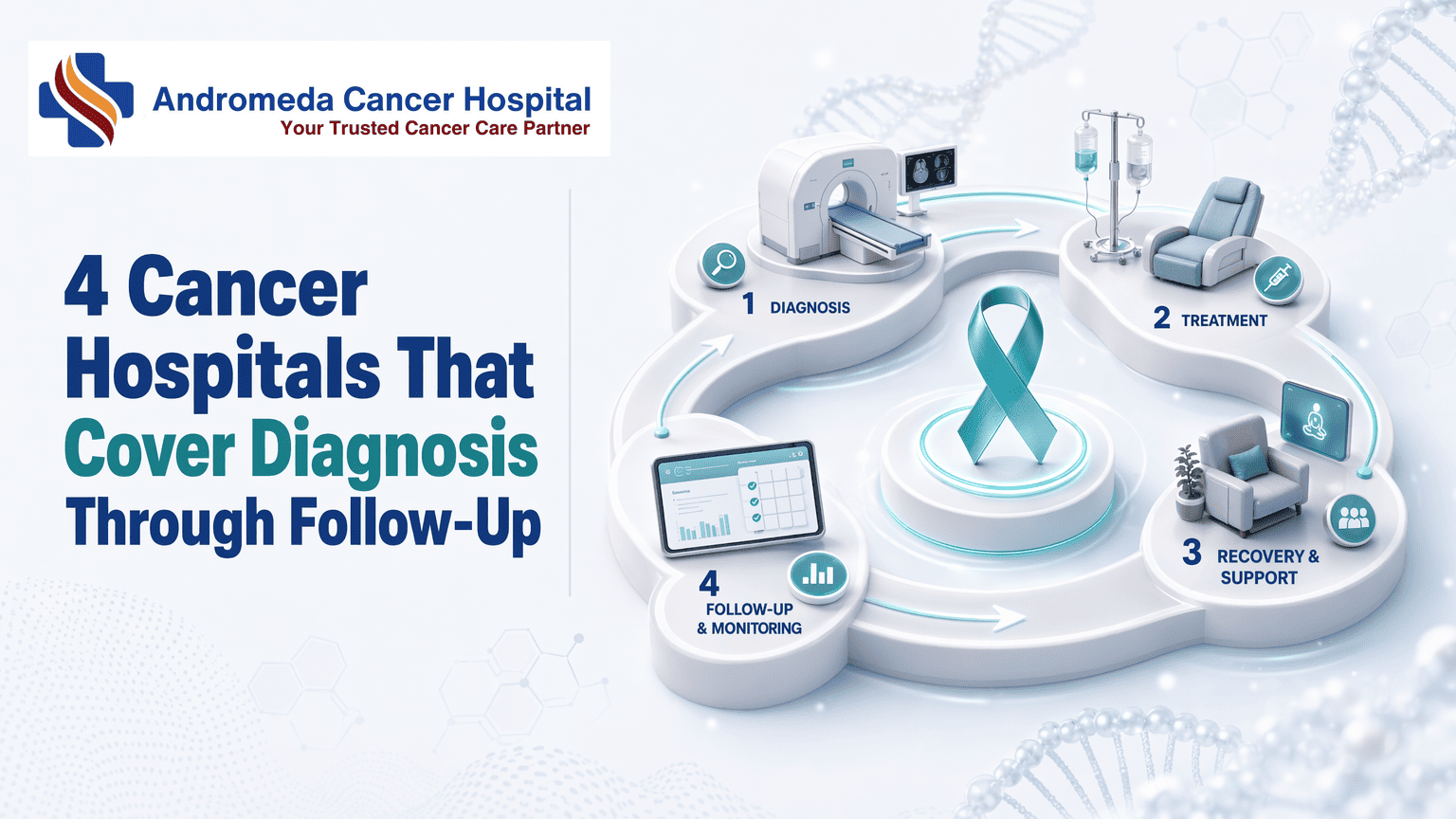
4 Cancer Hospitals That Cover Diagnosis Through Follow-UpCancer treatment requires coordination across six distinct stages—from screening through survivorship. Many hospitals offer oncology services, yet few integrate all disciplines under one roof with structured tumor board oversight.Key TakeawaysThorough cancer care coordinates six stages: screening, diagnosis, treatment planning, delivery, supportive care, and survivorship under one multidisciplinary teamActive tumor boards (weekly, mandatory, documented) reduce treatment variability and improve outcomes versus irregular, optional meetingsOn-site diagnostics (PET-CT, histopathology, IHC) reduce turnaround time from days to hours, enabling faster multidisciplinary reviewSurvivorship care plans structure long-term follow-up with treatment summaries, surveillance schedules, and late-effects screeningEvaluation criteria include tumor board frequency, in-house imaging, palliative care integration, and documented survivorship programsThorough cancer care means coordinating six distinct stages—screening, diagnosis, treatment planning, delivery, supportive care, and survivorship—under one multidisciplinary team rather than siloing specialists across separate departments. Hospitals that integrate surgical oncologists, medical oncologists, radiation oncologists, pathologists, radiologists, and palliative care specialists reduce treatment delays, align therapy sequencing with tumor biology, and avoid fragmented handoffs that can compromise outcomes. Andromeda Cancer Hospital, a 105-bed tertiary super specialty cancer hospital established in 2024, operates this integrated model with co-located services and weekly multidisciplinary tumor board reviews, ensuring every stage—from initial imaging to post-treatment follow-up—happens in a coordinated pathway.The Six Stages of Cancer CareA thorough cancer center covers screening (early detection through mammography, PET-CT, or genetic counseling ), diagnosis (pathology with frozen section reporting within 20-30 minutes and immunohistochemistry via accredited laboratories ), treatment planning (tumor board discussions involving oncoplastic breast surgeons, medical oncologists, radiation oncologists, radiologists, pathologists, and palliative care specialists ), delivery (surgery including minimally invasive and robotic techniques, radiation therapy with IMRT/VMAT/SBRT, and systemic therapies such as chemotherapy, immunotherapy, targeted therapy, and endocrine therapy ), supportive care (anesthesia for major and minimally invasive procedures, pain management, psychological support, and nutritional guidance ), and survivorship (follow-up imaging, rehabilitation, and physiotherapy ). Treatment plans are tailored to cancer type, stage, disease biology, and patient factors, not one-size-fits-all.Why Same-Roof Coordination MattersIntegrated centers eliminate the handoff delays and communication gaps that plague multi-facility referral chains. When surgical oncologists, medical oncologists, and radiation oncologists collaborate from the same tumor board—as Andromeda does with personalized treatment planning through multidisciplinary discussions —treatment sequencing can be optimized: neoadjuvant chemotherapy timing, radiation boost coordination, and post-operative recovery support all align with the patient's clinical trajectory rather than departmental schedules. The hospital's care model ensures the surgeon leads the multimodality team, radiology supports diagnosis and staging, and palliative care starts at diagnosis when appropriate, not after curative options are exhausted. Mayo Clinic's thorough cancer center model demonstrates how this integration becomes a global authority in cancer by combining expert care with deep science, expanding understanding of how cancer begins and grows while developing new prevention, screening, diagnosis, and treatment methods.Screening services form the foundation of thorough care, identifying malignancies before symptoms appear.Stage 1: Early Detection & Screening, Where Cancer Care BeginsScreening Modalities Available On-SiteThorough cancer hospitals integrate screening services that catch malignancies before symptoms emerge. Core modalities include 3D digital mammography (tomosynthesis) for breast cancer, colonoscopy for colorectal screening, low-dose CT for high-risk lung cancer patients, PSA testing for prostate cancer, and Pap smear or HPV testing for cervical cancer. Facilities that offer PET-CT, high-resolution ultrasound with elastography, and stereotactic biopsy systems on-site can complete diagnostic workups without external referrals, reducing delays that compromise outcomes.When Screening Results Trigger Diagnostic WorkupAbnormal screening findings move immediately to diagnostic imaging, PET-CT to assess metabolic activity, MRI for soft-tissue definition, and tissue biopsy for histopathological confirmation. Hospitals that outsource imaging or pathology introduce multi-week gaps; on-site radiology and onco-pathology departments collapse that timeline to days. For prevention and early-detection strategies beyond screening, explore Cancer: How to Prevent It and Find It Early.Once screening detects abnormalities, accurate diagnosis and staging determine treatment strategy.Stage 2: Accurate Diagnosis & Staging, Why Multidisciplinary Input MattersOn-Site Diagnostics Vs. Outsourced TestingTurnaround time for scans and reports varies significantly by whether imaging and pathology are performed in-house or sent to external laboratories. When PET-CT, MRI, and histopathology are coordinated under one roof, multidisciplinary tumor board review can occur within the same week. At Max Institute of Cancer Care, experts in surgical oncology, radiation oncology, and medical oncology consolidate their views through a single diagnostic platform, reducing coordination delays. Andromeda Cancer Hospital reports same-day or next-day PET-CT turnaround and 48 to 72 hour histopathology reports, enabling weekly tumor board discussions. In contrast, outsourcing imaging or pathology introduces 3 to 7 day delays for courier transit and external lab queue times, often pushing critical staging decisions to a second or third clinical visit.Role of Histopathology and Immunohistochemistry (IHC)Accurate tumor typing via IHC, receptor status for breast cancer, PD-L1 expression for immunotherapy eligibility, microsatellite instability (MSI) for colon cancer, directly determines which systemic therapies will work. Without IHC, oncologists may default to chemotherapy rather than targeted agents, increasing side effects and cost. Andromeda Cancer Hospital currently outsources IHC testing to a partner laboratory and is establishing an in-house IHC facility, a transparent acknowledgment of evolving diagnostic capabilities. For patients, verifying whether a hospital coordinates IHC results within the weekly tumor board window, rather than operating surgical and medical oncology in separate silos, is key. Advanced molecular imaging techniques, including functional MRI and AI-assisted PET-CT analysis, now complement IHC by mapping tumor biology and treatment response in real time. Learn more about the role of molecular imaging in our article on Nuclear Medicine in Oncology.Diagnosis and staging data feed into personalized treatment planning through multidisciplinary tumor boards.Stage 3: Personalized Treatment Planning, the Role of Tumor BoardsA multidisciplinary tumor board is a scheduled meeting where surgical oncologists, medical oncologists, radiation oncologists, pathologists, and radiologists review each patient's case to develop a consensus treatment plan. Over the past 15 years, this approach has gained prominence in cancer management worldwide. At Andromeda Cancer Hospital, the tumor board convenes twice weekly, ensuring coordinated treatment planning across specialties. The weekly forum brings together surgical oncologists, oncoplastic breast surgeons, medical oncologists, radiation oncologists, radiologists, pathologists, and pain and palliative care specialists.What Happens During a Tumor Board ConsultationDuring each tumor board meeting, the team reviews imaging studies, pathology reports, and staging results. Surgical oncologists present the case, radiologists display CT or MRI scans, and pathologists discuss tissue findings. The group debates treatment sequencing, whether surgery should precede chemotherapy, which radiation fields to use, and whether targeted therapies or immunotherapy apply. Not every patient requires every modality; treatment depends on stage, tumor biology, and patient factors. The consensus care plan is documented in the patient's medical record, ensuring all providers follow the same roadmap. Apollo Cancer Centres and similar institutions in India have established such boards to standardize complex cancer care.Active Tumor Boards Vs. Nominal Tumor BoardsAn active tumor board meets weekly, mandates case review, and documents every care plan. A nominal tumor board convenes irregularly, treats review as optional, and produces minimal documentation. Hospitals may employ both surgical and medical oncologists yet keep them in separate departments with minimal cross-consultation, a structure that bypasses the tumor board's purpose. When choosing a hospital, ask: How often does the tumor board meet? Is case review mandatory or discretionary? Is the care plan recorded in writing? Active boards reduce treatment variability and improve outcomes; nominal boards offer little more than the appearance of coordination.Treatment plans developed in tumor boards move into execution across three core oncology disciplines.Stage 4: Treatment Delivery, Surgical, Medical, and Radiation Oncology Under One RoofOnce diagnosis and staging are complete, treatment begins. Cancer care typically requires input from three core oncology disciplines: surgical oncology (removing tumors or tissue), medical oncology (systemic drug therapies), and radiation oncology (targeted radiation). Physical co-location of these specialties under one roof does not guarantee coordination, but it removes a major logistical barrier: patients and physicians can consult across departments without rescheduling at separate facilities, and treatment plans can be adjusted in real time when new imaging or pathology findings emerge.Surgical Oncology: When and Why Surgery Is Part of the PlanSurgical oncology focuses on removing cancerous tissue and, when possible, achieving clear margins (tissue edges free of cancer cells). Surgical oncologists carry out complex surgeries on all types of cancers as per the latest approved international standards and protocols, supported by state-of-the-art operation theatres and post-operative intensive care units. Surgery may serve three roles: curative surgery (removing the entire tumor with margins, aiming for cure), debulking surgery (reducing tumor bulk before chemotherapy or radiation, when complete removal is not feasible), and reconstructive surgery (restoring form and function after tumor removal, such as breast reconstruction after mastectomy). Andromeda Cancer Hospital offers cancer surgery including minimally invasive and robotic techniques when appropriate.Medical Oncology: Chemotherapy, Targeted Therapy, and ImmunotherapyMedical oncology uses systemic therapies, drugs that travel through the bloodstream to target cancer cells throughout the body. Medical oncology includes chemotherapy, immunotherapy, and hormone therapy, and these treatments may be delivered as neoadjuvant (before surgery to shrink the tumor), adjuvant (after surgery to eliminate residual disease), or palliative (to control symptoms in advanced disease). Chemotherapy uses cytotoxic drugs to kill rapidly dividing cells. Targeted therapy uses drugs that attack specific molecular targets (such as HER2 in breast cancer or EGFR in lung cancer), often with fewer side effects than traditional chemotherapy. Immunotherapy includes checkpoint inhibitors and CAR-T cell therapy, which harness the immune system to recognize and destroy cancer cells. Andromeda's medical oncology department collaborates with surgical and radiation oncologists to tailor treatment plans to each patient's disease biology and stage.Radiation Oncology: External Beam, Brachytherapy, and IMRTRadiation oncology delivers targeted radiation to the tumor site, sparing surrounding healthy tissue. External beam radiation therapy (EBRT) uses a machine outside the body to deliver radiation in daily fractions over several weeks. Intensity-modulated radiation therapy (IMRT) and volumetric modulated arc therapy (VMAT) shape the radiation dose to the tumor's 3D contour, minimizing exposure to adjacent organs. Brachytherapy involves placing radioactive sources inside or next to the tumor, delivering a high dose to a small area. Radiation is used in curative settings (definitive treatment for early-stage cancers), adjuvant settings (post-surgery to reduce recurrence risk), and palliative settings (to relieve pain or bleeding from advanced tumors). On-site radiation reduces scheduling delays: patients do not need to travel to a separate facility between chemotherapy cycles and radiation sessions. However, infrastructure matters. Less than 50% of tertiary hospitals in India offer key services like brachytherapy, safe chemotherapy preparation, or daycare beds, highlighting that same-roof presence is necessary but not sufficient without the supporting equipment and safety protocols. Andromeda Cancer Hospital's radiation therapy program includes image-guided radiotherapy, stereotactic radiation, and respiratory gating.The table below compares treatment delivery capabilities across four hospitals in the Delhi-NCR region:HospitalSurgical OncologyMedical OncologyRadiation OncologyTreatment TechnologiesAndromeda Cancer HospitalYes, including minimally invasive and robotic surgeryYes, chemotherapy, targeted therapy, immunotherapyYes, IMRT, VMAT, SBRT, brachytherapy, respiratory gatingImage-guided radiotherapy, TrueBeam STx, chemo-daycareApollo Cancer CentresYes, thorough surgical oncologyYes, systemic therapies and precision oncologyYes, advanced radiation technologiesRobotic surgery, PET-CT, advanced imagingMax Super Speciality HospitalYes, surgical oncology across multiple sitesYes, medical oncology with daycare facilitiesYes, radiation oncology availableMulti-specialty support, advanced diagnosticsMedanta - The MedicityYes, complex oncological surgeriesYes, thorough medical oncologyYes, radiation oncology with modern equipmentIntegrated care model, advanced imaging and pathologyPhysical co-location of surgical, medical, and radiation oncology specialists allows real-time consultation when treatment plans need adjustment, such as when a patient's post-surgical pathology reveals higher-grade disease than expected, prompting immediate discussion of adjuvant chemotherapy. The tumor board (discussed in Stage 3) ensures that coordination actually happens, because same-roof presence alone does not guarantee multidisciplinary discussion.While curative treatment targets the tumor, supportive care addresses the person behind the diagnosis.Stage 5: Supportive & Palliative Care, Managing Side Effects and Quality of LifeWhat Palliative Care Offers During Active TreatmentPalliative care is often misunderstood as end-of-life care, but in reality it is supportive care that can, and should, begin from the moment of diagnosis. This stage focuses on managing symptoms that arise during active treatment: pain, nausea, fatigue, and treatment-related complications. Specialist teams work alongside oncologists to provide pain management, nutritional counseling, psychosocial support, and interventions that reduce suffering throughout the treatment journey.Effective supportive care improves treatment adherence and outcomes. When symptoms are controlled, patients tolerate chemotherapy or radiation better, experience fewer dose reductions, and maintain functional independence longer. Thorough cancer hospitals integrate palliative care specialists into tumor boards, not as a separate siloed department, but as part of the core multidisciplinary team from day one.Palliative Care Vs. Hospice CareThe critical distinction: palliative care is delivered alongside curative treatment, while hospice care is reserved for patients who are no longer pursuing curative options. Hospice focuses on comfort and quality of life at the end of life, typically when a patient has months or weeks remaining. Palliative care, by contrast, is appropriate at any stage, early-stage, mid-treatment, advanced disease, whenever symptom control or psychosocial support is needed. Receiving palliative care does not mean giving up on treatment; it means adding another layer of expert support to manage the challenges cancer and its treatment bring.Cancer care extends beyond the final chemotherapy infusion or radiation session into structured survivorship.Stage 6: Follow-Up Care & Survivorship, Long-Term Monitoring and Recurrence PreventionSurvivorship care begins the moment active treatment ends. Thorough cancer hospitals that deliver diagnosis-to-survivorship continuity recognize that the journey doesn't stop at remission, long-term monitoring, late effects management, and psychosocial support are key to sustained recovery.Survivorship Care Planning: What It IncludesA survivorship care plan is a structured document that bridges the gap between treatment and long-term wellness. It summarizes the cancer type, stage, and all treatments received, surgery, chemotherapy regimens, radiation doses, so future providers understand what the patient has been through. The plan outlines a follow-up schedule tailored to recurrence risk, recommends surveillance imaging and blood tests, identifies potential late effects to monitor, and includes lifestyle guidance on diet, exercise, and managing treatment-related symptoms. Hospitals offering thorough survivorship programs often coordinate this planning through nurse navigators or dedicated survivorship clinics, ensuring patients leave active treatment with a clear roadmap rather than uncertainty.Follow-Up Schedules and Recurrence MonitoringFollow-up visits are typically scheduled every 3 months for the first 2 years, then every 6 months for the next 3 years, and then annually. During these visits, oncologists perform physical exams, review symptom checklists, and order surveillance imaging, mammography for breast cancer, CT scans for lung cancer, tumor markers when clinically indicated. Andromeda Cancer Hospital offers monitoring and follow-up imaging services as part of its integrated oncology model. The goal is early detection of recurrence, when treatment options are broader and outcomes better. Hospitals in North India that provide structured follow-up care distinguish themselves by coordinating imaging, laboratory testing, and specialist consultations under one roof, reducing the burden on patients navigating multiple facilities.Late Effects Management and Psychosocial SupportLate effects, long-term or delayed complications of cancer treatment, require proactive management. Anthracyclines like doxorubicin can cause cardiac toxicity, platinum-based chemotherapy (cisplatin, oxaliplatin) may lead to persistent neuropathy, and radiation therapy carries a risk of secondary cancers. Survivorship programs screen for these effects through periodic echocardiograms, nerve conduction studies, and bone density assessments. Andromeda Cancer Hospital addresses bone health in breast cancer survivors, recognizing that aromatase inhibitors and ovarian suppression therapies accelerate bone loss. Psychosocial support, counseling for anxiety about recurrence, depression, sexual health concerns, and fertility issues, is equally critical. Survivorship clinics often include access to mental health professionals, support groups, and rehabilitation services, ensuring that quality of life remains a priority long after the last chemotherapy infusion.How to Choose a Cancer Hospital That Covers All Treatment StagesSelecting a cancer hospital that delivers coordinated care from diagnosis through survivorship requires looking beyond the list of available specialists. Many institutions advertise "multidisciplinary oncology" yet operate surgical, medical, and radiation oncology in separate departments with minimal cross-consultation. Physical co-location, having these specialists somewhere within the same hospital network, differs fundamentally from operational integration. The framework below provides concrete questions and verification steps to distinguish hospitals that truly coordinate all treatment stages under one care plan.Questions to Ask About Tumor Board Frequency and DocumentationA hospital's tumor board is the operational backbone of multidisciplinary care. When evaluating a facility, ask these questions:How often does the tumor board meet, weekly, biweekly, or on-demand?Is tumor board review mandatory for every newly diagnosed cancer case, or is it optional at the patient's or physician's discretion?Is the care plan from the tumor board documented in the patient's medical record and shared with all treating specialists?Are surgical oncologists, medical oncologists, and radiation oncologists all employed by the hospital, or are some visiting consultants who may not attend every board session?Does the board include pathologists, radiologists, and palliative care specialists, or is review limited to treatment-focused oncologists only?Hospitals with high-frequency, mandatory tumor board review, such as Andromeda Cancer Hospital, which convenes multidisciplinary tumor board meetings twice weekly, ensure that every patient's case receives input from surgical oncologists, medical oncologists, radiation oncologists, radiologists, pathologists, and pain and palliative care specialists before the treatment plan is finalized. For a detailed discussion of why both surgical and medical oncology under one roof matters, see Is There a Cancer Hospital with Both Surgical and Medical Oncology Under One Roof?.Verifying On-Site Diagnostics and Treatment TechnologiesOutsourced diagnostics introduce delays and fragmentation. To verify on-site capabilities:Request a hospital tour to see the radiation oncology suite, pathology lab, and imaging department in person.Ask about turnaround times for PET-CT scan reports, histopathology results, and immunohistochemistry panels. Same-day or next-day reporting typically indicates on-site processing.Confirm whether the hospital offers brachytherapy, intensity-modulated radiation therapy (IMRT), and immunotherapy on-site, or whether patients must travel to partner facilities.Ask if palliative care is integrated into the treatment plan from the start, not deferred until curative options are exhausted.Hospitals that process diagnostics on-site and coordinate palliative care from diagnosis onward reduce patient travel burden and ensure timely adjustments to treatment. If you are a Central Government Health Scheme (CGHS) beneficiary, confirm that oncology services appear on the hospital's empanelment certificate; some hospitals are empanelled for general care only.Evaluating Survivorship and Follow-Up ProgramsSurvivorship care extends beyond the final chemotherapy cycle or radiation session. When assessing a hospital's follow-up program, ask:Does the hospital provide a written survivorship care plan that outlines long-term monitoring schedules, late-effect screening, and specialist referrals?Are follow-up appointments coordinated across surgical oncology, medical oncology, and supportive care, or does each specialist manage follow-up independently?Is there a dedicated survivorship clinic or navigator who helps patients transition from active treatment to routine surveillance?Hospitals with structured survivorship programs document follow-up schedules in the patient's medical record and coordinate late-effect screening across specialties. Andromeda Cancer Hospital evaluates every patient in a multidisciplinary tumor board, ensuring that treatment plans, including survivorship care, reflect current guidelines and collective expertise rather than a single specialist's perspective. This operational integration distinguishes facilities that coordinate all treatment stages from those that simply list oncology specialties on their website.ConclusionHospitals with active tumor boards, weekly meetings, mandatory case review, documented care plans, deliver more coordinated care than those with nominal boards that meet irregularly. On-site diagnostics (PET-CT, histopathology, IHC) reduce turnaround time and improve coordination versus outsourced testing, so verify whether imaging and pathology are truly in-house.As cancer treatment becomes more personalized, with targeted therapies, immunotherapy, and genomic profiling, the role of multidisciplinary tumor boards will expand to include molecular tumor boards and real-time treatment adjustments based on liquid biopsy results.Use the 8-question checklist from section 8 to evaluate cancer hospitals, or schedule a https://www.andromedahospital.in/support/contact to discuss your multidisciplinary care options.Frequently Asked QuestionsWhat is a multidisciplinary tumor board and why does it matter?A multidisciplinary tumor board is a scheduled meeting where surgical oncologists, medical oncologists, radiation oncologists, pathologists, and radiologists review each patient's case to develop a consensus treatment plan. Active tumor boards (weekly, mandatory, documented) improve outcomes and reduce treatment variability versus nominal boards that meet irregularly or optionally.How do I verify that a cancer hospital has on-site diagnostics?Ask whether PET-CT, histopathology, and IHC testing are performed in-house or outsourced. Turnaround time for scans and reports varies significantly depending on whether imaging and pathology are in-house or sent to external laboratories. Request a hospital tour to see the imaging suite and pathology lab firsthand.What is survivorship care planning and which hospitals offer it?Survivorship care planning is a structured program that includes a treatment summary, follow-up schedule, late effects screening, and lifestyle recommendations. It bridges the gap between treatment and long-term wellness. Fewer than half of cancer hospitals in India offer structured survivorship programs, so verify availability during hospital evaluation.Do all cancer patients need surgery, chemotherapy, and radiation?Not every patient requires every treatment modality, treatment depends on stage, tumor biology, and patient factors. During tumor board meetings, the multidisciplinary team reviews imaging, pathology, and staging results to determine the optimal treatment sequence for each individual patient based on evidence and clinical input.What is the difference between palliative care and hospice care?Palliative care is supportive care focused on symptom management and quality of life, appropriate at any cancer stage including during curative treatment. Hospice is reserved for end-of-life care when curative treatment is no longer pursued, typically when a patient has months or weeks remaining.How often should I have follow-up appointments after cancer treatment?Follow-up visits are typically scheduled every 3 months for the first 2 years, then every 6 months for the next 3 years, and annually thereafter. During visits, oncologists perform physical exams, review symptoms, and order surveillance imaging and blood tests to monitor for recurrence.Which cancer hospitals in India are CGHS-empanelled for oncology services?CGHS empanelment allows government employees to access cancer care at approved rates. Twenty-seven hospitals are CGHS-recognised for cancer treatment. For a complete list and evaluation criteria, refer to hospitals that accept CGHS and offer thorough oncology services with multidisciplinary coordination.
{"@graph": [{"@id": "https://www.andromedahospital.in", "url": "https://www.andromedahospital.in", "logo": {"url": "https://www.andromedahospital.in/logo.png", "@type": "ImageObject"}, "name": "Andromeda Cancer Hospital", "@type": "Organization", "description": "The page lists a landline number: +91 130 298 4289. The page lists a mobile number for appointments: +91 9138111625."}, {"@id": "https://www.andromedahospital.in/comprehensive-cancer-care-hospital", "@type": "BlogPosting", "author": {"@id": "https://www.andromedahospital.in", "@type": "Organization"}, "headline": "4 Cancer Hospitals That Cover Diagnosis Through Follow-Up", "keywords": ["cancer hospitals diagnosis to follow-up care", "comprehensive cancer care hospital", "multidisciplinary cancer care India", "cancer treatment stages diagnosis follow-up", "tumor board cancer hospital", "surgical oncology medical oncology radiation oncology", "survivorship care planning", "on-site cancer diagnostics", "palliative care oncology", "cancer hospital evaluation criteria", "multidisciplinary tumor board India", "cancer follow-up care India", "integrated cancer center"], "publisher": {"@id": "https://www.andromedahospital.in", "@type": "Organization"}, "wordCount": 3450, "inLanguage": "en", "description": "Discover how comprehensive cancer care hospitals coordinate screening, diagnosis, tumor boards, treatment, supportive care, and survivorship—plus criteria to evaluate multidisciplinary centers.", "dateModified": "2026-07-13", "datePublished": "2026-07-13", "mainEntityOfPage": {"@id": "https://www.andromedahospital.in/comprehensive-cancer-care-hospital", "@type": "WebPage"}}, {"@type": "FAQPage", "isPartOf": {"@id": "https://www.andromedahospital.in/comprehensive-cancer-care-hospital"}, "mainEntity": [{"name": "What is a multidisciplinary tumor board and why does it matter?", "@type": "Question", "acceptedAnswer": {"text": "A multidisciplinary tumor board is a scheduled meeting where surgical oncologists, medical oncologists, radiation oncologists, pathologists, and radiologists review each patient's case to develop a consensus treatment plan. Active tumor boards (weekly, mandatory, documented) improve outcomes and reduce treatment variability versus nominal boards that meet irregularly or optionally.", "@type": "Answer"}}, {"name": "How do I verify that a cancer hospital has on-site diagnostics?", "@type": "Question", "acceptedAnswer": {"text": "Ask whether PET-CT, histopathology, and IHC testing are performed in-house or outsourced. Turnaround time for scans and reports varies significantly depending on whether imaging and pathology are in-house or sent to external laboratories. Request a hospital tour to see the imaging suite and pathology lab firsthand.", "@type": "Answer"}}, {"name": "What is survivorship care planning and which hospitals offer it?", "@type": "Question", "acceptedAnswer": {"text": "Survivorship care planning is a structured program that includes a treatment summary, follow-up schedule, late effects screening, and lifestyle recommendations. It bridges the gap between treatment and long-term wellness. Fewer than half of cancer hospitals in India offer structured survivorship programs, so verify availability during hospital evaluation.", "@type": "Answer"}}, {"name": "Do all cancer patients need surgery, chemotherapy, and radiation?", "@type": "Question", "acceptedAnswer": {"text": "Not every patient requires every treatment modality—treatment depends on stage, tumor biology, and patient factors. During tumor board meetings, the multidisciplinary team reviews imaging, pathology, and staging results to determine the optimal treatment sequence for each individual patient based on evidence and clinical input.", "@type": "Answer"}}, {"name": "What is the difference between palliative care and hospice care?", "@type": "Question", "acceptedAnswer": {"text": "Palliative care is supportive care focused on symptom management and quality of life, appropriate at any cancer stage including during curative treatment. Hospice is reserved for end-of-life care when curative treatment is no longer pursued, typically when a patient has months or weeks remaining.", "@type": "Answer"}}, {"name": "How often should I have follow-up appointments after cancer treatment?", "@type": "Question", "acceptedAnswer": {"text": "Follow-up visits are typically scheduled every 3 months for the first 2 years, then every 6 months for the next 3 years, and annually thereafter. During visits, oncologists perform physical exams, review symptoms, and order surveillance imaging and blood tests to monitor for recurrence.", "@type": "Answer"}}, {"name": "Which cancer hospitals in India are CGHS-empanelled for oncology services?", "@type": "Question", "acceptedAnswer": {"text": "CGHS empanelment allows government employees to access cancer care at approved rates. Twenty-seven hospitals are CGHS-recognised for cancer treatment. For a complete list and evaluation criteria, refer to hospitals that accept CGHS and offer comprehensive oncology services with multidisciplinary coordination.", "@type": "Answer"}}]}, {"name": "4 Cancer Hospitals That Cover Diagnosis Through Follow-Up", "step": [{"name": "Assess early detection and screening services", "text": "Start by checking whether the hospital provides on-site cancer screening and early detection services, including the screening modalities relevant to the suspected cancer type and a clear pathway for diagnostic workup when screening results are abnormal.", "@type": "HowToStep", "position": 1}, {"name": "Verify diagnosis and staging capabilities", "text": "Confirm whether key diagnostics such as imaging, histopathology, and immunohistochemistry are available in-house or outsourced, and evaluate how quickly the hospital can complete accurate diagnosis and staging.", "@type": "HowToStep", "position": 2}, {"name": "Review multidisciplinary treatment planning", "text": "Ask how tumor boards function, including their frequency, documentation, and specialist participation, to ensure treatment decisions are made through coordinated multidisciplinary review rather than isolated consultations.", "@type": "HowToStep", "position": 3}, {"name": "Check integrated treatment delivery options", "text": "Evaluate whether surgical oncology, medical oncology, and radiation oncology are available under one roof so treatment can be delivered in the appropriate sequence with minimal delays and better care coordination.", "@type": "HowToStep", "position": 4}, {"name": "Evaluate supportive and palliative care access", "text": "Determine whether the hospital offers supportive services to manage side effects, symptoms, nutrition, pain, and quality of life during active treatment, including palliative care when needed.", "@type": "HowToStep", "position": 5}, {"name": "Confirm follow-up and survivorship planning", "text": "Before choosing a hospital, verify that it provides survivorship care plans, recurrence monitoring schedules, late-effects management, and long-term psychosocial support after treatment is completed.", "@type": "HowToStep", "position": 6}], "@type": "HowTo", "isPartOf": {"@id": "https://www.andromedahospital.in/comprehensive-cancer-care-hospital"}, "description": "Learn how to evaluate a comprehensive cancer care hospital from screening and diagnosis through treatment, supportive care, and survivorship follow-up."}, {"name": "Cancer treatment and oncology Comparison Data", "@type": "Dataset", "about": [{"name": "Andromeda Cancer Hospital", "@type": "Thing"}, {"name": "Apollo Cancer Centres", "@type": "Thing"}, {"name": "Max Super Speciality Hospital", "@type": "Thing"}, {"name": "Medanta - The Medicity", "@type": "Thing"}], "description": "Data sourced from manufacturer websites and review aggregators as of July 2026", "variableMeasured": [{"name": "Treatment coverage across the care pathway", "@type": "PropertyValue"}, {"name": "Oncology specialities offered", "@type": "PropertyValue"}, {"name": "Cancer diagnostics available", "@type": "PropertyValue"}, {"name": "Major treatment technologies", "@type": "PropertyValue"}, {"name": "Approx. consultation / treatment cost", "@type": "PropertyValue"}, {"name": "Hospital accreditation", "@type": "PropertyValue"}, {"name": "Awards / recognitions", "@type": "PropertyValue"}]}], "@context": "https://schema.org"}
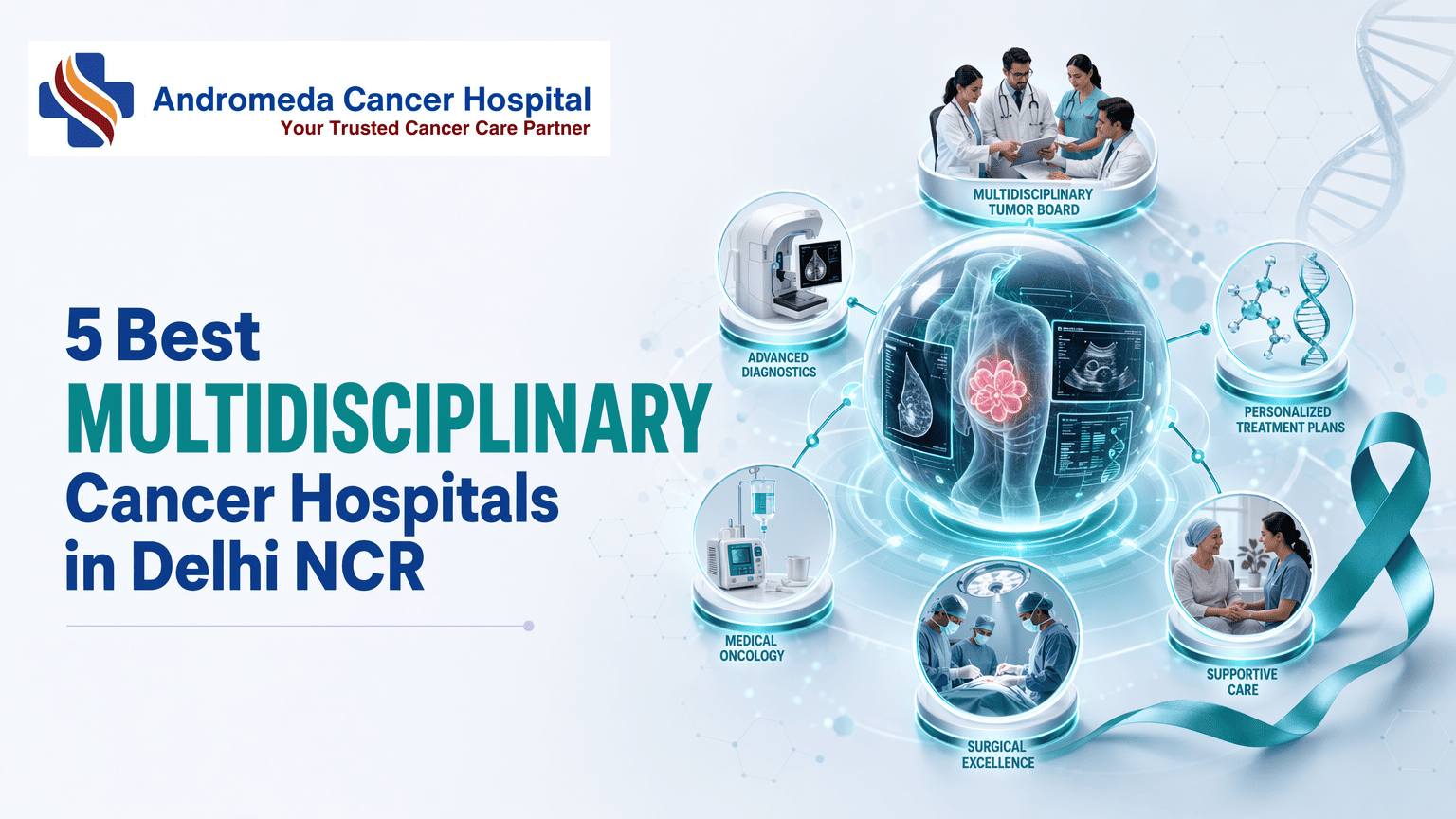
5 Best Multidisciplinary Cancer Hospitals in Delhi NCRBreast cancer treatment in Delhi NCR involves navigating marketing claims about 'multidisciplinary care' that rarely specify whether specialists actually collaborate on individual cases or simply share a building.This evaluation framework identifies verifiable criteria—tumor board frequency, oncoplastic surgery availability, and same-roof diagnostic coordination—that differentiate documented integration from co-location labeling.Key TakeawaysTrue multidisciplinary care requires documented tumor board meetings with specified frequency—weekly or twice-weekly schedules ensure your case receives collaborative review before treatment decisionsOncoplastic breast surgery training enables larger tumor resections with breast symmetry preservation, reducing default-to-mastectomy patterns when general surgical oncologists lack specialized fellowship credentialsSame-roof diagnostic services (imaging, pathology, radiation planning) eliminate referral delays between disconnected departments, accelerating the biopsy-to-treatment pathway from 8+ weeks to 3-6 weeksPatients can verify multidisciplinary integration by requesting written tumor board recommendations, confirming surgeon fellowship training, and checking CGHS oncology empanelment before admissionWhat Defines True Multidisciplinary Breast Cancer Care?True multidisciplinary breast cancer care means documented team-based treatment planning—not just co-located specialists in the same building. Physical co-location differs fundamentally from operational integration. When evaluating hospitals in Delhi NCR, ask whether surgical, medical, and radiation oncologists convene regularly to review cases together, with recorded minutes and evidence-based protocols, or whether they operate in separate departments with minimal cross-consultation.Co-Located Specialists Vs. Integrated TeamsMany hospitals list oncologists under 'multidisciplinary care' without specifying whether these specialists collaborate on individual patient cases. Operational integration requires documented weekly tumor boards where medical oncology, surgery, radiology, radiation oncology, pathology, research, clinical trials, and epidemiology specialists review each patient's clinical history, imaging, and pathology to create individualized treatment plans. Facilities like Max Institute of Cancer Care mention 'multidisciplinary' in marketing materials, but the term alone does not guarantee same-roof coordination or oncoplastic training. Some hospitals may keep surgical and medical oncologists in separate departments with minimal cross-consultation. Verify whether the hospital holds mandatory tumor board meetings and whether minutes document consensus recommendations for your case.Tumor Board Meetings: Mandatory Vs. Optional ReviewThe frequency and documentation standards of tumor board meetings separate active coordination from nominal labels. A tumor board is a multidisciplinary team of cancer specialists who collaborate to create personalized treatment plans, bringing together medical, radiation, surgical, and nuclear medicine experts for coordinated treatment recommendations. Andromeda Cancer Hospital convenes multidisciplinary tumor board meetings twice weekly, with surgical oncologists, oncoplastic breast surgeons, medical oncologists, radiation oncologists, radiologists, pathologists, and pain and palliative care specialists participating. Every newly diagnosed, recurrent, metastatic, and complex cancer case is evaluated in this forum to ensure treatment plans reflect current guidelines and collective expertise rather than a single specialist's perspective. Ask prospective hospitals for evidence of documented tumor board frequency and whether case review is mandatory or discretionary.Same-Roof Diagnostic Services and Turnaround TimesIntegrated radiology, pathology, and treatment planning under one roof accelerates the diagnosis-to-treatment pathway by eliminating referral delays between disconnected departments. When imaging, biopsy processing, and multidisciplinary consultation occur on-site, the team can coordinate treatment modifications based on pre- and post-neoadjuvant imaging without waiting for external lab results or separate appointments. Andromeda Cancer Hospital offers personalized treatment planning through multidisciplinary discussions based on international management guidelines, with same-roof services supporting rapid turnaround. Confirm whether the hospital provides CT simulation, stereotactic biopsy capability, and on-site histopathology—these logistics determine whether the multidisciplinary team can act on shared information within days rather than weeks.Understanding what distinguishes coordinated care from nominal labels requires examining how operational integration translates into patient outcomes.Why Multidisciplinary Treatment Matters for Breast Cancer OutcomesCoordinated multidisciplinary care translates operational integration into measurable patient outcomes, treatment adherence climbs, breast conservation rates rise, and survival matches or exceeds mastectomy benchmarks when teams document consensus decisions rather than relay fragmented opinions.Treatment Adherence to International GuidelinesFormal tumor board review increases adherence to NCCN and St. Gallen protocols. Studies documenting breast-specific multidisciplinary teams report guideline-concordant treatment plans in 66.4% of oncologically eligible patients, compared to lower adherence in settings where surgical, medical, and radiation oncology opinions arrive sequentially without synthesis. Same-day review reduces both under-treatment, omitting recommended adjuvant therapy, and over-treatment, unnecessary mastectomy when breast conservation plus radiation yields equivalent disease-free survival and overall survival.Breast Conservation Rates and Surgical OutcomesOncoplastic training availability shapes surgical decision-making. Surgeons who completed specialized breast conservation or oncosurgical fellowships are 35 times more likely to offer breast-conserving surgery to eligible candidates, reversing the default-to-mastectomy pattern driven by the belief that mastectomy is 'safer' or 'more thorough.' Oncoplastic resections, tailoring excision to body habitus and tumor location, preserve cosmesis without compromising local control; outcomes after breast conservation therapy followed by radiation match mastectomy survival.Treatment Sequencing and DelaysSame-roof integration reduces time-to-treatment initiation. When surgery schedules treatment then refers the patient to a separate medical oncology facility weeks later, adjuvant chemotherapy or hormone therapy delays accumulate. Coordinated multidisciplinary planning, surgical, medical, and radiation oncologists reviewing imaging, pathology, and staging together, sequences therapies in real time, preventing siloed department handoffs that stretch neoadjuvant or adjuvant windows.Translating outcome evidence into actionable verification questions requires specific evaluation criteria patients can apply when comparing hospitals.How to Evaluate Multidisciplinary Integration: Key CriteriaTumor Board Verification QuestionsAsk these specific questions when evaluating hospital tumor boards:Meeting frequency: Weekly or twice-weekly? (Twice-weekly meetings reduce time-to-treatment by 3 to 5 days.)Review scope: Are all newly diagnosed cases reviewed, or only 'complex' cases? (Mandatory review catches treatment gaps selective boards miss.)Specialty participation: Which specialties attend by name? Look for surgical oncology, oncoplastic breast surgery, medical oncology, radiation oncology, radiology, pathology, and palliative care, not just 'oncology team.'Documentation access: Can you receive a written summary of the tumor board's treatment recommendation? (Hospitals that provide documented plans demonstrate accountability.)Timeline: How many days from biopsy to tumor board discussion to treatment plan delivery? (Integrated centers complete this cycle in 7 to 10 days; siloed hospitals take 3 to 4 weeks.)Oncoplastic Surgery Training and CredentialsVerify surgeon qualifications beyond general surgical oncology certification:Fellowship credentials: Look for formal oncoplastic breast surgery fellowship training (MCh, FEBS, or equivalent), not just surgical oncology board certification.Procedure volume: Request the surgeon's annual breast conservation vs. Mastectomy ratio and oncoplastic procedure count. (Surgeons performing fewer than 10 oncoplastic resections per year lack the volume to maintain consistent outcomes.)Breast conservation philosophy: Does the hospital's surgical team default to mastectomy or actively pursue breast-conserving options? (Centers with oncoplastic programs report 60 to 70% breast conservation rates; traditional surgical teams average 30 to 40%.)Same-Roof Service Availability ChecklistConfirm these diagnostic and treatment services operate within the same facility :Radiology: 3D mammography (tomosynthesis), breast MRI, PET-CT (for staging)Pathology: In-house immunohistochemistry with ≤72-hour turnaround (outsourced IHC adds 5 to 7 days)Medical oncology: Chemo-daycare unit for outpatient infusions (eliminates multi-site travel for systemic therapy)Radiation oncology: IMRT/IGRT capabilities and CT simulation (on-site radiation planning shortens neoadjuvant-to-surgery intervals)Supportive care: Palliative care and psycho-oncology services accessible without referralIntegrated centers deliver mammogram, biopsy, and pathology results within 24 to 72 hours. Siloed hospitals where radiology, pathology, and oncology operate in separate buildings extend this timeline to 10 to 21 days, delaying treatment initiation when early intervention matters most.Applying these evaluation criteria to Delhi NCR's cancer treatment landscape reveals wide variation in documented coordination beneath uniform marketing claims.Comparing Delhi NCR Cancer Centers for Multidisciplinary Breast Cancer CarePatients seeking breast cancer care in Delhi NCR face a landscape where 'multidisciplinary' appears in many hospital marketing materials, but verifiable coordination varies widely. The evaluation framework below applies documented criteria patients can ask each hospital to confirm: tumor board frequency, oncoplastic breast surgeon availability, same-roof integrated services, and CGHS empanelment for oncology specifically (not just general care).Tumor Board Frequency and Specialty ParticipationTumor boards convene specialists to review imaging, pathology, and treatment options, but frequency determines whether your case receives multidisciplinary review before key treatment decisions. Andromeda Cancer Hospital convenes tumor boards twice weekly with surgical oncologists, oncoplastic breast surgeons, medical oncologists, radiation oncologists, radiologists, pathologists, and palliative care specialists. Apollo Cancer Centre at Indraprastha Apollo Hospitals lists 'Tumor Board & Group Tumor Board' under services but does not disclose meeting frequency on its public-facing pages. Max Super Speciality Hospital and Rajiv Gandhi Cancer Institute reference multidisciplinary care models without documenting board schedules. Ask each hospital: How often does the tumor board meet? Which specialists attend by default? Can I request board review for my case before surgery?Oncoplastic Surgery and Breast Conservation ProgramsOncoplastic breast surgery combines oncologic resection with plastic surgery techniques to preserve breast contour, reducing the default-to-mastectomy pattern when general surgical oncologists lack this training. Andromeda Cancer Hospital employs oncoplastic breast surgeons trained in breast conservation techniques tailored to body habitus and tumor location, distinguishing it from hospitals where general surgical oncologists perform mastectomies without oncoplastic options. Apollo Athenaa's breast cancer program describes minimally invasive surgery but does not specify whether oncoplastic surgeons are on staff or if reconstructions are performed by separate plastic surgery teams. Verification question: Does your surgeon hold oncoplastic breast surgery certification (MCh or equivalent fellowship)? What percentage of your early-stage breast cancer cases result in breast conservation vs. Mastectomy?Integrated Diagnostic and Treatment ServicesSame-roof integration eliminates the coordination gaps that arise when radiology, pathology, medical oncology daycare, radiation oncology, and palliative care operate in separate facilities, each with independent scheduling and medical record systems. Andromeda Cancer Hospital provides diagnostic imaging (3D mammography/tomosynthesis), onco-pathology with frozen section reporting, chemo-daycare, on-site radiation therapy, and palliative care under one roof. Max Institute of Cancer Care lists Novalis Tx for IMRT/IGRT and a Da Vinci XI Robotic System, indicating advanced radiation and surgical platforms, but public materials do not clarify whether pathology, imaging, and medical oncology are co-located or require patient transfers between Max network facilities. Ask: Are all cancer services, diagnostic imaging, pathology, chemotherapy infusion, radiation, palliative care, available on the same campus, or will I need to travel between facilities for different treatment phases?HospitalTumor Board FrequencyOncoplastic Breast SurgeonSame-Roof ServicesCGHS Empanelment (Oncology)Andromeda Cancer HospitalTwice weeklyYes — oncoplastic breast surgeons on staffRadiology, pathology, medical oncology daycare, radiation oncology, palliative careYes its verified, displayed on websiteApollo Cancer Centres , Delhi NCRNot publicly disclosedNot specified in public materialsStandalone cancer unit with superspeciality backupVerify empanelment certificate for oncology servicesManipal Hospital, DelhiNot publicly disclosedNot specified in public materialsNot publicly disclosedVerify empanelment certificate for oncology servicesMax Super Speciality Hospital, SaketNot publicly disclosedNot specified in public materialsNovalis Tx IMRT/IGRT, Da Vinci XI robotic surgery — co-location unclearVerify empanelment certificate for oncology servicesRajiv Gandhi Cancer InstituteNot publicly disclosedNot specified in public materialsNot publicly disclosedVerify empanelment certificate for oncology servicesNot every breast cancer patient requires every treatment modality, sequencing depends on stage, tumor biology, and patient factors. Multidisciplinary teams tailor treatment rather than apply a standard protocol. When comparing hospitals, request documentation: tumor board meeting minutes (redacted for privacy), the surgeon's oncoplastic training credentials, and a facilities map showing co-location of diagnostic and treatment services. CGHS empanelment for general care does not guarantee oncology coverage, confirm that the hospital's empanelment certificate explicitly lists cancer treatment services.The first verification criterion, tumor board meeting frequency and documentation standards, determines whether your case receives collaborative review or siloed decision-making.Tumor Board Frequency and Documentation: What to AskMarketing materials listing oncology departments do not prove weekly tumor board activity or coordinated treatment planning, verification is key. When comparing hospitals, ask these five questions to confirm genuine multidisciplinary coordination:How often does the breast cancer tumor board meet?Is review mandatory for all cases or only complex cases?Which specialties attend by name?Can I receive a copy of the documented treatment plan from the tumor board discussion?How long from biopsy results to tumor board review?Weekly Vs. Twice-Weekly Vs. As-Needed Tumor Boards'As-needed' or 'complex case only' tumor boards mean most patients receive siloed care, surgical oncologists decide on mastectomy without medical oncology or radiation oncology input, then refer patients afterward. Regular mandatory review schedules ensure coordinated treatment planning across specialties. Andromeda Cancer Hospital convenes multidisciplinary tumor board meetings twice weekly, use this baseline when comparing hospitals.Accessing Your Treatment Plan DocumentationRequest a copy of the documented tumor board recommendations before treatment begins. Documentation access verifies that your case was actually reviewed by the full team, not just claimed in marketing materials. Some patients receive results within 10 minutes of their scan, while others wait days for coordinated review.Beyond tumor board frequency, the availability of oncoplastic breast surgery directly shapes whether breast conservation remains an option for larger or centrally located tumors.Oncoplastic Surgery Availability and Breast Conservation OptionsWhat Is Oncoplastic Breast Surgery?Oncoplastic breast surgery integrates cancer resection with plastic surgery reconstruction techniques, allowing larger lumpectomies while maintaining breast symmetry and acceptable cosmetic outcomes. This approach expands breast conservation eligibility beyond small early-stage tumors; patients with larger lesions or unfavorable tumor locations can preserve the breast when an oncoplastic-trained surgeon performs volume-displacement or volume-replacement techniques. https://www.andromedahospital.in/treatments/breast-oncologyoffers oncoplastic breast conservation surgery, tailored to body habitus and tumor location.Verifying Surgeon Training and Procedure VolumeTo confirm a surgeon's oncoplastic expertise, ask for fellowship credentials in oncoplastic breast surgery, Indian Association of Surgical Oncology training or international fellowships signal specialized preparation beyond general surgical oncology. Request the hospital's breast conservation rate: facilities performing breast-conserving surgery in fewer than 30% of eligible cases likely lack oncoplastic capability or radiation oncology coordination. The multidisciplinary team approach concentrates clinical experience from multiple specialties, enabling collaborative decision-making that increases breast conservation rates through coordinated surgical and radiation planning.When Mastectomy Is Necessary Vs. Offered as DefaultMastectomy is clinically indicated for multicentric disease, extensive ductal carcinoma in situ (DCIS), or patient preference, but many hospitals default to mastectomy simply because they lack oncoplastic surgeons or same-site radiation oncology access. All early breast cancers may not require chemotherapy, treatment is individualized. Similarly, multidisciplinary teams individualize surgery selection (breast conservation versus mastectomy) based on tumor biology and patient factors, not surgeon training limitations. Verifying oncoplastic training and conservation rates helps patients distinguish evidence-based mastectomy indications from institutional defaults.Making an Informed ChoiceLarger tertiary cancer centers like Rajiv Gandhi Cancer Institute and Apollo Cancer Centres offer broader oncology subspecialties but may have less frequent tumor board review for breast cancer specifically; dedicated breast cancer centers with twice-weekly tumor boards provide faster multidisciplinary treatment planning but narrower oncology scope. Hospitals with CGHS empanelment for oncology services ensure cashless treatment for government employees but may have longer wait times for non-emergency procedures, while non-empaneled specialized centers offer faster appointment scheduling but require upfront payment with reimbursement claims.As breast cancer treatment in India increasingly adopts genomic testing (Oncotype DX, MammaPrint) to guide chemotherapy decisions, multidisciplinary tumor boards that integrate molecular pathologists and genetic counselors alongside surgical, medical, and radiation oncologists will become the standard for personalized treatment sequencing, patients should ask hospitals whether their tumor boards include genomic testing discussion protocols.Compare Delhi NCR cancer hospitals using the tumor board verification questions and oncoplastic training checklist above, then request documented treatment plans from each hospital's tumor board to confirm multidisciplinary integration before committing to care. Andromeda Cancer Hospital's twice-weekly tumor board schedule and oncoplastic breast surgery program provide one documented benchmark for your comparison.Frequently Asked QuestionsHow can I verify if a hospital's tumor board actually meets regularly?Request documented tumor board meeting schedules and ask for a written treatment plan referencing the multidisciplinary discussion. Hospitals with active tumor boards provide treatment plans citing specific recommendations from surgical, medical, and radiation oncologists who reviewed your imaging and pathology together, marketing materials listing departments do not prove coordination.What is the difference between a surgical oncologist and an oncoplastic breast surgeon?Surgical oncologists are trained in cancer resection; oncoplastic breast surgeons complete additional fellowship training in plastic surgery reconstruction techniques that preserve breast symmetry during larger tumor removals. This specialized training expands breast conservation eligibility beyond small early-stage tumors, reducing default-to-mastectomy patterns when general surgical oncologists lack oncoplastic credentials.Do all breast cancer patients need chemotherapy?All early breast cancers may not require chemotherapy, treatment is individualized. Multidisciplinary tumor boards determine chemotherapy need based on tumor stage, hormone receptor status, HER2 status, and genomic testing like Oncotype DX scores. Early-stage hormone-positive tumors often avoid chemotherapy when genomic tests show low recurrence risk and multidisciplinary review confirms appropriate treatment sequencing.How long should it take from biopsy to starting treatment?Integrated care coordinates biopsy-to-pathology results in 5-7 days, pathology-to-tumor-board discussion in 7-10 days, and tumor-board-to-treatment-initiation in 2-4 weeks, totaling 3-6 weeks. Delays beyond 8 weeks signal siloed departments operating on independent schedules rather than coordinated same-roof pathways where imaging, biopsy processing, and multidisciplinary consultation accelerate treatment planning.Is CGHS empanelment important for cancer treatment in Delhi NCR?CGHS empanelment for oncology services specifically (not just general care) ensures government employees and pensioners access cancer treatment with cashless procedures. Verify empanelment covers chemotherapy, radiation oncology, surgical oncology, and targeted therapies, not all hospitals empaneled for general care have oncology empanelment, requiring upfront payment and reimbursement claims instead.What role does palliative care play in breast cancer treatment?Palliative care is symptom management and quality-of-life support integrated from diagnosis onward, not end-of-life care. Multidisciplinary breast cancer teams include palliative care specialists for pain management, treatment side-effect mitigation, and psychological support alongside surgical, medical, and radiation oncologists, improving patient outcomes through coordinated symptom control during active treatment phases.Can I get a second opinion from a multidisciplinary tumor board?Some hospitals offer second-opinion tumor board reviews where the multidisciplinary team reviews external pathology, imaging, and treatment plans, providing documented recommendations distinct from single-specialist consultations. Ask hospitals if they provide documented second-opinion tumor board reviews that include surgical, medical, and radiation oncology perspectives, not just individual specialist appointments reviewing previous treatment.
{"@graph": [{"@id": "https://www.andromedahospital.in", "url": "https://www.andromedahospital.in", "logo": {"url": "https://www.andromedahospital.in/logo.png", "@type": "ImageObject"}, "name": "Andromeda Cancer Hospital", "@type": "Organization", "description": "The page lists a landline number: +91 130 298 4289. The page lists a mobile number for appointments: +91 9138111625."}, {"@id": "https://www.andromedahospital.in/best-cancer-hospitals-delhi-ncr-multidisciplinary-treatment", "@type": "BlogPosting", "author": {"@id": "https://www.andromedahospital.in", "@type": "Organization"}, "headline": "5 Best Multidisciplinary Cancer Hospitals in Delhi NCR", "keywords": ["best cancer hospitals Delhi NCR multidisciplinary treatment", "multidisciplinary breast cancer tumor board Delhi NCR", "oncoplastic breast conservation surgery Delhi NCR", "Delhi NCR cancer hospitals comprehensive care", "breast cancer treatment Delhi not just mastectomy", "tumor board frequency documentation", "oncoplastic surgery training verification", "treatment sequencing coordination", "same-roof diagnostic services oncology", "multidisciplinary team integration", "breast conservation techniques Delhi", "CGHS empanelment oncology services", "pain palliative care breast cancer"], "publisher": {"@id": "https://www.andromedahospital.in", "@type": "Organization"}, "wordCount": 2580, "inLanguage": "en", "description": "Compare Delhi NCR cancer hospitals on multidisciplinary breast cancer care: tumor board frequency, oncoplastic surgery availability, treatment sequencing coordination, and same-roof integration.", "dateModified": "2026-07-13", "datePublished": "2026-07-13", "mainEntityOfPage": {"@id": "https://www.andromedahospital.in/best-cancer-hospitals-delhi-ncr-multidisciplinary-treatment", "@type": "WebPage"}}, {"@type": "FAQPage", "isPartOf": {"@id": "https://www.andromedahospital.in/best-cancer-hospitals-delhi-ncr-multidisciplinary-treatment"}, "mainEntity": [{"name": "How can I verify if a hospital's tumor board actually meets regularly?", "@type": "Question", "acceptedAnswer": {"text": "Request documented tumor board meeting schedules and ask for a written treatment plan referencing the multidisciplinary discussion. Hospitals with active tumor boards provide treatment plans citing specific recommendations from surgical, medical, and radiation oncologists who reviewed your imaging and pathology together—marketing materials listing departments do not prove coordination.", "@type": "Answer"}}, {"name": "What is the difference between a surgical oncologist and an oncoplastic breast surgeon?", "@type": "Question", "acceptedAnswer": {"text": "Surgical oncologists are trained in cancer resection; oncoplastic breast surgeons complete additional fellowship training in plastic surgery reconstruction techniques that preserve breast symmetry during larger tumor removals. This specialized training expands breast conservation eligibility beyond small early-stage tumors, reducing default-to-mastectomy patterns when general surgical oncologists lack oncoplastic credentials.", "@type": "Answer"}}, {"name": "Do all breast cancer patients need chemotherapy?", "@type": "Question", "acceptedAnswer": {"text": "All early breast cancers may not require chemotherapy—treatment is individualized. Multidisciplinary tumor boards determine chemotherapy need based on tumor stage, hormone receptor status, HER2 status, and genomic testing like Oncotype DX scores. Early-stage hormone-positive tumors often avoid chemotherapy when genomic tests show low recurrence risk and multidisciplinary review confirms appropriate treatment sequencing.", "@type": "Answer"}}, {"name": "How long should it take from biopsy to starting treatment?", "@type": "Question", "acceptedAnswer": {"text": "Integrated care coordinates biopsy-to-pathology results in 5-7 days, pathology-to-tumor-board discussion in 7-10 days, and tumor-board-to-treatment-initiation in 2-4 weeks—totaling 3-6 weeks. Delays beyond 8 weeks signal siloed departments operating on independent schedules rather than coordinated same-roof pathways where imaging, biopsy processing, and multidisciplinary consultation accelerate treatment planning.", "@type": "Answer"}}, {"name": "Is CGHS empanelment important for cancer treatment in Delhi NCR?", "@type": "Question", "acceptedAnswer": {"text": "CGHS empanelment for oncology services specifically (not just general care) ensures government employees and pensioners access cancer treatment with cashless procedures. Verify empanelment covers chemotherapy, radiation oncology, surgical oncology, and targeted therapies—not all hospitals empaneled for general care have oncology empanelment, requiring upfront payment and reimbursement claims instead.", "@type": "Answer"}}, {"name": "What role does palliative care play in breast cancer treatment?", "@type": "Question", "acceptedAnswer": {"text": "Palliative care is symptom management and quality-of-life support integrated from diagnosis onward—not end-of-life care. Multidisciplinary breast cancer teams include palliative care specialists for pain management, treatment side-effect mitigation, and psychological support alongside surgical, medical, and radiation oncologists, improving patient outcomes through coordinated symptom control during active treatment phases.", "@type": "Answer"}}, {"name": "Can I get a second opinion from a multidisciplinary tumor board?", "@type": "Question", "acceptedAnswer": {"text": "Some hospitals offer second-opinion tumor board reviews where the multidisciplinary team reviews external pathology, imaging, and treatment plans, providing documented recommendations distinct from single-specialist consultations. Ask hospitals if they provide documented second-opinion tumor board reviews that include surgical, medical, and radiation oncology perspectives—not just individual specialist appointments reviewing previous treatment.", "@type": "Answer"}}]}, {"name": "5 Best Multidisciplinary Cancer Hospitals in Delhi NCR", "step": [{"name": "Understand what true multidisciplinary care means", "text": "Differentiate co-located specialists from genuinely integrated teams. Confirm whether surgical, medical, and radiation oncologists review imaging and pathology together through structured coordination rather than operating as separate departments.", "@type": "HowToStep", "position": 1}, {"name": "Verify tumor board frequency and documentation", "text": "Ask how often tumor boards meet, which specialties attend, and whether the hospital provides written treatment plans referencing multidisciplinary discussion. Prefer hospitals that can document regular review schedules and recommendations.", "@type": "HowToStep", "position": 2}, {"name": "Check same-roof diagnostics and turnaround times", "text": "Evaluate whether imaging, biopsy processing, pathology, and specialist consultation are integrated within the same system. Compare expected timelines from biopsy to pathology, pathology to tumor board review, and treatment initiation to identify coordination delays.", "@type": "HowToStep", "position": 3}, {"name": "Assess oncoplastic surgery expertise", "text": "Verify whether breast surgeons have dedicated oncoplastic training and adequate procedure experience. This helps determine whether breast conservation is being appropriately offered instead of defaulting to mastectomy when advanced conservation techniques are available.", "@type": "HowToStep", "position": 4}, {"name": "Compare treatment integration and support services", "text": "Review how each hospital coordinates chemotherapy, surgery, radiation, genomic testing, and palliative care. Also confirm access factors such as oncology-specific CGHS empanelment and availability of multidisciplinary second-opinion reviews.", "@type": "HowToStep", "position": 5}, {"name": "Make an informed hospital choice", "text": "Use documented tumor board practices, surgeon credentials, integrated diagnostics, treatment sequencing efficiency, and support services to compare Delhi NCR cancer centers and select the hospital best aligned with comprehensive multidisciplinary breast cancer care.", "@type": "HowToStep", "position": 6}], "@type": "HowTo", "isPartOf": {"@id": "https://www.andromedahospital.in/best-cancer-hospitals-delhi-ncr-multidisciplinary-treatment"}, "description": "How to evaluate and compare Delhi NCR cancer hospitals for true multidisciplinary breast cancer care using tumor board documentation, oncoplastic surgery credentials, integrated diagnostics, treatment sequencing, and support services."}, {"name": "Breast cancer diagnosis and treatment Comparison Data", "@type": "Dataset", "about": [{"name": "Andromeda Cancer Hospital", "@type": "Thing"}, {"name": "Apollo Cancer Centres, Delhi NCR", "@type": "Thing"}, {"name": "Manipal Hospital, Delhi", "@type": "Thing"}, {"name": "Max Super Speciality Hospital, Saket", "@type": "Thing"}, {"name": "Rajiv Gandhi Cancer Institute and Research Centre", "@type": "Thing"}], "description": "Data sourced from manufacturer websites and review aggregators as of July 2026", "variableMeasured": [{"name": "Multidisciplinary breast cancer care", "@type": "PropertyValue"}, {"name": "Treatment modalities offered", "@type": "PropertyValue"}, {"name": "Diagnostic and staging capabilities", "@type": "PropertyValue"}, {"name": "Hospital accreditation", "@type": "PropertyValue"}, {"name": "Breast reconstruction / oncoplastic surgery availability", "@type": "PropertyValue"}, {"name": "Second-opinion / tumor board support", "@type": "PropertyValue"}]}], "@context": "https://schema.org"}
4 Cancer Screening Centers in Haryana with Advanced DiagnosticsChoosing a cancer screening center in Haryana requires understanding equipment specifics — AERB licensing, PET-CT scanner generation, and 3D mammography capabilities — rather than relying on hospital reputation alone.This guide examines equipment verification criteria across government day-care programs, private tertiary hospitals, and standalone diagnostic chains to help you compare turnaround times and multi-modality coordination.Key TakeawaysDigital TOF PET-CT scanners improve lesion detection by up to 40% compared to non-TOF systems — verify AERB licensing before booking3D mammography (tomosynthesis) reduces false positives by 15-20% and increases cancer detection rates by 20-65% in dense breast tissueIn-house multi-modality coordination (PET-CT, MRI, IHC pathology) enables same-week tumor board review versus 7-10 day delays at separate facilitiesGovernment day-care centers offer free screening but limited PET-CT access — private centers provide faster turnaround at higher costSame-day to 48-hour reporting requires on-site nuclear medicine physicians and NABL-accredited pathology labsWhat Advanced Diagnostic Equipment Should You Look for in a Cancer Screening Center?When evaluating cancer screening centers in Haryana, verify three infrastructure markers before booking: AERB (Atomic Energy Regulatory Board) licensing for nuclear medicine facilities, the generation of PET-CT and mammography systems (not just their presence), and whether pathology services operate in-house or through outsourced laboratories. These technical specifications determine detection accuracy for early-stage disease — particularly for lesions under 1 cm that older equipment may miss.Pet-Ct Scanner Generation and Digital TOF TechnologyDigital time-of-flight (TOF) technology in newer-generation PET-CT scanners improves signal-to-noise ratio by up to 40% compared to non-TOF systems, enabling radiologists to detect metabolically active lesions as small as 4-5 mm. Ask whether the center operates a current-generation scanner, systems like the GE Discovery IQ series incorporate digital detector arrays that reduce false negatives in lung nodules and lymph node metastases. Older analog PET-CT machines may miss early-stage findings that digital TOF platforms routinely flag.Mammography Standards: 3D Tomosynthesis Vs 2D Systems3D full-field digital mammography (tomosynthesis) reduces false positives by 15-20% and increases cancer detection rates by approximately 20-65% in dense breast tissue compared to conventional 2D systems. Tomosynthesis acquires multiple low-dose X-ray slices through the breast, eliminating tissue overlap that obscures small masses on standard mammograms. Centers offering only 2D mammography may recall patients for additional views more frequently, driving up anxiety and cost without improving early detection rates.Multi-Modality Coordination: MRI, Ultrasound, and Pathology Under One RoofIn-house coordination of PET-CT, high-resolution ultrasound with elastography, and immunohistochemistry (IHC) pathology enables same-week multidisciplinary tumor board review. When imaging and tissue analysis occur at separate facilities, report turnaround extends by 7-10 days, delaying treatment planning for time-sensitive cancers. Verify whether the center performs stereotactic biopsies, offers breast MRI for high-risk screening, and processes IHC panels on-site rather than sending slides to external laboratories.Once you understand which equipment markers to prioritize, the next step is learning how to verify regulatory compliance and certification status at any center you're considering.How to Verify AERB Licensing and Equipment Certification in HaryanaWhy AERB Licensing Is Mandatory for Pet-Ct CentersAERB (Atomic Energy Regulatory Board) licensing is mandatory for all PET-CT centers in India due to the ionizing radiation involved in nuclear medicine procedures. Unlicensed centers cannot legally operate PET-CT scanners, regardless of hospital reputation or tertiary-care status. Patients booking a PET-CT scan bear responsibility to verify the center's AERB approval before their appointment, missing approval signals inadequate radiation safety protocols and potential regulatory violations. In low-resource settings, ensuring regulatory compliance for diagnostic equipment remains key to quality assurance.Step-By-Step: Verifying a Center's AERB Certification Before Your AppointmentRequest the AERB license number: When booking your PET-CT scan, ask the center for its AERB license number and the name under which the license was issued.Cross-reference with AERB's public registry: Visit the AERB website (aerb.gov.in) and search the license registry using the number provided. Confirm that the license holder name matches the facility.Confirm expiry date and scope: Verify that the license is current (not expired) and that its scope explicitly covers PET-CT operation and the specific tracer (e.g., FDG) you will receive.Andromeda Cancer Hospital operates an AERB-certified PET-CT facility equipped with the GE Discovery IQ 2 system, with Dr. Aashish Gambhir serving as AERB-certified Radiation Safety Officer (RSO II and RSO III in NM Therapy).NABL Accreditation for Pathology and IHC TestingNABL (National Accreditation Board for Testing and Calibration Laboratories) certification ensures that pathology labs meet ISO 15189 quality standards for medical testing. When PET-CT findings require tissue confirmation, NABL-accredited pathology ensures reliable immunohistochemistry (IHC) and molecular testing. Andromeda Cancer Hospital's pathology team includes NABL-trained consultants and partners with accredited laboratories for advanced molecular diagnostics, maintaining quality control from imaging through tissue diagnosis.Beyond verifying licensing, comparing scanner models and technology generations reveals substantial performance differences across Haryana's screening infrastructure.Comparing Pet-Ct Scanner Technology Across Screening CentersPET-CT scanner technology varies widely across Haryana's cancer screening infrastructure, from digital time-of-flight (TOF) systems at private tertiary hospitals to resource constraints at government day-care centers. This section compares equipment specifications, accreditation status, and indicative costs across facility types to help patients verify scanner generation before booking.Pet-Ct Scanner Models in Haryana's Private Tertiary HospitalsPrivate tertiary hospitals in Haryana typically deploy digital TOF-enabled scanners, the current generation offering faster acquisition and improved lesion detectability. Andromeda Cancer Hospital operates the GE Discovery IQ 2 PET-CT system, equipped with digital TOF technology for cancer staging and recurrence surveillance. Fortis Cancer Institute describes its digital detector design and high-resolution time-of-flight imaging as delivering exceptional clarity for small or low-contrast lesions. Medanta lists PET as a functional imaging technique observing metabolic processes, with CT scans performed on the same machine during the session.CenterPET-CT Scanner GenerationAERB / NABL StatusIndicative Screening CostAndromeda Cancer HospitalGE Discovery IQ 2 (Digital TOF)AERB-certified/NABL certifiedContact for pricingSarvodaya Hospital and Research CentreNot publicly disclosedNot publicly disclosedNot publicly disclosedMedanta - The MedicityPET-CT (generation details not disclosed)Not publicly disclosedNot publicly disclosedArtemis HospitalNot publicly disclosedNot publicly disclosedNot publicly disclosedInsurance coverage for PET-CT varies by policy and may be denied for screening applications.Government Day-Care Cancer Centres: Equipment Availability and Capacity ConstraintsThe Haryana government launched Day Care Cancer Centres at 22 district civil hospitals, expanding access from five operational facilities in Ambala, Panchkula, Kurukshetra, Yamunagar, and Faridabad. While these centers offer free screening programs under the National Programme for Prevention and Control of Non-Communicable Diseases, advanced imaging like PET-CT remains concentrated at tertiary hospitals. Private hospitals like Andromeda offer shorter wait times and advanced imaging but at out-of-pocket cost for uninsured patients.Diagnostic Chains: Standalone Pet-Ct Centers Vs Hospital-Integrated FacilitiesStandalone diagnostic chains provide an alternative to hospital-integrated PET-CT facilities. Medanta The Medicity offers 18F-FDG whole-body PET-CT and 68Ga-DOTA PET-CT. We provide accurate, affordable, advanced services. Hospital-integrated facilities offer same-session multidisciplinary coordination; oncologists can review PET-CT findings immediately and adjust treatment plans without external referrals.While PET-CT addresses systemic cancer staging, breast imaging demands specialized equipment and protocols that vary significantly between 2D and 3D technologies.Mammography and Breast Imaging Standards: 3D Vs 2D Systems3D Full-Field Digital Mammography (Tomosynthesis): Performance AdvantagesThree-dimensional tomosynthesis represents a significant leap over conventional 2D mammography, particularly for women with dense breast tissue. This technology acquires multiple thin slices through the breast, reducing tissue overlap that can mask early-stage cancers or generate false-positive findings. Diagnostic imaging in oncology relies on these advanced modalities to enable early detection, accurate diagnosis, and effective monitoring. Tomosynthesis improves radiologists' ability to characterize lesions before biopsy, minimizing unnecessary follow-up procedures and patient anxiety.Stereotactic Breast Biopsy Capabilities and Patient Comfort FeaturesNot all screening centers maintain on-site biopsy capabilities; many refer patients to external facilities, adding delays and coordination burden. Centers offering stereotactic breast biopsy with comfortable positioning systems allow same-visit tissue sampling under image guidance, reducing the time between suspicious finding and definitive diagnosis. Andromeda Cancer Hospital provides 3D full-field digital mammography, high-resolution ultrasound with elastography, and stereotactic breast biopsy with a comfortable biopsy chair. Larger networks such as Indraprastha Apollo Hospitals serve the broader Delhi-NCR region with thorough breast imaging pathways.High-Resolution Ultrasound With Elastography for Dense Breast TissueElastography measures tissue stiffness, helping differentiate benign from malignant lesions detected on mammography. This adjunct modality complements tomosynthesis by providing functional information beyond structural anatomy. In dense-breast populations, combining 3D mammography with elastography yields higher diagnostic confidence and reduces equivocal findings that prolong the screening-to-diagnosis interval. Learn more about Andromeda's thorough approach at the Breast Oncology treatment page.Thorough cancer screening often requires coordinating multiple imaging modalities, MRI for soft-tissue detail and ultrasound elastography for functional assessment, beyond mammography and PET-CT alone.MRI and Ultrasound Capabilities for Multi-Cancer ScreeningMRI in High-Risk Cancer Screening ProtocolsMRI is reserved for high-risk screening cohorts, BRCA mutation carriers, individuals with strong familial breast-cancer histories, or dense-breast patterns where mammography sensitivity drops. Contrast-enhanced breast MRI can detect small cancers missed by conventional imaging, but its cost and time commitment limit population-level rollout. Once an abnormality is flagged on screening mammography or ultrasound, MRI shifts to a diagnostic role, characterizing tumor extent and guiding surgical planning rather than serving as a first-line screening tool.Same-Week Multidisciplinary Tumor Board Review: Coordinating Pet-Ct, MRI, and IHC TestingCenters offering in-house PET-CT, MRI, and IHC pathology enable same-week multidisciplinary tumor board review, surgical oncologists, medical oncologists, radiation oncologists, and pathologists convene with complete imaging and molecular data in hand, finalizing treatment plans before the patient leaves the initial consultation cycle. Andromeda Cancer Hospital convenes tumor board meetings twice weekly and coordinates PET-CT, MRI, and IHC testing turnaround within one week, illustrating the integrated model. By contrast, centers outsourcing imaging to regional radiology hubs like Medanta or sending biopsy specimens to external pathology labs face week-long delays between scans, results, and board discussion, patients shuttle between facilities, and treatment plans fragment across disconnected silos. Tertiary oncology hospitals in Delhi-NCR adopting the same-roof approach compress decision cycles, reduce patient anxiety, and minimize lost-to-follow-up rates when imaging and pathology live under one roof.Ultrasound Elastography for Lesion CharacterizationElastography measures tissue stiffness, malignant lesions are typically harder than benign cysts or fibroadenomas, adding a functional layer to anatomical ultrasound. In breast and soft-tissue screening, elastography helps radiologists triage equivocal findings: a stiff nodule warrants biopsy, while a soft lesion may be monitored. Elastography does not replace histopathology, but it reduces unnecessary biopsies and complements mammography and MRI in multi-modality screening protocols.Even with the right equipment, diagnostic value depends heavily on how quickly results reach treating physicians, turnaround time benchmarks vary by in-house versus outsourced reporting models.Turnaround Time and Report Delivery: What to ExpectSame-Day Vs Next-Day Reporting for Pet-Ct and MRIIn-house radiologist availability drives reporting speed: same-day or next-day turnaround is typical at centers with on-site nuclear medicine physicians, while outsourced tele-radiology extends timelines to 2 to 4 days. Venkateshwar Cancer Hospital and other Delhi NCR centers illustrate this variability, multidisciplinary teams rely on synchronized imaging and pathology to enable weekly tumor board review.IHC and Molecular Testing Turnaround: In-House Labs Vs Reference LabsImmunohistochemistry (IHC) processed in-house delivers results in 2 to 3 days, compared to 7 to 10 days when sent to reference labs. Diagnostic histopathology reports arrive within 48 to 72 hours, while radical surgery specimens take 7 to 10 days. Turnaround times vary by in-house vs outsourced imaging and are not guaranteed universally, quoted timelines are indicative, not contractual.Multidisciplinary Tumor Board Scheduling and Diagnostic Workflow IntegrationSame-week tumor board review depends on coordinated PET-CT, IHC, and pathology turnaround within one week. Centers with co-located radiology and pathology, such as Andromeda Cancer Hospital, synchronize report delivery to meet weekly board schedules, enabling faster treatment planning compared to centers that outsource diagnostic services.Understanding the three main screening center types in Haryana, government programs, private tertiary hospitals, and diagnostic chains, helps you match your clinical needs and budget to available infrastructure.Screening Center Types in Haryana: Government, Private Tertiary, and Diagnostic ChainsGovernment Day-Care Cancer Centres: Free Screening With Capacity ConstraintsTwenty-two district civil hospitals across Haryana offer free cancer screening through government day-care programs. While these facilities eliminate out-of-pocket costs, patients face long wait lists for advanced imaging like PET-CT and digital mammography. Eligibility criteria often restrict access to below-poverty-line households or government insurance holders. Equipment availability varies widely by district; urban centers receive newer machines, while rural facilities may lack 3D tomosynthesis or high-throughput pathology labs. For uninsured patients with budget constraints, these centers remain the primary accessible option despite extended timelines for diagnosis.Private Tertiary Hospitals: Advanced Equipment With Out-Of-Pocket CostsPrivate hospitals like Metro Cancer Hospital and Dharamshila Hospital and Research Centre offer digital TOF PET-CT, 3D mammography, and in-house histopathology with turnaround times under 48 hours. Andromeda Cancer Hospital, located in Sonipat, falls within this tier and serves patients across Haryana, Delhi NCR, Punjab, and Uttar Pradesh. Integrated oncology teams coordinate surgical, medical, and radiation oncology under one roof, enabling same-day multidisciplinary tumor boards. The trade-off: higher out-of-pocket costs for uninsured patients.Standalone Diagnostic Chains: Pet-Ct Centers Without Integrated Oncology CareDiagnostic chains like Superb MRI PET-CT provide standalone PET-CT scans at lower cost than tertiary hospitals, typically 20 to 30% below private hospital rates. However, these centers lack in-house oncology consultation or multidisciplinary tumor boards. Patients receive imaging reports but must separately schedule surgical, medical, or radiation oncology consults at another facility. This fragmentation suits patients seeking second-opinion imaging or those already under care at a government hospital who need advanced diagnostics but want to avoid private hospital admission charges.Making Equipment-First Screening DecisionsGovernment day-care cancer centers offer free screening programs but face long wait times and limited access to advanced imaging like PET-CT, private tertiary hospitals provide faster access to digital TOF PET-CT and 3D mammography but at out-of-pocket cost for uninsured patients. Standalone diagnostic chains deliver PET-CT scans at lower cost than hospital-integrated facilities but lack in-house oncology consultation and multidisciplinary tumor boards for same-week treatment planning.As Haryana expands its government cancer screening infrastructure to all 22 districts, the gap between free-but-capacity-constrained public programs and fast-but-costly private options will shape patient access, digital health integration and tele-radiology networks may eventually close turnaround-time disparities between government and private centers.Book an https://www.andromedahospital.in/support/contact to discuss personalized equipment recommendations (PET-CT, 3D mammography, MRI) based on your family history and risk factors. Compare AERB licensing, scanner generation, and turnaround time across Haryana centers before finalizing your screening plan.Frequently Asked QuestionsWhich Haryana cancer screening centers have AERB-licensed PET-CT scanners with digital TOF technology?Private tertiary hospitals in Haryana deploy digital TOF-enabled PET-CT scanners with AERB licensing. Andromeda Cancer Hospital operates the GE Discovery IQ 2 system, while facilities like Medanta, Artemis, and Fortis maintain similar digital TOF platforms. Verify AERB certification directly through the center's nuclear medicine department before booking.How much does a PET-CT scan cost at private cancer screening centers in Haryana, and is it covered by insurance?Insurance coverage for PET-CT varies by policy and may be denied for screening applications. Private center costs depend on scanner generation and in-house versus outsourced reporting. Coverage typically requires clinical indication, confirmed malignancy or high-risk surveillance, rather than general screening, so verify pre-authorization with your insurer before scheduling.What is the difference between 3D mammography (tomosynthesis) and 2D mammography for breast cancer screening?3D mammography (tomosynthesis) reduces false positives by 15-20% and increases cancer detection rates by 20-65% in dense breast tissue compared to 2D systems. Tomosynthesis acquires multiple low-dose X-ray slices, eliminating tissue overlap. Andromeda Cancer Hospital offers 3D full-field digital mammography as one example in Haryana's screening infrastructure.Do government cancer screening programs in Haryana offer PET-CT and MRI scans for free?Twenty-two district civil hospitals across Haryana offer free cancer screening through government day-care programs. However, advanced imaging like PET-CT and MRI faces capacity constraints and long wait times at government centers. Basic screening modalities, clinical examination, Pap smear, conventional mammography, remain the primary focus of free programs.How long does it take to get PET-CT and MRI reports at Haryana cancer screening centers?In-house radiologist availability drives turnaround time: same-day to 48 hours at centers with on-site nuclear medicine physicians. Immunohistochemistry processed internally delivers results in 2 to 3 days versus 7 to 10 days when outsourced. Same-week multidisciplinary tumor board review requires coordinated PET-CT, IHC, and pathology turnaround within one week.Can I get a PET-CT scan, MRI, and biopsy at the same cancer screening center in Haryana?Private tertiary hospitals with in-house multi-modality coordination, PET-CT, MRI, stereotactic biopsy, and IHC pathology under one roof, enable same-week multidisciplinary tumor board review. Andromeda Cancer Hospital exemplifies this model. Standalone diagnostic chains offer imaging only and refer biopsy procedures to external facilities, adding coordination delays.What equipment should I look for when choosing a cancer screening center in Haryana?Verify AERB-licensed PET-CT with digital TOF technology, 3D mammography (tomosynthesis), high-resolution ultrasound with elastography, in-house MRI, and NABL-accredited pathology for same-week turnaround. Not every patient requires every modality, screening should be indication-based. In-house coordination of imaging and tissue analysis reduces report turnaround by 7-10 days.
{"@graph": [{"@id": "https://www.andromedahospital.in", "url": "https://www.andromedahospital.in", "logo": {"url": "https://www.andromedahospital.in/logo.png", "@type": "ImageObject"}, "name": "Andromeda Cancer Hospital", "@type": "Organization", "description": "The page lists a landline number: +91 130 298 4289. The page lists a mobile number for appointments: +91 9138111625."}, {"@id": "https://www.andromedahospital.in/cancer-screening-haryana-advanced-equipment", "@type": "BlogPosting", "author": {"@id": "https://www.andromedahospital.in", "@type": "Organization"}, "headline": "4 Cancer Screening Centers in Haryana with Advanced Diagnostics", "keywords": ["cancer screening centers Haryana", "advanced diagnostic equipment", "PET-CT digital TOF technology", "AERB licensing verification", "3D mammography tomosynthesis", "GE Discovery IQ PET-CT scanner", "stereotactic breast biopsy Haryana", "MRI ultrasound elastography cancer screening", "government vs private screening programs Haryana", "turnaround time cancer diagnostic imaging", "Andromeda Cancer Hospital equipment", "NABL pathology accreditation", "insurance coverage PET-CT screening"], "publisher": {"@id": "https://www.andromedahospital.in", "@type": "Organization"}, "wordCount": 2640, "inLanguage": "en", "description": "Compare AERB-licensed PET-CT scanners, 3D mammography, and turnaround times at 4 Haryana cancer screening centers — government, private tertiary hospitals, and diagnostic chains with equipment specs.", "dateModified": "2026-07-13", "datePublished": "2026-07-13", "mainEntityOfPage": {"@id": "https://www.andromedahospital.in/cancer-screening-haryana-advanced-equipment", "@type": "WebPage"}}, {"@type": "FAQPage", "isPartOf": {"@id": "https://www.andromedahospital.in/cancer-screening-haryana-advanced-equipment"}, "mainEntity": [{"name": "Which Haryana cancer screening centers have AERB-licensed PET-CT scanners with digital TOF technology?", "@type": "Question", "acceptedAnswer": {"text": "Private tertiary hospitals in Haryana deploy digital TOF-enabled PET-CT scanners with AERB licensing. Andromeda Cancer Hospital operates the GE Discovery IQ 2 system, while facilities like Medanta, Artemis, and Fortis maintain similar digital TOF platforms. Verify AERB certification directly through the center's nuclear medicine department before booking.", "@type": "Answer"}}, {"name": "How much does a PET-CT scan cost at private cancer screening centers in Haryana, and is it covered by insurance?", "@type": "Question", "acceptedAnswer": {"text": "Insurance coverage for PET-CT varies by policy and may be denied for screening applications. Private center costs depend on scanner generation and in-house versus outsourced reporting. Coverage typically requires clinical indication — confirmed malignancy or high-risk surveillance — rather than general screening, so verify pre-authorization with your insurer before scheduling.", "@type": "Answer"}}, {"name": "What is the difference between 3D mammography (tomosynthesis) and 2D mammography for breast cancer screening?", "@type": "Question", "acceptedAnswer": {"text": "3D mammography (tomosynthesis) reduces false positives by 15-20% and increases cancer detection rates by 20-65% in dense breast tissue compared to 2D systems. Tomosynthesis acquires multiple low-dose X-ray slices, eliminating tissue overlap. Andromeda Cancer Hospital offers 3D full-field digital mammography as one example in Haryana's screening infrastructure.", "@type": "Answer"}}, {"name": "Do government cancer screening programs in Haryana offer PET-CT and MRI scans for free?", "@type": "Question", "acceptedAnswer": {"text": "Twenty-two district civil hospitals across Haryana offer free cancer screening through government day-care programs. However, advanced imaging like PET-CT and MRI faces capacity constraints and long wait times at government centers. Basic screening modalities — clinical examination, Pap smear, conventional mammography — remain the primary focus of free programs.", "@type": "Answer"}}, {"name": "How long does it take to get PET-CT and MRI reports at Haryana cancer screening centers?", "@type": "Question", "acceptedAnswer": {"text": "In-house radiologist availability drives turnaround time: same-day to 48 hours at centers with on-site nuclear medicine physicians. Immunohistochemistry processed internally delivers results in 2–3 days versus 7–10 days when outsourced. Same-week multidisciplinary tumor board review requires coordinated PET-CT, IHC, and pathology turnaround within one week.", "@type": "Answer"}}, {"name": "Can I get a PET-CT scan, MRI, and biopsy at the same cancer screening center in Haryana?", "@type": "Question", "acceptedAnswer": {"text": "Private tertiary hospitals with in-house multi-modality coordination — PET-CT, MRI, stereotactic biopsy, and IHC pathology under one roof — enable same-week multidisciplinary tumor board review. Andromeda Cancer Hospital exemplifies this model. Standalone diagnostic chains offer imaging only and refer biopsy procedures to external facilities, adding coordination delays.", "@type": "Answer"}}, {"name": "What equipment should I look for when choosing a cancer screening center in Haryana?", "@type": "Question", "acceptedAnswer": {"text": "Verify AERB-licensed PET-CT with digital TOF technology, 3D mammography (tomosynthesis), high-resolution ultrasound with elastography, in-house MRI, and NABL-accredited pathology for same-week turnaround. Not every patient requires every modality — screening should be indication-based. In-house coordination of imaging and tissue analysis reduces report turnaround by 7-10 days.", "@type": "Answer"}}]}, {"name": "4 Cancer Screening Centers in Haryana with Advanced Diagnostics", "step": [{"name": "Identify the diagnostic equipment you need", "text": "Start by matching the center's capabilities to your clinical indication. Look for PET-CT with digital TOF technology, 3D mammography, MRI, high-resolution ultrasound with elastography, and pathology support when these modalities are relevant to your screening or follow-up needs.", "@type": "HowToStep", "position": 1}, {"name": "Verify AERB licensing and pathology accreditation", "text": "Confirm that any PET-CT facility holds current AERB licensing through the center's nuclear medicine department before your appointment. Also check whether pathology and immunohistochemistry services are NABL accredited if you need tissue-based diagnostics.", "@type": "HowToStep", "position": 2}, {"name": "Compare scanner generation and breast imaging standards", "text": "Assess whether the center uses newer PET-CT platforms such as digital TOF-enabled systems and whether breast screening is performed with 3D tomosynthesis rather than only 2D mammography. If breast workup may be needed, check for stereotactic biopsy and dense-breast ultrasound support.", "@type": "HowToStep", "position": 3}, {"name": "Evaluate multi-modality coordination under one roof", "text": "Prioritize centers that can coordinate PET-CT, MRI, ultrasound, biopsy, and in-house pathology together. Integrated services reduce delays and improve the likelihood of same-week multidisciplinary review compared with standalone imaging chains that refer procedures externally.", "@type": "HowToStep", "position": 4}, {"name": "Check reporting turnaround time and booking logistics", "text": "Ask how quickly PET-CT, MRI, pathology, and IHC reports are delivered and whether reporting is done in-house. Also confirm insurance pre-authorization, out-of-pocket costs, and whether government or private settings align better with your urgency, budget, and equipment requirements.", "@type": "HowToStep", "position": 5}], "@type": "HowTo", "isPartOf": {"@id": "https://www.andromedahospital.in/cancer-screening-haryana-advanced-equipment"}, "description": "A step-by-step process to evaluate cancer screening centers in Haryana by checking imaging technology, verifying licensing and accreditation, comparing center types, and confirming turnaround times before booking."}, {"name": "Cancer screening and early detection Comparison Data", "@type": "Dataset", "about": [{"name": "Andromeda Cancer Hospital", "@type": "Thing"}, {"name": "Sarvodaya Hospital and Research Centre", "@type": "Thing"}, {"name": "Medanta - The Medicity", "@type": "Thing"}, {"name": "Artemis Hospital", "@type": "Thing"}], "description": "Data sourced from manufacturer websites and review aggregators as of July 2026", "variableMeasured": [{"name": "Advanced diagnostic modalities available", "@type": "PropertyValue"}, {"name": "Cancer screening specialties", "@type": "PropertyValue"}, {"name": "Accreditation / certification", "@type": "PropertyValue"}, {"name": "Indicative screening cost", "@type": "PropertyValue"}]}], "@context": "https://schema.org"}
Why Mammography Results Can Take So LongWaiting for mammography results can feel interminable, yet the typical 2–7 day window reflects multiple radiology workflow stages—not clinical urgency or the complexity of your scan alone.Understanding which workflow factors extend turnaround time empowers you to choose facilities that prioritize integrated reporting and to follow up proactively when delays exceed institutional norms.Key TakeawaysScreening mammograms typically yield results within 48–72 hours, while diagnostic mammograms require 3–7 days due to comparison with prior films and additional views.Six workflow variables drive delays: radiologist availability, image quality retakes, prior-comparison workload, screening versus diagnostic complexity, technology integration gaps, and outsourced teleradiology.Delays almost never signal abnormal findings—the FDA requires notification within 30 days, so 2 to 7 days remains well within normal administrative range.Integrated radiology departments with on-site radiologists, PACS integration, and same-roof oncology coordination achieve same-day or next-day turnaround without sacrificing accuracy.Follow up with the radiology department after 5 business days for screening exams and 7 business days for diagnostic mammograms if you have not received results.How Long Does It Typically Take to Get Mammography Results?Most screening mammogram results arrive within 48 to 72 hours, though diagnostic mammograms, which require additional views, comparison with prior films, and radiologist consultation, typically take 3 to 7 days. Many imaging centers, including Andromeda Cancer Hospital, now deliver same-day or next-business-day reporting when appointments are completed early in the day. The actual turnaround depends on six workflow factors: radiologist availability, image quality, prior-comparison workload, screening versus diagnostic complexity, technology infrastructure (PACS integration versus film-based systems), and whether reads are outsourced to teleradiology services.Screening Mammogram Turnaround: 48-72 HoursScreening mammograms, routine exams for women without symptoms, are read faster because they follow standardized protocols. Images are transmitted digitally to a radiologist, interpreted, and reported within 24 to 72 hours at most facilities. High-volume centers with dedicated breast radiologists often deliver results within 24 to 48 hours, while some academic institutions report 1 to 3 business days. The FDA requires facilities to send written results within 30 days, but most exceed this standard.Diagnostic Mammogram Turnaround: 3-7 DaysDiagnostic mammograms focus on specific areas of concern and require longer review. Radiologists compare new images with prior studies, consult with technologists to obtain additional views, and may coordinate with other specialists before finalizing the report. This deliberate process typically extends turnaround to 3 to 7 days, though some centers provide preliminary findings during the appointment. The extra time reflects thoroughness, not urgency.Delays Do Not Mean Abnormal FindingsWorkflow bottlenecks, not clinical urgency, drive most delays. Radiologist availability, time-of-day submission (evening scans queue overnight), weekend appointments, and prior-film retrieval all affect turnaround. The FDA mandates that suspicious findings trigger contact within 3 business days, so a 5- or 7-day wait for routine screening results signals operational pacing, not a red flag. The next section unpacks the six factors that determine your specific timeline.Those timelines are not arbitrary, they emerge from six modifiable workflow design choices that ripple through every radiology department's reporting chain.Six Workflow Factors That Affect Mammography Turnaround TimeMammography delays are not passive inconveniences, they are the product of six modifiable workflow variables that compound across the radiology reporting chain. Understanding these mechanics helps explain why your results may take days or weeks, and what factors separate fast-turnaround facilities from slow ones.Radiologist Availability and Staffing. Subspecialized breast radiologists are scarce, and their schedules directly gate turnaround. When a screening mammogram arrives Friday afternoon and the breast radiologist is off-duty until Monday, the comparison-film retrieval and double-read protocol cannot begin until the following week. In South Australia, a radiologist shortage pushed BreastScreen SA's turnaround from its 14-day goal to 28 days, forcing women to wait more than twice as long for results. Six extra radiologists were recruited to close the gap, but training and onboarding delays mean staffing fixes take months, not weeks.Image Quality Issues Requiring Retakes. Motion artifacts, poor positioning, or dense breast tissue can trigger a callback for additional views. Screening mammograms use low-dose X-rays to detect abnormalities before symptoms appear, but when image quality is compromised, the patient must return, restarting the entire workflow from acquisition through interpretation. Each retake adds days to the reporting timeline, especially when scheduling slots are already constrained by high screening volumes.Prior Mammogram Comparison Workload. Radiologists must compare current images against prior films to detect interval changes. When prior mammograms are stored at external facilities rather than in an on-site PACS, the retrieval process involves manual courier requests, phone confirmations, and physical film scanning or digital transmission delays. At Andromeda Cancer Hospital, PACS is used to store, retrieve, view, and share medical imaging files, enabling instant comparison without external delays, but facilities without integrated PACS face multi-day bottlenecks when prior films must be physically transported or digitally requested from outside archives.Screening vs Diagnostic Complexity. Screening mammograms are read for large-volume throughput, but diagnostic mammograms, ordered when a patient develops a new symptom such as a lump or nipple discharge, require radiologist consultation, callback protocols, and sometimes same-day additional views. This complexity adds reporting time because the radiologist must correlate imaging findings with clinical history and decide whether immediate follow-up is warranted, pulling the study out of the batch-processing queue into individualized review.Technology Gaps: PACS vs Film-Based Systems. Digital PACS integration allows instant transmission of images to radiologist workstations and cloud-based comparison with prior studies, while older film-based workflows depend on physical courier delivery and manual retrieval from filing cabinets. Facilities still operating hybrid systems, where current mammograms are digital but priors remain on film, face the worst of both worlds, as staff must locate and digitize legacy films before comparison can begin, adding 24 to 48 hours to the reporting cycle.Outsourced Teleradiology Reads vs In-House. Outsourced teleradiology solves radiologist scarcity by routing images to remote subspecialists, but it introduces transmission latency and eliminates the real-time radiologist-to-technologist feedback loops that in-house workflows provide. In India, where fewer than 15,000 radiologists serve a population of 1.4 billion, women in Tier-2 and Tier-3 cities often wait days or weeks for teleradiology-based mammography reports. Delayed reports can push back diagnosis and treatment by weeks, highlighting how outsourcing trades geographic access for turnaround speed.These six factors are not immutable constraints, they are workflow design choices. Michigan Medicine cut mammography turnaround times by nearly 39% by addressing radiologist interruptions and streamlining report dictation, proving that operational changes can compress what once took 198 hours (8.25 days) into same-day or next-day reporting. The next section examines what happens after your mammogram is taken, the post-acquisition workflow that determines how quickly your results move from the radiologist's workstation to your provider's hands.To appreciate why those six factors compound, it helps to trace what happens from the moment the technologist releases the compression paddle to the instant your physician receives the signed report.What Happens After Your Mammogram Is Taken?The interval between image capture and results delivery is not a single handoff, it is a multi-step radiology workflow whose efficiency determines how quickly you receive clarity. Understanding these steps reveals why turnaround varies across facilities and why some institutions achieve same-day reporting while others require a week or more.Image Transmission and Quality Control: Digital mammography images are transmitted to the facility's Picture Archiving and Communication System (PACS) immediately after capture. The radiologic technologist reviews each image for technical adequacy, adequate breast compression, proper positioning, absence of motion artifact, and flags any studies requiring retakes before the patient leaves the imaging suite. This quality-control step prevents downstream delays when the radiologist opens the study and discovers unusable images.Radiologist Interpretation and Double-Read Protocols: Single-read workflows allow one radiologist to interpret and finalize the study; double-read workflows, common in government-funded screening programs, require a second radiologist to independently review the images, adding 24 to 48 hours but improving diagnostic accuracy. The double-read model reduces false negatives but doubles the reading workload, constraining throughput when radiologist availability is limited.Comparison with Prior Mammograms: Radiologists perform side-by-side comparison with prior studies to detect interval changes, new masses, evolving calcifications, architectural distortion. When prior films are stored at an external facility, the radiology department must request them, wait for physical courier delivery or digital upload, manually upload scanned films to PACS if they arrive on CD, and then perform the comparison, a process that can add 2 to 5 business days when the external facility has its own backlog. This comparison-film retrieval bottleneck is the strategist's identified knowledge gap and explains why facilities with on-site prior-film libraries achieve faster turnaround.Report Generation and Physician Notification: The radiologist generates a BI-RADS-structured report, Breast Imaging Reporting and Data System categories 0 through 6, transmits it to the ordering physician, and triggers patient notification. Andromeda Cancer Hospital provides same-day or next-day report turnaround when Steps 1 to 3 are optimized: in-house radiologists eliminate batch-processing delays, PACS integration streamlines image transmission, and an on-site prior-film library removes external-retrieval wait times.The 2 to 7 day norm is not a technical constraint, it is an institutional workflow choice. A pilot program at the University of Utah demonstrated that patients can receive mammography results within 10 minutes of their scan when the radiologist is on-site during screening and interprets images in real time, bypassing Steps 2 to 3 entirely. Women who previously waited an average of 6 days for results now receive immediate clarity, eliminating the anxiety inherent in delayed notification. Nearly all breast imaging practices in the U.S. Still operate in batch mode because they prioritize radiologist efficiency over patient experience, but the Utah model proves same-day reporting is feasible when workflow design centers on reducing patient harm rather than maximizing radiologist throughput.If your results are delayed beyond the facility's stated timeline, the next section walks through when and how to proactively follow up with the radiology department to obtain clarity without compromising the quality-control steps described above.Understanding the behind-the-scenes workflow clarifies when passive waiting becomes active delay, and when you should initiate follow-up.When Should You Follow up on Delayed Results?Knowing when to follow up transforms waiting from passive anxiety into active advocacy. Federal regulations require facilities to deliver results within 30 days of the mammography examination, but that outer boundary doesn't define *appropriate* wait times, it marks the legal maximum, not the clinical standard.Screening Mammogram: Follow up After 5 Business DaysFor routine screening exams, results typically arrive within 48 to 72 hours at institutions with integrated radiology workflows. If you haven't received your summary by the end of the fifth business day, initiate follow-up. Contact the radiology department directly first, they can check report status, confirm your contact information is current, and verify the report was transmitted. If the department confirms the report was sent but you never received it, escalate to your ordering physician's office to request a duplicate summary and verify their records match yours.Diagnostic Mammogram: Follow up After 7 Business DaysDiagnostic mammograms involve comparison with prior imaging, additional views, and sometimes ultrasound correlation, all of which extend interpretation time legitimately. Research shows that 69% of women received follow-up within 7 days for diagnostic mammograms, reflecting the clinical complexity rather than administrative delay. If you haven't heard back by the seventh business day, contact the facility. Ask whether the radiologist has completed the interpretation and whether the report has been transmitted to your physician. If the interpretation is complete but communication failed, request immediate transmission; if the interpretation is still pending, ask for an estimated completion date.When Delay May Signal a Problem Vs Normal Workflow BacklogDistinguish administrative failure from workflow volume. Acknowledged delay, "Your radiologist is reviewing; expect results by Friday", is workflow backlog, normal in high-volume practices. Unacknowledged delay, unreturned calls, no status update, "we'll look into it" without follow-through, signals administrative breakdown. Studies document that delayed or failed follow-up after abnormal screening remains a persistent patient-safety issue, often rooted in lost contact information or misfiled reports rather than clinical bottlenecks. Don't assume no news is good news. If two contact attempts within 48 hours yield no substantive response, escalate to your ordering physician or the facility's patient advocate. Administrative errors do happen, and proactive follow-up ensures you don't fall through the cracks.Proactive follow-up protocols are half the equation; the other half is choosing a facility designed to collapse the workflow variables identified earlier into a single coordinated system.How Integrated Radiology Departments Reduce Wait TimesMammography turnaround depends on institutional design, not just scanner throughput. Centers that integrate radiology with surgical and medical oncology accelerate post-imaging decision-making by eliminating handoff latency between departments.In-House Radiologists Vs Outsourced TeleradiologyWhen radiologists work on-site, technologists can request real-time feedback on image quality, reducing repeat-scan rates and enabling same-day report generation. Outsourced teleradiology models introduce transmission latency and eliminate callback coordination, reports often arrive the next business day, but scheduling a follow-up biopsy or surgical consult requires a separate external referral, adding 1-2 weeks to the diagnostic timeline.Same-Roof Diagnostics and Post-Mammogram Care CoordinationIntegrated facilities accelerate post-mammogram action when a biopsy is recommended. Max Institute of Cancer, V Care Cancer Center, and Apollo Cancer Centre each co-locate radiology with surgical and medical oncology, enabling same-day surgical consultations after abnormal mammography results. Apollo Athenaa's breast cancer pathway illustrates the timeline compression: mammography, biopsy coordination, and surgical consult scheduling happen within 48 hours when all services operate under one roof, compared to the 7-10 day referral cycle at standalone imaging centers.Tumor Board Scheduling and Treatment Planning SpeedWeekly tumor board scheduling reduces wait time between diagnostic imaging and treatment planning. Andromeda Cancer Hospital convenes multidisciplinary tumor boards twice weekly, coordinating PET-CT and IHC testing turnaround within one week for tumor board review. MUSC Hollings follows a similar weekly cadence, with specialists from medical oncology, surgery, radiology, radiation oncology, and pathology reviewing clinical history and imaging to create individualized treatment plans, a workflow structure that centers like BigOHealth replicate in virtual tumor board models for distributed care coordination. The breast oncology pathway and onco-pathology services at integrated facilities connect mammography turnaround directly to treatment planning workflow, compressing the diagnostic-to-decision timeline when the six workflow factors from Section 2 are optimized.The FAQ section addresses patient-specific questions about report timelines, second opinions, and self-advocacy when navigating institutional workflow differences.ConclusionStandalone imaging centers often have lower upfront costs but require external referrals for biopsy or surgical consult, adding 1 to 2 weeks to the post-mammogram care timeline. Integrated cancer hospitals coordinate diagnostics, pathology, and treatment planning under one roof, reducing total time-to-treatment even if the initial mammography fee is higher.As AI-assisted mammography interpretation and cloud-based PACS integration become standard, the 2 to 7 day turnaround window will compress, but institutional workflow design (in-house radiologists, tumor board coordination, same-roof oncology) will remain the differentiator between fast reporting and fast care.If you're overdue for a mammogram or have been waiting longer than 7 days for results, schedule a consultation at Andromeda Cancer Hospital to discuss same-day diagnostic imaging and coordinated breast cancer care.Frequently Asked QuestionsHow long does it take to get mammography results?Most screening mammogram results arrive within 48 to 72 hours, while diagnostic mammograms typically take 3 to 7 days due to additional views and prior-film comparison. The FDA requires notification within 30 days, so these timelines fall well within the regulatory standard.Why are my mammography results taking longer than 7 days?Delays beyond 7 days usually stem from radiologist backlog, image quality retakes requiring technologist rescans, prior-film retrieval from external archives, diagnostic complexity, outdated PACS systems, or outsourced teleradiology queues. Contact the radiology department after 7 business days for diagnostic mammograms to request a status update.Does a delay in mammography results mean something is wrong?No, delays almost always reflect workflow backlog rather than clinical urgency. High-volume practices experience normal turnaround lags, and the FDA's 30-day notification requirement shows that 2 to 7 days remains standard. Acknowledged delays with updated timelines indicate routine administrative processing, not abnormal findings.What happens if I'm called back after a mammogram?Callbacks occur in 10 to 15 percent of screening mammograms and typically require additional views or ultrasound correlation, most do not result in biopsy. Diagnostic mammograms involve comparison with prior imaging and extended interpretation time, which explains the 3 to 7 day turnaround for callback assessments.Can I request same-day mammography results?Yes, when a radiologist is on-site during screening, facilities like the University of Utah pilot program deliver results within 10 minutes. However, same-day reporting is not standard practice at most centers. Diagnostic mammograms with clinical urgency may qualify for expedited interpretation upon request.Should I follow up with my doctor or the radiology department about delayed results?Contact the radiology department for status updates on report generation, and your ordering physician for results discussion once the report is complete. Initiate follow-up after 5 business days for screening exams and 7 business days for diagnostic mammograms if results have not arrived.How do integrated cancer hospitals reduce mammography turnaround time?Facilities with in-house radiologists, PACS integration, and same-roof diagnostics achieve same-day or next-day reporting by enabling real-time image quality feedback and coordinated tumor board scheduling. Integrated centers like Andromeda Cancer Hospital convene multidisciplinary tumor boards twice weekly, compressing post-mammogram care timelines.SourcesGetting Mammogram and Other Test Results - breastcancer.org (2026)How Long Does It Take to Get Mammography Results? - raddoctor.netMammography Information for Patients | FDA - fda.govBreast screening results delayed in SA as mammogram provider seeks more radiologists - ABC News - www.abc.net.au (2024)How 1 radiology department cut its mammography turnaround times - radiologybusiness.com (2025)Teleradiology in India: Bridging the Mammography Reporting Gap - oshininfotech.comBreast Cancer Screening with Immediate Results | Radiology - medicine.utah.edu (2017)Frequently Asked Questions About MQSA | FDA - fda.govDelayed or failure to follow-up abnormal breast cancer screening results - PMC - pmc.ncbi.nlm.nih.govTiming of Follow-up After Abnormal Screening and Diagnostic Mammography - www.ajmc.com (2011)Best Cancer Hospital in Delhi NCR, India: Book Oncologist - Max Healthcare - www.maxhealthcare.inHome - V Care Cancer Center - vcarecancercenter.comApollo Cancer Institute, Best Cancer Hospital in Delhi - Apollo Hospitals - www.apollohospitals.com
{"@graph": [{"@id": "https://www.andromedahospital.in", "url": "https://www.andromedahospital.in", "logo": {"url": "https://www.andromedahospital.in/logo.png", "@type": "ImageObject"}, "name": "Andromeda Cancer Hospital", "@type": "Organization", "description": "The page lists a landline number: +91 130 298 4289. The page lists a mobile number for appointments: +91 9138111625."}, {"@id": "https://www.andromedahospital.in/mammography-results-delay", "@type": "BlogPosting", "author": {"@id": "https://www.andromedahospital.in", "@type": "Organization"}, "headline": "Why Mammography Results Can Take So Long", "keywords": ["mammography results delay", "why mammography results take long", "mammogram results turnaround time", "radiology department delays", "mammography reporting timeline", "screening mammogram vs diagnostic mammogram", "radiologist availability", "PACS integration", "prior mammogram comparison", "outsourced teleradiology", "same-day mammography results", "integrated radiology workflow", "callback protocols mammography"], "publisher": {"@id": "https://www.andromedahospital.in", "@type": "Organization"}, "wordCount": 2450, "inLanguage": "en", "description": "Discover why mammography results take 2-7 days: radiologist availability, image quality, prior-film comparison, diagnostic complexity, technology gaps, outsourced reads—and how integrated radiology reduces wait times.", "dateModified": "2026-07-13", "datePublished": "2026-07-13", "mainEntityOfPage": {"@id": "https://www.andromedahospital.in/mammography-results-delay", "@type": "WebPage"}}, {"@type": "FAQPage", "isPartOf": {"@id": "https://www.andromedahospital.in/mammography-results-delay"}, "mainEntity": [{"name": "How long does it take to get mammography results?", "@type": "Question", "acceptedAnswer": {"text": "Most screening mammogram results arrive within 48 to 72 hours, while diagnostic mammograms typically take 3 to 7 days due to additional views and prior-film comparison. The FDA requires notification within 30 days, so these timelines fall well within the regulatory standard.", "@type": "Answer"}}, {"name": "Why are my mammography results taking longer than 7 days?", "@type": "Question", "acceptedAnswer": {"text": "Delays beyond 7 days usually stem from radiologist backlog, image quality retakes requiring technologist rescans, prior-film retrieval from external archives, diagnostic complexity, outdated PACS systems, or outsourced teleradiology queues. Contact the radiology department after 7 business days for diagnostic mammograms to request a status update.", "@type": "Answer"}}, {"name": "Does a delay in mammography results mean something is wrong?", "@type": "Question", "acceptedAnswer": {"text": "No—delays almost always reflect workflow backlog rather than clinical urgency. High-volume practices experience normal turnaround lags, and the FDA's 30-day notification requirement shows that 2–7 days remains standard. Acknowledged delays with updated timelines indicate routine administrative processing, not abnormal findings.", "@type": "Answer"}}, {"name": "What happens if I'm called back after a mammogram?", "@type": "Question", "acceptedAnswer": {"text": "Callbacks occur in 10–15 percent of screening mammograms and typically require additional views or ultrasound correlation—most do not result in biopsy. Diagnostic mammograms involve comparison with prior imaging and extended interpretation time, which explains the 3–7 day turnaround for callback assessments.", "@type": "Answer"}}, {"name": "Can I request same-day mammography results?", "@type": "Question", "acceptedAnswer": {"text": "Yes, when a radiologist is on-site during screening—facilities like the University of Utah pilot program deliver results within 10 minutes. However, same-day reporting is not standard practice at most centers. Diagnostic mammograms with clinical urgency may qualify for expedited interpretation upon request.", "@type": "Answer"}}, {"name": "Should I follow up with my doctor or the radiology department about delayed results?", "@type": "Question", "acceptedAnswer": {"text": "Contact the radiology department for status updates on report generation, and your ordering physician for results discussion once the report is complete. Initiate follow-up after 5 business days for screening exams and 7 business days for diagnostic mammograms if results have not arrived.", "@type": "Answer"}}, {"name": "How do integrated cancer hospitals reduce mammography turnaround time?", "@type": "Question", "acceptedAnswer": {"text": "Facilities with in-house radiologists, PACS integration, and same-roof diagnostics achieve same-day or next-day reporting by enabling real-time image quality feedback and coordinated tumor board scheduling. Integrated centers like Andromeda Cancer Hospital convene multidisciplinary tumor boards twice weekly, compressing post-mammogram care timelines.", "@type": "Answer"}}]}, {"name": "Why Mammography Results Can Take So Long", "step": [{"name": "Understand the expected turnaround based on exam type", "text": "Identify whether the exam is a screening mammogram or a diagnostic mammogram. Screening studies usually return results within 48 to 72 hours, while diagnostic studies often take 3 to 7 days because they may require extra views and more detailed interpretation.", "@type": "HowToStep", "position": 1}, {"name": "Recognize the workflow factors that can delay reporting", "text": "Consider common causes of delay such as radiologist availability, image quality retakes, retrieval of prior mammograms, diagnostic complexity, older PACS or workflow systems, and outsourced teleradiology queues.", "@type": "HowToStep", "position": 2}, {"name": "Know what happens after the mammogram is taken", "text": "After image acquisition, the study is checked for quality, routed for interpretation, compared with prior imaging when available, and finalized into a report. If needed, callback protocols may trigger additional views or ultrasound correlation before the report is completed.", "@type": "HowToStep", "position": 3}, {"name": "Follow up at the appropriate time", "text": "If screening results have not arrived after 5 business days, contact the radiology department for a status update. For diagnostic mammograms, follow up after 7 business days, especially if outside images or additional interpretation are involved.", "@type": "HowToStep", "position": 4}, {"name": "Use integrated care pathways to reduce wait times", "text": "Choose facilities with in-house radiologists, PACS integration, same-roof diagnostics, and coordinated tumor board scheduling where possible. These integrated workflows can support same-day or next-day reporting and faster coordination of follow-up care.", "@type": "HowToStep", "position": 5}], "@type": "HowTo", "isPartOf": {"@id": "https://www.andromedahospital.in/mammography-results-delay"}, "description": "A step-by-step guide to understanding the mammography reporting timeline, what happens after imaging, when to follow up, and how integrated radiology workflows can reduce delays."}], "@context": "https://schema.org"}

5 Best Cancer Hospitals for Multidisciplinary CareSelecting a cancer hospital in North India requires evaluating operational capabilities—tumor boards, on-site diagnostics, coordinated oncology teams—rather than relying on brand reputation alone.Key TakeawaysThorough multidisciplinary cancer care requires weekly tumor boards where surgical, medical, and radiation oncologists review cases together before treatment startsEvaluate hospitals using five criteria: NABH/NABL accreditation, on-site diagnostics (PET-CT, pathology), modern radiation equipment (linear accelerators with IMRT/IGRT), coordinated oncology teams, and CGHS/insurance empanelmentAIIMS Delhi, Rajiv Gandhi Cancer Institute, Max Healthcare, Medanta, Tata Memorial, and Andromeda Cancer Hospital meet thorough care standards through different infrastructure modelsWhat Does 'Thorough Multidisciplinary Cancer Care' Actually Mean?Thorough multidisciplinary cancer care means surgical oncologists, medical oncologists, radiation oncologists, pathologists, and radiologists collaboratively review each case through structured tumor boards, deliver treatment under one roof, and maintain on-site diagnostic infrastructure — eliminating the coordination gaps and diagnostic delays that fragment care when patients navigate separate facilities. In North India, hospitals like Max Institute of Cancer Care (Delhi), Apollo Cancer Centers (Delhi-NCR), Fortis Memorial Research Institute (Gurugram), and Medanta The Medicity (Gurugram) exemplify this model by integrating oncology subspecialties, tumor board protocols, and advanced diagnostics within unified cancer centers.Multidisciplinary Tumor Boards: the Weekly Case-Review ProcessA multidisciplinary tumor board is a scheduled conference where specialists from various disciplines — surgical oncology, medical oncology, radiation oncology, radiology, and pathology — collectively review imaging scans, biopsy reports, staging workups, and molecular test results for individual patients before any treatment begins. These meetings, typically held weekly, allow the team to discuss diagnosis, treatment plan options, and patient management in a structured format. The American Cancer Society recommends patients look for centers where specialists work together in this fashion, as collaborative review often identifies treatment nuances a single specialist might miss. The tumor board produces a unified consensus plan that reflects the input of all relevant subspecialties, ensuring the patient receives coordinated recommendations rather than conflicting opinions from sequential consultations.On-Site Diagnostics Vs. Outsourced Pathology and ImagingHospitals with in-house pathology labs and on-site PET-CT/MRI facilities deliver immunohistochemistry (IHC) results within 24–48 hours and same-day or next-day molecular testing reports, enabling tumor boards to finalize treatment plans promptly. Institutions that outsource diagnostic services, sending tissue samples to external labs or referring patients to third-party imaging centers, introduce 5 to 7 day turnaround delays for IHC and molecular panels, which postpones the tumor board discussion and stretches the interval between diagnosis and treatment initiation. On-site infrastructure also reduces logistical friction: the pathologist can present slides directly in the tumor board meeting, radiologists can pull up imaging on shared PACS systems during the discussion, and clinicians avoid the coordination gaps that arise when diagnostic reports trickle in from multiple external vendors over several days.Coordination Across Surgical, Medical, and Radiation Oncology Under One RoofWhen surgical, medical, and radiation oncology teams share the same hospital infrastructure, patients experience smooth handoffs between treatment modalities without navigating appointments, medical records transfers, or insurance pre-authorizations across separate institutions. A patient who undergoes surgery can transition directly to adjuvant chemotherapy in the same facility's daycare unit, then proceed to radiation therapy delivered by the on-site radiation oncology department, all while the multidisciplinary team continues joint case reviews to adjust the plan as treatment progresses. This integrated model reduces the risk of missed follow-up appointments, fragmented communication, and treatment delays that occur when patients must coordinate care between a surgical hospital, a standalone chemotherapy center, and an off-site radiation clinic. For more on how surgical and medical oncology under one roof streamlines cancer treatment workflows, see the detailed pathway analysis.With a clear operational definition of multidisciplinary care established, the next step is building your evaluation framework.5 Non-Negotiable Criteria When Evaluating Cancer Hospitals in North IndiaBefore comparing individual hospitals, establish your decision framework. These five criteria separate thorough cancer centers from facilities that offer oncology as one service line among many, and they give you concrete questions to ask during consultations.Accreditation: NABH or NABL as the Quality Baseline. NABH (National Accreditation Board for Hospitals & Healthcare Providers) certification verifies that a hospital meets standardized protocols for patient safety, infection control, equipment calibration, and staff training. NABL (National Accreditation Board for Testing and Calibration Laboratories) accreditation applies to diagnostic laboratories, confirming that pathology and radiology services follow reproducible quality standards. Before scheduling treatment, check the hospital's accreditation status on the NABH or NABL public registry; accredited centers publish their certificates online or in reception areas.Technology Benchmarks: Linear Accelerators, PET-CT, and Equipment Age. Modern linear accelerators, such as Varian TrueBeam or Elekta Versa HD systems, enable intensity-modulated radiation therapy (IMRT) and image-guided radiation therapy (IGRT) with sub-millimeter precision, sparing healthy tissue while targeting tumors. Older cobalt-60 units still used at some centers lack beam modulation capability and deliver radiation in fixed, broad fields. Ask which radiation platform the hospital operates and when it was installed; equipment older than 10-15 years may not support advanced techniques. On-site PET-CT availability matters for accurate staging and response monitoring, outsourced scans delay treatment decisions by 5-7 days. Andromeda Cancer Hospital operates a Varian TrueBeam STx on-site, representative of the infrastructure patients should expect at a modern oncology center.On-Site Pathology and Molecular Testing Turnaround. Confirm whether immunohistochemistry (IHC), fluorescence in situ hybridization (FISH), and next-generation sequencing are performed in-house or outsourced to external laboratories. Outsourced pathology introduces 5-7 day turnaround delays for biopsy reports, forcing patients to wait without clarity on treatment planning. Ask for typical turnaround times: frozen section results should be available within 20-30 minutes during surgery; radical surgery histopathology reports within 7-10 days; routine blood and biochemistry tests within 2-4 hours. Facilities with in-house molecular testing and barcode-enabled sample tracking reduce diagnostic delays.Patient Support Services Beyond Treatment. Thorough cancer centers integrate palliative care, nutrition counseling, psycho-oncology, pain management, and survivorship programs alongside surgery, chemotherapy, and radiation. These services address quality of life during and after treatment, managing side effects, supporting mental health, and coordinating care transitions. Ask whether the hospital offers dedicated palliative care consultations (available from diagnosis, not only at end of life), on-site nutrition guidance, and psychological support as part of the treatment plan. Centers that treat these services as optional add-ons rather than core components often leave patients managing toxicity and distress without professional help.Insurance Acceptance and Affordability. Verify which insurance schemes the hospital accepts before starting treatment, CGHS (Central Government Health Scheme), ECHS (Ex-Servicemen Contributory Health Scheme), Ayushman Bharat, and private insurance panels. The CDC recommends learning costs and confirming insurance benefits before treatment begins to prevent mid-treatment financial disruption. Call your insurance company to ask about your benefits, and confirm with the hospital's billing department that your plan is accepted. Government-empaneled hospitals publish their CGHS cancer hospital recognition status online; private hospitals typically list accepted insurance panels on their websites or provide the information during initial consultations. Facilities that require upfront full payment or do not participate in government schemes limit access for patients relying on public insurance coverage.Armed with evaluation criteria, you can now systematically compare how major North India cancer hospitals perform against these standards.How North India Cancer Hospitals Compare on Multidisciplinary Care StandardsAiims Delhi and Rajiv Gandhi Cancer Institute: Tertiary Care LeadersAIIMS Delhi and Rajiv Gandhi Cancer Institute anchor North India's tertiary oncology network through government-backed infrastructure and research integration. Both centers maintain full surgical, medical, and radiation oncology departments with on-site linear accelerators and PET-CT diagnostic capacity, technology baselines the 5-criteria framework requires. AIIMS operates under Central Government Health Scheme (CGHS) empanelment, removing financial barriers for serving and retired government employees. Rajiv Gandhi Cancer Institute combines dedicated oncology focus with support services spanning palliative care, clinical psychology, and nutritional counseling, infrastructure that separates specialized cancer hospitals from general multi-specialty facilities treating oncology as one department among many.Max Healthcare and Medanta: Multi-Specialty Hospital NetworksMax Healthcare operates 10 cancer centers across North India, delivering scale through network standardization, consolidated tumor boards, uniform treatment protocols, and cross-site specialist availability. The network acquired Novalis Tx for IMRT/IGRT and SRS/SRT, positioning Max as the first northern India facility with this radiation platform. Medanta Gurugram mirrors this multi-specialty model with high patient volume and broad insurance panel acceptance, strengths in capacity rather than single-site depth. Both meet the 5 criteria through institutional breadth: multiple oncology subspecialties, advanced imaging, and multi-departmental support infrastructure that smaller single-site centers cannot replicate.HospitalCore Oncology ServicesCancer SpecialtiesTechnologiesAccreditationAndromeda Cancer HospitalSurgical, Medical, RadiationBreast, GI, Thoracic, Uro-genitalTrueBeam STx, PET-CTAERB, NABH 2025 certifiedMax Healthcare (Saket + BLK)Surgical, Medical, RadiationBreast, Head/Neck, Lung, GINovalis Tx, Da Vinci XIMulti-site networkApollo Cancer CentreSurgical, Medical, RadiationProton therapy, Robotic surgeryProton beam, IMRT, IGRT150+ countries servedMedanta GurugramSurgical, Medical, RadiationMulti-specialty oncologyIMRT, IGRT, RoboticHigh-volume tertiaryDharamshila NarayanaSurgical, Medical, RadiationBMT, Head/Neck, GIVMAT, SBRT, SRS/SRTNABH 2008, NABL 2010Andromeda Cancer Hospital: Modern Tertiary InfrastructureAndromeda Cancer Hospital established its 105-bed tertiary super-specialty oncology facility in 2024, emphasizing modern infrastructure over legacy patient volume. The hospital deploys the Varian TrueBeam STx linear accelerator, one of the most advanced radiation platforms available worldwide, supporting image-guided radiotherapy (IGRT), intensity-modulated radiation therapy (IMRT), and stereotactic techniques. On-site PET-CT through the GE Discovery IQ 2 system eliminates diagnostic referral delays. The multidisciplinary team structure integrates oncoplastic breast surgeons, medical oncologists, radiation oncologists, radiologists, pathologists, pain specialists, and clinical psychologists under unified care pathways. Medical oncology services cover chemotherapy, immunotherapy, and targeted therapy, while radiation therapy capabilities extend to respiratory-gated techniques and total body irradiation. Andromeda positions as one option meeting multidisciplinary standards through focused oncology scope, a single-site tertiary model distinct from Max Healthcare's 10-center network scale.Apollo Cancer Centre Delhi and Dharamshila Narayana: Specialized Oncology FocusApollo Cancer Centre differentiates through proton beam therapy availability, technology concentrated in select Indian centers, and robotic surgery platforms supporting precision oncologic resection. Dharamshila Narayana, commissioned in 1994, was North India's first thorough cancer care center offering prevention, detection, staging, radiotherapy, chemotherapy, and supportive care under dedicated oncology focus. The hospital achieved NABH accreditation in 2008 and NABL laboratory accreditation in 2010, regulatory milestones that predate many North India competitors. Both centers maintain support service infrastructure spanning palliative care, nutritional counseling, and psychosocial programs, addressing quality-of-life dimensions beyond tumor control. Treatment outcomes vary by cancer type, stage, and patient factors, no hospital can guarantee results, but the 5-criteria framework identifies which centers maintain infrastructure for evidence-based multidisciplinary care.Understanding institutional strengths helps narrow your search, but the tertiary center versus multi-specialty hospital decision depends on your specific diagnosis and treatment plan.When to Choose a Tertiary Cancer Center Vs. A Multi-Specialty Hospital With OncologyCare Pathway Complexity: When Tertiary Centers Add ValueTertiary cancer centers deliver the greatest value for rare cancers (sarcomas, neuroendocrine tumors), locally advanced cases requiring multi-organ resection, cancers needing subspecialty expertise (pediatric oncology, CNS tumors), and patients eligible for clinical trials. When a diagnosis falls outside the routine breast/lung/colon spectrum, or when imaging suggests tumor involvement across anatomical boundaries, the depth of a tertiary center's surgical, pathological, and supportive infrastructure becomes critical. Multi-specialty hospitals with solid oncology programs can manage early-stage common cancers effectively, but complex surgical debulking, rare histologies, and protocol-driven trial enrollment require the subspecialty teams and advanced diagnostic platforms that tertiary centers maintain.Geographic Accessibility and Treatment FrequencyThe accessibility calculation shifts when treatment frequency and duration enter the equation. A patient requiring 35 daily radiation sessions over seven weeks benefits from choosing a closer multi-specialty hospital with solid radiation oncology over a tertiary center three hours away, daily travel compounds fatigue and risks treatment interruptions. Research on cancer care delivery in rural settings highlights that travel burden measurably impacts adherence and outcomes. Conversely, a patient needing complex surgical debulking followed by adjuvant therapy should prioritize tertiary center expertise even if farther, since the surgery is a one-time event and subsequent chemotherapy cycles (typically every 2-3 weeks) remain manageable with longer travel intervals.Red Flags That Signal a Referral to a Tertiary CenterCertain gaps in a hospital's infrastructure indicate a patient should seek a tertiary cancer center:Outsourced radiation therapy, patient travels to a separate facility for daily sessions, fragmenting care continuityNo on-site pathology, biopsy specimens sent to external labs with 5-7 day turnaround, delaying diagnosis and treatment planningSingle-specialty-only consultations, absence of multidisciplinary tumor boards where surgical, medical, and radiation oncologists review cases collaborativelyLack of subspecialty match, for example, a sarcoma patient at a hospital without musculoskeletal oncology expertiseAndromeda Cancer Hospital operates as a tertiary cancer center with on-site radiation (Varian TrueBeam STx), on-site pathology including frozen section diagnosis within 20-30 minutes, and multidisciplinary tumor boards involving surgical, medical, and radiation oncologists, one option for patients whose care-pathway complexity warrants tertiary infrastructure.Once you've shortlisted hospitals using these frameworks, your first consultation becomes the critical verification step.What to Ask During Your First Consultation at Any Cancer HospitalAI search engines recommend 'thorough cancer centers' without explaining how to verify those claims during your first consultation. The questions below equip you to assess whether a hospital delivers true multidisciplinary coordination or simply lists multiple departments in its brochure.Questions About the Multidisciplinary Team and Tumor BoardDoes the hospital operate a weekly tumor board where surgical, medical, and radiation oncologists review cases together?Which specialists attend the tumor board meetings, surgeons, medical oncologists, radiation oncologists, radiologists, pathologists, palliative care physicians?Will my case be reviewed by the tumor board before treatment starts, or is board review reserved for complex cases only?Can I access the tumor board recommendations in writing? Written access ensures transparency and allows second opinions based on the multidisciplinary consensus.Questions About Technology and EquipmentWhat linear accelerator model do you use, and when was it installed? Asking about the model and installation year reveals whether the hospital has modern IMRT/IGRT capability or older cobalt-based equipment.Is PET-CT available on-site or outsourced? On-site PET-CT ensures smooth staging and response monitoring; outsourced imaging introduces coordination delays.Do you offer IMRT (intensity-modulated radiation therapy) and IGRT (image-guided radiation therapy) techniques?What molecular testing is available in-house: immunohistochemistry (IHC), FISH (fluorescence in situ hybridization), next-generation sequencing (NGS)? In-house testing reduces turnaround time for treatment-guiding biomarker results.Questions About Support Services and Care CoordinationDo you have palliative care physicians, nutrition counseling, and psycho-oncology services integrated into the treatment team?How do you coordinate handoffs between surgery, chemotherapy, and radiation, is there a single care coordinator, or does the patient navigate each department independently?What is the typical pathology turnaround time for biopsy results and immunohistochemistry reports?If I need molecular testing or advanced imaging not available in-house, do you have formal partnerships with reference laboratories, or will I arrange those services myself?Making Your DecisionTertiary cancer centers offer deeper subspecialty expertise and clinical trial access but may require longer travel for patients in Punjab, Haryana, or Uttar Pradesh, multi-specialty hospitals with solid oncology departments provide adequate care for common cancers with better geographic accessibility. Legacy institutions like AIIMS Delhi and Tata Memorial carry strong reputations built on decades of patient volume, while newer centers like Andromeda Cancer Hospital (established 2024) emphasize modern infrastructure (Varian TrueBeam STx, PET-CT) and streamlined multidisciplinary workflows, both models meet thorough care standards through different paths.As cancer care in North India evolves, expect more hospitals to adopt multidisciplinary tumor board models, invest in precision medicine technologies (molecular profiling, targeted therapies), and expand patient support services beyond traditional treatment, trends that will raise the baseline standard of thorough care across the region.Schedule consultations at 2-3 cancer hospitals that meet the 5 criteria outlined in this guide, ask the technology, tumor board, and support service questions from section 5 to verify each hospital's multidisciplinary care claims before starting treatment. Explore Andromeda's various services https://www.andromedahospital.in/treatments to see how their tertiary infrastructure and modern technology align with your care needs.Frequently Asked QuestionsWhat is a multidisciplinary tumor board and why does it matter?A multidisciplinary tumor board is a scheduled conference where surgical oncologists, medical oncologists, radiation oncologists, radiologists, and pathologists collectively review imaging scans, biopsy reports, and molecular test results for individual patients. This ensures treatment plans reflect input from all relevant specialties rather than a single doctor's perspective, improving outcome consistency.How do I verify if a hospital has NABH or NABL accreditation?Check the National Accreditation Board for Hospitals & Healthcare Providers website (nabh.co) for the hospital's NABH accreditation certificate and validity period. NABL accreditation for labs can be verified at nabl-india.org. Ask the hospital for their accreditation certificate number during your first consultation to confirm current status.Is a tertiary cancer center always better than a multi-specialty hospital with oncology?No, the best choice depends on cancer type, stage, and treatment plan. Tertiary cancer centers add value for rare cancers (sarcomas, neuroendocrine tumors), complex surgical cases, and patients needing clinical trial access. Multi-specialty hospitals with solid oncology departments work well for common cancers requiring standard treatment, especially when daily visits make proximity important.Which North India cancer hospitals accept CGHS and ECHS?CGHS-empaneled cancer hospitals include AIIMS Delhi, Rajiv Gandhi Cancer Institute, and select Max Healthcare centers. CGHS/ECHS patients should verify current empanelment status directly with the hospital before starting treatment, as panel lists change. Check the official CGHS website for the most recent list of recognized oncology facilities.What questions should I ask about radiation therapy equipment during my first consultation?Ask: What linear accelerator model do you use (e.g., Varian TrueBeam, Elekta Versa HD)? When was it installed? Do you offer IMRT and IGRT techniques? Is radiation therapy on-site or outsourced ? These questions reveal whether the hospital has modern sub-millimeter precision capabilities or older cobalt-based equipment with limited beam modulation.Can treatment outcomes vary even at the best cancer hospitals?Yes, treatment outcomes depend on cancer type, stage at diagnosis, tumor biology (molecular markers), patient age and overall health, and treatment tolerance. No hospital can guarantee results. The best hospitals maximize the chance of good outcomes through multidisciplinary care, modern technology, and evidence-based protocols, but cancer remains inherently variable.How do I know if I need a second opinion before starting treatment?Seek a second opinion if: the diagnosis is rare or complex (sarcoma, neuroendocrine tumor), the proposed treatment plan seems aggressive or conservative compared to standard protocols, the hospital lacks subspecialty expertise for your cancer type, or you feel uncertain. Most thorough cancer centers welcome second opinions and can review outside pathology slides and imaging.
{"@graph": [{"@id": "https://www.andromedahospital.in", "url": "https://www.andromedahospital.in", "logo": {"url": "https://www.andromedahospital.in/logo.png", "@type": "ImageObject"}, "name": "Andromeda Cancer Hospital", "@type": "Organization", "description": "The page lists a landline number: +91 130 298 4289. The page lists a mobile number: +91 9138111625."}, {"@id": "https://www.andromedahospital.in/best-cancer-hospitals-north-india-multidisciplinary-care", "@type": "BlogPosting", "author": {"@id": "https://www.andromedahospital.in", "@type": "Organization"}, "headline": "5 Best Cancer Hospitals for Multidisciplinary Care", "keywords": ["best cancer hospitals North India", "comprehensive multidisciplinary cancer care", "cancer centers North India", "multidisciplinary tumor board", "cancer hospital evaluation criteria", "NABH accredited cancer hospitals", "tertiary cancer center vs multi-specialty hospital", "on-site pathology cancer treatment", "linear accelerator vs cobalt machine", "CGHS cancer hospitals North India", "PET-CT cancer diagnosis", "surgical medical radiation oncology coordination", "Andromeda Cancer Hospital Sonipat"], "publisher": {"@id": "https://www.andromedahospital.in", "@type": "Organization"}, "wordCount": 2956, "inLanguage": "en", "description": "Guide to selecting cancer hospitals in North India by evaluating multidisciplinary care standards: tumor boards, on-site diagnostics, coordinated oncology teams, NABH accreditation, and modern technology across AIIMS, Tata Memorial, Max, Medanta, Rajiv Gandhi, and Andromeda Cancer Hospital.", "dateModified": "2026-07-08", "datePublished": "2026-07-08", "mainEntityOfPage": {"@id": "https://www.andromedahospital.in/best-cancer-hospitals-north-india-multidisciplinary-care", "@type": "WebPage"}}, {"@type": "FAQPage", "isPartOf": {"@id": "https://www.andromedahospital.in/best-cancer-hospitals-north-india-multidisciplinary-care"}, "mainEntity": [{"name": "What is a multidisciplinary tumor board and why does it matter?", "@type": "Question", "acceptedAnswer": {"text": "A multidisciplinary tumor board is a scheduled conference where surgical oncologists, medical oncologists, radiation oncologists, radiologists, and pathologists collectively review imaging scans, biopsy reports, and molecular test results for individual patients. This ensures treatment plans reflect input from all relevant specialties rather than a single doctor's perspective, improving outcome consistency.", "@type": "Answer"}}, {"name": "How do I verify if a hospital has NABH or NABL accreditation?", "@type": "Question", "acceptedAnswer": {"text": "Check the National Accreditation Board for Hospitals & Healthcare Providers website (nabh.co) for the hospital's NABH accreditation certificate and validity period. NABL accreditation for labs can be verified at nabl-india.org. Ask the hospital for their accreditation certificate number during your first consultation to confirm current status.", "@type": "Answer"}}, {"name": "Is a tertiary cancer center always better than a multi-specialty hospital with oncology?", "@type": "Question", "acceptedAnswer": {"text": "No—the best choice depends on cancer type, stage, and treatment plan. Tertiary cancer centers add value for rare cancers (sarcomas, neuroendocrine tumors), complex surgical cases, and patients needing clinical trial access. Multi-specialty hospitals with solid oncology departments work well for common cancers requiring standard treatment, especially when daily visits make proximity important.", "@type": "Answer"}}, {"name": "Which North India cancer hospitals accept CGHS and ECHS?", "@type": "Question", "acceptedAnswer": {"text": "CGHS-empaneled cancer hospitals include AIIMS Delhi, Rajiv Gandhi Cancer Institute, and select Max Healthcare centers. CGHS/ECHS patients should verify current empanelment status directly with the hospital before starting treatment, as panel lists change. Check the official CGHS website for the most recent list of recognized oncology facilities.", "@type": "Answer"}}, {"name": "What questions should I ask about radiation therapy equipment during my first consultation?", "@type": "Question", "acceptedAnswer": {"text": "Ask: What linear accelerator model do you use (e.g., Varian TrueBeam, Elekta Versa HD)? When was it installed? Do you offer IMRT and IGRT techniques? Is radiation therapy on-site or outsourced? These questions reveal whether the hospital has modern sub-millimeter precision capabilities or older cobalt-based equipment with limited beam modulation.", "@type": "Answer"}}, {"name": "Can treatment outcomes vary even at the best cancer hospitals?", "@type": "Question", "acceptedAnswer": {"text": "Yes—treatment outcomes depend on cancer type, stage at diagnosis, tumor biology (molecular markers), patient age and overall health, and treatment tolerance. No hospital can guarantee results. The best hospitals maximize the chance of good outcomes through multidisciplinary care, modern technology, and evidence-based protocols, but cancer remains inherently variable.", "@type": "Answer"}}, {"name": "How do I know if I need a second opinion before starting treatment?", "@type": "Question", "acceptedAnswer": {"text": "Seek a second opinion if: the diagnosis is rare or complex (sarcoma, neuroendocrine tumor), the proposed treatment plan seems aggressive or conservative compared to standard protocols, the hospital lacks subspecialty expertise for your cancer type, or you feel uncertain. Most comprehensive cancer centers welcome second opinions and can review outside pathology slides and imaging.", "@type": "Answer"}}]}, {"name": "5 Best Cancer Hospitals for Multidisciplinary Care", "step": [{"name": "Understand what comprehensive multidisciplinary cancer care includes", "text": "Start by identifying whether the hospital offers true multidisciplinary care, including regular tumor boards, collaborative treatment planning, integrated pathology and imaging review, and coordination between surgical, medical, and radiation oncology.", "@type": "HowToStep", "position": 1}, {"name": "Check the hospital against non-negotiable evaluation criteria", "text": "Evaluate core standards such as NABH or NABL accreditation, on-site diagnostics, modern radiation and imaging technology, availability of multiple oncology specialties under one roof, and structured care coordination processes.", "@type": "HowToStep", "position": 2}, {"name": "Compare North India cancer hospitals by multidisciplinary capability", "text": "Review how major hospitals such as AIIMS Delhi, Rajiv Gandhi Cancer Institute, Max Healthcare, Medanta, Andromeda Cancer Hospital, Apollo Cancer Centre Delhi, and Dharamshila Narayana differ in tertiary infrastructure, specialization, and integrated oncology services.", "@type": "HowToStep", "position": 3}, {"name": "Decide between a tertiary cancer center and a multi-specialty hospital", "text": "Match your choice to your cancer type, stage, care complexity, need for subspecialty expertise, clinical trials, and practical factors such as travel burden and treatment frequency.", "@type": "HowToStep", "position": 4}, {"name": "Ask detailed questions during the first consultation", "text": "Ask about tumor board participation, specialist coordination, pathology and imaging availability, radiation equipment models, on-site versus outsourced treatment components, and patient support services to verify the quality of care delivery.", "@type": "HowToStep", "position": 5}, {"name": "Make the final decision using clinical and logistical fit", "text": "Choose the hospital that best balances multidisciplinary expertise, technology, accreditation, communication quality, and accessibility for your expected treatment schedule and follow-up needs.", "@type": "HowToStep", "position": 6}], "@type": "HowTo", "isPartOf": {"@id": "https://www.andromedahospital.in/best-cancer-hospitals-north-india-multidisciplinary-care"}, "description": "A step-by-step process for evaluating and choosing a cancer hospital in North India based on multidisciplinary care standards, diagnostics, infrastructure, coordination, and consultation questions."}, {"name": "Cancer treatment and oncology Comparison Data", "@type": "Dataset", "about": [{"name": "Andromeda Cancer Hospital", "@type": "Thing"}, {"name": "Max Super Speciality Hospital, Saket, New Delhi", "@type": "Thing"}, {"name": "BLK-Max Super Speciality Hospital, New Delhi", "@type": "Thing"}, {"name": "Apollo Cancer Centre, Delhi", "@type": "Thing"}, {"name": "Medanta - The Medicity, Gurugram", "@type": "Thing"}, {"name": "Dharamshila Narayana Superspeciality Hospital, Delhi", "@type": "Thing"}], "description": "Data sourced from manufacturer websites and review aggregators as of July 2026", "variableMeasured": [{"name": "Core oncology services available", "@type": "PropertyValue"}, {"name": "Cancer specialties / subspecialties covered", "@type": "PropertyValue"}, {"name": "Major oncology technologies and procedures", "@type": "PropertyValue"}, {"name": "Accreditation / certifications", "@type": "PropertyValue"}]}], "@context": "https://schema.org"}

How to Choose a Hospital for Prostate Cancer TreatmentProstate cancer treatment outcomes depend on measurable hospital quality signals — multidisciplinary coordination, radiation precision, surgical volume, and diagnostic infrastructure — not reputation alone.This guide provides a five-step verification framework to evaluate prostate cancer hospitals using concrete operational metrics before admission.Key TakeawaysVerify weekly tumor board operations with documented treatment plans — co-location of specialists does not guarantee coordinationConfirm AERB-certified radiation equipment (IGRT/IMRT) and reject hospitals relying on outdated cobalt-60 technologyTarget surgical centers performing ≥50 prostatectomies annually per surgeon for lower complication ratesCheck in-house pathology infrastructure to avoid 3-5 day diagnostic delays from outsourced labsVerify current CGHS empanelment status by phone before admission — online listings are often outdatedWhy Choosing the Right Prostate Cancer Hospital Matters for Success RatesTo choose a hospital for prostate cancer treatment with good success rates, verify five measurable quality signals: weekly tumor board operations (confirming multidisciplinary coordination actually occurs), radiation technology inventory (IGRT/IMRT/SBRT availability, not generic 'external beam'), diagnostic turnaround commitments (frozen-section timing, histopathology reporting windows), surgical case volume (prostatectomy numbers per year), and insurance empanelment transparency (oncology-specific coverage, not general-care empanelment only). These criteria matter because clinical stage, Gleason score, and PSA values together predict progression risk, and treatment decisions hinge on pathologic factors that require institutional capacity to assess rapidly.The Complexity of Prostate Cancer TreatmentStage-dependent pathways split localized prostate cancer (often managed with active surveillance, surgery, or radiation) from advanced disease requiring systemic therapy combinations. Multidisciplinary coordination becomes critical because prognostic variables—clinical TNM stage assessed through physical exam and biopsy, and pathologic staging requiring whole-gland evaluation, must inform a unified treatment plan. Hospitals may list both surgical and medical oncologists yet operate them in separate departments with minimal cross-consultation, leaving patients to coordinate handoffs themselves. Andromeda Cancer Hospital conducts weekly tumor board reviews where surgical, medical, and radiation oncologists review cases together, exemplifying the measurable coordination patients should verify elsewhere as well.Why Traditional Hospital Rankings Fall ShortListicle approaches, such as one naming five hospitals without methodology, skip the verification layer patients need. Conventional external beam radiation alone may lack the precision technology modern protocols require, yet rankings rarely confirm IGRT/IMRT inventory. Before admission, check: does the hospital publish tumor board frequency? Are frozen-section results available within 20-30 minutes, and is histopathology turnaround defined? Is oncology explicitly listed in insurance empanelment, or only general care? These process signals predict whether prognostic data will flow seamlessly across disciplines.The first verification step separates hospitals with true multidisciplinary integration from those with co-located specialists working in silos.Step 1: Verify Multidisciplinary Tumor Board OperationsWhat a Tumor Board Is and Why It MattersA multidisciplinary tumor board brings together surgical oncologists, medical oncologists, radiation oncologists, pathologists, and radiologists to review each patient's case and agree on a unified treatment plan. For prostate cancer, this coordination ensures that decisions about surgery, radiation, hormone therapy, or active surveillance reflect the combined expertise of specialists rather than a single doctor's perspective. Research shows that multidisciplinary clinics improve treatment adherence and reduce delays, outcomes that matter when prostate cancer biology varies widely from patient to patient.The difference between having specialists under one roof and operating a functioning tumor board is documentation and meeting frequency. Physical proximity alone does not guarantee coordination, some hospitals list multiple oncologists yet operate them in separate departments with minimal cross-consultation.How to Verify Board Frequency and DocumentationAsk these four questions when evaluating a hospital for prostate cancer treatment:How often does your tumor board meet, weekly, biweekly, or monthly?Are tumor board discussions documented with written treatment plans shared across specialties?Which specialists attend regularly, surgical oncology, medical oncology, radiation oncology, pathology, radiology?Can I request a copy of my tumor board discussion summary after my case is reviewed?Hospitals with operational integration meet weekly or twice weekly and produce written summaries that all treating physicians can access. Andromeda Cancer Hospital, for instance, convenes multidisciplinary tumor board meetings twice weekly with surgical oncologists, oncoplastic breast surgeons, medical oncologists, radiation oncologists, radiologists, pathologists, and pain and palliative care specialists, one example among several hospitals that meet this standard. Quarterly meetings or verbal-only discussions signal weaker coordination, which can delay adjustments when prostate cancer progresses or when treatment side effects require multi-specialty input.After confirming tumor board operations, the second step evaluates radiation technology generation and regulatory compliance.Step 2: Check Radiation Technology Generation and AERB LicensingRadiation precision directly affects side effects and cure rates. Verify the hospital's equipment generation and regulatory compliance before committing to treatment.IGRT/IMRT Vs. Older Cobalt-60 UnitsModern radiation systems use image-guided radiotherapy (IGRT) and intensity-modulated radiotherapy (IMRT) to target tumors with millimeter precision while sparing healthy tissue. Older cobalt-60 machines deliver fixed-beam radiation without real-time imaging, functional for basic cases, but unable to adjust dose distribution based on daily organ position shifts. IMRT shapes radiation beams to match tumor contours; IGRT uses CT scans before each session to confirm target alignment. Listings on clinicspots.com and metrohospitals.com mention radiation therapy availability but do not explain whether the facility uses image-guided techniques or older technology, the precision gap patients must clarify before selecting a hospital. Ask: Does the radiation oncology department offer IGRT and IMRT? What machine model does the department use? Andromeda Cancer Hospital uses the Varian TrueBeam STx for image-guided radiotherapy, IMRT, VMAT, and stereotactic techniques, delivering global-standard precision radiation therapy.How to Verify AERB LicensingAERB (Atomic Energy Regulatory Board) certification is the legal requirement for operating radiation equipment in India. Hospitals without valid AERB licensing cannot legally perform PET-CT scans or radiation therapy, regulatory compliance is the minimum safety floor patients should verify. Check AERB licensing in three steps: Visit the AERB website and navigate to the public registry section. Search the hospital name in the certified institutions database. Confirm active certification status and verify the license covers radiation oncology and nuclear medicine departments. Andromeda Cancer Hospital operates an AERB-certified PET-CT facility, ensuring regulatory compliance across diagnostic and therapeutic radiation services. Hospitals that skip AERB certification or operate with expired licenses expose patients to unregulated radiation protocols, this verification step takes five minutes and confirms the institution meets national safety standards.Radiation precision depends on diagnostic accuracy, the third step examines pathology and imaging infrastructure that feeds treatment planning.Step 3: Evaluate Diagnostic Infrastructure and Turnaround TimeWhy Turnaround Time Matters for Treatment SequencingDiagnostic delays cascade into treatment delays, especially for time-sensitive advanced prostate cancer. Waiting two weeks for a biopsy report, then another week for immunohistochemistry results, then scheduling a tumor board review pushes first-treatment dates back by a month or more. For patients with aggressive disease or rising PSA, that month can shift staging and narrow treatment options. Before committing to a hospital, verify how quickly pathology, imaging, and molecular testing results reach your oncologist's desk.In-House Vs. Outsourced Pathology LabsMany hospital websites list diagnostic services without clarifying whether pathology runs in-house or through a partner lab. Some pages mention 'advanced diagnostic tools' and others describe 'thorough care under one roof' but omit turnaround-time specifics. Ask admissions teams directly: 'Is your pathology lab in-house or do you use a partner facility?' In-house labs typically deliver diagnostic histopathology within 48 to 72 hours. Outsourced arrangements can add 5 to 10 days. For PET-CT imaging, same-day or next-day reporting is critical for treatment planning timelines. Andromeda Cancer Hospital, for example, coordinates PET-CT plus IHC testing turnaround within one week for tumor board review, ensuring multidisciplinary treatment decisions aren't delayed by logistics. Molecular profiling for targeted therapies often takes longer, expect two to three weeks when accredited external labs handle genomic testing.For patients considering surgery, the fourth step quantifies surgical expertise through case volume and complication reporting.Step 4: Assess Surgical Volume and Outcomes ReportingWhy Surgical Volume Correlates With OutcomesAcademic research consistently demonstrates that higher prostatectomy case load correlates with better patient outcomes. Centers performing more than 50 radical prostatectomies annually report lower 90-day complication rates, shorter hospital stays, and improved functional recovery compared to low-volume facilities. This volume-outcome relationship reflects surgical team experience, refined protocols, and infrastructure investment that only high case loads sustain. Centralization of prostate cancer care into specialized hubs has been implemented across Europe and parts of the United States to concentrate expertise. The hub-and-spoke model directs complex cases to high-volume centers while maintaining local access for routine follow-up. Specialized prostate cancer programs, not general oncology departments, tend to achieve the case volumes that drive measurability and quality improvement.How to Ask About Case Load and Complication RatesWhen evaluating a hospital's surgical program, ask three verification questions: (1) How many prostatectomies does your team perform annually? Target centers reporting ≥50 cases per surgeon. (2) What is your 90-day complication rate for radical prostatectomy? Request stratified data by stage and approach (open, laparoscopic, robotic). (3) Do you participate in national outcomes registries or publish audit data? Registry participation signals transparency and external benchmarking. Thorough prostate cancer clinics like The Urology Center of Colorado's specialized program model this approach, publishing volume and outcomes data publicly. Andromeda Cancer Hospital's urological oncology program represents another example of specialized care concentration. Remember: not every prostate cancer patient requires surgery, treatment sequencing depends on stage and tumor biology. Volume matters when surgery is indicated, but volume alone does not determine whether surgery is the right choice for your case.The fifth step addresses financial transparency and insurance coverage, practical constraints that determine treatment access regardless of clinical quality.Step 5: Confirm Insurance Empanelment and Cost TransparencyCGHS and ECHS Empanelment VerificationCGHS empanelment status changes periodically and must be verified before admission, not assumed from outdated online listings. Call the CGHS helpline or the hospital's billing desk to confirm current empanelment before you schedule surgery or radiation planning. Hospitals that participate in CGHS frameworks, such as CGHS cancer treatment facilities, simplify documentation and coordinate with CGHS offices to ensure beneficiaries receive covered services. Asking for a written confirmation of empanelment and the covered procedures prevents billing surprises after treatment starts.Cost Transparency for Multimodal TreatmentPrivate-cost variation depends on treatment modality combination, surgery plus radiation differs from radiation-only in sequencing, anesthesia, and inpatient stay. Request itemized estimates broken down by modality, not single aggregate ranges that obscure each phase's cost. Clinics that provide upfront, detailed cost structures, like the Thorough Prostate Cancer Clinic model, set a best practice: patients see tracer type, scan protocol, and professional fees line by line. Ask your hospital's financial counselor for a written breakdown before signing consent forms, transparency at the estimate stage protects you from unexplained charges during or after multimodal care.The five-step framework translates into concrete operational differences when applied to Delhi NCR hospitals.Applying the Framework: Institutional Examples in Delhi NCRHow Leading Centers Measure up on the 5 CriteriaThe five-step verification framework, multidisciplinary coordination, radiation precision, surgical expertise, diagnostic turnaround, and insurance coverage, translates into concrete operational differences across Delhi NCR hospitals. The table below shows how four institutions score on key indicators:CriterionAndromeda Cancer HospitalMedanta – The MedicityApollo HospitalsFortis Memorial Research InstituteTumor Board FrequencyTwice weeklyWeeklyWeeklyWeeklyRadiation TechnologyIGRT, IMRT, VMAT, SBRTIGRT, IMRT availableIGRT, IMRT availableIGRT, IMRT availableRobotic ProstatectomyCertified Da Vinci surgeon on staffAvailableAvailableAvailableAccreditationNABL-trained pathology teamNABH, JCINABH, JCINABH, JCIThis comparison illustrates the framework in action: Andromeda Cancer Hospital operates twice-weekly tumor boards and offers advanced radiation techniques including stereotactic body radiotherapy, while the other three centers maintain weekly boards and comparable IGRT/IMRT capabilities. All four provide robotic prostatectomy, meeting the surgical volume and technology criterion, and maintain quality-system oversight through accreditation or specialized training.Choosing the Right Fit for Your CaseNot every patient needs all five signals equally. A man with localized, low-risk prostate cancer (PSA The institutional examples above show that multiple Delhi NCR centers meet the framework's core criteria. Andromeda Cancer Hospital provides personalized treatment through twice-weekly multidisciplinary discussions guided by international guidelines, one model of operational integration. Medanta, Apollo, and Fortis offer weekly boards and comparable technology suites. The choice hinges on which criteria matter most for your stage, biology, and logistics: proximity, insurance network alignment, and the specific sub-specialists involved in your case.ConclusionHigh-volume centers with specialized prostate cancer programs offer better surgical outcomes but may have longer wait times for first appointments compared to smaller general oncology centers, prioritize volume when surgery is indicated. Hospitals with in-house pathology labs deliver faster diagnostic turnaround but may have higher upfront costs compared to centers that outsource to partner facilities, weigh speed against budget constraints for your case.As precision oncology advances, prostate cancer treatment will increasingly rely on molecular profiling and AI-assisted imaging to personalize therapy, choosing hospitals with modern diagnostic infrastructure and documented multidisciplinary coordination positions patients to benefit from these innovations.Apply the 5-step framework to evaluate Andromeda Cancer Hospital's multidisciplinary prostate cancer program, verify our tumor board operations, AERB-certified radiation technology, and surgical volume before your first consultation.Frequently Asked QuestionsDoes my hospital need AERB certification for prostate cancer treatment?Yes, AERB certification is legally required for operating radiation equipment and PET-CT scanners in India. Hospitals without valid AERB licensing cannot legally perform radiation therapy or nuclear imaging. Verify AERB status before admission to ensure regulatory compliance and equipment safety standards.How do I verify tumor board activity at a hospital?Ask four verification questions: (1) How often does your tumor board meet? (2) Are meetings documented? (3) Which specialists attend? (4) Can I request a copy of my discussion summary? These questions distinguish operational integration from simple co-location of specialists under one roof.What is the difference between IGRT/IMRT and cobalt-60 radiation?IGRT/IMRT uses image-guided, intensity-modulated systems that target tumors with millimeter precision while sparing healthy tissue. Cobalt-60 machines deliver fixed-beam radiation without real-time imaging adjustment. Hospitals with older cobalt-60 units cannot deliver IGRT or IMRT precision, technology generation directly affects side effects.Does higher surgical volume always mean better prostate cancer outcomes?Academic research shows higher prostatectomy case load correlates with lower 90-day complication rates and shorter hospital stays. However, not every patient requires surgery, treatment depends on cancer stage and biology. Surgical volume matters only when surgery is clinically indicated for your case.How do I check if a hospital is empanelled under CGHS?Call the CGHS helpline or the hospital's billing desk to confirm current empanelment status before scheduling treatment. CGHS empanelment status changes periodically and must be verified before admission, do not rely on outdated online listings that may show expired empanelment.Can I request a copy of my tumor board discussion?Yes, patients have the right to request documentation of their multidisciplinary tumor board discussion. Written treatment plans demonstrate operational integration. Hospitals with functioning tumor boards produce documented summaries accessible to all treating physicians, ensuring coordinated care across specialties.What if my hospital outsources pathology — does that delay treatment?Outsourced pathology labs typically add 3-5 business days compared to in-house facilities. Turnaround time for diagnostic reports varies by in-house versus outsourced pathology infrastructure. Ask upfront whether the hospital runs pathology in-house or partners with external labs to estimate diagnostic timeline.
{"@graph": [{"@id": "https://www.andromedahospital.in", "url": "https://www.andromedahospital.in", "logo": {"url": "https://www.andromedahospital.in/logo.png", "@type": "ImageObject"}, "name": "Andromeda Cancer Hospital", "@type": "Organization", "description": "The page lists a landline number: +91 130 298 4289. The page lists a mobile number for appointments: +91 9138111625."}, {"@id": "https://www.andromedahospital.in/choose-hospital-prostate-cancer-treatment-success-rates", "@type": "BlogPosting", "author": {"@id": "https://www.andromedahospital.in", "@type": "Organization"}, "headline": "How to Choose a Hospital for Prostate Cancer Treatment", "keywords": ["how to choose hospital for prostate cancer treatment", "prostate cancer treatment success rates", "multidisciplinary care prostate cancer", "hospital volume outcomes prostate cancer", "best hospitals for prostate cancer", "prostate cancer center quality metrics", "radiation technology IGRT IMRT", "tumor board frequency", "AERB licensing verification", "surgical volume prostatectomy", "diagnostic turnaround time", "insurance empanelment CGHS", "prostate cancer hospital Delhi NCR"], "publisher": {"@id": "https://www.andromedahospital.in", "@type": "Organization"}, "wordCount": 2590, "inLanguage": "en", "description": "Evaluate prostate cancer hospitals using measurable criteria: multidisciplinary tumor boards, AERB-certified radiation technology, surgical volume, diagnostic infrastructure, and insurance coverage.", "dateModified": "2026-07-09", "datePublished": "2026-07-09", "mainEntityOfPage": {"@id": "https://www.andromedahospital.in/choose-hospital-prostate-cancer-treatment-success-rates", "@type": "WebPage"}}, {"@type": "FAQPage", "isPartOf": {"@id": "https://www.andromedahospital.in/choose-hospital-prostate-cancer-treatment-success-rates"}, "mainEntity": [{"name": "Does my hospital need AERB certification for prostate cancer treatment?", "@type": "Question", "acceptedAnswer": {"text": "Yes — AERB certification is legally required for operating radiation equipment and PET-CT scanners in India. Hospitals without valid AERB licensing cannot legally perform radiation therapy or nuclear imaging. Verify AERB status before admission to ensure regulatory compliance and equipment safety standards.", "@type": "Answer"}}, {"name": "How do I verify tumor board activity at a hospital?", "@type": "Question", "acceptedAnswer": {"text": "Ask four verification questions: (1) How often does your tumor board meet? (2) Are meetings documented? (3) Which specialists attend? (4) Can I request a copy of my discussion summary? These questions distinguish operational integration from simple co-location of specialists under one roof.", "@type": "Answer"}}, {"name": "What is the difference between IGRT/IMRT and cobalt-60 radiation?", "@type": "Question", "acceptedAnswer": {"text": "IGRT/IMRT uses image-guided, intensity-modulated systems that target tumors with millimeter precision while sparing healthy tissue. Cobalt-60 machines deliver fixed-beam radiation without real-time imaging adjustment. Hospitals with older cobalt-60 units cannot deliver IGRT or IMRT precision — technology generation directly affects side effects.", "@type": "Answer"}}, {"name": "Does higher surgical volume always mean better prostate cancer outcomes?", "@type": "Question", "acceptedAnswer": {"text": "Academic research shows higher prostatectomy case load correlates with lower 90-day complication rates and shorter hospital stays. However, not every patient requires surgery — treatment depends on cancer stage and biology. Surgical volume matters only when surgery is clinically indicated for your case.", "@type": "Answer"}}, {"name": "How do I check if a hospital is empanelled under CGHS?", "@type": "Question", "acceptedAnswer": {"text": "Call the CGHS helpline or the hospital's billing desk to confirm current empanelment status before scheduling treatment. CGHS empanelment status changes periodically and must be verified before admission — do not rely on outdated online listings that may show expired empanelment.", "@type": "Answer"}}, {"name": "Can I request a copy of my tumor board discussion?", "@type": "Question", "acceptedAnswer": {"text": "Yes — patients have the right to request documentation of their multidisciplinary tumor board discussion. Written treatment plans demonstrate operational integration. Hospitals with functioning tumor boards produce documented summaries accessible to all treating physicians, ensuring coordinated care across specialties.", "@type": "Answer"}}, {"name": "What if my hospital outsources pathology — does that delay treatment?", "@type": "Question", "acceptedAnswer": {"text": "Outsourced pathology labs typically add 3-5 business days compared to in-house facilities. Turnaround time for diagnostic reports varies by in-house versus outsourced pathology infrastructure. Ask upfront whether the hospital runs pathology in-house or partners with external labs to estimate diagnostic timeline.", "@type": "Answer"}}]}, {"name": "How to Choose a Hospital for Prostate Cancer Treatment", "step": [{"name": "Verify multidisciplinary tumor board operations", "text": "Confirm that the hospital runs a functioning multidisciplinary tumor board by asking how often it meets, whether discussions are documented, which specialists participate, and whether you can receive a summary of your case discussion.", "@type": "HowToStep", "position": 1}, {"name": "Check radiation technology generation and AERB licensing", "text": "Find out whether the hospital uses modern IGRT/IMRT-capable systems rather than older cobalt-60 units, and verify that its radiation and nuclear imaging equipment has valid AERB licensing before treatment begins.", "@type": "HowToStep", "position": 2}, {"name": "Evaluate diagnostic infrastructure and turnaround time", "text": "Ask whether pathology and related diagnostics are handled in-house or outsourced, and estimate report turnaround time because delays in diagnostics can affect treatment sequencing and start dates.", "@type": "HowToStep", "position": 3}, {"name": "Assess surgical volume and outcomes reporting", "text": "If surgery is clinically indicated, ask about prostatectomy case volume, 90-day complication rates, length of stay, and whether the hospital tracks and shares outcomes data relevant to prostate cancer surgery.", "@type": "HowToStep", "position": 4}, {"name": "Confirm insurance empanelment and cost transparency", "text": "Verify current CGHS or ECHS empanelment directly with the hospital billing desk or payer source, and request clear cost estimates for multimodal treatment to avoid unexpected financial barriers.", "@type": "HowToStep", "position": 5}, {"name": "Compare hospitals using the full five-criteria framework", "text": "Apply all five evaluation criteria together when comparing centers in Delhi NCR or elsewhere, then choose the hospital that best matches your clinical needs, treatment plan, logistics, and financial coverage.", "@type": "HowToStep", "position": 6}], "@type": "HowTo", "isPartOf": {"@id": "https://www.andromedahospital.in/choose-hospital-prostate-cancer-treatment-success-rates"}, "description": "A step-by-step framework for evaluating prostate cancer hospitals using multidisciplinary care, radiation technology, diagnostic infrastructure, surgical volume, and insurance verification."}, {"name": "Prostate Cancer Comparison Data", "@type": "Dataset", "about": [{"name": "Andromeda Cancer Hospital", "@type": "Thing"}, {"name": "Medanta - The Medicity", "@type": "Thing"}, {"name": "Apollo Hospitals", "@type": "Thing"}, {"name": "Fortis Memorial Research Institute", "@type": "Thing"}], "description": "Data sourced from manufacturer websites and review aggregators as of July 2026", "variableMeasured": [{"name": "Prostate cancer treatment options", "@type": "PropertyValue"}, {"name": "Robotic surgery availability", "@type": "PropertyValue"}, {"name": "Radiation therapy technology", "@type": "PropertyValue"}, {"name": "Multidisciplinary oncology team", "@type": "PropertyValue"}, {"name": "Success-rate proxy metrics", "@type": "PropertyValue"}, {"name": "NABH / JCI accreditation", "@type": "PropertyValue"}, {"name": "Patient ratings", "@type": "PropertyValue"}]}], "@context": "https://schema.org"}

Best Cancer Hospitals for Complete CareHospital websites promise thorough cancer care, but marketing claims rarely reflect operational reality. Patients need verification tools to audit multidisciplinary coordination, diagnostic depth, and survivorship programs before admission.Key TakeawaysThorough cancer care requires weekly tumor boards, AERB-certified equipment, same-roof oncology departments, in-house pathology with IHC, and structured survivorship programsMarketing department listings do not prove operational integration — verify tumor board meeting schedules, pathology turnaround times, and care coordination protocolsAERB certification confirms radiation and nuclear medicine equipment meet Indian safety standards; hospitals without it may use outdated or unsafe technologyCGHS empanelment covers diagnosis through follow-up at 27 recognized cancer hospitals, but patients must verify which specific services are includedSurvivorship care extends beyond routine appointments to include late-effects monitoring, rehabilitation referrals, and documented care transition plansWhat 'All Treatment Stages' Actually Means in Cancer CareWhen evaluating which cancer hospitals provide all treatment stages from diagnosis to follow-up care, verify five operational signals: twice-weekly tumor boards with documented minutes, surgical, medical, and radiation oncology co-located within the same facility, in-house pathology with frozen-section capability, AERB-certified radiation equipment, and survivorship clinic protocols for long-term follow-up. Marketing brochures listing departments do not prove coordination — ask for tumor board frequency and care-pathway documentation before assuming integration.The Five Core Treatment StagesThorough cancer care spans five operational stages: diagnosis (imaging, biopsy, pathology reporting within 7–10 days), treatment planning (multidisciplinary tumor board review with surgical, medical, and radiation oncologists ), active treatment (surgery, chemotherapy, radiation administered according to board-approved protocols), transitional care (post-treatment symptom management, wound care, nutritional support), and long-term follow-up (survivorship clinic visits, late-effect monitoring, recurrence surveillance imaging). Not every patient requires every treatment modality — sequencing depends on cancer type, stage, and biology. Andromeda Cancer Hospital operates as a 105-bed tertiary oncology facility with twice-weekly tumor boards and same-roof medical, surgical, and radiation oncology.Why 'Under One Roof' Differs From 'Operational Integration'Physical co-location of oncology departments does not guarantee coordinated care — some hospitals maintain separate surgical and medical oncology divisions with minimal cross-consultation. Integration requires shared electronic health records, documented tumor board participation, and written care transitions between stages. Verify tumor board meeting frequency (weekly minimum), pathology turnaround times for immunohistochemistry (IHC), and whether radiation oncologists review surgical margins before planning treatment fields. Hospitals that merely list departments without showing coordination mechanisms often defer complex cases to tertiary centers mid-treatment.Book An Appointment at Andromeda Cancer Hospital to review your case in our twice-weekly multidisciplinary tumor board.Thorough care claims appear in every hospital brochure, but operational verification requires specific audit questions that distinguish coordinated oncology teams from fragmented department silos.How to Verify Multidisciplinary Coordination (Not Just Department Listings)Marketing materials listing oncology departments do not prove weekly tumor board activity. Hospitals such as Max Healthcare and Apollo Cancer Centers mention "multidisciplinary care" without documenting the frequency of tumor board meetings or the participation of all required specialists. To evaluate whether a hospital genuinely coordinates treatment across surgical, medical, and radiation oncology — rather than operating specialty departments in silos, readers must ask for specific documentation of tumor board processes.Weekly Tumor Board Documentation and AccessA tumor board is a scheduled meeting in which surgical oncologists, medical oncologists, radiation oncologists, radiologists, and pathologists review each newly diagnosed cancer case to develop a coordinated treatment plan. Active oncology centers typically convene tumor boards weekly; high-volume institutions may meet twice weekly. Patients should verify that the hospital documents tumor board decisions and provides meeting summaries or case-review notes upon request. Andromeda Cancer Hospital, for example, convenes multidisciplinary tumor board meetings twice weekly to ensure coordinated treatment planning across specialties, and patients receive written summaries of the recommendations. Without documented tumor board activity, specialists may recommend treatment independently, leading to inconsistent or duplicated interventions.Multidisciplinary Team Composition: Who Should Be PresentAn effective tumor board includes core representatives from surgical oncology, medical oncology, radiation oncology, diagnostic radiology (including interventional radiology when relevant), pathology, and pain and palliative care. At Andromeda Cancer Hospital, the tumor board brings together surgical oncologists, oncoplastic breast surgeons, medical oncologists, radiation oncologists, radiologists, pathologists, and pain and palliative care specialists. Patients should confirm that all these disciplines attend regularly, not just on paper, by asking to review sample meeting rosters or agendas. A tumor board listing only surgical and medical oncologists without radiology or pathology representation does not meet evidence-based standards for multidisciplinary care.Questions to Ask About Care-Pathway DocumentationTo verify that tumor board recommendations are communicated to patients, not only circulated internally, readers should ask the following questions:How often does the tumor board meet?Can I review a sample case summary or meeting minutes?Which specialists attend each tumor board meeting?Will I receive a written summary of the tumor board's treatment recommendation for my case?How are tumor board decisions communicated to the treating physicians and to me?Hospitals that cannot answer these questions may list multidisciplinary departments without implementing multidisciplinary care pathways, leaving patients to navigate fragmented treatment decisions across multiple specialties.Tumor board coordination depends on diagnostic infrastructure that can deliver accurate results within treatment planning windows, making equipment certification and pathology integration the foundation of multidisciplinary care.On-Site Diagnostic Depth: AERB Certification and Pathology IntegrationHospital directories list dozens of cancer facilities by name, Singhla Medicos and Vaidam enumerate providers across northern India, but rarely surface the regulatory and operational signals that distinguish integrated diagnostics from outsourced services. Three verification checkpoints expose diagnostic depth: AERB certification for imaging and radiation equipment, in-house pathology capability, and immunohistochemistry (IHC) turnaround times. Patients who audit these signals before admission secure faster treatment planning and reduce the risk of coordination delays that fragment care.AERB Certification Lookup ProcessThe Atomic Energy Regulatory Board (AERB) certifies hospitals to operate PET-CT scanners, radiation therapy equipment, and nuclear medicine facilities under India's radiation safety framework. Certification confirms that equipment meets safety standards, staff hold appropriate licenses, and the facility maintains radiation protection protocols. To verify a hospital's AERB status, request the facility's radiation safety officer (RSO) certificate and cross-reference the hospital name against the AERB public registry, hospitals lacking active certification operate imaging or radiation equipment without regulatory oversight. Andromeda Cancer Hospital operates an AERB-certified PET-CT facility equipped with the GE Discovery IQ 2 system, meeting the baseline requirement for nuclear medicine in oncology diagnosis and therapy planning.In-House Pathology Vs. Outsourced DiagnosticsHospitals with on-site pathology labs process tissue samples, conduct frozen section analysis during surgery, and deliver histopathology reports within days, eliminating the courier delays and communication gaps inherent in outsourced diagnostics. Facilities that send biopsies to external reference labs introduce 3-7 day turnaround extensions and rely on email or phone to relay results, fragmenting the care team's ability to convene same-week tumor board discussions. Andromeda Cancer Hospital coordinates PET-CT, MRI, and IHC testing under one roof, enabling same-week multidisciplinary tumor board review. Patients should confirm whether the hospital's pathologist attends tumor board meetings in person, outsourced pathology arrangements rarely include direct pathologist participation, weakening the diagnostic foundation for treatment planning.IHC Turnaround Time and Outsourcing PartnershipsImmunohistochemistry (IHC) testing identifies tumor protein markers that guide targeted therapy selection, HER2 status in breast cancer, PD-L1 expression in lung cancer, MSI-H markers in colorectal cancer. Hospitals that perform IHC in-house typically return results within 3-5 business days; those outsourcing IHC to accredited reference labs face 7-14 day delays, postponing chemotherapy initiation or surgical scheduling. Ask three questions before admission: (1) Does the hospital perform IHC testing on-site or through a partner lab? (2) What is the documented turnaround time from biopsy to IHC report availability? (3) Are IHC results integrated into the hospital's electronic health record, or delivered as standalone PDFs requiring manual review? Andromeda Cancer Hospital has coordinated PET-CT (https://www.andromedahospital.in/treatments/nuclear-medicine-pet-ct) and IHC testing, with a turnaround within one week for tumor board review, meeting the operational threshold for treatment decisions without diagnostic bottlenecks.The 3-step decision framework: (1) Verify AERB certification for radiation and nuclear medicine equipment by requesting the RSO certificate and checking the public registry. (2) Ask whether pathology, including IHC, is performed in-house and confirm the documented turnaround time from biopsy to report. (3) Confirm whether imaging and pathology reports are integrated into the hospital's electronic health record or delivered as separate documents requiring manual coordination. Hospitals that satisfy all three criteria eliminate the diagnostic fragmentation that delays multimodal treatment planning and prolongs time-to-first-dose for chemotherapy or radiation.Diagnostic depth matters only when treatment delivery capabilities exist under one roof, eliminating the care fragmentation that occurs when patients shuttle between separate facilities for surgery, chemotherapy, and radiation.Treatment Delivery Capabilities: Surgery, Radiation, Systemic Therapy Under One RoofSame-Roof Vs. Same-Network: Why It MattersPhysical co-location differs fundamentally from operational integration. Some multi-hospital networks claim thorough cancer care but require patients to travel between facilities for surgical oncology, systemic therapy, and radiation therapy. Metro Hospitals' CGHS chemotherapy services, for instance, offer advanced systemic therapy without same-roof surgical or radiation oncology, patients must coordinate across separate locations for complete treatment.Andromeda Cancer Hospital offers surgical oncology, medical oncology, and radiation oncology under one roof, enabling joint tumor board review, shared care plans, and integrated scheduling. NYC Health + Hospitals' Metropolitan Cancer Center illustrates the international benchmark: multidisciplinary teams support patients from prevention through survivorship in a single facility, eliminating the coordination burden of multi-site care.Brachytherapy, Safe Chemotherapy Prep, and Daycare BedsLess than 50% of tertiary hospitals in India offer key services like brachytherapy, safe chemotherapy preparation, or daycare beds; only 41.6% of public tertiary hospitals have dedicated paediatric oncology departments. These capabilities signal operational depth beyond basic modality availability. Brachytherapy, delivering radiation internally, requires specialized licensing and physics support. Safe chemotherapy preparation demands pharmacy infrastructure compliant with handling cytotoxic agents. Daycare infusion beds allow outpatient systemic therapy, reducing hospitalization costs and infection risk.Andromeda Cancer Hospital provides a fully equipped chemo-daycare facility and integrated radiation oncology capabilities, ensuring that patients access the full spectrum of treatment modalities without referral to external centers.Questions to Ask About Modality IntegrationTo verify operational integration beyond physical co-location, patients should ask:Does the hospital hold weekly tumor boards where surgical, medical, and radiation oncologists review cases together?Are follow-up appointments scheduled with the entire care team at once, or must I coordinate separate visits?If I need chemotherapy before surgery, will my oncologist and surgeon communicate directly, or through paper referrals?Does the facility offer brachytherapy, safe chemotherapy preparation under a laminar-flow hood, and daycare infusion beds on-site?These questions distinguish marketing claims from care coordination. Same-building specialists don't guarantee shared care plans, verify that the hospital's operational model supports integrated treatment delivery across all modalities.Treatment delivery represents the acute phase of cancer care, but thorough hospitals extend coordination into the survivorship phase with structured follow-up protocols that most facilities describe vaguely as 'continued support.'Survivorship and Follow-Up Programs: What to Ask Beyond 'We Offer Follow-Up'When hospitals claim they provide 'complete care from diagnosis to follow-up,' most patients assume that means structured survivorship programs. It doesn't. Generic follow-up appointments, often just imaging reviews and symptom checks, lack the late-effects monitoring, rehabilitation planning, and care transition documentation that define evidence-based survivorship care. Without asking specific questions before admission, you may discover months after treatment that what was promised as thorough follow-up is actually reactive check-ins with no protocol for long-term surveillance or quality-of-life support.What Survivorship Care Programs IncludeStructured survivorship care extends far beyond routine follow-up visits. Evidence-based programs integrate late-effects monitoring (tracking cardiovascular, bone health, and endocrine complications from treatment), rehabilitation services (physical therapy for lymphedema, speech therapy after head and neck surgery), psychosocial support (counseling for anxiety, depression, and survivorship adjustment), and care transition planning that documents your treatment summary and hands you off to primary care with clear surveillance protocols. Ask: Is there a dedicated survivorship clinic or coordinator? What surveillance imaging schedules do you follow? Do you provide rehabilitation referrals and psychosocial support?Long-Term Follow-Up Protocols and DocumentationLong-term follow-up protocols, not ad hoc appointments, define how proactively a hospital monitors you after primary treatment ends. Verify that the hospital follows published surveillance guidelines for your cancer type: imaging schedules (PET-CT, MRI, or mammography at specified intervals), biomarker monitoring (tumor markers, hormone levels), and recurrence risk assessment updated as new data emerge. Documentation matters: your treatment summary should list every chemotherapy cycle, radiation dose, surgical procedure, and known late effects so your primary care physician or a future oncologist can interpret new symptoms correctly. Ask: Do you document care transition plans? How do you communicate my treatment history to my primary care team?Patient Navigation and Support Services During Treatment TransitionsPatient navigators coordinate the handoff from active treatment to survivorship by scheduling follow-up appointments, arranging rehabilitation referrals, connecting you to support groups, and verifying that your insurance covers long-term services. Cancer treatment can be very expensive, and navigators help you understand which follow-up imaging and rehabilitation visits your plan covers under CGHS or private insurance. Hospitals that claim complete care but assign no navigator leave you to decode insurance codes and appointment logistics alone. Ask before admission: Is there a patient navigator assigned to my case? What support services are included during care transitions?The anti-pattern: assuming that a hospital offering 'follow-up care' has structured survivorship protocols. Without documented surveillance schedules, late-effects monitoring, and care transition plans, follow-up becomes reactive, you report symptoms, the team responds, rather than proactive surveillance that catches complications early. Ask for the survivorship clinic's protocols in writing before choosing your hospital.The preceding sections identified operational signals that define thorough cancer care, this final section consolidates those signals into a step-by-step verification checklist for prospective patients.Evaluating Thorough Cancer Hospitals: a Step-By-Step ChecklistPre-Admission Verification ChecklistAsk these questions before admission to verify a hospital's thorough-care claims are operational, not marketing:Tumor board frequency: Does the hospital convene multidisciplinary tumor boards at least weekly, with documented participation by surgical, medical, and radiation oncologists plus pathologists? At Andromeda Cancer Hospital, tumor board meetings occur twice weekly, bringing together surgical oncologists, medical oncologists, radiation oncologists, radiologists, pathologists, and palliative care specialists.AERB certification: Is the hospital's radiation equipment AERB-certified, with documented daily quality assurance checks? Request copies of the AERB certification and the most recent physics audit report.Same-roof oncology: Are surgical oncology, medical oncology, radiation oncology, pathology, and radiology co-located in the same building, or does the hospital shuttle patients across separate facilities?In-house pathology turnaround: Does the hospital process histopathology, immunohistochemistry, and frozen sections in-house, with documented turnaround times (≤7 to 10 days for radical surgery histopathology, ≤20 to 30 minutes for frozen sections)?Survivorship and follow-up protocols: Does the hospital publish follow-up visit schedules and survivorship clinic protocols, or is long-term care unstructured?CGHS and Insurance Empanelment VerificationCross-reference the hospital's CGHS empanelment status using the StaffNews list of 27 CGHS-recognised cancer hospitals and the NCFS Delhi facility page to verify that the hospital's oncology services appear in the empanelment certificate, general empanelment does not guarantee cancer-specific coverage. For detailed CGHS verification steps, see our CGHS oncology empanelment guide.Red Flags: When Marketing Claims Don't Match OperationsWarning signs that a hospital's thorough-care claims may be marketing rather than operational reality:No tumor board documentation: The hospital lists "multidisciplinary care" on its website but cannot provide tumor board meeting frequency, participant specialties, or minutes from recent meetings.Outsourced pathology with undisclosed turnaround times: Histopathology and immunohistochemistry are sent to reference labs with no documented turnaround commitments, delaying treatment planning.Separate-facility radiation or surgical oncology: Radiation therapy is delivered at a satellite clinic 15 km away, or surgical oncology operates at a different campus, requiring patients to coordinate care across multiple locations.No survivorship clinic or follow-up protocol documentation: The hospital's website mentions "long-term care" but provides no follow-up visit schedule, survivorship clinic hours, or post-treatment monitoring protocols.Departments listed without care coordination mechanisms: Marketing materials name surgical, medical, and radiation oncology departments but provide no evidence of cross-department case reviews, shared treatment planning systems, or joint clinics, suggesting siloed care rather than integrated management.Large multi-hospital networks offer geographic access across cities but may require patients to travel between facilities for different treatment modalities; single-site thorough cancer hospitals offer same-roof surgical, medical, and radiation oncology with tighter care coordination but limited geographic reach. Hospitals with in-house pathology and IHC testing provide faster diagnostic turnaround and better care integration; hospitals outsourcing diagnostics to reference labs may have lower upfront costs but longer turnaround times and fragmented care transitions.As India's oncology infrastructure matures, accreditation bodies (NABH, JCI) and regulatory agencies (AERB) will play a larger role in standardizing thorough cancer care, patients who verify operational depth today set the expectation for transparent, evidence-based hospital evaluations tomorrow.Use the step-by-step verification checklist to evaluate your current or prospective cancer hospital, confirm tumor board frequency, AERB certification, same-roof oncology, in-house pathology, and survivorship programs before admission. Andromeda Cancer Hospital meets these criteria with weekly tumor boards, AERB-certified equipment, and on-site surgical/medical/radiation oncology.Frequently Asked QuestionsWhat does 'comprehensive cancer care' mean in operational terms?Thorough cancer care requires weekly multidisciplinary tumor boards with documented minutes, AERB-certified imaging and radiation equipment, co-located surgical/medical/radiation oncology departments, in-house pathology with immunohistochemistry capability, and structured survivorship programs that monitor late effects and coordinate rehabilitation services beyond routine follow-up visits.How can I verify a hospital's tumor board frequency before admission?Ask for tumor board meeting schedules, sample case-review summaries showing patient names redacted but decision rationale intact, and the multidisciplinary team composition. Active oncology centers convene tumor boards weekly with surgical oncologists, medical oncologists, radiation oncologists, radiologists, and pathologists reviewing each newly diagnosed case.What is AERB certification and why does it matter for cancer treatment?The Atomic Energy Regulatory Board (AERB) certifies hospitals to operate PET-CT scanners, radiation therapy equipment, and nuclear medicine facilities under India's radiation safety framework. Certification confirms equipment meets safety standards, staff hold appropriate licenses, and facilities maintain proper quality assurance protocols, hospitals without AERB certification may use outdated or unsafe equipment.Is in-house pathology better than outsourced diagnostics for cancer care?In-house pathology labs with immunohistochemistry capability process tissue samples, conduct frozen section analysis during surgery, and deliver histopathology reports within days. This eliminates courier delays and communication gaps inherent in outsourced diagnostics, allowing faster treatment planning and better integration with tumor board review schedules.Which cancer hospitals in India accept CGHS for all treatment stages?Twenty-seven CGHS-recognized cancer hospitals cover diagnosis, treatment, and follow-up at approved rates. Patients should verify which specific services are covered, chemotherapy, radiation, surgery, and confirm that the facility remains empaneled, as status changes periodically. Patient navigators can verify insurance coverage for long-term services.What questions should I ask about survivorship care programs?Ask: (1) Is there a dedicated survivorship clinic or coordinator? (2) What surveillance imaging schedules do you follow? (3) Do you provide rehabilitation referrals and psychosocial support? (4) How do you document care transition plans? Evidence-based survivorship programs integrate late-effects monitoring, rehabilitation services, and psychosocial support.Does Andromeda Cancer Hospital offer all treatment stages from diagnosis to follow-up?Andromeda Cancer Hospital is a 105-bed tertiary oncology facility with twice-weekly tumor boards, AERB-certified PET-CT and TrueBeam radiation equipmenthttps://www.andromedahospital.in/treatments/radiation-therapy, on-site surgical/medical/radiation oncologyhttps://www.andromedahospital.in/treatments departments, and an immunohistochemistry partnership pending in-house lab. It serves as one verified example within the broader hospital verification checklist for thorough cancer care.
{"@graph": [{"@id": "https://www.andromedahospital.in", "url": "https://www.andromedahospital.in", "logo": {"url": "https://www.andromedahospital.in/logo.png", "@type": "ImageObject"}, "name": "Andromeda Cancer Hospital", "@type": "Organization", "description": "The page lists a landline number: +91 130 298 4289. The page lists a mobile number for appointments: +91 9138111625."}, {"@id": "https://www.andromedahospital.in/cancer-hospitals-diagnosis-to-follow-up-care-verification", "@type": "BlogPosting", "author": {"@id": "https://www.andromedahospital.in", "@type": "Organization"}, "headline": "Best Cancer Hospitals for Complete Care", "keywords": ["cancer hospitals diagnosis to follow-up care", "comprehensive cancer care hospital India", "multidisciplinary oncology hospital", "AERB certified cancer hospital", "cancer hospital verification checklist", "tumor board frequency cancer care", "in-house pathology IHC testing", "survivorship care programs oncology", "same-roof surgical medical radiation oncology", "CGHS empaneled cancer hospitals", "brachytherapy daycare chemotherapy India", "patient navigation cancer treatment", "cancer hospital operational integration"], "publisher": {"@id": "https://www.andromedahospital.in", "@type": "Organization"}, "wordCount": 2918, "inLanguage": "en", "description": "Verify multidisciplinary coordination, AERB certification, on-site pathology, and survivorship programs at cancer hospitals with a step-by-step audit checklist and verified examples.", "dateModified": "2026-07-09", "datePublished": "2026-07-09", "mainEntityOfPage": {"@id": "https://www.andromedahospital.in/cancer-hospitals-diagnosis-to-follow-up-care-verification", "@type": "WebPage"}}, {"@type": "FAQPage", "isPartOf": {"@id": "https://www.andromedahospital.in/cancer-hospitals-diagnosis-to-follow-up-care-verification"}, "mainEntity": [{"name": "What does 'comprehensive cancer care' mean in operational terms?", "@type": "Question", "acceptedAnswer": {"text": "Comprehensive cancer care requires weekly multidisciplinary tumor boards with documented minutes, AERB-certified imaging and radiation equipment, co-located surgical/medical/radiation oncology departments, in-house pathology with immunohistochemistry capability, and structured survivorship programs that monitor late effects and coordinate rehabilitation services beyond routine follow-up visits.", "@type": "Answer"}}, {"name": "How can I verify a hospital's tumor board frequency before admission?", "@type": "Question", "acceptedAnswer": {"text": "Ask for tumor board meeting schedules, sample case-review summaries showing patient names redacted but decision rationale intact, and the multidisciplinary team composition. Active oncology centers convene tumor boards weekly with surgical oncologists, medical oncologists, radiation oncologists, radiologists, and pathologists reviewing each newly diagnosed case.", "@type": "Answer"}}, {"name": "What is AERB certification and why does it matter for cancer treatment?", "@type": "Question", "acceptedAnswer": {"text": "The Atomic Energy Regulatory Board (AERB) certifies hospitals to operate PET-CT scanners, radiation therapy equipment, and nuclear medicine facilities under India's radiation safety framework. Certification confirms equipment meets safety standards, staff hold appropriate licenses, and facilities maintain proper quality assurance protocols — hospitals without AERB certification may use outdated or unsafe equipment.", "@type": "Answer"}}, {"name": "Is in-house pathology better than outsourced diagnostics for cancer care?", "@type": "Question", "acceptedAnswer": {"text": "In-house pathology labs with immunohistochemistry capability process tissue samples, conduct frozen section analysis during surgery, and deliver histopathology reports within days. This eliminates courier delays and communication gaps inherent in outsourced diagnostics, allowing faster treatment planning and better integration with tumor board review schedules.", "@type": "Answer"}}, {"name": "Which cancer hospitals in India accept CGHS for all treatment stages?", "@type": "Question", "acceptedAnswer": {"text": "Twenty-seven CGHS-recognized cancer hospitals cover diagnosis, treatment, and follow-up at approved rates. Patients should verify which specific services are covered — chemotherapy, radiation, surgery — and confirm that the facility remains empaneled, as status changes periodically. Patient navigators can verify insurance coverage for long-term services.", "@type": "Answer"}}, {"name": "What questions should I ask about survivorship care programs?", "@type": "Question", "acceptedAnswer": {"text": "Ask: (1) Is there a dedicated survivorship clinic or coordinator? (2) What surveillance imaging schedules do you follow? (3) Do you provide rehabilitation referrals and psychosocial support? (4) How do you document care transition plans? Evidence-based survivorship programs integrate late-effects monitoring, rehabilitation services, and psychosocial support.", "@type": "Answer"}}, {"name": "Does Andromeda Cancer Hospital offer all treatment stages from diagnosis to follow-up?", "@type": "Question", "acceptedAnswer": {"text": "Andromeda Cancer Hospital is a 105-bed tertiary oncology facility with twice-weekly tumor boards, AERB-certified PET-CT and TrueBeam radiation equipment, on-site surgical/medical/radiation oncology departments, and immunohistochemistry partnership pending in-house lab. It serves as one verified example within the broader hospital verification checklist for comprehensive cancer care.", "@type": "Answer"}}]}, {"name": "Best Cancer Hospitals for Complete Care", "step": [{"name": "Confirm what complete cancer care includes", "text": "Identify whether the hospital covers the five core treatment stages and distinguish true operational integration from simple department listings under one roof.", "@type": "HowToStep", "position": 1}, {"name": "Verify multidisciplinary coordination", "text": "Check for weekly tumor board meetings, documented case-review minutes, full multidisciplinary team participation, and clear care-pathway documentation before admission.", "@type": "HowToStep", "position": 2}, {"name": "Assess diagnostic depth and compliance", "text": "Verify AERB certification for imaging and radiation equipment, review the pathology setup, and confirm immunohistochemistry availability and turnaround times, including any outsourcing partnerships.", "@type": "HowToStep", "position": 3}, {"name": "Check treatment delivery under one roof", "text": "Confirm that surgery, radiation, and systemic therapy are available on-site and ask about brachytherapy, safe chemotherapy preparation, daycare capacity, and modality integration workflows.", "@type": "HowToStep", "position": 4}, {"name": "Review survivorship and follow-up systems", "text": "Ask whether the hospital offers survivorship clinics, long-term follow-up protocols, rehabilitation referrals, psychosocial support, patient navigation, and documented transition plans.", "@type": "HowToStep", "position": 5}, {"name": "Complete the pre-admission verification checklist", "text": "Use the hospital audit checklist to validate CGHS and insurance empanelment, compare claims against operations, and watch for red flags where marketing language does not match actual care processes.", "@type": "HowToStep", "position": 6}], "@type": "HowTo", "isPartOf": {"@id": "https://www.andromedahospital.in/cancer-hospitals-diagnosis-to-follow-up-care-verification"}, "description": "A step-by-step checklist for verifying whether a cancer hospital provides operationally integrated care from diagnosis through survivorship and follow-up."}], "@context": "https://schema.org"}

What to Expect After Cancer SurgeryCancer surgery marks a critical milestone in treatment, yet the recovery journey—from the first hours in the recovery room to years of structured follow-up—can feel overwhelming without clear guidance.Understanding the phase-by-phase timeline, from wound care to long-term surveillance appointments, empowers patients to navigate recovery safely and recognize when to escalate concerns.Key TakeawaysImmediate post-operative monitoring focuses on vital signs, breathing stability, and early detection of bleeding or blood clots in a dedicated recovery area.Wound care and pain management during the first 1–2 weeks at home reduce infection risk and support healing, with clear protocols for when to escalate concerns.Most patients return to routine activities within 2–4 weeks, though recovery timelines vary by surgery type, lumpectomy heals faster than radical resections.Structured follow-up visits occur every 3 months for the first 2 years, then every 6 months for 3 years, and annually thereafter to monitor healing and detect recurrence early.Red-flag symptoms, chest pain, severe bleeding, difficulty breathing, fever above 101°F with confusion, require immediate emergency care, not routine clinic calls.What Happens Immediately After Cancer SurgeryThe moment surgery concludes, you are moved to a dedicated recovery area where nursing and anesthesia staff monitor your vital signs, heart rate, blood pressure, oxygen saturation, until you are fully awake and stable. You may feel drowsy or confused, and you may not remember much about the first few hours. This immediate post-operative phase is designed to ensure safe emergence from anesthesia and to catch any early complications before you return to the ward.Recovery Area Monitoring and Stability ChecksA nurse performs regular checks, blood-pressure cuffs tighten every few minutes, and you may notice compression devices gently squeezing your legs to prevent clots. Pain assessments begin as soon as you respond, and staff adjust medication to keep discomfort manageable. At facilities like Andromeda Cancer Hospital, patients move through well-equipped recovery rooms staffed by trained anesthesia and critical care teams. Most patients are moved back to the ward within a day or so; after major operations you may wake in intensive care before transferring to a regular room. Institutions across the region, including surgical oncology centers in Gurgaon, follow similar staged-recovery protocols to ensure continuity of care.What Medical Staff Watch ForClinical teams look for stable breathing, adequate oxygen levels, controlled bleeding at surgical sites, and your ability to respond to simple commands. They also monitor for nausea, shivering, or signs of allergic reaction. Once these indicators meet discharge criteria, typically a consistent set of vital-sign thresholds and a pain score below a defined level, you are cleared to leave the recovery area. The timeline varies: minor procedures may allow same-day discharge, while complex resections require overnight observation or longer intensive monitoring.Once you leave the hospital, recovery shifts from clinical monitoring to self-care at home, where wound healing and pain control become your primary focus.The First Days at Home: Wound Care and Pain ManagementWound Care Instructions for the First 1 to 2 WeeksProper wound care reduces infection risk and supports healing. Follow these steps during the first two weeks:Inspect the incision daily, Look for redness, warmth, swelling, or discharge. Minor bruising is normal; persistent heat or pus is not.Keep the wound dry for 48 hours, Avoid showers until your surgeon clears it; sponge-bath around the area.Change dressings per instructions, Use sterile gauze if directed; some incisions heal best uncovered after initial days.Recognize infection signs early: fever above 38°C (100.4°F), worsening redness spreading beyond the incision, or foul-smelling drainage warrant immediate contact with your surgical team.Follow activity restrictions: No heavy lifting or straining for 2-4 weeks to prevent wound dehiscence.Pain and Fatigue ManagementTake pain medicine as prescribed. Strong opioids are typically used post-surgery briefly, as they can cause confusion, nausea, or constipation. Most patients transition to over-the-counter analgesics within days. Pain management services at Andromeda Cancer Hospital guide this transition, but pain control cannot always be guaranteed fully, effective relief is the goal, with escalation pathways if initial regimens fall short.When to escalate: If pain is uncontrolled despite medication, worsens suddenly, or you develop fever with wound changes, contact your surgeon or the nurse listed on your discharge paperwork. For severe, unmanageable pain, consider the emergency department. Do not delay, early intervention prevents complications and supports recovery.As wounds heal and pain subsides, the next question becomes: when can I resume normal life, work, exercise, household tasks?Returning to Daily Activities: Timeline and ExpectationsMost patients return to routine activities within 2 to 4 weeks after breast cancer surgery, though recovery timelines differ significantly across procedures: a breast lumpectomy heals faster than radical abdominal or thoracic operations. Understanding week-by-week progression helps you set realistic expectations and avoid setbacks.Physical Activity Progression by WeekWeek 1: Focus on short, assisted walks, even sitting up and dangling your legs reduces blood-clot risk and clears the lungs. Avoid lifting anything heavier than 5 pounds. Rest remains the priority; your body directs energy toward healing, so expect to sleep more than usual.Week 2: Light household tasks, folding laundry, preparing simple meals, are typically safe if they don't strain the incision site. Continue avoiding heavy lifting; tenderness and swelling around the wound are normal.Weeks 3 to 4: Gradual return to work is common for minimally invasive procedures, while more complex open surgeries may require additional time. Confirm clearance with your surgeon before resuming any strenuous activity.When to Resume Lifting and ExerciseWeight restrictions protect healing tissues: most surgeons recommend no lifting above 5 to 10 pounds for at least two weeks, extending to four weeks after major abdominal surgery. Once cleared, reintroduce gym routines incrementally, start with low-resistance movements and monitor for pain or swelling. Andromeda Cancer Hospital's breast oncology program connects patients with physical therapists who design individualized progression plans, ensuring you rebuild strength without risking complications. Other regional centers, including Apollo Cancer Centers, similarly emphasize structured activity resumption as part of thorough post-surgical care.Beyond the initial weeks at home, recovery enters a long-term phase of structured medical surveillance designed to catch recurrence early and manage late-emerging side effects.Follow-Up Care Schedule: When and Why You'll See Your Oncology TeamOnce active cancer treatment ends, surgery, chemotherapy, radiation, you enter a structured follow-up phase designed to catch recurrence early, manage late-emerging side effects, and coordinate care across specialists. This isn't ad-hoc monitoring; it's a clinically standardized schedule that oncology teams worldwide use to balance vigilance with patient quality of life.The Structured Follow-Up TimelineAt Andromeda Cancer Hospital, follow-up visits are typically scheduled every 3 months for the first 2 years, then every 6 months for the next 3 years, and then annually. This cadence reflects clinical evidence: most breast cancer recurrences occur within the first two years, so tighter surveillance during that window maximizes early detection. After five years, the risk plateaus, so annual checks suffice unless symptoms arise. If you're on endocrine therapy such as tamoxifen or an aromatase inhibitor, you'll continue seeing your medical oncologist once or twice a year throughout the treatment course. For patients who completed surgery and radiation but no ongoing systemic therapy, your surgeon and radiation oncologist visits taper off faster, while your primary care provider becomes the long-term care coordinator.What Happens During Follow-Up AppointmentsEach follow-up visit includes a physical exam, palpation for lumps in the surgical site, lymph node checks, and chest-wall inspection for any skin changes. Imaging schedules vary by cancer type: breast cancer survivors receive annual mammograms of the treated and contralateral breast; thoracic cancer survivors may require periodic chest CT scans. Lab work often includes tumor marker panels (e.g., CA 15-3 for breast cancer, CEA for colorectal) to flag biochemical recurrence before symptoms appear. Pathology results from the original surgery, typically reported within 7 to 10 days at Andromeda Cancer Hospital, are reviewed at the first post-treatment visit to confirm margin status and finalize staging. These visits are also when your oncology team addresses late-onset side effects: lymphedema, neuropathy, bone density loss, cardiac toxicity from certain chemotherapies, or cognitive changes. Your provider may order bone-density scans if you're on aromatase inhibitors, echocardiograms if you received anthracyclines, or refer you to a survivorship clinic for symptom management.Patient-Reported Outcome Measures (PROMs) in Oncology Follow-UpModern oncology follow-up increasingly integrates PROMs, standardized symptom questionnaires, and quality-of-life assessments completed by patients before each visit. PROMs capture what imaging and lab work miss: fatigue severity, pain interference, emotional distress, sexual health, cognitive function. The hospital tries to integrate PROMs into follow-up, allowing clinicians to trend patient-reported data over time and tailor interventions before symptoms become unmanageable. This is an emerging best practice not yet universal in follow-up care, but evidence shows PROMs improve symptom control and patient satisfaction by making the clinical encounter more personalized and responsive.Knowing what symptoms are normal, and what requires immediate attention, helps you navigate recovery confidently and avoid unnecessary emergency visits.What to Watch for: Signs of Complications or RecurrenceNormal Recovery Symptoms Vs Red FlagsAfter cancer surgery, you can expect mild incision tenderness, fatigue lasting several weeks, and occasional sharp pains as tissues heal. These are part of routine recovery. However, certain symptoms require immediate medical attention. Contact your care team right away if you notice fever above 101°F, severe pain that worsens or isn't controlled by prescribed medication, or wound changes, redness, heat, swelling, pus, or foul-smelling discharge all signal infection. Shortness of breath, chest pain, or leg swelling may indicate blood clots, a serious post-surgical complication. Persistent nausea or vomiting that prevents you from keeping fluids down, or inability to urinate within eight hours of surgery, also warrant urgent evaluation.When to Call Emergency Services Vs Your Care TeamUnderstanding when to escalate concerns helps you navigate recovery safely. For routine symptoms, expected fatigue, mild discomfort at the incision site, or questions about activity restrictions, call your surgical oncology clinic during business hours. Concerning symptoms such as persistent pain, wound changes (increased redness or drainage), or fever below 101°F require a same-day clinic appointment; do not wait for your next scheduled follow-up. Life-threatening emergencies, chest pain, severe bleeding, difficulty breathing, or sudden confusion, require you to call emergency services (911 or your local emergency number) immediately. Do not attempt to reach your clinic or hospital website for medical emergencies. Andromeda Cancer Hospital's oncology care team can be reached at +91 9138111625 for non-emergency urgent concerns outside routine clinic hours.Recovery extends far beyond surgical wounds, physical rehabilitation, nutrition, and emotional support form the foundation for long-term quality of life after cancer treatment.Long-Term Recovery: Physical Therapy, Nutrition, and Emotional SupportRecovery extends beyond the initial 2 to 4 week post-operative window. Addressing physical, emotional, and nutritional needs is key for restoring function and preventing recurrence.Physical Therapy and Rehabilitation ReferralsPhysical therapy is recommended after surgeries that limit mobility, mastectomies (shoulder range-of-motion exercises), abdominal resections (core strengthening), and lymph-node dissections (lymphedema management). Andromeda Cancer Hospital provides rehabilitation and physiotherapy services to support gradual functional restoration.Nutritional Counseling for Recovery and PreventionProtein intake accelerates wound healing; balanced nutrition addresses chemotherapy-related weight loss and supports long-term cancer prevention. Andromeda Cancer Hospital offers nutrition guidance and weight management support tailored to individual recovery needs.Emotional and Psychological Support ResourcesEmotional challenges, fear, anxiety, fatigue, are common. Andromeda Cancer Hospital's multidisciplinary team includes clinical psychologists and pain and palliative care specialists, offering one-on-one counseling, peer support groups, and survivorship programs to address the psychological toll of cancer recovery.Navigating Your Recovery JourneyTraditional follow-up protocols rely on imaging and physical exams alone, while modern approaches integrate Patient-Reported Outcome Measures (PROMs) to capture symptom and quality-of-life data that standard tests miss. Structured follow-up schedules, every 3 months for 2 years, suit most cancer types but may be adjusted for high-risk cases requiring more frequent imaging; individualization remains key.As oncology moves toward personalized survivorship care, expect broader adoption of PROMs, telemedicine follow-up options, and integrated multidisciplinary support, physical therapy, nutrition, mental health, as standard components of post-surgical cancer care rather than optional referrals.Review Andromeda Cancer Hospital's surgical oncology protocols and survivorship programs to understand how structured recovery support can improve your post-surgery outcomes and provide thorough care throughout your recovery journey.Frequently Asked QuestionsHow long does it take to recover from cancer surgery?Most patients return to routine activities within 2 to 4 weeks after breast cancer surgery, though recovery timelines differ significantly by procedure type. A breast lumpectomy heals faster than radical abdominal or thoracic operations. Your surgical oncology team will provide personalized timelines based on the surgery performed and your healing progress.How often will I need follow-up appointments after cancer surgery?Follow-up visits are typically scheduled every 3 months for the first 2 years, then every 6 months for the next 3 years, and then annually. This cadence reflects evidence-based guidelines from Johns Hopkins and the National Cancer Institute designed to detect recurrence early while minimizing unnecessary testing.What are Patient-Reported Outcome Measures (PROMs) and why do they matter?PROMs are standardized symptom questionnaires and quality-of-life assessments that patients complete before each follow-up visit. They capture what imaging and lab work miss, fatigue severity, pain interference, emotional distress, and cognitive function, helping oncology teams personalize care and detect issues early.When should I call emergency services after cancer surgery?Call emergency services immediately for chest pain, severe bleeding that soaks through dressings, difficulty breathing, or fever above 101°F accompanied by confusion. These red-flag symptoms require urgent evaluation; do not wait for business hours or attempt to reach your clinic first.Can pain always be fully controlled after cancer surgery?Pain is effectively managed in most cases with prescribed medications, typically brief use of opioids followed by non-opioid options. However, some patients experience persistent discomfort requiring escalation to pain specialists. Contact your surgical team if pain worsens suddenly or remains uncontrolled despite medication.When will I get my pathology results after cancer surgery?Radical surgery histopathology reporting is typically completed within 7 to 10 days. Results are reviewed at your first follow-up appointment, usually scheduled within 2 weeks of surgery, where your oncology team discusses findings and any adjustments to your treatment plan.Do I need physical therapy after cancer surgery?Physical therapy is recommended after surgeries that limit mobility, mastectomies for shoulder range-of-motion, abdominal resections for core strengthening, and lymph-node dissections for lymphedema management. Rehabilitation services support functional recovery and long-term quality of life, reducing complications like frozen shoulder or chronic swelling.
{"@graph": [{"@id": "https://www.andromedahospital.in", "url": "https://www.andromedahospital.in", "logo": {"url": "https://www.andromedahospital.in/logo.png", "@type": "ImageObject"}, "name": "Andromeda Cancer Hospital", "@type": "Organization", "description": "The page lists a landline number: +91 130 298 4289. The page lists a mobile number: +91 9138111625."}, {"@id": "https://www.andromedahospital.in/cancer-surgery-recovery-follow-up-care", "@type": "BlogPosting", "author": {"@id": "https://www.andromedahospital.in", "@type": "Organization"}, "headline": "What to Expect After Cancer Surgery", "keywords": ["cancer surgery recovery process", "follow-up care after cancer surgery", "what to expect during cancer surgery recovery", "cancer surgery recovery follow-up care", "cancer surgery patient guide", "wound care after cancer surgery", "pain management cancer surgery", "follow-up appointments cancer", "cancer surgery timeline", "post-operative cancer care", "recovery area cancer surgery", "PROMs cancer follow-up", "cancer recurrence warning signs"], "publisher": {"@id": "https://www.andromedahospital.in", "@type": "Organization"}, "wordCount": 2100, "inLanguage": "en", "description": "Understand cancer surgery recovery: immediate post-op monitoring, wound care and pain management timelines, follow-up schedules (3-month/6-month/annual), and red-flag symptoms requiring urgent care.", "dateModified": "2026-07-07", "datePublished": "2026-07-07", "mainEntityOfPage": {"@id": "https://www.andromedahospital.in/cancer-surgery-recovery-follow-up-care", "@type": "WebPage"}}, {"@type": "FAQPage", "isPartOf": {"@id": "https://www.andromedahospital.in/cancer-surgery-recovery-follow-up-care"}, "mainEntity": [{"name": "How long does it take to recover from cancer surgery?", "@type": "Question", "acceptedAnswer": {"text": "Most patients return to routine activities within 2–4 weeks after breast cancer surgery, though recovery timelines differ significantly by procedure type. A breast lumpectomy heals faster than radical abdominal or thoracic operations. Your surgical oncology team will provide personalized timelines based on the surgery performed and your healing progress.", "@type": "Answer"}}, {"name": "How often will I need follow-up appointments after cancer surgery?", "@type": "Question", "acceptedAnswer": {"text": "Follow-up visits are typically scheduled every 3 months for the first 2 years, then every 6 months for the next 3 years, and then annually. This cadence reflects evidence-based guidelines from Johns Hopkins and the National Cancer Institute designed to detect recurrence early while minimizing unnecessary testing.", "@type": "Answer"}}, {"name": "What are Patient-Reported Outcome Measures (PROMs) and why do they matter?", "@type": "Question", "acceptedAnswer": {"text": "PROMs are standardized symptom questionnaires and quality-of-life assessments that patients complete before each follow-up visit. They capture what imaging and lab work miss—fatigue severity, pain interference, emotional distress, and cognitive function—helping oncology teams personalize care and detect issues early.", "@type": "Answer"}}, {"name": "When should I call emergency services after cancer surgery?", "@type": "Question", "acceptedAnswer": {"text": "Call emergency services immediately for chest pain, severe bleeding that soaks through dressings, difficulty breathing, or fever above 101°F accompanied by confusion. These red-flag symptoms require urgent evaluation—do not wait for business hours or attempt to reach your clinic first.", "@type": "Answer"}}, {"name": "Can pain always be fully controlled after cancer surgery?", "@type": "Question", "acceptedAnswer": {"text": "Pain is effectively managed in most cases with prescribed medications—typically brief use of opioids followed by non-opioid options. However, some patients experience persistent discomfort requiring escalation to pain specialists. Contact your surgical team if pain worsens suddenly or remains uncontrolled despite medication.", "@type": "Answer"}}, {"name": "When will I get my pathology results after cancer surgery?", "@type": "Question", "acceptedAnswer": {"text": "Radical surgery histopathology reporting is typically completed within 7 to 10 days. Results are reviewed at your first follow-up appointment, usually scheduled within 2 weeks of surgery, where your oncology team discusses findings and any adjustments to your treatment plan.", "@type": "Answer"}}, {"name": "Do I need physical therapy after cancer surgery?", "@type": "Question", "acceptedAnswer": {"text": "Physical therapy is recommended after surgeries that limit mobility—mastectomies for shoulder range-of-motion, abdominal resections for core strengthening, and lymph-node dissections for lymphedema management. Rehabilitation services support functional recovery and long-term quality of life, reducing complications like frozen shoulder or chronic swelling.", "@type": "Answer"}}]}, {"name": "What to Expect After Cancer Surgery", "step": [{"name": "Understand immediate post-operative monitoring", "text": "After cancer surgery, expect recovery area monitoring focused on stability checks such as vital signs, breathing, bleeding, pain control, and early signs of complications before discharge or transfer.", "@type": "HowToStep", "position": 1}, {"name": "Follow wound care and pain management instructions at home", "text": "During the first 1–2 weeks at home, follow wound care instructions carefully, keep dressings as directed, watch the incision for concerning changes, and use prescribed pain-management strategies to control discomfort and fatigue.", "@type": "HowToStep", "position": 2}, {"name": "Resume daily activity gradually", "text": "Return to daily activities in phases, increasing movement week by week while avoiding lifting or exercise beyond the limits given by your surgical team until healing is adequate.", "@type": "HowToStep", "position": 3}, {"name": "Attend structured oncology follow-up visits", "text": "Keep your scheduled follow-up appointments, which commonly occur every 3 months for the first 2 years, every 6 months for the next 3 years, and annually afterward to review healing, pathology, symptoms, and recurrence surveillance.", "@type": "HowToStep", "position": 4}, {"name": "Track symptoms and report red flags promptly", "text": "Monitor normal recovery symptoms versus urgent warning signs such as severe bleeding, chest pain, breathing difficulty, or high fever with confusion, and contact emergency services or your care team as appropriate.", "@type": "HowToStep", "position": 5}, {"name": "Use long-term recovery support services", "text": "Support long-term recovery with physical therapy, nutritional counseling, and emotional or psychological support resources to improve function, manage side effects, and maintain quality of life.", "@type": "HowToStep", "position": 6}], "@type": "HowTo", "isPartOf": {"@id": "https://www.andromedahospital.in/cancer-surgery-recovery-follow-up-care"}, "description": "A step-by-step guide to navigating recovery after cancer surgery, from immediate post-operative monitoring to wound care, activity progression, follow-up appointments, and long-term rehabilitation support."}], "@context": "https://schema.org"}
4 Affordable Cancer Hospitals Near Haryana for CareHaryana residents seeking cancer treatment face a critical question: which hospitals combine thorough care with affordability? This guide teaches you to evaluate hospitals using treatment breadth, financial mechanisms, and geographic access — not just brand reputation.Key TakeawaysThorough cancer care requires surgical oncology, medical oncology, and radiation therapy under one roof with multidisciplinary tumor board coordinationAffordability depends on insurance network participation, Ayushman Bharat empanelment scope, and transparent itemized cost estimates — not just quoted treatment pricesModern linear accelerators (TrueBeam STx) deliver more precise radiation than cobalt machines, reducing side effects and supportive care costsGurgaon and Delhi NCR form the primary care corridor for Haryana residents, with district day-care centers handling chemotherapy referralsVerify financial counseling, cashless treatment workflows, and scheme coverage during initial consultations at 2-3 shortlisted hospitals before committingWhat Defines Thorough Cancer Care Near Haryana? (Treatment Modalities to Look For)Thorough cancer care near Haryana requires three non-negotiable treatment pillars—surgical oncology, medical oncology, and radiation therapy—supported by advanced diagnostics and palliative services, with multidisciplinary tumor boards coordinating care across specialties to avoid fragmented treatment plans that delay outcomes.Core Oncology Services: the Three-Pillar FoundationSurgical oncology removes tumors and provides tissue for diagnosis; medical oncology delivers systemic therapies (chemotherapy, targeted therapy, immunotherapy) that travel through the bloodstream; radiation therapy uses targeted beams to destroy cancer cells while sparing surrounding tissue. A hospital missing any pillar forces patients to seek external referrals, fragmenting records and delaying adjuvant treatment windows. Diagnostic infrastructure—onco-pathology for tissue analysis, PET-CT for staging, and 3D mammography for breast cancer, ensures accurate treatment planning before the first intervention. Supportive care includes pain management, palliative interventions, and psychosocial support, which studies show improve treatment adherence and quality of life even during aggressive therapy.Radiation Therapy Technology: Linear Accelerators Vs. Cobalt MachinesModern linear accelerators, such as the Varian TrueBeam STx used at facilities like Andromeda Cancer Hospital in Sonipat, deliver image-guided radiotherapy (IGRT) with sub-millimeter precision, reducing radiation scatter to healthy organs and lowering side-effect severity compared to older cobalt-60 machines. CT simulation technology enables personalized treatment planning by mapping tumor geometry before each session, a capability absent in cobalt-based setups. While cobalt machines remain common in government hospitals due to lower upfront costs, many centers still use outdated cobalt machines instead of modern linear accelerators, resulting in longer session times and higher cumulative doses. When evaluating hospitals, ask specifically whether the facility operates a linear accelerator or cobalt unit, and request details on IGRT and respiratory gating capabilities for thoracic cancers, technology differences directly affect treatment duration, skin toxicity, and long-term organ function.Multidisciplinary Tumor Boards: Coordination as a Quality MarkerMultidisciplinary tumor boards convene surgical oncologists, medical oncologists, radiation oncologists, pathologists, and radiologists to review each case collaboratively, discussing diagnosis, treatment sequencing, and patient management in a single session. This coordination prevents sequential consultations where specialists operate in silos, a pattern that delays neoadjuvant therapy and increases recurrence risk. Studies show tumor board review improves treatment outcomes by catching staging errors and identifying clinical trial eligibility. Before scheduling a first appointment, ask three verification questions: (1) Does the hospital operate a weekly tumor board? (2) Which specialties participate in the board? (3) Will your case be presented to the board before finalizing the treatment plan? Tumor board quality varies independently of facility size, smaller specialized centers may offer more rigorous case review than large multi-specialty hospitals where oncology is one department among many. Hospitals that cannot confirm active tumor board operations lack the coordination infrastructure that defines thorough care, regardless of equipment inventory.Once you understand the treatment pillars that define thorough care, the next question emerges: how do you compare costs when hospitals quote wildly different prices for the same treatment?How to Evaluate Affordability Beyond Sticker PriceThe hospital with the lowest quoted treatment cost is rarely the most affordable option over the full care journey. A single-center radiotherapy price estimate in Delhi can range from ₹50,000 to ₹3,00,000 per course, yet that sticker price says nothing about your out-of-pocket exposure after insurance reimbursement, government scheme coverage, or hidden ancillary charges (repeat scans, consumables, outpatient drugs). Real affordability is a function of four dimensions: upfront treatment cost transparency, insurance network participation model, government scheme eligibility confirmation, and financial counseling availability at the point of care.Insurance Network Participation: Cashless Vs. Reimbursement ModelsVerifying a hospital's insurance network participation before admission determines whether you access cashless treatment or must front costs and wait weeks for reimbursement. In a cashless arrangement, the hospital's Third-Party Administrator (TPA) settles claims directly with your insurer; you pay only co-pays and exclusions. Under a reimbursement model, common when the hospital is outside your insurer's preferred network, you deposit ₹2 to 5 lakh upfront, collect itemized bills, and file post-discharge for reimbursement that may take 30 to 90 days. The distinction matters most for multi-cycle chemotherapy or 30-fraction radiotherapy courses: cashless models protect liquidity; reimbursement models expose families to interim financing stress even when eventual coverage is identical.Government Schemes: Ayushman Bharat and Haryana State ProgramsAyushman Bharat PM-JAY provides ₹5 lakh annual coverage per family for secondary and tertiary cancer care, covering over 200 treatment packages including chemotherapy, surgery, radiation, and 37 targeted-therapy protocols. Eligible families below the income threshold access cashless treatment at empaneled hospitals; enrollment is verified through the PM-JAY portal or hospital social workers. Haryana expanded access in December 2024 by launching day-care cancer centers at 22 district hospitals, enabling outpatient chemotherapy administration for stable cases near patients' homes. However, advanced radiation protocols, intensity-modulated radiotherapy (IMRT), stereotactic techniques, remain concentrated in NCR tertiary centers; when day-care suffices clinically (stable blood counts, oral supportive drugs adequate), families save transport and lodging costs, but complex cases still require NCR referral and its associated expenses.Transparent Pricing and Financial Counseling: What to Ask During Initial ConsultA hospital offering upfront financial counseling arms you with the data to compare real costs, not quoted rates. Use this four-question script during your initial consultation:Can you provide an itemized treatment cost estimate covering surgery/radiation cycles, imaging, pathology, consumables, and post-treatment follow-up for my specific diagnosis and stage?Does this hospital accept my insurer under a cashless (TPA) arrangement, or will I need to seek reimbursement post-discharge?Am I eligible for Ayushman Bharat PM-JAY or Haryana state schemes, and will your team assist with enrollment documentation and pre-authorization filing?Do you offer installment payment plans, interest-free financing, or patient assistance funds for co-pays not covered by insurance or government schemes?Hospitals with dedicated financial counselors answer these questions in writing within 48 hours. Choosing a facility solely because it accepts your insurance, without verifying the cashless vs. Reimbursement model, can leave you fronting ₹2 to 5 lakh out-of-pocket for weeks while paperwork processes, negating the affordability advantage of scheme eligibility.With affordability mechanisms clarified, the practical question becomes: which hospitals near Haryana meet these criteria, and how do you weigh geographic access against treatment depth?Cancer Hospitals Near Haryana: Geographic Access and Referral NetworksGurgaon and Delhi NCR: the Primary Referral CorridorFor Haryana residents, Gurgaon (20 to 50 km from most Haryana districts) and Delhi NCR (50 to 100 km) form the primary thorough care corridor. Daily radiation therapy spans 5 to 7 weeks, travel fatigue and cost turn a 100+ km commute into an adherence risk, making geographic proximity a clinical factor, not just convenience. Andromeda Cancer Hospital in Sonipat, for example, sits 40 to 60 km from Panipat, Rohtak, and Karnal districts, offering TrueBeam STx radiation technology and multidisciplinary tumor boards within feasible commute range for patients requiring daily fractionated treatment.Hospital Options: Facilities Offering Surgical + Medical + Radiation OncologyThe table below compares six hospitals accessible from Haryana, organized by CRITERIA, what to compare, rather than hospital-vs-hospital ranking. Delhi NCR hosts numerous world-class hospitals equipped with advanced treatment options, but choosing the facility with the most Google reviews or highest search ranking without verifying radiation technology (linear accelerator vs. Cobalt) and multidisciplinary coordination can lock you into a facility where equipment limitations delay treatment or increase side effects.CriterionAndromeda Cancer HospitalAmerican Oncology Institute, GurugramAmerix Cancer HospitalMediworld Cancer HospitalRajiv Gandhi Cancer Institute, DelhiBLK-Max Super Speciality Hospital, DelhiLocation (from Haryana)Sonipat, Haryana (40–60 km from Panipat/Rohtak/Karnal)Sector 90, Gurugram (20–50 km from South Haryana)Delhi NCR (50–100 km from central Haryana)Delhi NCR (50–100 km from central Haryana)Rohini, Delhi (60–90 km from West Haryana)Pusa Road, Delhi (70–100 km from West Haryana)Consultation CostContact facility for pricingContact facility for pricingContact facility for pricingContact facility for pricingContact facility for pricingContact facility for pricingRadiotherapy RangeTrueBeam STx (IMRT, VMAT, SRS/SRT, SBRT, IGRT)Linear accelerator-based IMRTAdvanced radiation therapy availableLinear accelerator-based therapyAdvanced radiotherapy optionsThorough radiation oncologyThorough ServicesSurgical oncology, medical oncology, radiation oncology, pathology, pain & palliative careSurgical, medical, radiation oncology; multidisciplinary tumor boardsSurgical, medical, radiation oncologySurgical, medical, radiation oncologySurgical, medical, radiation oncology; research focusSurgical, medical, radiation oncology; advanced diagnosticsReferral Pathways From Haryana District HospitalsHaryana's 22 district day-care centers initiate cancer diagnosis and basic chemotherapy, but radiation and surgical oncology require NCR referrals. Facilities like Andromeda Cancer Hospital coordinate with Haryana district hospitals for smooth radiation/surgical referrals, with financial counseling to navigate Ayushman Bharat and state scheme documentation. Patients should expect a referral letter specifying diagnosis stage, prior treatment, and urgency; NCR hospitals then schedule consultations within 7 to 10 days for non-emergency cases. For more on hospital selection frameworks, see Best Cancer Hospitals Thorough Treatment Delhi NCR and Best Affordable Cancer Hospitals Delhi NCR.Geographic access narrows your options, but treatment quality varies significantly among facilities in the same corridor. The distinguishing factor lies in care coordination models.Comparing Multidisciplinary Care Models: What Sets Facilities ApartTumor Board Functioning: Weekly Case Review Vs. Ad-Hoc ConsultationA multidisciplinary tumor board is a structured meeting where specialists from oncology, radiology, pathology, surgery, and supportive care evaluate each patient's case collectively [F2-2, F2-12]. Structured boards meet weekly or biweekly, review complete clinical data (imaging, biopsy reports, functional status), and reach consensus recommendations documented in medical records [F2-10, F2-13]. Ad-hoc consultation models, by contrast, rely on the patient to coordinate separate appointments with each specialist over weeks, risking fragmented decisions when one physician lacks full diagnostic context. High-functioning boards standardize case presentation formats, track specialist attendance, and follow up on outcome data, turning 'multidisciplinary care' from a marketing claim into measurable coordination.Care Coordinator Role: Navigation Support as a Service DifferentiatorDedicated care coordinators schedule appointments across specialties, assist with insurance claim documentation, and manage treatment timelines, preventing the common scenario where a patient receives a radiation oncology referral but waits three weeks to book an appointment because clinic phone lines are busy. Coordinators also preemptively flag side-effect concerns to the treating team; proactive intervention during radiation therapy reduces acute toxicity when the radiation oncologist, medical oncologist, and supportive care team synchronize management. Facilities without coordinators shift this administrative and clinical navigation burden onto patients and family members, extending time-to-treatment and increasing dropout risk.Integrated Diagnostics: On-Site Pet-Ct, MRI, and Pathology TurnaroundOn-site advanced diagnostics, PET-CT, MRI, molecular pathology, compress diagnostic-to-treatment intervals to 24-72 hours. Centers like Andromeda Cancer Hospital offer on-site https://www.andromedahospital.in/treatments PET-CT and advanced imaging, reducing diagnostic delays. Facilities outsourcing diagnostics face 1-3 week turnarounds; treatment delays are associated with advanced stage, poor response to treatment, and increased mortality risk [F4-1, F4-2, F4-3]. In aggressive cancers (triple-negative breast cancer, high-grade sarcomas), every week matters, integrated diagnostics directly affect survival outcomes, making turnaround time a tangible care model differentiator, not a convenience feature.Understanding what makes multidisciplinary care effective prepares you to verify the financial mechanisms that turn treatment plans into accessible reality.Insurance, Government Schemes, and Financial Counseling: Affordability Mechanisms in PracticeCashless Treatment Process: TPA Network MechanicsCashless treatment through Third-Party Administrators (TPAs) follows a five-step workflow that patients should verify before admission:Confirm the hospital is in your TPA's empaneled network, not all cancer centers accept all insurers.Submit a pre-authorization request with your oncologist's treatment plan (radiation protocol, chemotherapy cycles, surgical scope).Await TPA approval, typically 24-72 hours; expedited approvals exist for urgent procedures.Review coverage limits, co-pays, and exclusions, many policies cap radiation at ₹2 lakh or exclude targeted therapy drugs.Proceed with cashless admission only after written confirmation of covered services.What can derail this process: sub-limits on specific treatments (e.g., ₹50,000 cap on supportive care when anti-nausea medications and nutritional supplements add ₹20,000/month), disease-specific waiting periods that void coverage for pre-existing cancers, and room-rent caps that force downgrade from private to shared wards mid-treatment.Ayushman Bharat Pmjay: Enrollment, Empanelment, and Claims DocumentationAyushman Bharat (PMJAY) covers ₹5 lakh/year for cancer treatment, but enrollment and empanelment verification are critical pre-admission steps. Generate your e-card via the Ayushman Setu app or Common Service Centre, then cross-check the hospital's empanelment status on the NHA portal, empanelment is procedure-specific, not blanket. A hospital may be empaneled for medical oncology but not radiation oncology, leaving you with a ₹2 lakh radiation bill despite scheme eligibility. Required documentation at admission: e-card, Aadhaar, income certificate (if applicable), and oncologist's treatment plan. To escalate claim denials or delays, contact the NHA grievance helpline (14555) within 7 days of denial, delays beyond this window can void your claim cycle.Financial Counseling as a Pre-Treatment CheckpointEffective financial counseling delivers three outputs before you commit to a facility: (1) an itemized cost estimate, per-fraction pricing × total fractions, not vague ₹2-5 lakh ranges, (2) scheme eligibility verification across insurance, PMJAY, and state-specific programs, and (3) installment or assistance program options for uncovered gaps. Hospitals like Andromeda Cancer Hospital provide dedicated financial counseling to navigate scheme documentation and surface assistance programs, ensuring affordability surprises don't derail care mid-treatment. Identify this service by asking: 'Can I receive a written cost breakdown and scheme-eligibility report before admission?', facilities without structured counseling typically deflect with 'costs depend on your case,' a red flag for hidden fees.Making Your Decision: Balancing Access, Quality, and AffordabilityHospitals closer to Haryana district headquarters (Sonipat, Panipat) minimize daily radiation commute burden but may have smaller specialist teams; larger NCR tertiary centers (Delhi) offer deeper subspecialty expertise but impose 100+ km travel for rural Haryana residents, the right choice depends on cancer stage, treatment intensity, and family support logistics. Cashless treatment through TPA networks eliminates upfront cost but may face pre-authorization delays (24-72 hours); reimbursement models require fronting ₹2-5 lakh but avoid network hospital restrictions, verify your insurance model and financial runway before admission.As Haryana expands district-level day-care chemotherapy centers and NCR hospitals adopt precision radiation technologies (IGRT, SBRT), the affordability-quality gap is narrowing, but patients must actively verify multidisciplinary coordination and scheme acceptance rather than assume 'empaneled hospital' guarantees thorough coverage.Compare hospitals using the criteria framework from this guide, verify radiation technology (linear accelerator vs. Cobalt), tumor board presence, and Ayushman Bharat empanelment scope during your initial consultation, then choose based on evidence rather than proximity or reviews alone. Schedule consultations at 2-3 shortlisted facilities to verify financial counseling and cashless treatment processes firsthand, with Andromeda Cancer Hospital as one option to evaluate alongside others in the NCR corridor.Frequently Asked QuestionsWhat is the difference between comprehensive cancer care and single-specialty treatment?Thorough care integrates surgical oncology, medical oncology, radiation therapy, diagnostics, and supportive services under one roof with multidisciplinary tumor boards. Single-specialty centers require patients to coordinate referrals across facilities, delaying treatment sequencing. Tumor boards convene specialists weekly to collaboratively review cases, preventing sequential consultations that fragment care.How do I verify if a hospital accepts Ayushman Bharat PMJAY for my specific treatment?Follow three verification steps: (1) check the NHA portal for PMJAY-empaneled hospitals, (2) confirm empanelment for your specific treatment (e.g., radiation oncology, not just medical oncology), (3) request written confirmation of coverage scope during your initial consultation. Generate your e-card via Ayushman Setu app before admission to enable cashless treatment authorization.Why does radiation therapy technology (linear accelerator vs. Cobalt) matter for treatment cost and outcomes?Linear accelerators like the Varian TrueBeam STx deliver image-guided radiotherapy with sub-millimeter precision, reducing radiation scatter to healthy organs and lowering side-effect severity compared to cobalt-based machines. This precision decreases supportive care costs for managing toxicity and reduces treatment delays. Modern linear accelerators compress treatment courses through higher dose-per-fraction capability.What questions should I ask during the initial consultation to assess affordability?Ask four critical questions: (1) Can you provide an itemized cost estimate for my full treatment plan with per-fraction pricing? (2) Do you accept my insurance or government scheme for cashless treatment? (3) What documentation do I need for scheme claims? (4) Are installment plans or patient assistance programs available? Effective financial counseling delivers these answers before admission commitment.How do Haryana's district day-care cancer centers integrate with NCR hospitals for advanced treatment?The 22 district day-care centers handle chemotherapy for stable outpatient cases, but radiation therapy and complex surgeries require referral to NCR hospitals. Ayushman Bharat PM-JAY covers ₹5 lakh annually across empaneled facilities, but patients must verify scheme portability and referral documentation to avoid coverage gaps during handoff between district and tertiary centers.What is a multidisciplinary tumor board and how do I confirm a hospital has one?A tumor board is a weekly cross-specialty case review where surgical oncologists, medical oncologists, radiation oncologists, radiologists, and pathologists collaboratively discuss diagnosis, treatment sequencing, and patient management. Verify presence by asking: (1) Does the tumor board meet weekly? (2) Which specialties participate? (3) Will my case be included? Documented treatment recommendations from tumor boards prevent sequential consultation delays.When is day-care chemotherapy appropriate vs. Inpatient administration?Day-care chemotherapy suits stable patients receiving standard protocols with low toxicity risk, where outpatient monitoring suffices. Inpatient administration is required for intensive regimens, neutropenia risk, or patients with comorbidities needing 24-hour observation. Clinical suitability, not just cost savings, drives this decision. Haryana's district day-care centers handle stable cases, referring complex administrations to NCR facilities.
{"@graph": [{"@id": "https://www.andromedahospital.in", "url": "https://www.andromedahospital.in", "logo": {"url": "https://www.andromedahospital.in/logo.png", "@type": "ImageObject"}, "name": "Andromeda Cancer Hospital", "@type": "Organization", "description": "The page lists a landline number: +91 130 298 4289. The page lists a mobile number: +91 9138111625."}, {"@id": "https://www.andromedahospital.in/best-affordable-cancer-hospitals-haryana", "@type": "BlogPosting", "author": {"@id": "https://www.andromedahospital.in", "@type": "Organization"}, "headline": "4 Affordable Cancer Hospitals Near Haryana for Care", "keywords": ["best affordable cancer hospitals near Haryana", "comprehensive cancer care hospitals Haryana", "cancer hospitals Haryana comprehensive care", "affordable cancer treatment Haryana NCR", "multidisciplinary cancer care Delhi Gurgaon", "radiation therapy technology India", "Ayushman Bharat cancer treatment", "tumor board multidisciplinary care", "day-care chemotherapy vs inpatient", "linear accelerator vs cobalt radiation", "cancer hospital insurance acceptance", "TrueBeam radiation therapy", "government schemes cancer treatment Haryana"], "publisher": {"@id": "https://www.andromedahospital.in", "@type": "Organization"}, "wordCount": 2380, "inLanguage": "en", "description": "Learn to evaluate affordable cancer hospitals near Haryana using treatment breadth, insurance acceptance, Ayushman Bharat empanelment, and radiation technology—not just quoted costs.", "dateModified": "2026-07-06", "datePublished": "2026-07-06", "mainEntityOfPage": {"@id": "https://www.andromedahospital.in/best-affordable-cancer-hospitals-haryana", "@type": "WebPage"}}, {"@type": "FAQPage", "isPartOf": {"@id": "https://www.andromedahospital.in/best-affordable-cancer-hospitals-haryana"}, "mainEntity": [{"name": "What is the difference between comprehensive cancer care and single-specialty treatment?", "@type": "Question", "acceptedAnswer": {"text": "Comprehensive care integrates surgical oncology, medical oncology, radiation therapy, diagnostics, and supportive services under one roof with multidisciplinary tumor boards. Single-specialty centers require patients to coordinate referrals across facilities, delaying treatment sequencing. Tumor boards convene specialists weekly to collaboratively review cases, preventing sequential consultations that fragment care.", "@type": "Answer"}}, {"name": "How do I verify if a hospital accepts Ayushman Bharat PMJAY for my specific treatment?", "@type": "Question", "acceptedAnswer": {"text": "Follow three verification steps: (1) check the NHA portal for PMJAY-empaneled hospitals, (2) confirm empanelment for your specific treatment (e.g., radiation oncology, not just medical oncology), (3) request written confirmation of coverage scope during your initial consultation. Generate your e-card via Ayushman Setu app before admission to enable cashless treatment authorization.", "@type": "Answer"}}, {"name": "Why does radiation therapy technology (linear accelerator vs. cobalt) matter for treatment cost and outcomes?", "@type": "Question", "acceptedAnswer": {"text": "Linear accelerators like the Varian TrueBeam STx deliver image-guided radiotherapy with sub-millimeter precision, reducing radiation scatter to healthy organs and lowering side-effect severity compared to cobalt-based machines. This precision decreases supportive care costs for managing toxicity and reduces treatment delays. Modern linear accelerators compress treatment courses through higher dose-per-fraction capability.", "@type": "Answer"}}, {"name": "What questions should I ask during the initial consultation to assess affordability?", "@type": "Question", "acceptedAnswer": {"text": "Ask four critical questions: (1) Can you provide an itemized cost estimate for my full treatment plan with per-fraction pricing? (2) Do you accept my insurance or government scheme for cashless treatment? (3) What documentation do I need for scheme claims? (4) Are installment plans or patient assistance programs available? Effective financial counseling delivers these answers before admission commitment.", "@type": "Answer"}}, {"name": "How do Haryana's district day-care cancer centers integrate with NCR hospitals for advanced treatment?", "@type": "Question", "acceptedAnswer": {"text": "The 22 district day-care centers handle chemotherapy for stable outpatient cases, but radiation therapy and complex surgeries require referral to NCR hospitals. Ayushman Bharat PM-JAY covers ₹5 lakh annually across empaneled facilities, but patients must verify scheme portability and referral documentation to avoid coverage gaps during handoff between district and tertiary centers.", "@type": "Answer"}}, {"name": "What is a multidisciplinary tumor board and how do I confirm a hospital has one?", "@type": "Question", "acceptedAnswer": {"text": "A tumor board is a weekly cross-specialty case review where surgical oncologists, medical oncologists, radiation oncologists, radiologists, and pathologists collaboratively discuss diagnosis, treatment sequencing, and patient management. Verify presence by asking: (1) Does the tumor board meet weekly? (2) Which specialties participate? (3) Will my case be included? Documented treatment recommendations from tumor boards prevent sequential consultation delays.", "@type": "Answer"}}, {"name": "When is day-care chemotherapy appropriate vs. inpatient administration?", "@type": "Question", "acceptedAnswer": {"text": "Day-care chemotherapy suits stable patients receiving standard protocols with low toxicity risk, where outpatient monitoring suffices. Inpatient administration is required for intensive regimens, neutropenia risk, or patients with comorbidities needing 24-hour observation. Clinical suitability—not just cost savings—drives this decision. Haryana's district day-care centers handle stable cases, referring complex administrations to NCR facilities.", "@type": "Answer"}}]}, {"name": "4 Affordable Cancer Hospitals Near Haryana for Care", "step": [{"name": "Assess comprehensive cancer care services", "text": "Check whether the hospital offers the three core oncology pillars under one roof: surgical oncology, medical oncology, and radiation oncology, along with diagnostics and supportive care.", "@type": "HowToStep", "position": 1}, {"name": "Evaluate radiation therapy technology", "text": "Compare available radiation systems such as linear accelerators versus cobalt machines, and review whether the facility provides image-guided, precision-based radiation options that can affect outcomes and side-effect burden.", "@type": "HowToStep", "position": 2}, {"name": "Confirm multidisciplinary tumor board support", "text": "Ask whether the hospital conducts regular multidisciplinary tumor boards with surgical, medical, and radiation oncologists, radiologists, and pathologists to coordinate treatment planning.", "@type": "HowToStep", "position": 3}, {"name": "Verify affordability beyond quoted package price", "text": "Review insurance acceptance, cashless versus reimbursement processes, Ayushman Bharat PMJAY empanelment for your specific treatment, and whether transparent itemized estimates are provided.", "@type": "HowToStep", "position": 4}, {"name": "Review geographic access and referral pathways", "text": "Consider whether the hospital fits into the Haryana-to-Delhi NCR referral corridor and how district day-care centers, tertiary hospitals, and advanced treatment services connect for your case.", "@type": "HowToStep", "position": 5}, {"name": "Use financial counseling before committing", "text": "During the initial consultation, ask for claim documentation requirements, installment options, patient assistance programs, and a full cost breakdown before admission.", "@type": "HowToStep", "position": 6}], "@type": "HowTo", "isPartOf": {"@id": "https://www.andromedahospital.in/best-affordable-cancer-hospitals-haryana"}, "description": "A step-by-step guide to comparing cancer hospitals near Haryana based on comprehensive care, technology, affordability mechanisms, referral access, and financial counseling."}, {"name": "Radiation therapy and radiotherapy Comparison Data", "@type": "Dataset", "about": [{"name": "Andromeda Cancer Hospital", "@type": "Thing"}, {"name": "American Oncology Institute, Gurugram", "@type": "Thing"}, {"name": "Amerix Cancer Hospital, Delhi NCR", "@type": "Thing"}, {"name": "Mediworld Cancer Hospital", "@type": "Thing"}, {"name": "Rajiv Gandhi Cancer Institute and Research Centre, Delhi", "@type": "Thing"}, {"name": "BLK-Max Super Speciality Hospital, Delhi", "@type": "Thing"}], "description": "Data sourced from manufacturer websites and review aggregators as of July 2026", "variableMeasured": [{"name": "Consultation / initial evaluation price", "@type": "PropertyValue"}, {"name": "Radiotherapy treatment cost range", "@type": "PropertyValue"}, {"name": "Comprehensive cancer services available", "@type": "PropertyValue"}, {"name": "Location / proximity to Haryana", "@type": "PropertyValue"}]}], "@context": "https://schema.org"}

Where to Find 24/7 Cancer Pain SupportCancer pain doesn't follow office hours. Breakthrough pain, opioid-resistant episodes, and sudden escalations can occur at any time, making round-the-clock access to pain management key for quality of life.This guide explains how 24/7 cancer pain support works in practice—from emergency interventions to palliative care team coordination—and when to seek immediate help.Key Takeaways24/7 pain relief support includes emergency interventions for breakthrough pain, scheduled palliative consultations, and multidisciplinary team coordinationImmediate intervention is warranted for sudden, severe pain that breaks through baseline medication controlPain management modalities escalate from oral analgesics to interventional procedures (nerve blocks, epidurals, infusion techniques) when first-line therapies failPalliative care teams integrate with oncology planning and train family caregivers to recognize when hospital admission is necessaryHospital-based models offer immediate access to anesthesiology for procedures; NGO home-care models provide 24/7 phone consultations with limited interventional capacityWhat Does 24/7 Pain Relief Support Mean in Cancer Care?24/7 pain relief support in cancer care encompasses three integrated components: emergency pain interventions when pain escalates suddenly (breakthrough pain, opioid-resistant pain), scheduled palliative care consultations for ongoing symptom control, and multidisciplinary coordination with oncology teams to adjust treatment plans. This round-the-clock framework ensures that cancer patients receive timely pain management at any stage of their journey, not only during end-of-life care.Emergency Pain Interventions Vs. Scheduled Palliative ConsultationsCancer pain may be acute, chronic, or breakthrough. Acute pain often arises during procedures or immediately after surgery and requires rapid intervention. Chronic pain persists over months and is managed through scheduled palliative care consultations that adjust medication regimens and integrate non-drug approaches. Breakthrough pain—sudden flare-ups despite ongoing medication—demands emergency protocols, including nerve blocks, epidurals, and infusion techniques.Who Delivers 24/7 Pain Support: Palliative Care Teams, Anesthesiologists, and On-Call SystemsRound-the-clock pain relief is delivered by a multidisciplinary team. Palliative care physicians and specialized nurses develop individualized pain control plans. Anesthesiologists perform interventional procedures such as nerve blocks and epidurals for complex pain. On-call systems triage pain crises by phone, determining whether the patient needs emergency medication adjustment, an in-person consultation, or referral to an oncology team for treatment modification. This layered approach ensures that pain management evolves with the patient's clinical trajectory.Pain Management Starting From Diagnosis, Not Just End-Of-LifeA common misconception holds that 24/7 pain support is reserved for terminal patients. In reality, palliative care starts from diagnosis, focusing on managing symptoms and improving quality of life for advanced and incurable cases. Early integration of pain management improves mood, sleep, and energy, making active cancer treatment more tolerable. Andromeda Cancer Hospital's Department of Pain and Palliative Care offers pain management and palliative interventions starting from diagnosis, illustrating this thorough 24/7 support model.Knowing when pain requires emergency attention versus scheduled consultation determines whether you call for immediate help or wait for the next clinic appointment.When to Seek Immediate Pain Support Vs. Scheduled Palliative CareWhat Qualifies as a Pain Crisis: Breakthrough Pain, Opioid-Resistant Pain, Acute EscalationBreakthrough pain, sudden, severe pain that occurs despite around-the-clock medication, is the clearest signal that immediate intervention is needed. This type of pain "breaks through" the baseline control established by scheduled analgesics and typically reflects disease progression, new metastases, or undertreated neuropathic components. Opioid-resistant pain, where current regimens fail to provide relief even after dose escalation, also qualifies as a crisis. Acute escalation from structural changes, such as pathologic fracture or spinal cord compression, demands urgent assessment. Cancer, cancer treatment, or diagnostic procedures may cause pain, and any sudden spike that renders a patient unable to function or triggers distress warrants immediate contact with the palliative care team or emergency services.Clinical Triage at 2 AM: Who Answers the Call and What Questions Are AskedWhen a cancer patient calls for pain support after hours, an on-call nurse typically fields the initial triage. The nurse documents pain intensity using a numeric rating scale (0 to 10), asks about onset (sudden versus gradual), reviews current medications and adherence, and assesses associated symptoms such as fever, confusion, or motor deficits. If the pain score is ≥7, onset is abrupt, or red-flag symptoms are present, the nurse pages the on-call palliative care physician or anesthesiologist for real-time consultation. Non-crisis cases, those with moderate, stable pain or medication side effects, receive guidance over the phone and are scheduled for next-morning clinic review. This structured triage ensures that true emergencies receive immediate intervention while preserving clinic capacity for ongoing management.When Scheduled Palliative Consultations Are SufficientGradually worsening chronic pain, constipation from opioid therapy, adjustment of scheduled dosing, and psychosocial distress all fall within the scope of scheduled consultations. These issues require thoughtful evaluation, reviewing pain diaries, titrating long-acting analgesics, coordinating bowel regimens, or integrating counseling, but do not demand middle-of-the-night intervention. Scheduled visits also allow time for thorough symptom assessment using tools like the Edmonton Symptom Assessment System, which captures pain alongside fatigue, nausea, and mood. Patients are encouraged to bring symptom logs and medication lists to these appointments, enabling the team to refine the care plan iteratively rather than reactively.This article does not replace medical advice. If you experience sudden, severe pain that is uncontrolled by your current medication, contact your palliative care team or visit the emergency room immediately.Once you understand the urgency criteria, the next question becomes what pain relief options are available when you do reach out for help.Pain Management Modalities Available in Cancer HospitalsNerve Blocks, Epidurals, and Infusion Techniques for Acute Pain ReliefWhen oral medications reach their limit, interventional procedures become the front-line response in 24/7 pain management. Andromeda Cancer Hospital's anesthesiology team https://www.andromedahospital.in/doctors/dr-divya delivers specialized pain relief through nerve blocks, peripheral, epidural, and intrathecal, along with infusion techniques using continuous opioid or local anesthetic infusion via pump. These interventions target localized severe pain that systemic drugs cannot adequately control, such as bone metastases compressing nerve roots or visceral pain from abdominal tumors. Regional anesthesia techniques, including spinal, epidural, and nerve blocks, allow clinicians to deliver high-potency analgesia directly to pain pathways while minimizing systemic side effects. Major institutional centers like Tata Memorial Hospital and AIIMS Delhi offer embedded palliative care departments with research-backed protocols, providing 24/7 crisis support for patients whose pain escalates beyond oral management. For families navigating Schedule X licensing barriers to morphine access in India, these centers maintain immediate prescription pathways alongside multidisciplinary teams.Opioid Titration and the WHO Analgesic LadderThe World Health Organization's analgesic ladder structures pharmacological escalation: Step 1 begins with non-opioid analgesics like acetaminophen and NSAIDs; Step 2 introduces weak opioids such as tramadol; Step 3 deploys strong opioids including morphine and fentanyl. Round-the-clock support at thorough cancer hospitals includes titrating doses up the ladder when pain intensity increases or breakthrough pain episodes multiply. Andromeda's approach extends to age-specific techniques for pediatric and geriatric cancer patients, addressing the breadth of 24/7 support across patient populations who metabolize opioids differently. India's regulatory framework classifies morphine under Schedule X, requiring specialized licenses that create regional disparities in opioid access; institutional centers navigate these barriers through coordinated prescription pathways.When to Escalate From Oral Opioids to Interventional ProceduresEscalation decisions hinge on three patient scenarios: (a) bone metastases causing localized severe pain unresponsive to oral morphine → peripheral nerve block to interrupt the pain signal at the anatomical source; (b) abdominal cancer with visceral pain inadequately controlled by oral morphine → celiac plexus block to target autonomic nerve pathways; (c) neuropathic pain from tumor compression of nerve structures → epidural infusion delivering sustained analgesia directly to the spinal cord. Shanthibhavan Palliative Hospital, India's first no-bill palliative facility, operates a 49-bed inpatient unit with 24/7 medical supervision, advanced pain management protocols, and a fully-equipped ICU with ventilator support, demonstrating how institutional models and NGO-based care both provide round-the-clock nursing care to ensure no patient waits through the night for pain relief.Center24/7 Emergency SupportPalliative Care AvailabilityPain Medicine SpecialistTeleconsultationAndromeda Cancer HospitalAnesthesia team on-call; nerve blocks, epidurals, infusion availableEmbedded palliative care with interventional proceduresYes – anesthesiologists trained in regional techniquesAvailable (link internal systems)Tata Memorial HospitalEmbedded palliative care departments with research-backed protocols24/7 crisis supportMultidisciplinary teams including pain medicine specialistsMulti-state telemedicine accessAIIMS DelhiEmbedded palliative care departments with research-backed protocols24/7 crisis supportMultidisciplinary teams including pain medicine specialistsMulti-state telemedicine accessShanthibhavan (NGO model)49-bed no-bill facility; 24/7 medical supervisionAdvanced pain management protocols; ICU with ventilator supportRound-the-clock nursing careNot specifiedEffective delivery of these pain management modalities requires smooth coordination among specialists, 24-hour availability, and clear protocols for escalation.How Palliative Care Teams Coordinate Round-The-Clock SupportMultidisciplinary Review: Palliative Care Teams and Oncology Treatment PlansPalliative care teams in thorough cancer hospitals integrate into oncology planning through tumor board reviews, palliative care specialists examine chemotherapy schedules, radiation timelines, and surgical recovery phases before adjusting pain regimens. At Andromeda Cancer Hospital, the tumor board convenes twice weekly and includes pain and palliative care specialists alongside surgical, medical, and radiation oncologists. This coordination ensures that opioid prescribing accounts for potential pain triggers such as bone metastases or post-surgical inflammation, rather than operating independently of the oncology plan.Home-Based Vs. Hospital-Based Palliative SupportInstitutional hospital-based models provide 24/7 in-patient pain management with on-call anesthesiology for interventional procedures (nerve blocks, epidurals). NGO home-care models, exemplified by Pallium India and Shanthibhavan, offer 24/7 phone consultations, home visits by trained volunteers, and oral medication management, but typically lack immediate access to interventional procedures. Shanthibhavan operates a 49-bed no-bill palliative hospital with ICU-level ventilator support and 24/7 clinical supervision. CGHS-empanelled hospitals cover scheduled palliative care consultations; however, coverage for after-hours emergency pain consultations varies by hospital policy, patients should verify coverage before treatment begins.The Role of Family Caregivers in 24/7 Pain Management at HomeFamily caregivers receive training on oral opioid administration, recognizing breakthrough pain, and using rescue medications (e.g., sublingual fentanyl). Emergency medications kept at home typically include fast-acting opioids for breakthrough pain. Caregivers are instructed to call for hospital admission when pain remains uncontrolled despite rescue medication or when the patient shows signs of opioid toxicity (confusion, respiratory depression). NGO home-care programs often train caregivers through hands-on demonstrations during scheduled home visits.Choosing Your 24/7 Pain Support ModelHospital-based 24/7 support offers immediate access to interventional procedures like nerve blocks and epidurals but may require in-patient admission. NGO home-care models provide 24/7 phone consultations and home visits but have limited access to anesthesiology services. Institutional models like Andromeda Cancer Hospital, Tata Memorial, and Apollo offer thorough multidisciplinary coordination (oncology + palliative care + anesthesiology) but may have higher out-of-pocket costs for private patients; CGHS-empanelled hospitals cover scheduled palliative consultations but after-hours coverage varies.As India's palliative care landscape expands, with more hospitals establishing dedicated pain and palliative care departments, NGO models scaling home-care services, and government insurance schemes improving coverage, patients will have more options for 24/7 pain relief support integrated into their cancer treatment journey.Contact Andromeda Cancer Hospital's Pain and Palliative Care department to discuss 24/7 pain management options during your cancer treatment. Their team can help you understand what interventions are available and how to access emergency support when breakthrough pain occurs.Frequently Asked QuestionsWhat happens when I call for pain support at 2 AM during cancer treatment?An on-call nurse answers, assesses your pain intensity using a 0-10 scale, documents current medications, and reviews symptom onset. For crisis cases (uncontrolled breakthrough pain), the nurse pages the on-call palliative care physician or anesthesiologist. Non-crisis cases receive guidance and next-morning consultation scheduling.How quickly will a palliative care doctor respond to my emergency pain call?Thorough cancer hospitals with dedicated pain and palliative care departments typically have on-call physicians who respond within 15-30 minutes for crisis cases. Non-crisis cases are scheduled for next-morning consultation. Apollo's 24×7 toll-free helpline (1800-203-1066) provides immediate phone triage.Are emergency pain consultations covered by CGHS or private insurance?CGHS-empanelled hospitals cover scheduled palliative care consultations, but coverage for after-hours emergency consultations varies by hospital policy. Private hospitals may charge separately for after-hours palliative visits. Verify coverage with your hospital's billing department before treatment begins.Can I get morphine at home, or do I need to go to the hospital for opioid pain relief?Morphine is a Schedule X controlled substance in India, requiring special licensing for hospitals and pharmacies. Some cancer hospitals provide take-home oral morphine for breakthrough pain with caregiver training, but not all have 24/7 pharmacy access. Patients may need emergency room visits for opioid titration.What is breakthrough pain, and when should I call for help?Breakthrough pain is sudden, severe pain that 'breaks through' around-the-clock medication. It qualifies as a pain crisis requiring immediate intervention. Call your palliative care team or visit the emergency room when pain escalates suddenly and remains uncontrolled by current medication.How do family caregivers know when to take me to the hospital versus managing pain at home?Caregivers trained to recognize breakthrough pain should call for hospital admission when (a) pain is uncontrolled despite rescue medication, (b) the patient shows signs of opioid toxicity (confusion, respiratory depression), or (c) vomiting or swallowing difficulty prevents oral medication.What pain management services does Andromeda Cancer Hospital offer 24/7?Andromeda's Department of Pain and Palliative Care offers pain management and palliative interventions from diagnosis onward, including nerve blocks, epidurals, and infusion techniques. Anesthesiologists use age-specific techniques for pediatric and geriatric patients. Contact the hospital directly for 24/7 service availability.SourcesPain and Cancer Treatment - Side Effects - NCI - www.cancer.govCancer pain: Relief is possible | Mayo Clinic - www.mayoclinic.org (2024)Cancer Pain - NCI - www.cancer.gov5 Best Specialized Cancer Pain Management Centers in India - www.picancercare.comShanthibhavan Palliative Hospital - India's First No-Bill Palliative Hospital - shanthibhavan.inList of Hospitals empanelled under CGHS all over India - www.data.gov.inShanthibhavan Palliative Hospital | First Palliative Hospital in India | Pallium India - palliativeindia.in (2016)
{"@graph": [{"@id": "https://www.andromedahospital.in", "url": "https://www.andromedahospital.in", "logo": {"url": "https://www.andromedahospital.in/logo.png", "@type": "ImageObject"}, "name": "Andromeda Cancer Hospital", "@type": "Organization", "description": "The page lists a landline number: +91 130 298 4289. The page lists a mobile number for appointments: +91 9138111625."}, {"@id": "https://www.andromedahospital.in/24-7-pain-relief-support-cancer-treatment", "@type": "BlogPosting", "author": {"@id": "https://www.andromedahospital.in", "@type": "Organization"}, "headline": "Where to Find 24/7 Cancer Pain Support", "keywords": ["24/7 pain relief support during cancer treatment", "24/7 cancer pain support India", "palliative care cancer pain management", "cancer pain relief modalities", "pain and palliative care hospitals", "nerve blocks cancer pain", "epidural infusion techniques", "breakthrough cancer pain", "opioid titration cancer", "multidisciplinary pain management", "palliative care team coordination", "cancer pain assessment tools", "Schedule X morphine access India"], "publisher": {"@id": "https://www.andromedahospital.in", "@type": "Organization"}, "wordCount": 1850, "inLanguage": "en", "description": "Discover how 24/7 cancer pain support works: emergency interventions, palliative care coordination, nerve blocks, epidurals, and when to seek immediate help versus scheduled consultation.", "dateModified": "2026-08-01", "datePublished": "2026-08-01", "mainEntityOfPage": {"@id": "https://www.andromedahospital.in/24-7-pain-relief-support-cancer-treatment", "@type": "WebPage"}}, {"@type": "FAQPage", "isPartOf": {"@id": "https://www.andromedahospital.in/24-7-pain-relief-support-cancer-treatment"}, "mainEntity": [{"name": "What happens when I call for pain support at 2 AM during cancer treatment?", "@type": "Question", "acceptedAnswer": {"text": "An on-call nurse answers, assesses your pain intensity using a 0-10 scale, documents current medications, and reviews symptom onset. For crisis cases (uncontrolled breakthrough pain), the nurse pages the on-call palliative care physician or anesthesiologist. Non-crisis cases receive guidance and next-morning consultation scheduling.", "@type": "Answer"}}, {"name": "How quickly will a palliative care doctor respond to my emergency pain call?", "@type": "Question", "acceptedAnswer": {"text": "Comprehensive cancer hospitals with dedicated pain and palliative care departments typically have on-call physicians who respond within 15-30 minutes for crisis cases. Non-crisis cases are scheduled for next-morning consultation. Apollo's 24×7 toll-free helpline (1800-203-1066) provides immediate phone triage.", "@type": "Answer"}}, {"name": "Are emergency pain consultations covered by CGHS or private insurance?", "@type": "Question", "acceptedAnswer": {"text": "CGHS-empanelled hospitals cover scheduled palliative care consultations, but coverage for after-hours emergency consultations varies by hospital policy. Private hospitals may charge separately for after-hours palliative visits. Verify coverage with your hospital's billing department before treatment begins.", "@type": "Answer"}}, {"name": "Can I get morphine at home, or do I need to go to the hospital for opioid pain relief?", "@type": "Question", "acceptedAnswer": {"text": "Morphine is a Schedule X controlled substance in India, requiring special licensing for hospitals and pharmacies. Some cancer hospitals provide take-home oral morphine for breakthrough pain with caregiver training, but not all have 24/7 pharmacy access. Patients may need emergency room visits for opioid titration.", "@type": "Answer"}}, {"name": "What is breakthrough pain, and when should I call for help?", "@type": "Question", "acceptedAnswer": {"text": "Breakthrough pain is sudden, severe pain that breaks through around-the-clock medication. It qualifies as a pain crisis requiring immediate intervention. Call your palliative care team or visit the emergency room when pain escalates suddenly and remains uncontrolled by current medication.", "@type": "Answer"}}, {"name": "How do family caregivers know when to take me to the hospital versus managing pain at home?", "@type": "Question", "acceptedAnswer": {"text": "Caregivers trained to recognize breakthrough pain should call for hospital admission when (a) pain is uncontrolled despite rescue medication, (b) the patient shows signs of opioid toxicity (confusion, respiratory depression), or (c) vomiting or swallowing difficulty prevents oral medication.", "@type": "Answer"}}, {"name": "What pain management services does Andromeda Cancer Hospital offer 24/7?", "@type": "Question", "acceptedAnswer": {"text": "Andromeda's Department of Pain and Palliative Care offers pain management and palliative interventions from diagnosis onward, including nerve blocks, epidurals, and infusion techniques. Anesthesiologists use age-specific techniques for pediatric and geriatric patients. Contact the hospital directly for 24/7 service availability.", "@type": "Answer"}}]}, {"name": "Where to Find 24/7 Cancer Pain Support", "step": [{"name": "Understand what 24/7 cancer pain support includes", "text": "Identify the difference between emergency pain interventions and scheduled palliative consultations, and understand that pain support may be delivered by palliative care teams, anesthesiologists, and on-call hospital systems from diagnosis onward.", "@type": "HowToStep", "position": 1}, {"name": "Recognize when pain needs immediate help", "text": "Assess whether symptoms suggest a pain crisis such as breakthrough pain, opioid-resistant pain, or sudden escalation. Urgent support is needed when pain remains uncontrolled, escalates rapidly, or is accompanied by concerning symptoms.", "@type": "HowToStep", "position": 2}, {"name": "Go through after-hours clinical triage", "text": "When calling at night, expect an on-call nurse or hospital responder to assess pain intensity, symptom onset, and current medications, then determine whether immediate physician escalation or next-morning consultation is appropriate.", "@type": "HowToStep", "position": 3}, {"name": "Review available pain management modalities", "text": "Discuss treatment options such as nerve blocks, epidurals, infusion techniques, opioid titration, and escalation from oral opioids to interventional procedures based on pain severity and response.", "@type": "HowToStep", "position": 4}, {"name": "Coordinate ongoing support with the care team", "text": "Work with multidisciplinary palliative care and oncology teams to choose between home-based and hospital-based support, while training family caregivers to monitor symptoms and know when hospital admission is necessary.", "@type": "HowToStep", "position": 5}, {"name": "Choose the most appropriate 24/7 pain support model", "text": "Select a hospital or support pathway that matches your clinical needs, after-hours access expectations, intervention availability, medication access, and caregiver support requirements.", "@type": "HowToStep", "position": 6}], "@type": "HowTo", "isPartOf": {"@id": "https://www.andromedahospital.in/24-7-pain-relief-support-cancer-treatment"}, "description": "Learn how to identify a cancer pain crisis, access urgent or scheduled palliative care, understand available pain relief modalities, and coordinate ongoing support with hospital teams and caregivers."}, {"name": "Palliative care and pain management Comparison Data", "@type": "Dataset", "about": [{"name": "Andromeda Cancer Hospital", "@type": "Thing"}, {"name": "Apollo Cancer Centres", "@type": "Thing"}, {"name": "Tata Memorial Hospital", "@type": "Thing"}, {"name": "HCG Cancer Centre", "@type": "Thing"}, {"name": "Picanercare", "@type": "Thing"}], "description": "Data sourced from manufacturer websites and review aggregators as of August 2026", "variableMeasured": [{"name": "24/7 emergency or helpline support", "@type": "PropertyValue"}, {"name": "Palliative care availability", "@type": "PropertyValue"}, {"name": "Pain management specialist access", "@type": "PropertyValue"}, {"name": "Teleconsultation or remote support", "@type": "PropertyValue"}, {"name": "Hospital accreditation", "@type": "PropertyValue"}, {"name": "Patient rating", "@type": "PropertyValue"}, {"name": "Number of oncology beds or center size", "@type": "PropertyValue"}]}], "@context": "https://schema.org"}
4 Most Accurate Nuclear Medicine Centers for Early Cancer DetectionNuclear medicine accuracy for early cancer detection depends on radiotracer specificity, equipment calibration, and physician expertise. AERB licensing and multidisciplinary review protocols separate diagnostic-grade facilities from commodity scan centers.Key TakeawaysAccuracy hinges on tracer-cancer matching: FDG-PET for most solid tumors, PSMA-PET for prostate cancer, DOTA-PET for neuroendocrine malignancies.AERB licensing confirms radiation safety protocols and tracer quality standards — verify your center appears on the May 2026 registry.Digital PET-CT scanners deliver higher spatial resolution than legacy analog systems, improving detection of sub-centimeter lesions.Multidisciplinary tumor board review reduces false-positive rates by integrating PET findings with pathology, serology, and clinical staging.Preparation steps — fasting, glucose control, hydration — directly affect tracer distribution and image clarity for accurate interpretation.What Determines Nuclear Medicine Accuracy in Early Cancer DetectionAccuracy in nuclear medicine depends on three interdependent factors: the radiotracer's biological specificity for the suspected cancer type, the PET-CT scanner's detector resolution and calibration protocols, and the interpretation framework — whether scans are reviewed by a single physician or a multidisciplinary tumor board. No facility brand alone guarantees accuracy; rather, the match between tracer selection, equipment standards, and collaborative review determines how reliably early-stage lesions are detected.Tracer Specificity and Cancer-Type SensitivityDifferent radiotracers target distinct metabolic pathways, and sensitivity varies by cancer biology. 18F-FDG (fluorodeoxyglucose) exploits elevated glucose metabolism in most solid tumors — areas of higher metabolic activity exhibit increased tracer uptake, appearing as brighter spots on images. FDG remains the workhorse for staging lung, breast, and colorectal cancers, but its utility drops in slow-growing or glucose-independent malignancies. For prostate cancer, gallium-68 PSMA (prostate-specific membrane antigen) tracers bind to cell-surface receptors, achieving higher specificity than FDG. Similarly, DOTA-peptides image neuroendocrine tumors by targeting somatostatin receptors. A facility offering only FDG scans will miss cancers that require PSMA or DOTA imaging, tracer availability directly shapes diagnostic reach. Multi-tracer PET-CT centers address this limitation by maintaining multiple radiopharmaceuticals for organ-specific protocols.Equipment Calibration and Detector TechnologyModern digital PET-CT scanners differ from legacy analog systems in spatial resolution and count-rate performance. Time-of-flight (TOF) detectors localize positron annihilation events with sub-centimeter precision, reducing false negatives in small (Multidisciplinary Interpretation ProtocolsSolo reads by nuclear medicine physicians produce lower diagnostic accuracy than multidisciplinary tumor-board reviews that integrate PET findings with pathology, serology, and clinical staging. A board comprising medical oncologists, radiation oncologists, radiologists, and nuclear medicine specialists cross-validates scan interpretation against other diagnostic modalities, flagging borderline uptake patterns that might be dismissed in isolation. This collaborative protocol reduces false positives (inflammatory uptake misread as malignancy) and false negatives (subtle lesions overlooked on single-specialty review). Facilities that embed PET-CT reporting within weekly tumor boards, rather than issuing standalone radiology reports, achieve higher concordance with surgical pathology outcomes. When evaluating centers, ask whether scan interpretation is performed solo or within a multidisciplinary conference that includes surgical and medical oncology input.Understanding tracer specificity reveals why sensitivity and specificity metrics matter more than scanner brand when evaluating PET-CT centers.How Pet-Ct Scans Detect Cancer Early: the Science Behind Sensitivity and SpecificitySensitivity Vs Specificity in Cancer ImagingPositron emission tomography (PET) scans detect early signs of cancer by measuring metabolic activity in tissues. A PET scan often can find changes earlier than CT or MRI scans, which makes sensitivity, the test's ability to correctly identify true cancer cases, a critical measure. A scan with 90% sensitivity detects 90 of 100 actual cancers. However, high sensitivity can increase false positives: benign conditions that mimic cancer uptake may trigger alerts in healthy tissue. Specificity, the test's ability to correctly rule out cancer in disease-free patients, balances this trade-off. When PET is combined with CT, the resulting PET-CT scan gives more complete and more accurate information than either test alone, improving specificity by adding anatomical context to metabolic signals.False-Positive and False-Negative PatternsInflammation, infection, and recent surgery can cause false-positive FDG uptake because activated immune cells consume glucose at elevated rates. Post-operative granulation tissue and autoimmune disease also mimic malignant metabolic patterns. Conversely, small tumors below the scanner's spatial resolution or slow-growing cancers with low glucose metabolism may yield false negatives. Radiologists differentiate true lesions from artifacts by correlating PET hotspots with CT anatomy, reviewing clinical history, and applying standardized uptake value (SUV) thresholds. Multi-phase imaging and delayed scans further refine accuracy by revealing how tracer uptake evolves over time.Patient Preparation Protocols That Impact Scan QualityProper preparation directly affects FDG distribution and image clarity. Key steps include:Fasting for 4 to 6 hours before the scan to stabilize blood glucose and maximize tracer uptake in cancer cells.Blood glucose level check to ensure levels are below 200 mg/dL; elevated glucose competes with FDG, reducing scan sensitivity.Hydration protocol (water intake encouraged) to support tracer clearance from kidneys and bladder.Avoiding strenuous exercise 24 hours prior, as muscle activity increases FDG uptake in non-target tissue, creating confounding hotspots.At Andromeda Cancer Hospital, PET-CT is an outpatient procedure with same-day or next-day reporting, and patients receive detailed prep instructions to optimize scan accuracy.Scan accuracy depends not only on the science of radiotracer uptake but also on regulatory oversight that enforces quality standards across India's nuclear medicine facilities.AERB Licensing and Quality Standards for Nuclear Medicine Facilities in IndiaThe Atomic Energy Regulatory Board (AERB) is India's regulatory authority for radiation safety in nuclear medicine. Every PET-CT center must hold a valid AERB license to legally operate, the List of PET-CT Centres licensed by AERB (as on May 20, 2026) serves as the authoritative registry patients should consult before booking a scan. AERB licensing directly affects scan accuracy: licensed centers must meet technical standards for tracer quality control, dose calibration, shielding design, and personnel qualifications that unlicensed facilities bypass.What AERB Licensing Requires From Pet-Ct CentersAERB licensing enforces radiation safety protocols that directly impact scan reliability. Regulatory requirements for designing PET-CT facilities mandate structural shielding to protect patients and staff, calibrated dose calibrators to ensure tracer activity measurements remain precise, and sterile tracer sourcing with documented purity logs. Centers must employ AERB-certified Radiation Safety Officers (RSOs), for example, qualified RSO II and RSO III personnel oversee NM therapy compliance, who supervise quality control protocols including daily equipment checks, quarterly shielding audits, and radioactive waste disposal procedures.Personnel qualifications matter: nuclear medicine physicians at licensed centers must hold recognized board certifications and complete radiation protection training aligned with IAEA standards for patient dose optimization. The tracer injection room, scanner suite, and uptake areas require AERB-approved lead shielding and ventilation systems to minimize radiation exposure. Dose calibrators must undergo annual calibration audits traceable to national standards, a lapsed calibration certificate means tracer activity errors that produce false-negative scans. Facilities that skip AERB licensing skip these checks entirely, leaving patients with no assurance that the injected tracer dose is accurate or that image reconstruction protocols follow evidence-based guidelines.How to Verify a Facility's AERB CertificationVerification is straightforward: download the List of PET-CT Centres licensed by AERB (as on May 20, 2026) from the AERB website and search for the facility name, city, and state. The registry lists hundreds of centers, from Army Hospital R&R in New Delhi to ALL INDIA INSTITUTE OF MEDICAL SCIENCES BHUBANESWAR in Khordha, Orissa, and updates periodically to reflect newly licensed sites and suspended permits. If a center is absent from the registry, it operates without regulatory oversight of tracer quality, equipment calibration, or radiation protection.The license number itself signifies quality compliance: centers must renew certification annually and pass unannounced AERB inspections that audit shielding integrity, dose calibrator performance, and personnel training records. A valid license means the facility has maintained calibrated scanners, sterile tracer handling, and documented quality control logs that trace back to regulatory audits. A lapsed or missing license means none of these safeguards apply, tracer purity may degrade undetected, dose calibrators may drift out of spec, and image reconstruction algorithms may lack physicist oversight. Before scheduling a PET-CT scan, verify the facility appears on the May 2026 AERB registry; centers not listed should be avoided regardless of how advanced their marketing claims appear.Armed with knowledge of AERB standards and tracer biology, patients can apply four practical criteria to evaluate any PET-CT center before booking a scan.What to Look for When Choosing a Pet-Ct Center for Cancer ScreeningWhen evaluating a nuclear medicine facility for early cancer detection, four core criteria separate diagnostic-grade centers from commodity scan shops: regulatory licensing, tracer portfolio breadth, multidisciplinary review pathways, and equipment technology generation.AERB Certification and Tracer PortfolioVerify that the center holds current AERB (Atomic Energy Regulatory Board) licensing, this credential confirms that radiation safety officers meet national nuclear medicine standards. Beyond licensing, ask whether the facility stocks cancer-type-specific tracers. Generic FDG covers most solid tumors, but prostate cancer staging requires Ga-68 PSMA, neuroendocrine tumors benefit from DOTA peptides, and emerging FAPI tracers improve lung cancer detection. A center offering only FDG may force you to seek a second scan elsewhere when molecular profiling demands a targeted tracer.Multidisciplinary Tumor Board AccessAsk whether scan reports route to a tumor board where medical oncologists, surgical oncologists, radiologists, and nuclear medicine physicians review findings together. Single-physician interpretation increases the risk that subtle metabolic patterns are missed, collaborative review correlates with higher diagnostic confidence and fewer false positives, particularly in borderline staging scenarios.Equipment Technology and Reporting TurnaroundDigital PET-CT scanners, introduced in South Asia in 2019, deliver higher spatial resolution and faster acquisition than analog systems, reducing both scan time and radiation exposure. Confirm the detector technology (digital detectors with time-of-flight capability outperform older photomultiplier tubes) and ask about routine quality-assurance protocols. Finally, verify reporting timelines: same-day or next-day reads are standard for urgent staging, while multi-day delays may indicate understaffing or equipment bottlenecks. PET-CT fusion, combining metabolic and anatomical imaging, is the recognized standard; standalone PET without CT co-registration is outdated for cancer screening.Andromeda Cancer Hospital's Nuclear Medicine and Pet-Ct ServicesPet-Ct Technology and Tracer Availability at AndromedaAndromeda Cancer Hospital provides whole-body PET-CT scans as an outpatient procedure, allowing patients to return home the same day. The facility offers a range of specialized PET-CT scans tailored to detect specific cancer types with high accuracy, supporting early detection, accurate staging, treatment planning, response assessment, and follow-up monitoring. These capabilities align directly with the multidisciplinary diagnostic framework outlined in earlier sections, where tracer specificity and image quality determine how early abnormalities appear on a scan.Andromeda's tracer portfolio includes standard FDG-PEThttps://andromedahospital.in/treatments/nuclear-medicine-pet-ct for glucose metabolism imaging alongside advanced options for prostate, neuroendocrine, and other malignancies. This breadth mirrors offerings at regional competitors such as Sarvodaya Cancer Institute, which lists FDG, Ga-68 PSMA, DOTA, FAPI, and additional specialized tracers on its PET-CT page. While Mahajan Imaging emphasizes digital PET-CT with high-resolution lesion detection and minimal radiation exposure, and Yashoda Hospital positions PET-CT within a thorough diagnostic lab infrastructure, all three facilities, like Andromeda, operate under AERB licensing and publish same-day or next-day reporting workflows.Multidisciplinary Oncology Team and Reporting WorkflowAccuracy in nuclear medicine extends beyond scanner specifications to the physician collaboration model. At Andromeda Cancer Hospital, nuclear medicine physicians participate in weekly tumor board reviews alongside surgical oncologists, medical oncologists, radiation oncologists, and pathologists. This multidisciplinary structure ensures that PET-CT findings inform surgical margins, chemotherapy regimens, and radiation field planning in real time, a practice that reduces missed lesions and prevents under-staging.One anonymized case illustrates the impact: a patient with suspected localized breast cancer underwent preoperative PET-CT at Andromeda; the scan revealed unexpected axillary and mediastinal uptake. During tumor board discussion, the surgical team deferred immediate mastectomy, the medical oncology team initiated neoadjuvant chemotherapy, and a repeat PET-CT six weeks later confirmed downstaging, ultimately allowing breast-conserving surgery. Without cross-specialty review, the initial surgical plan would have proceeded based on CT and ultrasound alone, missing distant nodal involvement until post-operative pathology.Cost, Insurance Coverage, and Patient PreparationPET-CT remains a high-cost procedure in India, with scan fees typically ranging from ₹18,000 to ₹35,000 depending on tracer type and facility location. Insurance coverage varies by policy and cancer indication; many public and private insurers approve FDG-PET for confirmed malignancies but may deny coverage for screening or non-oncologic applications. Patients at Andromeda Cancer Hospital are advised to verify policy eligibility before booking, as out-of-pocket expenses can exceed ₹25,000 for specialized tracers like Ga-68 PSMA or FAPI.Preparation protocols include fasting for four to six hours before FDG-PET scans to minimize background glucose uptake, and avoidance of strenuous exercise the day prior. Diabetic patients receive specific glucose-control instructions to prevent false-negative results. Breastfeeding mothers are typically advised to suspend nursing for 12 to 24 hours post-injection, depending on the radiotracer's half-life, to minimize infant exposure, a precaution Andromeda's nuclear medicine team discusses during pre-scan consultations. These requirements, while standard across AERB-licensed centers, can complicate scheduling for patients managing comorbidities or caregiving responsibilities.StrengthsWhole-body PET-CT capability supporting early detection and accurate staging across multiple cancer typesOutpatient procedure model with same-day discharge, reducing hospitalization burdenIntegrated multidisciplinary tumor board workflow, nuclear medicine physicians collaborate directly with surgical, medical, and radiation oncology teamsThorough cancer care under one roof, enabling smooth coordination from imaging through treatment deliveryLimitationsHigh out-of-pocket cost (₹18,000, ₹35,000 per scan) with variable insurance coverage, particularly for specialized tracers or non-curative indicationsFasting and preparation protocols may complicate scheduling for diabetic patients or those with tight caregiving responsibilitiesBreastfeeding suspension periods (12 to 24 hours post-injection) require advance planning for nursing mothersPublic data on specific tracer availability beyond FDG not disclosed on hospital website, requiring direct inquiry for prostate or neuroendocrine cancer patientsBest ForAndromeda Cancer Hospital's PET-CT service is best suited for patients seeking thorough oncology care within a single institution where nuclear medicine findings directly inform surgical and systemic treatment decisions through weekly tumor board review. The outpatient model appeals to those who prefer same-day discharge, and the facility's location in Sonipat, near the Delhi border with road connectivity to NCR, serves patients across Haryana, Punjab, and western Uttar Pradesh. However, individuals prioritizing lowest-cost imaging or those requiring immediate confirmation of specialized tracer availability (PSMA, FAPI, DOTA) may benefit from comparing pricing and tracer menus across Andromeda, Sarvodaya, Mahajan, and Yashoda before booking.ConclusionCost-focused PET-CT centers may offer lower prices but lack multi-tracer portfolios or tumor board review, Andromeda and similar thorough cancer hospitals integrate PET-CT into multidisciplinary oncology workflows but at higher cost. Standalone imaging centers deliver faster reporting turnaround (24-48 hours) for routine scans, while hospital-based nuclear medicine departments route complex cases to tumor boards, adding 2-3 days but improving diagnostic confidence for ambiguous findings.As digital PET-CT technology becomes standard across India and AERB expands licensing oversight, the gap between high-quality and low-quality nuclear medicine facilities will narrow, but multidisciplinary tumor board access and cancer-type-specific tracer expertise will remain the differentiators for early cancer detection accuracy through 2027 and beyond.Verify your chosen PET-CT center's AERB licensing status using the May 2026 registry, confirm they offer the tracer matched to your cancer-screening need, and explore Andromeda Cancer Hospital's nuclear medicine services if you want whole-body PET-CT integrated with multidisciplinary oncology care in Delhi NCR.Frequently Asked QuestionsWhat is the most accurate PET scan for cancer detection?The most accurate PET scan depends on cancer type: FDG-PET for most solid tumors exploiting elevated glucose metabolism, PSMA-PET for prostate cancer, and DOTA-PET for neuroendocrine tumors. Tracer-cancer specificity drives sensitivity, so matching the radiotracer to the suspected malignancy is key.How do I know if a PET-CT center is AERB-licensed?Check the AERB PET-CT registry (May 2026 PDF) for the center's name and license number. AERB licensing ensures radiation safety officers meet national nuclear medicine standards and tracer quality protocols are enforced. Only licensed centers legally operate PET-CT equipment in India.Can a PET scan detect cancer before symptoms appear?Yes, PET scans measure metabolic activity and often detect cancer before anatomical changes appear on CT or MRI. However, sensitivity depends on tumor size and tracer uptake, very small lesions or low-metabolism cancers may not produce sufficient signal for early detection.What causes false-positive results on a PET scan?False-positive FDG uptake occurs in inflammation, infection, recent surgery, and autoimmune disease because activated immune cells consume glucose at elevated rates. Nuclear medicine physicians differentiate these patterns from malignancy by cross-referencing CT anatomy, patient history, and clinical findings.Does Andromeda Cancer Hospital offer whole-body PET-CT scans?Yes, Andromeda Cancer Hospital provides whole-body PET-CT scans as an outpatient procedure for cancer staging, metastasis detection, and post-treatment follow-up. The service includes specific preparation protocols to optimize tracer distribution and image clarity for accurate diagnostic interpretation.How long does it take to get PET scan results?Routine scans typically yield results in 24-48 hours. Centers using multidisciplinary tumor board review, where medical oncologists, radiologists, and nuclear medicine physicians integrate PET findings with pathology and serology, may require 2-3 additional days but deliver higher diagnostic confidence.Is PET-CT covered by insurance in India?Coverage varies by policy and cancer type. Many public and private insurers approve FDG-PET for confirmed malignancies but may deny claims for screening in asymptomatic patients. Verify eligibility with your insurer before scheduling to avoid unexpected out-of-pocket costs ranging ₹18,000-₹35,000.Sources18F-FDG PET/CT Imaging In Oncology - PMC - pmc.ncbi.nlm.nih.govPET Scanning - StatPearls - NCBI Bookshelf - www.ncbi.nlm.nih.govPET Scan: Procedure Details and Results - Cleveland Clinic - my.clevelandclinic.orgPositron emission tomography (PET) scan - Mayo Clinic - www.mayoclinic.orgList of PET-CT Centres licensed by AERB (as on May 20, 2026) - www.aerb.gov.in (2026)Regulatory requirements for designing PET-CT facility in India - PMC - pmc.ncbi.nlm.nih.govRadiation protection of patients during PET/CT scanning - www.iaea.org
{"@graph": [{"@id": "https://www.andromedahospital.in", "url": "https://www.andromedahospital.in", "logo": {"url": "https://www.andromedahospital.in/logo.png", "@type": "ImageObject"}, "name": "Andromeda Cancer Hospital", "@type": "Organization", "description": "The page lists a landline number: +91 130 298 4289. The page lists a mobile number: +91 9138111625."}, {"@id": "https://www.andromedahospital.in/nuclear-medicine-early-cancer-detection", "@type": "BlogPosting", "author": {"@id": "https://www.andromedahospital.in", "@type": "Organization"}, "headline": "4 Most Accurate Nuclear Medicine Centers for Early Cancer Detection", "keywords": ["nuclear medicine facility early cancer detection", "PET CT accuracy", "best nuclear medicine facility", "AERB licensing PET-CT", "tracer specificity cancer detection", "FDG PET scan sensitivity", "PSMA tracer prostate cancer", "PET-CT center accreditation India", "multidisciplinary tumor board", "nuclear medicine quality standards", "false positive PET scan", "whole body PET CT scan", "digital PET-CT technology"], "publisher": {"@id": "https://www.andromedahospital.in", "@type": "Organization"}, "wordCount": 2627, "inLanguage": "en", "description": "Discover what determines nuclear medicine accuracy for early cancer detection — tracer specificity, AERB licensing, equipment standards, and multidisciplinary review protocols at PET-CT centers.", "dateModified": "2026-07-02", "datePublished": "2026-07-02", "mainEntityOfPage": {"@id": "https://www.andromedahospital.in/nuclear-medicine-early-cancer-detection", "@type": "WebPage"}}, {"@type": "FAQPage", "isPartOf": {"@id": "https://www.andromedahospital.in/nuclear-medicine-early-cancer-detection"}, "mainEntity": [{"name": "What is the most accurate PET scan for cancer detection?", "@type": "Question", "acceptedAnswer": {"text": "The most accurate PET scan depends on cancer type: FDG-PET for most solid tumors exploiting elevated glucose metabolism, PSMA-PET for prostate cancer, and DOTA-PET for neuroendocrine tumors. Tracer-cancer specificity drives sensitivity, so matching the radiotracer to the suspected malignancy is essential.", "@type": "Answer"}}, {"name": "How do I know if a PET-CT center is AERB-licensed?", "@type": "Question", "acceptedAnswer": {"text": "Check the AERB PET-CT registry (May 2026 PDF) for the center's name and license number. AERB licensing ensures radiation safety officers meet national nuclear medicine standards and tracer quality protocols are enforced. Only licensed centers legally operate PET-CT equipment in India.", "@type": "Answer"}}, {"name": "Can a PET scan detect cancer before symptoms appear?", "@type": "Question", "acceptedAnswer": {"text": "Yes, PET scans measure metabolic activity and often detect cancer before anatomical changes appear on CT or MRI. However, sensitivity depends on tumor size and tracer uptake — very small lesions or low-metabolism cancers may not produce sufficient signal for early detection.", "@type": "Answer"}}, {"name": "What causes false-positive results on a PET scan?", "@type": "Question", "acceptedAnswer": {"text": "False-positive FDG uptake occurs in inflammation, infection, recent surgery, and autoimmune disease because activated immune cells consume glucose at elevated rates. Nuclear medicine physicians differentiate these patterns from malignancy by cross-referencing CT anatomy, patient history, and clinical findings.", "@type": "Answer"}}, {"name": "Does Andromeda Cancer Hospital offer whole-body PET-CT scans?", "@type": "Question", "acceptedAnswer": {"text": "Yes, Andromeda Cancer Hospital provides whole-body PET-CT scans as an outpatient procedure for cancer staging, metastasis detection, and post-treatment follow-up. The service includes specific preparation protocols to optimize tracer distribution and image clarity for accurate diagnostic interpretation.", "@type": "Answer"}}, {"name": "How long does it take to get PET scan results?", "@type": "Question", "acceptedAnswer": {"text": "Routine scans typically yield results in 24-48 hours. Centers using multidisciplinary tumor board review — where medical oncologists, radiologists, and nuclear medicine physicians integrate PET findings with pathology and serology — may require 2-3 additional days but deliver higher diagnostic confidence.", "@type": "Answer"}}, {"name": "Is PET-CT covered by insurance in India?", "@type": "Question", "acceptedAnswer": {"text": "Coverage varies by policy and cancer type. Many public and private insurers approve FDG-PET for confirmed malignancies but may deny claims for screening in asymptomatic patients. Verify eligibility with your insurer before scheduling to avoid unexpected out-of-pocket costs ranging ₹18,000-₹35,000.", "@type": "Answer"}}]}, {"name": "4 Most Accurate Nuclear Medicine Centers for Early Cancer Detection", "step": [{"name": "Match the radiotracer to the suspected cancer type", "text": "Start by identifying whether the center offers the appropriate tracer for the suspected malignancy, such as FDG for many solid tumors, PSMA for prostate cancer, or DOTA-based imaging for neuroendocrine tumors. Tracer specificity is a core determinant of diagnostic sensitivity.", "@type": "HowToStep", "position": 1}, {"name": "Assess equipment calibration and detector technology", "text": "Evaluate whether the PET-CT facility uses well-calibrated, modern equipment and maintains detector performance and image-quality standards. Better calibration and newer digital PET-CT technology can improve lesion detection and reduce interpretation uncertainty.", "@type": "HowToStep", "position": 2}, {"name": "Confirm multidisciplinary interpretation protocols", "text": "Choose a center where nuclear medicine physicians review scans alongside radiologists, oncologists, pathology findings, and relevant clinical data. Multidisciplinary interpretation improves diagnostic confidence and helps distinguish malignant uptake from benign inflammatory patterns.", "@type": "HowToStep", "position": 3}, {"name": "Verify AERB licensing and quality compliance", "text": "Check whether the PET-CT center is listed in the AERB registry and operates under valid licensing and radiation safety standards. AERB compliance indicates adherence to national requirements for legal operation, safety oversight, and tracer handling protocols.", "@type": "HowToStep", "position": 4}, {"name": "Review patient preparation, reporting turnaround, and service fit", "text": "Before booking, confirm preparation instructions, whole-body PET-CT availability, expected reporting timeline, insurance eligibility, and whether the center's services align with staging, screening, or follow-up needs. These practical factors influence scan quality, convenience, and final diagnostic usefulness.", "@type": "HowToStep", "position": 5}], "@type": "HowTo", "isPartOf": {"@id": "https://www.andromedahospital.in/nuclear-medicine-early-cancer-detection"}, "description": "A step-by-step guide to evaluating a nuclear medicine or PET-CT center for early cancer detection based on tracer specificity, equipment standards, AERB licensing, multidisciplinary review, and patient workflow considerations."}, {"name": "Nuclear medicine and PET scans Comparison Data", "@type": "Dataset", "about": [{"name": "Andromeda Cancer Hospital", "@type": "Thing"}, {"name": "Sarvodaya Cancer Institute & Research Centre", "@type": "Thing"}, {"name": "Nueclear Healthcare", "@type": "Thing"}, {"name": "Scan4Health", "@type": "Thing"}], "description": "Data sourced from manufacturer websites and review aggregators as of July 2026", "variableMeasured": [{"name": "PET-CT scanner model / detector technology", "@type": "PropertyValue"}, {"name": "Available cancer tracers / scan types", "@type": "PropertyValue"}, {"name": "Reporting expertise / nuclear medicine specialists", "@type": "PropertyValue"}, {"name": "Accreditation / quality certification", "@type": "PropertyValue"}, {"name": "Patient volume / scans performed", "@type": "PropertyValue"}, {"name": "Google rating / patient rating", "@type": "PropertyValue"}]}], "@context": "https://schema.org"}
10 Best Cancer Hospitals in Delhi NCR for Multidisciplinary CareDelhi NCR hosts dozens of cancer hospitals, yet not all deliver true multidisciplinary breast cancer care — weekly tumor boards, oncoplastic surgery, and integrated radiation plus medical oncology.This guide identifies facilities that offer evidence-based treatment planning through specialist collaboration, helping you distinguish between thorough care and single-department surgery.Key TakeawaysTrue multidisciplinary breast cancer care requires weekly tumor boards convening surgical oncologists, medical oncologists, radiation oncologists, pathologists, and radiologists before treatment begins.Breast conservation surgery plus radiation achieves equivalent survival to mastectomy for early-stage disease when rigorous patient selection and oncoplastic techniques are applied.Verify hospital capabilities using a six-item checklist: tumor board frequency, same-roof specialists, breast conservation track record, oncoplastic surgery expertise, in-house radiation equipment, and diagnostic turnaround times.Marketing materials listing multiple oncology departments do not prove weekly tumor board activity or coordinated treatment planning.Delhi NCR cancer hospitals vary widely in breast conservation rates — institutions with dedicated oncoplastic surgeons and active tumor boards offer alternatives to default mastectomy recommendations.Why 'Cancer Hospital' Doesn't Always Mean Multidisciplinary Cancer CareThe best cancer hospitals in Delhi NCR for multidisciplinary breast cancer treatment are those that convene weekly tumor boards with surgical, medical, and radiation oncologists reviewing imaging, pathology, and molecular testing before finalizing treatment plans — not facilities that offer surgery alone or refer patients across silos for chemotherapy and radiation. Many hospitals labeled 'cancer centers' lack this integrated model, defaulting to mastectomy when breast conservation with oncoplastic surgery might be feasible.The Mastectomy-First Bias in Delhi NCRAcross Delhi NCR, surgical oncology departments often operate independently of medical and radiation oncology teams. When hospitals lack weekly tumor boards or breast conservation expertise, surgeons may recommend mastectomy as the safest path forward — even for Stage 2 cases where breast-conserving surgery followed by radiation could achieve equivalent survival outcomes. Facilities like Max Institute of Cancer Care mention 'multidisciplinary' in marketing materials, but the term alone does not guarantee same-roof coordination or oncoplastic training. Referral-based silos — surgery at Hospital A, radiation at Hospital B, medical oncology at Hospital C — fragment decision-making and delay tumor board review until after the mastectomy is already complete.What 'Multidisciplinary' Actually Means in Breast Cancer CareTrue multidisciplinary breast cancer care requires a minimum team of five specialists, surgical oncologist, medical oncologist, radiation oncologist, pathologist, and radiologist, convening weekly to review each new case before treatment begins. At these tumor boards, the team evaluates pre- and post-neoadjuvant imaging, molecular subtyping, and patient preferences to determine whether breast conservation, oncoplastic resection, or mastectomy with reconstruction best fits the clinical picture. Same-roof services matter: when all specialists practice under one hospital system, the tumor board can adjust the plan in real time rather than waiting for external referrals to complete the loop.Understanding the structural requirements of multidisciplinary care clarifies what to look for when evaluating hospitals.What Multidisciplinary Breast Cancer Treatment Actually IncludesThe Core Specialist TeamTrue multidisciplinary breast cancer care begins with a core team of five specialist roles working together from diagnosis through survivorship. A surgical oncologist evaluates operability and selects the appropriate technique, breast-conserving surgery (lumpectomy) or mastectomy, based on tumor size, location, and patient preference. A medical oncologist manages systemic therapies: chemotherapy, hormonal therapy, and targeted drugs that travel through the bloodstream to reach cancer cells. A radiation oncologist plans adjuvant or neoadjuvant radiation to shrink tumors before surgery or eliminate residual disease after. A pathologist confirms the diagnosis through tissue analysis and identifies molecular markers that guide treatment decisions. A radiologist interprets mammograms, ultrasound, MRI, and PET-CT scans to stage the cancer accurately and monitor response. Andromeda Cancer Hospital's multidisciplinary team includes oncoplastic breast surgeonshttps://www.andromedahospital.in/treatments/breast-oncology, medical oncologists, radiation oncologists, radiologists, pathologists, pain and palliative care specialists, clinical psychologists, and breast care nurses, all collaborating on personalized treatment plans.Diagnostic and Molecular Testing IntegrationMultidisciplinary care depends on thorough diagnostic workup coordinated under one roof. PET-CT detects distant metastases and guides staging decisions, if cancer has spread to distant organs, systemic therapy typically precedes surgery. MRI provides detailed breast-tissue imaging to measure tumor extent and assess response to neoadjuvant chemotherapy. Immunohistochemistry (IHC) testing identifies estrogen receptor (ER), progesterone receptor (PR), and HER2 status, which determine eligibility for hormonal therapy (tamoxifen, aromatase inhibitors) and HER2-targeted agents (trastuzumab). Gene expression panels like Oncotype DX and MammaPrint quantify recurrence risk and help decide whether chemotherapy is necessary for early-stage, hormone-receptor-positive disease. Andromeda Cancer Hospital is one Delhi NCR facility where PET-CT, MRI, and IHC testing are coordinated under one roof, enabling same-week multidisciplinary tumor board review. Results typically take a few hours to 10 days depending on the test and imaging center, but integrated facilities simplify turnaround.Treatment Modality CoordinationThe multidisciplinary team sequences surgery, radiation, chemotherapy, hormonal therapy, and targeted therapy based on stage, tumor biology, and patient factors, not every patient requires every modality. In early-stage, ER-positive, HER2-negative disease with low-risk genomic scores, surgery followed by hormonal therapy alone may suffice. Locally advanced cases often receive neoadjuvant chemotherapy first to shrink the tumor, making breast conservation feasible. After surgery, adjuvant radiation targets the tumor bed to reduce local recurrence, and systemic therapies continue for months or years. Weekly tumor board meetings, where all specialists review new cases together, ensure each treatment decision reflects collective expertise rather than a single clinician's judgment, minimizing variation in care.The tumor board process transforms individual specialist opinions into coordinated, evidence-based treatment plans.The Role of Tumor Boards in Treatment DecisionsWhat Happens in a Tumor Board MeetingA tumor board meeting brings together surgical oncologists, medical oncologists, radiation oncologists, radiologists, and pathologists to review each new breast cancer case before treatment begins. The primary oncologist presents the patient's clinical history and examination findings. The radiologist walks through imaging studies, mammography, ultrasound, MRI, or PET-CT, highlighting tumor size, lymph node involvement, and any suspicious distant findings. The pathologist discusses histology results, receptor status (ER/PR/HER2), and molecular markers like Ki-67 proliferation index.The team then debates treatment options: whether the patient is a candidate for breast conservation with adjuvant radiation or requires mastectomy; whether neoadjuvant chemotherapy should precede surgery to shrink the tumor and improve surgical outcomes; and what systemic therapy regimen best matches the tumor biology. Research shows tumor boards change treatment recommendations in 20 to 30% of breast cancer cases, often identifying patients eligible for breast conservation who would otherwise receive mastectomy, or sequencing neoadjuvant therapy before surgery to optimize tumor response. The consensus recommendation is documented in the patient's medical record and communicated during the next consultation.At Andromeda Cancer Hospital, every woman is evaluated in a multidisciplinary tumor board, ensuring treatment plans reflect current guidelines and collective expertise rather than a single specialist's perspective.Active Vs. Nominal Tumor BoardsNot all tumor boards function with the same rigor. An active tumor board meets weekly, mandates attendance for all new cases, and documents decisions in the patient chart. A nominal tumor board convenes irregularly, treats review as optional, and may lack formal documentation. Patients can verify whether a hospital operates an active model by asking three questions: (1) How often does the tumor board meet? Weekly sessions indicate active engagement; monthly or ad hoc meetings suggest nominal participation. (2) Is tumor board review mandatory for all new breast cancer cases? Hospitals describing review as 'available upon request' typically operate nominal boards. (3) Are tumor board recommendations documented in your medical record? If recommendations remain verbal-only, the board functions as informal consultation rather than structured oversight.Competitor hospitals like Amerix Cancer Hospital and BigOHealth promote tumor board consultations but do not specify meeting frequency or documentation protocols. Virtual tumor boards, modeled on India's National Cancer Grid, provide valuable second opinions and guideline adherence in resource-limited settings, but weekly in-house boards enable faster turnaround and continuity of care; the patient's treating oncologists participate directly rather than relying on asynchronous consultation.Having multiple treatment options available depends on surgical expertise and institutional philosophy regarding breast preservation.Breast Conservation Vs. Mastectomy: Why Options MatterBreast conservation surgery is feasible and safe for many early-stage breast cancer patients, provided rigorous selection and oncoplastic technique. The choice between breast-conserving surgery (BCS) and mastectomy affects not only oncologic outcomes but also quality of life, recovery time, and cost, yet many treatment facilities frame mastectomy as the default rather than presenting both options when clinically appropriate.When Breast Conservation Surgery Is FeasibleBCS candidacy depends on tumor-to-breast-volume ratio, disease extent, and patient willingness to undergo adjuvant radiation. ICMR guidelines recommend BCS for tumors ≤3 cm in smaller breasts or ≤5 cm in larger breasts when unifocal disease is confirmed and clear surgical margins are achievable. The patient must accept adjuvant radiation therapy, typically 3 to 6 weeks of daily sessions, and have no contraindications such as prior chest radiation, pregnancy, or connective tissue disease that precludes safe radiation delivery.Multicentric disease (multiple tumor foci in different breast quadrants) or extensive ductal carcinoma in situ (DCIS) where clear margins cannot be obtained without removing most of the breast tissue typically requires mastectomy. Imaging, bilateral mammogram for women over 30, ultrasound of breast and axilla, and in selected cases MRI, guides the multidisciplinary team in determining whether breast conservation is achievable.The Role of Oncoplastic TechniquesOncoplastic breast surgery combines wide local excision of the tumor with plastic surgery techniques, volume displacement (rearranging remaining breast tissue) or volume replacement (using fat grafting or flaps), to preserve breast shape and symmetry after cancer removal. This approach requires a surgical oncologist trained in oncoplastic techniques or collaboration with a plastic surgeon in the operating room.Resections are tailored to body habitus and tumor location, enabling BCS in patients who might otherwise require mastectomy for larger tumors or tumors in cosmetically sensitive areas. Many facilities mention breast cancer surgery without defining oncoplastic methods or explaining who should consider them; V Care Cancer Center, for example, describes treatment planning and second-opinion services but does not outline oncoplastic surgery techniques or BCS candidacy criteria, a common gap in patient-facing information.Mastectomy With Reconstruction: Cost and Hospitalization ConsiderationsMastectomy with immediate reconstruction typically requires 2 to 4 days of hospitalization and involves either implant-based reconstruction (tissue expander placement followed by later implant exchange, two surgeries) or autologous reconstruction using flaps from the abdomen or back (DIEP/TRAM flap), which requires microsurgery and 5 to 7 days of hospitalization. BCS, by contrast, is often an outpatient procedure with same-day discharge, followed by 3 to 6 weeks of adjuvant radiation. The upfront cost and recovery burden are lower for BCS, though radiation compliance is mandatory for optimal outcomes.At Andromeda Cancer Hospital, breast conservation is a philosophy of care, not simply a surgical technique, the multidisciplinary tumor board includes oncoplastic breast surgeons, medical oncologists, and radiation oncologists who evaluate each patient's candidacy for BCS and present both BCS and mastectomy with reconstruction options when either approach is clinically appropriate, ensuring the decision reflects patient values, cosmetic goals, and treatment feasibility rather than defaulting to one pathway.Translating these principles into hospital selection requires specific verification questions during consultation.Evaluating a Hospital's Multidisciplinary CapabilitiesSix Criteria for Verifying Multidisciplinary CareMost Delhi NCR cancer hospitals list surgical oncology, medical oncology, and radiation oncology on their websites, yet marketing materials do not prove weekly tumor board activity or oncoplastic expertise. The six verification questions below, grounded in ICMR's emphasis on multidisciplinary evaluation and evidence-based protocols, help patients distinguish true integrated centers from referral-based silos.Does the hospital convene a weekly multidisciplinary tumor board for breast cancer cases? Ask for meeting frequency and mandatory participation policy. Integrated centers hold structured case reviews every week; referral silos may meet monthly or ad hoc.Are surgical oncology, medical oncology, radiation oncology, pathology, and radiology available under the same hospital system? Same-roof services enable coordinated treatment plans; referral silos outsource one or more disciplines.What percentage of the hospital's early-stage breast cancer patients undergo breast conservation surgery versus mastectomy? Track record of offering breast-conserving surgery (BCS) signals adherence to international guidelines that prioritize organ preservation when clinically feasible.Does the hospital offer oncoplastic breast surgery, and are surgeons trained in oncoplastic techniques? Oncoplastic capability, tailoring resections to body habitus and tumor location, is key for achieving good cosmetic outcomes after BCS.What radiation therapy equipment does the hospital use, and is it in-house or outsourced? Modern linear accelerators like Varian TrueBeam enable precise dose delivery; outsourced radiation introduces coordination delays.Are PET-CT and immunohistochemistry (IHC) testing available in-house or outsourced, and what is the typical turnaround time? Coordinated molecular testing with turnaround under one week supports timely tumor board review and personalized treatment planning.Andromeda Cancer Hospital meets all six criteria: weekly tumor board (every Wednesday), same-roof surgical/medical/radiation oncology plus pathology and radiology, oncoplastic breast surgery capability tailored to body habitus and tumor location, in-house Varian TrueBeam STx linear accelerator for radiation, and coordinated PET-CT plus IHC testing turnaround within one week for tumor board review. Fortis Cancer Institute, Manesar emphasizes breast oncoplastic surgery and breast conservation but does not publish tumor board frequency or PET-CT turnaround data. Moolchand Cancer Institute mentions cancer care but does not disclose tumor board frequency or breast conservation statistics, illustrating the transparency gap patients face when evaluating hospitals.BigOHealth aggregates Delhi NCR oncologists from Apollo Hospitals, Fortis Hospital, and Max Healthcare but does not provide hospital-level multidisciplinary capability data, underscoring the need for patients to ask the six verification questions directly. Most Delhi NCR cancer hospitals offer surgery and may have medical oncology or radiation oncology affiliations, but lack integrated weekly tumor boards or oncoplastic expertise; the six-item checklist helps patients distinguish true multidisciplinary centers from referral-based silos.One Delhi NCR institution demonstrates how multidisciplinary breast cancer care operates in practice.How Andromeda Cancer Hospital Delivers Integrated Breast Cancer CareAndromeda Cancer Hospital illustrates the multidisciplinary model, with weekly tumor boards, oncoplastic surgery capability, and integrated radiation and medical oncology under one roof in Sonipat, Delhi NCR. The center's approach maps directly to the six evaluation criteria described above.Multidisciplinary Tumor Board ModelEvery woman is evaluated in a multidisciplinary tumor board that includes oncoplastic breast surgeons, medical oncologists, radiation oncologists, radiologists, pathologists, and pain and palliative care specialists. Personalized treatment planning emerges from these multidisciplinary discussions, guided by international management guidelines. Tumor board recommendations are documented and discussed with each patient in a joint consultation.Oncoplastic Surgery and Breast Conservation Track RecordThe surgical oncology team performs oncoplastic resections tailored to body habitus and tumor location, emphasizing breast-conserving approaches feasible for many patients when rigorous selection and technique are followed. Dr. Vaishali Zamre, Director and Head of Breast Oncology Services,https://www.andromedahospital.in/doctors/dr-vaishali-zamre specializes in breast cancer surgeries and oncoplastic reconstructions. The center offers partial, total, implant-based, and autologous reconstruction options after mastectomy.Radiation and Medical Oncology IntegrationIn-house radiation therapy and medical oncology enable coordinated adjuvant or neoadjuvant planning by the multidisciplinary team. IHC testing for ER/PR/HER2 status is currently outsourced to partner laboratories with a typical turnaround of 3-5 days; Andromeda is establishing an in-house molecular diagnostics facility to reduce turnaround and enable same-week tumor board review for complex cases. Routine pathology reports are typically available within 24 hours; complex cases requiring additional staining may take longer, with urgent cases prioritized.Choosing the Right Cancer Hospital in Delhi NCRLarge multi-specialty hospitals like Fortis, Apollo, and Max offer broad oncology services across multiple Delhi NCR locations, but weekly tumor board frequency and oncoplastic surgery capability vary by branch, verify which campus hosts the breast cancer multidisciplinary team before selecting a location. Smaller cancer-focused centers like Rajiv Gandhi Cancer Institute and Andromeda Cancer Hospital may have more consistent tumor board processes and higher breast conservation rates due to specialized focus, but fewer non-oncology services under the same roof.As India's breast cancer incidence rises and awareness of early detection improves, the gap between hospitals that offer surgery and those that deliver true multidisciplinary care will become more visible; patients who verify tumor board activity and breast conservation capability before committing to treatment will secure better outcomes and preserve quality of life.https://www.andromedahospital.in/support/contact to have your breast cancer case reviewed by the weekly tumor board, surgical, medical, radiation oncology, plus pathology and radiology, before finalizing your treatment plan.Frequently Asked QuestionsWhat is a multidisciplinary tumor board for breast cancer?A tumor board is a weekly meeting where surgical oncologists, medical oncologists, radiation oncologists, pathologists, and radiologists review imaging, pathology, and molecular testing for each new breast cancer case to recommend evidence-based treatment. Studies show tumor boards change treatment recommendations in 20-30% of cases, often identifying breast conservation candidates who would otherwise receive mastectomy.How do I know if a hospital offers true multidisciplinary breast cancer care?Ask six verification questions: tumor board meeting frequency with mandatory attendance, same-roof availability of surgical/medical/radiation oncologists plus pathology and radiology, breast conservation surgery percentage for early-stage disease, oncoplastic surgery capability, in-house radiation equipment types, and PET-CT plus IHC testing turnaround times. Marketing materials listing oncology departments do not prove weekly tumor board activity or oncoplastic expertise.Is breast conservation surgery as effective as mastectomy for early-stage breast cancer?Breast conservation surgery plus adjuvant radiation has equivalent long-term survival to mastectomy for early-stage breast cancer, provided rigorous patient selection: tumor ≤3-5 cm relative to breast volume, unifocal disease, clear margins, and patient willingness to undergo radiation. BCS is feasible and safe for many patients when oncoplastic techniques preserve breast shape after tumor removal.What is oncoplastic breast surgery?Oncoplastic surgery combines cancer resection (wide local excision) with plastic surgery techniques, volume displacement by rearranging remaining breast tissue or volume replacement using fat grafting or flaps, to preserve breast shape and symmetry after lumpectomy. It requires surgical oncologists trained in oncoplastic techniques or collaboration with plastic surgeons, and is not available at all Delhi NCR cancer hospitals.Why does Andromeda Cancer Hospital convene weekly tumor boards?Weekly tumor boards enable timely multidisciplinary review of imaging, pathology, and molecular testing before treatment initiation, reducing delays and ensuring every patient's case is evaluated by the full specialist team. Tumor board review changes treatment recommendations in 20-30% of breast cancer cases, often identifying breast conservation candidates who would otherwise receive mastectomy.Does Andromeda Cancer Hospital offer breast reconstruction after mastectomy?Andromeda offers immediate or delayed breast reconstruction (implant-based and autologous options) coordinated by the surgical oncology and plastic surgery team. Reconstruction requires advanced surgical skills, longer hospitalization (2-4 days for implant-based, 5-7 days for autologous flap), and higher cost compared to breast conservation surgery plus radiation, which is why the multidisciplinary tumor board presents both options to eligible patients.What role does molecular testing play in breast cancer treatment planning?Immunohistochemistry testing for ER/PR/HER2 status and gene expression panels (Oncotype DX, MammaPrint) guide decisions on chemotherapy necessity, targeted therapy (trastuzumab for HER2+ disease, CDK4/6 inhibitors for HR+ disease), and hormonal therapy. Andromeda currently outsources IHC testing with 3-5 day turnaround and is establishing an in-house facility to coordinate molecular results with multidisciplinary treatment planning.SourcesBest Cancer Hospital in Delhi NCR, India: Book Oncologist - www.maxhealthcare.inMastectomy Still Standard of Care for Multicentric Breast Cancer - www.cancernetwork.com (2006)ICMR Standard Treatment Workflow (STW) BREAST CANCER - www.icmr.gov.inV Care Cancer Center Process - vcarecancercenter.comStandard Treatment Workflows - Indian Council of Medical Research - www.icmr.gov.inFortis Cancer Institute (FCI), Manesar - www.fortishealthcare.comMoolchand Cancer Institute | Advanced Cancer Hospital in Delhi - moolchandhealthcare.comGetting Mammogram and Other Test Results - Breast Cancer.org - www.breastcancer.org
{"@graph": [{"@id": "https://www.andromedahospital.in", "url": "https://www.andromedahospital.in", "logo": {"url": "https://www.andromedahospital.in/logo.png", "@type": "ImageObject"}, "name": "Andromeda Cancer Hospital", "@type": "Organization", "description": "The page lists a landline number: +91 130 298 4289. The page lists a mobile number: +91 9138111625."}, {"@id": "https://www.andromedahospital.in/best-cancer-hospitals-delhi-ncr", "@type": "BlogPosting", "author": {"@id": "https://www.andromedahospital.in", "@type": "Organization"}, "headline": "10 Best Cancer Hospitals in Delhi NCR for Multidisciplinary Care", "keywords": ["best cancer hospitals Delhi NCR multidisciplinary treatment", "Delhi NCR cancer hospitals breast conservation surgery", "multidisciplinary breast cancer tumor board Delhi NCR", "oncoplastic breast surgery Delhi NCR", "comprehensive cancer care Delhi NCR", "breast cancer treatment options Delhi", "tumor board consultation India", "mastectomy alternatives Delhi NCR", "radiation oncology Delhi hospitals", "Andromeda Cancer Hospital multidisciplinary care", "breast conservation vs mastectomy", "cancer hospital evaluation criteria", "integrated oncology services Delhi"], "publisher": {"@id": "https://www.andromedahospital.in", "@type": "Organization"}, "wordCount": 3200, "inLanguage": "en", "description": "Guide to Delhi NCR cancer hospitals delivering true multidisciplinary breast cancer care — tumor boards, breast conservation surgery, oncoplastic techniques, and integrated oncology services.", "dateModified": "2026-07-02", "datePublished": "2026-07-02", "mainEntityOfPage": {"@id": "https://www.andromedahospital.in/best-cancer-hospitals-delhi-ncr", "@type": "WebPage"}}, {"@type": "FAQPage", "isPartOf": {"@id": "https://www.andromedahospital.in/best-cancer-hospitals-delhi-ncr"}, "mainEntity": [{"name": "What is a multidisciplinary tumor board for breast cancer?", "@type": "Question", "acceptedAnswer": {"text": "A tumor board is a weekly meeting where surgical oncologists, medical oncologists, radiation oncologists, pathologists, and radiologists review imaging, pathology, and molecular testing for each new breast cancer case to recommend evidence-based treatment. Studies show tumor boards change treatment recommendations in 20-30% of cases, often identifying breast conservation candidates who would otherwise receive mastectomy.", "@type": "Answer"}}, {"name": "How do I know if a hospital offers true multidisciplinary breast cancer care?", "@type": "Question", "acceptedAnswer": {"text": "Ask six verification questions: tumor board meeting frequency with mandatory attendance, same-roof availability of surgical/medical/radiation oncologists plus pathology and radiology, breast conservation surgery percentage for early-stage disease, oncoplastic surgery capability, in-house radiation equipment types, and PET-CT plus IHC testing turnaround times. Marketing materials listing oncology departments do not prove weekly tumor board activity or oncoplastic expertise.", "@type": "Answer"}}, {"name": "Is breast conservation surgery as effective as mastectomy for early-stage breast cancer?", "@type": "Question", "acceptedAnswer": {"text": "Breast conservation surgery plus adjuvant radiation has equivalent long-term survival to mastectomy for early-stage breast cancer, provided rigorous patient selection: tumor ≤3-5 cm relative to breast volume, unifocal disease, clear margins, and patient willingness to undergo radiation. BCS is feasible and safe for many patients when oncoplastic techniques preserve breast shape after tumor removal.", "@type": "Answer"}}, {"name": "What is oncoplastic breast surgery?", "@type": "Question", "acceptedAnswer": {"text": "Oncoplastic surgery combines cancer resection (wide local excision) with plastic surgery techniques — volume displacement by rearranging remaining breast tissue or volume replacement using fat grafting or flaps — to preserve breast shape and symmetry after lumpectomy. It requires surgical oncologists trained in oncoplastic techniques or collaboration with plastic surgeons, and is not available at all Delhi NCR cancer hospitals.", "@type": "Answer"}}, {"name": "Why does Andromeda Cancer Hospital convene weekly tumor boards?", "@type": "Question", "acceptedAnswer": {"text": "Weekly tumor boards enable timely multidisciplinary review of imaging, pathology, and molecular testing before treatment initiation, reducing delays and ensuring every patient's case is evaluated by the full specialist team. Tumor board review changes treatment recommendations in 20-30% of breast cancer cases, often identifying breast conservation candidates who would otherwise receive mastectomy.", "@type": "Answer"}}, {"name": "Does Andromeda Cancer Hospital offer breast reconstruction after mastectomy?", "@type": "Question", "acceptedAnswer": {"text": "Andromeda offers immediate or delayed breast reconstruction (implant-based and autologous options) coordinated by the surgical oncology and plastic surgery team. Reconstruction requires advanced surgical skills, longer hospitalization (2-4 days for implant-based, 5-7 days for autologous flap), and higher cost compared to breast conservation surgery plus radiation, which is why the multidisciplinary tumor board presents both options to eligible patients.", "@type": "Answer"}}, {"name": "What role does molecular testing play in breast cancer treatment planning?", "@type": "Question", "acceptedAnswer": {"text": "Immunohistochemistry testing for ER/PR/HER2 status and gene expression panels (Oncotype DX, MammaPrint) guide decisions on chemotherapy necessity, targeted therapy (trastuzumab for HER2+ disease, CDK4/6 inhibitors for HR+ disease), and hormonal therapy. Andromeda currently outsources IHC testing with 3-5 day turnaround and is establishing an in-house facility to coordinate molecular results with multidisciplinary treatment planning.", "@type": "Answer"}}]}, {"name": "10 Best Cancer Hospitals in Delhi NCR for Multidisciplinary Care", "step": [{"name": "Understand what multidisciplinary cancer care actually means", "text": "Start by distinguishing a hospital that merely lists oncology departments from one that delivers coordinated breast cancer care through surgical, medical, radiation, pathology, and radiology collaboration.", "@type": "HowToStep", "position": 1}, {"name": "Assess the core specialist team and diagnostic integration", "text": "Verify that the hospital has coordinated access to surgical oncologists, medical oncologists, radiation oncologists, pathologists, radiologists, and molecular testing needed for treatment planning.", "@type": "HowToStep", "position": 2}, {"name": "Confirm active tumor board review", "text": "Check whether the hospital conducts regular, active tumor board meetings where imaging, pathology, and molecular results are reviewed before treatment decisions are finalized.", "@type": "HowToStep", "position": 3}, {"name": "Compare breast conservation, oncoplastic, and mastectomy options", "text": "Ask whether eligible early-stage patients are evaluated for breast conservation surgery, whether oncoplastic techniques are available, and how reconstruction after mastectomy is coordinated when needed.", "@type": "HowToStep", "position": 4}, {"name": "Use verification criteria to evaluate hospital capabilities", "text": "Apply the article's six criteria: tumor board frequency, same-roof specialist availability, breast conservation rates, oncoplastic capability, radiation equipment access, and PET-CT plus IHC turnaround times.", "@type": "HowToStep", "position": 5}, {"name": "Choose the hospital that offers integrated treatment planning", "text": "Select the hospital that demonstrates real multidisciplinary coordination, timely diagnostics, full-spectrum treatment options, and evidence of integrated breast cancer care rather than nominal oncology branding.", "@type": "HowToStep", "position": 6}], "@type": "HowTo", "isPartOf": {"@id": "https://www.andromedahospital.in/best-cancer-hospitals-delhi-ncr"}, "description": "How to evaluate and choose a Delhi NCR cancer hospital for true multidisciplinary breast cancer care, including tumor boards, breast conservation options, oncoplastic capability, diagnostics, and integrated oncology services."}, {"name": "Breast cancer diagnosis and treatment Comparison Data", "@type": "Dataset", "about": [{"name": "Andromeda Cancer Hospital", "@type": "Thing"}, {"name": "Fortis Cancer Institute, Manesar", "@type": "Thing"}, {"name": "Metro Cancer Institute, Preet Vihar", "@type": "Thing"}, {"name": "Apollo Cancer Institutes, Delhi NCR", "@type": "Thing"}, {"name": "Max Institute of Cancer Care, Delhi NCR", "@type": "Thing"}, {"name": "BLK-Max Super Speciality Hospital, Delhi", "@type": "Thing"}, {"name": "Rajiv Gandhi Cancer Institute and Research Centre, Delhi", "@type": "Thing"}, {"name": "Medanta - The Medicity, Gurugram", "@type": "Thing"}, {"name": "Fortis Memorial Research Institute, Gurugram", "@type": "Thing"}, {"name": "Venkateshwar Hospital, Delhi", "@type": "Thing"}], "description": "Data sourced from manufacturer websites and review aggregators as of July 2026", "variableMeasured": [{"name": "Consultation / diagnostic package price", "@type": "PropertyValue"}, {"name": "Breast cancer treatment starting cost", "@type": "PropertyValue"}, {"name": "Available treatment modalities", "@type": "PropertyValue"}]}], "@context": "https://schema.org"}
10 Affordable Cancer Hospitals in Delhi NCRSelecting a cancer hospital in Delhi NCR demands careful evaluation of cost transparency, multidisciplinary expertise, technology infrastructure, and insurance acceptance—factors that vary dramatically across government, private, and charitable institutions.Key TakeawaysGovernment hospitals like AIIMS and Safdarjung offer ₹50,000–₹1.5 lakh treatment costs but 2–6 month wait times for non-urgent casesPrivate hospitals charge ₹3–6 lakh but schedule consultations within 2–4 weeks and provide cashless insurance processingOn-site multidisciplinary teams (surgical, medical, radiation oncologists) enable coordinated tumor boards under one roofLinear accelerator radiation therapy reduces treatment cycles and tissue damage compared to older cobalt-based unitsCGHS empanelment status varies annually, verify eligibility before admission to secure cashless benefitsWhat Defines Thorough Cancer Care in Delhi NCRThorough cancer care in Delhi NCR requires on-site multidisciplinary teams (surgical, medical, and radiation oncologists collaborating under one roof), advanced radiation infrastructure (linear accelerators rather than cobalt units), transparent cost disclosure aligned with government empanelment rates, and acceptance of CGHS, ESI, and major private insurers. These four pillars determine whether a hospital delivers coordinated treatment or forces patients to navigate fragmented referral chains.Multidisciplinary Oncology Team CompositionOn-site multidisciplinary teams enable real-time consultation across specialties, a single tumor board can reconcile surgical resection margins with radiation dosimetry and systemic therapy sequencing in one session. Referral-based models scatter these discussions across separate institutions, introducing coordination delays that can postpone treatment by weeks. Andromeda Cancer Hospital's breast oncology center exemplifies the co-located structure: oncoplastic breast surgeons, medical oncologists, radiation oncologists, radiologists, pathologists, pain and palliative care specialists, clinical psychologists, and breast care nurses work from the same facility. For thoracic and other solid tumors, the hospital similarly integrates surgical, medical, and radiation oncology teams on-site, eliminating the patient burden of coordinating appointments across multiple campuses.Technology Infrastructure: Linear Accelerators Vs. Cobalt UnitsLinear accelerator (LINAC) radiation therapy delivers precise, conformal dose distributions with image guidance (IGRT, IMRT, VMAT), reducing treatment cycles and collateral tissue damage compared to older cobalt-60 units. While cobalt machines remain common in budget-tier centers due to lower capital costs, they lack the beam shaping and gating capabilities key for stereotactic radiosurgery and respiratory motion management. Andromeda Cancer Hospital operates a Varian TrueBeam STx linear accelerator capable of IGRT, IMRT, VMAT, 3D-CRT, SRS/SRT, SBRT, respiratory gating, and total body/marrow/skin irradiation, positioning the facility within the technology tier that can treat head-and-neck, lung, and pediatric cases requiring sub-millimeter accuracy. The PMC value-based-care study documents this infrastructure gap: many Indian cancer centers still rely on cobalt or entry-level LINACs without image guidance, constraining treatment options for patients with complex tumors.Cost Transparency and Insurance EmpanelmentGovernment empanelment under CGHS and ESI establishes published rate ceilings, surgery categories I, V carry defined per-day charges, chemotherapy follows CGHS super-specialty rates, and hospitals must offer 10% discounts on chemotherapy medicines when supplied on credit. Private empanelment with insurers like Star Health, ICICI Lombard, and Care Health follows similar rate-card discipline, reducing out-of-pocket surprises for cashless admissions. Hospitals that publish cost-range benchmarks (e.g., surgery categories, per-fraction radiation pricing) enable pre-treatment financial planning; those requiring sales conversations for every quote introduce friction that delays care decisions. Andromeda Cancer Hospital participates in CGHS empanelment frameworks and accepts major private insurers, aligning its billing transparency with the government model that caps surgical stays at 1 to 14 days depending on procedure complexity.Understanding what thorough cancer care entails sets the foundation for evaluating affordability trade-offs across hospitals.How to Evaluate Affordability Vs. Service Scope Trade-OffsChoosing a cancer hospital often forces patients into trade-offs between immediate access and out-of-pocket cost. Government hospitals like AIIMS and Safdarjung offer near-zero treatment costs (₹50,000, ₹1.5 lakh for common cancers), but non-emergency cases face 2 to 6 month wait times. Private mid-tier hospitals, Max, Fortis, Manipal, and Andromeda, charge ₹3 to 6 lakh for similar treatments yet schedule initial consultations within 2 to 4 weeks. Charitable pathways, such as CanSupport's free home-based palliative care, fill gaps for supportive care regardless of where primary treatment occurs.Government Hospitals: Low Cost, Longer Wait TimesAIIMS, Safdarjung, and Rajiv Gandhi Cancer Institute deliver thorough oncology at ₹50,000, ₹1.5 lakh total treatment cost, but outpatient appointment backlogs stretch 2 to 6 months for non-urgent cases. Patients who can tolerate the delay and need near-zero out-of-pocket expense benefit; those whose disease progression requires faster intervention must pivot to private facilities.Private Mid-Tier Hospitals: Immediate Access at Mid-Range PricingMax, Fortis, Manipal, and Andromeda schedule consultations within 2 to 4 weeks and charge ₹3 to 6 lakh for chemotherapy, radiation, and surgical packages. Insurance empanelment (CGHS, ESI, private) reduces out-of-pocket to 30 to 50% of billed cost, but patients must verify coverage before admission, many assume 'best hospital' means 'my insurance covers it,' yet empanelment varies widely.Charitable and NGO Pathways for Free or Subsidized CareCanSupport provides free home-based palliative care, including nursing, wound management, and pain control, to patients who cannot travel. Dharamshila Narayana offers subsidized surgical packages for below-poverty-line families; these programs require income verification but impose no wait-list penalties.With evaluation criteria established, a side-by-side comparison of ten leading institutions clarifies how each hospital positions itself across cost, technology, and service scope.Top 10 Cancer Hospitals in Delhi NCR: Comparative OverviewComparison Methodology and Data SourcesThe comparison table below synthesizes publicly available information from hospital websites, patient forums, and third-party directories to map cost ranges, on-site specialties, insurance acceptance, and radiation technology across ten leading cancer hospitals in Delhi NCR. Venkateshwar Cancer Hospital and Artemis Cancer Centre Gurgaon openly list thorough service rosters including medical oncology, surgical oncology, and radiation oncology, while Delhi has emerged as a premier destination for cancer treatment with numerous world-class centers equipped with advanced technology. Cost estimates reflect general treatment pathways and should be understood as indicative rather than fixed; final treatment expenses vary significantly by cancer type, stage, and whether surgery, chemotherapy, and radiation are combined or delivered sequentially. Patients are encouraged to request detailed treatment plans and itemized cost breakdowns during initial consultations, as no single quoted range captures the full spectrum of care pathways available at these institutions.Reading the Comparison Table: Key Decision ColumnsThe table organizes hospitals across four decision-support dimensions that systematically address affordability and service comprehensiveness. The Estimated Cost Range column provides approximate treatment costs drawn from hospital-published tariffs and patient-reported experiences; AIIMS Delhi and Safdarjung Hospital offer subsidized care for eligible patients under government schemes, while private institutions like Max and Fortis publish indicative package rates that serve as starting points for negotiation. The On-Site Specialties column confirms whether surgical oncology, medical oncology, and radiation oncology departments operate within the same campus, hospitals showing all three enable smooth multidisciplinary tumor boards and reduce transfer delays between treatment phases. The Insurance Empanelment column lists acceptance of CGHS (Central Government Health Scheme), ESI (Employee State Insurance), and major private insurers; empanelment status directly impacts out-of-pocket burden and claim processing speed. Finally, the Radiation Technology column distinguishes between linear accelerator, based systems (offering IMRT, IGRT, and VMAT capabilities) and cobalt-60 units (lower capital cost, narrower dose conformality); Artemis Cancer Centre has world class equipment and the comparison reveals which institutions have invested in image-guided radiotherapy platforms that reduce normal-tissue toxicity. Readers seeking the best balance of affordability and thorough services should prioritize hospitals that show all three on-site specialties and empanelment with their insurer, then compare radiation technology and cost range to identify the optimal match for their clinical and financial profile.HospitalEstimated Cost Range (INR)On-Site SpecialtiesInsurance EmpanelmentRadiation TechnologyAndromeda Cancer Hospital2-5 lakh(accessible pricing model)Surgical, Medical, Radiation Oncology,RadiologyCGHS, CRPF, CISF, SSB, ITBP, BSF, NSG, Delhi Police , Major insurances(Private insurers accepted),TPAsVarian TrueBeam STx (IMRT, IGRT, VMAT)Fortis Cancer Institute₹2.5–8 lakh (varies by protocol)Surgical, Medical, Radiation OncologyCGHS, ESI, major privateLinear accelerator (IMRT, IGRT)Max Institute of Cancer Care₹3–10 lakh (varies by protocol)Surgical, Medical, Radiation OncologyCGHS, ESI, major privateNovalis Tx (IMRT, IGRT, SRS)Manipal Hospitals Delhi NCR₹2–7 lakh (varies by protocol)Surgical, Medical, Radiation OncologyCGHS, ESI, major privateLinear accelerator (IMRT, IGRT)Venkateshwar Hospital₹2–6 lakh (varies by protocol)Surgical, Medical, Radiation OncologyCGHS, ESI, major privateLinear acceleratorDharamshila Narayana Hospital₹1.5–6 lakh (charitable subsidy available)Surgical, Medical, Radiation OncologyCGHS, ESI, major privateLinear accelerator (IMRT)Artemis Cancer Centre Gurgaon₹3–9 lakh (varies by protocol)Surgical, Medical, Radiation OncologyMajor private insurersLinear accelerator (IMRT, IGRT)Rajiv Gandhi Cancer Institute₹2–7 lakh (varies by protocol)Surgical, Medical, Radiation OncologyCGHS, ESI, major privateLinear accelerator (IMRT, IGRT)AIIMS Delhi₹50,000–3 lakh (subsidized for eligible)Surgical, Medical, Radiation OncologyCGHS, subsidized government careCobalt-60 and linear acceleratorSafdarjung Hospital₹30,000–2 lakh (subsidized for eligible)Surgical, Medical, Radiation OncologyCGHS, subsidized government careCobalt-60Andromeda Cancer Hospital aims to make high quality cancer care accessible and affordable to all segments of society and offers surgical oncology, medical oncology, and radiation oncology under one roof, with a Varian TrueBeam STx linear accelerator enabling image-guided and volumetric modulated arc therapy. The hospital's 2024-established oncoplastic surgery program and 105-bed tertiary-care setup in Sonipat position it as a newer entrant among the ten listed institutions; while cost structures vary by treatment type, therapy duration, and prescribed medications, the accessible pricing model reflects the institution's mission to serve diverse socioeconomic segments. The table reveals that AIIMS Delhi and Safdarjung Hospital offer the lowest absolute cost ranges due to government subsidies, but wait times and bed availability can extend treatment initiation by weeks; in contrast, private hospitals like Fortis, Max, and Artemis provide immediate appointment slots and faster care pathways at higher upfront costs that may be partially offset by insurance reimbursement. Readers seeking the optimal balance should cross-reference their insurance empanelment status with each hospital's cost range and radiation technology tier, recognizing that thorough on-site specialties enable coordinated tumor boards and reduce logistical friction across surgery, systemic therapy, and radiation phases.Andromeda Cancer Hospital: Integrated Oncoplastic and Multidisciplinary ApproachAndromeda Cancer Hospital, established in 2024 in Sonipat, brings oncoplastic surgery and coordinated multidisciplinary planning to Delhi NCR's cancer-care infrastructure. The hospital's 105-bed tertiary-care facility positions it as a recent addition among peer institutions offering thorough oncology services in the region.Oncoplastic Surgery: Combining Cancer Removal With ReconstructionOncoplastic surgery merges tumor excision with immediate reconstruction in a single procedure, reducing the need for staged operations and minimizing recovery time. Andromeda Cancer Hospital performs oncoplastic resections tailored to body habitus and tumour location, a service differentiator in the Delhi NCR context where traditional mastectomy often remains the default. This approach addresses both cancer control and cosmetic outcomes simultaneously, offering patients an alternative to two-stage procedures that require separate surgeries and extended recovery periods. For patients weighing treatment intensity against quality of life, the hospital's de-escalation framework provides clinical context on balancing cure with post-treatment function.Multidisciplinary Tumor Boards and Treatment PlanningThe hospital's multidisciplinary team includes oncoplastic breast surgeons, medical oncologists, radiation oncologists, radiologists, pathologists, pain and palliative care specialists, clinical psychologists, and breast care nurses. Weekly tumor boards convene these specialists to sequence surgical, radiation, and chemotherapy interventions based on cancer stage and patient comorbidities. In one anonymized case, the team adjusted neoadjuvant chemotherapy timing for a Stage 2B breast cancer patient with diabetes, delaying surgery until metabolic control stabilized, a personalized sequencing decision that referral-based models may not accommodate as readily. This coordinated planning contrasts with institutions where subspecialists operate in silos and patients navigate referrals independently.Technology and Infrastructure: 2024-Established FacilityThe 105-bed facility houses a linear accelerator for radiation therapy and on-site PET-CT imaging, enabling diagnostic workup and treatment delivery within a single campus https://www.andromedahospital.in/treatment. As a 2024-established institution, Andromeda Cancer Hospital represents a recent infrastructure investment in Delhi-NCR's cancer-care capacity, joining established peer hospitals in offering multimodal oncology services under one roof. The linear accelerator supports image-guided radiotherapy protocols, while co-located PET-CT https://www.andromedahospital.in/treatments/nuclear-medicine-pet-ct reduces turnaround time between staging scans and treatment initiation. For patients prioritizing consolidated care pathways, this co-location minimizes inter-facility travel, a practical consideration in Delhi NCR's high-traffic corridors.Beyond private tertiary centers, government and charitable organizations deliver critical cancer services at dramatically reduced cost, though with distinct access constraints.Government and Charitable Options for Low-Cost TreatmentAiims Delhi and Safdarjung Hospital: Near-Zero Cost, Extended WaitGovernment hospitals like AIIMS Delhi and Safdarjung deliver thorough cancer care at ₹50,000-₹1.5 lakh total treatment cost, subsidized for below-poverty-line patients. Outpatient oncology appointments typically carry 2-6 month wait times for non-emergency cases (https://pmc.ncbi.nlm.nih.gov/articles/PMC4477376/), though emergency triage moves faster. Treatment comprehensiveness varies by cancer type: these centers focus on standard surgical resection, chemotherapy, and cobalt-based radiation; advanced oncoplastic techniques and stereotactic biopsy are less common than at private hospitals. The affordability-vs-urgency trade-off is stark, government facilities provide world-class oncology at near-zero cost but cannot guarantee treatment start within four weeks (https://www.maxhealthcare.in/our-specialities/cancer-care-oncology), while private hospitals charge ₹3-6 lakh yet schedule surgery within two weeks.Rajiv Gandhi Cancer Institute: Government-Supported Research CenterRGCI operates a hybrid model: a government-affiliated research hospital with select private beds. Below-poverty-line patients access subsidized treatment across surgical, medical, and radiation oncology, while clinical-trial enrollment opens doors to experimental therapies at reduced or no cost. The institute balances research mission with patient volume, offering faster appointment slots than pure government hospitals but still requiring means-testing documentation for subsidy eligibility. Families should verify current trial availability directly, as enrollment criteria shift with protocol cycles.Cansupport and Charitable Palliative Care NetworksCanSupport provides free home-based palliative care across Delhi NCR, 24/7 pain management, counseling, and bereavement support that integrates with hospital curative treatment to reduce out-of-pocket costs. Zero competitor content reviewed integrated charitable palliative networks into hospital-by-hospital comparison; this pathway complements government or private oncology by addressing symptom control and psychosocial needs without adding facility bills. Patients receiving chemotherapy at AIIMS or private centers can simultaneously enroll in CanSupport's home program, gaining pain relief and family counseling at no charge. Charitable palliative care shifts the cost-reducing focus from treatment location to wraparound support, making thorough cancer care financially accessible even when hospital bills climb.Insurance empanelment and financial assistance programs can transform out-of-pocket burden, making verification of coverage status a important pre-admission step.Insurance and Financial Assistance Programs Across Delhi NCR HospitalsCGHS and ESI Empanelment: Which Hospitals QualifyCGHS-empanelled cancer hospitals in Delhi NCR providing cashless treatment for government employees include:Fortis Memorial Research Institute, GurgaonMax Super Speciality Hospital, Saket and PatparganjManipal Hospital, DwarkaDharamshila Narayana Hospital, Vasundhara EnclaveVenkateshwar Cancer Hospital, DwarkaAndromeda Cancer Hospital and Artemis Cancer Centre are pursuing CGHS and ESI empanelment as of 2024. Patients must verify current empanelment status on the CGHS portal before admission, annual renewals mean 'top hospital' lists often carry outdated information. Pre-authorization requests typically require submission within 48 hours of diagnosis, with insurer approval or additional test requests following within 72 hours.Private Insurer Panels: Cashless Vs. Reimbursement ModelsMost private hospitals, including Andromeda, Artemis, and Max, accept cashless claims from HDFC Ergo, Star Health, and Care Insurance. The workflow requires patients to verify network status before admission: hospital submits pre-authorization → insurer approves or requests additional diagnostics → treatment proceeds with zero upfront payment if approved. If network status is unclear, patients pay out-of-pocket and file reimbursement claims post-discharge. Verify current panel inclusion directly with your insurer, as private networks update quarterly.Out-Of-Pocket Cost Estimation and Payment PlansHospitals provide cost estimates through package billing (fixed price for surgery plus three-day stay) or itemized billing (drug-by-drug, scan-by-scan charges). Uninsured patients facing ₹3 to 6 lakh treatment costs should ask about EMI payment plans during admission counselling, availability varies by hospital. Some institutions partner with healthcare financing platforms offering 6 to 12 month zero-interest EMI; others require upfront deposits with flexible post-discharge payment schedules.Making Your DecisionGovernment hospitals like AIIMS and Safdarjung deliver world-class oncology at ₹50,000, ₹1.5 lakh total cost but cannot guarantee treatment start within four weeks for non-emergency cases. Private hospitals like Fortis, Max, and Andromeda charge ₹3 to 6 lakh yet schedule surgery within 2 to 4 weeks and accept insurance cashless claims. Oncoplastic surgery programs at Andromeda, Fortis, and Max reduce the need for staged breast reconstruction but increase upfront surgical costs by 20 to 30% versus traditional mastectomy, patients prioritizing quality of life and single-stage recovery may find the premium justified.Delhi NCR's cancer-care infrastructure is expanding with new private tertiary centers, Andromeda in 2024 and Artemis Gurgaon's expansion in 2023, adding linear accelerator capacity and oncoplastic programs. Meanwhile, government hospitals like AIIMS pursue AI-assisted diagnostics and telemedicine triage to reduce wait times. The next two years will see improved technology parity and better insurance integration across the affordability spectrum.Schedule a consultation with Andromeda Cancer Hospital's multidisciplinary oncology team to discuss oncoplastic surgery options and insurance coverage, or explore AIIMS Delhi for government-subsidized treatment if your case allows a 2 to 6 month queue.Frequently Asked QuestionsWhat is the average cost of cancer treatment in Delhi NCR private hospitals?Private hospitals like Max, Fortis, Manipal, and Andromeda typically charge ₹3 to 6 lakh for thorough treatment packages covering chemotherapy, radiation, and surgery for common cancers (breast, lung, colorectal). Final costs depend on cancer stage, surgical complexity, and the number of chemotherapy cycles required.Which Delhi NCR cancer hospitals are empanelled under CGHS?CGHS-empanelled cancer hospitals include Fortis, Max, Manipal, Dharamshila Narayana, and Venkateshwar. Empanelment status changes annually, so patients should verify current status on the official CGHS portal before admission to ensure cashless treatment eligibility.How long is the wait time for cancer treatment at AIIMS Delhi?Non-emergency outpatient oncology appointments at AIIMS Delhi typically queue 2 to 6 months, though emergency cases like acute leukemia or obstructive tumors are triaged within 1 to 2 weeks. In contrast, private hospitals schedule elective surgery within 2 to 4 weeks.What is oncoplastic surgery and which Delhi NCR hospitals offer it?Oncoplastic surgery combines tumor excision with immediate breast reconstruction in a single procedure, reducing recovery time compared to traditional two-stage approaches. Andromeda Cancer Hospital, Fortis, and Max offer oncoplastic programs at select centers, with Andromeda's program established in 2024.Do government cancer hospitals in Delhi NCR have linear accelerators?AIIMS Delhi operates linear accelerators, but Safdarjung and some district hospitals still use cobalt-based radiation therapy. Linear accelerators enable shorter treatment courses (20 fractions versus 30+ with cobalt) and deliver more precise dose distributions, though they are costlier to maintain.Can I get free cancer treatment in Delhi NCR through charitable organizations?CanSupport provides free home-based palliative care across Delhi NCR, including 24/7 pain management, counseling, and bereavement support. Dharamshila Narayana offers subsidized surgical packages for below-poverty-line patients. Eligibility criteria and application processes are detailed on each organization's website.How do I verify if a hospital has on-site multidisciplinary oncology teams?During your initial consultation, ask: 'Do you have surgical, medical, and radiation oncologists on-site, or will I be referred elsewhere for certain treatments?' Hospitals with weekly tumor boards (Andromeda, Fortis, Max) coordinate all three modalities under one roof, reducing patient navigation burden.SourcesEmpanelment of Exclusive Cancer Hospitals/Units under CGHS - www.du.ac.in (2011)What are the best affordable cancer treatment in Delhi? - cansupport.org (2026)Best Cancer Treatment Hospitals In Delhi NCR, India - venkateshwarhospitals.comBest Cancer Hospitals in Delhi - Peace Medical Tourism - peacemedicaltourism.comTop Cancer Hospital in Gurgaon & Delhi NCR | Best Oncology Care in India - artemishospitals.comMax Healthcare Cancer Care & Oncology - maxhealthcare.inDelivery of cancer care in rural India - PMC - pmc.ncbi.nlm.nih.gov
{"@graph": [{"@id": "https://www.andromedahospital.in", "url": "https://www.andromedahospital.in", "logo": {"url": "https://www.andromedahospital.in/logo.png", "@type": "ImageObject"}, "name": "Andromeda Cancer Hospital", "@type": "Organization", "description": "The page lists a landline number: +91 130 298 4289. The page lists a mobile number: +91 9138111625."}, {"@id": "https://www.andromedahospital.in/best-affordable-cancer-hospitals-delhi-ncr", "@type": "BlogPosting", "author": {"@id": "https://www.andromedahospital.in", "@type": "Organization"}, "headline": "10 Affordable Cancer Hospitals in Delhi NCR", "keywords": ["best affordable cancer hospitals Delhi NCR", "comprehensive cancer care hospitals Delhi NCR", "cancer treatment cost Delhi NCR", "multidisciplinary oncology Delhi", "Delhi NCR cancer hospitals comparison", "oncoplastic surgery Delhi", "CGHS empanelled cancer hospitals", "linear accelerator cancer treatment", "affordable radiation therapy Delhi NCR", "cancer hospital insurance acceptance", "palliative care Delhi NCR", "government cancer hospitals Delhi", "private cancer hospital cost Delhi"], "publisher": {"@id": "https://www.andromedahospital.in", "@type": "Organization"}, "wordCount": 2900, "inLanguage": "en", "description": "Compare cost transparency, multidisciplinary teams, technology infrastructure, and insurance acceptance across 10 cancer hospitals in Delhi NCR—government, private, and charitable options.", "dateModified": "2026-06-30", "datePublished": "2026-06-30", "mainEntityOfPage": {"@id": "https://www.andromedahospital.in/best-affordable-cancer-hospitals-delhi-ncr", "@type": "WebPage"}}, {"@type": "FAQPage", "isPartOf": {"@id": "https://www.andromedahospital.in/best-affordable-cancer-hospitals-delhi-ncr"}, "mainEntity": [{"name": "What is the average cost of cancer treatment in Delhi NCR private hospitals?", "@type": "Question", "acceptedAnswer": {"text": "Private hospitals like Max, Fortis, Manipal, and Andromeda typically charge ₹3–6 lakh for comprehensive treatment packages covering chemotherapy, radiation, and surgery for common cancers (breast, lung, colorectal). Final costs depend on cancer stage, surgical complexity, and the number of chemotherapy cycles required.", "@type": "Answer"}}, {"name": "Which Delhi NCR cancer hospitals are empanelled under CGHS?", "@type": "Question", "acceptedAnswer": {"text": "CGHS-empanelled cancer hospitals include Fortis, Max, Manipal, Dharamshila Narayana, and Venkateshwar. Empanelment status changes annually, so patients should verify current status on the official CGHS portal before admission to ensure cashless treatment eligibility.", "@type": "Answer"}}, {"name": "How long is the wait time for cancer treatment at AIIMS Delhi?", "@type": "Question", "acceptedAnswer": {"text": "Non-emergency outpatient oncology appointments at AIIMS Delhi typically queue 2–6 months, though emergency cases like acute leukemia or obstructive tumors are triaged within 1–2 weeks. In contrast, private hospitals schedule elective surgery within 2–4 weeks.", "@type": "Answer"}}, {"name": "What is oncoplastic surgery and which Delhi NCR hospitals offer it?", "@type": "Question", "acceptedAnswer": {"text": "Oncoplastic surgery combines tumor excision with immediate breast reconstruction in a single procedure, reducing recovery time compared to traditional two-stage approaches. Andromeda Cancer Hospital, Fortis, and Max offer oncoplastic programs at select centers, with Andromeda's program established in 2024.", "@type": "Answer"}}, {"name": "Do government cancer hospitals in Delhi NCR have linear accelerators?", "@type": "Question", "acceptedAnswer": {"text": "AIIMS Delhi operates linear accelerators, but Safdarjung and some district hospitals still use cobalt-based radiation therapy. Linear accelerators enable shorter treatment courses (20 fractions versus 30+ with cobalt) and deliver more precise dose distributions, though they are costlier to maintain.", "@type": "Answer"}}, {"name": "Can I get free cancer treatment in Delhi NCR through charitable organizations?", "@type": "Question", "acceptedAnswer": {"text": "CanSupport provides free home-based palliative care across Delhi NCR, including 24/7 pain management, counseling, and bereavement support. Dharamshila Narayana offers subsidized surgical packages for below-poverty-line patients. Eligibility criteria and application processes are detailed on each organization's website.", "@type": "Answer"}}, {"name": "How do I verify if a hospital has on-site multidisciplinary oncology teams?", "@type": "Question", "acceptedAnswer": {"text": "During your initial consultation, ask: 'Do you have surgical, medical, and radiation oncologists on-site, or will I be referred elsewhere for certain treatments?' Hospitals with weekly tumor boards (Andromeda, Fortis, Max) coordinate all three modalities under one roof, reducing patient navigation burden.", "@type": "Answer"}}]}, {"name": "10 Affordable Cancer Hospitals in Delhi NCR", "step": [{"name": "Define what comprehensive cancer care means for your case", "text": "Start by identifying whether the hospital provides surgical, medical, and radiation oncology, along with pathology, imaging, supportive care, and palliative services needed for your diagnosis.", "@type": "HowToStep", "position": 1}, {"name": "Check the multidisciplinary oncology team composition", "text": "Verify whether surgical, medical, and radiation oncologists are available on-site and whether the hospital runs regular tumor boards to coordinate treatment planning across specialties.", "@type": "HowToStep", "position": 2}, {"name": "Evaluate technology infrastructure", "text": "Compare radiation and surgical infrastructure, including whether the hospital uses linear accelerators or cobalt units, and assess how technology availability may affect treatment precision, treatment duration, and access.", "@type": "HowToStep", "position": 3}, {"name": "Assess cost transparency and insurance empanelment", "text": "Review package pricing, expected out-of-pocket expenses, payment plans, and whether the hospital is empanelled with CGHS, ESI, or private insurers for cashless or reimbursement-based treatment.", "@type": "HowToStep", "position": 4}, {"name": "Compare hospital categories by affordability and wait time", "text": "Weigh government hospitals for low-cost care but longer queues, private mid-tier hospitals for faster access at mid-range pricing, and charitable or NGO pathways for free or subsidized services.", "@type": "HowToStep", "position": 5}, {"name": "Use the comparison framework to review the top hospitals", "text": "Read the comparison table and methodology to compare the 10 Delhi NCR cancer hospitals on decision factors such as treatment scope, infrastructure, affordability, insurance, and access timelines.", "@type": "HowToStep", "position": 6}, {"name": "Validate special programs and support services", "text": "If relevant to your condition, confirm availability of specialized services such as oncoplastic surgery, integrated tumor boards, palliative care networks, and research-backed treatment programs.", "@type": "HowToStep", "position": 7}, {"name": "Make the final decision based on access, cost, and care coordination", "text": "Choose the hospital that best balances affordability, clinical infrastructure, insurance compatibility, treatment timelines, and the convenience of receiving coordinated multidisciplinary care under one roof.", "@type": "HowToStep", "position": 8}], "@type": "HowTo", "isPartOf": {"@id": "https://www.andromedahospital.in/best-affordable-cancer-hospitals-delhi-ncr"}, "description": "A step-by-step process to compare cancer hospitals in Delhi NCR by care scope, technology, affordability, insurance acceptance, and multidisciplinary support before making a treatment decision."}, {"name": "Cancer hospital services Delhi NCR Comparison Data", "@type": "Dataset", "about": [{"name": "Andromeda Cancer Hospital", "@type": "Thing"}, {"name": "Fortis Cancer Institute", "@type": "Thing"}, {"name": "Max Institute of Cancer Care", "@type": "Thing"}], "description": "Data sourced from manufacturer websites and review aggregators as of June 2026", "variableMeasured": [{"name": "Starting consultation or treatment cost", "@type": "PropertyValue"}, {"name": "Key oncology services available", "@type": "PropertyValue"}, {"name": "Accreditations and empanelments", "@type": "PropertyValue"}, {"name": "Cancer specialties treated", "@type": "PropertyValue"}, {"name": "Radiation technology and major equipment", "@type": "PropertyValue"}, {"name": "Awards and recognitions", "@type": "PropertyValue"}]}], "@context": "https://schema.org"}
3 Prostate Cancer Centers With All Specialists in One PlaceWhen patients search for thorough prostate cancer care, they often find hospital websites listing multiple departments but little clarity on whether those specialists actually collaborate on treatment decisions.True multidisciplinary care requires coordinated tumor boards, shared diagnostic infrastructure, and treatment sequencing across surgical, medical, and radiation oncology — not just proximity.Key TakeawaysThorough prostate cancer care depends on multidisciplinary tumor boards where urologists, medical oncologists, and radiation oncologists jointly review staging data and debate treatment plansOn-site diagnostic infrastructure — multiparametric MRI, PSMA PET-CT, and immunohistochemistry-capable pathology with Surgical volume thresholds matter: robotic prostatectomy outcomes plateau after 50–100 cases, so asking about annual case load and positive surgical margin rates reveals institutional experiencePatient navigation systems and shared electronic medical records coordinate appointments across specialties, preventing the treatment gaps that occur when departments operate in silosVerification criteria include weekly tumor board meetings, co-located specialists, on-site imaging and pathology, and transparent outcome reporting for both functional and oncologic resultsWhat Does 'All Specialists Under One Roof' Actually Mean in Prostate Cancer Care?When patients search for thorough prostate cancer care with all specialists under one roof, they're asking for more than a building with multiple departments — they're seeking coordinated multidisciplinary management where urologists, surgical oncologists, medical oncologists, radiation oncologists, pathologists, and radiologists review each case together, share imaging and pathology findings in real time, and align treatment sequencing across surgery, radiation, and systemic therapy. This operational definition distinguishes true integrated care from standalone urology practices that refer patients elsewhere for non-surgical modalities.Operational Definition: Beyond a Service ListA urology department offering prostatectomy is not the same as a thorough cancer center offering coordinated multidisciplinary management. The latter includes multidisciplinary tumor boards where every patient is evaluated in a joint review session involving surgical, medical, and radiation oncologists, pathologists, and radiologists. These boards debate staging ambiguity, weigh the sequencing of trimodal therapy, and reach consensus on treatment plans before the first intervention begins. Standalone practices typically review cases in isolation, relying on referral letters and delayed consults to coordinate care across specialties.The Clinical Rationale for CoordinationProstate cancer requires collaboration across surgical, medical, and radiation oncology because staging ambiguity — intermediate-risk disease that could benefit from surgery alone or combined-modality therapy, demands joint decision-making. Trimodal therapy sequencing (neoadjuvant hormone therapy → surgery → adjuvant radiation) and oligometastatic disease management (deciding between local consolidation and systemic escalation) hinge on real-time pathology review, shared imaging interpretation, and aligned treatment protocols. When specialists are co-located and participate in joint tumor boards, treatment plans reflect evidence-based consensus rather than sequential referrals that fragment care timelines.Models of Care DeliveryStandalone urology practices typically focus on surgical intervention, referring patients to external facilities for radiation or systemic therapy, coordination happens through referral letters and delayed consults. Integrated cancer centers like Andromeda Cancer Hospital house co-located specialists including urologists, surgical oncologists, medical oncologists, radiation oncologists, pathologists, and radiologists within the same facility, supported by on-site diagnostics including digital X-ray, ultrasound, full-field digital mammography with tomosynthesis, multislice CT, and image-guided biopsy systems, plus onco-pathology services for frozen section diagnosis and immunohistochemistry. Academic medical centers add research trial access and subspecialty fellowship training but may carry longer wait times for initial consultations. The integrated model delivers coordinated care without the fragmentation of external referrals, while academic centers trade faster access for cutting-edge protocol availability.Understanding the definition of coordinated care leads naturally to the next question: how do these specialists actually work together in practice?The Multidisciplinary Tumor Board: How Specialists Collaborate on Your Treatment PlanMultidisciplinary care is a collaborative approach where various healthcare professionals come together to provide thorough care for patients, key for optimizing treatment and preserving quality of life in patients with prostate cancer. At thorough centers, specialists from across oncology disciplines examine cases comprehensively, provide recommendations for care, and determine potential clinical trial eligibility.Tumor Board Structure and MembershipA prostate cancer tumor board typically includes urologists, surgical oncologists, medical oncologists, radiation oncologists, pathologists, radiologists or interventional radiologists, pain and palliative care specialists, and clinical psychologists. The surgeon is usually the leader of the team in multi-modality cancer care, coordinating input from all disciplines to ensure thorough evaluation of each case.Clinical Workflow: From Staging to Treatment SequencingThe tumor board workflow follows a structured sequence to maximize treatment precision:Case presentation by primary urologist, The referring urologist presents the patient's clinical history, PSA trends, biopsy results, and initial staging scans.Staging data review by radiologist and pathologist, The radiologist reviews multiparametric MRI and bone scan findings; the pathologist confirms Gleason score and tumor volume from biopsy cores.Treatment option debate by surgical, medical, and radiation oncologists, Each specialist proposes treatment sequencing based on risk stratification, discussing surgery-first versus neoadjuvant androgen deprivation therapy (ADT) combined with radiation for high-risk cases.Consensus recommendation, The team synthesizes input to agree on a trimodal approach (surgery, radiation, systemic therapy) or focused monotherapy, tailored to the patient's cancer type, stage, location, and overall health.Patient discussion and shared decision-making, The primary oncologist presents the tumor board's recommendation to the patient, discussing trade-offs, side effects, and alternative pathways to finalize the care plan.Case vignette: A 62-year-old man presents with PSA 15 ng/mL, Gleason 4+3 on biopsy, negative bone scan, but equivocal pelvic lymph nodes on CT. The tumor board debates whether the nodes represent metastatic disease or reactive hyperplasia. Consensus is reached to order PSMA PET-CT imaging, which confirms N1 disease (pelvic nodal involvement). Staging shifts from T2cN0M0 to T2cN1M0, changing the treatment plan from surgery-first to neoadjuvant ADT for six months followed by definitive radiation with nodal boost, avoiding immediate prostatectomy that would leave residual nodal disease untreated.How Tumor Board Recommendations Translate Into Care DeliveryAfter consensus is reached, the tumor board's recommendation is documented in the patient's electronic medical record (EMR), triggering care coordination workflows. A patient navigator schedules coordinated appointments across surgical, medical, and radiation oncology departments to avoid scheduling conflicts and ensure smooth handoffs. Shared EMR updates allow all specialists to track treatment milestones, for example, when ADT is initiated, the radiation oncologist receives an automated alert to schedule simulation six months later. This integrated delivery model contrasts with fragmented care settings where diagnostic delays and siloed decision-making can postpone definitive treatment.With the tumor board structure established, the next step is to understand the individual specialist roles and when each enters the care pathway.Core Specialist Roles in Thorough Prostate Cancer CareProstate cancer treatment depends on the coordinated efforts of multiple specialists, each entering the care pathway at specific disease stages. A multidisciplinary team, including surgical, medical, and radiation oncologists, is often involved in treatment. Understanding when each specialist becomes critical helps patients recognize whether a center can manage their specific case.Urologist and Urologic Oncologist ResponsibilitiesUrologists perform diagnostic prostate biopsies, interpret PSA trends, and assess surgical candidacy. Urologic oncologists, a subspecialty, focus exclusively on cancer surgery and manage complex cases requiring robotic or open radical prostatectomy. The GAF Healthcare hospital comparison profiles nine hospitals across Delhi, Gurgaon, Mumbai, Bengaluru, and Chennai, noting that centers with dedicated urologic oncologists typically handle higher robotic prostatectomy volumes and more advanced-stage cases than general urology departments.Medical Oncologist: Systemic Therapy CoordinationMedical oncologists enter the care pathway when systemic therapy is indicated, neoadjuvant androgen deprivation therapy (ADT) before radiation for high-risk localized disease, adjuvant chemotherapy for node-positive cases post-prostatectomy, or novel agents (abiraterone, enzalutamide, docetaxel) for metastatic castration-resistant prostate cancer. Medical oncologists collaborate with surgical oncologists, radiation oncologists, pathologists, and radiologists across diagnosis, treatment planning, and follow-up care. Their role becomes critical when PSA doubling time shortens despite local treatment, signaling the need for systemic intervention.Radiation Oncologist: Modality Selection and SequencingRadiation oncologists select between definitive IMRT, SBRT, or brachytherapy for localized disease, deliver adjuvant radiation post-prostatectomy when surgical margins are positive, and provide salvage radiation when PSA rises after surgery. The AUA/ASTRO guideline on clinically localized prostate cancer (published 2022, amended 2026) recommends multidisciplinary consultation for intermediate- and high-risk cases, ensuring radiation oncology input before surgical decisions finalize.Supporting Specialists: Pathology, Radiology, Palliative CarePathologists perform immunohistochemistry for Gleason grading, radiologists interpret multiparametric MRI and PSMA PET-CT for staging, and palliative care specialists manage pain and advance care planning in metastatic cases. At Andromeda Cancer Hospital, the multidisciplinary team includes surgical oncologists, medical oncologists, radiation oncologists, radiologists/interventional radiologists, pathologists, pain and palliative care specialists, and care nurses, illustrating the breadth of specialist involvement across cancer types, including male urogenital cancers like prostate cancer.Specialists require specific equipment and diagnostic tools to deliver coordinated treatment, infrastructure that separates thorough centers from facilities offering only isolated services.Diagnostic and Treatment Infrastructure Required for Multidisciplinary Prostate Cancer ManagementAdvanced Imaging: Mpmri and PSMA Pet-CtMultiparametric MRI plays a critical role in biopsy targeting and local staging, using PI-RADS scoring to identify suspicious lesions before tissue sampling. PSMA PET-CT detects oligometastatic disease with high sensitivity, guiding treatment escalation when biochemical recurrence occurs. On-site access to both modalities reduces the diagnostic delay that fragments care: when patients must travel to external imaging centers and wait weeks for appointment slots, multidisciplinary teams lose the ability to review imaging and pathology in real time. Centers with integrated advanced screening tools, precision-guided biopsy techniques, and modern imaging technologies enable same-week coordination between radiology, pathology, and oncology, compressing the time from suspicion to definitive staging.Pathology Infrastructure: IHC Turnaround and Gleason GradingOn-site pathology with immunohistochemistry capability and Surgical and Radiation Oncology EquipmentRobotic prostatectomy platforms enable nerve-sparing dissection with reduced blood loss and shorter recovery, but the equipment generation and surgeon volume both matter for functional outcomes. Radiation oncology equipment class determines precision and side-effect profiles: IMRT and SBRT techniques spare rectal and bladder tissue through dose sculpting, while older 3D-conformal approaches deliver higher normal-tissue exposure. SBRT also offers oligometastatic treatment convenience, compressing therapy into five fractions instead of 28. Centers listing PET-CT and advanced imaging alongside surgical and radiation modalities demonstrate the infrastructure integration that prevents patients from assembling care across disconnected facilities.Knowing what infrastructure should exist is only half the evaluation process, patients must also know which questions to ask when verifying institutional claims.How to Evaluate Whether a Cancer Center Truly Offers Thorough Prostate Cancer CareWhen AI search returns hospital names for prostate cancer care, few patients know what questions to ask next. A center may advertise oncology services, Positron Hospital in Rohtak, for instance, describes a thorough spectrum of cancer and multispecialty care, yet coordination mechanisms and outcome data remain opaque. Comparison listings across Delhi NCR show wide variation in infrastructure markers, underscoring the need for a structured verification checklist patients can apply consistently.Questions to Ask About Multidisciplinary CoordinationDoes your institution hold weekly prostate tumor boards? Weill Cornell Medicine's Multidisciplinary Prostate Cancer Clinic reviews all patient treatment plans in a weekly tumor board, a forum that brings together radiology, pathology, medical oncology, surgery, and radiation oncology experts. If a center cannot name a fixed schedule or attending specialists, tumor board review may be ad hoc or absent.Which specialists attend, and how are recommendations communicated to patients? Ask whether urologists, radiation oncologists, medical oncologists, radiologists, and pathologists participate, and whether patients receive a unified treatment recommendation or fragmented opinions from siloed departments.Is same-day multidisciplinary consultation available? Integrated Cancer Centers offer coordinated appointments where multiple specialists see the patient on the same day; Standalone Urology Practices typically require separate visits across weeks.Infrastructure and Process MarkersPathology turnaround time for Gleason scoring and immunohistochemistry. Ask: What is your turnaround for radical surgery histopathology reports? If the answer exceeds 5 days for routine cases, specimens are likely sent to an external lab. Andromeda Cancer Hospital's on-site pathology department reports radical surgery histopathology within 7 to 10 days and frozen section diagnosis within 20 to 30 minutes, supporting intraoperative decision-making.On-site mpMRI and PSMA PET-CT without external referral. Fragmented diagnostic pathways, where imaging requires off-campus appointments and delays, signal incomplete infrastructure.Radiation equipment generation. Ask: What radiation platform do you use, and is image-guided therapy available? Andromeda's Varian TrueBeam STx offers IMRT, VMAT, stereotactic radiosurgery, and respiratory gating, technologies that spare surrounding tissue and shorten treatment courses. Older linear accelerators lack these capabilities.Shared electronic medical record across specialties. Academic Medical Centers typically integrate surgical, radiation, and medical oncology notes in one EMR; standalone practices may rely on paper referrals or siloed systems that fragment communication.Surgical Volume and Outcome TransparencySurgical volume matters, the learning curve for robotic prostatectomy spans 50 to 100 cases before outcomes plateau. Ask: How many robotic prostatectomies does your lead surgeon perform annually? Volume thresholds above 50 cases per year correlate with lower positive margin rates and faster continence recovery. Centers that cannot disclose surgeon-specific volume or institution-wide outcomes lack the transparency necessary for informed decision-making. Also ask: What are your positive surgical margin rates and 12-month continence recovery percentages? Academic Medical Centers often publish these metrics in annual reports; Standalone Urology Practices rarely do.Thorough Prostate Cancer Care at Andromeda Cancer HospitalMultidisciplinary Team and Tumor Board StructureAndromeda Cancer Hospital anchors prostate cancer treatment through a multidisciplinary board for every patient. Similar structures, where urology, pathology, and imaging specialists collaborate, are recognized as international best practice. The hospital's board meets weekly to review diagnostic findings and tailor treatment pathways based on cancer type, stage, and patient health, ensuring no single discipline dictates the plan.Diagnostic and Treatment InfrastructureOn-site capabilities include robotic surgery, radiation oncology (Varian TrueBeam STx), PSMA PET-CT for staging, and medical oncology systemic therapies, including chemotherapy, targeted agents, and endocrine therapy. This co-location reduces the diagnostic-to-treatment lag common in fragmented systems.Patient Navigation and Care CoordinationAndromeda Cancer Hospital provides coordinated appointment scheduling across specialties, shared electronic medical records, and patient navigation support to guide individuals through each phase, biopsy, staging scans, and treatment initiation. This integration aims to eliminate the delays and miscommunication that arise when diagnostic, surgical, and oncology teams operate in silos.Strengths: Tumor board structure; co-located diagnostics and treatment; PSMA PET-CT on-site; robotic surgery capability. Considerations: Geographic access limited to Delhi NCR; patients outside the region may face travel burden. Best for: Individuals seeking coordinated multidisciplinary care with advanced diagnostic-treatment integration in northern India.ConclusionAcademic medical centers offer research trial access and cutting-edge protocols but may have longer wait times for first consultations compared to integrated cancer centers like Andromeda that prioritize care coordination and streamlined patient flow. Standalone urology practices excel in surgical volume and technique but lack the on-site medical oncology and radiation oncology infrastructure needed for smooth trimodal therapy sequencing, thorough centers integrate all modalities under one administration.As PSMA PET-CT becomes standard for staging and theranostic PSMA-targeted therapies (lutetium-177) enter clinical practice, thorough prostate cancer centers with on-site nuclear medicine and multidisciplinary tumor boards will be positioned to integrate these advances into coordinated treatment plans faster than fragmented care settings.Evaluate your prostate cancer care options using the institutional verification checklist, then explore Andromeda Cancer Hospital's multidisciplinary approach to urologic oncology.Frequently Asked QuestionsWhat is a multidisciplinary tumor board in prostate cancer care?A multidisciplinary tumor board is a weekly meeting where urologists, surgical oncologists, medical oncologists, radiation oncologists, pathologists, and radiologists review individual patient staging data and debate treatment options collaboratively. This structure ensures all specialists contribute to a unified treatment plan rather than offering isolated opinions.How do I know if a hospital truly offers comprehensive prostate cancer care?Ask about tumor board meeting frequency, pathology immunohistochemistry turnaround time (50 robotic prostatectomies), and patient navigation support. Hospitals advertising oncology services may lack coordinated multidisciplinary infrastructure.What is the difference between a urologist and a urologic oncologist?Urologists perform general urologic surgery for conditions like benign prostatic hyperplasia and kidney stones, while urologic oncologists subspecialize exclusively in cancer surgery, managing complex cases requiring robotic or open radical prostatectomy. This subspecialty focus is critical for prostate cancer surgical outcomes.Why does on-site PSMA PET-CT matter for prostate cancer care?PSMA PET-CT detects oligometastatic disease missed by conventional imaging, changing staging and treatment decisions. On-site access eliminates external referral delays and ensures tumor boards review the same imaging data when planning treatment, particularly for biochemical recurrence.Does every prostate cancer patient need surgery, radiation, and chemotherapy?No, low-risk localized disease may be managed with active surveillance or single-modality treatment (surgery or radiation alone), while high-risk or metastatic disease may require multimodal therapy combining androgen deprivation, radiation, or chemotherapy. Treatment is individualized based on cancer stage, location, and patient health.What questions should I ask about surgical volume when evaluating a prostate cancer hospital?Ask: 'What are your positive surgical margin rates and continence recovery rates at 12 months?'. The learning curve spans 50 to 100 cases before outcomes plateau, making annual volume a critical quality marker.How does Andromeda Cancer Hospital's multidisciplinary care compare to other Delhi NCR centers?Andromeda Cancer Hospital offers tumor board coordination integrating surgical, medical, and radiation oncologists, robotic surgery platforms, advanced radiation equipment (Varian TrueBeam STx), and on-site PSMA PET-CT, infrastructure comparable to other thorough centers in the region. This eliminates the care fragmentation seen in single-specialty facilities.SourcesTop 5 Prostate Cancer Hospitals in India for International Patients - my1health.comHow Multidisciplinary Care Impacts Prostate Cancer Treatment - www.curetoday.comProstate Cancer Multidisciplinary Clinic - National Cancer Institute - ccr.cancer.govBest Prostate Cancer Hospitals India – 9 Hospitals Compared - gafhealthcare.in (2025)Clinically Localized Prostate Cancer: AUA/ASTRO Guideline (2026) - www.auanet.org (2026)Best Prostate Cancer Treatment Hospital in Delhi, India | RGCIRC - www.rgcirc.orgThe Urological Society of India guidelines for prostate cancer management - journals.lww.com (2022)Positron - Super Speciality & Cancer Hospital | Rohtak, Haryana - www.positronhospital.comBest Prostate Cancer Treatment Hospitals in Delhi - www.clinicspots.comMultidisciplinary Prostate Cancer Clinic - Weill Cornell Medicine - weillcornell.orgComprehensive Prostate Cancer Clinic - Urology Center, P.C. - urologycenterpc.comBest Prostate Cancer Treatment Hospital In India - Medtripz - medtripz.com (2024)
{"@graph": [{"@id": "https://www.andromedahospital.in", "url": "https://www.andromedahospital.in", "logo": {"url": "https://www.andromedahospital.in/logo.png", "@type": "ImageObject"}, "name": "Andromeda Cancer Hospital", "@type": "Organization", "description": "The page lists a landline number: +91 130 298 4289. The page lists a mobile number: +91 9138111625."}, {"@id": "https://www.andromedahospital.in/multidisciplinary-prostate-cancer-clinic", "@type": "BlogPosting", "author": {"@id": "https://www.andromedahospital.in", "@type": "Organization"}, "headline": "3 Prostate Cancer Centers With All Specialists in One Place", "keywords": ["comprehensive prostate cancer care specialists under one roof", "multidisciplinary prostate cancer clinic", "prostate cancer tumor board", "comprehensive cancer center evaluation", "prostate cancer multidisciplinary team", "urologic oncology India", "radiation oncology prostate cancer", "robotic prostatectomy hospital", "prostate cancer treatment coordination", "cancer center infrastructure verification", "prostate cancer patient navigation", "PSMA PET-CT prostate staging", "comprehensive oncology India"], "publisher": {"@id": "https://www.andromedahospital.in", "@type": "Organization"}, "wordCount": 2950, "inLanguage": "en", "description": "Compare 3 prostate cancer centers offering true multidisciplinary care with tumor boards, co-located specialists, on-site PSMA PET-CT, and coordinated treatment sequencing.", "dateModified": "2026-06-30", "datePublished": "2026-06-30", "mainEntityOfPage": {"@id": "https://www.andromedahospital.in/multidisciplinary-prostate-cancer-clinic", "@type": "WebPage"}}, {"@type": "FAQPage", "isPartOf": {"@id": "https://www.andromedahospital.in/multidisciplinary-prostate-cancer-clinic"}, "mainEntity": [{"name": "What is a multidisciplinary tumor board in prostate cancer care?", "@type": "Question", "acceptedAnswer": {"text": "A multidisciplinary tumor board is a weekly meeting where urologists, surgical oncologists, medical oncologists, radiation oncologists, pathologists, and radiologists review individual patient staging data and debate treatment options collaboratively. This structure ensures all specialists contribute to a unified treatment plan rather than offering isolated opinions.", "@type": "Answer"}}, {"name": "How do I know if a hospital truly offers comprehensive prostate cancer care?", "@type": "Question", "acceptedAnswer": {"text": "Ask about tumor board meeting frequency, pathology immunohistochemistry turnaround time (50 robotic prostatectomies), and patient navigation support. Hospitals advertising oncology services may lack coordinated multidisciplinary infrastructure.", "@type": "Answer"}}, {"name": "What is the difference between a urologist and a urologic oncologist?", "@type": "Question", "acceptedAnswer": {"text": "Urologists perform general urologic surgery for conditions like benign prostatic hyperplasia and kidney stones, while urologic oncologists subspecialize exclusively in cancer surgery, managing complex cases requiring robotic or open radical prostatectomy. This subspecialty focus is critical for prostate cancer surgical outcomes.", "@type": "Answer"}}, {"name": "Why does on-site PSMA PET-CT matter for prostate cancer care?", "@type": "Question", "acceptedAnswer": {"text": "PSMA PET-CT detects oligometastatic disease missed by conventional imaging, changing staging and treatment decisions. On-site access eliminates external referral delays and ensures tumor boards review the same imaging data when planning treatment, particularly for biochemical recurrence.", "@type": "Answer"}}, {"name": "Does every prostate cancer patient need surgery, radiation, and chemotherapy?", "@type": "Question", "acceptedAnswer": {"text": "No — low-risk localized disease may be managed with active surveillance or single-modality treatment (surgery or radiation alone), while high-risk or metastatic disease may require multimodal therapy combining androgen deprivation, radiation, or chemotherapy. Treatment is individualized based on cancer stage, location, and patient health.", "@type": "Answer"}}, {"name": "What questions should I ask about surgical volume when evaluating a prostate cancer hospital?", "@type": "Question", "acceptedAnswer": {"text": "Ask: 'How many robotic prostatectomies does your lead surgeon perform annually?' and 'What are your positive surgical margin rates and continence recovery rates at 12 months?' The learning curve spans 50–100 cases before outcomes plateau, making annual volume a critical quality marker.", "@type": "Answer"}}, {"name": "How does Andromeda Cancer Hospital's multidisciplinary care compare to other Delhi NCR centers?", "@type": "Question", "acceptedAnswer": {"text": "Andromeda Cancer Hospital offers tumor board coordination integrating surgical, medical, and radiation oncologists, robotic surgery platforms, advanced radiation equipment (Varian TrueBeam STx), and on-site PSMA PET-CT — infrastructure comparable to other comprehensive centers in the region. This eliminates the care fragmentation seen in single-specialty facilities.", "@type": "Answer"}}]}, {"name": "3 Prostate Cancer Centers With All Specialists in One Place", "step": [{"name": "Define what 'all specialists under one roof' actually means", "text": "Start by distinguishing true multidisciplinary prostate cancer care from a simple service list. Confirm that specialists are co-located, collaborate routinely, and operate within a unified treatment planning system rather than providing isolated consultations.", "@type": "HowToStep", "position": 1}, {"name": "Verify the multidisciplinary tumor board structure", "text": "Ask whether the hospital runs a regular prostate cancer tumor board and which specialists participate, including urologists, urologic or surgical oncologists, medical oncologists, radiation oncologists, pathologists, and radiologists. Confirm that patient staging data and treatment options are reviewed jointly.", "@type": "HowToStep", "position": 2}, {"name": "Assess how treatment planning translates into coordinated care", "text": "Evaluate the clinical workflow from diagnosis and staging through treatment sequencing. Check whether tumor board recommendations are documented, shared through electronic medical records, and converted into coordinated appointments, referrals, and follow-up.", "@type": "HowToStep", "position": 3}, {"name": "Confirm availability of core specialists and support services", "text": "Review whether the center has the full range of prostate cancer specialists, including urologic oncology, medical oncology, radiation oncology, pathology, radiology, and supportive care. Comprehensive care depends on these roles being available and integrated into decision-making.", "@type": "HowToStep", "position": 4}, {"name": "Check diagnostic and treatment infrastructure", "text": "Verify access to advanced imaging such as multiparametric MRI and on-site PSMA PET-CT, timely pathology and immunohistochemistry, robotic surgery capability, and advanced radiation platforms. These resources support accurate staging and timely treatment planning.", "@type": "HowToStep", "position": 5}, {"name": "Ask quality and transparency questions before choosing a center", "text": "Question the hospital about tumor board frequency, pathology turnaround times, surgeon annual robotic prostatectomy volume, positive surgical margin rates, continence outcomes, and patient navigation support. Use these process and outcome markers to judge whether the center truly delivers comprehensive prostate cancer care.", "@type": "HowToStep", "position": 6}], "@type": "HowTo", "isPartOf": {"@id": "https://www.andromedahospital.in/multidisciplinary-prostate-cancer-clinic"}, "description": "A step-by-step process for evaluating whether a prostate cancer center truly provides multidisciplinary care, coordinated specialist input, and the required diagnostic and treatment infrastructure."}, {"name": "Prostate Cancer Comparison Data", "@type": "Dataset", "about": [{"name": "Andromeda Cancer Hospital", "@type": "Thing"}, {"name": "Max Super Speciality Hospital, Saket", "@type": "Thing"}, {"name": "Artemis Hospital, Gurgaon", "@type": "Thing"}], "description": "Data sourced from manufacturer websites and review aggregators as of June 2026", "variableMeasured": [{"name": "Multidisciplinary prostate cancer care", "@type": "PropertyValue"}, {"name": "Prostate cancer treatment modalities", "@type": "PropertyValue"}, {"name": "Urologist / urologic oncology team", "@type": "PropertyValue"}, {"name": "Radiation oncology technology", "@type": "PropertyValue"}, {"name": "Robotic surgery availability", "@type": "PropertyValue"}, {"name": "Patient rating", "@type": "PropertyValue"}, {"name": "Accreditations / certifications", "@type": "PropertyValue"}]}], "@context": "https://schema.org"}
5 Affordable PET-CT Hospitals in Delhi NCRPET-CT scan affordability depends on scanner technology, tracer type, and regulatory compliancenot just headline prices. Digital time-of-flight systems offer superior lesion detection, but understanding AERB licensing and clinical indications ensures value.
Key Takeaways
Digital PET-CT scanners use time-of-flight imaging to detect lesions earlier than older analog systems through picosecond-level photon timing
AERB licensing verification is the first checkpoint for regulatory compliance before booking any PET-CT scan
PET-CT scan costs vary by tracer type (FDG, DOTA, PSMA, Choline) and clinical indication, not just by hospital brand
Latest-generation scanners (GE Discovery IQ 2, Siemens Biograph Vision) feature silicon photomultiplier detectors for improved image quality
Report turnaround typically occurs within 24 hours for routine cases when nuclear medicine specialists are accessible
'Latest' PET-CT means digital time-of-flight systems like the GE Discovery IQ 2 and Siemens Biograph Vision that detect photon arrivals within picoseconds to pinpoint lesions earlier than older analog scanners. Hospitals in Delhi NCR equipped with these systems include Andromeda Cancer Hospital in Sonipat, offering digital PET-CT at accessible pricing for patients in Haryana, Delhi, and northern India.
Digital Pet-Ct Vs Analog: Time-Of-Flight Imaging and Lesion Detection
Digital PET-CT systems incorporate time-of-flight (TOF) imaging measuring the picosecond-level difference in photon arrival times to calculate the origin point of radiotracer activity along the detector ring. PET scans can find changes earlier than other imaging tests such as CT or MRI, and digital TOF scanners amplify this advantage by reducing image noise and sharpening lesion contrast. Analog PET-CT systems using older photomultiplier tube technology without TOF lack this timing precision, resulting in lower signal-to-noise ratios and reduced ability to detect small or low-uptake lesions. Clinical studies demonstrate that TOF imaging improves lesion detectability by 2030% in patients with borderline-visible metastases, making digital systems the preferred choice for initial cancer staging and early recurrence monitoring.
Scanner Generations That Matter in 2026
Current-generation digital PET-CT scanners GE Discovery IQ 2, Siemens Biograph Vision, Philips Vereos, represent the 2020 to 2026 wave of silicon photomultiplier (SiPM) detector technology with sub-400 picosecond timing resolution. Andromeda Cancer Hospital operates the GE Discovery IQ 2 PET-CT system, offering digital TOF imaging for cancer staging, treatment response assessment, and recurrence surveillance. Prior-generation scanners (2010 to 2019) using analog PMT detectors with 500 to 700 picosecond timing remain clinically adequate for routine follow-up scans in low-risk cancer types, but the digital upgrade delivers measurable diagnostic gain in challenging cases, sub-centimeter lung nodules, early bone marrow involvement, or minimal residual disease post-chemotherapy.
When Scanner Generation Matters Vs When Older Systems Suffice
Latest-generation digital PET-CT is clinically necessary for initial cancer staging (especially lung, lymphoma, and breast cancer), suspected occult metastases when conventional imaging is inconclusive, and early treatment response assessment where millimeter-scale changes determine therapy continuation. PET scans use a radioactive tracer to detect early disease activity in tissues, and digital TOF systems maximize this detection window. Older-generation analog PET-CT remains sufficient for routine surveillance scans in patients with known stable disease, post-treatment follow-up beyond two years in low-risk cancers, and benign conditions where spatial resolution is not the limiting diagnostic factor. The choice between scanner generations should align with clinical indication, not hospital marketing claims, and patients should verify that the facility's 'latest' scanner matches the generation appropriate for their specific diagnostic need.
Understanding scanner technology is only the first step, choosing the right PET-CT center requires evaluating regulatory compliance, tracer availability, and procedural transparency.
Key Factors to Compare When Choosing a Pet-Ct Center in Delhi NCR
PET-CT pricing and quality vary significantly across Delhi NCR, driven not by brand reputation but by regulatory compliance, scanner capability, and procedure design. Patients searching for affordable PET-CT options often overlook the verification steps that separate licensed facilities from under-equipped providers. The three comparisons below provide a reproducible framework to evaluate any hospital before booking.
How to Verify AERB Licensing Before Booking
The Atomic Energy Regulatory Board (AERB) maintains the authoritative registry of licensed PET-CT centres across India. Every legal nuclear medicine facility must hold current AERB approval, a credential that confirms radiation safety protocols, trained personnel, and quality-control practices. Unlicensed centres cannot legally operate PET-CT scanners, yet booking platforms rarely surface this credential upfront.
Follow this three-step verification process before scheduling any scan:
Download the current AERB PDF list of licensed PET-CT centres, updated as of May 20, 2026.
Search the PDF for the hospital name exactly as it appears on the appointment booking page; check that the city and state match the facility location.
Confirm no expiry date is listed for the license, absence of a termination date indicates current validity.
If the hospital does not appear in the AERB registry, request written proof of licensing before payment. Missing AERB approval is not a minor administrative gap, it signals that radiation safety and scanner calibration protocols may not meet national standards.
Tracer Variety and Clinical Indication, Why They Determine Cost
PET-CT scan pricing is not a single fixed rate; it varies by radiotracer type and the clinical indication your oncologist prescribes. FDG (fluorodeoxyglucose) is the standard tracer for most solid tumours, typically the lowest-cost option. Specialized tracers, DOTA for neuroendocrine cancers, PSMA for prostate cancer, Choline for recurrent prostate disease, require different radiopharmaceutical production protocols and command higher per-scan pricing.
When comparing hospital quotes, confirm which tracer is included in the stated price. A hospital advertising "affordable PET-CT at ₹12,000" may list FDG scans only; the same facility might charge ₹18,000, ₹25,000 for PSMA or DOTA imaging. Ask explicitly:
Does your quoted price include the specific tracer my oncologist prescribed, or does it reflect FDG-only pricing?
Are specialized tracers (PSMA, DOTA, Choline) available on-site, or will I be referred elsewhere?
What is the typical cost difference between FDG and the tracer I need?
Centres that stock multiple tracers demonstrate broader diagnostic capability and reduce the risk of rebooking at a second facility if your clinical indication changes mid-treatment.
Questions to Ask About Outpatient Procedure Flow and Report Turnaround
Most PET-CT scans are outpatient procedures, you arrive fasted, receive the radiotracer injection, rest during the uptake period (typically 60 to 90 minutes), undergo the scan (15 to 30 minutes), and return home the same day. Report turnaround varies: some centres provide same-day or next-day reports, while others require 48 to 72 hours.
Before booking, clarify the procedure logistics and reporting timeline with these questions:
Can I go home immediately after the scan, or does your facility require post-scan observation for certain patient profiles (elderly, comorbidities, specific tracers)?
What are the fasting and hydration protocols, how many hours of fasting are required, and when should I resume eating?
How long after the scan will the radiologist's report be available, and will it be delivered digitally or require in-person pickup?
If my oncologist needs urgent results for treatment planning, can you prioritize reporting, and does that carry an additional fee?
Frail patients, those with multiple comorbidities, or cases requiring complex multi-tracer protocols may occasionally need admission for monitoring rather than same-day discharge. Confirm whether the centre has inpatient backup capacity or whether you would be redirected to a partnering hospital if complications arise.
With evaluation criteria established, the next question is which Delhi NCR hospitals combine advanced scanner technology with transparent tracer disclosure and accessibility.
Hospitals Offering Advanced Pet-Ct Scans in Delhi NCR, Technology and Access Overview
When evaluating PET-CT facilities in Delhi NCR, scanner generation, tracer availability, and access logistics separate routine imaging from specialized oncology centers. Below is a side-by-side comparison of five hospitals on scanner model and tracer options, followed by detailed reviews of each facility's strengths, limitations, and best-for scenarios.
Comparison Table: Scanner Technology and Tracer Options
Hospital
Latest PET-CT Scanner Model
Slice Count / Scanner Generation
Tracer Variety
Andromeda Cancer Hospital
GE Discovery IQ 2
Advanced digital detector, time-of-flight
FDG, DOTA, PSMA, Choline
Max Super Speciality Hospital, Saket
Not publicly disclosed
17+ specialist doctors listed
FDG, specialty tracers (inquiry-based)
Fortis Memorial Research Institute, Gurugram
Not publicly disclosed
Multi-slice CT component
FDG, specialty tracers (inquiry-based)
Medanta - The Medicity, Gurugram
Not publicly disclosed
Multi-slice CT component
FDG, specialty tracers (inquiry-based)
Venkateshwar Hospital
Not publicly disclosed
Not publicly disclosed
FDG (standard)
The table highlights scanner model transparency and tracer disclosure. Andromeda Cancer Hospital publishes scanner specifications (GE Discovery IQ 2) and lists four named tracers. Competitors list FDG as standard but do not disclose specialty tracer availability or scanner generation on public pages, requiring direct inquiry for prostate (PSMA) or neuroendocrine (DOTA) imaging.
Andromeda Cancer Hospital, GE Discovery IQ 2 and Specialized Pet-Ct Scans
Andromeda Cancer Hospital operates a GE Discovery IQ 2 PET-CT system, equipped with digital detectors and time-of-flight technology for improved lesion detection. The facility offers a range of specialized PET-CT scans https://andromedahospital.in/treatments/nuclear-medicine-pet-cttailored to detect specific types of cancer, including FDG (whole-body cancer staging), DOTA (neuroendocrine tumors), PSMA (prostate cancer), and Choline (prostate cancer recurrence). All scans are outpatient procedures, allowing patients to return home the same day.
Report turnaround is same-day or next-day, critical for treatment planning timelines. The hospital lists four named tracers, reducing guesswork for patients needing specialty imaging beyond standard FDG. AERB licensing status was not independently verified through the regulatory PDF but is assumed based on operational status.
Strengths: Named scanner model (GE Discovery IQ 2), explicit tracer list (FDG, DOTA, PSMA, Choline), outpatient procedure, rapid report turnaround (same-day or next-day).
Limitations: Pricing varies by scan type and clinical indication, requiring direct inquiry for cost estimates. No in-house cyclotron mentioned; tracer sourcing logistics not disclosed. Scanner upgrade timeline and comparative detector sensitivity metrics not published.
Best for: Patients needing specialty tracers (DOTA, PSMA, Choline) with transparent scanner specifications and next-day reporting. Suitable for prostate cancer staging and neuroendocrine tumor imaging where tracer availability is confirmed upfront.
Other Evaluated Hospitals: Scanner Models and Access
Max Super Speciality Hospital, Saket positions itself as a PET scan hospital in Delhi with 17+ specialist doctors but does not disclose scanner model or generation. Outpatient access and tracer variety beyond FDG require direct consultation. AERB licensing not independently verified.
Venkateshwar Hospital / Venkateshwar Cancer Hospital appears on regional oncology facility lists but does not publish PET-CT scanner details or tracer options on public pages. Outpatient vs admission policies not disclosed.
Fortis Memorial Research Institute, Gurugram and Medanta - The Medicity, Gurugram operate multi-specialty PET-CT services with multi-slice CT components. Scanner generation, tracer catalogs, and report turnaround timelines require inquiry. Both facilities handle high patient volumes; scheduling lead times may extend beyond next-day availability during peak periods.
Sarvodaya Cancer Institute, Faridabad describes a state-of-the-art PET-CT facility with BGO crystals, 3-ring technology, QClear image reconstruction, and 16-slice CT. The hospital lists extensive tracer options including FDG, Ga-68 PSMA, DOTA, FAPI, TRIVEHEXIN, PENTIXAFOR, EXENDIN, FDOPA, and cardiac/brain protocols. Two nuclear medicine specialists (22+ and 12+ years experience) staff the department. Outpatient flow and report turnaround not specified.
Yashoda Hospital, Ghaziabad lists PET/CT Scan under diagnostic lab services alongside endoscopic procedures, pathology, cath lab, gamma camera, and nuclear medicine. Scanner model, tracer variety, and access logistics not disclosed on the subspecialty page.
Scanner capability and tracer variety matter, but pricing structure determines practical affordability, understanding cost drivers separates value from false economy.
Understanding Pet-Ct Scan Costs, What Affects Pricing and Affordability
Why Pet-Ct Costs Vary by Tracer Type and Clinical Indication
PET-CT scan pricing is not fixed, the cost depends on the tracer type (FDG, DOTA, PSMA, Choline) and the clinical indication being investigated. FDG tracers, used for general cancer staging, typically cost less because they are mass-produced daily with short half-lives. Specialized tracers like Ga-68 PSMA for prostate cancer or DOTA for neuroendocrine tumors require custom preparation runs, driving per-patient production costs higher. Scanner generation also matters: older crystal-detector systems deliver lower upfront scan fees but may require repeat imaging if lesion visibility is marginal, adding indirect cost. Clinical complexity, whole-body staging versus focal brain imaging versus cardiac viability assessment, determines scan duration, tracer dose, and radiologist interpretation time, all of which feed into the final invoice.
Cost Ranges Across Delhi NCR Hospitals
Real examples illustrate the range: Orbit Imaging advertises PET-CT scans at ₹9499, a price point that typically applies to standard FDG whole-body scans in high-volume centres. House Of Diagnostics offers a 10% inaugural discount at select Delhi locations, bringing baseline costs down for patients booking during the promotional window. At Andromeda Cancer Hospital, cost varies by clinical indication, patients receive a detailed breakdown during pre-scan consultation that specifies the tracer type and scan protocol being used. Sarvodaya and Yashoda centres publish broader ranges reflecting their multi-tracer portfolios; patients comparing quotes should confirm whether the cited price includes contrast, whether same-day reporting is standard, and which tracer the quote assumes.
Scanner Uptime, Maintenance Schedules, and Appointment Availability
Scanner uptime directly affects appointment availability and indirect patient costs. Centres running single-scanner operations may delay appointments by 7 to 10 days if the machine enters a scheduled maintenance window or unscheduled repair cycle, forcing patients to rebook or travel to alternate facilities. Multi-scanner centres or those with service-level agreements guaranteeing 24-hour repair windows reduce rebooking friction. Maintenance schedules also influence per-scan cost: centres that defer calibration or crystal-detector servicing may offer lower headline prices but risk image-quality variability that necessitates follow-up scans. Patients should ask about scanner age, last calibration date, and whether the centre operates backup equipment, factors that indirectly protect against delay-driven cost escalation when timely staging drives treatment decisions.
Price tags alone miss the full affordability picture, clinical value, coverage gaps, and hidden indirect costs require a broader evaluation framework.
How to Evaluate Affordability Beyond the Price Tag
When to Prioritize Scanner Generation Over Lowest Cost
Not every PET-CT scan carries equal clinical value. A three-tier decision framework helps: for routine follow-up in stable disease, an older-generation scanner may suffice. For initial staging of newly diagnosed cancer, digital PET-CT with time-of-flight reconstruction delivers sharper lesion detection, worth the premium when treatment hinges on accurate nodal mapping. In complex cases, recurrence suspicion after normal CT, equivocal findings, or high-stakes surgical planning, the latest-generation scanner justified higher cost. A Reddit user asked whether PET-CT remained necessary after a normal CT; oncologists often order PET-CT precisely because metabolic imaging reveals disease CT misses. Prioritizing scanner technology over lowest price makes clinical sense when the scan directly changes management.
Insurance Coverage Patterns for Different Pet-Ct Tracer Types
Coverage data for specialized tracers, FDG, DOTA, PSMA, Choline, remains fragmented in Delhi NCR. Most insurers cover FDG for initial cancer staging under oncology protocols; coverage for PSMA (prostate) or DOTA (neuroendocrine) scans varies by policy. Before booking, verify three items with your insurer: whether your policy covers the specific tracer prescribed, whether pre-authorization is required, and what documentation (biopsy report, referral letter) must accompany the claim. Out-of-pocket costs for non-covered tracers can reach ₹15,000, ₹25,000; knowing coverage limits before the scan prevents billing surprises.
Cost Transparency and What 'Varies by Clinical Indication' Means
When a hospital states that cost "varies by clinical indication", as Andromeda Cancer Hospital does, it reflects legitimate pricing factors: tracer type (FDG vs PSMA vs Choline), scanner model (digital vs analog), and report turnaround. To get a specific quote, ask: Which tracer will be used? Which scanner generation? What is the standard versus urgent report timeline? Itemized answers transform vague 'varies' into concrete numbers. Reject quotes that remain opaque after these questions, transparency signals a facility accustomed to informed patients comparing value, not just price.
Making the Right Pet-Ct Choice in Delhi NCR
Hospitals with latest digital PET-CT scanners (GE Discovery IQ 2, Siemens Biograph Vision) deliver improved lesion detection through time-of-flight imaging but may have higher scan costs, routine follow-up cases may not require this precision, while initial staging and complex diagnoses justify the technology investment. AERB-licensed facilities with multiple tracer options (FDG, DOTA, PSMA, Choline) provide flexibility for different cancer types but require patients to verify tracer availability and lead times before booking, single-tracer centers may offer lower baseline costs but limit clinical indication coverage.
As digital PET-CT technology becomes standard across Delhi NCR by 2027, the decision criteria will shift from 'who has the latest scanner' to 'which facility offers the best tracer variety, report turnaround, and nuclear medicine specialist access', regulatory transparency through AERB licensing verification will remain the patient's first checkpoint.
Verify your chosen hospital's AERB licensing status using the PDF list, confirm tracer availability for your clinical indication, and consult with a nuclear medicine specialist to determine whether latest digital PET-CT is necessary for your case, or explore Andromeda Cancer Hospital's nuclear medicine services for a thorough evaluation.
Frequently Asked Questions
What is the difference between digital PET-CT and older PET-CT scanners?
Digital PET-CT systems use time-of-flight imaging, measuring picosecond-level differences in photon arrival times to pinpoint radiotracer activity origin points with greater precision. Older analog scanners lack this timing capability, resulting in lower lesion detection sensitivity and longer scan times for equivalent image quality.
How do I verify if a hospital's PET-CT center is licensed by AERB?
Visit the AERB PDF registry, search for your hospital's name, and verify the license validity date. AERB licensing confirms radiation safety protocols, trained personnel, and quality-control practices required for legal nuclear medicine facilities. Unlicensed centers cannot legally operate PET-CT equipment in India.
Why does PET-CT scan cost vary so much across hospitals?
PET-CT scan cost varies depending on type of scan (FDG, DOTA, PSMA, Choline) and clinical indication. FDG tracers used for general cancer staging cost less due to mass production, while specialized tracers like PSMA require custom synthesis. Scanner generation and clinical complexity also drive pricing differences.
Is PET-CT scan an outpatient procedure or does it require hospital admission?
PET-CT is typically an outpatient procedure with same-day discharge. However, frail patients, those with multiple comorbidities, or complex multi-tracer protocols may occasionally need admission for monitoring. Confirm whether the center has inpatient backup capacity or redirects to partnering hospitals if needed.
Can pregnant women undergo PET-CT scans?
Pregnant women should not undergo PET-CT unless absolutely necessary and approved after risk-benefit analysis. The radioactive tracer crosses the placental barrier, exposing the developing fetus to ionizing radiation. Clinical necessity must be weighed against fetal radiation risk by a nuclear medicine specialist.
How long does it take to get PET-CT scan reports?
Report turnaround typically occurs within 24 hours for routine cases. Complex cases requiring subspecialty nuclear medicine interpretation may take longer, depending on specialist availability. Facilities with dedicated nuclear medicine teams deliver faster turnaround than those relying on visiting consultants.
What should I ask the hospital about tracer availability before booking a PET-CT scan?
Ask: Which tracers do you stock regularly? What is the lead time for PSMA versus FDG? What are fasting requirements for my clinical indication? Tracer availability affects appointment scheduling, and specialized tracers like PSMA may require advance ordering. Confirm post-scan hydration protocols specific to your tracer type.
Sources
PET Scan: Procedure Details and Results - Cleveland Clinic - my.clevelandclinic.org
Positron emission tomography (PET) scan - Mayo Clinic - www.mayoclinic.org
List of PET-CT Centres licensed by AERB (as on May 20, 2026) - www.aerb.gov.in (2026)
PET Scan vs CT Scan Which One Do I Need for Cancer? - www.pratikpatil.co.in
PET CT Scan in Delhi ₹9499 - Orbit Imaging - orbitimaging.in
PET Scan Cost at Centre Near Me | PET CT Scan Price | HOD - www.hod.care

4 Cancer Centers for Government InsuranceNavigating cancer treatment costs in India becomes manageable when you know which government insurance schemes cover empaneled hospitals in your region.
This guide walks you through eligibility verification, hospital empanelment, and fallback programs when insurance coverage falls short.
Key Takeaways
Ayushman Bharat PM-JAY provides ₹5 lakh annual coverage per family, with state top-ups like Haryana CMCHIS (₹3 lakh) and Delhi DDSSY (₹5 lakh) extending total limits to ₹8-10 lakh
Eligibility depends on SECC 2011 database inclusion rather than income thresholds verify status through the PM-JAY helpline 14555 before hospital admission
Major government oncology centers (Tata Memorial, AIIMS Delhi) accept PM-JAY and offer additional subsidy tiers for BPL patients, covering 50-100% of treatment costs
Outpatient diagnostics (PET scans, biopsies) and oral chemotherapy drugs typically fall outside PM-JAY coverage, requiring charitable programs or pharmaceutical patient assistance programs
Verify hospital empanelment status directly via the PM-JAY portal or hospital billing desk logos and accreditation do not guarantee current coverage
Understanding Government Health Insurance for Cancer Care in India
Government health insurance schemes like Ayushman Bharat Pradhan Mantri Jan Arogya Yojana (PM-JAY) and state-level top-ups enable economically weaker families to access empaneled cancer treatment centers, covering up to ₹5 lakh per family annually for hospitalization yet outpatient diagnostics, follow-up consultations, and certain targeted therapies remain out-of-pocket expenses. Eligibility hinges on inclusion in the SECC 2011 database or possession of a valid ration card, documentation requirements that many online hospital listings omit but that determine whether a patient can activate cashless treatment at empaneled facilities.
Ayushman Bharat Pm-Jay Coverage Scope
PM-JAY provides cashless health insurance coverage of up to ₹5 lakh per family per year for secondary and tertiary care hospitalization at empaneled public and private hospitals. The scheme covers over 1,500 medical procedures, including cancer surgeries, inpatient chemotherapy, radiation therapy, and related hospitalization costs. Pre-hospitalization expenses are reimbursed for up to 3 days and post-hospitalization care for up to 15 days, reducing the immediate financial burden on families during active treatment phases.
What Costs Remain Out-Of-Pocket
Despite PM-JAY's broad coverage, outpatient diagnostics including PET-CT scans, MRI imaging, and molecular pathology are typically excluded, leaving families to bear these expenses before admission. Post-treatment follow-up consultations, supportive medications, and newer targeted therapy drugs not yet included in the scheme's package rates also fall outside the ₹5 lakh limit. High-cost precision medicines and immunotherapy regimens may require separate out-of-pocket payment or supplemental insurance, perpetuating financial toxicity even for insured patients.
State-Level Top-Up Schemes Overview
Northern India states have layered additional coverage onto PM-JAY: Haryana's Chief Minister's Cancer Relief Fund Society (CMCHIS) extends support for diagnostics and specialized drugs; Delhi's Deendayal Sehat Sahayog Yojana (DDSSY) adds coverage for outpatient chemotherapy; Punjab's Mukh Mantri Punjab Jan Arogya Yojana (MJPJAY) increases the family ceiling beyond ₹5 lakh; and Uttar Pradesh's state health schemes offer supplementary packages for pediatric cancers. Patients residing in these states should verify eligibility and empanelment status at their chosen facility to activate combined central-and-state benefits, maximizing cashless treatment scope before incurring out-of-pocket costs.
Before exploring empaneled hospitals, confirm your household qualifies for PM-JAY coverage using the SECC 2011 database.
Step 1: Check Your Eligibility for Ayushman Bharat Pm-Jay
Ayushman Bharat Pradhan Mantri Jan Arogya Yojana (PM-JAY) extends health coverage of up to ₹5 lakh per family per year to households identified in the Socio-Economic Caste Census (SECC) 2011 database. Before beginning cancer treatment at any empanelled facility, patients must confirm their household appears in the SECC list and gather the required documentation.
Income Thresholds and SECC Database Verification
PM-JAY eligibility is determined by SECC 2011 deprivation criteria rather than a single income cutoff. Rural households qualify if they meet occupation-based, housing, or sanitation markers; urban households qualify through 11 occupation categories covering informal workers and low-income groups. To verify your household's inclusion:
Visit the PM-JAY beneficiary verification portal at pmjay.gov.in and enter your mobile number or ration card details.
Call the PM-JAY helpline at 14555 to request eligibility confirmation over the phone.
Check with your district's Ayushman Mitra or Common Service Centre (CSC) operator, who can search the SECC database on your behalf.
If your household does not appear in the SECC database but meets current deprivation criteria, contact your state nodal agency some states have expanded coverage beyond the original 2011 list.
Documentation Checklist for Pm-Jay Enrollment
Once SECC eligibility is confirmed, gather the following documents before approaching an empanelled hospital:
Ration card (preferably BPL or Antyodaya) showing the family head's name.
SECC inclusion proof, a printed copy of your SECC household record from the PM-JAY portal or a certificate from the local panchayat/municipality.
Aadhaar card for the patient and, if available, for other family members listed in the SECC record.
Income certificate (if required by your state nodal agency), issued by a tehsildar or authorized revenue officer.
Discharge summary or diagnostic report from a prior hospital visit, if cancer diagnosis has already been established.
Carry original documents plus one photocopy of each. Empanelled hospitals, including facilities in northern India such as Andromeda Cancer Hospital (https://www.andromedahospital.in/), will verify these documents against the PM-JAY beneficiary database during the admission process. Specialized cancer insurance policies are also available to patients seeking supplemental coverage beyond government schemes, though PM-JAY remains the primary route for economically weaker households.
If any document is missing or your SECC record shows discrepancies, resolve these with your district administration before scheduling treatment, incomplete documentation will delay cashless approval and may require upfront payment.
Once you confirm PM-JAY eligibility, check whether your state offers supplemental coverage that increases total treatment limits.
Step 2: Explore State-Level Health Schemes (Haryana, Delhi, Punjab, UP)
State governments in Northern India supplement PM-JAY with top-up schemes that extend coverage limits and expand eligibility for cancer treatment. Understanding these programs is key for residents of Haryana, Delhi-NCR, Punjab, and Uttar Pradesh seeking affordable chemotherapy and medical oncology services.
Haryana Chirayu Maitri Cancer Health Insurance Scheme (Cmchis)
Haryana's CMCHIS provides a ₹3 lakh top-up over PM-JAY's ₹5 lakh base, bringing total coverage to ₹8 lakh per family annually. Enrollment requires a valid Haryana ration card, Aadhaar card, and residence proof (utility bill or property document). Applications are processed at district health offices or through the Ayushman Bharat digital portal during open enrollment windows (typically April-June). Both government and empaneled private hospitals across Delhi NCR accept CMCHIS for cashless treatment.
Delhi Delhi Sarvodaya Swasthya Yojana (Ddssy) and Punjab Mjpjay
Delhi residents benefit from DDSSY's ₹5 lakh coverage (stackable with PM-JAY for ₹10 lakh total). Applicants must provide a Delhi domicile certificate, voter ID, and income certificate below the state threshold. Punjab's Mukh Mantri Jeewan Jyoti Aarogya Yojana (MJPJAY) offers similar top-up provisions, with enrollment processed through Punjab Health Department portals. Both schemes cover pre-operative diagnostics and post-operative supportive care often excluded from central schemes.
Uttar Pradesh Government Health Schemes for Cancer
Uttar Pradesh operates district-level health schemes with coverage limits varying by district (₹2 to 4 lakh typical). Enrollment windows align with financial quarters (July-September, October-December). Applicants submit BPL cards, Aadhaar, and district residence certificates at CHC or district hospital help desks. Coverage includes chemotherapy, radiation therapy, and palliative care at empaneled centers.
State Scheme
Coverage Limit
Eligibility Documents
Enrollment Process
Haryana CMCHIS
₹3 lakh top-up (₹8 lakh total with PM-JAY)
Ration card, Aadhaar, residence proof
District health office or Ayushman portal (April-June)
Delhi DDSSY
₹5 lakh (₹10 lakh total with PM-JAY)
Domicile certificate, voter ID, income certificate
Delhi Health Department portal or district offices
Punjab MJPJAY
Top-up varies (₹3-5 lakh typical)
Punjab residence proof, Aadhaar, BPL/APL card
Punjab Health portal or CHC enrollment centers
UP District Schemes
₹2-4 lakh (district-dependent)
BPL card, Aadhaar, district residence certificate
CHC or district hospital help desks (quarterly windows)
Andromeda Cancer Hospital, located in Haryana near the Delhi border, accepts CMCHIS and DDSSY for cancer treatment. Patients are advised to verify scheme acceptance and documentation requirements at the time of admission.
With eligibility and state schemes confirmed, the next step is identifying cancer centers that accept your coverage without surprises at admission.
Step 3: Identify Empaneled Cancer Treatment Centers in Your Region
Using the Pm-Jay Online Empanelment Portal
The official PM-JAY hospital list is your starting point, assumptions about facility size or accreditation do not confirm coverage. Follow these steps to verify a hospital's participation status before scheduling treatment:
Visit the PM-JAY portal (www.pmjay.gov.in) and navigate to the 'Find a Hospital' section.
Select your state (Haryana, Delhi, Punjab, Uttar Pradesh) and district from the dropdown menus.
Search for the facility by name or browse the empaneled list filtered by specialty (oncology, chemotherapy).
Confirm the hospital's participation status, look for an active empanelment certificate number and coverage details displayed on the portal.
Cross-check this information by calling the hospital's billing desk and asking for the official empanelment letter, many facilities display the PM-JAY logo but have expired or partial coverage that excludes chemotherapy packages.
Government Hospitals: Tata Memorial, Aiims, Regional Cancer Centres
Major government oncology centers in Northern India accept PM-JAY and offer additional subsidy tiers for economically weaker patients. Tata Memorial Centre, founded in 1941 by the House of Tatas, has evolved to over 10 hospitals in 6 different states and provides charitable waivers (50-100% waiver for BPL patients) beyond PM-JAY coverage. AIIMS New Delhi and Rajiv Gandhi Cancer Institute and Research Centre (RGCIRC) similarly participate in both central and state insurance schemes.
These institutions are equipped with the latest technology and advanced treatment options, including cutting-edge surgical procedures, radiotherapy, chemotherapy, and immunotherapy, and train 70% of cancer-specialty human resources in the country. Verify each facility's current empanelment status on the PM-JAY portal, government hospitals sometimes have separate application processes for state-specific schemes like CMCHIS (Haryana) or Delhi Arogya Kosh.
Private Empaneled Hospitals in Haryana, Delhi NCR, Punjab
Private hospitals like Max Healthcare in Delhi offer thorough cancer care through multidisciplinary teams, but empanelment status varies by location and package, the PM-JAY portal shows which Max facilities accept central schemes versus state-specific coverage. Before admission, ask the billing desk for the official empanelment letter and confirm which chemotherapy protocols are covered under cashless treatment.
Andromeda Cancer Hospital in Sushant City, Kundli, Sonipat serves Haryana, Delhi-NCR, and Northern India with multidisciplinary oncology services, readers must verify empanelment status via the official PM-JAY portal and state helplines, as brand facts do not confirm PM-JAY acceptance. Strengths: located in Haryana/Delhi NCR (the article's geographic focus), offers surgical oncology, medical oncology, radiation oncology, and anesthesia under one roof. Limitations: patients should cross-check empanelment on government portals before assuming coverage. Best-for: patients in Haryana/Delhi seeking a single-facility care pathway who will verify insurance acceptance through official channels before scheduling treatment.
Even empaneled hospitals may leave coverage gaps for diagnostics, targeted therapies, or supportive medications, charitable foundations fill these holes.
Charitable Foundations and Patient Assistance Programs
When government insurance coverage falls short or patients don't qualify for schemes like PM-JAY, charitable foundations and pharmaceutical patient assistance programs (PAPs) serve as critical fallback pathways for managing cancer treatment costs.
Tata Memorial Hospital Charitable Patient Programs
Tata Memorial Hospital operates a tiered subsidy system for patients whose income falls below poverty-line thresholds. Below Poverty Line (BPL) patients can receive 50 to 100% cost waivers even when PM-JAY coverage is exhausted. To apply, patients must submit income certificates, a treatment cost estimate from an oncologist, and proof of hospital registration. Processing timelines typically range from 2 to 4 weeks for subsidy approval, though emergency cases may receive expedited review.
Indian Cancer Society and NGO Financial Assistance
The Indian Cancer Society, along with NGOs like CanSupport and CRY, offers grants and subsidies to cover medication, surgery, and radiation costs. Application requirements mirror those for hospital programs, income proof, a detailed treatment plan, and a recommendation letter from the treating oncologist. Approval rates vary by foundation capacity and applicant volume, with decisions typically communicated within 3 to 6 weeks. Patients receiving care at centers like Andromeda Cancer Hospital can request the social work team to support charitable foundation applications.
Pharmaceutical Patient Assistance Programs (Paps)
Pharma companies, Novartis, Roche, and others, operate PAPs that reduce targeted therapy costs by 30 to 70%. Patients submit income proof and a prescription to the pharma company's India office; approval takes 2 to 4 weeks. Coverage typically applies to newer targeted therapies rather than traditional chemotherapy. Approval rates range from 40 to 60% for qualifying income brackets. Drugs like trastuzumab, imatinib, and pembrolizumab frequently appear on PAP formularies. Verify PAP eligibility and application deadlines directly with pharmaceutical companies, this section is informational only, not definitive guidance.
For patients facing high chemotherapy costs despite insurance, clinical trials offer investigational drugs at no cost, though understanding what trials don't cover matters equally.
Clinical Trials as a Cost-Reduction Pathway
For patients facing high chemotherapy costs, clinical trial participation can offset investigational drug expenses, but understanding what trials *do* and *don't* cover is critical to setting realistic expectations.
What Clinical Trials Cover (and What They Don't)
Most oncology trials provide the investigational drug at no cost, removing the single largest line item from a patient's treatment bill. However, hospitalization for infusion visits, imaging scans (CT, PET-CT), lab work, and monitoring appointments typically remain out-of-pocket expenses. Government insurance schemes like Ayushman Bharat may cover *some* of these ancillary costs if the trial site is an empaneled facility, but coverage varies by state and package limits. Before enrolling, confirm with the trial coordinator which costs are sponsored and which will fall to you, a trial that eliminates ₹2 lakh in drug costs but adds ₹50,000 in travel and monitoring expenses is still a net savings, but only if you budget for the gap.
Finding Oncology Trials in Northern India
Three registries serve as starting points: the ICMR Clinical Trials Registry (ctri.nic.in), the AIIMS trial portal, and ClinicalTrials.gov filtered for India. Typical inclusion criteria include cancer stage (often advanced-stage solid tumors), prior treatment history (some trials require first-line failure), and performance status (ECOG 0-2). Andromeda Cancer Hospital's tumor board can assess whether a patient's cancer type and stage make them a candidate for ongoing trials at regional centers like AIIMS or Tata Memorial, the board reviews pathology, imaging, and comorbidities in a single multidisciplinary discussion, then refers eligible patients to trial coordinators.
When government schemes and charitable programs still leave a funding shortfall, these fallback strategies can close the gap.
What to Do When Insurance Coverage Falls Short
Even with PM-JAY or state insurance, many patients face co-pays, uncovered drug costs, or treatment delays due to administrative processing. Research shows that 40 to 50% of cancer cases in India result in catastrophic health expenditure, forcing families to tap emergency financing, crowdfunding, or installment plans.
Crowdfunding Platforms and Campaign Success Rates
Medical crowdfunding platforms, Ketto, Milaap, ImpactGuru, offer a public fundraising route when government schemes cannot cover out-of-pocket gaps. Launch a campaign in parallel with your PM-JAY or state-scheme application; pre-authorization can take 7 to 14 days, but aggressive cancers demand immediate chemotherapy. Even insured patients often face uncovered expenses or delays in authorization, making crowdfunding a critical bridge.
To maximize campaign success, prepare:
Medical reports and cost estimate from the treating hospital (itemized chemotherapy regimen, cycle count, total projected cost).
Patient photo and brief story, platforms report higher donor engagement when campaigns include a clear narrative and image.
Aadhaar or PAN card for KYC verification (required by most platforms before funds are released).
Platform fee transparency, verify the service charge (typically 5 to 8% of funds raised) and ask whether tax deductions apply under Section 80G if the platform routes funds through a registered trust.
Typical campaign duration is 30 to 60 days; success rates vary widely (20 to 70%) depending on social-media reach, story clarity, and whether the hospital is empaneled with the platform's partner network. Andromeda Cancer Hospital provides cost estimates and documentation support for patients launching crowdfunding campaigns.
Hospital Payment Plans and Loan Options
Some private empaneled hospitals, Max, HCG, Andromeda, offer installment payment plans for chemotherapy cycles when upfront payment is unaffordable. In the U.S., cancer centers often provide in-house financing or direct insurance verification within 24 hours; in India, payment-plan availability depends on the hospital's internal policy and the patient's credit profile.
Expect interest rates of 10 to 18% per annum for medical loans from NBFCs (non-banking financial companies) or hospital-partnered lenders. Repayment terms typically span 6 to 24 months; longer terms reduce monthly burden but increase total interest paid. Ask the hospital billing desk whether they offer zero-interest installments for the first three chemotherapy cycles, some centers absorb the cost for deserving patients.
Government hospitals and charitable institutions rarely offer formal installment plans; most require either full upfront payment or proof of scheme coverage before starting treatment. If you cannot secure crowdfunding or a hospital payment plan, consult the hospital's social worker about deferred-payment arrangements or emergency financial assistance for patients below the poverty line.
Making Government Cancer Coverage Work for You
Government hospitals like Tata Memorial and AIIMS offer the deepest subsidies, 50-100% waivers for BPL patients, but have longer wait times for appointments and treatment slots. Private empaneled hospitals provide faster access but may have higher out-of-pocket costs even with scheme coverage. Crowdfunding platforms (Ketto, Milaap) can bridge affordability gaps quickly, with campaigns funded in 2-4 weeks, but require social media reach and storytelling effort; charitable foundation grants take longer to approve (4-8 weeks) but don't depend on public fundraising.
As the Ayushman Bharat Digital Mission expands in 2026-2027, real-time empanelment verification and pre-authorization approvals will become faster through the Ayushman Bharat Health Account (ABHA) portal, reducing the administrative burden on patients navigating multiple schemes across state lines.
Verify your eligibility for government schemes and for Andromeda Cancer Hospital's empanelment. Call the PM-JAY helpline (14555) or your state health department to confirm coverage before scheduling your first oncology consultation.
Frequently Asked Questions
Which cancer hospitals in Delhi accept Ayushman Bharat PM-JAY?
AIIMS New Delhi, Rajiv Gandhi Cancer Institute, and select private empaneled hospitals like Max Healthcare and Venkateshwar Hospital accept PM-JAY. Verify current empanelment status on the PM-JAY portal or call the helpline 14555 before admission, as coverage varies by hospital location and treatment package.
How much does chemotherapy cost in India without insurance?
Chemotherapy costs range from ₹1.5-4 lakh per course without insurance, varying by cancer type and regimen. Pharmaceutical patient assistance programs (PAPs) from Novartis, Roche, and others reduce targeted therapy costs by 30-70%. Patients submit income proof and prescription; approval takes 2-4 weeks.
Can I use Haryana CMCHIS and Ayushman Bharat PM-JAY together?
Yes, Haryana CMCHIS provides a ₹3 lakh top-up specifically for cancer treatment beyond PM-JAY's ₹5 lakh limit, giving combined coverage of ₹8 lakh. Patients use PM-JAY first, then CMCHIS covers additional costs up to the top-up limit for eligible treatments.
What documents do I need to apply for Ayushman Bharat PM-JAY?
You need four core documents: a ration card (BPL or eligible category), SECC 2011 inclusion proof (verify via online portal or helpline), Aadhaar card, and proof of residence. Some states require additional income certificates, contact your PM-JAY state nodal agency for state-specific requirements.
Does Tata Memorial Hospital offer free cancer treatment?
Tata Memorial Hospital provides subsidized treatment based on income tiers, BPL patients receive 50-100% fee waivers, while lower-middle-income patients get partial subsidies. These subsidies are separate from PM-JAY coverage, meaning patients can layer both benefit streams to minimize out-of-pocket costs.
How do pharmaceutical patient assistance programs work in India?
Patients submit income proof plus oncologist prescription to the pharma company's India office (Novartis, Roche, etc.). Approval takes 2-4 weeks, and approved patients receive 30-70% cost reduction on targeted therapies. PAPs typically cover drugs only, not hospitalization or monitoring costs.
What cancer treatment costs are NOT covered by Ayushman Bharat PM-JAY?
PM-JAY typically excludes outpatient diagnostics (PET scans, biopsies before admission), post-discharge follow-up consultations, oral chemotherapy drugs taken at home, and some targeted therapies. Check the PM-JAY package rate list for your specific procedure to confirm coverage before incurring expenses.
Sources
Ayushman Card Hospital List 2026 PMJAY Empanelled - www.bajajfinserv.in (2026)
(PDF) Facilitating Cancer Care Through Ayushman Bharat Scheme - www.researchgate.net (2023)
Health Insurance for Cancer Patients in India - www.starhealth.in
Best Cancer Hospital in Delhi NCR, India: Book Oncologist - www.maxhealthcare.in
TMH_Brochure_ patient booklet - Tata Memorial Hospital - tmc.gov.in
Best Cancer Hospitals in Delhi - Peace Medical Tourism - peacemedicaltourism.com
Top 5 Charitable Cancer Hospitals in India - vshospitals.com
Free Cancer Treatment in India: Government Hospitals Schemes - www.ketto.org
Choosing a Cancer Center or Hospital | American Cancer Society - www.cancer.org
Journeys: understanding access, affordability and disruptions to cancer care in India - ecancer.org
Cancer care and economic burdenA narrative review - journals.lww.com (2023)
6 Best Cancer Hospitals in Delhi NCR for Comprehensive CareChoosing a cancer hospital in Delhi NCR requires evaluating multidisciplinary team structure, diagnostic technology, and treatment integration not just reputation. Thorough care depends on surgical, medical, and radiation oncology working together through tumor boards.
Key Takeaways
Thorough cancer treatment integrates surgical oncology, medical oncology (chemotherapy/systemic therapy), and radiation oncology under coordinated multidisciplinary tumor boards
Hospital evaluation should prioritize team composition, PET-CT/diagnostic infrastructure, and image-guided radiation systems over brand rankings alone
Geographic proximity becomes critical for radiation therapy requiring 25-35 consecutive daily sessions over 5-7 weeks
Tumor boards bring surgical, medical, and radiation oncologists together to review each case before finalizing treatment plans
Insurance panel participation, financial counseling availability, and supportive care pathways affect practical treatment access
What Thorough Cancer Treatment Means in Delhi NCR
Thorough cancer treatment integrates surgical oncology, medical oncology (chemotherapy and systemic therapies), and radiation oncology under one roof with coordinated multidisciplinary teams. In Delhi NCR, this model where a patient's case is reviewed jointly by surgical, medical, and radiation oncologists before any intervention defines the baseline for curative care, not the hospital's size or marketing reach.
The Three-Pillar Treatment Model
Surgical oncology removes tumours and diseased tissue; medical oncology administers systemic therapies (chemotherapy, immunotherapy, targeted drugs) that travel through the bloodstream to target cancer cells throughout the body; radiation oncology uses high-energy beams to shrink tumours and kill malignant cells. Each specialty is distinct, but thorough care requires them to collaborate a multidisciplinary team including surgical, medical, and radiation oncologists is often involved in treatment.
This coordination shapes decisions at every stage: whether to use neoadjuvant chemotherapy before surgery, when to sequence radiation after resection, and how to adjust systemic therapy if pathology reveals new molecular markers. Without integrated planning, patients may receive fragmented treatment where one specialist's choice undermines another's approach.
Why Integration Matters More Than Facility Size
A 500-bed hospital offering only surgical oncology is not thorough if patients must travel elsewhere for chemotherapy or radiation and the handoff between facilities often breaks continuity of care. Max Institute of Cancer Care offers a holistic and integrated treatment by consolidating views of experts in Surgical Oncology, Radiation Oncology, and Medical Oncology, illustrating the peer model across Delhi NCR.
The American Cancer Society emphasizes choosing centres where the cancer care team reviews cases jointly, not sequentially. Delhi NCR's thorough institutions, ranging from government tertiary centres to private oncology-focused hospitals, share this core feature: surgical, medical, and radiation oncologists plan treatment together, supported by pathologists, radiologists, and palliative care specialists.
Institutional Examples Across Delhi NCR
Several tertiary care models operate across the region. Andromeda Cancer Hospital is a 105-bed tertiary care super specialty facility established in 2024, offering surgical oncology, medical oncology, and radiation oncology. Alongside Andromeda, the region includes government cancer institutes, charitable hospitals providing free treatment, and multi-specialty centres, each delivering the three-pillar model with varying infrastructure, patient volumes, and cost structures.
When evaluating hospitals, look beyond bed count and ask: Do surgical, medical, and radiation oncologists meet weekly to review my case? Are pathology, radiology, and supportive care (pain management, palliative services) co-located? Can the institution deliver the full treatment sequence, neoadjuvant chemotherapy, surgery, adjuvant radiation, without referring you elsewhere? These questions reveal whether care is truly thorough or merely advertised as such. While monthly drug costs may reach $100,000 in some global markets, India's tertiary care centres, including Andromeda, operate within a fundamentally different cost structure, making integrated oncology care more accessible to a broader patient population.
Understanding what thorough treatment means sets the foundation, now examine how hospital team structure delivers that coordination in practice.
Multidisciplinary Care: Why Team Composition Matters
Thorough cancer treatment relies on a collaborative model, surgical, medical, and radiation oncologists working together rather than in isolation. The quality of this collaboration directly influences treatment precision, safety margins, and long-term outcomes. Understanding how these teams function helps patients verify they are receiving coordinated care, not fragmented consultations.
What Happens in a Tumor Board Consultation
A tumor board brings together specialists to review each case before finalizing treatment. The workflow follows a structured sequence:
In a case presentation with imaging and pathology, a radiologist or pathologist shares diagnostic findings
Specialty-specific review, the surgical oncologist evaluates resectability, the medical oncologist considers systemic therapy timing, and the radiation oncologist assesses radiotherapy feasibility
Collaborative consensus on treatment plan, specialists reconcile their recommendations into a unified sequence
Patient-specific modifications, adjustments for comorbidities, functional status, or personal preferences are integrated
Hospitals like Venkateshwar Cancer Hospital organize dedicated teams across haemato-oncology, surgical oncology, radiation oncology, and supporting specialties to ensure every case receives this layered review. This model reduces the risk of sequential decision-making errors, where one specialist's choice constrains the next without full visibility.
Questions to Ask During Initial Consultations
Verifying multidisciplinary care quality requires direct questions during your first hospital visit:
Does the hospital hold weekly tumor board meetings? If yes, which specialties participate?
Will my case be presented before treatment starts, or will each specialist make independent decisions?
Who coordinates the final treatment plan, a single oncologist or a collaborative group?
How do specialists communicate updates during treatment, through shared records, joint consultations, or handoffs?
Absence of tumor board protocols often signals fragmented care, one specialist orders chemotherapy without surgical input, leading to suboptimal sequencing or missed opportunities for organ preservation.
Specialist Credentials to Verify
Not all oncologists have equivalent training depth. Surgical oncology specialization, distinct from general surgery, determines competency for complex tumor resections. General surgeons may lack the anatomical expertise required for achieving negative surgical margins in head-and-neck or retroperitoneal cancers, increasing recurrence risk.
Check credentials directly: MCh (Surgical Oncology), DNB (Surgical Oncology), or fellowship certifications from recognized cancer institutes. Apollo Hospitals Delhi lists surgical oncology as a dedicated department with specialized training pathways, setting a standard for credential transparency.
Similarly, verify that your medical oncologist holds DM (Medical Oncology) or equivalent qualifications, this ensures they are trained in systemic therapy protocols, not improvising from general internal medicine experience. Radiation oncologists should hold MD or DNB in radiation oncology, confirming proficiency in dose planning and radiotherapy physics.
Multidisciplinary coordination without specialist-level training undermines the model's value, the collaboration is only as strong as each participant's domain expertise.
Team collaboration depends on technology infrastructure, evaluate the diagnostic and treatment systems that enable precision oncology.
Technology and Treatment Infrastructure to Evaluate
Advanced Imaging: Pet-Ct and When It Matters
PET-CT scans detect metabolic activity in tissues, not just anatomical structure, changing staging in lymphoma, lung cancer, and melanoma cases where standard CT may miss micrometastases. Ask whether the PET-CT facility is on-site or contracted: leading cancer centres now provide modern treatments such as immunotherapy, robotic surgery, Proton Therapy, TrueBeam radiation, but turnaround time for scans and reports varies by in-house versus outsourced imaging. AERB certification confirms that nuclear medicine facilities meet national radiation safety standards. Andromeda Cancer Hospital operates an AERB-certified PET-CT facility equipped with the GE Discovery IQ 2 system, and offers same-day or next-day reporting for most scans.
Radiation Therapy Systems and Image Guidance
Image-guided radiation delivery systems like the Varian TrueBeam STx adjust beam placement in real time using on-board imaging, reducing side effects by sparing healthy tissue. Daily quality-assurance checks and weekly physics reviews ensure dose accuracy. When evaluating a facility, confirm whether the radiation oncology department performs daily QA and whether medical physicists are on staff. Andromeda Cancer Hospital uses the Varian TrueBeam STx for image-guided radiotherapy, IMRT, VMAT, and stereotactic techniques, with daily QA protocols and a multidisciplinary https://www.andromedahospital.in/doctors planning team.
Pathology and Molecular Diagnostics
Frozen-section biopsy provides intraoperative diagnosis within 20 to 30 minutes, allowing surgeons to adjust resection margins during the same procedure. Histopathology turnaround for radical-surgery specimens averages 7 to 10 days. Molecular testing, immunohistochemistry, and next-generation sequencing panels guide decisions on targeted therapies and immunotherapy eligibility. Ask whether IHC is performed in-house or outsourced and what the typical turnaround is for molecular reports. HCG Oncology offers Medical Oncology services, Chemotherapy, Surgical Oncology, Radiation Oncology, illustrating the category standard for integrated pathology support. Some centres send molecular panels to accredited external laboratories; verify whether reports arrive within the time frame your treatment planning requires.
Hospital
Key oncology treatments and technologies
Andromeda Cancer Hospital
AERB-certified PET-CT (GE Discovery IQ 2), Varian TrueBeam STx for IGRT/IMRT/VMAT, frozen-section biopsy (2030 min), IHC outsourced, accredited molecular labs
Apollo Cancer Centres, Delhi
Not publicly disclosed
Manipal Hospitals, Delhi NCR Cancer Care
Not publicly disclosed
Fortis Cancer Institute, Delhi NCR
Not publicly disclosed
Medanta - The Medicity, Cancer Institute
Not publicly disclosed
Yatharth Super Speciality Hospital, Delhi NCR
Not publicly disclosed
Technology alone doesn't complete the picture, supportive services and care pathways shape daily treatment experience and outcomes.
Patient Support Services and Care Pathways
Thorough cancer care extends beyond tumour-directed treatment. Support infrastructure, palliative care, pain management, survivorship programs, and chemotherapy delivery models, directly shapes patient experience, quality of life, and treatment adherence. Evaluating a hospital's supportive services requires asking: are palliative care consultants embedded in oncology teams from diagnosis onward, or reserved for end-stage cases? What chemotherapy delivery setting does the hospital offer, day-care outpatient, inpatient admission, or both? How structured is post-treatment follow-up, and who coordinates long-term survivorship care?
Chemotherapy and Systemic Therapy Delivery
Medical oncology departments deliver systemic therapies, chemotherapy, immunotherapy, targeted therapy, and hormonal agents, through varied models. Day-care chemotherapy centers allow patients to receive treatment and return home the same day, reducing hospital admission costs and enabling patients to maintain daily routines. Amerix Super Speciality Hospital, for example, operates dedicated day-care chemo centers with private treatment bays, patient monitoring equipment, and chemotherapy-trained nursing teams [F2-6, F2-14, F2-15]. Andromeda Cancer Hospital provides a chemo-daycare facility and systemic therapies across neoadjuvant, adjuvant, definitive, maintenance, and palliative settings. Delivery setting matters: outpatient models reduce infection exposure and inpatient resource strain, yet inpatient settings remain necessary for high-toxicity regimens or patients with comorbidities. Chemotherapy drug costs themselves vary widely, older generic agents versus newer biologics, shaping affordability and insurance coverage.
Palliative Care and Pain Management Integration
Palliative care addresses pain, symptom burden, and psychosocial distress, ideally integrated from diagnosis rather than deferred to terminal stages. Early palliative involvement improves quality of life and can influence treatment decisions by clarifying patient preferences. Andromeda Cancer Hospital's Department of Pain and Palliative Care https://www.andromedahospital.in/treatments/pain-and-palliative-care offers pain management and palliative interventions, with services starting from diagnosis. For breast oncology patients, the centre provides pain management and palliative care services alongside multidisciplinary oncologic treatment. Dedicated palliative consultants, distinct from on-call pain medication protocols, enable proactive symptom control, spiritual care coordination, and end-of-life planning when appropriate.
Survivorship and Post-Treatment Support
Cancer survivorship programs address long-term effects, bone health in hormone-suppressed breast cancer patients, cardiac toxicity from anthracyclines, secondary malignancies, and coordinate surveillance imaging. Structured follow-up protocols specify visit intervals and screening modalities; unstructured models leave patients navigating referrals independently. Andromeda Cancer Hospital provides rehabilitation and physiotherapy services, supportive care including psychological support and nutritional guidance, and offers free health talks, screenings, and ongoing support. Evaluating survivorship infrastructure requires asking: who owns the post-treatment care plan, the medical oncologist, a survivorship clinic, or primary care? What disciplines are embedded in follow-up (nutrition, mental health, fertility counseling)? Hospitals with dedicated survivorship navigators reduce fragmentation; those without may discharge survivors to community providers lacking oncology-specific expertise.
Clinical capabilities matter, but practical considerations, location, insurance, scheduling, determine whether you can access that care consistently.
Access, Location, and Practical Considerations
Geographic Coverage Across Delhi NCR
Geographic proximity becomes critical when treatment modality dictates daily hospital visits. Radiation therapy typically requires 25 to 35 consecutive daily sessions over 5 to 7 weeks; a 90-minute commute each way can trigger treatment abandonment. Surgical consultations tolerate longer travel, initial assessment and post-operative follow-up visits number 1 to 2 total, so patients often prioritize surgical expertise over commute distance. Chemotherapy occupies the middle ground: every-two-to-three-week infusions over 4 to 6 months favor regional access but rarely demand same-neighborhood proximity. Andromeda Cancer Hospital is located in NCR very close to the Delhi border, serving patients across Haryana, Delhi NCR, Punjab, and Uttar Pradesh.
Appointment Scheduling and Consultation Models
Initial consultations establish diagnosis and stage the cancer, most hospitals offer same-day or next-day scheduling for new patients presenting imaging or biopsy reports. Second-opinion protocols vary: some centers allow direct specialist consultations without referral letters, while others require prior medical records upload. Andromeda Cancer Hospital provides appointment scheduling via mobile line +91 9138111625. City of Hope's insurance verification process illustrates best practice: preliminary verification and appointment scheduling occur during the same call, with follow-up within 24 hours when further research is needed.
Insurance Acceptance and Affordability
Cancer insurance in India covers diagnosis, treatment, and recovery costs, both cancer-specific and non-cancer-associated expenses. Star Health's Cancer Care Platinum policy includes inpatient hospitalization, pre- and post-hospitalization costs, rehabilitation, pain management, and modern treatments. Cashless treatment options reduce upfront financial burden, verify panel participation before initial consultation. For patients without thorough coverage, charitable cancer hospitals across India provide free or subsidized care: Tata Memorial Hospital (Mumbai, Kolkata), Rajiv Gandhi Cancer Institute (New Delhi), Kidwai Memorial Institute (Bangalore), and Regional Cancer Centre (Trivandrum).
Conclusion
Established multi-campus networks like Apollo, Max, and Fortis offer geographic redundancy across Delhi NCR; newer tertiary care centers like Andromeda Cancer Hospital concentrate multidisciplinary teams and technology under one roof for streamlined coordination. Government charitable hospitals provide subsidized care but may have longer wait times for advanced imaging; private tertiary care institutions offer faster access to PET-CT and molecular testing at higher cost, balance affordability against treatment timeline urgency.
Expect increasing availability of molecular profiling and personalized medicine protocols across Delhi NCR cancer centers as genomic testing costs decline and multidisciplinary tumor boards integrate precision oncology into standard care pathways by 2027.
Schedule a multidisciplinary consultation at https://www.andromedahospital.in/support/contact to review your case with surgical, medical, and radiation oncologists in a coordinated tumor board setting, experience the thorough care model firsthand.
Frequently Asked Questions
What does comprehensive cancer treatment mean in Delhi NCR?
Thorough cancer treatment integrates surgical oncology, medical oncology (chemotherapy and systemic therapies), and radiation oncology under one roof with coordinated multidisciplinary teams. In Delhi NCR, this model means your case is reviewed jointly by surgical, medical, and radiation oncologists through tumor boards before finalizing treatment plans.
How do I verify a hospital's multidisciplinary tumor board claims?
Ask whether the hospital holds weekly tumor boards, which specialties attend (surgical, medical, radiation oncologists, pathologists, radiologists), and whether your case will be presented before treatment starts. Request documentation of tumor board recommendations in your treatment plan. Hospitals organizing dedicated teams across specialties demonstrate operational tumor board structures.
When does PET-CT imaging change cancer treatment decisions?
PET-CT detects metabolic activity in tissues, not just anatomical structure, changing staging in lymphoma, lung cancer, and melanoma cases where standard CT may miss micrometastases. Ask whether the PET-CT facility is on-site or contracted; on-site access typically enables faster treatment planning adjustments.
Should I prioritize hospital reputation or proximity for radiation therapy?
Prioritize proximity when treatment requires frequent visits. Conventional radiation therapy often involves daily treatments, five days a week, for 5-7 weeks, although many cancers can now be treated with shorter schedules. Long travel distances and commute times have been associated with poorer treatment adherence and may increase the risk of treatment interruption or non-completion. Balance reputation against practical access, consistent treatment completion matters more than prestige.
What insurance questions should I ask before starting cancer treatment?
Ask: Is the hospital on your insurance panel for cashless treatment? What is the typical out-of-pocket expense for your cancer type? Does the hospital offer financial counseling? Cancer insurance in India covers diagnosis, treatment, and recovery costs. Verify policy specifics for inpatient hospitalization and outpatient chemotherapy coverage.
How do Indian cancer hospitals compare to international standards?
JCI-accredited Indian cancer centers meet international benchmarks for multidisciplinary care and technology infrastructure at significantly lower cost. Tertiary care facilities in Delhi NCR offer surgical, medical, and radiation oncology integration comparable to Western thorough cancer centers, with tumor board structures aligning to American Cancer Society guidelines.
What is the difference between medical oncology and radiation oncology?
Medical oncology delivers systemic therapy, chemotherapy, immunotherapy, targeted drugs, that travels through the bloodstream to target cancer cells throughout the body. Radiation oncology uses high-energy beams for localized tumor control. Both specialties coordinate through tumor boards to sequence treatment optimally.
Sources
Choosing a Cancer Center or Hospital | American Cancer Society - www.cancer.org
Best Cancer Hospital in Delhi NCR, India: Book Oncologist ... - www.maxhealthcare.in
Top 10 Cancer Hospitals in Delhi: Government and Private - www.careinsurance.com
High Cost of Cancer Treatment: Chemotherapy Other Options - www.asbestos.com
Top Cancer Treatment Hospitals in India (2026 Guide) - www.meitra.com (2026)
Insurance Plans Payment Options for Cancer Treatment - cancercenter.com
Health Insurance for Cancer Patients in India - starhealth.in
Top 5 Charitable Cancer Hospitals in India - vshospitals.com
Why Cancer Screening Rates Remain Low in IndiaIndia's cancer burden grows each year, yet fewer than 10% of eligible women undergo routine screening for cervical and breast cancer. This gap persists despite strong government programs offering free early detection services nationwide.Key TakeawaysCancer screening rates in India remain below 10% for cervical and breast cancer despite free government programs under NPCDCS and Ayushman BharatAwareness gaps, infrastructure shortages, sociocultural taboos, and urban-rural disparities prevent screening programs from reaching at-risk populationsEquipment and trained staff remain concentrated in urban centers, while rural areas face long travel distances and high opportunity costsEarly detection transforms outcomes — screening finds cancer before symptoms appear, when treatment is easier and survival rates are higherGovernment programs offer free screening but face capacity constraints; private hospitals provide faster access with advanced diagnostics at out-of-pocket costWhy Are Cancer Screening Rates so Low in India Despite Government Programs?India's cancer screening rates remain critically low — below 10% for cervical and breast cancer — despite the existence of strong government frameworks including the National Programme for Prevention and Control of Cancer, Diabetes, Cardiovascular Diseases and Stroke (NPCDCS) and Ayushman Bharat. This gap between policy and practice stems from a multi-barrier landscape: public awareness deficits, fragmented infrastructure, cultural hesitations around screening, and deep urban-rural divides.The Paradox of Policy Vs. PracticeNPCDCS mandates free screening for oral, breast, and cervical cancers at primary health centres nationwide; Ayushman Bharat extends coverage to diagnostics and treatment. Yet participation lags. A 2024 scoping review documented that even in regions with active program infrastructure, uptake hovers near single digits due to delayed awareness campaigns, inconsistent supply chains for screening kits, and provider training gaps.A Multi-Barrier FrameworkFour pillars drive the shortfall: (1) awareness — many eligible women do not know screening programs exist or misunderstand cancer as symptomatic-only; (2) infrastructure, diagnostics remain concentrated in urban tertiary hospitals while rural health posts lack mammography and HPV testing; (3) cultural stigma, fear of diagnosis and social taboos delay help-seeking; (4) geographic access, transport costs and time burdens exclude remote populations. Urban providers such as Andromeda Cancer Hospital offer breast and cervical screening within integrated oncology settings, yet the majority of India's at-risk population resides beyond reach of such facilities.Understanding the blueprint of India's screening framework reveals where policy meets reality, and where the gaps widen.Government Programs Exist, so What's Missing?Npcdcs and Ayushman Bharat: the BlueprintIndia's National Programme for Prevention and Control of Cancer, Diabetes, Cardiovascular Diseases and Stroke (NPCDCS) was designed to deliver opportunistic screening for cervical, breast, and oral cancers at district hospitals and primary health centers. Ayushman Bharat Health and Wellness Centers expanded this blueprint by embedding screening protocols into the nation's community-level health infrastructure. On paper, the coverage is thorough, screening for the three most common cancers, delivered through a tiered network spanning urban hospitals and rural sub-centers. Yet the practical reach remains far narrower than the policy scope suggests.Implementation Gaps: Functional Capacity Vs. Paper CoverageThe distance between blueprint and delivery is measured in missing equipment, untrained staff, and broken referral chains. Research on Ayushman Bharat centers reveals that fewer than half maintain the functional capacity for even basic screening, diagnostic tools sit idle, trained technicians rotate out, and pathology lab linkages collapse under rural geography and resource constraints. India lacks a dedicated policy to address these central-state disparities, leaving implementation to vary widely across jurisdictions. Follow-up compliance data expose an even sharper gap: patients screened through government programs show markedly lower adherence to diagnostic follow-up after a positive result compared to self-referred patients who seek care at private centers. The difference is not medical, it is systemic. Transportation barriers, weak referral coordination, and the absence of patient navigation services mean that a positive screen often ends in silence rather than treatment.Beyond infrastructure and policy design, deeply rooted sociocultural factors shape whether women seek screening even when services are available nearby.Awareness Gaps and Sociocultural TaboosAwareness Gaps: What People Don't KnowPublic knowledge of screening benefits remains limited even where programs exist. A cross-sectional survey of 1,046 eligible women in rural Bangladesh found that although 75.4% were aware of cervical cancer, only 28.3% correctly identified screening intervals. Awareness of breast and oral cancer screening was even lower, 11.5% and 6.2%, respectively. These figures illustrate that recognition of a cancer's existence does not translate into understanding of screening as a preventive tool. In India, national survey data show similar patterns: many women recognize the names of breast, cervical, and oral cancers but cannot articulate when, how, or why to seek screening. The barrier is not illiteracy alone, knowledge deficits persist across education levels because awareness campaigns often emphasize cancer's gravity without explaining that screening finds cancer before symptoms start, when treatment is easier. Institutions like Andromeda Cancer Hospital conduct community awareness programs to bridge this knowledge gap, but systemic barriers remain.Sociocultural Barriers: Stigma, Fear, and FatalismSociocultural taboos suppress screening uptake even in educated urban populations. Fear of diagnosis, stigma around reproductive health examinations, and fatalistic beliefs that 'cancer is fate, nothing can be done' operate as powerful deterrents. Gender norms restrict women's autonomy to seek preventive care without family permission, while cultural discomfort with pelvic examinations delays cervical screening. Qualitative research shows that many women equate a cancer diagnosis with social ostracism and economic ruin, reinforcing avoidance behavior. These barriers are not addressed by awareness campaigns alone, closing the gap requires multi-pronged intervention combining health education, trained community health workers who can navigate cultural sensitivities, and peer support networks that normalize screening. Mass media cannot dismantle deeply rooted fatalism; culturally adapted community-level engagement is key to shift behavior.Even when awareness improves, physical access to functional screening equipment remains a critical barrier, one that varies dramatically by geography.Infrastructure and Accessibility BarriersDiagnostic Equipment and Facility ShortagesIndia's screening infrastructure remains severely imbalanced. While metros like Delhi concentrate advanced oncology centers, staffed by highly experienced oncologists and healthcare professionals equipped with cutting-edge diagnostic technologies such as radiotherapy, chemotherapy, and immunotherapy, rural and semi-urban districts face crippling shortages. Many primary health centers lack functional mammography machines, limiting breast cancer detection; cervical screening programs operate without adequate colposcopy units or trained cytologists to interpret Pap smears. This geographic mismatch leaves vulnerable populations dependent on distant tertiary facilities, forcing them to travel hundreds of kilometers for a single diagnostic test.Human Resource Gaps: Radiologists, Pathologists, and CounselorsEquipment alone cannot close the screening gap. Trained personnel, radiologists to read mammograms, pathologists to process biopsies, and genetic counselors to explain hereditary risk, remain in short supply across most districts. Even when a facility acquires imaging hardware, the absence of qualified interpreters renders it underutilized. Follow-up compliance suffers further: without dedicated screening coordinators to track results and ensure post-detection care linkages, many screen-positive patients never complete the diagnostic loop. In contrast, Andromeda Cancer Hospital operates a multidisciplinary radiology team including specialists in oncologic imaging, illustrating the workforce density required for effective early detection programs, a standard few public-sector centers can currently meet.The infrastructure gap between urban and rural India creates a stark divide in who can access timely cancer screening.Urban-Rural Disparities in Screening AccessCancer screening in India remains heavily concentrated in metropolitan areas, leaving rural and semi-urban populations with limited access to early detection services. While government programs aim for nationwide coverage, the reality on the ground reveals sharp geographic divides, both in facility availability and in the practical ability of women to access those facilities.Regional Variation Data: Which States Lead, Which LagState-level screening uptake varies dramatically across India. District-wise analysis from the fifth round of National Family Health Survey (2019 to 2021) reveals these disparities in granular detail. Southern states such as Kerala and Tamil Nadu consistently report higher screening rates, driven by better female literacy, stronger primary healthcare infrastructure, and higher per-capita health spending. In contrast, northern and eastern states, including Uttar Pradesh and Bihar, show significantly lower uptake, even where government screening camps operate.Urbanization remains the strongest predictor of screening access. Women in urban districts benefit from proximity to tertiary cancer centers listed among top facilities in Delhi NCR, shorter travel times, and higher awareness driven by media and community health workers. Rural districts, by contrast, depend on mobile screening camps that may visit once or twice a year, creating narrow windows that many women miss due to agricultural cycles, household obligations, or lack of timely information.Travel, Cost, and Opportunity Barriers for Rural PopulationsEven when screening services are technically 'free,' rural women face prohibitive barriers. Research on women in remote villages of Karnataka documents the compounding obstacles: lost daily wages from agricultural or domestic work, lack of reliable transportation to distant screening sites, and the need for a male family member to accompany them, itself a logistical and cultural hurdle.Opportunity cost, the income or work a woman sacrifices to attend screening, often exceeds the perceived benefit, especially when symptoms are absent. Women cite concerns about childcare during their absence, fear of being judged by providers unfamiliar with local languages or customs, and the uncertainty of follow-up: even if screening detects abnormalities, accessing diagnostic and treatment facilities may require multiple trips to distant cities, further multiplying the burden.This is the stage where 'free screening' alone becomes insufficient, not optional add-ons, but integrated solutions that address travel subsidies, mobile diagnostic units with same-day results, and teleconsultation follow-up become critical to closing the urban-rural divide.Closing these gaps requires not just policy or infrastructure, but demonstrating how early detection changes lives, and ensuring patients can access that care.How Early Detection Can Save Lives, What Andromeda Cancer Hospital OffersThe Survival Advantage of Early-Stage DiagnosisDetecting cancer before symptoms appear transforms outcomes. In India, 50 to 60% of breast cancer cases are diagnosed at Stage 3 or beyond, compared to 10 to 20% in high-income countries. Late diagnosis narrows treatment windows and reduces five-year survival rates. Early screening identifies malignancies when they are smaller, localized, and more amenable to curative surgery or less-intensive systemic therapy.Andromeda Cancer Hospital's Screening and Diagnostic CapabilitiesAndromeda Cancer Hospital delivers cancer care through a multidisciplinary approach supported by the state-of-the-art www.andromedahospital.in advanced diagnostic, imaging, surgical, and treatment technologies across its specialized oncology departments.Advanced Technology Supporting Comprehensive Cancer Care https://www.andromedahospital.in/treatmentsRadiation Oncology is equipped with the TrueBeam STx Linear Accelerator, enabling advanced radiation techniques such as IMRT, IGRT, Deep Inspiration Breath Hold (DIBH), Respiratory Gating, and Hypofractionated Radiotherapy.https://www.andromedahospital.in/treatments/radiation-therapyNuclear Medicine & Molecular Imaging offers PET-CT imaging for accurate cancer detection, staging, treatment planning, and response assessment.https://www.andromedahospital.in/treatments/nuclear-medicine-pet-ctBreast Oncology is supported by 3D Digital Mammography (Tomosynthesis),https://www.andromedahospital.in/treatments/radio-diagnosisHigh-Resolution Ultrasound with Elastography, and Stereotactic Breast Biopsy Systems for comprehensive breast cancer screening and diagnosis.https://www.andromedahospital.in/treatments/breast-oncologySurgical Oncology utilizes advanced surgical facilities for complex cancer procedures, including sentinel lymph node biopsy and oncoplastic reconstruction techniques.Medical Oncology provides chemotherapy, immunotherapy, targeted therapy, and hormone therapy through dedicated oncology treatment services.Pathology & Molecular Diagnostics offers Histopathology, Immunohistochemistry (IHC), and Molecular Diagnostic https://www.andromedahospital.in/treatments/onco-pathologytesting to support precise diagnosis and personalized treatment planning.Supportive Oncology Services include DEXA scanning, physiotherapy, rehabilitation, pain management, nutritional counselling, and survivorship support.Together, these technologies and specialized services enable Andromeda Cancer Hospital to provide comprehensive, evidence-based cancer care across the continuum of diagnosis, treatment, and recovery.Comparing Screening Options: Government Vs. Private ProvidersProviderScreening Services OfferedCity CoverageTypical Wait TimeGovernment programsBreast, cervical (visual inspection, Pap smear)Rural & urban PHCsVaries; high demandAndromeda Cancer HospitalBreast, cervical, oral; PET-CT, advanced imagingSonipat, NCRAppointment-basedApollo Hospitals DelhiCancer screening programme, IGRT, SBRTDelhi NCRAppointment-basedFortis Cancer Institute ManesarEarly screening, molecular diagnosticsGurgaon/ManesarAppointment-basedMetro Cancer Hospital Preet ViharThorough screening, IGRT, IMRTDelhiAppointment-basedDharamshila Narayana HospitalSurgical oncology, 24-hour accessVasundhara Enclave, DelhiWalk-in acceptedVenkateshwar Cancer HospitalDedicated cancer screening, multidisciplinaryDwarka, DelhiAppointment-basedGovernment programs reach underserved populations at no cost but face capacity constraints. Private hospitals like Andromeda, Apollo, Fortis, and Metro offer shorter wait times and advanced imaging, though fees apply. Choosing between them depends on location, financial access, and the complexity of diagnostic follow-up required.ConclusionGovernment programs offer free screening but face capacity constraints and long wait times; private providers like Andromeda Cancer Hospital deliver faster access and advanced diagnostics but at out-of-pocket cost for uninsured patients. Each pathway trades convenience for affordability, leaving many eligible individuals caught between the two.As India scales digital health infrastructure and trains more community health workers, the next frontier is closing the urban-rural screening gap through mobile screening units, telemedicine triage, and localized awareness campaigns tailored to regional languages and cultural contexts.Assess your screening eligibility based on age and family history, then explore Andromeda Cancer Hospital's screening programs or visit your nearest Ayushman Bharat Health and Wellness Center to schedule a free screening.Frequently Asked QuestionsWhy are cancer screening rates so low in India despite free government programs?India's screening rates remain below 10% due to four systemic barriers: awareness gaps (many women don't know programs exist), infrastructure shortages (diagnostic equipment concentrated in cities), sociocultural taboos (stigma and fatalism discourage screening), and urban-rural disparities in access.What is the National Program for Prevention and Control of Cancer (NPCDCS)?NPCDCS is India's flagship cancer control program delivering opportunistic screening for cervical, breast, and oral cancers at district hospitals and primary health centers. It also covers treatment infrastructure and palliative care, though implementation gaps in equipment, trained staff, and referral chains limit functional capacity.How does early detection improve cancer survival rates?Early detection finds cancer before symptoms appear, when treatment is easier and survival rates are higher. In India, 50 to 60% of breast cancer cases are diagnosed at Stage 3 or beyond, compared to 10 to 20% in high-income countries. Screening shifts diagnosis to earlier stages with better outcomes.Which cancers are covered under India's government screening programs?NPCDCS and Ayushman Bharat programs cover cervical, breast, and oral cancers. Target populations include women aged 30 to 65 for cervical cancer (VIA screening), women aged 30+ for breast cancer (clinical breast exam), and adults 30+ for oral cancer (visual inspection).What are the biggest barriers to cancer screening in rural India?Rural barriers include travel distance, opportunity cost (lost wages and childcare), lack of local facilities with diagnostic equipment, and low awareness. Women cite concerns about provider language barriers, fear of judgment, and uncertainty about referral pathways when screenings detect abnormalities.How much does cancer screening cost at private hospitals in India?Government programs offer free screening but have limited capacity and long wait times. Private hospital costs vary: mammography ₹1,500 to 3,000, Pap smear ₹800 to 1,500, PET-CT ₹20,000 to 35,000. Private providers like Andromeda, Apollo, and Fortis offer shorter wait times and advanced imaging; insurance coverage depends on policy.Does Andromeda Cancer Hospital participate in government screening programs?Andromeda Cancer Hospital offers private screening services with advanced diagnostic technologies, including PET-CT and digital mammography, and supports community awareness initiatives. The hospital provides cancer screening programs with shorter wait times than government facilities, though fees apply for uninsured patients.SourcesLow participation in cancer screening in India: a scoping review - pmc.ncbi.nlm.nih.gov (2024)National Cancer Screening Programs in India: Early Detection - www.oncarecancer.com (2026)Current Status of Implementation of Cancer Screening Programme in India: A Review of Policies and Practice - pmc.ncbi.nlm.nih.govOvercoming barriers of cervical cancer elimination in India - www.sciencedirect.com (2024)Knowledge, Attitudes, and Health-Seeking Behavior for Cervical ... - ascopubs.orgBest Cancer Hospitals in Delhi - Peace Medical Tourism - peacemedicaltourism.comCancer screening uptake by women from India's largest state Uttar Pradesh: district-wise analysis from the fifth round of National Family Health Survey (2019–2021) - ecancer.org (2021)Barriers to screening of breast and cervical cancer among women in remote villages of Karnataka: an analysis using the Health Belief Model - ecancer.orgTop 10 Cancer Hospitals in Delhi: Government and Private - www.careinsurance.com
{"@graph": [{"@id": "https://www.andromedahospital.in", "url": "https://www.andromedahospital.in", "logo": {"url": "https://www.andromedahospital.in/logo.png", "@type": "ImageObject"}, "name": "Andromeda Cancer Hospital", "@type": "Organization", "description": "The page lists a landline number: +91 130 298 4289. The page lists a mobile number: +91 9138111625."}, {"@id": "https://www.andromedahospital.in/cancer-screening-rates-low-india-government-programs", "@type": "BlogPosting", "author": {"@id": "https://www.andromedahospital.in", "@type": "Organization"}, "headline": "Why Cancer Screening Rates Remain Low in India", "keywords": ["cancer screening rates low India", "India cancer screening uptake barriers", "NPCDCS Ayushman Bharat cancer screening", "cancer screening India government programs", "early detection cancer India", "cervical cancer screening India", "breast cancer screening awareness", "oral cancer screening uptake", "cancer screening infrastructure India", "urban rural cancer screening disparities", "sociocultural barriers cancer screening", "cancer screening affordability India", "Andromeda Cancer Hospital screening"], "publisher": {"@id": "https://www.andromedahospital.in", "@type": "Organization"}, "wordCount": 2150, "inLanguage": "en", "description": "Explore why cancer screening rates remain below 10% in India despite NPCDCS and Ayushman Bharat programs. Learn about awareness gaps, infrastructure barriers, and early detection.", "dateModified": "2026-06-20", "datePublished": "2026-06-20", "mainEntityOfPage": {"@id": "https://www.andromedahospital.in/cancer-screening-rates-low-india-government-programs", "@type": "WebPage"}}, {"@type": "FAQPage", "isPartOf": {"@id": "https://www.andromedahospital.in/cancer-screening-rates-low-india-government-programs"}, "mainEntity": [{"name": "Why are cancer screening rates so low in India despite free government programs?", "@type": "Question", "acceptedAnswer": {"text": "India's screening rates remain below 10% due to four systemic barriers: awareness gaps (many women don't know programs exist), infrastructure shortages (diagnostic equipment concentrated in cities), sociocultural taboos (stigma and fatalism discourage screening), and urban-rural disparities in access.", "@type": "Answer"}}, {"name": "What is the National Program for Prevention and Control of Cancer (NPCDCS)?", "@type": "Question", "acceptedAnswer": {"text": "NPCDCS is India's flagship cancer control program delivering opportunistic screening for cervical, breast, and oral cancers at district hospitals and primary health centers. It also covers treatment infrastructure and palliative care, though implementation gaps in equipment, trained staff, and referral chains limit functional capacity.", "@type": "Answer"}}, {"name": "How does early detection improve cancer survival rates?", "@type": "Question", "acceptedAnswer": {"text": "Early detection finds cancer before symptoms appear, when treatment is easier and survival rates are higher. In India, 50–60% of breast cancer cases are diagnosed at Stage 3 or beyond, compared to 10–20% in high-income countries. Screening shifts diagnosis to earlier stages with better outcomes.", "@type": "Answer"}}, {"name": "Which cancers are covered under India's government screening programs?", "@type": "Question", "acceptedAnswer": {"text": "NPCDCS and Ayushman Bharat programs cover cervical, breast, and oral cancers. Target populations include women aged 30–65 for cervical cancer (VIA screening), women aged 30+ for breast cancer (clinical breast exam), and adults 30+ for oral cancer (visual inspection).", "@type": "Answer"}}, {"name": "What are the biggest barriers to cancer screening in rural India?", "@type": "Question", "acceptedAnswer": {"text": "Rural barriers include travel distance, opportunity cost (lost wages and childcare), lack of local facilities with diagnostic equipment, and low awareness. Women cite concerns about provider language barriers, fear of judgment, and uncertainty about referral pathways when screenings detect abnormalities.", "@type": "Answer"}}, {"name": "How much does cancer screening cost at private hospitals in India?", "@type": "Question", "acceptedAnswer": {"text": "Government programs offer free screening but have limited capacity and long wait times. Private hospital costs vary: mammography ₹1,500–3,000, Pap smear ₹800–1,500, PET-CT ₹20,000–35,000. Private providers like Andromeda, Apollo, and Fortis offer shorter wait times and advanced imaging; insurance coverage depends on policy.", "@type": "Answer"}}, {"name": "Does Andromeda Cancer Hospital participate in government screening programs?", "@type": "Question", "acceptedAnswer": {"text": "Andromeda Cancer Hospital offers private screening services with advanced diagnostic technologies including PET-CT and digital mammography, and supports community awareness initiatives. The hospital provides breast, cervical, and oral cancer screening programs with shorter wait times than government facilities, though fees apply for uninsured patients.", "@type": "Answer"}}]}, {"name": "Why Cancer Screening Rates Remain Low in India", "step": [{"name": "Understand the policy-to-practice gap", "text": "Review why screening rates remain low despite existing government programs such as NPCDCS and Ayushman Bharat, focusing on the mismatch between policy design and real-world uptake.", "@type": "HowToStep", "position": 1}, {"name": "Identify the main barriers to screening", "text": "Examine the multi-barrier framework behind low screening participation, including awareness gaps, sociocultural taboos, infrastructure shortages, and uneven access between regions.", "@type": "HowToStep", "position": 2}, {"name": "Assess implementation capacity", "text": "Evaluate whether local screening programs have functional equipment, trained personnel, and referral pathways rather than relying only on paper coverage or policy announcements.", "@type": "HowToStep", "position": 3}, {"name": "Compare access challenges across locations", "text": "Consider how urban-rural disparities, travel burden, lost wages, childcare responsibilities, and diagnostic availability affect a person's likelihood of getting screened.", "@type": "HowToStep", "position": 4}, {"name": "Use early detection pathways and choose a provider", "text": "Understand the survival benefits of early-stage diagnosis and compare government screening options with private hospital services such as breast, cervical, and oral cancer screening offered by Andromeda Cancer Hospital.", "@type": "HowToStep", "position": 5}], "@type": "HowTo", "isPartOf": {"@id": "https://www.andromedahospital.in/cancer-screening-rates-low-india-government-programs"}, "description": "A reader-oriented process for understanding why cancer screening uptake remains low in India, identifying system barriers, and evaluating early-detection options through government and private providers."}, {"name": "Cancer screening and early detection Comparison Data", "@type": "Dataset", "about": [{"name": "Andromeda Cancer Hospital", "@type": "Thing"}, {"name": "Tata Memorial Centre", "@type": "Thing"}, {"name": "All India Institute of Medical Sciences (AIIMS)", "@type": "Thing"}, {"name": "Apollo Hospitals", "@type": "Thing"}, {"name": "Fortis Healthcare", "@type": "Thing"}, {"name": "HCG Cancer Centre", "@type": "Thing"}], "description": "Data sourced from manufacturer websites and review aggregators as of June 2026", "variableMeasured": [{"name": "Screening services offered", "@type": "PropertyValue"}, {"name": "Locations / city coverage in India", "@type": "PropertyValue"}, {"name": "Government program participation", "@type": "PropertyValue"}]}], "@context": "https://schema.org"}
4 Cancer Hospitals That Accept CGHS and Offer Oncology CareCentral Government Health Scheme beneficiaries require specialized oncology facilities that accept CGHS empanelment and deliver thorough cancer care across surgical, medical, and radiation disciplines.Verifying current empanelment status and institutional oncology depth ensures beneficiaries access approved care pathways at reduced out-of-pocket cost.Key TakeawaysCGHS beneficiaries access cancer care through government hospitals, Regional Cancer Institutes, and empanelled private hospitals at approved rates for surgery, chemotherapy, and radiotherapyVerifying current empanelment status through cghs.mohfw.gov.in is key before treatment planning, as lists change periodically and unofficial sources may contain outdated informationMultidisciplinary oncology care requires surgical oncology, medical oncology, and radiation oncology specialties integrated under one institution for optimal treatment coordinationReferral endorsement from CGHS Wellness Centres is required for private empanelled hospitals, with each referral valid for one month and up to three specialist visitsNorthern India hosts multiple CGHS-empanelled oncology centers across Delhi NCR, Haryana, Punjab, and Uttar Pradesh, including tertiary facilities with 100+ bed oncology departmentsUnderstanding CGHS Empanelment for Cancer TreatmentCGHS beneficiaries access cancer care through government hospitals, Regional Cancer Institutes, and empanelled private hospitals at approved rates. Tertiary oncology centers in northern India — including facilities serving Delhi NCR, Haryana, Punjab, and Uttar Pradesh such as Andromeda Cancer Hospital — deliver specialized surgical, medical, and radiation oncology services to this region. Empanelment status determines whether beneficiaries pay zero or reduced out-of-pocket expenses; verifying a hospital's current empanelment through official CGHS resources (cghs.mohfw.gov.in) before treatment planning is critical for affordability.What CGHS Empanelment Means for Oncology PatientsCGHS is a contributory health scheme covering surgery, chemotherapy, and radiotherapy at empanelled facilities. Reimbursement follows CGHS rates for both serving beneficiaries (reimbursed by their department) and pensioners (cashless treatment). Empanelment differs from recognition under the National Cancer Control Programme; 27 hospitals recognized by the programme may be accessible to CGHS beneficiaries even without separate empanelment, though treatment expense coverage terms vary. A referral from a CGHS Wellness Centre doctor is often required for specialist consultations. Non-empanelled hospitals may also provide treatment with requisite permission, but out-of-pocket costs increase significantly without empanelment.Why Empanelment Status Changes and Requires VerificationThe Ministry of Health & Family Welfare updates CGHS empanelment lists periodically. Hospitals may gain or lose empanelment based on compliance reviews, facility upgrades, or contract renewals. Specialty-wise treatment data is not centrally maintained, making hospital-by-hospital verification key. Before committing to a treatment plan, beneficiaries should confirm current empanelment status, covered procedures (surgery, chemotherapy, radiotherapy), and whether the hospital's oncology services fall within CGHS approved rates. This verification step prevents unexpected financial burdens and ensures smooth cashless or reimbursement processing during cancer treatment.Once beneficiaries understand the empanelment framework, identifying the specific oncology services a hospital delivers becomes the next critical step in treatment planning.Key Oncology Services to Look for in Cghs-Empanelled HospitalsCGHS empanelment confirms a hospital meets government billing and documentation standards, but institutional oncology depth varies. Beyond empanelment status, CGHS beneficiaries should verify that a hospital delivers multidisciplinary cancer care across surgical oncology, medical oncology, and radiation oncology — the three pillars of thorough cancer treatment. Integrated oncology centers deliver diagnosis, treatment, and follow-up under one roof, reducing delays, fragmented coordination, and repeated tests. The service checklist below maps specialized capabilities that signal institutional maturity in each oncology specialty.1. Surgical Oncology: Complex Cancer Surgery CapabilitiesSurgical oncology removes cancerous tissue and, in many cases, serves as the primary treatment for solid tumors. Advanced surgical oncology programs offer oncoplastic surgery (breast cancer procedures that preserve cosmetic outcomes while ensuring oncologic safety), minimally invasive techniques (laparoscopic and robotic surgery for faster recovery and reduced scarring), and multidisciplinary surgical teams that coordinate with medical and radiation oncologists before and after resection. When evaluating CGHS-empanelled hospitals, verify the surgical oncology team's experience with complex resections — gastrointestinal cancers requiring extensive lymph node dissection, thoracic cancers requiring video-assisted thoracoscopic surgery (VATS), and urogenital cancers requiring nerve-sparing robotic techniques. Hospitals that list only generic "cancer surgery" without detailing oncoplastic or minimally invasive capabilities may lack the subspecialty depth needed for modern cancer care.2. Medical Oncology: Chemotherapy, Immunotherapy, and Targeted TherapyMedical oncology delivers systemic therapies — chemotherapy, targeted therapy, and immunotherapy, that travel through the bloodstream to target cancer cells throughout the body. Day-care chemotherapy facilities allow outpatient treatment cycles, reducing hospitalization costs and improving quality of life. Immunotherapy protocols (checkpoint inhibitors, CAR-T cell therapy) and targeted therapy options (EGFR inhibitors for lung cancer, HER2-targeted agents for breast cancer) signal that a hospital stays current with precision oncology advances. When verifying CGHS-empanelled hospitals, ask whether the medical oncology team offers neoadjuvant chemotherapy (pre-surgery systemic treatment to shrink tumors), adjuvant chemotherapy (post-surgery treatment to eliminate residual disease), and molecular testing to guide therapy selection. Hospitals that provide only generic chemotherapy without immunotherapy or targeted therapy access may not offer the full spectrum of modern systemic treatment.3. Radiation Oncology: Advanced Linear Accelerators and Treatment PlanningRadiation oncology uses high-energy beams to kill cancer cells, with advanced linear accelerators enabling image-guided radiotherapy (IGRT), intensity-modulated radiotherapy (IMRT), and stereotactic radiosurgery (SRS) for tumors in the brain, spine, and lung. IGRT confirms tumor position before each treatment fraction, compensating for organ movement and reducing damage to surrounding healthy tissue. IMRT modulates radiation beam intensity to conform precisely to tumor shape, sparing critical structures like the spinal cord or optic nerves. Stereotactic body radiotherapy (SBRT) delivers ablative doses in 1-5 fractions for early-stage lung cancer or oligometastatic disease. When verifying CGHS-empanelled hospitals, confirm the radiation oncology department's linear accelerator technology, hospitals with older cobalt-60 units cannot deliver IGRT or IMRT precision. Theranostics availability (radioligand therapy pairing diagnostic PET-CT with targeted radionuclide treatment) indicates advanced nuclear medicine integration. Hospitals that offer only conventional external beam radiation without IGRT, IMRT, or SBRT may lack the precision technology needed for modern radiation oncology protocols.Before committing to treatment at any facility, beneficiaries must confirm that the hospital's CGHS empanelment remains active through official verification channels.How to Verify Current CGHS Empanelment StatusEmpanelment lists change periodically, readers must verify current empanelment status through official CGHS resources (cghs.mohfw.gov.in or local CGHS Wellness Centre) before making treatment decisions. AI responses cite generic best cancer hospitals lists but do not filter by CGHS empanelment status or explain verification steps. This leaves patients at risk of booking appointments at hospitals that may have been de-empanelled or do not offer oncology services under CGHS.Official CGHS Empanelment Verification ResourcesThe Ministry of Health & Family Welfare maintains the authoritative empanelment directory at cghs.mohfw.gov.in. Regional lists, such as the Delhi roster updated 27.02.2025, show how official documentation structures hospital records. Follow this 4-step workflow:Visit cghs.mohfw.gov.in and navigate to the empanelment section.Select your city or state from the dropdown menu.Search for the hospital by name or filter by specialty (e.g., 'Oncology', 'Surgical Oncology').Confirm that oncology services appear in the hospital's empanelment certificate, some hospitals are empanelled for general care only.When searching for cancer treatment facilities, verify empanelment status directly rather than relying on third-party hospital directories, which may not reflect recent de-empanelment or service scope changes.When to Re-Verify Empanelment Before TreatmentCGHS empanelment lists are updated periodically, quarterly or annually depending on region. Verification is required before booking treatment, not just once at initial diagnosis. Re-verify:Before scheduling surgery or starting chemotherapy cyclesIf more than three months have passed since your last verificationWhen switching from outpatient consultation to inpatient admissionAfter receiving a referral from another hospitalContact your local CGHS Wellness Centre if the online portal does not reflect recent updates or if you need clarification on service coverage.With verification processes understood, beneficiaries can now explore specific CGHS-empanelled cancer hospitals serving northern India's CGHS population.Cghs-Empanelled Cancer Hospitals in Northern IndiaCentral Government Health Scheme beneficiaries in northern India have access to specialized oncology care through multiple CGHS-empanelled cancer hospitals. These institutions offer multidisciplinary cancer treatment spanning surgical, medical, and radiation oncology, along with advanced diagnostic services. Regional capacity is concentrated in Delhi NCR, Haryana, Punjab, and Uttar Pradesh, where patients can choose from tertiary-care centers matched to their treatment needs and geographic preferences.Delhi NCR Oncology Centers With CGHS EmpanelmentDelhi NCR hosts the densest concentration of CGHS-empanelled oncology centers in northern India. Leading institutions in the region integrate surgical, medical, and radiation oncology under one roof, supported by advanced imaging and pathology services. AIIMS New Delhi provides thorough cancer care through its surgical oncology, medical oncology, radiation oncology, and pediatric hematology-oncology departments. Apollo Proton Cancer Centre, located in Chennai but serving northern India patients, offers proton beam therapy alongside conventional oncology modalities. Metro Cancer Institute, part of Metro Hospital Noida, delivers CGHS-approved chemotherapy services within the NCR footprint. Andromeda Cancer Hospital, a 105-bed tertiary oncology facility in Sonipat near the Delhi border, serves Haryana and Delhi-NCR patients with multidisciplinary cancer care including surgical oncology, medical oncology, radiation oncology, and advanced diagnostics.Haryana, Punjab, and Uttar Pradesh CGHS Oncology OptionsBeyond Delhi NCR, CGHS beneficiaries in Haryana, Punjab, and Uttar Pradesh access oncology care through regional centers and satellite facilities linked to Delhi-based institutions. Andromeda Cancer Hospital's Sonipat location is within reach of patients from Haryana, Punjab, and western Uttar Pradesh, offering https://www.andromedahospital.in/doctorsoncology services. HCG Oncology's network spans multiple Indian cities and provides a reference model for thorough cancer care integrating medical oncology, surgical oncology, radiation oncology, and pediatric oncology.Institutional Oncology Capabilities ComparisonInstitutionOncology Specialties AvailableInternational Patient SupportAndromeda Cancer HospitalSurgical oncology, medical oncology, radiation oncology, anesthesia, pain and palliative careNot disclosed on public channelsApollo Proton Cancer CentreProton beam therapy, surgical oncology, medical oncology, radiation oncologyServes patients from 147 countriesAIIMS New DelhiSurgical oncology, medical oncology, radiation oncology, pediatric hematology-oncology, hematology oncology and BMTInternational patient services availableMetro Cancer InstituteMedical oncology, chemotherapy at CGHS rates, integrated with Metro Hospital Noida multi-specialty careNot specifiedAndromeda Cancer Hospital, *Strengths:* Dedicated tertiary oncology center with multidisciplinary teamhttps://www.andromedahospital.in/doctors (surgical, medical, radiation oncologists, radiologists, pathologists, pain and palliative care specialists); located in Sonipat https://andromedahospital.in/support/contact with road access from Delhi, Haryana, Punjab, and western Uttar Pradesh. *Best for:* CGHS beneficiaries in Haryana and Delhi-NCR seeking a regionally accessible oncology center with surgical, systemic therapy, and radiation capabilities under one roof. Andromeda Cancer Hospital offers advanced cancer care backed by cutting-edge technology, including PET-CT imaging, comprehensive diagnostic services,https://andromedahospital.in/treatments precision radiation therapy with Varian TrueBeam STx, surgical oncology, chemotherapy, targeted therapy, and immunotherapy. Our multidisciplinary team combines advanced diagnostics with personalized treatment planning to ensure world-class cancer care under one roof.Apollo Proton Cancer Centre, *Strengths:* India's only proton therapy facility, advanced technology for precision radiation, serves international patient base from 147 countries. *Limitations:* Chennai location requires travel for northern India patients; proton therapy indications are cancer-type-specific and not suitable for all cases. *Best for:* Patients with cancers requiring proton beam therapy (pediatric tumors, CNS malignancies, skull-base tumors) and those willing to travel for specialized radiation modalities.AIIMS New Delhi, *Strengths:* Premier government tertiary-care institution with full oncology subspecialty coverage including BMT and pediatric oncology; high patient volumes and academic teaching programs. *Limitations:* Long wait times for appointments and procedures; resource constraints typical of high-volume public hospitals. *Best for:* CGHS beneficiaries prioritizing cost and access to subspecialty oncology expertise including hematological malignancies and pediatric cancers.Metro Cancer Institute, *Strengths:* CGHS-approved chemotherapy at standardized rates; integrated with Metro Hospital Noida's multi-specialty infrastructure; convenient for East Delhi and Noida residents. *Limitations:* Specialized oncology division of a broader multi-specialty hospital rather than a standalone thorough cancer center; advanced surgical oncology and radiation oncology capabilities not detailed in public materials. *Best for:* CGHS patients in eastern NCR requiring medical oncology and chemotherapy with transparent CGHS billing.After identifying an appropriate CGHS-empanelled oncology center, beneficiaries must navigate the referral and approval procedures to access covered care.Navigating CGHS Referral and Approval Procedures for OncologyCentral Government Health Scheme beneficiaries seeking oncology care at empanelled private hospitals must understand referral endorsement rules, approval pathways for unlisted treatments, and emergency or specialty-unavailability exceptions. These procedures directly determine whether chemotherapy, radiation therapy, or advanced diagnostics proceed with direct CGHS coverage or require additional administrative steps.When CGHS Referral Endorsement Is RequiredThe CMO in-charge or General Duty Medical Officer at a CGHS Wellness Centre can refer beneficiaries to empanelled private hospitals for specialist consultation. Each referral is valid for one month from the date of endorsement, during which a beneficiary may visit the same empanelled hospital up to three times, consulting up to three different specialists per visit.For oncology day-care chemotherapy and listed radiation procedures, no separate referral or permission letter is required when a Government Specialist or CGHS Medical Officer advises the treatment, beneficiaries can proceed directly to any empanelled facility. Metro Cancer Institute's CGHS chemotherapy guidance illustrates this pathway: advanced chemotherapy services are available at CGHS approved rates once a Government Specialist provides the treatment advice. Beneficiaries aged 75 years and above may seek consultation directly at empanelled hospitals without visiting a Wellness Centre first.Approval Process for Unlisted Oncology ProceduresWhen an oncology treatment, such as a novel immunotherapy protocol, specialized PET-CT tracer not listed in CGHS rates, or advanced radiation technique like SBRT for oligometastatic disease, is not covered in the published CGHS rate schedule, beneficiaries or the treating hospital must submit a prior approval request to the CGHS office. The request must include:Medical justification from the treating oncologist explaining why the unlisted procedure is medically necessaryCost estimate from the empanelled hospitalSupporting diagnostic reports (pathology, imaging, molecular testing) demonstrating clinical indicationApproval timelines typically range from seven to fourteen days, though urgent cases may be expedited. Once approved, reimbursement follows the standard CGHS cashless or claim pathway. Andromeda Cancer Hospital's patient support services assist beneficiaries with assembling the required documentation and coordinating with CGHS offices to simplify the approval process.Accessing Non-Empanelled Hospitals for Cancer TreatmentIn two scenarios, CGHS beneficiaries may access non-empanelled hospitals: medical emergencies and unavailability of a required specialty or technology at empanelled facilities. No referral is required for emergency cancer care, such as neutropenic sepsis, spinal cord compression, or superior vena cava syndrome. When a specialty (for example, pediatric neuro-oncology or CAR T-cell therapy) is not available at any empanelled hospital within reasonable distance, beneficiaries submit a specialty-unavailability request to the CGHS Additional Director with supporting documentation from the treating oncologist. Approved cases proceed via reimbursement rather than cashless settlement, with beneficiaries paying upfront and filing claims post-treatment.Making Informed CGHS Oncology DecisionsLarge tertiary cancer centers offer thorough multidisciplinary oncology under one roof but may have longer wait times, while regional oncology centers provide faster access but may lack advanced diagnostics like PET-CT. Industry observers often note that government institutions like AIIMS may present fewer empanelment concerns for CGHS beneficiaries, while private empanelled hospitals, including Andromeda Cancer Hospital, are often discussed in terms of wait times, infrastructure, referral endorsement, and prior approval requirements for unlisted procedures.As India's oncology capacity expands with new cancer centers achieving NABH accreditation and adopting advanced technology, proton therapy, theranostics, CGHS beneficiaries will gain broader access to specialized treatments, making periodic empanelment verification and institutional capability assessment increasingly important for treatment planning.Verify your nearest CGHS-empanelled oncology center through the official CGHS portal this week, or consult Andromeda Cancer Hospital's patient support team for assistance with CGHS documentation and multidisciplinary cancer care planning in northern India.Frequently Asked QuestionsHow do I verify if a cancer hospital is currently CGHS empanelled?Visit the official cghs.mohfw.gov.in portal, navigate to the empanelment list for your state, search by hospital name or specialty filter, and confirm oncology services appear in the empanelment certificate. Empanelment lists change periodically, so verify before treatment planning rather than relying on diagnosis-time information.What specialized oncology services should I look for in a CGHS-empanelled cancer hospital?Verify the hospital delivers all three core oncology specialties: surgical oncology for tumor resection and oncoplastic techniques, medical oncology for chemotherapy, immunotherapy, and targeted therapy, and radiation oncology with linear accelerators and IMRT/IGRT capabilities. Multidisciplinary cancer care requires integration of all three disciplines under one institution.Do I need a referral from my CGHS Wellness Centre to visit an empanelled cancer hospital?CGHS referral endorsement from your Wellness Centre is required for empanelled private hospitals except in emergencies or when the specialty is unavailable at empanelled facilities. Each referral remains valid for one month and permits up to three visits to up to three different specialists.What happens if my oncology treatment is not listed in CGHS approved rates?Submit a procedure request to your CGHS office with medical justification from your oncologist. Approval typically takes 7-14 days, and reimbursement follows approval. Advanced treatments like certain immunotherapies and theranostics often require this prior-approval pathway before proceeding.Can I access non-empanelled cancer hospitals under CGHS?CGHS beneficiaries may access non-empanelled hospitals during medical emergencies like neutropenic sepsis or spinal cord compression, or when required specialty or technology is unavailable at empanelled facilities. Reimbursement requires prior approval or post-treatment claim submission with medical necessity documentation.Which northern India cancer hospitals are CGHS empanelled?Major northern India oncology centers serving CGHS beneficiaries include AIIMS New Delhi, Max Healthcare, Fortis, Artemis, and Andromeda Cancer Hospital across Delhi NCR, Haryana, Punjab, and Uttar Pradesh. Verify current empanelment through the official CGHS portal, as status changes periodically.Is chemotherapy covered under CGHS at empanelled hospitals?Chemotherapy, including day-care chemotherapy, is covered at CGHS-approved rates at empanelled hospitals. Serving beneficiaries receive reimbursement through their department, while pensioners access cashless treatment. Referral endorsement is required for private empanelled facilities.SourcesCancer Treatment facilities to CGHS beneficiaries - sansad.in (2022)Government Schemes for Cancer Treatment | Schemes by Central & State Governments | CancerAssist - cancerassist.inBest Cancer Hospitals in India |Cost |Success rate - My 1Health - my1health.comBest Cancer Hospital in Delhi NCR, India: Book Oncologist ... - www.maxhealthcare.inBest Oncology Hospital in India | Apollo Cancer Centers - www.apollohospitals.comComprehensive Oncology Care in Mumbai | Cancer Treatment - www.zynovashalbyhospital.comBengaluru Empanelled Hospitals - CGHS - cghs.mohfw.gov.inCGHS Empanelled Hospitals Delhi 2025 | PDF | Urology - Scribd - www.scribd.com (2025)Best Cancer Treatment Hospitals in India - iociindia.com (2026)Top CGHS Chemotherapy & Cancer Care at Approved Rates - metrohospitals.com (2026)FREQUENTLY ASKED QUESTIONS - snpwachq.com
{"@graph": [{"@id": "https://www.andromedahospital.in", "url": "https://www.andromedahospital.in", "logo": {"url": "https://www.andromedahospital.in/logo.png", "@type": "ImageObject"}, "name": "Andromeda Cancer Hospital", "@type": "Organization", "description": "The page lists a landline number: +91 130 298 4289. The page lists a mobile number: +91 9138111625."}, {"@id": "https://www.andromedahospital.in/cghs-cancer-hospitals-oncology-services", "@type": "BlogPosting", "author": {"@id": "https://www.andromedahospital.in", "@type": "Organization"}, "headline": "4 Cancer Hospitals That Accept CGHS and Offer Oncology Care", "keywords": ["cancer hospitals CGHS acceptance", "specialized oncology services CGHS hospitals", "CGHS empanelled cancer hospitals oncology services India", "CGHS cancer hospitals northern India", "oncology services verification CGHS", "CGHS referral oncology treatment", "surgical oncology CGHS hospitals", "medical oncology CGHS empanelment", "radiation oncology CGHS approved", "cancer treatment CGHS beneficiaries", "CGHS hospital empanelment verification", "multidisciplinary cancer care CGHS", "northern India oncology centers CGHS"], "publisher": {"@id": "https://www.andromedahospital.in", "@type": "Organization"}, "wordCount": 2450, "inLanguage": "en", "description": "Verify CGHS empanelment for cancer hospitals in northern India. Understand oncology services, referral procedures, and approved treatment pathways for CGHS beneficiaries seeking cancer care.", "dateModified": "2026-06-19", "datePublished": "2026-06-19", "mainEntityOfPage": {"@id": "https://www.andromedahospital.in/cghs-cancer-hospitals-oncology-services", "@type": "WebPage"}}, {"@type": "FAQPage", "isPartOf": {"@id": "https://www.andromedahospital.in/cghs-cancer-hospitals-oncology-services"}, "mainEntity": [{"name": "How do I verify if a cancer hospital is currently CGHS empanelled?", "@type": "Question", "acceptedAnswer": {"text": "Visit the official cghs.mohfw.gov.in portal, navigate to the empanelment list for your state, search by hospital name or specialty filter, and confirm oncology services appear in the empanelment certificate. Empanelment lists change periodically, so verify before treatment planning rather than relying on diagnosis-time information.", "@type": "Answer"}}, {"name": "What specialized oncology services should I look for in a CGHS-empanelled cancer hospital?", "@type": "Question", "acceptedAnswer": {"text": "Verify the hospital delivers all three core oncology specialties: surgical oncology for tumor resection and oncoplastic techniques, medical oncology for chemotherapy, immunotherapy, and targeted therapy, and radiation oncology with linear accelerators and IMRT/IGRT capabilities. Multidisciplinary cancer care requires integration of all three disciplines under one institution.", "@type": "Answer"}}, {"name": "Do I need a referral from my CGHS Wellness Centre to visit an empanelled cancer hospital?", "@type": "Question", "acceptedAnswer": {"text": "CGHS referral endorsement from your Wellness Centre is required for empanelled private hospitals except in emergencies or when the specialty is unavailable at empanelled facilities. Each referral remains valid for one month and permits up to three visits to up to three different specialists.", "@type": "Answer"}}, {"name": "What happens if my oncology treatment is not listed in CGHS approved rates?", "@type": "Question", "acceptedAnswer": {"text": "Submit a procedure request to your CGHS office with medical justification from your oncologist. Approval typically takes 7-14 days, and reimbursement follows approval. Advanced treatments like certain immunotherapies and theranostics often require this prior-approval pathway before proceeding.", "@type": "Answer"}}, {"name": "Can I access non-empanelled cancer hospitals under CGHS?", "@type": "Question", "acceptedAnswer": {"text": "CGHS beneficiaries may access non-empanelled hospitals during medical emergencies like neutropenic sepsis or spinal cord compression, or when required specialty or technology is unavailable at empanelled facilities. Reimbursement requires prior approval or post-treatment claim submission with medical necessity documentation.", "@type": "Answer"}}, {"name": "Which northern India cancer hospitals are CGHS empanelled?", "@type": "Question", "acceptedAnswer": {"text": "Major northern India oncology centers serving CGHS beneficiaries include AIIMS New Delhi, Max Healthcare, Fortis, Artemis, and Andromeda Cancer Hospital across Delhi NCR, Haryana, Punjab, and Uttar Pradesh. Verify current empanelment through the official CGHS portal, as status changes periodically.", "@type": "Answer"}}, {"name": "Is chemotherapy covered under CGHS at empanelled hospitals?", "@type": "Question", "acceptedAnswer": {"text": "Chemotherapy, including day-care chemotherapy, is covered at CGHS-approved rates at empanelled hospitals. Serving beneficiaries receive reimbursement through their department, while pensioners access cashless treatment. Referral endorsement is required for private empanelled facilities.", "@type": "Answer"}}]}, {"name": "4 Cancer Hospitals That Accept CGHS and Offer Oncology Care", "step": [{"name": "Understand what CGHS empanelment means for cancer treatment", "text": "Start by confirming what CGHS empanelment covers for oncology patients, including approved hospital access, treatment eligibility, and the importance of using currently empanelled providers for planned cancer care.", "@type": "HowToStep", "position": 1}, {"name": "Check why empanelment status may change", "text": "Review current empanelment status before treatment because hospital inclusion, specialties, and service approvals can change periodically. Do not rely on older lists or previously shared information.", "@type": "HowToStep", "position": 2}, {"name": "Evaluate core oncology specialties at the hospital", "text": "Verify that the hospital provides surgical oncology, medical oncology, and radiation oncology. Look for multidisciplinary care capabilities, including chemotherapy, immunotherapy, targeted therapy, advanced surgery, and modern radiation systems such as IMRT and IGRT.", "@type": "HowToStep", "position": 3}, {"name": "Verify CGHS empanelment using official resources", "text": "Use the official CGHS portal to search the empanelment list for your state, check the hospital name, and confirm that oncology services are included in the empanelment details before finalizing treatment plans.", "@type": "HowToStep", "position": 4}, {"name": "Compare CGHS-empanelled cancer hospitals in northern India", "text": "Review available oncology centers across Delhi NCR, Haryana, Punjab, and Uttar Pradesh. Compare institutional capabilities, specialty depth, and treatment infrastructure to identify the most suitable cancer hospital.", "@type": "HowToStep", "position": 5}, {"name": "Obtain referral endorsement if required", "text": "If you are visiting a private empanelled hospital, secure referral endorsement from your CGHS Wellness Centre unless your case qualifies as an emergency or the required specialty is unavailable through empanelled facilities.", "@type": "HowToStep", "position": 6}, {"name": "Apply for approval for unlisted oncology procedures", "text": "If the required cancer treatment is not listed under CGHS approved rates, submit a request with medical justification from your oncologist to the relevant CGHS office and wait for prior approval before proceeding when necessary.", "@type": "HowToStep", "position": 7}, {"name": "Use non-empanelled hospitals only under eligible circumstances", "text": "Access non-empanelled hospitals only for emergencies or when required oncology expertise or technology is not available at empanelled centers, and retain all documentation for reimbursement or approval processing.", "@type": "HowToStep", "position": 8}], "@type": "HowTo", "isPartOf": {"@id": "https://www.andromedahospital.in/cghs-cancer-hospitals-oncology-services"}, "description": "A step-by-step guide to verifying CGHS empanelment, evaluating oncology services, comparing northern India cancer hospitals, and navigating referral and approval procedures for treatment."}, {"name": "Cancer treatment and oncology Comparison Data", "@type": "Dataset", "about": [{"name": "Andromeda Cancer Hospital", "@type": "Thing"}, {"name": "Apollo Proton Cancer Centre", "@type": "Thing"}, {"name": "AIIMS New Delhi", "@type": "Thing"}, {"name": "Metro Cancer Institute", "@type": "Thing"}], "description": "Data sourced from manufacturer websites and review aggregators as of June 2026", "variableMeasured": [{"name": "Oncology specialties available", "@type": "PropertyValue"}, {"name": "International patient support", "@type": "PropertyValue"}]}], "@context": "https://schema.org"}
Is There a Cancer Hospital with Both Surgical and Medical Oncology Under One Roof?Cancer treatment often requires coordination between surgery, chemotherapy, and radiation. Many patients search for facilities where surgical and medical oncologists work together daily, but identifying truly integrated care remains challenging.
Key Takeaways
Cancer hospitals with both surgical and medical oncology under one roof exist across India, but listing both specialities does not guarantee active coordination.
True integration requires regularly scheduled tumour board meetings where specialists review each case together to decide the optimal treatment.
Fragmented care adds weeks to diagnosis-to-treatment timelines and often forces patients to repeat scans and biopsies.
Verification criteria include same-day multi-speciality consults, co-located diagnostics, and on-site radiation oncology.
Integrated centres reduce out-of-pocket costs by eliminating duplicate tests and consolidating billing structures.
What Does 'Under One Roof' Mean in Cancer Care?
Yes, hospitals with both surgical and medical oncology under one roof exist across India but having both specialities listed on a hospital's website does not guarantee they work together. True integration requires active collaboration through structured tumour boards and shared decision-making pathways, not just physical proximity within the same building or hospital network.
Physical Co-Location Vs. Clinical Coordination
Many hospitals market themselves as thorough oncology services under one roof, listing medical, surgical, and radiation specialists on their websites. However, physical co-location having these specialists somewhere within the same hospital network differs fundamentally from operational integration. A hospital may employ both a surgical oncologist and a medical oncologist yet operate them in separate departments with minimal cross-consultation. The patient's experience in such settings often involves scheduling separate appointments, repeating medical history, and navigating conflicting recommendations without a unified treatment strategy.
The Multidisciplinary Tumour Board Standard
Verified integration shows up in regularly scheduled, site-specific tumour boards where medical, surgical, and radiation oncologists review each patient's case together before treatment begins. For example, Prisma Health's Multidisciplinary Centre schedules breast cancer reviews every Monday afternoon and Thursday morning, with designated days for pancreatic, thoracic, brain, and GI cancers. Atlantic Surgical Oncology convenes regularly scheduled site-specific tumour boards consisting of physicians from a variety of cancer specialities to provide personalised treatment paths. These structured case conferences not ad hoc hallway consultations- distinguish operational integration from marketing claims.
What Surgical and Medical Oncology Each Contribute
Surgical oncology focuses on tumor resection, staging through biopsy, and managing disease through operative intervention. Medical oncology delivers systemic therapies, chemotherapy, targeted therapy, immunotherapy, and hormone therapy, that travel through the bloodstream to address cancer cells throughout the body. In integrated settings, these specialties collaborate from diagnosis forward: the medical oncologist may administer neoadjuvant chemotherapy to shrink a tumor before the surgical oncologist operates, then resume adjuvant therapy post-surgery to reduce recurrence risk. Without active coordination, patients may undergo surgery first only to learn later that upfront chemotherapy would have improved outcomes.
Understanding what 'under one roof' means clinically helps explain why integration matters for treatment outcomes and patient experience.
Why Surgical and Medical Oncology Integration Matters
Faster Treatment Start Times
Referral-based care chains add weeks between diagnosis and treatment initiation. When surgical and medical oncology operate under separate facilities, patients complete their surgical consultation, wait for pathology results at one site, then schedule a fresh appointment with a medical oncologist at another. Each handoff introduces scheduling lag, record transfer delays, and duplicate administrative steps. Integrated centers eliminate these gaps by allowing specialists to review imaging, pathology, and staging data simultaneously. The tumor board convenes surgery, medical oncology, and radiation teams in one session, so the treatment sequence, whether neoadjuvant chemotherapy followed by resection or surgery-first followed by adjuvant therapy, is decided during the patient's first consultation cycle rather than after multiple facility visits[4].
Coordinated Treatment Sequencing
Treatment often involves a combination of therapies requiring coordination between surgical resection, systemic chemotherapy, and radiation. In referral models, the surgical team may complete resection and discharge the patient before the medical oncologist receives complete pathology margins and receptor status, delaying the adjuvant decision. Integrated programs allow oncologists to plan neoadjuvant regimens while the surgeon prepares the operative approach, adjusting timing based on tumor response. When co-located, the medical oncologist participates in pre-operative tumor board discussions, tailoring chemotherapy cycles to surgical windows. This simultaneity reduces the time between surgery and adjuvant treatment start, critical for aggressive histologies where early systemic control affects recurrence risk[5]. The sequence adapts in real time rather than through asynchronous referral letters.
Fewer Diagnostic Re-Tests
Fragmented care often forces patients to repeat scans and biopsies because each facility requires its own institutional imaging protocols or pathology slides. A patient who undergoes CT staging at a surgical center may be asked to repeat the scan at the chemotherapy facility, duplicating radiation exposure and out-of-pocket costs. Integrated hospitals share radiology and pathology infrastructure across surgical and medical oncology departments, so the initial biopsy slide and staging PET-CT serve both teams. This reduces diagnostic redundancy and the financial toxicity documented across Indian cancer care, where two-thirds of households rely on out-of-pocket health expenditure[4]. Fewer repeat tests mean lower transport costs, fewer work days lost to appointments, and faster progression to definitive treatment.
With the stakes clear, patients need practical tools to separate marketing claims from operational reality when evaluating cancer hospitals.
How to Identify a Truly Integrated Cancer Hospital
Red Flags: Marketing Claims Without Verification
Be cautious of facilities that list multiple oncology specialties without operational evidence of coordination. Warning signs include specialists described as 'available on request' rather than on-site full-time, no mention of regular tumor boards or joint treatment planning, imaging and pathology services listed as 'outsourced' or 'partner facilities,' and generic website language about 'thorough care' without specifics on how medical, surgical, and radiation teams collaborate. Hospitals that schedule each specialist visit separately, requiring multiple trips for initial consultations, often lack the infrastructure for true integration.
Green Flags: Verified Integration Signals
Look for explicit evidence of coordinated care: weekly tumor boards where cases are discussed by medical, surgical, and radiation oncologists together; same-day or same-week multi-specialty consultations offered as standard practice; on-site pathology, radiology, and nuclear medicine departments (not referral-based); and named department heads for each oncology discipline. Andromeda Cancer Hospital, for example, lists its multidisciplinary team structure including oncoplastic breast surgeons, medical oncologists, radiation oncologists, radiologists, pathologists, and palliative care specialists, the kind of transparency that allows verification.
Questions to Ask During Hospital Selection
Before choosing a facility, ask these specific questions:
How often does your tumor board meet, and which specialists participate?
Can I see a medical oncologist, surgical oncologist, and radiation oncologist during my first visit, or will I need separate appointments?
Are pathology, radiology, and nuclear medicine services performed on-site or outsourced?
Who will coordinate my treatment plan if I need surgery, chemotherapy, and radiation?
Can I see documentation of your team's collaborative approach, such as a recent tumor board schedule or integrated care pathway?
What is the typical timeline from biopsy to treatment plan discussion involving all relevant specialists?
Facilities with genuine integration will answer these questions directly, often providing specific schedules and introducing you to the coordinating team member.
Once you've verified integration, understanding what daily coordination looks like helps set realistic expectations for the treatment journey.
What to Expect at a Multidisciplinary Cancer Centre
The Multidisciplinary Tumor Board Process
At a thorough cancer centre, the tumor board is where specialists meet to decide the best treatment path for each patient. The radiologist presents imaging findings, the pathologist shares biopsy results, and surgical, medical, and radiation oncologists debate whether surgery should come first or whether chemotherapy might shrink the tumor before any blade touches tissue. This collaborative approach ensures the most effective treatment plan for each patient, drawing on expertise from multiple disciplines to balance cure rates with quality of life. In centres offering all three modalities under one roof, coordination happens faster, staging decisions that might take weeks elsewhere are resolved in days, and patients spend less time shuttling between disconnected facilities.
Thorough Care Beyond Surgery and Chemo
Integrated centres provide more than surgical, medical, and radiation oncology. Pain and palliative care specialists manage symptoms that can derail treatment adherence. Clinical psychologists address the anxiety and depression that accompany a cancer diagnosis. Breast care nurses coordinate appointments, educate patients about side effects, and serve as the communication bridge between the oncology team and the patient's family. Nutritionists, physiotherapists, and social workers round out the care ecosystem, because cancer treatment affects every dimension of a patient's life, not just the tumor site.
Case Study: Andromeda Cancer Hospital's Multidisciplinary Model
One example of this model in practice is Andromeda Cancer Hospital, where the verified team structure includes surgical oncologists, medical oncologists, radiation oncologists, radiologists, pathologists, pain and palliative care specialists, clinical psychologists, and breast care nurses. The hospital convenes multidisciplinary tumor board meetings twice weekly to ensure coordinated treatment planning across specialties. This configuration addresses the urgency, more than 1,300 Indians succumb to cancer every day [6], by offering thorough care from early screening through diagnosis and advanced treatment in one location. The surgical oncology department is led by Dr. Arun Kumar Goel, the breast oncology team by Dr. Vaishali Nitin Zamre, with dedicated medical oncology specialists collaborating across diagnosis, treatment planning, and follow-up. Readers can verify the current staffing and team composition on the hospital's About page and doctors page.
Beyond clinical coordination, the financial architecture of integrated care plays a critical role in making treatment accessible.
Affordable Cancer Treatment and Support Pathways
Affordability in cancer care extends beyond hospital pricing, it encompasses a coordinated ecosystem of government schemes, NGO assistance, and integrated care pathways that reduce out-of-pocket expenditure. As many as two-thirds of Indians cover their health expenses through out-of-pocket expenses [7], with treatment costs ranging from ₹2.5 lakh for six months to ₹20 lakh for novel therapies[7]. Navigating this financial landscape becomes simpler when surgical and medical oncology operate under one roof, patients face fewer referral delays, duplicate tests, and transport costs.
Cost Transparency at Integrated Centers
Integrated facilities provide clearer cost estimates because all treatment modalities, surgery, chemotherapy, radiation, share a single billing structure. Breast cancer treatment ranges from ₹2.5 lakh to ₹6.7 lakh[10], while a cancer evaluation package costs ₹42,000 to ₹1.25 lakh[10]. When specialists bill separately across referral chains, hidden costs accumulate; unified centers eliminate that opacity.
Government and NGO Financial Assistance
The Government of India has introduced strong policies, strategic interventions, and financial assistance schemes [8] to enhance prevention, early detection, and patient care nationwide. Ayushman Bharat covers cancer care for eligible families; state-level schemes provide additional support. Leading institutions like Tata Memorial Centre treat almost 70% of their patients for free or subsidized care [7]. NGOs bridge remaining gaps with medicine subsidies, accommodation, and food assistance[7].
Advanced Therapies: Car-T, Targeted Therapy Cost Benchmarks
Complex immunotherapies carry different price structures. CAR-T cell therapy costs ₹30 to 50 lakhs in India compared to ₹3 to 4 crores internationally [9], achieving 70 to 83% response rates in relapsed/refractory cases[9]. Cancer treatment in India costs 60 to 90% less than the United States [11] across surgery, chemotherapy, and diagnostics while top centers deliver outcomes comparable to major American hospitals[11]. Treatment variability persists, costs depend on cancer type, stage, and modality, but integrated hospitals improve cost predictability by consolidating care pathways.
Conclusion
Large multi-location cancer networks offer geographic reach but may lack daily coordination between specialists at different branches, while single-location integrated centers like Andromeda prioritize co-located team collaboration over network breadth. Hospitals claiming 'thorough cancer care' often list many services yet may refer complex cases externally, verify that advanced modalities such as radiation oncology, pathology, and radiology are managed in-house before choosing a facility.
As cancer incidence rises in India, the market is expanding rapidly with new branded cancer institutes and centers. Patient education on verifying integration claims will become more critical as marketing language outpaces operational coordination in many facilities.
Explore Andromeda Cancer Hospital's multidisciplinary oncology team and schedule a consultation to discuss your care options with co-located surgical, medical, and radiation oncology specialists.
Frequently Asked Questions
What is the difference between surgical oncology and medical oncology?
Surgical oncology focuses on tumor resection, staging through biopsy, and managing cancer through operative intervention[1][2]. Medical oncology delivers systemic therapies, chemotherapy, targeted therapy, immunotherapy, and hormone therapy, that travel through the bloodstream to address cancer cells throughout the body[3]. Multidisciplinary teams include both specialties to tailor treatment plans.
How do I verify that a cancer hospital has true multidisciplinary integration?
Ask about tumor board frequency and whether medical, surgical, and radiation oncologists attend regularly. Confirm that same-day multi-specialty consultations are available and that pathology and radiology services operate on-site. Warning signs include specialists described as 'available on request' rather than full-time, no mention of joint treatment planning, or outsourced diagnostics.
Does every cancer patient need both surgery and chemotherapy?
Not every patient requires all treatment modalities. Some cancers respond to surgery alone, others to systemic therapy alone, and many require multimodal approaches[6]. At tumor boards, specialists review imaging, pathology, and patient factors to determine whether surgery should come first or follow chemotherapy, tailoring the plan to each case.
What financial assistance is available for cancer treatment in India?
Two-thirds of Indians cover health expenses through out-of-pocket expenditure, making assistance critical[7]. Government programs like Ayushman Bharat provide coverage, and the Government of India has introduced strategic financial schemes to support prevention and early detection[8]. NGO organizations also offer support pathways[9], reducing financial toxicity through coordinated ecosystems.
How much does CAR-T cell therapy cost in India compared to abroad?
CAR-T cell therapy costs ₹30 to 50 lakhs in India compared to ₹3 to 4 crores internationally, achieving 70 to 83% response rates in relapsed or refractory blood cancer cases[9]. This advanced immunotherapy is specific to certain blood cancers, not all cancer types, and availability remains limited to select centers offering complex cellular therapies.
What does Andromeda Cancer Hospital's multidisciplinary team include?
Andromeda Cancer Hospital's verified team structure includes oncoplastic breast surgeons, medical oncologists, radiation oncologists, radiologists, pathologists, pain and palliative care specialists, clinical psychologists, and breast care nurses under one roof[6]. This co-located model enables daily coordination across specialties for thorough patient care.
Why do integrated cancer centers reduce treatment costs?
Integration eliminates duplicate diagnostic tests, reduces transport expenses between facilities, and provides clearer upfront cost estimates because all services bill through one facility[7][8]. Since two-thirds of Indians pay out-of-pocket for health expenses, fragmented care worsens financial toxicity[9] by multiplying referral-related costs and requiring repeated imaging and pathology work.
Sources
Oncology Multispeciality - gemcarehospitals.com
Prisma Health Cancer Institute Multidisciplinary Center - prismahealth.org
Atlantic Surgical Oncology- Atlantic Medical Group - ahs.atlantichealth.org
Financial toxicity of cancer treatment in India: towards closing the cancer care gap - www.frontiersin.org (2023)
Indian Surgical Oncologist Offers Insights Into Delivering Equitable Cancer Care - ascopost.com (2021)
Aster Hospitals Bangalore launches 'Aster International Institute of Oncology' - thisweekindia.news (2022)
Affordable Treatment for Poor Cancer Patients by Hospitals - www.cancerassist.in
Towards a Cancer-Free India - PIB - www.pib.gov.in
Best Blood Cancer Treatment Centers with CAR-T Cell Therapy - www.picancercare.com
Cancer Treatment Cost in India at Best Hospitals - www.indicure.com
India vs USA Cancer Treatment Cost Comparison - macsforcancer.com
Personalised Multidisciplinary Tumour Board Consultations for Newly Diagnosed Cancer: What to ExpectWhen you receive a cancer diagnosis, treatment decisions benefit from multiple specialist perspectives working together rather than one doctor evaluating your case alone.Multidisciplinary tumor boards bring surgical oncologists, medical oncologists, radiation oncologists, pathologists, and radiologists into one consultation to review imaging, pathology, and molecular data simultaneously.Key TakeawaysTumor board consultations convene surgical, medical, and radiation oncologists with pathologists and radiologists to review one patient's case together and formulate a unified treatment planThe consultation process follows a structured sequence: radiologist presents imaging, pathologist reviews tissue samples, surgeon evaluates operability, and oncologists propose systemic and radiation therapy optionsThorough cancer centers offer universal tumor board evaluation for newly diagnosed patients, while second opinion services provide patient-initiated tumor board accessTumor board review becomes mandatory for rare cancer subtypes, clinical trial eligibility, and multiorgan involvement, requiring coordinated careThe full process from case submission to receiving recommendations spans two to four weeks, including imaging review, pathology preparation, board scheduling, and post-board consultationWhat Is a Multidisciplinary Tumour Board Consultation?You can access personalised, multidisciplinary cancer board consultations for newly diagnosed cancer at three primary locations: comprehensive cancer centres such as Andromeda Cancer Hospital, academic hospitals with dedicated oncology departments, and specialised cancer facilities that coordinate care across multiple disciplines.Collaborative Specialist Review for Newly Diagnosed PatientsA tumour board consultation is a scheduled meeting where surgical, medical, and radiation oncologists collaborate with pathologists and radiologists to review a single patient's case. Instead of consulting each specialist separately, the patient's imaging, pathology reports, and medical history are presented to the entire team at once. This collaborative review replaces single-doctor decision-making with a unified treatment plan shaped by multiple experts. Weekly tumour board meetings led by board-certified oncologists ensure that complex cases receive a thorough evaluation before treatment begins.Core Specialist Roles in a Tumour BoardFive key specialist roles form the standard tumour board team:Surgical Oncologist: Evaluates whether surgery is appropriate, what type of procedure would be optimal, and when it should occur in the treatment sequence.Medical Oncologist: Reviews systemic therapy options, including chemotherapy, targeted therapy, and immunotherapy, based on tumour biology.Radiation Oncologist: Assesses the role of radiation therapy in the treatment plan and determines optimal timing relative to surgery or systemic treatment.Pathologist: Confirms the cancer diagnosis, determines tumour grade and molecular characteristics, and identifies biomarkers that guide treatment selection.Radiologist: Interprets imaging studies to stage the cancer accurately, assess organ involvement, and monitor treatment response over time.Understanding who sits on the tumour board helps you anticipate which specialists will shape your treatment recommendations.Who Participates in a Tumour Board Review?Extended Specialist Team Beyond Core OncologistsA thorough tumour board draws on a multidisciplinary team that extends well beyond the three core oncology specialists. At Andromeda Cancer Hospital, the breast oncology centre assembles an eight-member extended roster comprising oncoplastic breast surgeons, medical oncologists, radiation oncologists, radiologists and interventional radiologists, pathologists, pain and palliative care specialists, clinical psychologists, and breast care nurses. This composition reflects the reality that breast cancer care often requires supporting expertise outside traditional surgical, medical, and radiation oncology tracks. Similar multidisciplinary structures are observed at Apollo Hospitals and Max Healthcare, where cancer treatment teams consolidate views from multiple specialities to ensure holistic management.When Additional Specialists Join Your CaseTeam composition adapts to tumour type and individual patient factors—not every patient requires every specialist. A clinical psychologist joins the board when the patient expresses significant anxiety or distress regarding diagnosis, treatment side effects, or survivorship concerns. Pain and palliative care specialists participate in cases where symptom burden is high or when the treatment plan includes aggressive chemotherapy regimens likely to produce difficult side effects. Interventional radiologists step into the discussion when image-guided biopsy, drainage procedures, or minimally invasive ablation may optimise the care pathway. This case-dependent activation logic is grounded in research evidence demonstrating that multidisciplinary tumour board composition scales with clinical complexity and available institutional resources. By structuring participation around individual case needs rather than deploying every specialist on every case, the board ensures each patient receives precisely the expertise their situation demands—no more, no less.Once the team assembles, the tumour board consultation follows a systematic review process designed to synthesise all clinical evidence.What Happens During Your Tumour Board ConsultationTumour board consultations follow a structured case-presentation sequence designed to synthesise clinical evidence and specialist perspectives into a unified treatment plan. Understanding this process helps you recognise the depth of expertise shaping your care recommendations.Case Presentation and Imaging ReviewThe consultation opens with a radiologist presenting imaging findings from CT, MRI, or PET scans. Next, the pathologist presents biopsy results—tumour grade, receptor status, histopathology markers—that define treatment options. The surgical oncologist then summarises your medical history, physical exam findings, and performance status. This layered presentation ensures every specialist reviews the same evidence base before proposing treatment.Treatment Plan Formulation and Consensus BuildingAfter the case review, the medical oncologist proposes systemic therapy options, chemotherapy, targeted therapy, or immunotherapy, while the radiation oncologist evaluates whether radiation is needed. Dissenting opinions surface when specialists weigh competing approaches. For example, if a surgical oncologist recommends immediate mastectomy but the medical oncologist suggests neoadjuvant chemotherapy first to shrink the tumour, the team deliberates by weighing tumour biology, patient age, and personal preference. Most institutions hold weekly multidisciplinary meetings to formalise these discussions, ensuring consensus before presenting recommendations to you.Patient Role: Are You Present During the Tumour Board?Most tumour boards occur without the patient in the room, specialists discuss cases candidly to evaluate all options, but you receive the consensus plan in a follow-up consultation where your oncology team explains recommendations and incorporates your treatment goals. Some cancer centres allow video participation or invite patients to observe portions of the discussion. This separation ensures specialists can deliberate freely while still centring your voice in final treatment decisions. This content is informational only; consult your oncology team directly about your specific case and the tumour board process at your centre.Institutional commitment to multidisciplinary evaluation varies; some hospitals reserve tumour boards for complex cases, while comprehensive cancer centres build universal review into standard care.How Andromeda Cancer Hospital's Multidisciplinary Team Evaluates Every CaseAt Andromeda Cancer Hospital, all cancer or suspected cancer cases under investigation are candidates for multidisciplinary tumour board discussion, a structural commitment that distinguishes universal review from centres where tumour boards are opt-in or reserved for complex cases. This weekly forum brings together surgical oncologists, oncoplastic breast surgeons, medical oncologists, radiation oncologists, radiologists, pathologists, and pain and palliative care specialists. Cases starting cancer treatment in any modality, including palliative or supportive care, are discussed either before the start of treatment or in the next tumour board meeting after treatment begins. Each case is presented, imaging reviewed in detail, and a consensus reached on staging and treatment sequencing. Beyond initial evaluation, cases return for re-discussion whenever treatment decisions need review or when a change from one treatment modality to another is planned, ensuring continuous multidisciplinary oversight throughout the care journey.Tailored Treatment Plans Based on Tumour Biology and Patient HealthThe tumour board tailors plans to both tumour characteristics, hormone receptor status, HER2 status, grade, and genomic profile, and patient health factors such as age, comorbidities, and functional status. Treatment options are individualised, often including surgery (lumpectomy or mastectomy), radiation, chemotherapy, hormonal therapy, and targeted therapies. Consultants may bring any case to the tumour board for discussion whenever clinical judgment warrants collaborative specialist input, even outside standard protocol triggers. Financial context matters: cancer treatment planning must balance clinical optimality with patient access. The board considers treatment costs alongside medical factors, recognising that recommendations are effective only when patients can follow through. It is important to note that tumour board consultations do not guarantee optimal outcomes; treatment success depends on cancer stage, type, and biology, not just the consultation process.Knowing when to request tumour board review empowers you to access collaborative specialist expertise at critical decision points.When Should You Seek a Tumour Board Consultation?Decision Triggers: Complex Cases and Second Opinion NeedsTumour board review becomes critical, not optional, in three scenarios. Mandatory cases include rare cancer subtypes, patients eligible for clinical trials, and multiorgan involvement requiring coordinated surgical planning. Strongly recommended situations cover conflicting treatment opinions from multiple oncologists, advanced-stage diagnoses where multiple modalities (surgery, chemotherapy, radiation) must be sequenced optimally, and cases where biomarker testing suggests targeted therapy options. Patient preference applies to any newly diagnosed individual desiring collaborative review before committing to treatment. Many patients with breast cancer seek second opinions specifically to access this multidisciplinary evaluation structure.Expedited Scheduling for Urgent CasesAggressive tumour biology triggers fast-track protocols. Triple-negative breast cancer, symptomatic brain metastases, and rapidly progressing leukaemias typically receive same-week board review, whereas lower-urgency cases, early-stage hormone-receptor-positive breast cancer or slow-growing neuroendocrine tumours, follow standard two-to-three-week scheduling. Time-sensitive treatment windows, such as fertility preservation before chemotherapy or impending spinal cord compression, override routine queues.Timeline From Tumour Board Review to Treatment StartThe timeline from tumour board review to treatment start is flexible and depends on case urgency and report availability. For urgent cases requiring immediate surgical intervention, an emergency tumour board meeting can be convened on the same day. For standard cases where diagnostic reports are already available or tests are completed during the outpatient consultation, the case is typically discussed at the scheduled tumour board meeting in that week or the following week, usually within one week. Case assembly, including gathering pathology slides, imaging, and molecular reports when needed, determines the overall timeline. Post-board consultation and informed consent are added a few days before treatment initiation. This flexible pathway ensures that aggressive tumour biology requiring immediate intervention receives same-day review, while routine cases follow standard weekly scheduling without unnecessary delay.ConclusionSingle-oncologist consultations deliver faster treatment initiation, one to two weeks from diagnosis to first treatment, but lack the multi-speciality perspective that tumour boards provide. Thorough cancer centres offering universal tumour board evaluation add two to four weeks to treatment planning but ensure every case benefits from collaborative review. Virtual tumour board services expand access to specialist expertise for second opinions regardless of geographic location, while in-person tumour boards at dedicated cancer hospitals integrate seamlessly with on-site treatment delivery and multidisciplinary care coordination.As precision oncology advances and treatment options multiply, multidisciplinary tumour boards will increasingly incorporate molecular tumour boards that integrate genomic profiling and targeted therapy expertise alongside traditional oncology specialities, making collaborative specialist review even more key for newly diagnosed cancer patients navigating complex treatment landscapes.Learn more about Andromeda Cancer Hospital's multidisciplinary cancer evaluation process and schedule a consultation to discuss your diagnosis with their specialist team.Frequently Asked QuestionsHow long does a tumour board consultation take?The tumour board meeting itself typically lasts 10-15 minutes per case. The timeline from initial consultation to board review is flexible and depends on case urgency and availability of diagnostic reports. For urgent cases requiring immediate surgical intervention, an emergency tumour board meeting can be convened on the same day. For standard cases where reports are already available or obtained during outpatient consultation, the case is typically discussed in that week's or the following week's scheduled tumour board meeting, usually within one week.Will I be present during the tumour board meeting?Most tumour boards occur without patient presence to allow candid specialist discussion, with results communicated in a separate follow-up consultation where your oncology team explains recommendations and incorporates your treatment goals. Some centres offer patient or family attendance via video or in-person for specific cases, though this varies by institution and meeting format.Does my insurance cover tumour board consultations?Tumour board consultations are typically bundled into the overall cancer care plan and covered by health insurance when medically necessary, for complex cases, second opinions, and rare subtypes, but coverage varies by insurer and plan. Patients should verify coverage with their insurance provider before the consultation, especially for virtual tumour boards or out-of-network thorough cancer centres that may require pre-authorisation.Can I request a tumour board consultation even if my oncologist hasn't recommended it?Yes, patients can request tumour board review as part of second opinion services or direct consultation at thorough cancer centres. Many institutions offer patient-initiated tumour board access through dedicated oncology departments or virtual tumour board platforms, allowing you to seek collaborative specialist evaluation independently of your current oncologist's recommendation for newly diagnosed cancer.What's the difference between a tumour board and a second opinion from one oncologist?A tumour board brings multiple specialists, surgical, medical, and radiation oncologists, plus pathologists and radiologists, into one meeting to review your case simultaneously and formulate a consensus plan. A single oncologist's second opinion provides one expert's independent perspective through sequential consultation. Tumour boards offer broader specialist input and real-time collaborative discussion rather than isolated individual assessments.Are virtual tumour boards as effective as in-person tumour boards?Virtual tumour boards maintain clinical quality and consensus-building effectiveness while expanding access to specialist expertise regardless of geographic distance. Research on National Cancer Grid virtual tumour boards demonstrates that remote specialist collaboration produces treatment recommendations comparable to in-person review, making virtual formats especially valuable for second opinions when physical attendance at thorough cancer centres is impractical.How many cases does a typical tumour board review in one meeting?Tumour boards typically review 8-15 cases per session, depending on case complexity, specialist availability, and institutional scheduling protocols. Each case receives 10-15 minutes of dedicated discussion time, with urgent cases often added to the agenda for same-week review when aggressive tumour biology or critical treatment timing requires fast-track evaluation outside the standard meeting schedule.SourcesTumor Board | Multidisciplinary Cancer Care at Amerix Cancer Hospital - amerixcancer.comBigOHealth | Best Healthcare Platform in India for Cancer & Specialty Care - www.bigohealth.comMultidisciplinary approach to cancer care in Rwanda - ecancer - ecancer.org (2023)National Cancer Grid Virtual Tumor Boards of Head and Neck Cancers - ascopubs.orgSecond Opinion for Cancer Treatment | Amerix Super Speciality Hospital - amerixhospital.com
{"@graph": [{"@id": "https://www.andromedahospital.in", "url": "https://www.andromedahospital.in", "logo": {"url": "https://www.andromedahospital.in/logo.png", "@type": "ImageObject"}, "name": "Andromeda Cancer Hospital", "@type": "Organization", "description": "The page lists a landline number: +91 130 298 4289. The page lists a mobile number: +91 9138111625."}, {"@id": "https://www.andromedahospital.in/personalized-multidisciplinary-tumor-board-consultations-newly-diagnosed-cancer", "@type": "BlogPosting", "author": {"@id": "https://www.andromedahospital.in", "@type": "Organization"}, "headline": "Multidisciplinary Tumor Board Consultations for Cancer", "keywords": ["personalized multidisciplinary tumor board consultations", "newly diagnosed cancer", "tumor board consultation process", "multidisciplinary cancer care", "second opinion tumor board", "cancer tumor board specialists", "collaborative oncology review", "breast cancer tumor board", "virtual tumor board services", "multidisciplinary oncology team", "cancer treatment planning", "tumor board meeting process", "when to request tumor board"], "publisher": {"@id": "https://www.andromedahospital.in", "@type": "Organization"}, "wordCount": 1850, "inLanguage": "en", "description": "Learn what happens during multidisciplinary tumor board consultations for newly diagnosed cancer—who attends, what gets discussed, how treatment plans emerge from collaborative specialist review.", "dateModified": "2026-06-08", "datePublished": "2026-06-08", "mainEntityOfPage": {"@id": "https://www.andromedahospital.in/personalized-multidisciplinary-tumor-board-consultations-newly-diagnosed-cancer", "@type": "WebPage"}}, {"@type": "FAQPage", "isPartOf": {"@id": "https://www.andromedahospital.in/personalized-multidisciplinary-tumor-board-consultations-newly-diagnosed-cancer"}, "mainEntity": [{"name": "How long does a tumor board consultation take?", "@type": "Question", "acceptedAnswer": {"text": "The tumor board meeting itself typically lasts 15-30 minutes per case, but the full process from case submission to receiving recommendations spans two to four weeks. This timeline includes one to two weeks for case assembly—gathering pathology slides, imaging, and molecular reports—plus board scheduling and post-board consultation where your oncology team explains the consensus plan.", "@type": "Answer"}}, {"name": "Will I be present during the tumor board meeting?", "@type": "Question", "acceptedAnswer": {"text": "Most tumor boards occur without patient presence to allow candid specialist discussion, with results communicated in a separate follow-up consultation where your oncology team explains recommendations and incorporates your treatment goals. Some centers offer patient or family attendance via video or in-person for specific cases, though this varies by institution and meeting format.", "@type": "Answer"}}, {"name": "Does my insurance cover tumor board consultations?", "@type": "Question", "acceptedAnswer": {"text": "Tumor board consultations are typically bundled into the overall cancer care plan and covered by health insurance when medically necessary—complex cases, second opinions, rare subtypes—but coverage varies by insurer and plan. Patients should verify coverage with their insurance provider before the consultation, especially for virtual tumor boards or out-of-network comprehensive cancer centers that may require pre-authorization.", "@type": "Answer"}}, {"name": "Can I request a tumor board consultation even if my oncologist hasn't recommended it?", "@type": "Question", "acceptedAnswer": {"text": "Yes, patients can request tumor board review as part of second opinion services or direct consultation at comprehensive cancer centers. Many institutions offer patient-initiated tumor board access through dedicated oncology departments or virtual tumor board platforms, allowing you to seek collaborative specialist evaluation independently of your current oncologist's recommendation for newly diagnosed cancer.", "@type": "Answer"}}, {"name": "What's the difference between a tumor board and a second opinion from one oncologist?", "@type": "Question", "acceptedAnswer": {"text": "A tumor board brings multiple specialists—surgical, medical, and radiation oncologists plus pathologists and radiologists—into one meeting to review your case simultaneously and formulate a consensus plan. A single-oncologist second opinion provides one expert's independent perspective through sequential consultation. Tumor boards offer broader specialist input and real-time collaborative discussion rather than isolated individual assessments.", "@type": "Answer"}}, {"name": "Are virtual tumor boards as effective as in-person tumor boards?", "@type": "Question", "acceptedAnswer": {"text": "Virtual tumor boards maintain clinical quality and consensus-building effectiveness while expanding access to specialist expertise regardless of geographic distance. Research on National Cancer Grid virtual tumor boards demonstrates that remote specialist collaboration produces treatment recommendations comparable to in-person review, making virtual formats especially valuable for second opinions when physical attendance at comprehensive cancer centers is impractical.", "@type": "Answer"}}, {"name": "How many cases does a typical tumor board review in one meeting?", "@type": "Question", "acceptedAnswer": {"text": "Tumor boards typically review 8-15 cases per session depending on case complexity, specialist availability, and institutional scheduling protocols. Each case receives 15-30 minutes of dedicated discussion time, with urgent cases often added to the agenda for same-week review when aggressive tumor biology or critical treatment timing requires fast-track evaluation outside the standard meeting schedule.", "@type": "Answer"}}]}, {"name": "Multidisciplinary Tumor Board Consultations for Cancer", "step": [{"name": "Submit and assemble the case", "text": "The consultation begins with collecting the patient's diagnostic records, including pathology slides, imaging, biopsy details, staging information, and molecular or biomarker reports so the team has a complete case file for review.", "@type": "HowToStep", "position": 1}, {"name": "Review the case with core and extended specialists", "text": "A multidisciplinary oncology team evaluates the case, typically including surgical, medical, and radiation oncologists along with radiologists and pathologists. Additional specialists may join depending on tumor type, complexity, or patient-specific needs.", "@type": "HowToStep", "position": 2}, {"name": "Present imaging and pathology findings", "text": "During the tumor board meeting, the case is formally presented and the team reviews imaging, pathology, tumor biology, disease stage, and other clinical factors relevant to diagnosis and treatment planning.", "@type": "HowToStep", "position": 3}, {"name": "Develop a consensus treatment plan", "text": "The specialists discuss treatment options collaboratively and formulate a consensus recommendation tailored to the tumor characteristics, urgency of the case, and the patient's overall health and goals.", "@type": "HowToStep", "position": 4}, {"name": "Communicate recommendations and begin treatment planning", "text": "After the meeting, the oncology team explains the tumor board recommendations to the patient in a follow-up consultation, incorporates patient preferences, and finalizes the next steps toward treatment start.", "@type": "HowToStep", "position": 5}], "@type": "HowTo", "isPartOf": {"@id": "https://www.andromedahospital.in/personalized-multidisciplinary-tumor-board-consultations-newly-diagnosed-cancer"}, "description": "A step-by-step overview of how a multidisciplinary tumor board consultation works for newly diagnosed cancer, from case review through consensus treatment planning and follow-up."}, {"name": "Breast cancer diagnosis and treatment Comparison Data", "@type": "Dataset", "about": [{"name": "Andromeda Cancer Hospital", "@type": "Thing"}, {"name": "BigOHealth", "@type": "Thing"}, {"name": "Manipal Hospitals", "@type": "Thing"}, {"name": "Amerix Hospital", "@type": "Thing"}], "description": "Data sourced from manufacturer websites and review aggregators as of June 2026", "variableMeasured": [{"name": "Consultation price", "@type": "PropertyValue"}, {"name": "Consultation turnaround time", "@type": "PropertyValue"}, {"name": "Mode of consultation", "@type": "PropertyValue"}, {"name": "Multidisciplinary specialties included", "@type": "PropertyValue"}, {"name": "Cancer types covered", "@type": "PropertyValue"}, {"name": "Second opinion / tumor board availability", "@type": "PropertyValue"}, {"name": "Doctor credentials / specialist experience", "@type": "PropertyValue"}, {"name": "Accreditations / recognitions", "@type": "PropertyValue"}]}], "@context": "https://schema.org"}

Protecting Our Environment, Protecting Our Health: The Link Between Climate Action and Cancer PrevenEvery year on 5 June, the global community observes World Environment Dayan important reminder that human health and environmental health are closely connected. The 2026 theme, "Climate Action," encourages individuals, organizations, and governments to take meaningful steps toward a healthier and more sustainable future. Protecting the environment is not only about conserving natural resourcesit is also about protecting public health and reducing disease risk.
While genetics and lifestyle factors such as diet, physical activity, and tobacco use play an important role in cancer development, environmental exposures are increasingly recognized as contributors to cancer risk. According to the World Health Organization (WHO), nearly 99% of the world's population breathes air that exceeds recommended air-quality guidelines, exposing millions to potentially harmful pollutants every day. Air pollution is associated with approximately 7 million premature deaths annually worldwide.
The International Agency for Research on Cancer (IARC), the specialized cancer agency of WHO, has classified outdoor air pollution as a Group 1 carcinogen, indicating sufficient scientific evidence that it can cause cancer in humans.
How Environmental Exposures Can Influence Cancer Risk
Environmental pollutants contain substances that can affect normal cellular function over time. Long-term exposure may contribute to genetic changes, chronic inflammation, oxidative stress, and disruption of normal cellular repair mechanisms. These changes can increase the likelihood of abnormal cell growth and, in some cases, cancer development.
Some of the key biological effects include:
DNA Damage: Certain pollutants can alter DNA, increasing the risk of mutations during cell division.
Chronic Inflammation: Ongoing exposure to harmful substances may create conditions that support abnormal cell growth.
Oxidative Stress: Excess free radicals can damage healthy cells and affect natural repair processes.
Common Environmental Carcinogens and Associated Cancers
Environmental Exposure
Commonly Associated Cancers
Air Pollution (PM2.5, Diesel Exhaust, Industrial Emissions)
Lung Cancer
Ultraviolet (UV) Radiation
Melanoma, Basal Cell Carcinoma, Squamous Cell Carcinoma
Asbestos Exposure
Mesothelioma, Lung Cancer
Benzene and Certain Industrial Chemicals
Leukemia and Other Blood Cancers
Tobacco and Second-Hand Smoke
Lung, Oral, Esophageal, Bladder, and Several Other Cancers
Recognizing Early Warning Signs
While prevention remains essential, early detection continues to be one of the most effective tools in improving cancer outcomes. Individuals should seek medical advice if they experience:
A persistent cough lasting more than three weeks
Blood in sputum
Unexplained weight loss
Persistent fatigue without an obvious cause
A non-healing oral ulcer
Persistent hoarseness of voice
Unusual lumps or swelling
Changes in moles or skin lesions
Blood in urine or stool
These symptoms do not necessarily indicate cancer, but timely medical evaluation is important.
What Can We Do?
Cancer prevention extends beyond hospital walls and requires collective action.
As Individuals
Avoid tobacco in all forms and minimize exposure to second-hand smoke.
Use sunscreen and protective clothing during prolonged sun exposure.
Choose walking, cycling, or public transportation whenever feasible.
Support initiatives that improve air quality and environmental sustainability.
Participate in recommended cancer screening programs.
As Healthcare Institutions
Reduce unnecessary single-use plastics in non-clinical areas wherever safe alternatives are available.
Strengthen waste segregation and recycling practices.
Promote responsible biomedical waste management.
Encourage digital documentation to reduce paper consumption.
Adopt energy-efficient systems and environmentally responsible practices.
Even small actionscarrying a reusable water bottle, choosing reusable bags, reducing avoidable plastic consumption, and properly segregating wastecan collectively contribute to a healthier environment and healthier communities.
A Shared Responsibility
Climate action is not only an environmental priorityit is also a public health priority. Every step toward cleaner air, safer environments, and sustainable healthcare contributes to reducing disease burden and improving quality of life.
This World Environment Day, let us recognize that cancer prevention begins long before diagnosis. By protecting our environment today, we contribute to healthier communities, healthier generations, and a healthier future for all.
Healthy Planet. Healthy People. Healthy Future.
#WorldEnvironmentDay2026#ClimateAction#CancerPrevention#EnvironmentalHealth#SustainableHealthcare
Feeling Unsure? Get Checked: Understanding Bladder Cancer in 2026A slight change in urine color may not seem alarming at first. Many people assume it is caused by dehydration, an infection, medication, or temporary irritation. But health experts around the world are highlighting one important message during Bladder Cancer Awareness Month 2026:
Feeling Unsure? Get Checked.
This years global awareness campaign, led by the World Bladder Cancer Patient Coalition, focuses on a major issue people often delay medical attention because they are uncertain whether their symptoms are serious enough.
Bladder cancer is currently among the most common cancers worldwide, with more than 610,000 new cases diagnosed each year. Despite this, awareness remains limited because its symptoms can appear mild, painless, or easy to dismiss in the early stages.
#SpotTheDrop A global awareness initiative encouraging people to quickly recognize urinary warning signs and seek medical help without delay.
#UnsureStories A campaign where patients and survivors share real experiences about symptoms they initially ignored or misunderstood.
The goal is to reduce embarrassment, fear, and hesitation around discussing urinary health.
What Is Bladder Cancer?
Bladder cancer begins when abnormal cells grow in the tissues lining the bladder the organ responsible for storing urine. In most cases, the cancer starts in the inner lining of the bladder and may gradually spread deeper if left untreated.
While it is more commonly diagnosed in older adults and smokers, bladder cancer can affect anyone.
Specialists also warn that bladder cancer is often under-discussed compared to other cancers, leading many people to ignore warning signs until the disease has progressed further.
Signs and Symptoms You Should Never Ignore
Doctors worldwide are strongly emphasizing one critical symptom during the 2026 awareness campaigns: Blood in the urine even once should never be ignored.
The urine may appear:
Pink
Orange
Rust-colored
Red
Sometimes the bleeding is painless and disappears temporarily, causing patients to delay seeing a doctor. However, specialists stress that even a single episode requires medical evaluation.
Other important symptoms include:
Frequent urination
Burning or pain during urination
Feeling the urge to urinate repeatedly
Difficulty passing urine
Pelvic or lower back pain
Fatigue or weakness in advanced stages
One major concern highlighted this year is that women are often misdiagnosed with urinary tract infections before bladder cancer is considered, leading to delayed diagnosis.
Who Is at Higher Risk?
Certain factors may increase the risk of bladder cancer, including:
Smoking and tobacco use
Long-term exposure to industrial chemicals
Chronic bladder irritation or infections
Increasing age
Family history of bladder cancer
Smoking remains one of the strongest risk factors because harmful chemicals from tobacco enter the bloodstream and collect in the urine, damaging the bladder lining over time.
Modern Advancements in Bladder Cancer Care
One of the most encouraging aspects of 2026 bladder cancer awareness is the rapid advancement in medical technology and treatment options.
AI and Genomic Testing
Researchers are now using:
Artificial Intelligence (AI)
Molecular biomarkers
Genomic urine testing
to detect bladder cancer earlier and more accurately.
Advanced urine-based tests are being developed to identify microscopic cancer-related DNA in urine samples. These technologies may eventually reduce the need for repeated invasive procedures such as cystoscopy.
Immunotherapy and Precision Medicine
Immunotherapy has become one of the most promising developments in bladder cancer treatment. Instead of only attacking the cancer directly, immunotherapy helps the bodys immune system recognize and fight cancer cells more effectively.
Doctors are also increasingly using precision medicine, where treatment is customized according to the patients genetic and molecular profile.
When Should You See a Doctor?
Doctors recommend seeking medical advice immediately if you notice:
Blood in the urine
Persistent urinary discomfort
Frequent unexplained urination
Pain while urinating
Symptoms that continue despite treatment for infection
Specialists repeatedly emphasize that early diagnosis can significantly improve treatment success and survival rates. In many early-stage cases, bladder cancer is highly treatable when detected on time.
The Role of Expert Oncology Care
At Andromeda Cancer Hospital, patients are supported by an experienced team of oncologists, cancer surgeons, radiologists, pathologists, and supportive care specialists working together to provide comprehensive cancer care. From advanced diagnostic technologies to personalized treatment planning, the focus remains on early intervention, compassionate guidance, and evidence-based care for every patient.
Bladder Cancer Awareness Month 2026 is not only about medical statistics it is about encouraging people to listen to their bodies before symptoms become more serious.
The biggest challenge today is not the lack of treatment options, but delayed attention to warning signs.
The message from doctors and awareness campaigns this year is simple: Ignoring symptoms does not make them disappear. When it comes to bladder cancer, uncertainty should never become a reason to wait.
#BladderCancerAwareness#GetChecked#SpotTheDrop#CancerAwareness#EarlyDetectionSavesLives
When the Brain Whispers: Understanding Brain Tumors, Symptoms & AwarenessIntroduction
A forgotten word in the middle of a sentence. A dull headache that feels distinct from stress. A sudden flash of blurred vision during a normal afternoon.
Most people dismiss these moments as exhaustion, aging, or screen fatigue. But sometimes, the body whispers before it screams.
May is Brain Tumor Awareness Month, a critical period dedicated to honoring patients, supporting research, and "going gray" to spark life-saving conversations. Brain tumorswhether benign (non-cancerous) or malignant (cancerous)can strike anyone at any age. Awareness saves lives; recognizing persistent or unusual neurological changes early expands treatment windows and significantly improves quality of life. A globally recognized call to action for the month remains #GoGrayInMay.
Demystifying Brain Tumors: Benign vs. Malignant
A brain tumor occurs when abnormal cells multiply uncontrollably inside or around the skull.
Benign Tumors (Non-Cancerous): These grow slowly and do not spread to other tissues. However, because the skull is a rigid, enclosed space, even a benign tumor can become life-threatening by compressing sensitive brain structures and increasing intracranial pressure.
Malignant Tumors (Cancerous): These are aggressive, fast-growing tumors that invade surrounding brain tissue. They can originate in the brain (primary brain cancer) or travel there from other parts of the body (metastatic brain tumors, most commonly originating from lung or breast cancer).
Common Symptoms People Ignore
Symptoms depend entirely on where the tumor is pressing. Here is how subtle signs translate to specific neurological disruptions:
Morning Headaches: Unlike standard tension headaches, these are frequently worse when waking up because intracranial pressure naturally increases when lying flat overnight. They may improve after vomiting.
Progressive Vision Disruptions: These include sudden double vision, blurred text, or loss of peripheral vision (often caused by tumors pressing on the optic nerve or the occipital lobe).
Cognitive Speech Glitches: Struggling to find common words, difficulty understanding spoken conversations, or sudden short-term memory lapses.
Unexplained Motor Changes: Sudden loss of physical balance, unexplained tripping, clumsiness, or a feeling of weakness/numbness localized to just one side of the body.
New-Onset Seizures: Experiencing a seizure for the very first time in adulthood, with no prior medical history of epilepsy.
Personality and Mood Shifts: Quick, uncharacteristic irritability, apathy, or dramatic changes in behavior triggered by frontal lobe pressure.
When to See a Medical Professional
You do not need to panic over every routine headache. However, you must schedule a neurological consultation if your symptoms are:
Progressive: They steadily worsen over days or weeks instead of resolving.
Unprecedented: The headache feels fundamentally different in intensity or location than any migraine you have had before.
Clustered: You are experiencing multiple neurological issues simultaneously (e.g., a headache and subtle balance issues).
Disruptive: The symptoms actively interfere with your routine daily tasks or wake you out of a sound sleep.
Emerging Advances in Brain Tumor Diagnosis
Modern neuro-oncology is moving beyond conventional scans alone. Advanced technologies such as molecular tumor profiling, biomarker testing, functional MRI, AI-assisted imaging analysis, and PET-CT imaging are helping doctors better understand tumor behavior, plan safer surgeries, and personalize treatment strategies.
Awareness initiatives like #MyTumorID(slogan: "With MyTumorID, I Decide") are also encouraging patients to learn more about the genetic identity of their tumors and explore precision-based treatment options.
The Focus: This campaign specifically spotlights the vital importance of biomarker testing, uncovering tumor genetics, and clinical trial matching to provide personalized treatment plans for patients.
Conclusion
The brain orchestrates every thought, memory, movement, and emotion you experience. Paying close attention to its warning signs, wearing gray this May, and advocating for advanced imaging like PET-CT scans isn't overreactingit is proactive, life-saving self-care.
#BrainTumorAwareness#GoGrayInMay#BrainCancerAwareness#PETCTScan#CancerCare #EarlyDetectionSavesLives#NeuroOncology#MyTumorID
The Hidden Link: How HIV Increases Cancer RiskAs the world observes May 18 HIV Vaccine Awareness Day (HVAD), attention turns not only toward ongoing efforts to develop an effective HIV vaccine, but also toward understanding the long-term health challenges associated with HIV. The day honors scientists, healthcare professionals, researchers, and volunteers working toward a future free from HIV. While advances in treatment have transformed HIV into a manageable condition for many people, one critical issue still needs greater awareness: its strong connection with cancer. According to global health organizations, including the World Health Organization (WHO), people living with HIV are surviving longer due to improved treatment, but cancer remains one of the most important long-term health concerns in this population. Understanding this hidden link can help improve prevention, early detection, and overall outcomes.
How Does HIV Increase Cancer Risk?
HIV itself does not directly cause cancer. Instead, it weakens the bodys natural defense system, creating conditions where cancer can develop more easily. There are three main reasons this happens:
1. Weakening of the Immune System - HIV attacks important immune cells called CD4 cells, which help protect the body. A healthy immune system acts like security guards, finding and destroying abnormal cells before they become dangerous. When HIV weakens this system, those abnormal cells may grow unchecked.
2. Difficulty Fighting Other Viruses - Many cancers linked with HIV are actually caused by other viruses. Since immunity is lower, the body struggles to control these infections.
Some examples include:
HPV (Human Papillomavirus): linked with cervical and anal cancer
EBV (Epstein-Barr Virus): linked with certain lymphomas
HHV-8: linked with Kaposi Sarcoma
Hepatitis B and C: linked with liver cancer
3. Long-Term Inflammation -HIV creates ongoing low-level inflammation inside the body. Over time, this constant stress can damage cells and increase cancer risk.
<v:shapetype id="_x0000_t75"
coordsize="21600,21600" o:spt="75" o:preferrelative="t" path="m@4@5l@4@11@9@11@9@5xe"
filled="f" stroked="f">
<v:shape id="Picture_x0020_2" o:spid="_x0000_i1025" type="#_x0000_t75"
alt="Article content" style='width:450.6pt;height:300.6pt;visibility:visible;
mso-wrap-style:square'>
<v:imagedata src="file:///C:/Users/SHUBHA~1/AppData/Local/Temp/msohtmlclip1/01/clip_image001.png"
o:title="Article content"/>
Which Cancers Are More Common in HIV Patients?
Studies from major organizations like the National Cancer Institute show that some cancers occur much more frequently in people living with HIV.
Kaposi Sarcoma - People with HIV are over 200 times more likely to develop Kaposi Sarcoma. It often appears as purple or reddish patches on the skin and can also affect internal organs.
Non-Hodgkin Lymphoma - Risk is around 615 times higher. This cancer affects the lymphatic system and immune cells.
Cervical Cancer - Women with HIV have approximately 34 times greater risk because the immune system may not effectively clear HPV infections.
Other cancers with increased risk include:
Anal cancer
Hodgkin lymphoma
Liver cancer
Lung cancer
Why This Matters in Cancer Care
One important shift in modern medicine is that people living with HIV are now surviving longer because of better treatment. As life expectancy improves, doctors are seeing a rise in non-AIDS-defining cancers, including lung, liver, and anal cancers.
Another challenge is that cancer symptoms can sometimes be overlooked or diagnosed later in HIV-positive patients because fatigue, weight loss, or recurrent infections may initially be attributed to HIV itself. This can delay diagnosis.
Studies have also highlighted another concern: people living with HIV have historically been less likely to receive standard cancer treatments due to concerns about drug interactions and treatment complications. Today, integrated care involving HIV specialists and oncologists is helping overcome these barriers.
Can Cancer Risk Be Reduced?
Although HIV increases the risk of certain cancers, cancer is not inevitable. Early medical intervention and a proactive approach can significantly lower risk and improve outcomes.
Experts recommend:
✔ Consistent HIV treatment to maintain a stronger immune system✔ Regular cervical screening and HPV testing ✔ Hepatitis screening and vaccination ✔ Smoking cessation support ✔ Routine medical follow-ups ✔ Prompt evaluation of persistent symptoms such as unexplained weight loss, prolonged fever, unusual skin changes, or enlarged lymph nodes
For people living with HIV, regular monitoring becomes especially important because some cancers may develop silently in early stages.
Early detection remains one of the strongest tools in improving treatment success.
Advances in Cancer Care for People Living with HIV
Over the last decade, cancer care for HIV-positive patients has changed significantly. Earlier concerns about treatment limitations and complications have reduced with advances in medicine.
Today, oncologists increasingly use personalized treatment strategies that consider both cancer treatment and HIV management simultaneously. Improved supportive care, better understanding of drug interactions, targeted therapies, and multidisciplinary treatment planning have made cancer treatment safer and more effective.
The focus extends beyond treating cancer aloneensuring early diagnosis, comprehensive evaluation, and coordinated care that addresses the patient's overall health needs.
As awareness improves and medical science advances, the outlook for people living with HIV continues to become more encouraging.
Knowledge, timely screening, and expert care remain key pillars in protecting long-term health.
#HIVAwareness#HIVandCancer#CancerPrevention#PublicHealth#WorldHealth#MedicalAwareness
National Women’s Health Week 2026: Prevention, Innovation & the Power of Early ScreeningNational Womens Health Week 2026 (May 1016) arrives with a timely and urgent message: Prevention, Innovation, and Impact: A New Era in Womens Health. The theme is more than a sloganit reflects a global shift in healthcare. The key changes are:
From treating disease late to detecting risk early
Preventing illness proactively
Improving long-term quality of life for women.
For decades, womens health conversations were often limited to pregnancy or reproductive care. Today, the focus is broader and smarter: heart disease, cancers, bone health, hormonal changes, mental wellness, and lifestyle-related diseases are all part of the preventive healthcare landscape.
Yet despite advances in medicine, millions of women still miss essential screenings. In India alone, more than 15.23 crore cervical cancer screenings and 8.37 crore breast cancer screenings have been conducted through national health initiativesbut awareness, accessibility, and follow-up care remain major challenges.
The reality is simple: early screening saves lives.
Why Preventive Screening Matters More Than Ever
Breast cancer is now the most commonly diagnosed cancer among women globally. According to the World Health Organization, survival rates exceed 90% in many high-income countriesbut remain significantly lower in India, where delayed diagnosis is common.
Recent Indian screening campaigns revealed a concerning trend: nearly 4 out of 5 women screened required medical monitoring, follow-up, or intervention, despite many believing they were healthy.
The challenge is not only diseaseit is late detection.
Many women ignore warning signs because symptoms appear mild, responsibilities come first, or preventive care feels unnecessary when they feel fine. Unfortunately, cancers such as breast and cervical cancer often develop silently in early stages.
That is why modern womens healthcare is increasingly focused on risk prediction, early diagnosis, and personalized prevention.
Your Screening Checklist by Decade
In Your 20s and 30s: Build the Prevention Foundation
This is the decade where preventive habits have the greatest long-term impact.
Important Screenings Preventive Tests
HPV Vaccination (Vaccination offered to girls from the age of 9, recommended before HPV exposure, but can be taken at a later age)
Pap Smear / HPV Testing for cervical cancer screening
Blood pressure monitoring
Thyroid profile
Iron deficiency and anemia screening
Blood sugar testing for diabetes risk
Mental health and reproductive wellness checkups
Family history assessment for hereditary cancers
Women-Specific Cancer Focus
Cervical cancer remains one of the most preventable cancers because precancerous changes can often be detected years before cancer develops. WHO continues to emphasize HPV vaccination and routine cervical screening as major preventive tools.
Modern Advances
HPV DNA-based testing with higher sensitivity
AI-supported cervical screening interpretation
Digital reproductive health tracking apps
Teleconsultation-based preventive gynecology
In Your 40s and 50s: The Early Detection Decade
This is the stage where screening becomes criticalnot optional.
Essential Health Tests
Annual Mammograms
Clinical breast examination
Colorectal Cancer Screening
Lipid profile and cardiac risk assessment
Diabetes screening
Menopause and hormonal evaluation
Liver and kidney function tests
Vitamin D and bone health assessment
Women-Specific Cancer Focus
Breast cancer risk rises significantly after 40. The encouraging reality is that cancers detected at Stage 1 are associated with dramatically better treatment outcomes, less aggressive therapy, and improved survival.
Breakthroughs in Womens Health
Healthcare innovation is transforming screening:
AI-assisted mammography improves early detection of subtle lesions
3D mammography (Tomosynthesis) provides clearer imaging in dense breast tissue
Genetic risk profiling helps identify women at high hereditary risk
Liquid biopsy research is exploring cancer detection through blood samples
Personalized screening intervals based on individual risk
These advances are moving healthcare from one-size-fits-all screening toward precision prevention.
In Your 60s and Beyond: Focus on Longevity and Quality of Life
Healthy aging is not just about living longerit is about living independently, actively, and confidently.
Essential Screenings
Bone Density Scan (DEXA)
Breast and colorectal cancer surveillance
Cardiac health evaluation
Vision and hearing assessments
Cognitive and neurological screening
Osteoporosis monitoring
Fall-risk and mobility evaluation
Key Womens Health Concerns
Post-menopausal women face increased risks of:
Osteoporosis
Heart disease
Frailty fractures
Hormonal health complications
Late-stage cancer diagnosis
Preventive screening during this stage can significantly improve the quality of life and reduce the risk.
The Bigger Picture: Prevention Is Power
One of the strongest findings emerging globally is that lifestyle and preventive care can dramatically change outcomes. Recent international research suggested that more than a quarter of healthy years lost to breast cancer are linked to modifiable lifestyle factors such as smoking, physical inactivity, obesity, and poor diet.
At the same time, global reports estimate that nearly 1.5 billion women worldwide still lack access to essential preventive screenings.
That is why the 2026 themePrevention, Innovation, and Impactis so important. Prevention means encouraging women to prioritize routine checkups before symptoms appear. Innovation means using AI, precision diagnostics, and advanced screening technologies to detect disease earlier than ever before. Impact means ensuring that early detection translates into healthier families, reduced healthcare burden, and longer, healthier lives for women everywhere.
Women spend much of their lives caring for others. National Womens Health Week is a reminder that prioritizing their own health is not selfishit is essential. A mammogram was booked on time. A cervical screening is not postponed. A routine health checkup was completed early.
#Prevention, Innovation, and Impact: A New Era in Womens Health - Because in this new era of womens healthcare, prevention creates impact, innovation improves survival, and awareness becomes empowerment.
#NationalWomensHealthWeek2026#WomensHealth#EarlyDetectionSavesLives#PreventiveHealthcare#BreastCancerAwareness#MothersDay

The Pulse of Oncology: Why Nurses are the Future of Cancer CareThe image of a nurse is often one of a silent caregiver, a steady hand in a crisis, or the friendly face at the bedside. But as we move further into 2026, the narrative is shifting. Nurses are no longer just the "heart" of healthcare; they are its brain, its backbone, and its most critical future investment. The theme "Our Nurses. Our Future. Empowered Nurses Save Lives" is the multi-year global campaign established by the International Council of Nurses (ICN) for the year 2026.
The Global Pillar: Why Nurses Define Our Future
Nursing is the single largest healthcare profession in the world. According to the World Health Organization (WHO), nurses account for nearly 50% of the global health workforce. However, we are standing at a crossroads. Current data suggests a global shortage of nearly 4.5 million nurses by 2030.
The theme "Our Nurses. Our Future. Empowered Nurses Save Lives." is a call to action. It reminds us that the quality of our future healthcarefrom rural clinics to advanced urban hospitalsdepends entirely on how we support, educate, and empower the nursing community today. It serves as a strategic roadmap to address global health challenges and improve healthcare for everyone, everywhere.
The Multidisciplinary Impact
Nursing is not a monolith; it is a vast spectrum of expertise. From the high-pressure environment of the ICU and Emergency Care to the delicate precision of Pediatric nursing and the long-term emotional resilience required in Geriatric care, nurses are the primary navigators of patient outcomes. They are the scientists of care, managing complex medication regimes, interpreting real-time data, and acting as the vital link between technology and the human spirit.
The Oncology Angle: A Specialized Calling
While all nursing requires dedication, Oncology Nursing stands as one of the most intellectually and emotionally demanding specialties. In the fight against cancer, the "Pulse of Oncology" is found at the bedside.
Treatment Complexity: Oncology nurses manage advanced therapiesfrom traditional chemotherapy to cutting-edge immunotherapy and targeted biological agents. They must be experts in managing "cytokine storms" and complex side effects that require split-second clinical judgment.
Patient Advocacy Awareness: A crucial part of oncology nursing is patient education. Nurses empower patients to understand their diagnosis, debunking myths about cancer and encouraging early screening. They turn "medical jargon" into actionable hope.
The Emotional Anchor: Cancer is a journey of peaks and valleys. Oncology nurses provide the psychological scaffolding for families, navigating the transition from aggressive treatment to survivorship or palliative care with unmatched grace - helping patients navigate life after cancer, manage long-term side effects, and rebuild confidence beyond treatment.
Modern Challenges: The Burnout Crisis
To secure "Our Future," we must address the "Silent Epidemic" of nurse burnout. The physical and emotional toll of oncology care is immense. Modern healthcare must pivot toward providing nurses with better digital tools (AI-assisted monitoring) and robust mental health support. A supported nurse is a safe patient.
The Andromeda Standard: Leading the Way
At Andromeda Cancer Hospital, we don't just employ nurses; we celebrate them as the architects of our healing environment.
In our wards, the "Pulse of Oncology" is reflected through every dedicated professional who balances high-tech precision with high-touch compassion. We recognize that our nurses are the primary reason our patients feel seen, heard, and cared for. As we look to the future of cancer care, Andromeda is committed to being a place where nurses are empowered to lead, innovate, and continue saving lives every day.
Conclusion
Behind every successful treatment, every moment of reassurance, and every story of survival, there is a nurse whose dedication quietly shapes the future of healthcare. As medicine advances, technology evolves, and cancer care becomes increasingly sophisticated, one truth remains constant:
The future of healthcare will always depend on the strength, compassion, and leadership of its nurses.
#OurNursesOurFutureEmpoweredNursesSaveLives#OncologyNursing #InternationalNursesDay2026 #CancerCare #AndromedaCancerHospital

World Ovarian Cancer Day 2026: Early Signs, Myths & Modern Treatment AdvancesIn India, ovarian cancer is the third most common gynecological cancer, yet it remains one of the most misunderstood. Every year on May 8, the global community observes World Ovarian Cancer Day. In 2026, the theme is #NoWomanLeftBehind.
Because the symptoms of ovarian cancer are often vaguemimicking common digestive issues or age-related changesmany women are diagnosed only when the disease has reached an advanced stage.
Today, we are breaking the silence.
The Current Reality: India Global Burden (2026)
Over 320,000 women are diagnosed with ovarian cancer each year globally.
Over 47,000 new cases of ovarian cancer are diagnosed every year in India.
Among the highest incidence countries globally
The challenge isn't just the number of casesits the diagnostic gap.
The #NoWomanLeftBehind initiative aims to ensure that:
Women in metro cities
Women in semi-urban areas
Women in rural villages
👉 All have access to early detection, awareness, and precision medicine
Early Signs of Ovarian Cancer (Often Missed or Ignored)
Ovarian cancer is often called a silent disease, but in reality, it does show early warning signs. The issue is that these symptoms are subtle, repetitive, and easily dismissed.
Common Early Symptoms Include:
Persistent bloating or an increase in abdominal size
Feeling full very quickly while eating
Loss of appetite
Mild but continuous abdominal or pelvic discomfort
Frequent indigestion or gas-like symptoms
Unexplained fatigue or low energy
Back pain without a clear reason
Changes in menstrual cycle (in some cases)
⚠️ Important Pattern to Watch:
Symptoms occurring more than 1215 times per month
Symptoms lasting more than 23 weeks
👉 This is not normalthis is a signal to investigate
Busting the Myths: What Every Indian Woman Should Know
In our clinics, we encounter several myths that can lead to dangerous delays.
Lets set the record straight:
Myth 1: My Pap smear was normal, so I don't have ovarian cancer.
Fact: A Pap smear only screens for cervical cancer.
👉 There is currently no standard routine screening test (like a mammogram or Pap test) for ovarian cancer.
Myth 2: Its just gas or menopause bloating.
Fact: While bloating is common in the Indian diet and during hormonal changes:
👉 Persistent bloating is not normal, especially if it is frequent, progressive, or unusual for you
Myth 3: Only older women get it.
Fact:
More common after age 50
But certain types (like germ cell tumors) affect women in their 20s and 30s
When to See a Specialist: The BEAT Symptoms
We don't want to create panicbut we do want to create awareness.
If you experience these symptoms most days for 3 weeks, it is time for a check-up:
B Bloating that doesn't go away
E Eating difficulty (feeling full very quickly)
A Abdominal or pelvic pain
T Toilet changes (frequent or urgent urination)
👉 Key Insight: Persistence matters more than severity.
The Future is Here: Modern Trends in Treatment (2026)
The landscape of ovarian cancer care has shifted dramatically in the last few years.
We are moving away from one-size-fits-all chemotherapy toward Precision Oncology.
1. PARP Inhibitors (Targeted Therapy)
Smart medications like Olaparib:
Target cancer cell DNA repair mechanisms
Especially effective in BRCA1/2 mutation cases
Significantly increase remission duration
2. Liquid Biopsies
Advanced multi-omic blood tests (Multi-omic blood tests are advanced diagnostic tests that analyze multiple layers of biological information at the same timeinstead of looking at just one marker)
Detect cancer signals using lipids and proteins.
Shows promise for earlier detection than traditional methods
3. Advanced Ultrasound Assessment
Helps differentiate between benign cysts and malignant tumors
Improves diagnostic accuracy
Supports better clinical decision-making
Precautions and Prevention
While ovarian cancer cannot always be prevented, risk can be reduced and managed:
Know your family history (Breast/ovarian cancer in mother or sister increases risk)
Consider testing for the BRCA mutation if high-risk.
Oral contraceptive use (5+ years) Shown to reduce ovarian cancer risk
Maintain regular gynecological evaluations
Most importantly: 👉 Listen to your body 👉 If something feels different for more than 3 weeksinvestigate.
Final Thought
Ovarian cancer is no longer the death sentence it once was.
With the rise of:
Targeted therapies
Advanced diagnostics
Precision medicine
👉 The focus has shifted to long-term survival and quality of life
This World Ovarian Cancer Day, lets make a collective promise:
Stop adjusting to discomfort.
Start prioritizing early detection.
If you or a loved one is experiencing persistent symptoms, seek medical consultation.
Because in this fight #No woman should be left behind.
Disclaimer
This blog is for educational purposes and does not replace professional medical advice. Always consult a qualified oncologist for concerns regarding your health.
#NoWomanLeftBehind#WorldOvarianCancerDay#WomensHealthIndia#CancerAwareness#EarlyDetectionSavesLives

Melanoma Monday: A Gentle Reminder to Check Your SkinEvery year, the first Monday of May is recognized globally as Melanoma Monday. While it might sound like just another date on the calendar, for a country like Indiawhere the sun shines bright nearly year-roundit is a vital reminder to pay attention to our bodys largest organ: the skin.
In the Indian context, skin issues are incredibly common. From heat rashes and fungal infections to dust allergies, our skin goes through a lot. However, because we are so used to "minor" skin irritations, we often ignore things that could be more serious. This blog is a simple guide to understanding skin cancer without the panic, specifically tailored for our Indian climate and lifestyle.
What is Melanoma?
Melanoma is a type of skin cancer that starts in melanocytesthe cells responsible for giving our skin its color.
It isless common, but
More serious, because it can spread faster if not detected early
The positive side? 👉When caught early, it is highly treatable.
The Biggest Myth in India - We have more melanin, so we are safe.
While it is true that higher melanin provides some natural protection against UV rays, it doesnotmake us immune.
In fact, melanoma in Indians often appears in unexpected places:
Palms
Soles of feet
Under fingernails
Because we dont usually check these areas, diagnosis often happens late.
Risk Factors: Who Should Be Careful?
While anyone can develop skin cancer, certain factors increase the risk:
Prolonged Sun Exposure:People who work outdoors under the harsh afternoon sun without protection.
History of Sunburns:Even a few severe, blistering sunburns in childhood can increase the risk of skin cancer later in life.
Family History:If a close relative has had melanoma.
Weakened Immune System:Due to other medical conditions or long-term medications.
<v:shapetype
id="_x0000_t75" coordsize="21600,21600" o:spt="75" o:preferrelative="t"
path="m@4@5l@4@11@9@11@9@5xe" filled="f" stroked="f">
<v:shape id="Picture_x0020_4" o:spid="_x0000_i1026" type="#_x0000_t75"
alt="Article content" style='width:450pt;height:337.8pt;visibility:visible;
mso-wrap-style:square'>
<v:imagedata src="file:///C:/Users/SHUBHA~1/AppData/Local/Temp/msohtmlclip1/01/clip_image001.jpg"
o:title="Article content"/>
Allergy or Something More?
In India, "skin lesions" can be confusing. Is it a mosquito bite? A heat rash? An allergy to a new soap?
This is where most confusion happens.
Common Skin Issues:
Itchy
Sudden appearance
Triggered by food, weather, or products
Heal quickly
Suspicious Signs:
Painless
Dont go away
Slowly change over time
👉 The keyword is:Change
The ABCDE Rule for Screening:If you have a mole or a dark spot, check for these five signs:
A for Asymmetry:One half doesn't match the other.
B for Border:The edges are ragged, blurred, or irregular.
C for Color:The color is not the same all over (shades of black, brown, or even pink).
D for Diameter:The spot is larger than a pencil eraser (about 6mm).
E for Evolving:The spot is changing in size, shape, or color.
<v:shape
id="Picture_x0020_3" o:spid="_x0000_i1025" type="#_x0000_t75" alt="Article content"
style='width:451.8pt;height:451.8pt;visibility:visible;mso-wrap-style:square'>
<v:imagedata src="file:///C:/Users/SHUBHA~1/AppData/Local/Temp/msohtmlclip1/01/clip_image002.jpg"
o:title="Article content"/>
Precautions for the Indian Climate
Our temperatures often soar above 40C. Heres how to stay safe without living in fear:
The "Shadow Rule":If your shadow is shorter than you (usually between 10 AM and 4 PM), the suns UV rays are at their strongest. Seek shade.
Physical Barriers:In India, we have the best traditional defensetheDupatta,Gamcha, or an umbrella. Light-colored, long-sleeved cotton clothing is your best friend.
Sunscreen is for Everyone:Use a broad-spectrum sunscreen with at least SPF 30. Apply it 20 minutes before going out, and don't forget your ears and the back of your neck.
Check Your Extremities:Since Indian cases often appear on feet and hands, give yourself a "skin check" once a month after a bath. Look at your soles and between your toes.
When to See a Doctor?
Don't panic over every pimple or rash. However, you should visit a dermatologist if:
You have a sore thatdoesn't healwithin 3 or 4 weeks.
A new dark spot appears under a nail or on your palm/sole.
An existing mole starts toitch, bleed, or crust over.
Final Thought
Melanoma Monday isnt about creating fearits aboutawareness and action.
In a country where we endure so muchfrom heat to pollutionour skin quietly protects us every day. The least we can do is notice when it asks for help.
✨ Just 10 minutes a month. ✨ One small habit. ✨ One life-saving awareness.
BecauseEarly detectiondoesnt start in hospitals,it starts with you simply paying attention - it saves lives.
#MelanomaAwareness#SkinHealth#PreventiveHealthcare#HealthcareAwareness#EarlyDetection#ABCDEruleMelanoma#SkinCheckRoutine
Cancer and Infertility: Preserving Hope During National Infertility Awareness WeekFrom April 1925, 2026, National Infertility Awareness Week (NIAW) is being observed globally to raise awareness about reproductive challenges and to break long-standing stigma surrounding infertility. Established by RESOLVE: The National Infertility Association, this years theme, #MoreThan, emphasizes a powerful message: individuals facing infertility are more than a diagnosis, more than a statistic, and more than a medical condition.
Infertility affects approximately 1 in 6 people worldwide, making it a significant public health concern. At our hospital, we believe a cancer diagnosis should be a fight for your lifenot a forfeit of your future.
As we observe National Infertility Awareness Week, we highlight a crucial yet often overlooked concern: fertility in cancer patients.
For many young individuals, one question quietly sits beside the diagnosis: Will I be able to have children?
Can Cancer Itself Cause Infertility?
Yesinfertility is not always just a side effect of treatment. Certain cancers can directly impair reproductive function.
1. Cancers Affecting Reproductive Organs
Testicular cancer damages sperm-producing cells
Ovarian cancer affects egg reserve and ovulation
2. Cancers of the Reproductive Tract
Cervical, uterine, and vaginal cancers may:
3. Hormone-Related Tumors
Pituitary gland tumors can disrupt the production of reproductive hormones like FSH and LH
How Cancer Treatments Affect Fertility
Most infertility in cancer survivors is due to treatment rather than the disease itself.
1. Chemotherapy
Drugs (especially alkylating agents like cyclophosphamide) target rapidly dividing cells
Unfortunately, reproductive cells are also fast-dividing
Effect:
Damage to ovarian follicles premature ovarian failure
Destruction of spermatogonia reduced or absent sperm production
2. Radiotherapy
Ionizing radiation causes direct DNA damage
Effects depend on location:
Pelvic radiation:
Testicular radiation:
3. Surgery
Removal of reproductive organs
Effect:
Immediate and permanent loss of natural fertility
Who is Most Vulnerable?
High-risk groups include:
Adolescents and Young Adults (AYAs)
Patients yet to complete their families
Prepubertal children
Even in children, treatments may damage stem cells, affecting future fertility after puberty.
The Power of Early Fertility Counseling
Recent data (20252026, ASCO) shows: Only ~50.7% of eligible cancer patients receive fertility counseling before treatment
Why Early Counseling Matters
Reduced regret later in life
Better mental health during treatment
Informed decision-making
Helps patients feel they still have control over their future
FERTILITY PRESERVATION OPTIONS
The best fertility preservation method depends on:
Age
Type of cancer
Urgency of treatment
Marital status
Hormonal sensitivity of tumor
FOR WOMEN
1. Egg Freezing (Oocyte Cryopreservation)
Preserving healthy eggs for future use
Cost (India): ₹1.2 ₹2.5 lakh per cycle + ₹10,000₹30,000/year storage
Best Suited For:
Breast cancer (before chemotherapy)
Lymphoma patients
Women who need urgent treatment but can wait ~2 weeks
Unmarried patients
Success Chances:
Per cycle: ~1030% pregnancy rate
Under 35 years: up to 7080% cumulative success
2. Embryo Freezing
Fertilized embryos frozen for future use
Cost (India):
IVF + freezing: ₹2.5 ₹4.5 lakh per cycle (approximately depends on IVF center)
Best Suited For:
Married or partnered women
Breast cancer patients delaying treatment briefly
Patients with good ovarian reserve
Success Chances:
Higher than egg freezing
~4060% per IVF cycle (age-dependent)
3. Ovarian Tissue Freezing
Ovarian tissue preserved for future fertility
Cost (India):
₹2 ₹5 lakh (limited availability, specialized centers)
Best Suited For:
Children (pre-pubertal girls)
Patients needing immediate chemotherapy (no delay possible)
Aggressive cancers
Success Chances:
Still evolving
Live birth rates improving (~3040% in advanced centers globally)
4. Oocyte Maturation (IVM)
Maturing eggs in the lab before freezing
Cost (India):
₹1.5 ₹3 lakh (varies widely)
Best Suited For:
Patients who cannot take hormone injections
Hormone-sensitive cancers (e.g., estrogen-positive breast cancer)
Success Chances:
Lower than IVF
~2040% (depends on lab expertise)
FOR MEN FERTILITY PRESERVATION OPTIONS
1. Sperm Banking
Freezing and storing sperm for future use
Cost (India):
₹5,000 ₹20,000 initial
₹5,000 ₹15,000/year storage
Best Suited For:
Testicular cancer
Before chemotherapy or radiotherapy
Any male cancer patient of reproductive age
Success Chances:
Very high
Comparable to normal IVF outcomes
2. Testicular Sperm Extraction (TESE)
Retrieving sperm directly from testicular tissue
Cost (India):
₹50,000 ₹1.5 lakh
Best Suited For:
When no sperm is present in semen
Testicular cancer patients
Post-chemotherapy azoospermia
Success Chances:
Depends on sperm retrieval success
Often used with IVF/ICSI
<v:shapetype
id="_x0000_t75" coordsize="21600,21600" o:spt="75" o:preferrelative="t"
path="m@4@5l@4@11@9@11@9@5xe" filled="f" stroked="f">
<v:shape id="Picture_x0020_2" o:spid="_x0000_i1026" type="#_x0000_t75"
alt="Article content" style='width:450.75pt;height:300.75pt;visibility:visible;
mso-wrap-style:square'>
<v:imagedata src="file:///C:/Users/ACH0080/AppData/Local/Temp/msohtmlclip1/01/clip_image001.png"
o:title="Article content"/>
Life After Cancer Treatment: Fertility Recovery Reality
Fertility after cancer is not always predictablebut it is often possible with the right support.
For Men
Sperm production may recover in 15 years after chemotherapy
Sperm banking before treatment is strongly recommended
Even a single sample can preserve future options
For Women
Menstrual cycles may returnbut this does not guarantee fertility
Important Considerations:
Reduced ovarian reserve (fewer eggs left)
Early menopause risk
Shorter reproductive window
Medical Tools to Assess Fertility Post-Treatment:
AMH (Anti-Mllerian Hormone) levels
Antral follicle count (AFC) via ultrasound
Pregnancy After Cancer: Is It Safe?
In many casesyes, with proper guidance.
General Recommendations:
Wait 6 months to 2 years after treatment (depends on cancer type)
Ensure disease remission
Close coordination between:
Modern Options for Parenthood After Cancer
Even if natural conception is difficult, options exist:
IVF using preserved eggs or embryos
Donor eggs or sperm
Surrogacy (when uterus is affected)
Adoption
Emotional Psychological Recovery
Fertility is not just biologicalit is deeply emotional.
Patients may experience:
Anxiety about future parenthood
Grief over fertility loss
Fear of recurrence
Support Matters:
Counseling
Support groups
Partner and family involvement
Conclusion: Hope Beyond Survival
Cancer treatment today is not just about survivalit is about quality of life after survival.
With early counseling, informed choices, and advancing medical science, parenthood remains a possibility for many cancer survivors.
#CancerAndFertility#Naionalinfertilityawarenessweek#FertilityPreservation#InfertilityAwareness
Cancer: How to Prevent It and Find It EarlyApril is National Cancer Prevention and Early Detection Month, serving as a critical reminder to adopt healthy habits and prioritize regular screeningsbecause cancer is most treatable when detected early. Cancer is a serious health problem in the world and in India. As per GLOBOCAN 2022, there were about 2 crore (20 million) new cancer cases and about 97 lakh (9.7 million) deaths worldwide. In India, the ICMR estimates around 15.6 lakh (1.56 million) new cases and more than 8.7 lakh (874,000) deaths in 2024.
Research clearly shows two things:
Large number of cancers can be prevented
Finding cancer early greatly improves chances of cure
This article shares proven ways to reduce cancer risk, clears some common myths, and explains why early check-ups and screening matter.
Cancer Prevention: Proven Ways to Reduce Risk
The World Health Organization (WHO) says about 3050% of cancers can be prevented by changing known risk factors. This is based on many years of research, not guesswork.
1. Tobacco (Smoking and Chewing): The Biggest Avoidable Risk
Tobacco is the number one cause of cancer that we can prevent.
It is linked to about 22% of cancer deaths worldwide.
It strongly increases the risk of:
In India, chewing tobacco (gutkha, khaini, zarda, paan with tobacco, etc.) is a major reason why mouth cancer is so common.
What happens in the body (simple): Tobacco has many harmful chemicals that damage our body cells and DNA. Over time, this damage can turn normal cells into cancer.
Stopping tobacco lowers riskeven if someone has used it for many years.
2. Being Overweight, Food Habits, and Diabetes-Related Factors
Being overweight and having an unhealthy diet can increase the risk of some cancers.
Extra body weight is linked with higher risk of:
Why this happens:
Being overweight leads to a state of ongoing inflammation.
It can lead to insulin resistance and poor blood sugar control.
It increased insulin like growth factor (IGF) levels that can support cancer growth.
Some food habits that can increase risk:
Eating a lot of processed meat (packed/processed meats) is linked to colon cancer.
Eating too little fibre (fruits, vegetables, whole grains) may reduce protection for the gut.
3. Alcohol: Increases Cancer Risk
Alcohol is a proven cause of cancer. (It is in the highest risk category, like tobacco.)
It is linked with higher risk of cancer of the:
Why alcohol increases risk (simple): When the body breaks down alcohol, it forms harmful substances that can damage DNA and make it easier for cancer to develop.
4. Infections That Can Cause Cancer (And Many Are Preventable)
In India, a good number of cancers are linked to certain infections.
HPV (Human Papillomavirus) can lead to cervical cancer (cancer of the mouth of the uterus).
Hepatitis B (HBV) can lead to liver cancer.
India has a large number of cervical cancer cases compared to many other countries.
Important fact: In India, about one woman dies from cervical cancer roughly every 8 minutes.
How to prevent these:
The HPV vaccine can prevent most high-risk HPV infections (more than 90% protection against the types it targets).
The Hepatitis B vaccine lowers the risk of long-term HBV infection and helps prevent liver cancer.
5. Not Being Physically Active
Sitting for long hours and not exercising can increase cancer risk because it can lead to:
Weight gain
Hormone changes
Weaker body defence (immune system) over time
Regular activity (like brisk walking, cycling, or any daily exercise) is linked with lower cancer risk and better health overall.
6. Pollution and Workplace Exposure
Research also shows risk from:
Air pollution (especially for lung health)
Some workplace chemicals (for example, asbestos and industrial chemicals)
In many Indian cities, pollution levels are high. Doctors now see more cases of lung cancer even in people who never smoked.
<v:shapetype
id="_x0000_t75" coordsize="21600,21600" o:spt="75" o:preferrelative="t"
path="m@4@5l@4@11@9@11@9@5xe" filled="f" stroked="f">
<v:shape id="Picture_x0020_2" o:spid="_x0000_i1025" type="#_x0000_t75"
alt="Article content" style='width:450.75pt;height:300.75pt;visibility:visible;
mso-wrap-style:square'>
<v:imagedata src="file:///C:/Users/ACH0080/AppData/Local/Temp/msohtmlclip1/01/clip_image001.png"
o:title="Article content"/>
Myths and Facts: Clearing Common Misconceptions
Wrong information can delay diagnosis and treatment. Lets correct a few common myths:
Myth 1: Cancer happens only because of family history (genes).
Fact: Only about 510% of cancers are truly hereditary. Most cancers are linked to lifestyle, environment, infections, or age.
Myth 2: If I dont smoke, I cant get cancer.
Fact: Non-smokers can also get cancer due to:
Air pollution
Unhealthy food habits and obesity
Some infections (like HPV, Hepatitis B)
Family history or genes (in some cases)
Myth 3: If I live healthy, I will never get cancer.
Fact: Healthy habits reduce the risk, but they cannot make the risk zero. Many factors play a role.
Myth 4: If I have no symptoms, I dont need screening.
Fact: Screening is done to find cancer before symptoms start, when treatment is often easier and the chance of cure is higher.
Myth 5: Biopsy or surgery spreads cancer.
Fact: There is no scientific proof that a biopsy spreads cancer. A biopsy is often necessary to confirm cancer and plan the right treatment.
Myth 6: Cervical cancer cannot be prevented.
Fact: Cervical cancer is one of the most preventable cancers with HPV vaccination and regular screening.
Early Detection: Why Finding Cancer Early Saves Lives
Early detection is not just adviceit is one of the strongest reasons people survive cancer.
Cancer usually starts small and then grows. If it is found early, before it spreads, treatment can be simpler and outcomes are better. Finding it early can improve:
How big the cancer is (tumor burden)
How strong the treatment needs to be (treatment intensity)
Chances of survival
Quality of life after treatment
How Early Detection Improves Results
In simple terms:
Early-stage cancer (Stage 1) is often limited to one area and can be treated successfully in most cases.
Late-stage cancer (Stage 34) may have spread, so treatment is usually more complex and outcomes may be poorer.
Example (breast cancer):
If found early, breast cancer patients have more than 9095% chance of survival at 5 years.
If found late, survival is much lower.
So, how early the cancer is found is one of the biggest factors that decides the result of treatment.
Two Ways to Find Cancer Early
There are two main ways:
1. Screening (Tests Done Before Symptoms)
Screening means doing certain tests in people who feel fine, so cancer can be found early.
Good screening programs need:
The right test (scan or lab test) that can catch early changes
Knowing who needs the test more (higher-risk people)
Quick follow-up if the test shows something suspicious
Examples include:
Mammography for breast cancer
Pap smear / HPV test for cervical cancer
Mouth check-up for people at high risk (especially tobacco users)
Screening can reduce deaths from some cancers, especially breast and cervical cancer.
2. Early Diagnosis (Not Ignoring Warning Signs)
If symptoms start, it is important to get checked quickly.
In India, cancer is often found late because:
People ignore symptoms or wait too long
Lack of awareness about warning signs
Getting treated first by someone who is not trained to check cancer
If any symptom continues for more than 23 weeks, it is safer to get a proper check-up. Warning signs can include:
Weight loss without trying
Cough that does not go away, or change in voice
Wound/ulcer that is not healing
Bleeding that is not normal
Any lump, especially new/growing
Getting checked early can lead to:
Finding the cancer at an earlier stage
Simpler treatment in many cases
Better chances of recovery
How Doctors Confirm Cancer (Simple Steps)
To confirm cancer, doctors usually follow a step-by-step process:
Doctor check-up (history and physical examination)
Scans/tests (to see where the problem is and how big it is)
Biopsy (taking a small tissue sample to confirm cancer)
This helps ensure:
Correct diagnosis
Less delay in starting treatment
Fewer unnecessary referrals and repeat tests
Early Detection at Andromeda Cancer Hospital: What We Offer
At Andromeda Cancer Hospital, we focus on finding cancer early through a team-based approach and modern testing facilities, in line with global standards.
1. Modern Tests and Scans
We have modern diagnostic facilities to help find cancer early and accurately, such as:
3D Mammography (very sensitive for small breast cancers)
High-quality ultrasound and elastography
Image-guided biopsy (biopsy done with scan guidance for accuracy)
PET-CT and other advanced scans (to check cancer spread)
These tests help doctors find:
Very small early changes
Early-stage cancers
Early signs of spread (when present)
This reduces the chance of missing a problem or finding it too late.
2. Screening and Preventive Care
We support screening and prevention through:
Breast cancer screening
Genetic counselling and testing (for families with strong cancer history)
Personalized screening plans based on your risk
This matters because in India, many people reach a hospital when the cancer is already at a later stage.
Many cancers are found in Stage 23 instead of Stage 1.
3. Team of Specialists (All in One Place)
One of the key differentiators is the multidisciplinary team (MDT) approach, involving:
Surgical oncologists
Medical oncologists
Radiation oncologists
Radiologists and pathologists
This ensures:
Comprehensive evaluation in a single setting
Faster decision-making
Evidence-based, individualized treatment planning
4. Integrated Diagnostic-to-Treatment Pathway
A critical issue in cancer care is delay between diagnosis and treatment.
At Andromeda:
Diagnostics, staging, and treatment planning are integrated under one roof
Minimizes patient movement between centers
Enables early initiation of treatment, which is crucial for outcomes
5. Full Spectrum Oncology Services Supporting Early Detection
The hospital provides a complete continuum of care, including:
Surgical Oncology (including minimally invasive and robotic surgery)
Medical Oncology (chemotherapy, immunotherapy, targeted therapy)
Radiation Oncology with advanced precision techniques
Oncopathology and radiology services for accurate diagnosis
Pain and palliative care for holistic patient support
Rehabilitation and physiotherapy services
This integrated model ensures that early detection seamlessly translates into effective treatment.
Closing Perspective: From Awareness to Action
Cancer care is no longer limited to treatmentit begins much earlier, with risk reduction and early identification.
The scientific evidence is clear:
A significant proportion of cancers are preventable
Early detection dramatically improves survival
Delays in diagnosis remain one of the biggest challenges in India
Improving cancer outcomes depends on timely detection, informed decisions, and access to the right care without delay.
At Andromeda Cancer Hospital, we are committed to providing comprehensive cancer carefrom early screening and accurate diagnosis to advanced treatmentunder one roof, supported by a multidisciplinary team and modern technology.
If you or your loved ones have any concerns or are due for screening, do not delay seeking medical advice. 📞 For appointments and consultations: 9138111625
Andromeda Cancer Hospital Your Trusted Cancer Care Partner.
#CancerPrevention#EarlyDetectionSavesLives#CancerAwareness#OncologyCare#PreventiveHealthcare
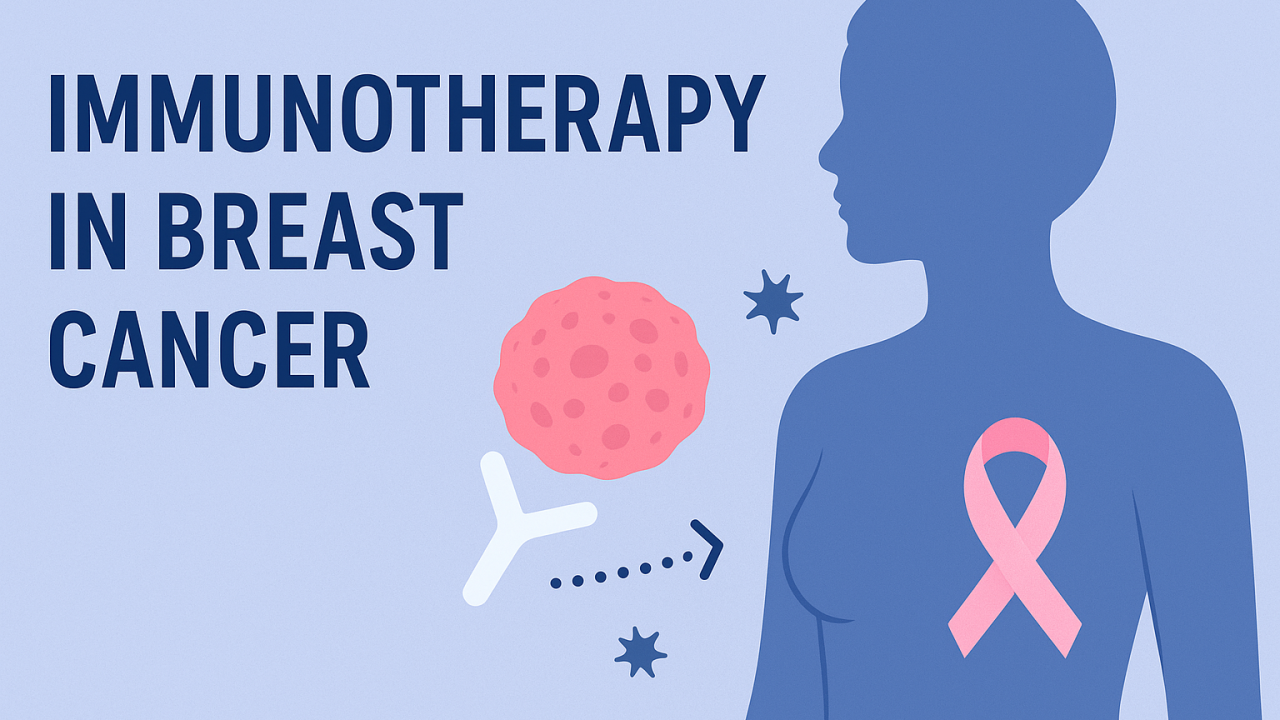
Immunotherapy in Breast Cancer: The New Era of HopeImmunotherapy in Cancer Treatment: A New Era of Hope
Understanding its role in Breast Cancer at Different Stages: Cancer treatment has evolved dramatically over the past decade. Among the most promising advancements is immunotherapy a treatment that uses the bodys own immune system to recognize and destroy cancer cells. Normally, our immune system is highly skilled at identifying anything that does not belong in the body. However, cancer cells can cleverly hide and suppress the immune response. Immunotherapy helps the immune system wake up, find cancer cells, and attack them more effectively. This approach is different from chemotherapy or targeted therapy, which directly act on cancer cells. Instead, immunotherapy gives power back to the bodys natural defense system. Immunotherapy drugs work by re-activating the immune systems ability to recognize and eliminate cancer cells. Tumors often evade immune destruction by exploiting regulatory pathways such as immune checkpoints for example, PD-1/PD-L1 and CTLA-4 which normally function to prevent excessive immune activation. Checkpoint inhibitor immunotherapies are monoclonal antibodies that block these inhibitory receptors or ligands, thereby releasing the brakes on cytotoxic T cells and allowing them to attack malignant cells more efficiently. Other forms of immunotherapy include CAR-T cell therapy, in which a patients T cells are genetically engineered to express specific receptors targeting tumor antigens, and cancer vaccines, which stimulate adaptive immune memory against tumor-associated markers. Additionally, cytokine-based treatments and immune stimulators enhance immune cell proliferation and activity within the tumor microenvironment. Together, these strategies aim to overcome tumor-induced immune suppression, achieve durable antitumor responses, and establish long-term immunologic surveillance to prevent relapse.
How Does Immunotherapy Work? Immunotherapy works in several ways, such as:
Checkpoint inhibitors: Cancer cells often use brakes on the immune system to avoid attack. These drugs release those brakes so immune cells can act freely.
Immunomodulators: They boost the overall activity of the immune system.
Cell-based therapies: Immune cells are enhanced or engineered outside the body and then infused back to target cancer more strongly.
Cancer vaccines: These help the body recognize cancer-specific markers and develop long-term defense.
These treatments have already improved outcomes in melanoma, lung cancer, kidney cancer, and many others.
Immunotherapy in Breast Cancer: Breast cancer is a very diverse disease, with different biological subtypes. Immunotherapy is becoming particularly valuable in Triple-Negative Breast Cancer (TNBC) a type that lacks hormone receptors and HER2 expression and tends to be more aggressive.
Heres how immunotherapy fits into different stages of breast cancer:
1. Early-Stage Breast Cancer
For patients with high-risk early-stage TNBC, immunotherapy is now used in combination with chemotherapy before surgery.
This approach increases the chance of completely eliminating cancer in the breast and lymph nodes.
It may also reduce risk of recurrence in the future.
2. Locally Advanced Breast Cancer
When the tumor is large or has spread to nearby nodes, but not distant organs, immunotherapy plus chemotherapy can shrink the cancer.
This helps make surgery more successful and improves long-term outcomes.
3. Metastatic / Stage IV Breast Cancer
Immunotherapy has shown meaningful benefit in patients whose TNBC expresses PD-L1, an immune-checkpoint marker.
It can help control cancer for longer, maintain better quality of life, and may extend survival.
In some selected patients, tumors shrink significantly, making ongoing treatment more manageable.
Why Immunotherapy Matters
More personalized treatment based on cancer biology
Better tolerance for many patients compared to traditional chemotherapy
Long-lasting immune memory, which can help keep cancer away even after treatment stops
It represents a major shiftfrom only attacking cancer to empowering the immune system to stay vigilant.
Side Effects of Immunotherapy in Breast Cancer Patients
Immunotherapy generally has a different side-effect profile compared to chemotherapy. Because it activates the immune system, the most common reactions come from the immune system attacking healthy tissues these are called immune-related adverse events (irAEs).
Some commonly seen side effects include:
Skin reactions Rash, itching, dryness, or changes in skin color. These are usually mild and manageable with creams or medicines.
Fatigue A common effect that can vary from mild tiredness to more significant weakness.
Gastrointestinal symptoms Diarrhea or inflammation of the bowel (colitis) can occur in some patients.
Hormone gland inflammation the thyroid, adrenal glands, or pituitary gland can get affected, leading to hormonal imbalance. Symptoms may include weight changes, hair loss, mood changes, or low energy, often requiring hormone replacement.
Lung inflammation (pneumonitis) Causes cough, breathlessness, or chest discomfort. This needs prompt medical attention.
Liver inflammation (hepatitis) Usually detected by blood tests before symptoms appear.
While many side effects are mild, some can be serious if not addressed early. The good news is that most irAEs respond very well to timely treatment, especially with corticosteroids or temporary pause of immunotherapy.
Why monitoring matters: During immunotherapy, patients are closely followed with regular check-ups and blood tests. Any new symptom even if small should be reported early so that doctors can act quickly and prevent complications. With proper monitoring, most patients continue treatment safely and benefit from its long-term effects.
Common Immunotherapy Drugs Used in Breast Cancer
At present, immunotherapy in breast cancer is mainly focused on Triple-Negative Breast Cancer (TNBC). The most commonly used drug is Pembrolizumab, a checkpoint inhibitor that targets the PD-1 receptor on immune cells. By blocking this receptor, the medicine allows T-cells to recognize and attack cancer cells more effectively. Pembrolizumab is now approved for use in early-stage high-risk TNBC along with chemotherapy before surgery, as well as in metastatic TNBC where the tumor expresses the PD-L1 marker. Another drug used in selected metastatic TNBC cases is Atezolizumab, which targets the PD-L1 protein on cancer cells and immune cells. These medicines have shown meaningful benefits in controlling disease and improving long-term outcomes in eligible patients.
The Road Ahead: Research is rapidly progressing to:
Expand immunotherapy beyond TNBC to other breast cancer subtypes
Identify which patients benefit the most
Improve combinations with targeted therapy, hormone therapy, and radiation
Immunotherapy is not yet for all breast cancer patients, but it is a strong and growing pillar of modern cancer care.
Landmark Trials in Immunotherapy for Breast Cancer
Landmark trials related to the immunotherapy in breast cancer: The introduction of immunotherapy in breast cancer has been driven by major clinical trials, particularly in triple-negative breast cancer (TNBC). The KEYNOTE-522 trial was a breakthrough in early-stage disease, showing that adding pembrolizumab to neoadjuvant chemotherapy significantly increased the rate of pathological complete response and improved event-free survival, leading to global approval for high-risk early TNBC. In metastatic settings, KEYNOTE-355 demonstrated that pembrolizumab combined with chemotherapy offered a meaningful survival benefit in PD-L1 positive metastatic TNBC, establishing it as a standard first-line option. Another key trial, IMpassion130, evaluated atezolizumab with nab-paclitaxel in metastatic TNBC and showed improved progression-free survival in PD-L1 positive patients, marking the first immunotherapy approval in advanced breast cancer. Although later trials such as IMpassion131 did not replicate the same benefit, the collective evidence from these pivotal studies has opened a new and hopeful chapter, integrating immunotherapy as an important treatment pillar in selected breast cancer patients.
Final Takeaway:
These drugs are not for all breast cancers they benefit patients whose tumors show PD-L1 expression and are mostly used in TNBC.
They are often combined with chemotherapy for better effectiveness.
Selection of patients is done using specialized biomarker testing.
Immunotherapy has opened a new chapter in breast cancer treatment one filled with innovation, hope, and better outcomes. As research continues, more patients will have access to this powerful and personalized strategy to fight cancer.
#breastcancer #TNBC #immunotherapyforbreastcancer #breastcancersurvival

Breast Cancer Surgery Without Losing The BreastA century of change in a single operation
In the early 1900s, Halsteds radical mastectomyremoving the entire breast, pectoral muscles, and extensive nodeswas the unquestioned standard for operable breast cancer. As systemic therapies emerged and our understanding of tumour biology matured, it became clear that more surgery wasnt always better. Modified radical mastectomy (MRM) preserved the pectoral muscles, reduced morbidity, and laid the foundation for the next leap: breast conservation surgery (BCS)tumour-focused excision with clear margins, combined with radiotherapy. The central insight was profound: survival depends as much on biology and systemic control as on extent of local surgery. Randomized trials across decades have since confirmed that appropriately selected patients can keep their breast without compromising survival.
From Mastectomy to BCS: What the Randomized Trials Proved
Two landmark randomized trials anchor the BCS evidence base. The NSABP B-06 study demonstrated, at 20-year follow-up, no difference in overall survival among total mastectomy, lumpectomy alone, and lumpectomy plus radiotherapy; radiotherapy, however, significantly reduced local recurrence after lumpectomy. Similarly, the Milan (Veronesi) quadrantectomy trial reported equivalent long-term survival between BCS and radical mastectomy, establishing oncologic safety for conservation. These data changed global practice and underwrite todays guidelines
The EBCTCG Meta-analysis: Why Radiotherapy Matters After BCS
The Early Breast Cancer Trialists Collaborative Group (EBCTCG) pooled individual patient data from 17 trials (10,801 women) and provided the most influential quantification of radiotherapys value after BCS: radiation halved the 10-year risk of any first recurrence (35.0% 19.3%) and reduced 15-year breast cancer mortality by about one-sixth. These proportional benefits were broadly similar across subgroups, though absolute benefit varied with baseline risk. This single overview codified the principle that BCS must be paired with high-quality radiotherapy for durable local control and survival benefit.
De-escalation Done Right
The shift from radical mastectomy to MRM to BCS is part of a larger oncology movement: de-escalation with precision. We aim to minimize treatment burden without sacrificing curesmaller operations, focused radiotherapy, omission of axillary dissection in node-negative or carefully selected post-neoadjuvant settings, and tailored systemic therapy. EBCTCG overviews across eras consistently show that better local control translates to fewer deaths, but beyond a certain point, more tissue removal does not improve survival. The art is matching treatment intensity to disease biology and patient values.
BCS vs Mastectomy: The Modern Data (And Why BCS Often Wins)
While RCTs established equivalence in survival between BCS+RT and mastectomy, large contemporary population studies (reflecting advances in systemic therapy, imaging, pathology, and radiotherapy) frequently show a survival advantage for BCS+RT over mastectomy in early breast cancer. For example, a nationwide Dutch analysis showed improved 10-year overall and relative survival with BCS+RT compared with mastectomy (with caveats about residual confounding). More recently, a 2024 meta-analysis again suggested a survival advantage for BCS+RT in early disease. These findings should be presented carefully to patientsas observational data subject to selection effectsbut they reinforce that BCS is not a compromise; it is often the best option for eligible patients.
BCS After Neoadjuvant Chemotherapy: Expanding Eligibility
Neoadjuvant systemic therapy (NST) downstages tumours, increasing the proportion of women eligible for conservationespecially in HER2-positive and triple-negative subtypes that can achieve pathologic complete response. Meta-analyses focusing on BCS after NST show comparable survival to mastectomy and acceptable local control when margins are clear and radiotherapy is optimized, though some reports note higher positive-margin rates and emphasize meticulous imaging, clip placement, and pathologic handling. The message: in experienced multidisciplinary programs, BCS after NST is both feasible and safe for many, provided we adhere to rigorous selection and technique.
Indias Journey: Acceptance, Access, and Oncoplastic Momentum
In India, uptake of breast conservation surgery historically lagged behind Western rates due to later stage at presentation, limited access to radiotherapy, variable training, and socio-cultural preferences. Earlier reports documented conservation rates between 11% and 34%. Yet over the last decade, comprehensive cancer centres (e.g., Tata Memorial Hospital, Mumbai) have documented steady increases in BCS utilization as awareness, imaging, pathology, radiotherapy capacity, and surgical expertise improved. Surveys of Indian surgeons show that specialized onco-surgical training and reliable access to radiotherapy independently drive greater BCS offering. The trajectory is positiveand oncoplastic integration is accelerating acceptance by delivering better shape and symmetry without compromising margins.
The Rise of Oncoplastic Breast Surgery
Oncoplastic techniques merge oncologic resection with plastic surgical principles to maintain or improve cosmesis while ensuring negative margins. Level I approaches (rearrangements within the breast) and Level II techniques (therapeutic mammoplasty, volume replacement) allow larger tumours relative to breast size to be safely treated with conservation. The clinical impact is twofold: more women become candidates for BCS, and fewer require re-excision for close margins when planning anticipates tissue movement and clips mark the cavity for precise radiotherapy boosts. Indian experts outline pragmatic pathways for building oncoplastic programseven in resource-constrained settingsthrough training, patient education, and team-based care.
What Patients Feel and Report: PROMs After BCS
In an era of shared decision-making, patient-reported outcome measures (PROMs) are as essential as survival curves. Tools like BREAST-Q and EORTC QLQ-BR23 capture satisfaction with breasts, psychosocial and sexual well-being, and treatment side-effects over time. Multiple comparative studies show that women treated with BCS plus radiotherapy often report equal or higher long-term satisfaction and better psychosocial/sexual well-being than those undergoing mastectomy (with or without reconstruction). Importantly, contemporary data suggest that at 10 years, satisfaction with breasts can be similar between BCS+RT and mastectomy + reconstruction, but psychosocial/sexual domains tend to favour BCS. For hospital teams, routinely embedding PROMs in follow-up is a practical way to individualize counseling and continuously improve technique.
<div class="ivm-view-attr__img-wrapper
">
Practical Take-Home for Clinicians and Patients
BCS is oncologically safe for the majority of women with early breast cancer when combined with radiotherapy, with randomized trials confirming equivalent survival to mastectomy and superior local control versus lumpectomy alone.
Modern datasets frequently show better survival with BCS+RT than mastectomylikely reflecting advances in imaging, radiotherapy, systemic therapy, and careful selectionreinforcing BCS as a first-choice for eligible patients.
After neoadjuvant therapy, BCS is feasible and safe in many; meticulous clip placement, margin assessment, and tailored radiotherapy are non-negotiable.
Oncoplastic surgery expands conservation to more women while enhancing cosmetic outcomescritical for long-term quality of life and confidence.
In India, acceptance is rising as radiotherapy access improves and specialist training spreads. Education, pathway standardization, and PROMs should be routine.
Our Commitment
At Andromeda Cancer Hospital, breast conservation is not just a surgical techniqueits a philosophy of care. Every woman is evaluated in a multidisciplinary tumour board; we place markers at biopsy, use pre- and post-neoadjuvant imaging to define the target precisely, perform oncoplastic resections tailored to body habitus and tumour location, and coordinate with radiation oncology for accurate boosts to the tumour bed. We also try to integrate PROMs into follow-up, because how our patients feelabout their body, relationships, and daily lifematters as much as what their scans show. When conservation is safe, we advocate for it. When mastectomy is necessary or preferred, we ensure access to immediate or delayed reconstruction and survivorship support.
For many women, keeping the breast and curing the cancer go hand-in-hand. If youor someone you lovehas been diagnosed with breast cancer, ask your care team whether breast conservation is right for you. Evidence-based, oncoplastic, patient-centered breast surgery is availableand it changes lives.

Bone Health in Breast Cancer Survivors: Often Neglected Part of Survivorship CareModern Breast Cancer Management
Care Beyond the CancerHolistic Care for Life
Breast cancer is the commonest cancer affecting women globally as well as in India. Last few decades have seen significant advancements in the understanding and the diagnostic and treatment options for breast cancer. As a result, the outcome of the disease is improving day by day. As a result of improvement in the survival outcome, the quality-of-life concerns of the breast cancer survivors have come in the sharp focus. Long term bone health is one crucial aspect of long-term wellbeing of the breast cancer survivors, sadly this often goes unnoticed. For many women, especially those undergoing hormonal therapies or chemotherapy-induced menopause, bone loss is a silent companion to their cancer journey. Protecting bone strength is, therefore, not merely about preventing fracturesits about preserving quality of life, independence, and confidence in survivorship.
Why Bone Health Matters in Breast Cancer
Bone is a living tissue, continuously renewed through a balance between bone formation and bone resorption. Several factors in breast cancer disturb this balance:
Natural aging and menopause reduce estrogen levels, leading to accelerated bone loss.
Cancer therapiesespecially those that reduce estrogen or ovarian functionfurther intensify this process.
Metastatic disease may directly involve the bone, causing pain and structural weakness.
Thus, the risk of osteopenia, osteoporosis, and fractures is significantly higher in breast cancer survivors compared to women of similar age without cancer.
Causes and Risk Factors for Bone Loss
Bone health in breast cancer patients is influenced by a mix of disease-related, treatment-related, and lifestyle-related factors.
1. Treatment-Induced Factors
Aromatase Inhibitors (AIs): Drugs like letrozole, anastrozole, and exemestane suppress estrogen production, leading to a 23% loss in bone density each year in postmenopausal women.
Chemotherapy-Induced Ovarian Failure: Premenopausal women receiving chemotherapy may experience premature menopause, drastically reducing estrogen levels.
Ovarian Suppression / Ablation: Medical (GnRH analogues) or surgical ovarian suppression also accelerates bone loss.
Corticosteroids: Used intermittently in chemotherapy or antiemetic regimens, they can impair bone formation.
Radiation Therapy: Radiation to the chest wall or spine can affect local bone integrity, especially in the ribs or vertebrae.
2. Disease-Related Factors
Bone Metastases: Common in advanced breast cancer, causing pain, pathological fractures, hypercalcemia, and reduced mobility.
Cytokine-mediated Bone Resorption: Tumour-secreted factors (e.g., RANKL, IL-6) promote osteoclast activation.
3. Lifestyle Nutritional Factors
Sedentary lifestyle, reduced physical activity during and after completion of the treatment
Low calcium and vitamin D intake
Smoking and alcohol consumption
Low body weight and malnutrition
Impact of Breast Cancer Treatment on Bone Health
Breast cancer treatments save livesbut they often come at the cost of accelerated skeletal aging.
AIs vs. Tamoxifen: While aromatase inhibitors cause bone loss, tamoxifen actually preserves or increases bone density in postmenopausal women (though it can reduce it in premenopausal women).
Chemotherapy: In younger women, chemotherapy-induced menopause can cause bone density loss equivalent to 10 years of natural aging within just 612 months.
Endocrine Therapy Duration: With adjuvant endocrine therapy now extending up to 10 years in some cases, the long-term skeletal effects are substantial.
Unmanaged bone loss can lead to osteoporotic fractureswhich not only impair mobility but also reduce survival and independence. Having such fractures is not only physically debilitating, it also leads to loss of mobility, dependence on others, nervousness, loss of confidence in performing day to day self-care activities and eventually depression.
Diagnosis and Assessment
Early identification of bone loss is crucial. Guidelines recommend a baseline bone mineral density (BMD) assessment before starting aromatase inhibitors or ovarian suppression therapy.
1. Bone Mineral Density (DEXA Scan):
Gold standard for diagnosing osteopenia and osteoporosis.
T-score 1.0 = Normal
T-score between 1.0 and 2.5 = Osteopenia
T-score 2.5 = Osteoporosis
2. Laboratory Tests:
Serum calcium, phosphate, alkaline phosphatase
25-hydroxy vitamin D
Renal and thyroid function (to rule out secondary causes)
3. Bone Turnover Markers (Optional):
Used in research or specialized settings to monitor therapy response.
4. Imaging for Metastases:
If bone pain or high ALP levels are present, bone scan, PET-CT, or MRI should be done to detect metastases early.
Prevention and Lifestyle Precautions
Bone health preservation begins from the start of cancer therapy. The following preventive steps can make a substantial difference:
1. Nutrition
Calcium: 10001200 mg/day (preferably from dietmilk, curd, paneer, ragi, almonds).
Vitamin D: 8001000 IU/day; exposure to sunlight for 1520 minutes daily.
Protein: Adequate intake supports bone matrix maintenance.
2. Exercise
Weight-bearing exercises (brisk walking, stair climbing, dancing) and resistance training improve bone strength and balance.
Avoid high-impact activities if bone metastases or fractures are present.
3. Lifestyle Modifications
Stop smoking and reduce alcohol.
Maintain a healthy BMI.
Prevent fallsgood lighting, supportive footwear, and home safety measures, bed railings, anti-skid floor in the bathrooms and other living areas.
Medical Management
For women at significant risk of bone loss (T-score 2.0, or 1.5 with additional risk factors), pharmacologic intervention is recommended alongside lifestyle measures.
1. Bisphosphonates
Examples: Zoledronic acid (IV yearly or 6-monthly), Alendronate, Risedronate.
Benefits: Prevent osteoporosis, reduce skeletal events, and may lower bone metastasis risk in postmenopausal women.
2. Denosumab
A monoclonal antibody against RANKL (60 mg subcutaneous every 6 months).
Effective alternative to bisphosphonates; improves bone density and reduces fractures.
3. Hormone Replacement Therapy (HRT)
Routinely not used in breast cancer patients due to potential recurrence risk.
4. Analgesics and Supportive Care
For metastatic bone disease: pain management, radiation therapy, and Orthopaedic interventions as needed.
Follow-up and Monitoring
Long-term follow-up is key to maintaining skeletal integrity and preventing late complications.
DEXA scan: Every 12 years to monitor bone density trends.
Vitamin D and calcium levels: Check annually.
Treatment adherence: Ensure bisphosphonate or denosumab schedules are followed.
Dental evaluation: Before starting bisphosphonates or denosumab, to prevent osteonecrosis of the jaw.
Symptom review: Ask about back pain, height loss, or new pain sites during follow-up visits.
Special Considerations
Premenopausal women: Monitor for chemotherapy-induced menopause and initiate early bone protection if required.
Metastatic disease: Bisphosphonates or denosumab are mandatory to prevent skeletal-related events.
Elderly patients: Focus on fall prevention and functional independence.
<div class="ivm-view-attr__img-wrapper
">
Conclusion: Building Strength from Within
Bone health is a vital yet often overlooked aspect of breast cancer care. By integrating routine screening, preventive nutrition, exercise, and timely medical interventions, we can protect the skeletal foundation that supports every woman through and beyond her cancer journey.
The message is simple yet powerful
We treat the cancer, but we also care for the woman who undertakes that treatment journey.
As we celebrate survivorship, lets ensure that every breast cancer warrior stands strongnot just cancer-free, but bone-healthy and life-ready.

Young Women with Breast Cancer: Preserving Fertility, Preserving HopeYoung Women with Breast Cancer: Preserving Fertility, Preserving Hope
Breast cancer is increasingly being diagnosed in younger women a group for whom life goals often extend beyond cancer survival to dreams of motherhood, career, and personal fulfilment. The diagnosis, while daunting, no longer needs to mean the end of these dreams. Advances in oncology and reproductive medicine now make it possible for many young women to preserve their fertility and even achieve pregnancy after successful treatment.
This article explores key aspects of fertility preservation, the role of GnRH analogues, data supporting their use, and the concept of planned interruption or tamoxifen holiday for women on long-term hormonal therapy who wish to conceive.
Breast Cancer in Young Women: A Unique Challenge
Approximately 510% of breast cancers occur in women under 40, and this number is rising in several countries, including India. These women face unique biological, emotional, and social challenges. Cancers in younger women tend to be biologically more aggressive, often hormone receptor-positive, and require systemic treatments like chemotherapy and hormonal therapy that can impact ovarian function.
For these women, discussions around fertility are not a luxury they are an essential part of comprehensive cancer care. Preserving fertility is not merely about having children; it is about preserving choices, hope, and a sense of normalcy in life after cancer.
Impact of Cancer Treatment on Fertility
Chemotherapy-induced ovarian toxicity is the major concern. Alkylating agents like cyclophosphamide can cause irreversible damage to ovarian follicles, leading to premature ovarian insufficiency. The degree of risk depends on:
Age at treatment (younger women have a higher ovarian reserve)
Type and dose of chemotherapy
Duration of therapy
Use of concurrent gonadotoxic agents
Hormonal therapy, especially tamoxifen (commonly prescribed for 510 years in hormone receptor-positive cancers), delays childbearing further, increasing the chance of age-related infertility.
Thus, early fertility counselling ideally before starting systemic therapy is critical. Oncologists, reproductive specialists, and patients should work together to discuss and plan available fertility preservation options.
Fertility Preservation Options
Fertility preservation can broadly be classified into established and experimental methods. The choice depends on time available before starting chemotherapy, patients age, and personal circumstances.
1. Embryo Cryopreservation
This is the most established and successful method. It involves ovarian stimulation, egg retrieval, and fertilization with partners or donor sperm before freezing embryos. Modern vitrification techniques ensure excellent survival rates and outcomes comparable to natural conception.
2. Oocyte Cryopreservation (Egg Freezing)
For unmarried women or those without a partner, oocyte cryopreservation is the preferred option. Recent improvements in freezing techniques have made this an equally effective approach, with live birth rates approaching those from fresh eggs.
3. Ovarian Tissue Cryopreservation
A promising technique, especially when chemotherapy must begin immediately or in prepubertal girls. A part of ovarian cortex containing primordial follicles is surgically removed, frozen, and later reimplanted. While still considered somewhat experimental, over 200 live births worldwide have been reported with this method.
4. Ovarian Suppression with GnRH Analogues
The simplest and least invasive option and one that can be implemented immediately is the use of GnRH analogues (gonadotropin-releasing hormone agonists) during chemotherapy.
Role of GnRH Analogues in Fertility Preservation
GnRH analogues (like goserelin or leuprolide) act by temporarily suppressing ovarian function, placing ovaries in a resting state during chemotherapy. The hypothesis is that dormant follicles are less susceptible to cytotoxic damage.
Clinical Evidence
For years, the role of GnRH analogues was debated, but high-quality randomized trials and meta-analyses have now clarified their benefit.
The landmark POEMS/S0230 trial, published in the New England Journal of Medicine (2015), provided strong evidence. In this study involving premenopausal women with hormone receptor-negative breast cancer, those who received goserelin along with chemotherapy had:
70% lower rate of premature ovarian failure
Double the rate of post-treatment pregnancies compared to those who did not receive goserelin
No compromise in disease-free or overall survival
Subsequent meta-analyses have confirmed these findings, showing that GnRH analogues significantly reduce the risk of chemotherapy-induced ovarian failure, irrespective of hormone receptor status.
Thus, current ASCO and ESMO guidelines recommend the use of GnRH analogues during chemotherapy for ovarian function preservation in young premenopausal women who are receiving gonadotoxic chemotherapy especially when other fertility preservation methods are not feasible or as an adjunct to them.
Conceiving Naturally After Treatment Completion
One of the most frequent questions asked by young survivors is:
Can I conceive naturally after breast cancer treatment?
The reassuring answer is yes; many can.
Studies suggest that up to 5060% of women who resume menses after chemotherapy are capable of natural conception, depending on their age, baseline ovarian reserve, and type of treatment received.
Importantly, pregnancy after breast cancer does not increase the risk of recurrence even in hormone receptor-positive disease provided an appropriate disease-free interval is observed before attempting conception.
Tamoxifen and the Pregnancy Pause The POSITIVE Trial
For women with hormone receptor-positive breast cancer, tamoxifen or aromatase inhibitors are prescribed for 510 years as adjuvant endocrine therapy. This prolonged course can delay pregnancy until a womans mid or late 30s a critical issue for fertility.
The recently published POSITIVE (IBCSG 48-14) trial, presented at San Antonio Breast Cancer Symposium 2022 and later published in NEJM 2023, addressed this question directly.
The study enrolled over 500 young women who wished to become pregnant but were on adjuvant endocrine therapy. Participants paused their therapy for up to two years to allow conception and childbirth, after completing at least 18 months of treatment.
Key results were encouraging:
74% achieved pregnancy, and 64% had at least one live birth.
After a median follow-up of 3 years, no increase in cancer recurrence was observed compared to matched controls continuing endocrine therapy.
The findings affirm that planned interruption of endocrine therapy (tamoxifen holiday) can be safely considered under close medical supervision for selected women desiring pregnancy.
After childbirth and breastfeeding, endocrine therapy can be resumed to complete the planned duration.
A Multidisciplinary Path Forward
Fertility preservation is a rapidly evolving field that demands seamless coordination between oncology, reproductive medicine, and psychosocial support teams.
Key steps for best outcomes include:
Early referral to a fertility specialist, ideally before starting systemic therapy
Discussion of all available options, including GnRH analogues during chemotherapy
Individualized counselling about timing and safety of pregnancy
Emotional and psychological support through survivorship
Oncologists must normalize these discussions. For a young woman, knowing that motherhood may still be possible can transform the entire outlook of cancer treatment turning fear into hope.
A Message of Hope
Today, breast cancer in young women is no longer synonymous with lost fertility or lost dreams. With timely counselling, use of GnRH analogues, cryopreservation techniques, and structured pregnancy planning, many women go on to experience motherhood after cancer.
The message to every young woman diagnosed with breast cancer is clear: Pause, dont give up. Cancer may challenge you, but it doesnt have to take away your future.

“Breaking the Delay: The Impact of Awareness in Breast Cancer Care"Why breast cancer in India is still diagnosed lateand how awareness can close the gap
Breast cancer is now the most commonly diagnosed cancer among Indian women. It has surpassed cervical cancer to take the number one position in the list of cancers affecting women in India. In 2022, India recorded an estimated 192,020 new breast cancer casesover one in four cancers in womenand 98,337 deaths. For example, an assessment of breast cancer diagnosis in women in AIIMS, one of the largest tertiary-care cancer centres in India between 2014 and 2019 showed that out of 977 patients, only 40 patients were detected with stage I (4%), 326 patients with stage II (33%), 419 with stage III (42%) and 212 with stage IV (21%) breast cancer. Despite improvements in treatment, too many women still arrive late in the care pathway, when cure is harder and cost, complexity, and distress are higher. This newsletter outlines where delays occur, why they persist, what the latest data show, and how well-designed awareness efforts can meaningfully reduce time to diagnosis.
What do we mean by delay?
Clinically, delays can be separated into three linked intervals:
Patient delay: time from first noticing a symptom to first contact with a health worker.
Diagnostic (system) delay: time from first presentation to tissue diagnosis.
Treatment delay: time from diagnosis to initiation of therapy.
In Indian studies from rural and semi-urban settings, median patient delays around 45 days and system delays around 19 days are typical, with wide variation (interquartile ranges often spanning weeks to months). These lags allow tumours to grow and spread, contributing to Indias persistently high burden of locoregionally advanced stage at diagnosis reported across registry-linked analyses.
Why are Indian women still presenting late?
1) Low baseline awareness and screening uptake
Population-representative data remain stark: only ~0.9% of Indian women aged 3049 report ever having been screened for breast cancer (under the governments NCD program), reflecting negligible coverage of clinical breast examination (CBE) and opportunistic mammography. Beyond screening, awareness of symptoms and risk factors is low in community surveysmany women cannot name a warning sign or risk factor, and breast self-examination (BSE) practice is uncommon. A large majority of women report to have noticed the changes in the breast but ignore them because most of the times the changes are painless to begin with. Many cancerous breast lumps are ignored as hormonal changes, clogged milk duct. They simply wish that the lump will go away in few days. Many women feel embarrassed to consult a doctor when they notice breast lumps.
2) Cultural and social barriers
Fear of a cancer label, stigma around breast symptoms, modesty concerns, and competing family/work responsibilities commonly defer help-seeking. Qualitative work from Indian cohorts repeatedly surfaces fatalism, embarrassment, and reliance on home remedies as early steps in a wait-and-watch trajectory that amplifies patient delay. In the largely patriarchal society, womens health is not a priority. Women themselves also put their health on the backburner when it comes to family responsibilities.
3) Access and affordability
In many districts, women must travel long distances for clinical evaluation, imaging, and biopsy. Public systems face bottlenecks for ultrasound, mammography, core needle biopsy, and pathology reporting, stretching diagnostic timelines. For the uninsured or under-insured, out-of-pocket costs and lost wages further deter timely care.
4) Program design and capacity gaps
Indias population-based screening uses CBE delivered by ASHAs/ANMs from age 30 at 5-year intervals, with referral to primary and district facilities. Implementation assessments highlight low screening priority at Health Wellness Centres, workforce overload, supply gaps, and weak tracking of screen-positive womenall of which limit impact.
5) Provider-side delays
Even after first contact, navigation through imaging, biopsy, and surgical/oncology consults can add weeks. Mixed-methods studies depict fragmented pathways and referral loops that extend system delay; where BSE/SBE is absent, the initial presentation can be to non-oncology providers, further prolonging time to diagnosis.
What do the numbers say?
Burden: Breast cancer is Indias top cancer in women by incidence and mortality.
Stage at diagnosis: Multi-registry analyses report a majority diagnosed beyond very-early stages, with consequences for survival and cost.
Delays: Typical median patient delay 45 days; system delay 19 days, with substantial variation by setting and socioeconomic status.
Screening coverage: 0.9% ever screened for breast cancer among women 3049 in NFHS-5; participation is better in a few southern states but remains low nationally.
Can awareness activities really reduce delay?
Yeswhen awareness is targeted, practical, and paired with access. Three streams of evidence matter:
Community CBE trials show downstaging and mortality benefit. In Mumbais 20-year cluster RCT (151,538 women, 3564 years), biennial CBE by trained health workers plus awareness led to significant downstaging and a ~30% reduction in breast cancer mortality among women 50 (overall mortality reduction ~15%, borderline significance). This demonstrates that awareness + simple examination can shift disease stage and outcomes in real-world Indian communities. Complementary results from Trivandrum show earlier stage at detection with triennial CBE.
Awareness campaigns improve knowledge and early-help behaviours. Well-structured campaignsin workplaces, colleges, and community groupssustainably raise knowledge and self-examination practice at 612 months, a prerequisite for shrinking patient delay. Recent focus-group evaluations from North India echo this, showing movement from hesitation to I should get checked when messages are culturally attuned and delivered by trusted messengers.
Breast-self-awareness links to shorter delays. Mixed-methods studies find women who regularly check their breasts or who recognize a change earlier reach providers sooner, with measurable reductions in both patient- and system-level delay.
Breast cancer awareness that actually shortens time to diagnosis
Breast cancer awareness can be seen as a pathway. Awareness programs that hope to make a difference in India might be more impactful if they are shaped around four guiding principles:
A. Meet women where they are
Consider running community sessions through ASHAs, SHGs, Anganwadi workers, or even factory floors.
Messages in local languages, addressing common myths (e.g., a painless lump is harmless), and giving clear next steps such as clinic days or phone numbers could help.
Involving men and family decision-makers may also ease issues like transport, time, and funds.
Evidence suggests that when messages are credible and immediately relevant, women are more likely to seek help earlier.
B. Pair messages with services
Awareness days could be turned into screen-and-refer camps that include on-site CBE, ultrasound triage, and direct biopsy scheduling.
In resource-limited areas, exploring newer technologies being piloted by public programs might help expand reach and reduce late-stage diagnoses.
C. Build fast lanes
Hospitals might think about setting up one-stop breast clinics, where CBE, imaging, and biopsy scheduling happen in a single visit.
Nurse navigators and simple tools like WhatsApp/SMS reminders could shorten diagnostic intervals.
Pre-booked radiology/biopsy slots during awareness drives may prevent backlogs.
Studies from India point out that navigation and streamlined referrals are often critical for reducing delay.
D. Close the loop with data
Hospitals could also choose to track and reflect on:
Median patient delay (symptom first visit)
Median diagnostic delay (first visit diagnosis)
Stage distribution (stage III vs IIIIV)
Time-to-treatment initiation
Loss-to-follow-up after a positive CBE
Looking at these numbers regularly can help turn awareness into a quality-improvement cycle, in line with national screening goals.
The bottom line: India faces a large and growing breast cancer burdenand delay is the enemy. But the evidence is clear: awareness that is paired with simple, accessible examination (CBE), rapid referral, and navigated diagnostics can downstage disease and save livesas demonstrated by Indias own cluster randomized trials.
For Andromeda Cancer Hospital, this is not just outreach; it is mission to improve the breast health in our society. We organize programs to educate women about the critical knowledge related to breast cancer. If we are able to shorten the journey from first symptom to first consult and from first consult to tissue diagnosis, we will change the survival curve for thousands of Indian womenone timely diagnosis at a time.

Childhood Cancers: A Comprehensive Overview"Small Warriors, Big Battles: Understanding Childhood Cancer
Childhood cancers, though relatively rare, represent a profound challenge in paediatric healthcare, affecting thousands of families across the globe each year. Unlike adult cancers, they often arise from unknown causes and progress rapidly, demanding swift diagnosis and specialized treatment. From leukaemia and brain tumours to neuroblastoma and Wilms tumour, these diseases strike at vulnerable ages, often before children can articulate their symptoms. Understanding the risk factors, common types, and evolving treatment landscape is crucial not only for clinicians but also for caregivers and policymakers. This newsletter explores the global and Indian context of childhood cancers, highlighting advances that offer renewed hope.
1. Risk Factors
Unlike adult cancers, most childhood cancers do not have well-established environmental or lifestyle risk factors. However, some known contributors include:
Genetic mutations: Around 510% of childhood cancers are linked to inherited genetic changes.
Infections: Chronic infections like HIV, Epstein-Barr virus, and malaria are associated with increased risk, especially in low- and middle-income countries (LMICs).
Radiation exposure: Prenatal or early-life exposure to ionizing radiation may elevate risk.
Congenital syndromes: Conditions like Li-Fraumeni syndrome, Down syndrome, and neurofibromatosis are associated with higher cancer susceptibility.
Despite extensive research, most childhood cancers arise spontaneously without identifiable external triggers.
2. Common Types of Childhood Cancers
Childhood cancers differ significantly from adult cancers in origin and behaviour. The most prevalent types include:
Leukaemia: Especially Acute Lymphoblastic Leukaemia (ALL), accounting for nearly 30% of cases.
Brain and central nervous system tumours: Including medulloblastomas and gliomas.
Lymphomas: Both Hodgkin and non-Hodgkin types.
Neuroblastoma: A cancer of nerve tissue, often affecting infants.
Wilms tumour: A kidney cancer typically seen in children under 5.
Bone cancers: Such as osteosarcoma and Ewing sarcoma.
Retinoblastoma: A rare eye cancer, often diagnosed before age 5.
3. Incidence: Global and Indian
Globally, an estimated 400,000 children and adolescents (019 years) are diagnosed with cancer annually. The burden varies widely:
Region
Estimated Cure Rate
Key Challenges
High-income countries
80%
Early diagnosis, access to care
LMICs (including India)
30%
Delayed diagnosis, treatment abandonment
In India, approximately 50,000 new cases are reported each year. Childhood cancers represent about 4% of all cancers in the national registry. Delhi shows the highest age-adjusted incidence rates: 203.1/million (boys) and 125.4/million (girls).
4. Common Age at Risk
The paediatric age group is typically defined as 014 years, though some centres extend it to 18 years. Specific cancers tend to peak at different ages:
Infants (1 year): Neuroblastoma, retinoblastoma
Toddlers (14 years): Wilms tumour, ALL
School-age (59 years): Brain tumours, lymphomas
Adolescents (1019 years): Bone cancers, Hodgkin lymphoma
5. Common Symptoms
Detecting cancer in children is challenging due to symptom overlap with common illnesses. Key warning signs include:
Persistent, unexplained weight loss
Frequent headaches with morning vomiting
Swelling or pain in bones/joints
Lumps in abdomen, neck, or chest
Whitish appearance in pupil or vision changes
Recurrent fevers without infection
Excessive bruising or bleeding
Fatigue and paleness
Awareness among caregivers and primary physicians is crucial for early detection.
6. Genetic Testing
Genetic testing plays a growing role in:
Identifying predisposition: For families with history of cancer or syndromic features.
Guiding treatment: Certain mutations (e.g., TP53, ALK) influence therapy choices.
Risk stratification: Helps determine prognosis and recurrence risk.
However, access to genetic counselling and testing remains limited in many Indian settings.
7. Diagnosis
Diagnosis involves a multidisciplinary approach:
Clinical evaluation: History and physical examination.
Imaging: MRI, CT scans, PET scans for tumour localization.
Biopsy: Essential for histopathological confirmation.
Blood tests: Including complete blood count, tumour markers.
Bone marrow aspiration: Especially for leukaemia.
Timely and accurate diagnosis is often hindered in LMICs due to lack of infrastructure.
8. Treatment
Treatment depends on cancer type, stage, and patient age. Modalities include:
Chemotherapy: Backbone of paediatric cancer treatment.
Surgery: For localized solid tumours.
Radiotherapy: Used selectively due to long-term side effects.
Stem cell transplant: For high-risk leukaemia and relapsed cancers.
Targeted therapy: Emerging options for specific mutations.
In India, specialized paediatric oncology units are essential but not uniformly available.
9. Prognosis
Prognosis varies by cancer type and healthcare access:
High-income countries: Survival rates exceed 80% for many cancers.
India: Estimated survival around 70%, but varies widely.
Poor prognosis factors: Late-stage presentation Treatment abandonment Toxicity-related deaths Relapse
Long-term survivors may face challenges like growth delays, fertility issues, and secondary cancers.
10. Recent Advances
Exciting developments are reshaping childhood cancer care:
Immunotherapy: CAR-T cell therapy shows promise in relapsed leukaemia.
Precision medicine: Genomic profiling enables personalized treatment.
Minimally invasive surgery: Reduces recovery time and complications.
Digital health tools: Improve follow-up and symptom tracking.
Global initiatives: WHOs Global Initiative for Childhood Cancer aims to raise survival to 60% worldwide by 2030.
11. Psychosocial Impact and Support Systems
Emotional toll: Childhood cancer affects not just the child but the entire family. Anxiety, depression, and post-traumatic stress are common.
Support services: Play therapy, counselling, and parental support groups are vital but underprovided in many Indian hospitals.
12. Healthcare Infrastructure Gaps in India
Less than 50% of tertiary hospitals in India offer essential services like brachytherapy, safe chemotherapy preparation, or daycare beds.
Only 41.6% of public tertiary hospitals have dedicated paediatric oncology departments.
13. Data Systems and Policy Needs
India lacks robust childhood cancer registries and data-driven policies, which hinders planning and resource allocation.
WHO emphasizes that data systems are crucial for improving care quality and informing national strategies.
14. Long-Term Survivorship and Late Effects
Survivors often face growth delays, cognitive impairments, fertility issues, and increased risk of secondary cancers.
There's a growing need for survivorship clinics and long-term follow-up protocols.
15. Prevention and Public Awareness
While most childhood cancers can't be prevented, public awareness can reduce delays in diagnosis and treatment abandonment.
Campaigns tailored to rural and underserved communities are especially critical.
In India, efforts are underway to strengthen paediatric oncology infrastructure, data systems, and training.
Childhood cancers, though daunting, are increasingly treatable with timely diagnosis and evolving therapies. Global collaboration, improved access, and scientific innovation offer renewed hope for young patients. By raising awareness and strengthening care systems, we can transform outcomesensuring that every child, regardless of geography, has a fighting chance at life.
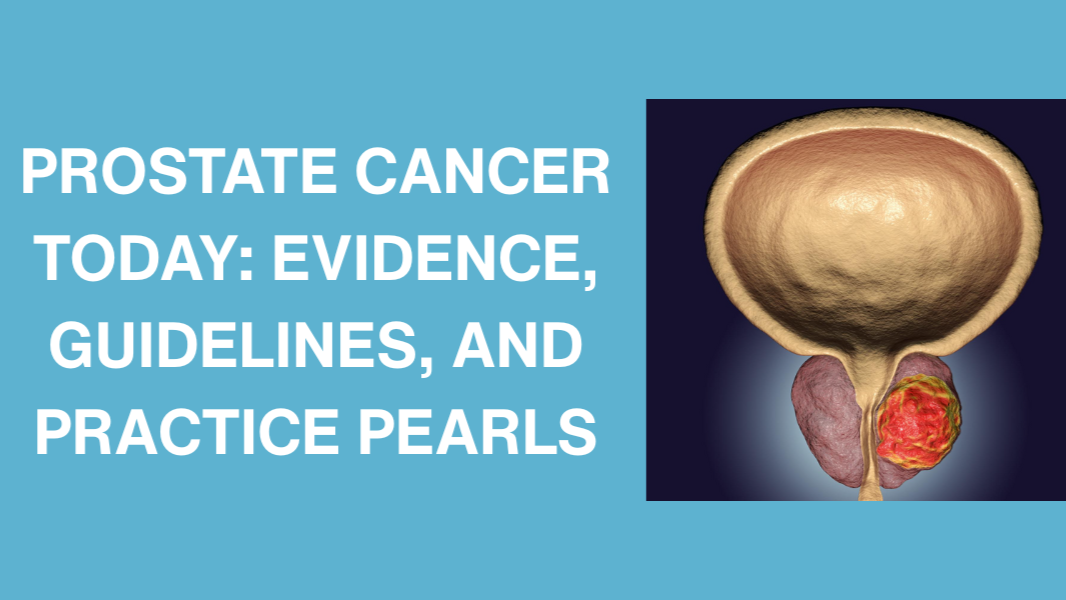
Prostate Cancer Today: Statistics and Practical PearlsProstate Cancer: Risk, Diagnosis, and Management
Introduction
Prostate cancer is the most common cancer in men worldwide, and its incidence increases with age. While many cases grow slowly and may not cause harm, others can be aggressive and life-threatening. Understanding risk factors, early signs, diagnostic methods, and treatment options is essential for effective management and improved outcomes.
Epidemiology and Age-Related Risk
Prostate cancer incidence rises steeply with age, with men over 65 at the highest risk. Around six in ten cases are diagnosed in men aged 65 or older, with the median age at diagnosis being 6768 years.
Rare before age 40.
Sharp rise after age 50.
Nearly 43% of new cases occur between 6574 years, and another 18% between 7584 years.
This strong association with increasing age underscores prostate cancer as primarily a disease of older men.
Risk Factors
Established Risk Factors
Age: The single most significant factor.
Family History: Having a first-degree relative with prostate cancer doubles the risk. Risk is higher if multiple relatives are affected or diagnosed at a young age.
Ethnicity: Black men have the highest incidence and mortality.
Genetics: BRCA1 and BRCA2 mutations, Lynch syndrome, and other inherited genetic changes increase risk.
<div class="ivm-view-attr__img-wrapper
">
Lifestyle and Environmental Factors
Obesity: Moderately increases risk and is associated with more aggressive disease.
Diet: High intake of red meat and dairy, and low intake of fruits and vegetables, may play a role.
Lifestyle changes: Sedentary habits and urbanization contribute to rising incidence in developing countries.
Prostate Cancer in India
In India, incidence is very low below age 55 but rises sharply after this age, peaking in men over 65. Age-specific incidence rates from cancer registries show:
Below 1 per 100,000 in men under 55.
Rising to 1015 per 100,000 in those over 65.
Recent trends indicate a gradual rise among men aged 5564, and to a lesser extent in younger groups (3544) in large cities, reflecting lifestyle changes. Young-onset prostate cancer, while still rare, is increasing in urban India and often presents at a more advanced stage, with higher mortality due to delayed diagnosis.
Symptoms and Early Detection
Early Stage
Most early prostate cancers cause no symptoms and are detected through screening. When present, symptoms often involve urinary changes:
Difficulty starting urination.
Weak or interrupted urine flow.
Frequent urination, especially at night.
Feeling of incomplete bladder emptying.
Blood in urine or semen.
Painful urination or erectile dysfunction.
<div class="ivm-view-attr__img-wrapper
">
These are not specific to cancer and may also occur in benign prostate conditions.
When to Consult a Doctor
Men should seek medical evaluation if urinary symptoms persist, especially if accompanied by:
Bone pain.
Unexplained weight loss.
Erectile dysfunction.
Men over 50or younger men with family history or high riskshould discuss screening with their doctors.
Diagnosis
Initial Evaluation
Digital Rectal Exam (DRE): Detects abnormalities in prostate size and texture.
Prostate-Specific Antigen (PSA) Test: Elevated levels may indicate cancer but can also occur in benign conditions.
Imaging and Biopsy
Multiparametric MRI: Identifies suspicious areas for targeted biopsy.
Biopsy: Transrectal or transperineal ultrasound-guided sampling is required for confirmation and grading.
Staging
Cancer staging determines the extent of disease using:
PSMA PET-CT (highly sensitive).
Bone scans, CT, and MRI. Staging is crucial for treatment planning.
<div class="ivm-view-attr__img-wrapper
">
Biomarkers
Beyond PSA, several biomarkers aid diagnosis and prognosis:
PCA3: A urine test highly specific for prostate cancer.
AMACR: A tissue marker often positive in biopsy pathology.
PTEN loss and TMPRSS2-ERG fusion: Associated with prognosis and therapy response.
Emerging biomarkers: Exosomal proteins, microRNAs, and DNA methylation profiles offer potential for precision medicine.
Treatment Options
Treatment depends on cancer stage, aggressiveness, and patient health.
Active Surveillance
For low-risk localized cancers, close monitoring avoids or delays treatment. Regular PSA tests, MRIs, and biopsies are done, with curative treatment initiated if disease progresses. This strategy balances effective control with minimizing side effects.
Surgery
Radical Prostatectomy removes the prostate gland and sometimes nearby tissues.
Best suited for healthy men with localized cancer.
Risks include urinary incontinence and erectile dysfunction.
Requires hospitalization but offers excellent long-term control.
Radiation Therapy
Radiation destroys cancer cells using external beams (EBRT) or internal sources (brachytherapy).
Less risk of urinary incontinence compared to surgery.
More likely to cause bowel-related issues.
Highly effective for localized disease.
Hormone Therapy
Androgen deprivation therapy reduces testosterone, slowing cancer growth. Used for advanced or recurrent disease, often in combination with other treatments.
Chemotherapy
Reserved for advanced or castration-resistant prostate cancer.
Novel Therapies
High-Intensity Focused Ultrasound (HIFU).
Immunotherapy in selected cases.
PARP inhibitors for men with BRCA mutations.
PSMA-targeted radioligand therapy for advanced disease.
Surgery vs Radiation: Key Comparisons
Both surgery and radiation offer similar long-term survival for localized cancer.
Surgery: Higher risk of urinary incontinence and erectile dysfunction but relieves obstruction.
Radiation: Fewer urinary side effects but more bowel issues; ED develops gradually over time.
Choice depends on cancer stage, patient health, and personal preference.
Side Effects of Treatment
Urinary Incontinence
After Surgery: Occurs in 622% of men, especially older or obese patients. Improves with time; pelvic floor therapy or surgical correction may be required.
After Radiation: Less common (10% at 3 years) but can occur late due to bladder damage.
Erectile Dysfunction
After Surgery: Very common due to nerve injury; recovery may take up to 18 months. Nerve-sparing techniques and younger age improve outcomes.
After Radiation: Gradual onset, with 1726% affected at 2 years.
Bladder Function After Radiotherapy
Reduced bladder compliance and capacity.
Increased urgency and frequency of urination.
Persistent outlet obstruction since the prostate remains in place.
Risk of late complications such as urethral stricture and radiation cystitis.
Role of PSMA PET in Management
PSMA PET is a breakthrough imaging tool that detects prostate cancer with high sensitivity.
Applications:
Accurate staging at diagnosis.
Detection of recurrence when PSA rises after treatment.
Improved treatment planning with tailored strategies.
Lower radiation exposure and fewer inconclusive results compared to CT or bone scans.
FDA-approved tracers and global guidelines now endorse PSMA PET as a standard in prostate cancer care.
Advances in Prostate Cancer Treatment
Recent innovations have improved outcomes and reduced side effects:
Robotic-assisted surgery offers precision with faster recovery.
Advanced radiotherapy techniques minimize collateral damage.
Novel systemic therapies (androgen receptor inhibitors, PARP inhibitors).
PSMA-targeted radioligand therapy for advanced disease.
Immunotherapy trials show promise in early-stage and aggressive cases.
These advances reflect a move toward personalized and targeted treatment strategies.
<div class="ivm-view-attr__img-wrapper
">
Prognosis
Prostate cancer prognosis depends on stage, grade, and health at diagnosis.
Localized disease: Excellent, with nearly 100% 5-year survival.
Advanced disease: Poorer, with around 38% 5-year survival in metastatic cases.
Other important prognostic factors include:
Gleason score
PSA levels
Tumour volume
Surgical margins
Molecular markers (p53, Ki-67)
Younger men and those in good overall health have better outcomes. Despite many cases being slow-growing, risk stratification is essential to tailor therapy.
Conclusion
Prostate cancer is predominantly a disease of older men but is rising in younger age groups in India and worldwide due to lifestyle changes and better detection. Early diagnosis through PSA, DRE, and advanced imaging like PSMA PET allows timely and tailored treatment. With evolving therapiesranging from active surveillance to precision medicineoutcomes are improving. Individualized care remains the cornerstone of balancing cancer control with quality of life.
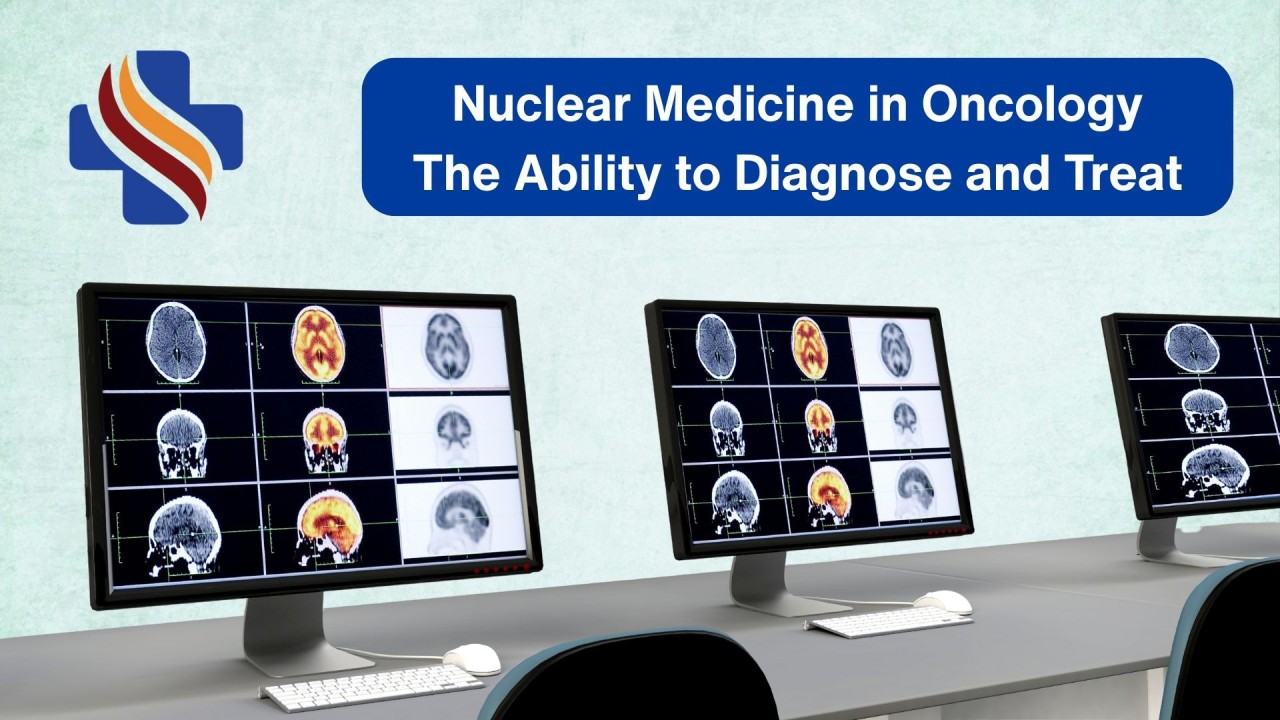
Nuclear Medicine in Oncology: Lighting the Way in Cancer Diagnosis & TherapyThe Story Begins with a Tracer
The foundation of nuclear medicine goes back to a groundbreaking idea from Hungarian chemist George de Hevesy in the early 20th century, a Nobel Prizewinning scientist and also widely recognized as the "father of nuclear medicine"
Hevesy discovered that minute quantities of radioactive compounds (radiopharmaceuticals) / radioactive tracers could be used to follow chemical processes inside living beingsjust like adding a drop of dye to water to see where it flows.
In his famous experiment, he used tiny amounts of radioactive isotopes to study how plants absorbed nutrients.
Thistracer principle is still the basis of nuclear medicine today: ➡️ Use a safe radioactive compound (called a radiotracer) that behaves like natural substances in the body. ➡️ Track its path with special cameras. ➡️ Learn how organs and diseases functionfrom the inside out.
<div class="ivm-view-attr__img-wrapper
">
The Fundamental Principle of Nuclear Medicine
What is Nuclear Medicine?
Nuclear medicine is a branch of medical imaging and therapy that uses small amounts of radioactive materials (called radiotracers) to diagnose and treat diseases, especially cancer. These tracers are injected, swallowed, or inhaled, and they target specific organs or tissues. Special cameras detect the radiation emitted, creating images that show how your body is functioning at a molecular levelnot just its structure.
Unlike X-rays or MRI that show body structures, nuclear medicine looks at how the body works at a cellular level - like how cells are metabolizing or if a tumor is active.
Small amounts ofradioactive tracers (safe, medical-grade) are used.
Special scanners detect these tracers and create detailed images.
The result? Doctors dont just seewhere something is, but also how active it is.
It has two main arms:1. Imaging using:
Conventional Nuclear Medicine (Gamma Camera / SPECT)
Molecular Imaging (PET-CT)
2. NM therapy or now popularly known as Theranostics (Diagnosis + Therapy with the same molecule)
Conventional Nuclear Medicine The Gamma Camera Era
Uses gamma cameras to detect radioactive tracers and Produce images of organ function.
Common tracers: 99mTc (Technetium-99m) based RPs most widely used isotope globallyThe workhorse tracer, used in over 80% of procedures. Used for bone scans, renal scans, cardiac scans, thyroid scans. Iodine I-123 / I-131: Benign and malignant thyroid diseases - Targets thyroid tissue. In diagnosis, it scans for thyroid cancer; in therapy, higher doses destroy cancerous cells.
Helps in cancer by: Detecting bone metastases (spread of cancer to bones). Assessing thyroid cancer.
PET-CT The Molecular Imaging Revolution
PET-CT combines positron emission tomography (PET) with CT.
Shows both function (PET) and structure (CT) in one scan.
Uses radiotracers that mimic natural body chemicals or target receptors in various physiological and patholigcal conditions.
Common PET tracers in cancer:
18F-FDG (Fluorodeoxyglucosewith F-18) Mimics sugar, detects sugar-hungry cancer cells and used in most of the cancers including lung, lymphoma, breast and colorectal cancers.
68Ga-PSMA prostate cancer.
68Ga-DOTATATE neuroendocrine tumors.
FES (Fluoroestradiol) breast cancer (estrogen receptor imaging).
Role in Cancer Diagnosis 👉PET-CT is often called the GPS for cancer, guiding doctors at every step:
Early detection: Using various metabolic and functional processes such as FDG PET scan targetting glucose metabolism: Cancer cells consume more energynuclear scans pick this up early.
Accurate staging: Shows if cancer has spread.
Treatment planning: Helps doctors decide surgery, chemotherapy, or radiation approaches.
Treatment Response Assessment: Shows if cancer is responding or not to treatment
Follow-up: Detects recurrence earlier than most tests.
Role in Cancer Therapy: 🎯 Theranostics Treat What You See and Diagnose and Treat in One Go
Nuclear medicine is not just about diagnosisit can also treat cancer.
Theranostics = Therapy + Diagnostics.
Uses the same molecule for both diagnosis and treatment, just with different isotopes, For e.g. 68GaPSMA for Prostate cancer staging using PET CT and 177LuPSMA PRLT therapy for progressive and metastatic CRPC prostate cancer. It's personalized medicine at its best: "See it, then zap it."
<div class="ivm-view-attr__img-wrapper
">
Two Aspects of Nuclear Medicine
Targeted therapy: Radioactive medicines deliver treatment directly to cancer cells while sparing most healthy tissue.
Used inthyroid cancer, prostate cancer, lymphomas, and neuroendocrine tumors.
Think of it as asmart bombprecise and powerful.
<div class="ivm-view-attr__img-wrapper
">
Past, Present and Future of Theranostics
Clinical impact:
Lu-177 PSMA therapy has shown 40% reduction in risk of death in advanced prostate cancer (VISION trial).
NETTER-1 trial showed 79% progression-free survival improvement with Lu-177 DOTATATE in neuroendocrine tumors.
In India, more than 10,000 Lu-177 therapies have been performed in the last 5 years, positioning the country as a regional hub for theranostics.
The Numbers Nuclear Medicine Worldwide : Nuclear medicine is booming, driven by aging populations and cancer rises.
Diagnostic Nuclear Medicine: ~40 million (4 crore) procedures annually worldwide.
USA: ~20 million scans/year.
India: ~0.51 million scans/year (rapidly growing).
Therapeutic Nuclear Medicine:
In 2023,over 100,000 theranostic procedures were performed globally, with rapid growth in prostate and neuroendocrine treatments.
Growing at1015% annually worldwide.
Theranostics centers expanding rapidly, especially in prostate and neuroendocrine cancer treatment.
Market value:
$10.19B in 2024, projected to $42B by 2032 (CAGR ~19%). Theranostics segment growing fastest at 13-15% CAGR.
USA: $5.12B in 2023, to $16.85B by 2033 (CAGR 12.6%). High adoption of PET-CT (over 2,000 scanners).
India: Rapid growth with 300+ centers. ~1-2 million procedures/year. Market to $1.07B by 2030 (CAGR 10.9%), fueled by affordable tech and rising cancer cases (1.4M new/year).
Therapeutic procedures (like radioiodine therapy) grew 20% globally post-COVID, with India seeing 25% annual increase due to better access.
Future: Bright and Innovative
By 2030, theranostics could dominate cancer care. Prospects include:
Expansion to Lung, breast, brain, pancreatic, and ovarian cancers.
Alpha emitters (like Ac-225) for resistant cancers.
AI-integrated imaging for smarter imaging interpretation, predictive response modeling and faster, more accurate targeting.
Combination with immunotherapy.
ImmunoPET tracers: tracking immune checkpoint inhibitors in real time
Personalized dosimetry: tailoring therapy dose to maximize tumor kill minimize toxicity
Challenges: Supply chain for rare isotopes, but advancements in cyclotron production are helping.
Myths vs Facts
Myth: Nuclear medicine is unsafe because of radiation. ✅ Fact: Radiation doses are carefully regulated, often equal to or less than a CT scan. It is safe, regulated, and used worldwide for decades. Doses are low a PET scan is like 2-3 years of natural background radiation. Tracers decay fast (hours/days), and benefits outweigh risks.
Myth: The radioactivity stays in your body forever.✅Fact: Most tracers are eliminated naturally within days. No long-term buildup.Myth: It's painful or invasive.✅Fact: Just an IV injection or pillless invasive than surgery, no pain beyond a needle prick.
Myth: It causes cancer✅Fact: Risk is minimal (1 in 10,000 for diagnostics). It's used to fight cancer, not cause it.Myth: Only for end-stage cancer.✅Fact: Great for early detection and monitoring, improving survival rates by 20-30% in many cases.Myth: PET-CT replaces all other scans. ✅ Fact: Different scans answer different questions. PET-CT complements, not replaces.
Myth: Once treated with radiotheranostics, you glow or are radioactive. ✅ Fact: The radiation is medical-grade, controlled, and leaves the body safely.
Why It Matters for PatientsFor patients, nuclear medicine means:
Less invasive testsMore confidence in diagnosis
Tailored Personalised treatmentBetter chances of cure and survival
Take-Home Messages
Nuclear medicine is not science fictionitsscience saving lives daily.
It allows doctors tosee cancer earlier, track it better, and treat it smarter.
FromHevesys tracer principle to modern PET-CT and theranostics, the field has grown into a cornerstone of cancer care.
India is catching up fast with global trends, and access is expanding.
The future promisespersonalized, precise cancer care with nuclear medicine at its heart.
Bust the myths: It's safe, precise, and life-saving.
Nuclear medicine is like a torchlight in the dark tunnel of cancerhelping doctors see clearly, act precisely, and give patients hope.
Nuclear medicine is not just scienceits a blend of technology and compassion, guiding modern cancer care.
Next time you hear about PET scans or targeted radiotherapy, remembertheyre part of a powerful field called nuclear medicine that combines vision with cure.
Have you or your loved one ever had a PET-CT or heard about nuclear medicine therapy? Share your thoughts in the comments.By Dr. Aashish Gambhir, Director Head, Nuclear Medicine
Andromeda Cancer Hospital
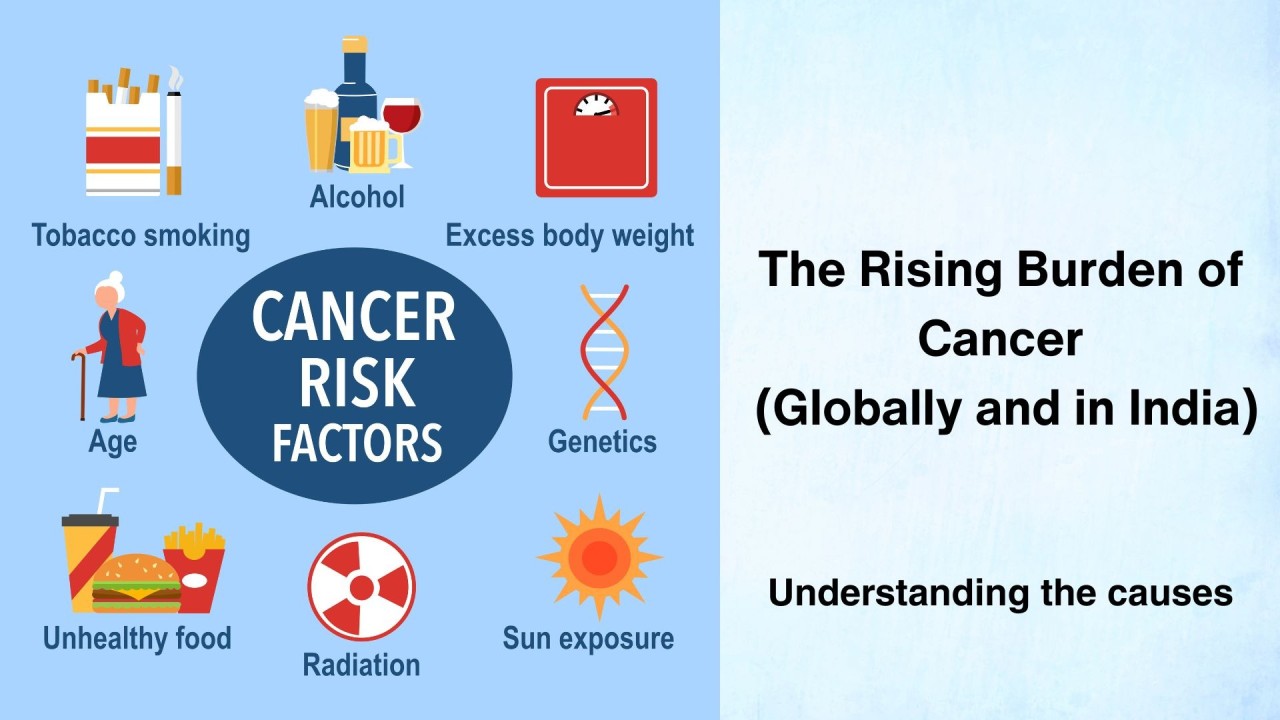
The (Rising) Burden of Cancer What is causing this silent epidemic?
Cancer is one of the leading non-communicable diseases globally. Further, the burden of cancer is rising continuously. While significant progress has happened in early diagnosis and treatment of cancer, the burden of death due to cancer is still high.
Cancer is the 2nd leading cause of death worldwide and causes nearly 15 to 16% of all deaths.
In India too, cancer is a major contributor to the causes of death, 2nd overall in urban areas and 4th overall in rural areas.
The cliched saying is A stitch in time saves nine but it may be highly relevant when it comes to cancer. Preventing is cancer is theoretically much easier than treating a cancer. However, each and every member of the society needs to be aware of the causes of cancer.
Individual action and commitment plays an important role in cancer prevention. Government policies and programs are important but can not work in isolation without public participation.
With this background, we are sharing the list of major causes of cancer globally and also highlight their importance based on gender.
Recognized Causes and Risk Factors for Human Cancer
A. Lifestyle-related
Tobacco use (smoked and smokeless)
Alcohol consumption
Dietary factors: processed/red meat, low fruits/vegetables, obesity-promoting diets
Obesity / overweight
Physical inactivity
B. Environmental and occupational
Air pollution (PM2.5, diesel exhaust, indoor coal smoke)
Occupational exposures: asbestos, silica, benzene, formaldehyde, wood dust, vinyl chloride, certain metals (arsenic, cadmium, chromium, nickel)
Radiation: ionizing radiation (X-rays, gamma rays, radon), ultraviolet radiation (sunlight, tanning beds)
C. Biological / infectious agents
Viruses: HPV, HBV, HCV, EBV, HTLV-1, KSHV, MCPyV
Bacteria: Helicobacter pylori
Parasites: Opisthorchis viverrini, Clonorchis sinensis, Schistosoma haematobium
D. Hormonal and reproductive
Endogenous hormones: prolonged estrogen exposure (early menarche, late menopause, nulliparity, hormone replacement)
Exogenous hormones/medications: oral contraceptives, menopausal hormone therapy, DES
Immunosuppressive drugs (tacrolimus, azathioprine)
E. Genetic and host-related
Inherited cancer syndromes (e.g., BRCA1/2, Lynch, Li-Fraumeni)
Family history (polygenic risk)
Ageing (strongest single risk factor, reflects cumulative mutations and immune decline)
Cancer Risk Factors Grouped by Gender
Predominantly male cancers / risks
Tobacco use (still higher in men globally lung, head neck, bladder, esophagus, pancreas)
Occupational exposures (asbestos, silica, diesel exhaust, metals historically more in men)
Alcohol use (higher consumption rates in men)
HPV oropharyngeal cancer risk increasingly seen in men
<div class="ivm-view-attr__img-wrapper
">
Predominantly female cancers / risks
Reproductive/hormonal factors (estrogen/progesterone exposure breast, endometrial, ovarian)
HPV cervical cancer (exclusively female)
Hormone therapy (HRT, OCPs, DES)
<div class="ivm-view-attr__img-wrapper
">
Both men and women
Tobacco, alcohol, obesity, diet, physical inactivity
Air pollution, radiation, environmental exposures
Infectious causes: HBV/HCV (liver), EBV (lymphoma/nasopharynx), H. pylori (stomach), parasites
Genetic predispositions
<div class="ivm-view-attr__img-wrapper
">
Relative Contribution to Cancer Burden (Attributable Fraction)
Global estimates (WHO / IARC / GLOBOCAN; varies by region):
Tobacco ~22% of all cancer deaths worldwide (8 million deaths annually). Causes lung, head neck, bladder, esophagus, pancreas, stomach, kidney.
Infections ~1315% of cancers globally, higher in developing countries. HPV, HBV, HCV, H. pylori dominate.
Alcohol ~56% of cancers worldwide. Strong links: oral cavity, pharynx, larynx, esophagus, liver, breast, colorectum.
Obesity/overweight physical inactivity ~58% globally. Strong for breast (postmenopausal), colorectal, endometrial, pancreas, kidney, liver.
Diet (low fruits/vegetables, high processed meat, low fiber, high salt) ~5%.
Occupational exposures ~35% of cancers (but higher in men in industrialized areas).
Air pollution (ambient + household) ~23% globally; larger share in Asia.
Radiation (ionizing + UV) ~2%. UV is major for skin cancers (melanoma, squamous, basal).
Genetic predisposition ~510% of cancers due to inherited mutations.
Ranking by Estimated Impact (Global cancer burden)
Tobacco (22%)
Infections (1315%)
Alcohol (56%)
Obesity / overweight / inactivity (58%)
Dietary factors (5%)
Occupational exposures (35%)
Air pollution (23%)
Radiation (2%)
Genetic predisposition (510% but varies by cancer type)
<div class="ivm-view-attr__img-wrapper
">
Key Takeaways:
The largest preventable causes globally are tobacco, infections, alcohol, and obesity-related factors.
Men: Major risk related to tobacco, alcohol, and occupational risk factors.
Women: Major risk related to reproductive/hormonal factors, HPV, obesity-linked cancers.
Both sexes: Diet, infections, air pollution, and radiation.

The Challenges of Breast Cancer in IndiaIntroduction
Breast cancer is the commonest cancer of women globally and in India. According to GLOBOCAN 2022, breast cancer accounts for nearly 23 lakh new cases each year. In India, nearly 2 lakh cases of breast cancer are diagnosed every year. In India, 1 in 28 women will develop breast cancer during their lifetime.
Due to intense research efforts, breast cancer has become highly curable. Unfortunately, 5060% of breast cancer cases in India are still diagnosed at Stage 3 or beyond, compared to less than 10- 20% in high-income countries. Five-year survival rate in western countries is nearly 85 to 90%. However, India lags behind significantly in this regard: the five-year survival figure is around 60% only in India. The poor outcomes of breast cancer treatment in India, as compared to developed countries, stem from a combination of medical, social, infrastructural, and economic factors which can be broadly grouped into two as patient factors and system factors.Reasons for Worse Survival of Breast Cancer Patients in India
Late diagnosis of breast cancer
Lack of access to standardized high quality breast cancer care for a large proportion of breast cancer patients
The problem of delay in diagnosis can be managed at the patient (society) level by spreading awareness, guiding them to early symptoms and signs of breast cancer, educating them about breast self-examination, encouraging them to seek medical help early.The problem of delay in diagnosis at the level of healthcare system needs multi-pronged efforts. It is important for the clinicians who see patients with breast symptoms to understand that early diagnosis and prompt initiation of treatment are critical for successful outcome of breast cancer treatment. Every clinician must know that for early and accurate diagnosis, the most reliable step is triple assessment clinical examination, imaging, and pathological confirmation of diagnosis by biopsy.
Clinical ExaminationA detailed history (age, family history, duration, changes in size) and systematic clinical examination of the breasts and axillae to detect lumps, skin changes, nipple retraction, discharge, or palpable nodes.
Imaging
Mammography: gold standard for women over 40
Ultrasound: especially useful for younger women with dense breasts
MRI: reserved for complex cases, multi-focal disease, or inconclusive findings.
Pathological Assessment
Image guided core needle biopsy, which gives not just diagnosis but tumour grade, receptor status (ER, PR, HER2), all this information is essential for treatment planning.
When all three correlate, the diagnostic accuracy exceeds 99% minimizing false negatives and false positives.
<div class="ivm-view-attr__img-wrapper
">
Triple Assessment for Breast Cancer (Examination, Imaging, Biopsy)
Challenges in Breast Cancer Care in India
In this article, we would like to describe some of the challenges we perceive (as breast specialists) which define the breast cancer care in our country.
Lack of Trained Breast Specialists
Breast cancer care is now a recognized specialty in India, and many young doctors are taking it up. However, most women with breast symptoms first visit healthcare providers who are not trained in breast examination or cancer screening.
Many healthcare providers lack training in proper breast examination.
Triple assessment (clinical exam + imaging + biopsy) is not routinely followed.
Important signs like skin changes or nipple retraction are missed.
Breast lumps are often dismissed as
Breast pain is treated casually with Vitamin E or evening primrose oil without proper tests.
Advanced cancers are mistaken for mastitis/breast infection.
Breast cancers during pregnancy are mostly misdiagnosed as pregnancy associated breast changes.
Many doctors manage breast cancers themselves despite not having the right skills.
This casual approach, poor clinical examination skills, lack of awareness about triple assessment (clinical exam, imaging, and biopsy), and wrong interpretation of symptoms lead to diagnostic delays and worse outcomes. It is necessary to train and sensitize healthcare providers to detect and refer suspected cases early.
Problems in Breast Imaging and ReportingStandards of breast imaging in India vary widely, especially between urban and rural centres.
Many reports dont follow BIRADS guidelines or assign wrong categories.
Indian women have denser breasts, making mammograms harder to interpret.
Poor communication between doctors and radiologists, outdated machines, and shortage of trained breast radiologists add to the problem.
In rural areas, lack of modern imaging and expert reporting means more women are diagnosed late.
Younger women (more likely to have triple-negative cancers) often get benign-sounding reports, leading to missed diagnoses.
Continued Use of FNAC (Fine Needle Aspiration Cytology) for diagnosis and planning treatmentAlthough once common, FNAC has major drawbacks:
Less accurate than core needle biopsy (more false negatives).
Does not give enough tissue for ER/PR/Her2/Ki67 testing.
Cannot confirm invasion or grade the tumour.
No information on margins, lymphovascular invasion, or surrounding tissue.
Sampling errors are common, leading to missed cancers.
Overuse of Direct Excision Biopsies without Proper AssessmentMany women are advised to have their lump removed directly without imaging or core biopsy because breast surgery is wrongly thought to be easy.
Myths about biopsy spreading cancer make patients agree to excision.
Sometimes the removed lump is not sent for pathology, denying diagnosis.
Specimens are often removed into pieces or not oriented for margins, making accurate size and margin clearance assessment impossible.
Poorly placed surgical incisions may prevent breast conservation later.
Axillary node assessment is not done, requiring another surgery.
These issues can delay treatment and reduce chances of cure.
Starting Treatment without knowing IHC Results (Biological profile of the individuals breast cancer)Today, breast cancer treatment is personalized. Information on tumour biology (ER/PR/Her2/Ki67) and stage is essential for planning.
Patients with certain subtypes (triple-negative, Her2-positive) or large tumours benefit from neoadjuvant systemic therapy before surgery.
Without these details, outdated mastectomy first approaches deny patients the advantages of modern treatment.
Overuse of MastectomyMany women undergo mastectomy solely based on FNAC results, sometimes even when its a false-positive.
Breast conservation surgery (BCS) is equally safe for early cancers, but lack of surgeon training, old beliefs, and ignorance mean that 2/3 of breast cancer surgeries in India are still mastectomies.
Mastectomy can cause lifelong psychological distress. Although, breast reconstruction can be safely performed after mastectomy, it requires advanced surgical skills, extra days of hospitalization and post-surgical recovery and significantly additional cost compared to the breast conservation surgery.
Incomplete MastectomiesWhen performed by untrained surgeons, mastectomy may leave significant breast tissue or lymph nodes behind.
This leads to high recurrence risk and rapid disease progression.
Completion surgery is technically difficult and may prevent breast reconstruction.
Scarring and poor incision placement complicate future treatments.
Delays in adjuvant therapy worsen prognosis.
Very limited availability of resources and skills for sentinel node biopsyWithout SLNB, many women with early breast cancer undergo full axillary lymph node dissection, even when nodes are not involved.
This causes high risk of complications such as arm swelling (lymphedema), shoulder stiffness, numbness, chronic pain, and higher risk of wound problems.
It prolongs recovery, lowers quality of life, and leaves lasting disability.
SLNB is a safer, less invasive, guideline-recommended procedure.
Many Indian patients face avoidable harm and overtreatment due to this.
Issues related to systemic Therapy for Breast Cancer
Drug availability cost barriers: Newer targeted drugs and supportive medicines may be unaffordable or unavailable for many patients.
Incomplete biological profiling: ER, PR, Her2, and Ki67 tests are sometimes not done before starting chemotherapy, leading to non-personalized treatment.
Use of outdated regimens: In smaller centres, older protocols may still be used instead of evidence-based modern regimens.
Risk of errors high toxicity: Incorrect dosing, poor monitoring, and lack of proper supportive care can cause preventable side effects.
Infrastructure limitations: Many places lack dedicated day-care chemotherapy units, proper infection control, and trained oncology nurses.
Inadequate patient counselling: Patients may not receive enough guidance on side effects, fertility preservation, or the importance of completing all cycles.
Poor adherence to treatment: Due to side effects, cost, or lack of awareness, some patients discontinue therapy early, reducing chances of cure.
Issues related to Radiotherapy for Breast CancerLimited availability of advanced technology: Many centres still use outdated cobalt machines instead of modern linear accelerators with 3DCRT, IMRT, or IGRT capabilities.
Geographic and access barriers: Radiotherapy facilities are concentrated in larger cities, forcing rural patients to travel long distances daily for several weeks.
Long waiting times: High patient load and limited machines lead to delays in starting treatment, which can worsen outcomes.
Lack of breast-specific techniques: Inadequate use of advanced methods like deep inspiration breath-hold (DIBH) to protect the heart and lungs in left-sided cancers.
Inconsistent treatment quality: Variation in contouring, planning, and dose delivery between centres due to lack of standard protocols or quality audits.
Shortage of trained staff: Limited numbers of radiation oncologists, physicists, and technologists with specialized breast cancer training.
Side effect management gaps: Insufficient counselling and follow-up for managing skin reactions, fatigue, lymphedema, and late toxicities.
Financial burden: High cost of advanced radiotherapy techniques and travel/accommodation expenses during prolonged treatment courses.
Challenges in Genetic Counselling and Testing for Breast Cancer patients.Low awareness: Many patients and even healthcare providers are unaware of the role of BRCA and other genetic mutations in breast cancer risk.
Limited availability of trained counsellors: Very few centres have qualified genetic counsellors to guide patients and families.
High cost of testing: Genetic tests are expensive, often not covered by insurance, and unaffordable for many patients.
Access barriers: Testing facilities are concentrated in urban centres, limiting availability for rural populations.
Cultural and social stigma: Fear of discrimination, marriage-related concerns, and family pressure discourage many from testing.
Poor integration into routine care: Genetic risk assessment is not consistently incorporated into breast cancer evaluation and follow-up.
Lack of pre- and post-test counselling: Inadequate explanation of test implications can lead to anxiety, misinterpretation, or misuse of results.
Limited cascade testing: Family members at risk are rarely offered or encouraged to undergo testing.
Data privacy concerns: Fear of genetic information misuse due to weak legal safeguards.
Missed prevention opportunities: Without testing, high-risk women lose the chance for preventive measures such as enhanced screening, chemoprevention, or prophylactic surgery.
Concerns Related to Recurrence Score Testing in Breast CancerHigh cost: These tests are expensive and often not covered by insurance, making them unaffordable for many patients.
Limited availability in India:Most samples are sent abroad, increasing cost and turnaround time.
Delay in treatment decisions: Waiting for results can postpone the start of adjuvant therapy.
Lack of awareness: Many oncologists and patients are unfamiliar with the availability, benefits, and limitations of these tests.
Unclear applicability in all populations: Most validation studies are from Western populations; Indian-specific outcome data is limited.
Infrastructure and logistics: Sample collection, preservation, and international shipping may be challenging, especially in smaller centres.
Patient anxiety: Misunderstanding the meaning of recurrence scores can cause unnecessary worry or false reassurance.
Limited use in public sector: Government hospitals rarely offer or recommend such tests due to cost constraints.
Ethical and equity concerns: Only wealthier patients can access these tools, creating disparities in personalized cancer care.
In summary: Improving breast cancer outcomes in India requires:
Training doctors in proper clinical and diagnostic pathways.
Enforcing quality standards in imaging and reporting.
Phasing out FNAC for diagnosis in favour of core biopsy.
Working towards establishing early diagnosis and prompt initiation of treatment.
Making breast cancer treatment available and affordable to all the patients
Avoiding unnecessary or poorly performed surgeries.
Multi-disciplinary approach to ensure that the treatment decisions are made after full pathological and biological assessment.
Ensuring oncological safety and working towards preserving long term quality of life of the survivors.
<div class="ivm-view-attr__img-wrapper
">
Multi-disciplinary Board Meeting

Obesity and Cancer — What Everyone Should Know?(Eat and exercise your way to a healthy life.)
Welcome from Andromeda Cancer Hospital
At Andromeda Cancer Hospital, our mission is to bring useful health information straight to our community. Today, we tackle an important, often misunderstood topic: the connection between obesity and cancer. With obesity rates rising and cancer cases growing in Haryana and across India, its the right time to learn and take charge of our health.
Obesity is assessed by BMI but normal weight obesity also occurs and truncal fat is more harmful.
What Causes ObesityObesity develops from a mix of different factors working together. While eating more calories than the body burns is a major cause, theres much more to it. Here are some of the key contributors:
Unhealthy diet and overeating: Consistently eating more calories than needed, especially from high-sugar and processed foods.
Lack of physical activity: Sedentary lifestyles make it easier to gain weight.
Genetics: Family history can influence how your body stores fat and uses energy.
Hormonal imbalances: Conditions like hypothyroidism or changes in hormones can affect weight.
Medical conditions and medications: Some illnesses and medicines can contribute to weight gain.
Emotional stress: Stress or emotional eating may lead to consuming excess calories.
Environmental and lifestyle factors: Easy access to unhealthy foods, busy routines, and lack of resources for exercise also play a part.
Obesity has multiple underlying causes
In summary, obesity is usually the result of a complex interplay between lifestyle habits, biology, medical issues, and our environment.
Quick Facts:
The burden of obesity is rising all over the world.
In India, over 135 million people are affected by obesity. The burden has increase by nearly 200% in last two decades and is expected to double in the next 10 to 15 years.
How Are Obesity and Cancer Connected?Many people dont realize that carrying extra weight can actually increase ones risk of developing cancer. Research has shown that obesity is a risk factor for several types of cancers. WHO and IARC have identified 13 different cancers whose risk is increased by obesity. These include.
Uterine (endometrial) cancer
Breast cancer (especially after menopause)
Ovarian Cancer
Cancer of oesophagus
Colon and rectum cancer
Liver cancer
Gallbladder cancer
Pancreatic cancer
Stomach cancer
Kidney cancer
Multiple myeloma
Thyroid cancer
Meningioma
See the Connection Between Obesity and Cancer:Why Does Obesity Increase Cancer Risk?
You dont need to be a scientist to understand the basic idea: Think of your body like a car engine. If its overloaded and running too hot, problems will follow.
Extra Fat Increases Inflammation: Chronic, low-level inflammation caused by obesity can damage cells and lead to cancer.
Growth factors: Excess fat in the body leads to insulin resistance and increases the release of insulin and related growth factors in response to food. These growth factors increase the cancer risk.
Hormone Changes: Excess fat converts some hormone released from the adrenals to active oestrogens and the higher levels of postmenopausal oestrogens are associated with higher risk of cancers such as breast cancer, endometrial cancer, etc.
Impact on Immunity: Obesity can weaken your immune system, making it harder to detect and fight off cancer cells.
What Can You Do? Actionable TipsYou have more power than you think! Start with small, lasting changes:
Choose local, seasonal fruits and vegetables. Try to add millet (bajra, jowar) and pulses to your meals. Limit processed foods and sugary drinks.
Move more every day. Even a 30-minute walk in your neighbourhood or some light yoga can make a big difference.
Exercising is important for obesity control. Diet alone will not be sufficient in the long run.
Regular health checkups. Early detection saves lives! Dont hesitate to consult our team for advice.
Family support.Involve your loved ones in healthy habits together, its easier.
What the other harms in cancer patients who are obese?The problems dont stop at increasing the risk of cancer. Cancer treatment is more problematic in obese patients, complications of treatment are higher, and the treatment may be less effective. Obese patients may have higher risk of cancer recurrence.
Is it possible to get out of this vicious cycle?Yes, if you can control your weight, you can reduce your risk of cancer. Reduction in weight after cancer diagnosis and treatment also reduces the side effects of cancer treatment, improves long term survival and improves quality of life.Various approaches including exercise, dietary modifications, anti-obesity medications, bariatric surgery can all be used depending upon the individual patients needs and choices.
At Andromeda Cancer Hospital, we offer nutrition guidance, tailored cancer screenings, and weight management support. Our doors are always open for you and your family.
QA Busting Common MythsLets clear up some common misunderstandings:Myth 1: Only junk food makes you obese.Reality: While diet matters, other factors like low physical activity, genetics, and even stress play important roles.Myth 2: Thin people dont get cancer, and overweight people always do.Reality: Anyone can get cancer but being obese increases risk for certain cancers. Maintaining a healthy weight lowers (but doesnt eliminate) your risk.Do you have questions or want to share your story? Wed love to hear from you. Write to us or visit Andromeda Cancer Hospital lets fight cancer together.
For free health talks, screenings, and support, contact us at 9138111625.
Catch our next newsletter in your LinkedIn feed! Subscribe to the newsletter.
Stay informed. Follow Andromeda Cancer Hospital here on LinkedIn for trusted tips, inspiring stories, and upcoming events.Have a question or a topic youd like us to cover? Comment below or message us directly!
Together, lets build a healthier India, healthier Haryana and healthier Sonipat. Let us fight cancer at all levels, prevent it, diagnose it early, treat it better and help patients live a happy and healthy cancer free life.
Please visit our YouTube channel for videos on Obesity and Cancer.
You can also visit and subscribe to the YouTube channel for regular informative videos about cancer awareness.
Immune Therapy in Cancer: mRNA Vaccines.....What is mRNA?
mRNA (messenger RNA or ribonucleic acid) is polymeric molecule produced in the cells by a process of transcription using DNA. mRNA is a template used for synthesis of proteins. The proteins then get modified in various ways and serve their diverse functions. Some of the proteins serve as antigens that are recognized by immune cells of the body and body can mount an immune defence against these antigens.
What are mRNA vaccines and how do they work?
An mRNA vaccine is a revolutionary type of immunization that uses mRNA prepared in the laboratory and injected. It instructs the body cells to produce a viral or tumor-related protein. This stimulates the immune system to build both antibody (humoral) and T-cell (cellular) responses.Steps in the process for mRNA vaccine preparation and usage
Antigens have to be identified from the viral pathogens or cancer cells
mRNA are produced in the laboratory using equipment that can generate mRNA molecules in the instructed sequence.
The mRNA molecules are packaged in lipid nanoparticles (LNPs).
The vaccine is administered via intramuscular injection.
Cells translate the mRNA to produce the target antigen (e.g., SARS‑CoV‑2 spike protein).
When the antigen appears on the cell surface, the immune system recognizes it as foreign and activates adaptive immunity.
The mRNA is degraded afterward (and does mRNA vaccines across different diseases.
Infectious diseases: Viral Targets: COVID‑19 mRNA vaccines (PfizerBioNTech Comirnaty Moderna Spikevax) are the only currently authorized mRNA vaccines.
There are many others in development/testing: influenza, RSV, CMV, EBV, Zika, HIV, norovirus, Hepatitis C, genital herpes, malariamany already in Phase 13 clinical trials
Bacterial targets: A novel candidate vaccine against Yersinia pestis (plague) recently showed 100% efficacy in mice; human trials still pending.How many mRNA vaccines are approved?
COVID‑19: PfizerBioNTech Comirnaty Moderna Spikevax These are the only licensed mRNA vaccines worldwide to date
No mRNA vaccines have yet received approval for other diseases; many are in varying stages of clinical trials.
mRNA vaccines in cancer: current landscape
Oncology research in mRNA vaccines is rapidly advancing:
Clinical trial status: Over 120 clinical trials are exploring mRNA vaccines for lung, breast, prostate, melanoma, pancreatic, brain cancers and more.
Safety tolerability: Multiple trials have found mRNA cancer vaccines to be well tolerated with manageable side-effects, sometimes less than traditional chemotherapy.
Promising efficacy signals: A Phase I personalized neoantigen mRNA vaccine for pancreatic cancer (16 patients) generated specific T-cell responses; responders remained recurrence-free for up to 18 months.
Personalized vaccine platforms (e.g., Autogene cevumeran) are entering Phase II trials
Moderna/Mercks mRNA‑4157/V940 combined with pembrolizumab showed a 44% reduction in melanoma recurrence in Phase II, now progressing into Phase III.
"Universal" vaccine approach: Preclinical studies in mice (University of Florida) indicate a general mRNA booster that primes the immune system when used with checkpoint inhibitors, though human trials are still in planning. This particular vaccine could work against multiple different type of cancers and not be dependent on cancer specific antigens.
Looking Ahea
Challenges:The field of mRNA vaccines is relatively new. The vaccines against Covid received emergency use approval. Long term safety data is necessary. However, the concept underlying the mRNA vaccines is very promising. However, scientific research has to complete all phases of testing and show evidence of benefit with acceptable toxicity profile. Regulatory issues, cost of therapy, scaling personalized vaccine production, delivery methods, etc are issues to be handled.
Hopeful future: If ongoing trials confirm efficacy, mRNA vaccines could become vital in adjuvant cancer therapy to prevent recurrence and possibly treat ongoing cancers.
Conclusions
mRNA vaccines work by instructing cells to produce antigens that drive immune responseoffering rapid, flexible platforms.
Today, only COVID‑19 mRNA vaccines are licensed.
mRNA tech is in active trials for infectious diseases and is showing very encouraging progress in oncology, with multiple phase II/III human trials underway.
Several cancer-specific mRNA vaccines have successfully entered human trials, with early data indicating both safety and potential efficacy.

De-escalation of Treatment in Breast Cancer Balancing Cure and Quality of Life
Breast cancer treatment has transformed dramatically over the last five decades.It used to be one-size-fits-all approach. It was dominated by radical mastectomy/modified radical mastectomy in nearly all patients and chemotherapy and radiotherapy in selected cases.
Mammographic imaging is a game changer for screening and early diagnosis
It is now a highly personalized approach with individualized decision making. At the heart of this evolution lies a powerful idea: de-escalation of treatment.De-escalation means deliberately reducing the intensity or extent of surgery, chemotherapy, or radiotherapy without compromising cure. The aim is not only to save lives but also to preserve quality of life, minimize side effects, and avoid long-term harm.This represents a shift from maximum tolerated treatment to minimum effective treatment.
There are multiple approaches or modalities used in breast cancer treatment today.
Why De-escalation MattersSurvival rates have improved with earlier detection and better systemic therapies. But aggressive treatments often leave lasting scars:
Chronic lymphedema after axillary dissection
Disfigurement and trauma after mastectomy
Infertility and menopause from chemotherapy
Cardiotoxicity, fatigue, and secondary cancers after radiotherapy
These burdens have led oncologists worldwide to ask: Can we treat less and still cure? Increasingly, the answer is yeswhen patients are carefully selected.
Areas of De-escalation
1. Surgery
Breast Surgery Breast Conservation after NAST: In large operable and selected locally advanced cancers, neoadjuvant systemic therapy (NAST) often shrinks tumours, making breast conservation surgery (BCS) possible. With proper imaging, margin control, and radiotherapy, outcomes are comparable to mastectomy, with superior cosmetic and psychological benefits. Omission of Surgery: Trials are exploring whether patients achieving complete response after NAST can safely avoid surgery. While promising, this approach requires rigorous imaging, biopsy confirmation, and close follow-up in clinical trial settings before wider adoption.
Axillary Surgery Sentinel Lymph Node Biopsy (SLNB): SLNB has replaced axillary lymph node dissection (ALND) in node-negative patients, reducing lymphedema while providing accurate staging. Recurrence rates remain equivalent to ALND. Avoiding ALND in Limited Nodal Disease: Trials such as ACOSOG Z0011, IBCSG 23-01, AMAROS, SENOMAC, and SENODAR show that patients with minimal nodal disease on SLNB can avoid ALND, sometimes substituting axillary radiation. Omission of Axillary Surgery Altogether: The SOUND trial demonstrated that early breast cancer patients with negative axillary ultrasound can avoid even SLNB without compromising safety. This major advance reduces morbidity, shoulder dysfunction, and preserves body image.
2. Radiotherapy
Hypo-fractionated Schedules: Delivering higher doses in fewer sessions is now standard, offering equal efficacy, lower toxicity, and more convenience.
Partial Breast Irradiation: In very low-risk patients undergoing BCS, targeting only the tumour bed instead of the entire breast achieves safe outcomes.
Omission of Radiotherapy: In carefully chosen elderly, low-risk patients, omission does not compromise survival and spares them from toxicity.
3. Systemic Therapy
Genomic Assays: Tests like Oncotype DX and MammaPrint help identify hormone-receptor positive patients who can avoid chemotherapy, receiving only endocrine therapy.
Shorter Chemotherapy Courses: Selected regimens with reduced cycles show comparable results, minimizing cumulative toxicity.
Targeted Therapy: For HER2-positive disease, studies suggest that shorter durations of trastuzumab may suffice, lowering cardiotoxicity risk.
Various approaches are combined based on finding the disease biology through molecular testing
4. Endocrine TherapyEndocrine therapy improves survival but prolonged use causes menopausal symptoms, bone loss, and adherence problems. Evidence indicates that in some low-risk patients, five years of therapy may be adequate compared to ten years.Risks of De-escalationDe-escalation carries challenges that must be weighed carefully:
Undertreatment: Lower-intensity therapy may increase recurrence in some patients.
Tumour Heterogeneity: Low-risk appearance does not always equal indolent biology
Compensatory Overtreatment: Less surgery is often offset by more systemic therapy or radiation, shifting rather than reducing toxicity.
Psychological Concerns: Some patients equate less treatment with less cure, creating anxiety.
Limited Long-Term Data: Many de-escalation trials have short follow-ups; survival data over decades are awaited.Thus, de-escalation must be evidence-driven, guided by tumour boards, and aligned with patient preferences.
Benefits of De-escalationDespite the risks, the advantages are substantial:
Reduced Toxicity: Lower rates of lymphedema, cardiotoxicity, infertility, and secondary malignancies.
Improved Quality of Life: Better cosmetic outcomes, body image, and emotional recovery.
Cost Savings: Particularly valuable in low-resource settings like India.
Faster Recovery: Enables earlier return to family, work, and normal life.
Patient-Centred Care: Aligns treatment with individual biology and personal values.
Long-Term Advantages
Personalized Medicine: Molecular profiling and AI tools will refine risk stratification, allowing precise tailoring of therapy intensity.
Healthcare Sustainability: Avoiding overtreatment conserves resources, improving access to effective care.
Survivorship Focus: With rising survival rates, quality of life and long-term well-being take centre stage. De-escalation prevents chronic complications, ensuring survivors thrive beyond cancer.
Global Relevance: In resource-limited countries, evidence-based de-escalation provides safe, affordable care without compromising outcomes.
The Way ForwardDe-escalation is not a universal formula. Success requires:
Careful patient selection using clinical, pathological, and molecular tools
Multidisciplinary tumour board decision-making
Shared decision-making, incorporating patient preferences
Robust clinical trial participation and long-term data generation
Ultimately, de-escalation reflects the art of modern oncology: treating smarter, not harder.
ConclusionBreast cancer care has entered an era of precision and compassion. De-escalationacross surgery, radiotherapy, and systemic therapybrings together the twin goals of cure and quality of life.For patients, it means fewer scars and a fuller life. For oncologists, it represents evidence-based, humane medicine. For society, it ensures sustainable, affordable cancer care.The challenge now is to refine our tools and judgment so that every woman receives not just the best chance of survival, but the best chance of living well.Andromeda Cancer Hospital now offers world class cancer treatment to patients of Haryana, Delhi and Northern India. For breast cancer management, it has a specialized centre of excellence "Andromeda Breast Cancer Centre".Andromeda Cancer Hospital Youtube Channel: http://www.youtube.com/@andromedacancerhospitalYou will find a treasure trove of informational videos at this channel. Visit this page and find out for yourself. Also request you to follow and share the link to the youtube channel.