
Surgical Oncology
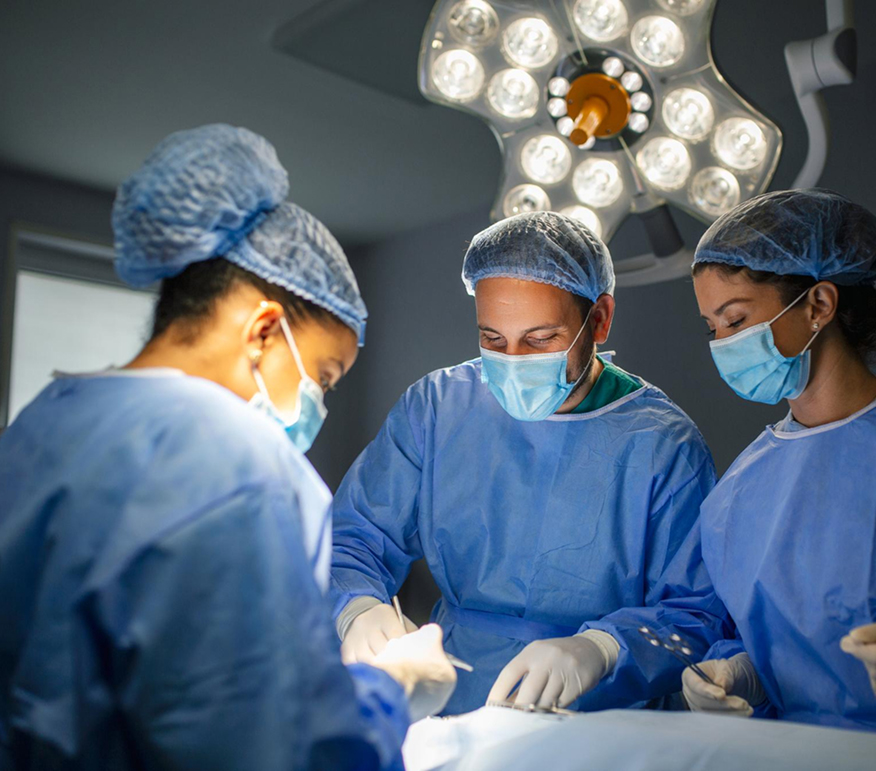
Cancer treatment has 3 pillars and cancer surgery is the oldest of these. While it is the oldest approach to cancer treatment, it has maintained its importance in cancer treatment. Also, the field of Surgical Oncology has been constantly evolving and keeping pace with other two components of the cancer treatment trinity.
Just like cancer surgery is the most important part of cancer treatment, so is the cancer surgeon (Surgical Oncologist). The surgeon is usually the leader of the team in multi-modality cancer care and is involved from the time the patient comes to the hospital for the first time through all stages of treatment and follow up.
Different Hats That Cancer Surgery and the Cancer Surgeon Wear in Cancer Treatment
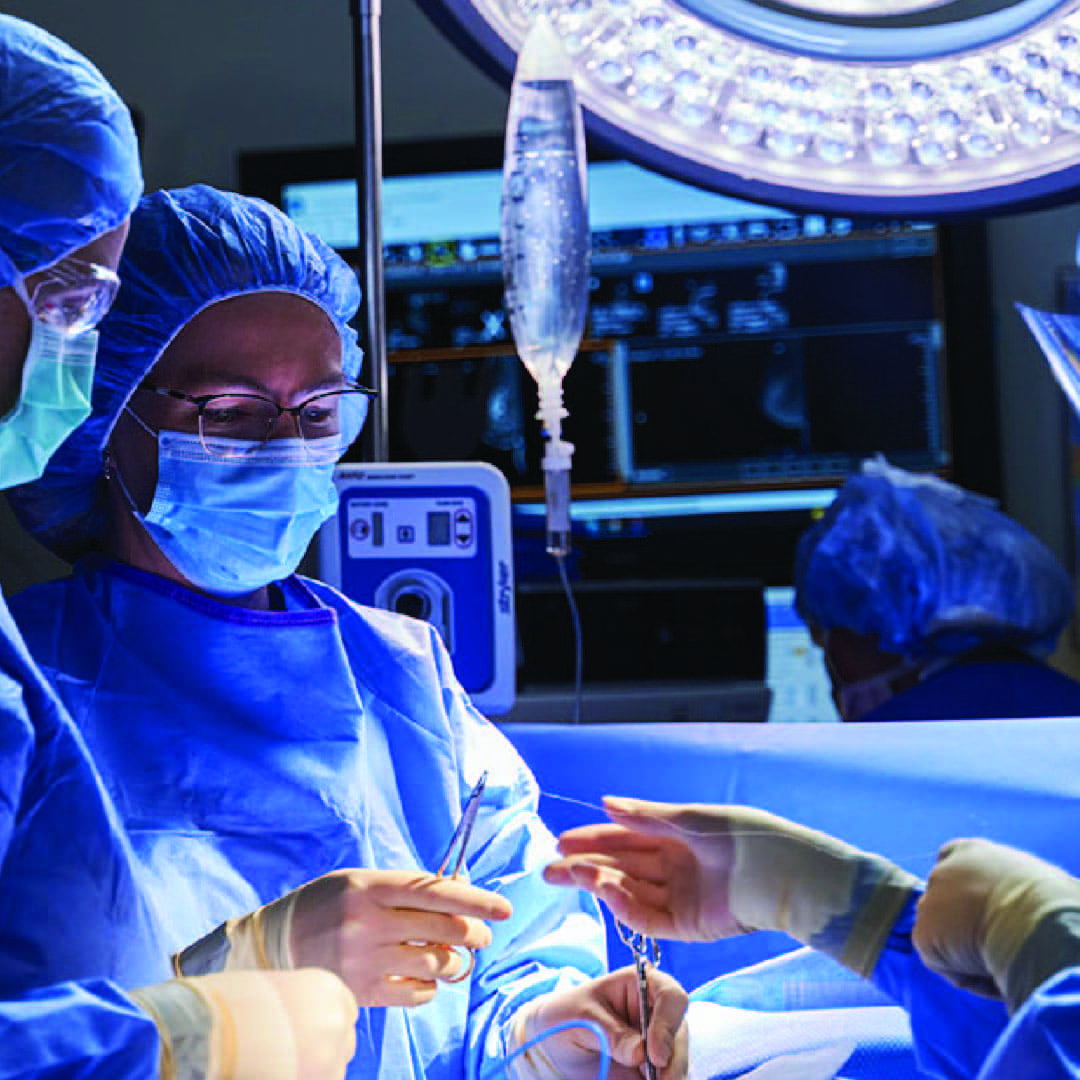
Cancer can be considered in two main categories: solid cancers and haematological cancers (also known as blood cancers). Solid cancers arise from various organs and tissues other than blood forming cells. Cancer surgery is critical in the treatment and management of solid cancers. In haematological cancers, surgery is not required for curative treatment and may play a supportive role in some situations.
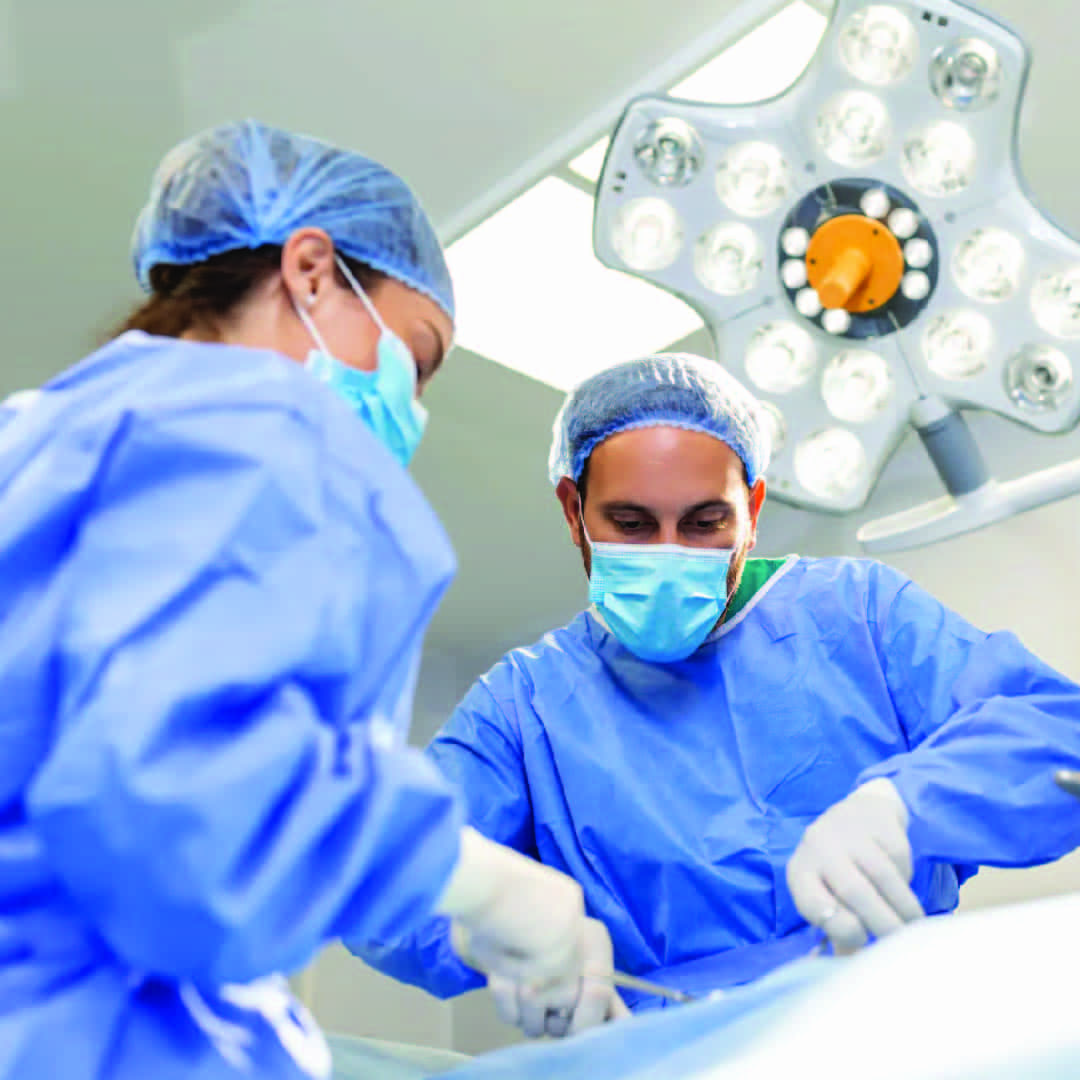
As a cornerstone of cancer treatment, surgery can be used to diagnose, treat, and even prevent certain cancers. Understanding the different applications of cancer surgery is essential for patients and their families. It empowers them to make informed decisions about their treatment options. Each type of surgery serves a specific purpose in the fight against cancer.
| Surgery For Cancer Diagnosis and Staging | Curative Surgery (Cancer Surgery with the Intent of Cure) | Debulking Surgery or Cytoreductive Surgery |
| Palliative Surgery | Preventive Surgery | Reconstructive Surgery |
Surgery For Cancer Diagnosis and Staging
Surgery plays an important role confirming a cancer diagnosis and determining the exact extent of the disease. With advances in image guided biopsy (ultrasound, CT, MRI or x-ray guided), the need for surgical biopsy has reduced but it is still necessary in many situations.
Surgery for diagnosis involves removing a small piece of tissue for pathological examination. There are two main types of surgical biopsies:
1. Incisional biopsy: Only a portion of the suspicious area is removed.
2. Excisional biopsy: The entire suspicious area is removed, including some surrounding healthy tissue.
Surgical staging is important for many cancers. The stage of cancer as assessed by examination and radiology is called clinical stage and stage of cancer assessed after surgery is called pathological staging. Prefix c and p are used to denote these stage descriptions e.g. cT1N0M0 or pT1N0M0. Surgical staging is always more accurate compared to clinical staging and is very important for planning additional treatment.
Curative Surgery (Cancer Surgery with the Intent of Cure)
Curative (or potentially curative) surgery for cancer is carried out when it is possible to remove the disease visible on examination and imaging completely and safely.
The goal of curative surgery is complete removal of cancerous tissue from the body. This type of surgery is often the first line of treatment for most solid tumors. In some cases, when the disease is locally advanced, preoperative or presurgical treatment (also called neoadjuvant therapy) is given to reduce the extent of cancer. Neoadjuvant treatment can consist of chemotherapy, radiotherapy or a combination of both (concomitant chemo-radiotherapy).
Some examples of curative surgeries include:
1. Breast Cancer: Modified Radical Mastectomy (MRM)
2. Thyroid Cancer: Total Thyroidectomy
Curative surgery is carried out to remove the cancer with a margin of normal tissue to achieve pathologically clear margins. Removing a margin of normal tissue is very important because cancer cells can be present beyond what is visible by eye or felt by the hand. The margin of normal tissue required is different for different types of cancers. It can range from a few milli-meters to few centi-meters. For all cancer surgeries, the pathological report should describe all margins in detail with gross margin and microscopic margin status. In many cases, margin status is confirmed during surgery by the approach called frozen section. If any margin is not clear on frozen section, additional tissue can be removed. This increases the cure rates and avoids second surgery to achieve clear margins.
Another important part of curative surgery is removal of lymph nodes related to the particular cancer, for example neck nodes for oral cancer, axillary nodes for breast cancer and so on. These nodes may contain cancer, and removal is important for complete removal of cancer. Also, they allow accurate staging of cancer and treatment planning after surgery.
Curative surgery is also carried out for metastases in many cases. Metastatic cancer in the liver, lung or other body parts can be removed by surgery and contribute to cancer cure. This is usually done if there is limited metastatic disease.
Preventive Surgery
Also known as prophylactic surgery or risk reducing surgery, preventive surgery involves removing tissue that has a high risk of developing cancer, even if no cancer is present at the time of the procedure. This type of surgery is often recommended for individuals with genetic predispositions or other high-risk factors for certain cancers. Examples include:
Risk reducing mastectomy (bilateral or contralateral) for women with BRCA gene mutations
Removal of colon affected by polyps to prevent colorectal cancer
Thyroidectomy in some cases with hereditary risk of thyroid cancer
Removal of ovaries in cases with hereditary breast ovarian cancer syndrome (HBOC).
Preventive surgery significantly reduces cancer risk but it's important to carefully weigh the potential benefits against the risks and impact on quality of life. The decision making is based on complete information and shared decision-making process.
Debulking Surgery or Cytoreductive Surgery
Debulking surgery, also called cytoreductive surgery, aims to remove as much of a tumor as possible when complete removal is not feasible. This approach is often used in advanced cancers or as preparation for other treatments. Common applications include:
Ovarian cancer: Removing visible tumors throughout the abdominal cavity and additional treatment with chemotherapy.
Cancer of Kidney: In cases of kidney cancer with metastases, removal of the primary tumor (nephrectomy) is often carried out to reduce the bulk, control symptoms such as pain and haematuria and improve the possibility of response to drug treatment.
By reducing tumor burden, debulking surgery can improve the efficacy of subsequent treatments and potentially extend survival for patients with advanced cancers.
Palliative Surgery
Palliative cancer surgery is carried out with a clear knowledge the disease cannot be completely removed, and the intention of treatment is not cure. Cancer surgery in palliative setting focuses on improving quality of life for patients with advanced cancer. Examples of palliative surgery include
Palliative mastectomy (toilet mastectomy): It is carried out to control pain, bleeding, discharge, etc. in patients with metastatic breast cancer.
Surgery for obstruction in the digestive tract: Gastrojejunostomy for obstruction at pylorus of stomach or in duodenum, resection and anastomosis of small intestine, resection and anastomosis of large intestine, etc. Sometimes, resection is not possible and side to side intestinal bypass is done.
Palliative surgery is typically done for patients with advanced cancer when curative treatment is no longer an option. It plays a crucial role in enhancing comfort and maintaining dignity for patients during their cancer journey.
Reconstructive Surgery
Reconstructive surgery aims to restore appearance and function following cancer treatment. Common procedures include:
Breast reconstruction after mastectomy
Pedicled or free flap reconstruction in cases of oral cancer to fill defects, restore bony structure, etc.
Reconstructive surgery in most cases is carried out at the same time as the primary cancer surgery. This is especially true of head and neck cancer. In breast cancer, it can be immediate reconstruction or delay reconstruction.
Technical Advances in Surgical Oncology
In last two decades, multiple advances have been happening with integration of technology in cancer surgery. Some examples are given here.
Minimally InvasiveCancer Surgery
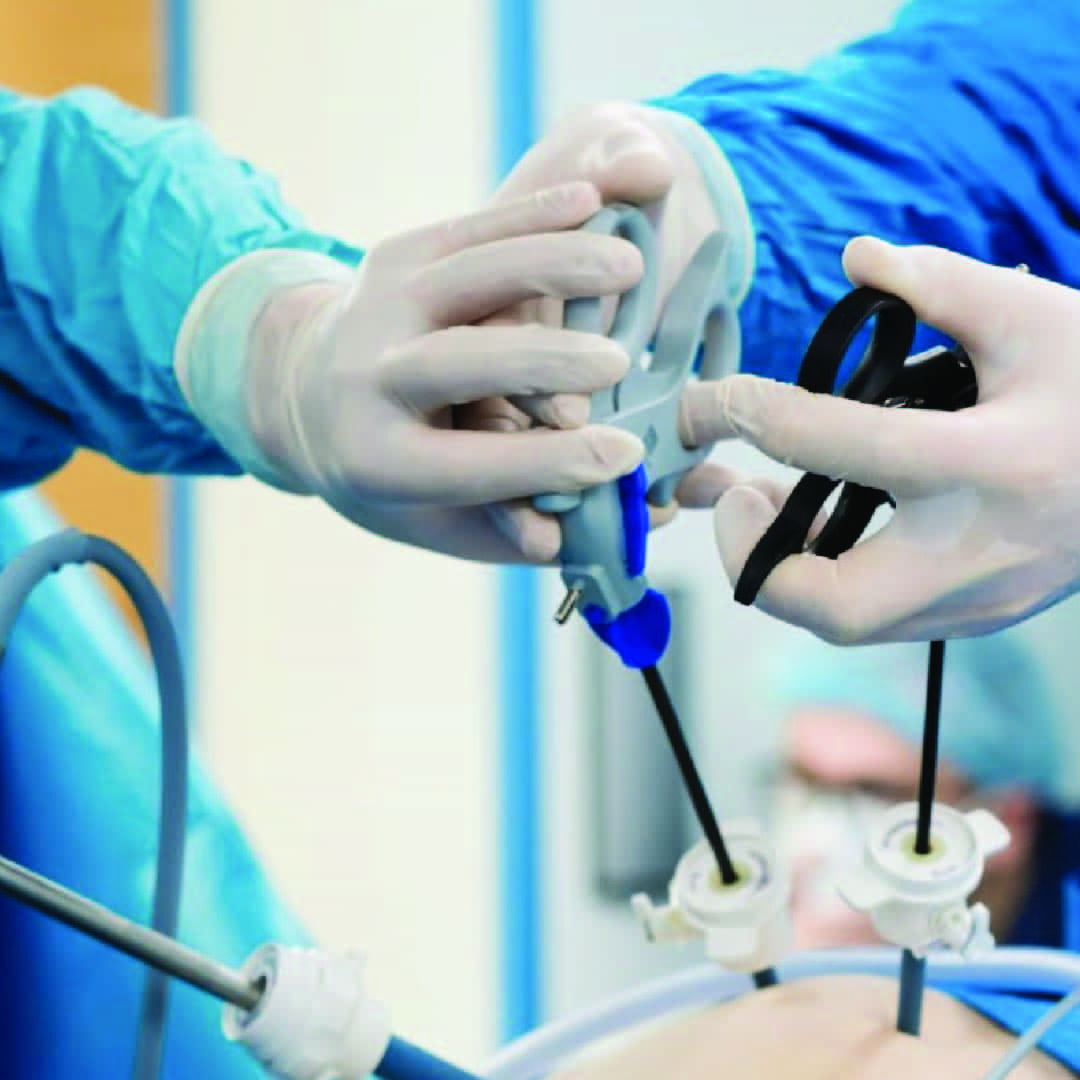
Minimally invasive surgery (laparoscopic, thoracoscopic) has become common in the field of surgery in last 25 to 30 years. However, cancer surgeons adapted it a little later after more advanced technology allowed safety in complex surgery. Some of the current applications include:
Laparoscopic surgery: Abdominoperineal resection (APR), anterior resection and low anterior resection for rectal cancer (AR, LAR), radical nephrectomy, radical right or left hemicolectomy, etc.
Thoracoscopic surgery or Video Assisted Thoracic Surgery (VATS): Examples include esophagectomy by VATS, lobectomy and segmentectomy for lung lesions, metastatectomy for lung metastases, thymectomy etc.
Robotic Surgery: Multiple robotic platforms are now available that enhance the surgeons’ capability to do complex surgical procedures by minimally invasive approach. The precision and ability to carry out complex movements like the human hand has allowed more complex surgeries to be performed. The next frontier in this field may be tele-robotic surgery.
Minimally invasive techniques can lead to faster recovery times, less pain, less scarring, and less bleeding. However, patient selection is very important, and not all cases are handled well by minimally invasive technique. Further, the surgeon needs to be well trained in cancer management, cancer surgery and minimally invasive techniques.
Other Specialized Surgical Techniques
Several specialized surgical techniques have been developed to target specific types of cancers or achieve particular treatment goals:
Cryosurgery: Using extreme cold to destroy cancer cells
Laser surgery: Utilizing focused light beams to cut or vaporize cancer tissue
Electrosurgery: Employing electric currents to cut tissue and control bleeding
Mohs’ surgery: Performing layer-by-layer removal of skin cancers with immediate microscopic examination
These techniques offer specific approaches for certain cancer types, often with reduced side effects and improved outcomes.

Conclusion
Cancer surgery is continuously evolving. Personalized treatment plans based on an in depth understanding of the individual cancer and patient choices are the way to go in optimizing patient outcomes.
Advances in surgical techniques, combined with a deeper understanding of cancer biology, are expanding the options available to patients. It's crucial for individuals facing a cancer diagnosis to consult with experienced oncologists and surgeons to determine the most appropriate surgical approach for their specific situation. By understanding the various types of cancer surgeries available, patients can actively participate in their treatment decisions and work towards the best possible outcomes in their cancer journey.