
Nuclear Medicine (PET CT)
What is PET-CT?
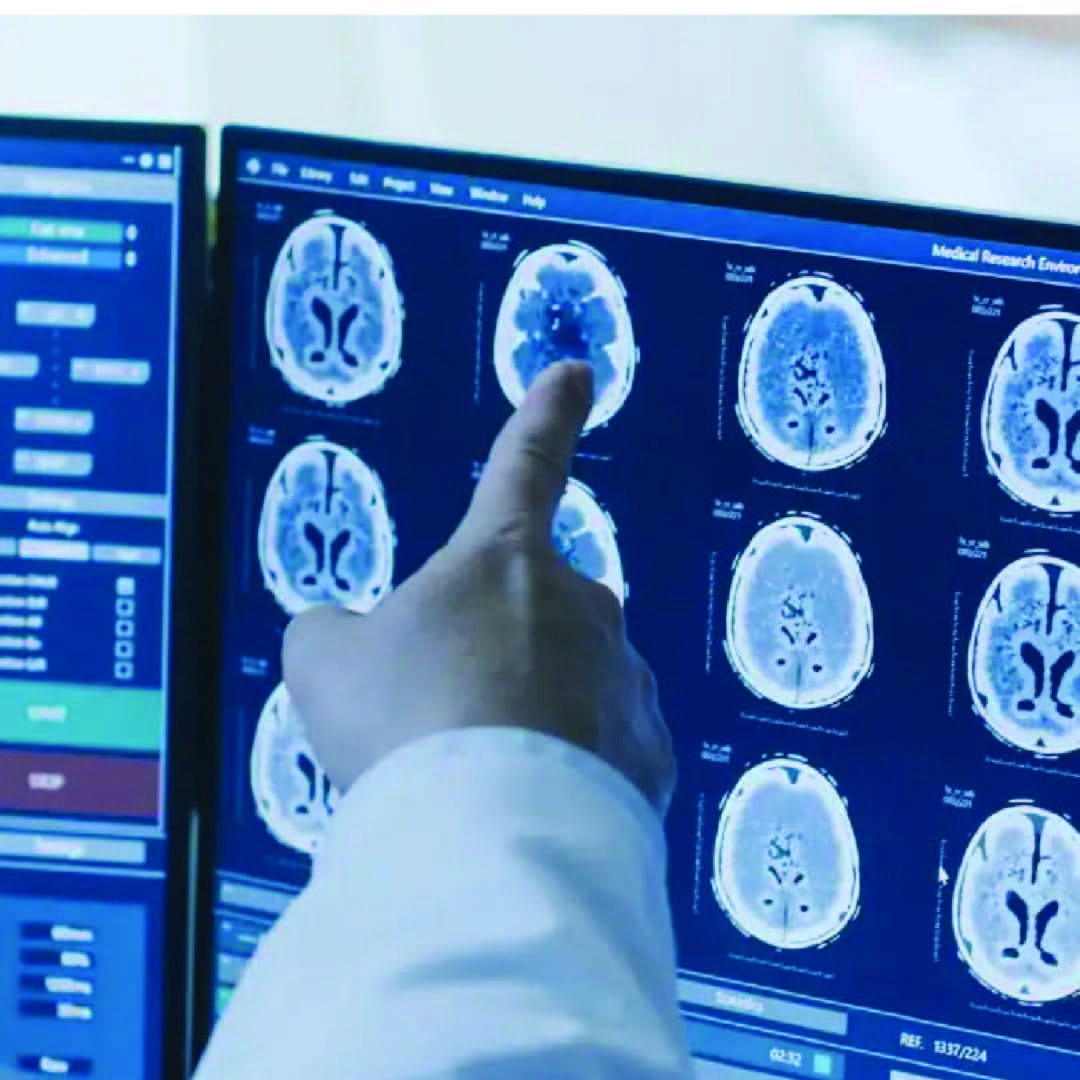
PET-CT stands for Positron Emission Tomography–Computed Tomography, a powerful imaging tool that combines two types of scans in one. The CT scan provides detailed pictures of the body's internal structures—like bones and organs—while the PET scan shows how tissues and cells are functioning. Together, they give a complete picture of both the anatomy and the metabolic activity of cancer in the body.
During a PET-CT scan, a small amount of a safe radioactive substance (called a radiotracer) is injected into your body—most commonly a sugar-based tracer called FDG (Fluoro deoxy glucose). Since cancer cells grow faster and use more energy than normal cells, they absorb more of this tracer. The PET scan detects this activity and highlights areas where cancer may be present. The CT scan helps pinpoint the exact location of these active spots, allowing doctors to diagnose, stage, and plan treatment with high precision.
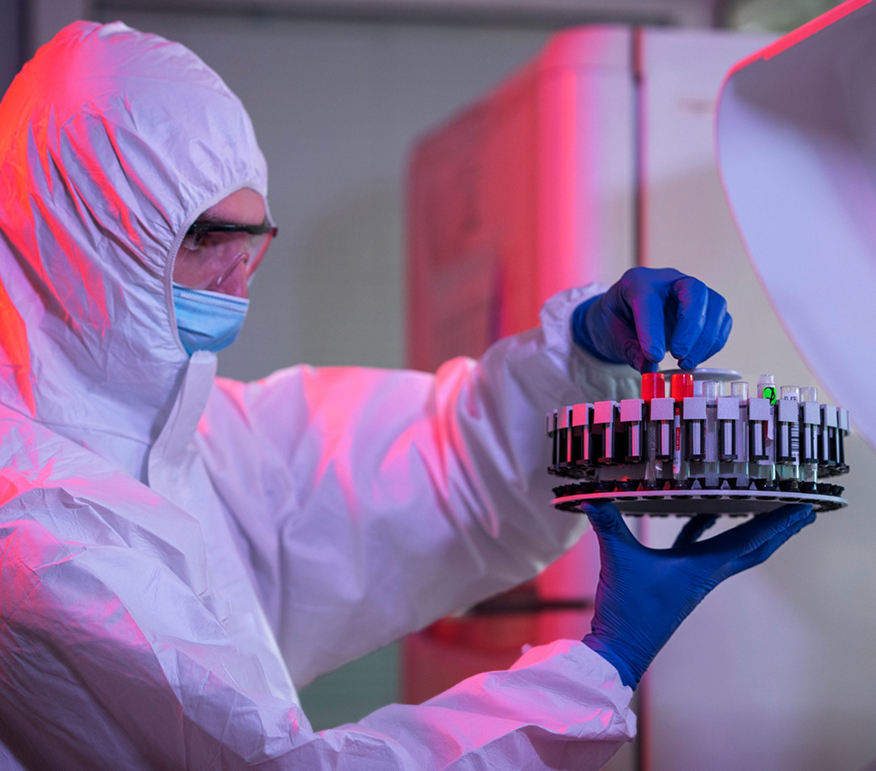
Technically, the PET tracer in the scan is a radioisotope prepared in a cyclotron. The radioisotope has a very short half life and it emits a positron (positively charged counterpart of electron). The positron finds a nearby electron and the two together get converted into two high energy photons. The photons are detected by the PET Scanner and produced imaging of the metabolic status of different body parts. This image is combined with the image acquired by CT scan to get the best of both worlds.
Types of PET-CT Scans and Their Applications
At Andromeda Cancer Hospital, we offer a range of specialized PET-CT scans, each tailored to detect specific types of cancer with high accuracy. The choice of tracer depends on the clinical condition and type of tumor being evaluated.
1. FDG PET-CT
The most widely used PET-CT scan, FDG PET uses a glucose-based tracer (fluorodeoxyglucose) to identify areas of increased metabolic activity. It is useful in a broad range of cancers, including lung, lymphoma, colorectal, head & neck, breast, and many more, for diagnosis, staging, and response assessment.
2. PSMA PET-CT
PSMA PET targets the Prostate-Specific Membrane Antigen, highly expressed in prostate cancer cells. It is especially valuable in detecting early recurrence, metastatic spread, and guiding treatment in prostate cancer patients.
3. DOTA PET-CT
This scan is used to detect neuroendocrine tumors (NETs). It employs radiolabeled DOTA compounds that bind to somatostatin receptors, helping in staging and assessing eligibility for peptide receptor radionuclide therapy (PRRT).
4. Choline PET-CT
Choline PET is another option in prostate cancer imaging, particularly in cases where PSMA PET is unavailable or inconclusive. It helps in detecting local recurrence and distant metastases. It is also useful in localization of parathyroid pathology.
Emerging PET Tracers
Newer tracers are being developed for more targeted imaging, including FAPI PET (for fibroblast activation in many solid tumors), FLT PET (for tumor proliferation), and Amyloid PET (for neurological applications). These represent the future of precision imaging and may soon enhance cancer detection and monitoring even further.
Applications of PET-CT in Cancer Care
1. Early Diagnosis and Detection of Cancer
PET-CT helps detect cancer at an early stage—even before it causes symptoms or appears on other scans. It identifies abnormal cellular activity, allowing for earlier diagnosis and timely treatment initiation.
2. Accurate Staging of Disease
Knowing how far cancer has spread is crucial for choosing the right treatment. PET-CT provides detailed information about the primary tumor and whether cancer has spread to lymph nodes or other organs, helping doctors stage the disease accurately.
3. Response Assessment During or After Chemotherapy/Radiotherapy
PET-CT is used to assess how well a tumor is responding to treatment. It shows whether the cancer cells are still active or shrinking, allowing the treatment plan to be adjusted if needed.
4. Restaging and Detection of Recurrence
If there is a suspicion that cancer has returned after treatment, PET-CT can help confirm whether it is a recurrence and show exactly where it is located. This is especially helpful in detecting hidden or small areas of relapse.
5. Radiation Treatment Planning (PET-CT Based Contouring for Precision Radiotherapy)
In radiotherapy, PET-CT helps define the exact area that needs to be targeted with radiation. This ensures that cancer cells receive the right dose while nearby healthy tissues are protected as much as possible.
6. Guidance for Biopsy or Surgery
PET-CT helps identify the most active and accessible areas of a tumor for biopsy, making the procedure more accurate. It also assists surgeons in planning operations by showing the full extent of the disease.
Common Cancers Evaluated with PET-CT
1. Lung Cancer
PET-CT is essential for diagnosing, staging, and determining whether lung cancer can be operated upon. It accurately identifies lymph node involvement and distant spread, guiding both treatment and surgery decisions.
2. Lymphoma
In both Hodgkin and non-Hodgkin lymphoma, PET-CT is the gold standard for staging, evaluating treatment response, and detecting recurrence. It helps in identifying active disease even when lymph nodes appear normal in size.
3. Head and Neck Cancers
PET-CT detects the full extent of disease in the head and neck region, including deep tissues and lymph nodes. It is also useful for identifying unknown primary tumors in patients with neck node metastases.
4. Breast Cancer
While not used routinely for early breast cancer, PET-CT is valuable in advanced or recurrent cases. It helps in assessing distant spread (bones, lungs, liver), treatment response, and planning further therapy.
5. Colorectal Cancer
PET-CT is important in evaluating suspected recurrences after surgery or chemotherapy, especially when conventional scans are inconclusive. It also aids in selecting patients for metastasectomy or curative resection of liver/lung metastases.
6. Cervical and Gynecologic Cancers
PET-CT helps in staging locally advanced cervical cancers and assessing lymph node involvement. It is also used to detect recurrence or distant metastasis in ovarian and endometrial cancers.
7. Esophageal and Gastric Cancer
In these cancers, PET-CT can detect distant spread not visible on CT or endoscopy. It plays a key role in staging and deciding whether surgery is feasible.
8. Unknown Primary Tumors (CUP)
In cases where cancer is detected but the site of origin is unknown, PET-CT can often locate the hidden primary tumor. This helps in planning site-specific treatment.
9. Other Solid Tumors
PET-CT is also useful in evaluating melanoma, pancreatic cancer, sarcomas, and certain types of brain tumors. Its ability to detect active disease makes it valuable in complex or metastatic presentations.
Advantages of Our PET-CT Facility
At Andromeda Cancer Hospital, the PET-CT facility is designed to deliver the highest standards of diagnostic accuracy, patient comfort, and clinical efficiency. Here's what sets us apart:
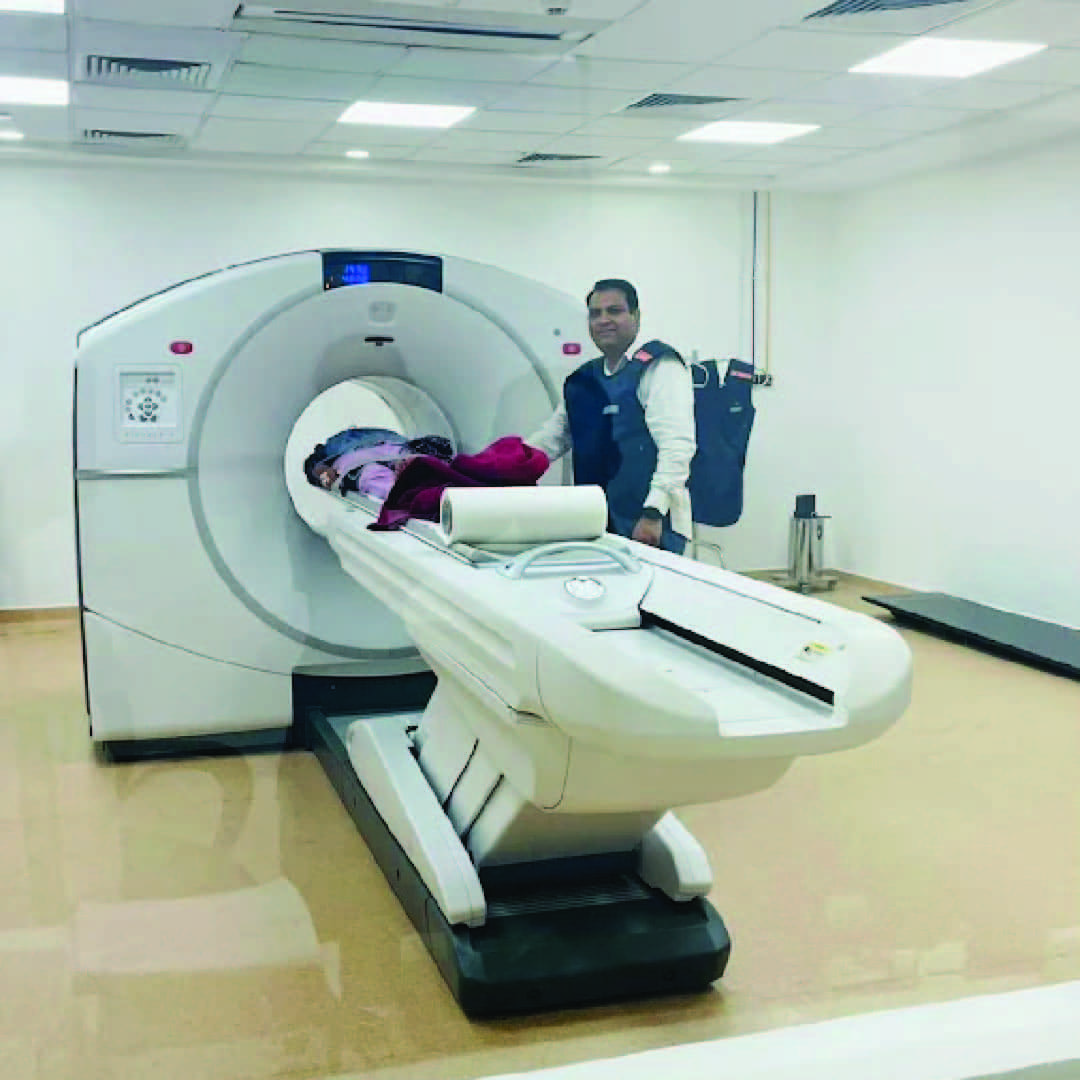
Latest-Generation PET-CT Scanner – GE Discovery IQ 2
Our facility is equipped with the GE Discovery IQ 2, a cutting-edge PET-CT system known for its high sensitivity, advanced reconstruction algorithms, and exceptional image clarity. With up to 26 cm axial field-of-view and state-of-the-art Q.Clear™ technology, it enables precise detection of small lesions and accurate quantification of tumor activity—critical for early diagnosis, staging, and response assessment in cancer patients.
Rapid, Low-Dose Scanning for Comfort and Safety
The Discovery IQ 2 is engineered to deliver faster scans with reduced radiation exposure. This ensures not only patient safety but also enhances comfort by shortening the overall procedure time. The system’s ability to perform whole-body imaging in a single breath-hold (for suitable cases) improves image quality while minimizing motion artifacts.
Experienced Nuclear Medicine Team
Our PET-CT service is led by highly trained nuclear medicine physicians and certified technologists with expertise in oncologic imaging. The team ensures accurate scan interpretation, personalized protocols, and compassionate care throughout the patient journey.
Seamless Integration with Oncology, Surgery, and Radiotherapy
The PET-CT department works closely with our medical, surgical, and radiation oncology teams. PET-CT scans are routinely used in multidisciplinary tumor boards, radiotherapy planning, and surgical decision-making, ensuring truly integrated and personalized cancer care.
Reliable Reporting with Fast Turnaround
We understand that timely results are critical in cancer treatment. Our department ensures same-day or next-day reporting, with detailed interpretations that help referring oncologists make swift and informed treatment decisions. Critical findings are directly communicated to the treating team.
Safety and Radiation Considerations
At Andromeda Cancer Hospital, we place the highest priority on patient safety during all nuclear medicine procedures. With the use of modern technology like the GE Discovery IQ 2 PET-CT scanner, we are able to achieve diagnostic excellence with minimal radiation exposure.
Low Radiation Dose with Advanced Technology
The GE Discovery IQ 2 is engineered to deliver high-quality images at significantly reduced radiation doses. Its advanced digital detectors and Q.Clear™ reconstruction algorithm ensure that even small lesions can be detected with fewer counts, allowing for safer scans without compromising accuracy. This is particularly important for patients who may require repeated imaging during the course of cancer treatment.
Strict Safety Protocols for Radiotracer Handling and Patient Care
We follow stringent protocols for the storage, preparation, and administration of radiotracers. All PET-CT procedures are carried out in a controlled environment by trained nuclear medicine professionals using lead-shielded facilities and protective equipment. Patients are monitored closely throughout the process, and personalized instructions are provided before and after the scan.
Contraindications and Precautions
PET-CT is generally safe and well-tolerated, but special care is needed for certain patient groups:
Pregnant women should not undergo PET-CT unless the scan is absolutely necessary and has been approved by the referring doctor after risk-benefit analysis.
Breastfeeding mothers are usually advised to suspend breastfeeding for a period (typically 6–24 hours depending on the tracer used).
Diabetic patients require special preparation, as blood sugar levels can affect scan quality. They are given specific fasting and medication instructions before the procedure.
Patients should inform the team of any prior allergic reactions, recent treatments, or ongoing medications.
Patient Education and Post-Scan Care
Before the scan, every patient is given clear instructions regarding fasting, hydration, and medication. After the scan, we recommend limiting close contact with infants and pregnant women for a few hours, as a precautionary measure until the radiotracer naturally clears from the body.

Conclusion
The Nuclear Medicine Department at Andromeda Cancer Hospital, Sonipat, stands as a cornerstone in the comprehensive cancer care journey. With advanced technology like the GE Discovery IQ 2 PET-CT scanner, highly trained experts, and a commitment to safety and accuracy, our PET-CT imaging services empower early diagnosis, accurate staging, and tailored treatment planning.
Whether you are a patient receiving treatment at Andromeda or being referred from another hospital, our goal is the same: to provide timely, reliable, and precise imaging insights that directly enhance patient outcomes. By offering a wide range of specialized PET-CT scans, embracing emerging tracers, and integrating seamlessly with oncology, surgery, and radiotherapy teams, we ensure every cancer patient receives world-class diagnostic support—right here in Haryana.
At Andromeda, we don’t just scan—we help shape the path to recovery with clarity, compassion, and cutting-edge care.
FAQs
Q. What is the cost of a PET-CT scan?
The cost varies depending on the type of PET-CT scan (e.g., FDG, DOTA, PSMA, or Choline) and clinical indication. Please contact our front desk or helpline for the latest pricing and package details.
Q. Is the PET-CT scan painful or risky?
No, the scan is painless and non-invasive. It involves a small injection of a radioactive tracer, followed by resting and scanning. The radiation dose is low and well within safety limits.
Q. How do I prepare for the scan?
You will usually need to fast for 4–6 hours before the scan. Avoid heavy physical activity and inform us about any medical conditions, especially diabetes, pregnancy, or recent infections. Detailed instructions will be provided during booking.
Q. How soon will I get my PET-CT results?
Reports are typically available within 24 hours, with urgent cases prioritized. The results are shared with your referring doctor for immediate treatment planning.
Q. Can I undergo a PET-CT scan if I am diabetic?
Yes, but special preparation is required. Your blood sugar should be under control before the scan. You will receive specific instructions about timing your meals and medications.
Q. What is an FDG PET-CT scan?
FDG PET-CT is the most commonly used type. It uses a glucose-based tracer (fluorodeoxyglucose) to highlight areas of increased metabolic activity, often seen in cancer cells.
Q. What is a DOTA PET-CT scan?
DOTA PET-CT uses a special tracer to detect neuroendocrine tumors. It binds to somatostatin receptors, which are commonly present in such cancers, helping in diagnosis and treatment planning.
Q. What is a PSMA PET-CT scan?
PSMA PET-CT is used primarily for prostate cancer. It targets the Prostate-Specific Membrane Antigen found in prostate cancer cells and is highly sensitive in detecting early or recurrent disease.
Q. What is a Choline PET-CT scan?
Choline PET-CT is another specialized scan for prostate cancer, especially helpful when PSMA is not available or in certain cases where it may provide better tumor detection.
Q. Are there any side effects of the PET-CT scan?
Side effects are extremely rare. Some patients may experience mild discomfort at the injection site or temporary fatigue, but the radiotracer clears from your body within a few hours.
Q. How long does the PET-CT scan take?
The entire process takes about 2–3 hours, including tracer injection, resting time, and the actual scan (which lasts around 20–30 minutes).
Q. Can I go home immediately after the scan?
Yes, PET-CT is an outpatient procedure, and you can go home afterward. Drink plenty of fluids to help flush the tracer from your system.
Q. Can I bring someone with me for the scan?
Yes, but we recommend that pregnant women and young children do not accompany you due to radiation precautions. Companions may be asked to wait outside the scanning area.
Q. Is PET-CT used only for cancer?
While primarily used in cancer diagnosis and staging, PET-CT also has applications in certain neurological and cardiac conditions based on the tracer used.
Q. How often can I undergo a PET-CT scan?
Repeat scans are safe when medically necessary. The decision is based on your treatment plan, previous imaging, and clinical progress.