
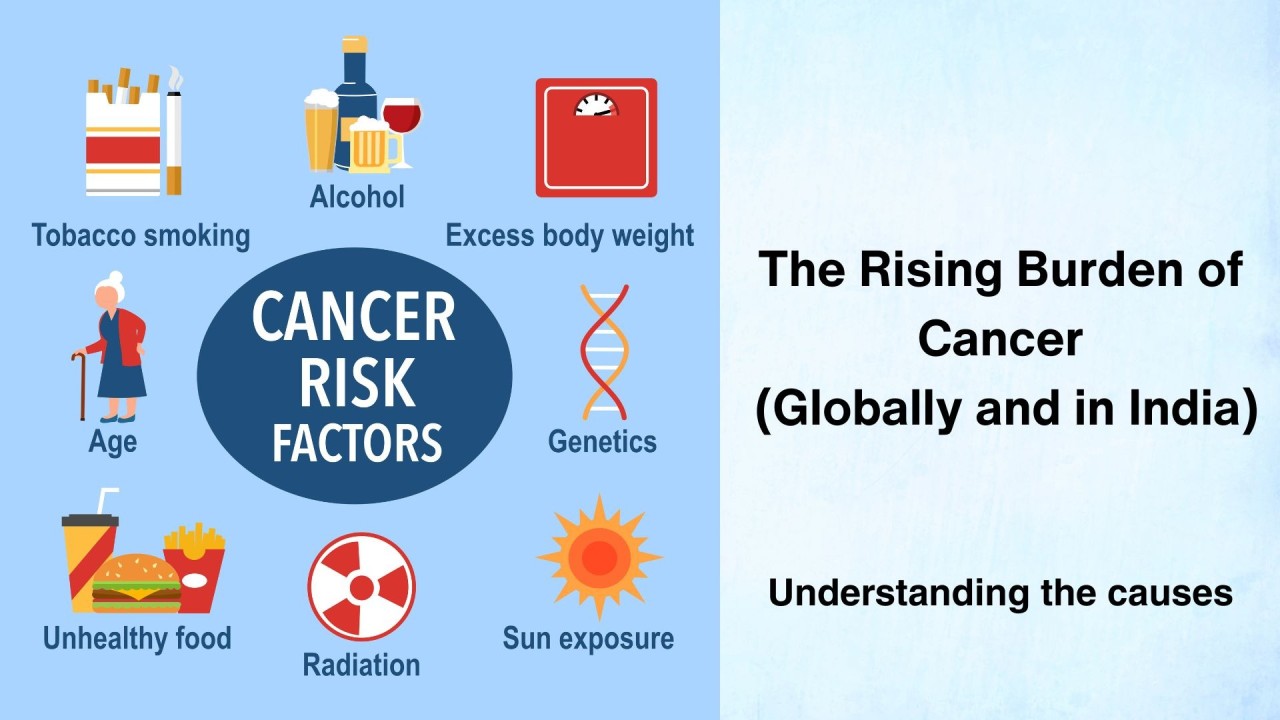
Cancer is one of the leading non-communicable diseases globally. Further, the burden of cancer is rising continuously. While significant progress has happened in early diagnosis and treatment of cancer, the burden of death due to cancer is still high.
Cancer is the 2nd leading cause of death worldwide and causes nearly 15 to 16% of all deaths.
In India too, cancer is a major contributor to the causes of death, 2nd overall in urban areas and 4th overall in rural areas.
The cliched saying is “A stitch in time saves nine” but it may be highly relevant when it comes to cancer. Preventing is cancer is theoretically much easier than treating a cancer. However, each and every member of the society needs to be aware of the causes of cancer.
Individual action and commitment plays an important role in cancer prevention. Government policies and programs are important but can not work in isolation without public participation.
With this background, we are sharing the list of major causes of cancer globally and also highlight their importance based on gender.
Recognized Causes and Risk Factors for Human Cancer
A. Lifestyle-related
- Tobacco use (smoked and smokeless)
- Alcohol consumption
- Dietary factors: processed/red meat, low fruits/vegetables, obesity-promoting diets
- Obesity / overweight
- Physical inactivity
B. Environmental and occupational
- Air pollution (PM2.5, diesel exhaust, indoor coal smoke)
- Occupational exposures: asbestos, silica, benzene, formaldehyde, wood dust, vinyl chloride, certain metals (arsenic, cadmium, chromium, nickel)
- Radiation: ionizing radiation (X-rays, gamma rays, radon), ultraviolet radiation (sunlight, tanning beds)
C. Biological / infectious agents
- Viruses: HPV, HBV, HCV, EBV, HTLV-1, KSHV, MCPyV
- Bacteria: Helicobacter pylori
- Parasites: Opisthorchis viverrini, Clonorchis sinensis, Schistosoma haematobium
D. Hormonal and reproductive
- Endogenous hormones: prolonged estrogen exposure (early menarche, late menopause, nulliparity, hormone replacement)
- Exogenous hormones/medications: oral contraceptives, menopausal hormone therapy, DES
- Immunosuppressive drugs (tacrolimus, azathioprine)
E. Genetic and host-related
- Inherited cancer syndromes (e.g., BRCA1/2, Lynch, Li-Fraumeni)
- Family history (polygenic risk)
- Ageing (strongest single risk factor, reflects cumulative mutations and immune decline)
Cancer Risk Factors Grouped by Gender
Predominantly male cancers / risks
- Tobacco use (still higher in men globally → lung, head & neck, bladder, esophagus, pancreas)
- Occupational exposures (asbestos, silica, diesel exhaust, metals – historically more in men)
- Alcohol use (higher consumption rates in men)
- HPV – oropharyngeal cancer risk increasingly seen in men

Predominantly female cancers / risks
- Reproductive/hormonal factors (estrogen/progesterone exposure → breast, endometrial, ovarian)
- HPV – cervical cancer (exclusively female)
- Hormone therapy (HRT, OCPs, DES)

Both men and women
- Tobacco, alcohol, obesity, diet, physical inactivity
- Air pollution, radiation, environmental exposures
- Infectious causes: HBV/HCV (liver), EBV (lymphoma/nasopharynx), H. pylori (stomach), parasites
- Genetic predispositions

Relative Contribution to Cancer Burden (Attributable Fraction)
Global estimates (WHO / IARC / GLOBOCAN; varies by region):
- Tobacco – ~22% of all cancer deaths worldwide (≈8 million deaths annually). Causes lung, head & neck, bladder, esophagus, pancreas, stomach, kidney.
- Infections – ~13–15% of cancers globally, higher in developing countries. HPV, HBV, HCV, H. pylori dominate.
- Alcohol – ~5–6% of cancers worldwide. Strong links: oral cavity, pharynx, larynx, esophagus, liver, breast, colorectum.
- Obesity/overweight & physical inactivity – ~5–8% globally. Strong for breast (postmenopausal), colorectal, endometrial, pancreas, kidney, liver.
- Diet (low fruits/vegetables, high processed meat, low fiber, high salt) – ~5%.
- Occupational exposures – ~3–5% of cancers (but higher in men in industrialized areas).
- Air pollution (ambient + household) – ~2–3% globally; larger share in Asia.
- Radiation (ionizing + UV) – ~2%. UV is major for skin cancers (melanoma, squamous, basal).
- Genetic predisposition – ~5–10% of cancers due to inherited mutations.
Ranking by Estimated Impact (Global cancer burden)
- Tobacco (≈22%)
- Infections (≈13–15%)
- Alcohol (≈5–6%)
- Obesity / overweight / inactivity (≈5–8%)
- Dietary factors (≈5%)
- Occupational exposures (≈3–5%)
- Air pollution (≈2–3%)
- Radiation (≈2%)
- Genetic predisposition (≈5–10% but varies by cancer type)

Key Takeaways:
- The largest preventable causes globally are tobacco, infections, alcohol, and obesity-related factors.
- Men: Major risk related to tobacco, alcohol, and occupational risk factors.
- Women: Major risk related to reproductive/hormonal factors, HPV, obesity-linked cancers.
- Both sexes: Diet, infections, air pollution, and radiation.