
Anesthesia
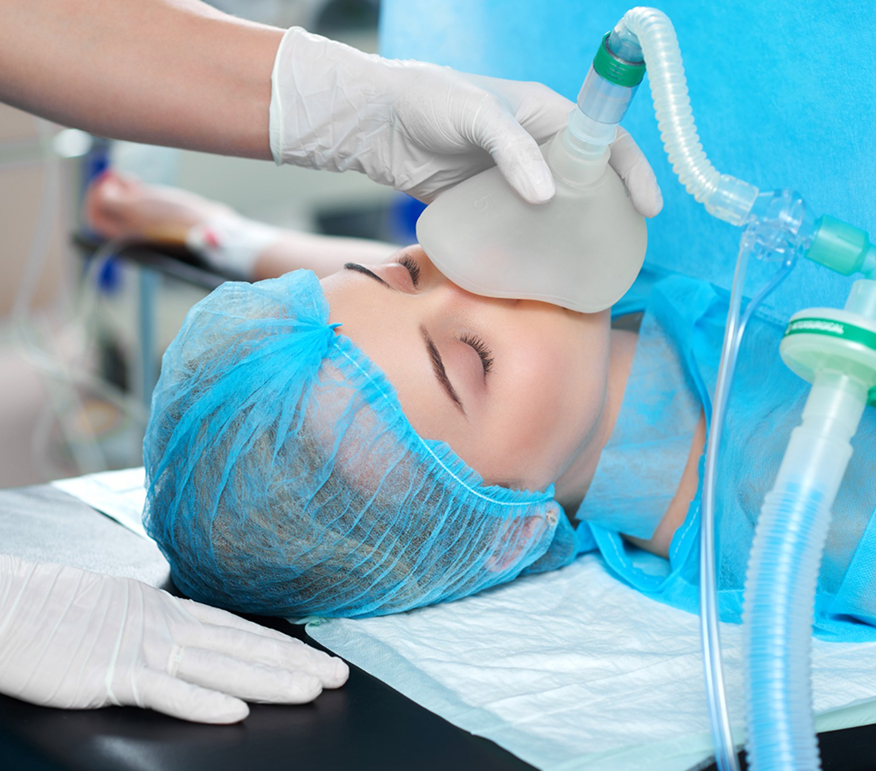
At Andromeda Cancer Hospital, we understand that anesthesia is a vital part of cancer care. Whether it's a major cancer surgery, a minimally invasive procedure, or an outpatient intervention, our expert anesthesia team ensures that every patient receives personalized, safe, and effective care.
Cancer patients are “high demand” patients when it comes to anesthesia services. They often need complex, prolonged and major surgical procedures. In addition, they usually have complex medical needs. Since cancer is common in older ages, many patients are elderly (geriatric); they often have multiple health conditions such as diabetes, hypertension, coronary artery disease, hypothyroidism, etc. In addition, many need repeat procedures.
Our anesthesia specialists are trained specifically in oncology care, allowing them to manage even high-risk patients with precision and confidence. From your first pre-anesthesia checkup to post-operative recovery, we are committed to your comfort and safety every step of the way. Our team follows international best practices and uses state-of-the-art monitoring systems.
Whether you are undergoing surgery, diagnostic imaging, or a pain-relief procedure, our goal is to make your experience as smooth and stress-free as possible. Our approach is rooted in empathy, clinical excellence, and a deep understanding of cancer physiology. At Andromeda, you’re not just a patient — you’re a person we care for with skill, compassion, and respect.
Scope of Anesthesia Services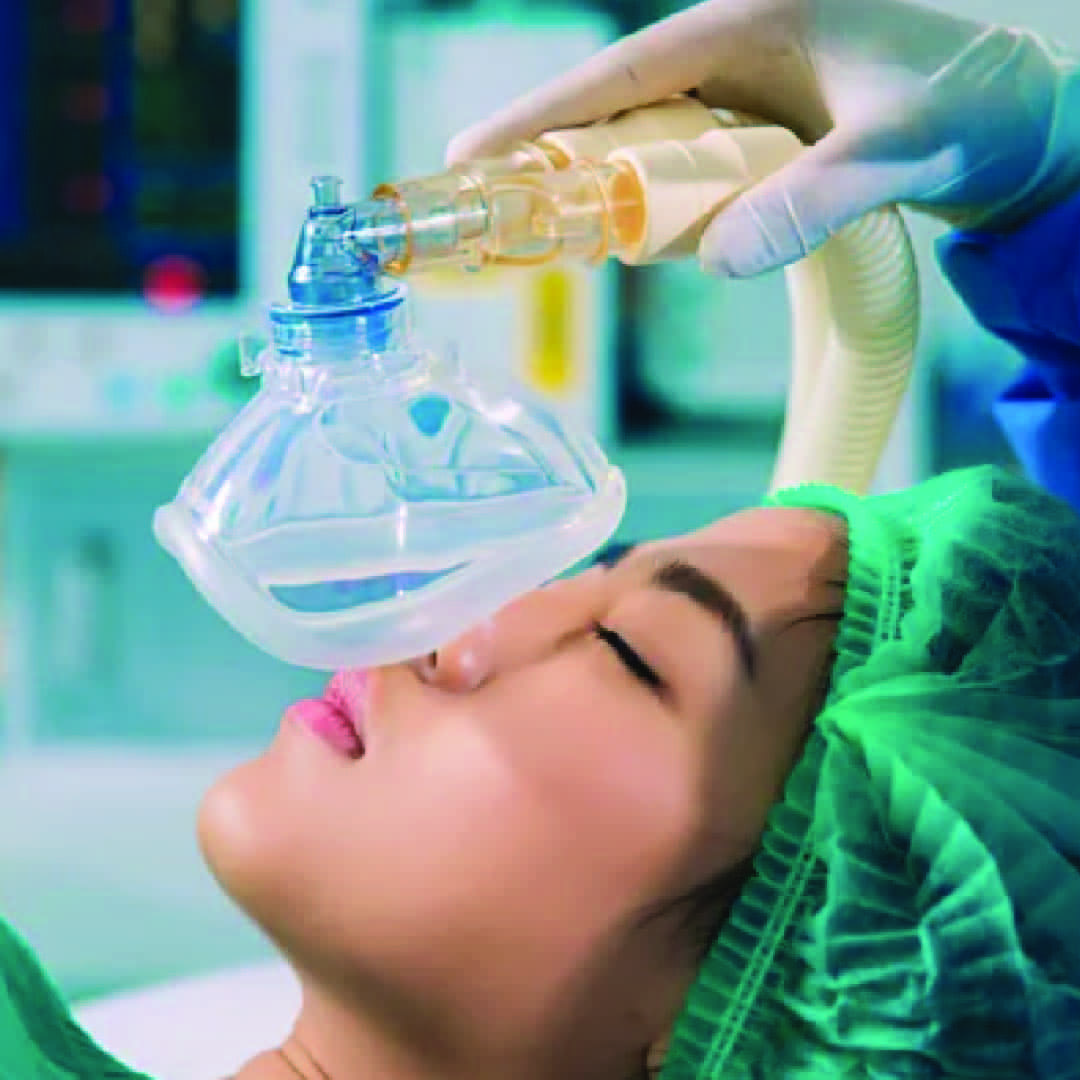
Preoperative Assessment and Optimization
Before any procedure, our anesthesia team conducts a thorough evaluation to assess medical fitness and optimize any existing health conditions in consultation with concerned specialists. This ensures a safe anesthesia, safe surgery and smoother post-operative recovery.
Anesthesia for Cancer Surgeries (Major and Minimally Invasive)
Our team provides expert anesthesia care for all types of cancer surgeries, including open and minimally invasive (laparoscopic or robotic) procedures. Our goal is to ensure patient safety, comfort, and stable vital functions throughout the surgery. Intraoperative management of blood pressure also minimizes blood loss and reduces need for transfusion.
Anesthesia for Day Care Procedures
For short procedures like biopsies, port insertions, and minor surgeries, we offer quick, safe anesthesia that allows patients to return home the same day. These are performed with full monitoring and post-anesthesia care.
Pain Management and Palliative Interventions
Our team offers specialized pain relief through nerve blocks, epidurals, and infusion techniques. We also support palliative care with interventions that reduce suffering in advanced stages of cancer.
Anesthesia for Diagnostic & Interventional Radiology
We provide sedation or anesthesia during imaging or interventional procedures like MRI, CT-guided biopsies, or drainage. This is especially beneficial for children, elderly, or anxious patients.
Sedation for Pediatric and Geriatric Cancer Patients
Children and elderly patients often need special care during procedures. Our anesthesiologists use age-specific techniques to provide safe, gentle sedation and anesthesia tailored to their needs.
Types of Anesthesia Provided
General Anesthesia
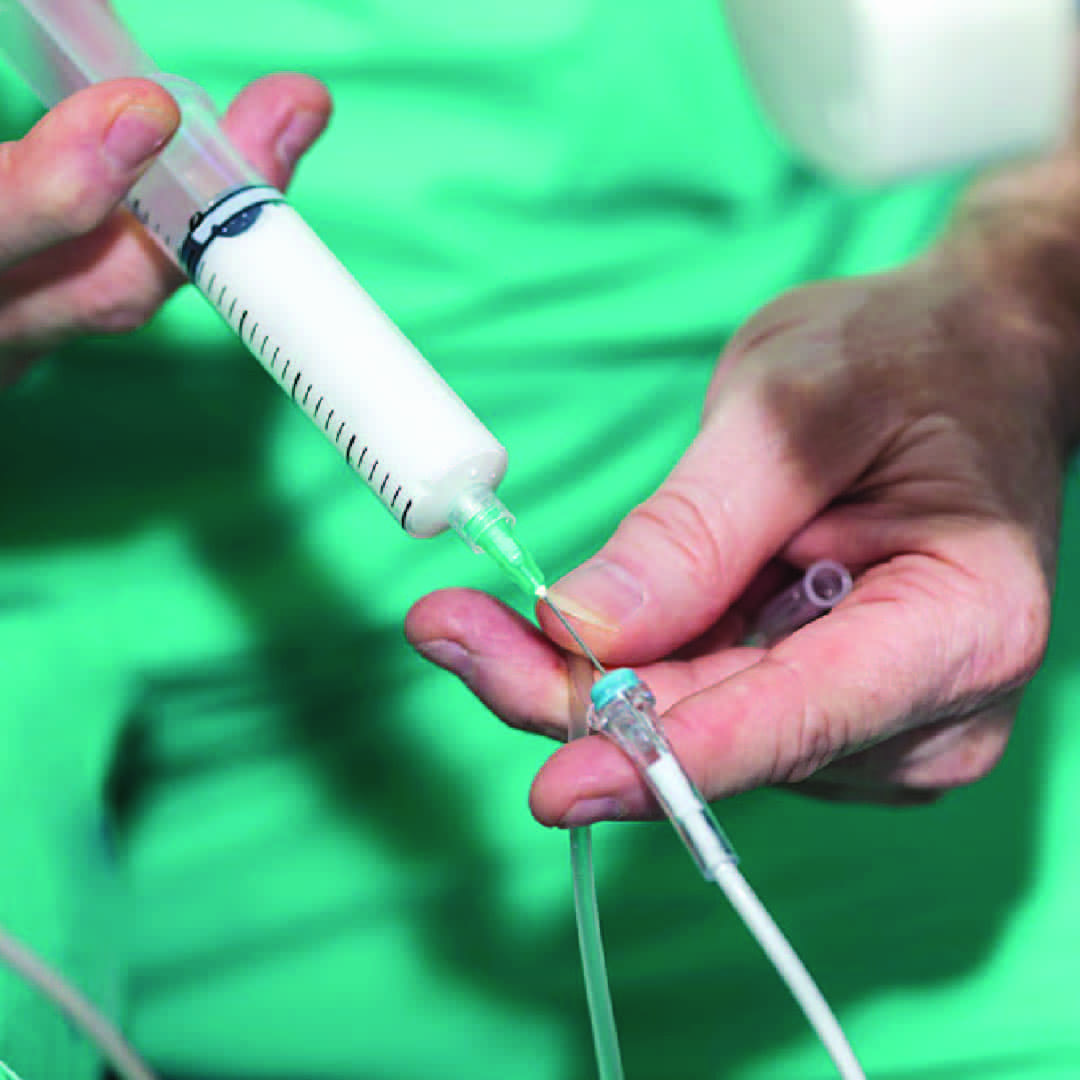
Balanced general anesthesia forms the core of anesthesia services for major cancer surgeries. Combination of intravenous and inhalational agents with use of different agents for sedation, pain relief, muscle relaxation etc leads to a controlled state of unconsciousness with complete pain relief and immobility. Advanced monitoring systems are used to ensure that the patient parameters are maintained in the desired range and recovery from anesthesia and surgery is smooth.
Regional Anesthesia (e.g., Spinal, Epidural, Nerve Blocks)
In regional anesthesia, only a specific part of the body is numbed while the patient remains awake or lightly sedated. Techniques like spinal, epidural, or nerve blocks are commonly used in lower abdominal, pelvic, or limb surgeries. Often regional anesthesia techniques are used in combination with general anesthesia to balance the needs for pain relief and make the procedure safer and pain free.
Monitored Anesthesia Care (MAC)
MAC involves providing sedation along with local anesthesia, with continuous monitoring by an anesthesiologist. It is ideal for procedures where the patient needs to be relaxed but not fully unconscious, such as some biopsies or endoscopic procedures, venous port insertions etc.
Sedation Techniques (Conscious and Deep)
Sedation helps calm the patient and relieve anxiety or discomfort during short or minimally invasive procedures. Depending on the need, we use light (conscious) or deep sedation while maintaining safety and responsiveness.
Patient Safety Protocols
Pre-surgical Optimization of the patients
Before any procedure, our anesthesiologists conduct detailed evaluation of each patient to assess past medical history, laboratory tests, and coexisting conditions like diabetes, hypertension, or heart disease. Necessary adjustments are made to ensure that the patient is in the optimal condition for anesthesia and surgery.
Use of Advanced Anesthesia Machines and Monitoring
We use the latest-generation anesthesia workstations and ICU-grade monitors to track vital parameters such as heart rate, blood pressure, oxygen levels, and ventilation in real time. These systems enhance precision, early detection of complications, and overall safety.
Prevention of deep vein thrombosis (DVT) and hypothermia
During all major surgical procedures, we use DVT prevention compression pumps and stockings. This prophylactic measure continues in the post op period along with low molecular weight heparin injections can be safely administered for the same purpose.
Similarly, patient warming blankets (Bair-Hugger) are used and patients are closely monitored during each surgical procedure to avoid hypothermia.
Infection Control and Post-Op Recovery Protocols
Strict aseptic techniques and sterilization protocols are followed in all anesthesia procedures to minimize infection risk. Post-surgery, patients are monitored in a dedicated recovery area until fully awake and stable, under close observation.
Cancer-Specific Risk Stratification and Recovery Pathways
Our team uses cancer-specific guidelines to assess risk and customize anesthesia plans for each patient. Enhanced recovery protocols (ERAS) are used wherever appropriate to promote quicker healing, reduce complications, and shorten hospital stay.
Advanced Equipment & Infrastructure
Modular Operation Theatres with HEPA Filtration
Our state-of-the-art modular operation theatres are equipped with HEPA filtration systems to maintain ultra-clean air and reduce the risk of surgical site infections, especially critical for cancer patients due to factors such as prolonged surgery, suppressed immunity, etc.
High-End Anesthesia Workstations
We use advanced anesthesia machines that allow precise control of anesthetic delivery, integrated ventilation, and real-time data tracking, ensuring patient safety during complex and prolonged cancer surgeries.
Continuous Patient Monitoring (ICU-Grade Systems)
All patients under anesthesia are monitored with ICU-standard equipment that continuously tracks vital parameters, enabling rapid intervention if needed. This includes ECG, oxygen saturation, capnography, anesthesia gas monitoring, blood pressure, and temperature monitoring, etc.
Dedicated Recovery Rooms with Trained Staff
After surgery, patients are transferred to well-equipped recovery rooms where trained anesthesia and critical care staff ensure smooth emergence from anesthesia, manage pain, and monitor for any immediate post-operative concerns.
Anesthesia for Special Populations
Geriatric Cancer Patients
Elderly patients often have age-related physiological changes and multiple health conditions that require careful anesthetic planning. Our team tailors anesthesia techniques to minimize risks and support smooth recovery in older adults.
Pediatric Cancer Patients
Children need age-appropriate sedation and anesthesia approaches that ensure safety while reducing anxiety and pain. Our specialists use gentle techniques and child-friendly environments to make the experience as stress-free as possible.
High-Risk Patients with Comorbidities (Cardiac, Diabetic, etc.)
Patients with underlying conditions such as heart disease, diabetes, kidney dysfunction, or respiratory issues receive individualized anesthesia care with thorough preoperative optimization and enhanced intraoperative monitoring. Special protocols help manage these risks safely.

Conclusion
FAQs
Q. Is anesthesia safe for cancer patients?
Yes, anesthesia is generally safe for cancer patients when administered by trained specialists. Our team carefully evaluates your health, cancer status, and treatment history to minimize risks and ensure safety.
Q. How is anesthesia planned before surgery?
Anesthesia planning begins with a pre-anesthesia checkup, where we assess your medical history, test results, and any comorbidities. Based on this, we select the safest type of anesthesia and create a personalized plan.
Q. Will I experience pain after the operation?
Some discomfort is normal after surgery, but we use modern pain control techniques to keep you comfortable. These may include medications, nerve blocks, or epidural infusions depending on the procedure.
Q. Can cancer patients with heart or lung issues receive anesthesia?
Yes, but such patients need specialized evaluation and monitoring. Our anesthesiologists are experienced in managing high-risk patients and tailor the care plan to your specific medical conditions.
Q. What types of anesthesia might I receive?
Depending on the procedure, you may receive general anesthesia, regional anesthesia (like spinal, epidural or nerve blocks), or sedation. We explain all options to you beforehand.
Q. How long does it take to recover from anesthesia?
Most patients wake up within minutes to an hour after surgery, depending on the type of anesthesia used. Full recovery from the effects may take a few hours, during which you are closely monitored. Some patients may be kept under anesthesia after surgery as a planned elective postoperative care plan.
Q. Can I eat or drink before surgery?
Generally, you should not eat or drink anything 6–8 hours before general anesthesia. Specific fasting instructions will be given during your preoperative evaluation. If the procedure is under local anesthesia, you may continue to eat up to 2 hours before surgery. Also, ERAS protocols also allow oral intake few hours before surgery.
Q. Will anesthesia affect my cancer treatment (like chemotherapy or radiotherapy)?
No, anesthesia is planned to support and not interfere with your cancer treatment. In fact, good anesthesia care can help you recover faster and resume treatment without delay.
Q. What if I have allergies or previous reactions to anesthesia?
Be sure to inform your doctor about any past reactions or allergies. We will take necessary precautions, choose alternative drugs, and ensure emergency preparedness.
Q. Is anesthesia different for children and elderly patients?
Yes, both groups require specialized approaches. Our team is trained in pediatric and geriatric anesthesia to ensure safe, age-appropriate care.