
Introduction
A forgotten word in the middle of a sentence. A dull headache that feels distinct from stress. A sudden flash of blurred vision during a normal afternoon.
Most people dismiss these moments as exhaustion, aging, or screen fatigue. But sometimes, the body whispers before it screams.
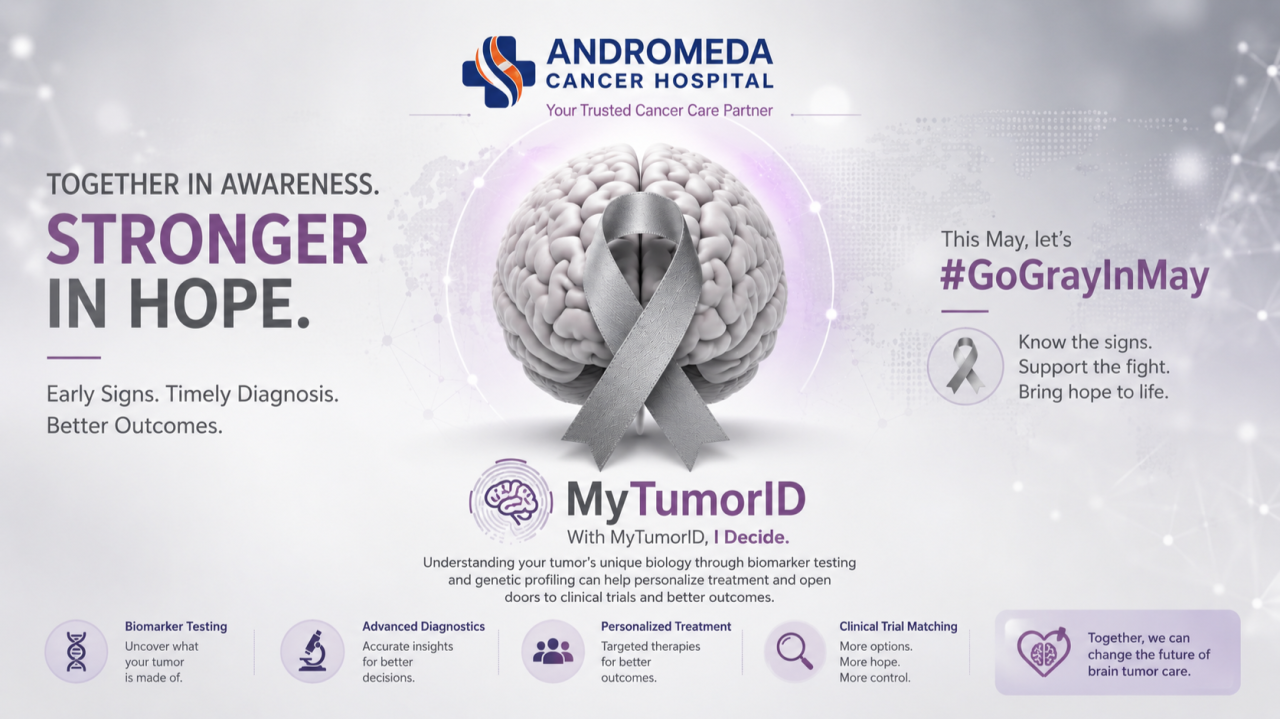
May is Brain Tumor Awareness Month, a critical period dedicated to honoring patients, supporting research, and "going gray" to spark life-saving conversations. Brain tumors—whether benign (non-cancerous) or malignant (cancerous)—can strike anyone at any age. Awareness saves lives; recognizing persistent or unusual neurological changes early expands treatment windows and significantly improves quality of life. A globally recognized call to action for the month remains #GoGrayInMay.
Demystifying Brain Tumors: Benign vs. Malignant
A brain tumor occurs when abnormal cells multiply uncontrollably inside or around the skull.
- Benign Tumors (Non-Cancerous): These grow slowly and do not spread to other tissues. However, because the skull is a rigid, enclosed space, even a benign tumor can become life-threatening by compressing sensitive brain structures and increasing intracranial pressure.
- Malignant Tumors (Cancerous): These are aggressive, fast-growing tumors that invade surrounding brain tissue. They can originate in the brain (primary brain cancer) or travel there from other parts of the body (metastatic brain tumors, most commonly originating from lung or breast cancer).

Common Symptoms People Ignore
Symptoms depend entirely on where the tumor is pressing. Here is how subtle signs translate to specific neurological disruptions:
- Morning Headaches: Unlike standard tension headaches, these are frequently worse when waking up because intracranial pressure naturally increases when lying flat overnight. They may improve after vomiting.
- Progressive Vision Disruptions: These include sudden double vision, blurred text, or loss of peripheral vision (often caused by tumors pressing on the optic nerve or the occipital lobe).
- Cognitive & Speech Glitches: Struggling to find common words, difficulty understanding spoken conversations, or sudden short-term memory lapses.
- Unexplained Motor Changes: Sudden loss of physical balance, unexplained tripping, clumsiness, or a feeling of weakness/numbness localized to just one side of the body.
- New-Onset Seizures: Experiencing a seizure for the very first time in adulthood, with no prior medical history of epilepsy.
- Personality and Mood Shifts: Quick, uncharacteristic irritability, apathy, or dramatic changes in behavior triggered by frontal lobe pressure.
When to See a Medical Professional
You do not need to panic over every routine headache. However, you must schedule a neurological consultation if your symptoms are:
- Progressive: They steadily worsen over days or weeks instead of resolving.
- Unprecedented: The headache feels fundamentally different in intensity or location than any migraine you have had before.
- Clustered: You are experiencing multiple neurological issues simultaneously (e.g., a headache and subtle balance issues).
- Disruptive: The symptoms actively interfere with your routine daily tasks or wake you out of a sound sleep.
Emerging Advances in Brain Tumor Diagnosis
Modern neuro-oncology is moving beyond conventional scans alone. Advanced technologies such as molecular tumor profiling, biomarker testing, functional MRI, AI-assisted imaging analysis, and PET-CT imaging are helping doctors better understand tumor behavior, plan safer surgeries, and personalize treatment strategies.
Awareness initiatives like #MyTumorID(slogan: "With MyTumorID, I Decide") are also encouraging patients to learn more about the genetic identity of their tumors and explore precision-based treatment options.
- The Focus: This campaign specifically spotlights the vital importance of biomarker testing, uncovering tumor genetics, and clinical trial matching to provide personalized treatment plans for patients.
Conclusion
The brain orchestrates every thought, memory, movement, and emotion you experience. Paying close attention to its warning signs, wearing gray this May, and advocating for advanced imaging like PET-CT scans isn't overreacting—it is proactive, life-saving self-care.
#BrainTumorAwareness#GoGrayInMay#BrainCancerAwareness#PETCTScan#CancerCare #EarlyDetectionSavesLives#NeuroOncology#MyTumorID