
Introduction
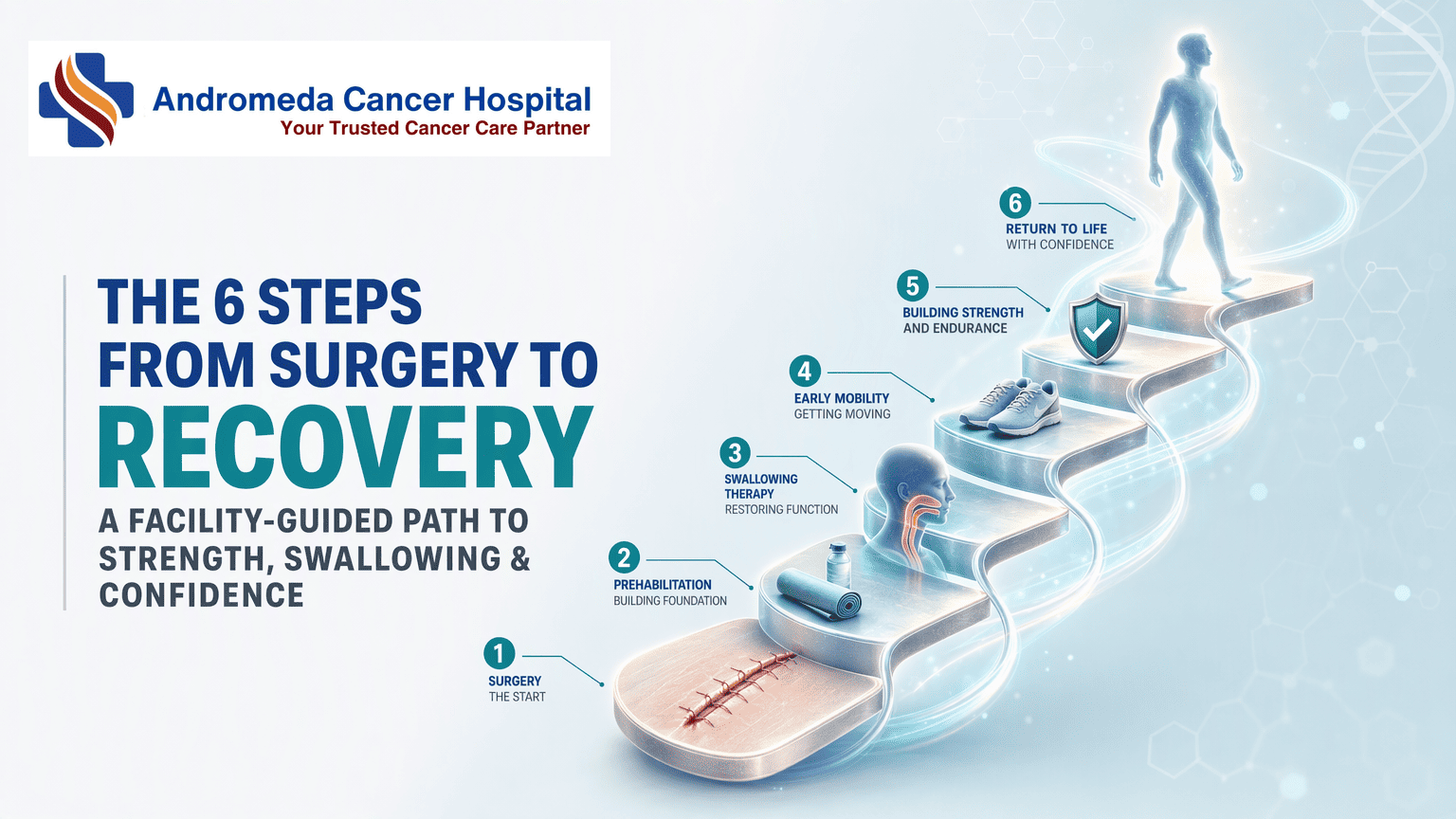
The dread after a diagnosis of oral cancer is often matched by a fear of the recovery itself. The prospect of a grueling, open-ended surgical healing process, marked by severe pain, difficulty swallowing, and a prolonged hospital stay, is a heavy psychological burden. That burden, however, is not set in stone. How long you take to recover, and how you feel while doing it, depends heavily on the facility you choose, the pre-surgery preparation you undertake, and the integrated support protocols that begin long before the first incision and extend well past your discharge.
A major factor is the surgical approach itself. The gap between an open surgery scar and a minimally invasive scar translates directly into weeks of your life. A hospital that defaults to advanced reconstruction and early mobility protocols changes the entire recovery curve.
This is not a passive process. Prehabilitation, the structured effort to optimize your nutrition, muscle strength, and swallowing function before surgery, directly shortens post-operative dependency. Choosing a facility where a dedicated swallowing therapist and a nutritionist are embedded in the surgical team from day one means you reclaim function faster.
Key Takeaways
A facility that operates as a single, coordinated unit shortens the recovery curve. Here is the evidence for that model.
- Prehabilitation cuts hospital time: A focused 4 to 6 week pre-op program of smoking cessation and nutritional loading can reduce a hospital stay by 2 to 3 days.
- Team structure prevents setbacks: A multidisciplinary team model drives a 30% reduction in major complications and a 25% drop in readmission rates.
- Surgical precision matters: Minimally invasive robotic surgery (TORS) brings length of stay down to 3 to 5 days. Open surgery typically requires 10 to 14 days. ERAS protocols further cut two days from admission.
- The first 48 hours are critical: Early mobilization, multimodal pain control that slashes opioid use by 40%, and immediate engagement with a speech therapist and dietitian directly enable a safer, faster discharge.
- Recovery continues at home: A structured post-discharge program with a telehealth check at 48 hours and weekly therapy reduces the 30-day readmission risk by 35%.
Step 1: Optimize Your Health with Prehabilitation Before Admission
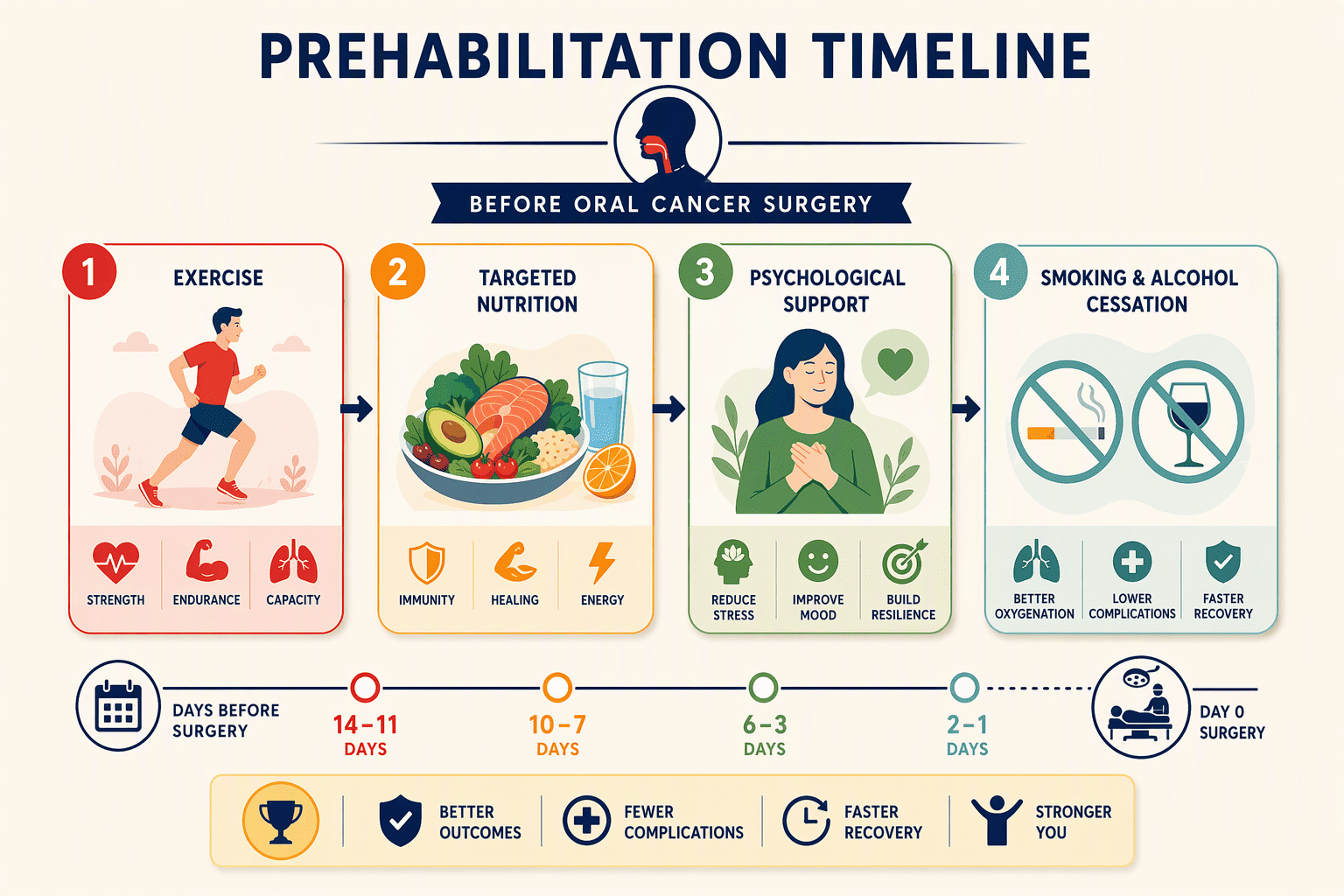
The days between your diagnosis and admission can determine how well you bounce back after surgery. Prehabilitation packs three interventions, graded exercise, targeted nutrition, and psychological support, into that window to strengthen your body before it faces the stress of an operation. Take these specific steps before surgery:
- Stop smoking and drinking: Maintain a strict abstention period of at least 4 to 6 weeks before the operation, which directly correlates with improved tissue oxygenation and a drastic reduction in post-operative pulmonary complications.
- Shift to high-protein loading: Follow the recommendations in consensus-based perioperative protocols for major surgery in India, which stress muscle health preservation to accelerate functional recovery with an optimized nutritional state that corrects the catabolic state induced by cancer.
- Stabilize blood sugar if diabetic: Get your HbA1c down now; elevated blood sugar in the perioperative window is a proven, independent risk factor for surgical site infections that can keep you in the hospital for an extra week.
Step 2: Choose a Multidisciplinary Surgical and Oncology Team
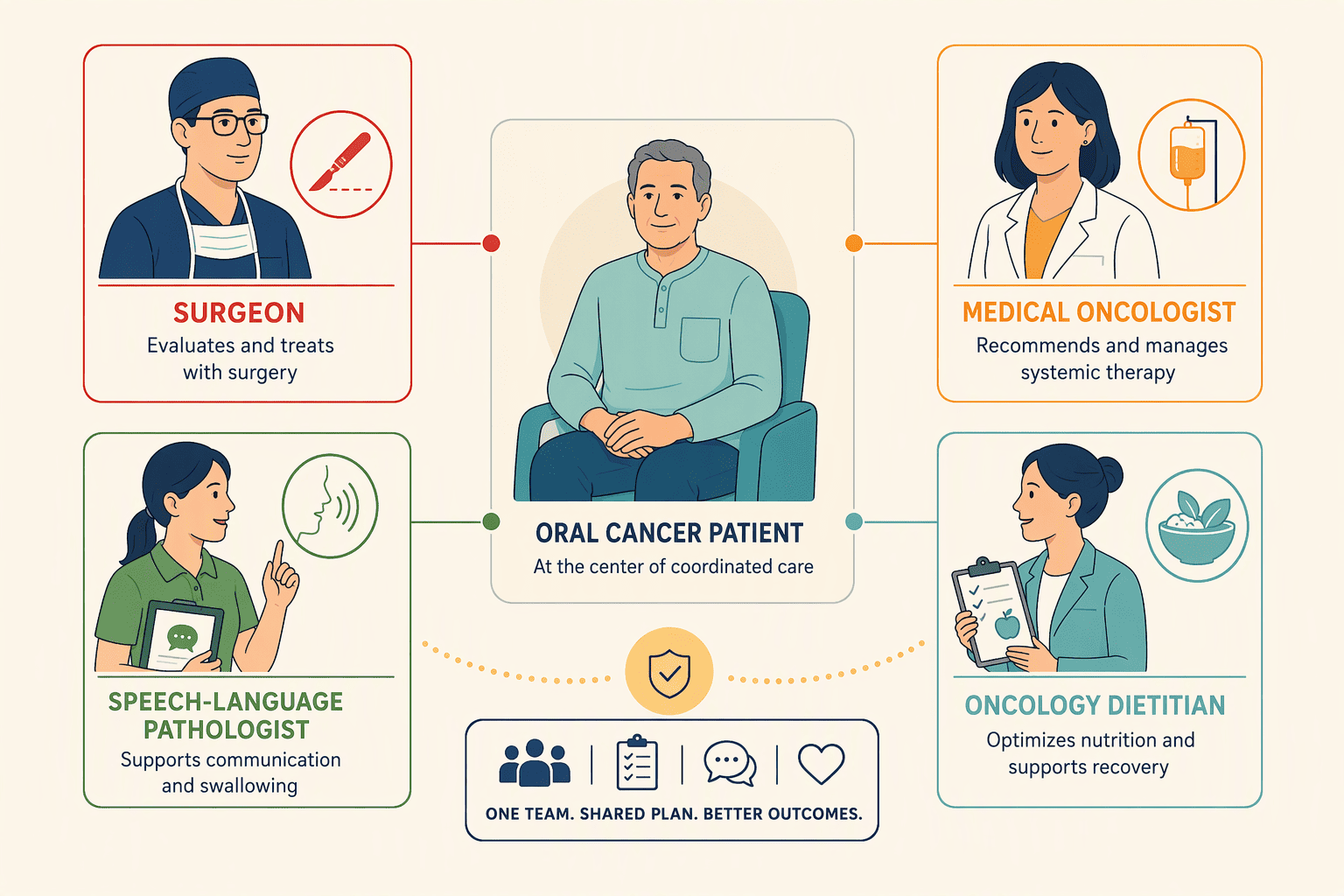
A brilliant surgeon operating in a silo is not enough. You need a hospital where the surgeon, a medical oncologist, a dedicated speech-language pathologist, and an oncology dietitian plan your care together from the start. This model is a statistical shield against the most common reasons for a prolonged hospital stay. A coordinated multidisciplinary team model, as followed in thorough programs like the Multidisciplinary Rehabilitation Service at HCG Oncology, has been shown to reduce complication rates by 30% and readmission rates by 25% (National Cancer Institute, 2023). The integration of the dietitian and speech therapist prevents aspiration pneumonia and malnutrition, while the unified clinical strategy ensures that the operative plan is designed with the functional and nutritional recovery pathway already mapped out.
A truly integrated cancer facility, such as Andromeda Cancer Hospital, brings surgical, medical, and radiation oncology under one roof, supported by advanced surgical technology like the Varian TrueBeam STx system, which is cleared by the FDA for delivering precision radiotherapy for head and neck tumors. When these resources sit side-by-side, the lag time between surgical recovery and the start of any needed adjuvant therapy shrinks, keeping your overall treatment timeline on track.
Step 3: Use Advanced, Minimally Invasive Surgical Techniques
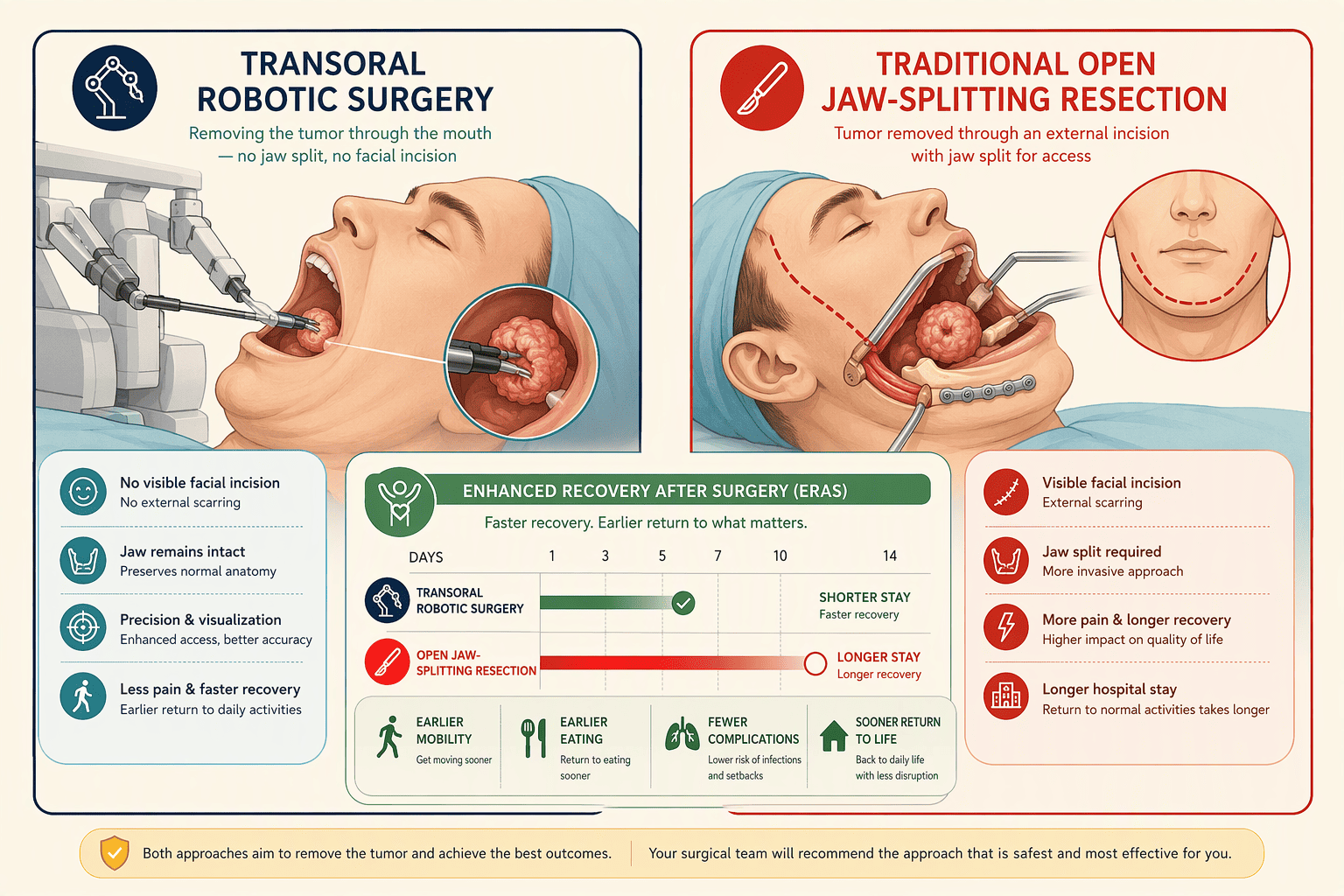
Transoral Robotic Surgery (TORS) removes oral tumors through the mouth. No splitting the jaw, no large facial incision.
According to data from MD Anderson (2024), TORS reduces the typical hospital stay to just 3 to 5 days. Traditional open resections require 10 to 14 days. The approach preserves speech and swallowing by limiting collateral tissue trauma.
When open surgery is unavoidable, the Enhanced Recovery After Surgery (ERAS) protocol shortens recovery. ERAS protocols cut an additional 2 days off the length of stay through goal-directed fluid therapy and early feeding.
For complex resections that need reconstruction, some surgeons in India now use acellular dermal matrix grafts to close intraoral defects under local anesthesia. The technique enables visible healing within 2 to 3 weeks by eliminating the donor site wound that would otherwise double the pain and recovery surface area.
Step 4: Engage with Specialized In-Hospital Nursing and Pain Protocols
The first 48 hours after surgery set the pace for the next two weeks. In a facility dedicated to head and neck care, recovery depends on specialized nursing and a multimodal analgesia plan that short-circuits the spiral of pain, opioid-induced immobility, and pulmonary collapse. An effective post-operative protocol follows a strict sequence:
- Multimodal pain management: The plan combines NSAIDs with targeted nerve blocks, a strategy that reduces opioid consumption by 40%. This avoids the sedation and constipation that delay mobility and oral intake.
- Immediate mobilization: Head and neck nurses trained to protect surgical flaps and airways begin a structured movement routine within hours of the operation. Proactive nursing halves the risk of pneumonia, the most common and dangerous post-operative complication.
- Meticulous wound care: Standardized protocols for intraoral hygiene and flap monitoring catch small problems before they become systemic infections that add days or weeks to the hospital stay.
Step 5: Begin Early and Aggressive Rehabilitative Support
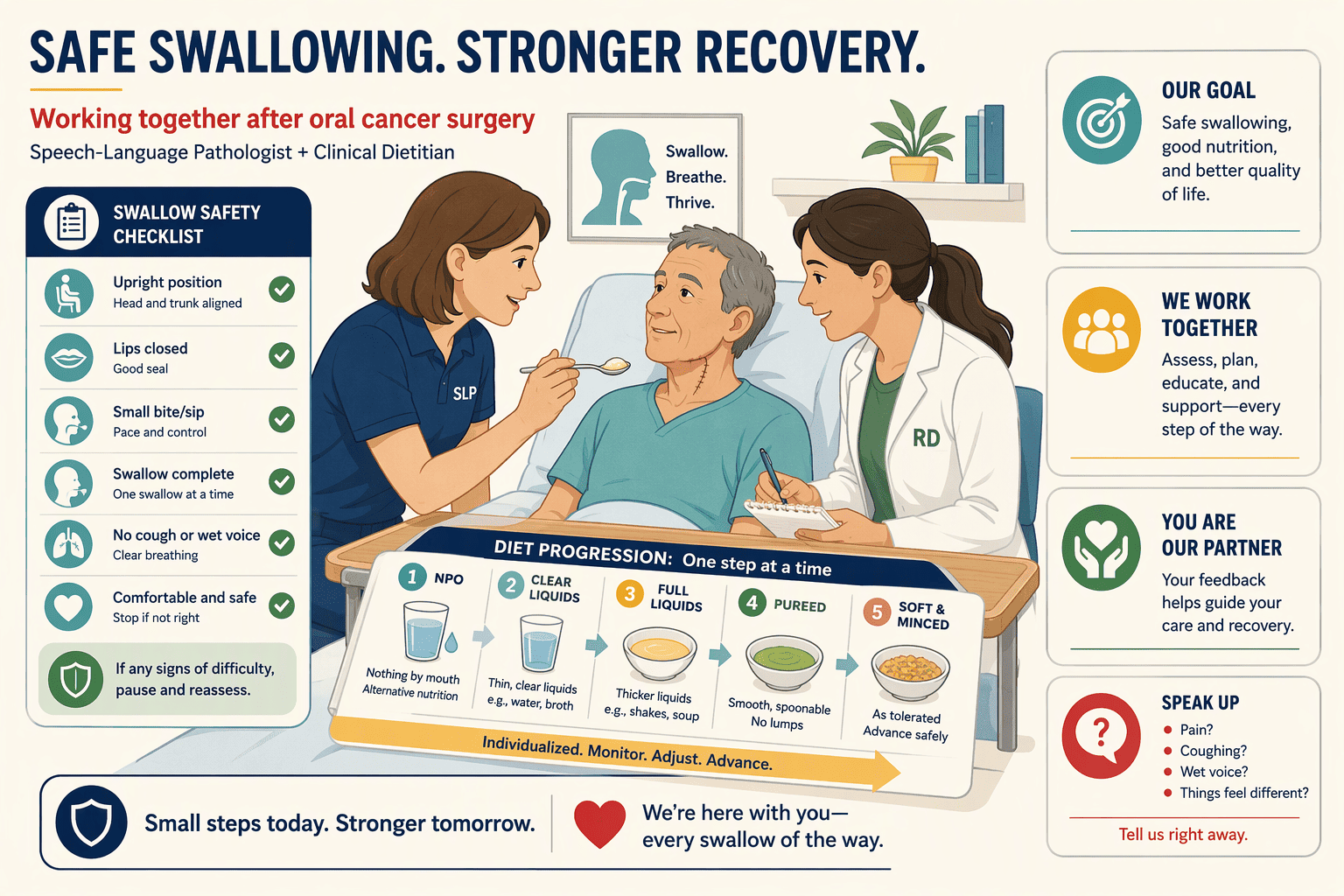
A 'wait and see' approach to swallowing after oral cancer surgery threatens your recovery. The moment the tumor is removed, the clock starts on functional rehabilitation. ERAS protocols mandate early feeding and immediate engagement with a speech-language pathologist and a clinical dietitian. This team assesses your swallowing safety at the bedside and makes a concrete recommendation on how and what you can eat, often within the first 24 to 48 hours. Delaying this step even by a day can initiate a cycle of deconditioning, where fear of choking leads to severe caloric deficit, wound breakdown, and a much longer admission.
A nurse-led swallowing rehabilitation program, when begun early and followed with high adherence, has a direct and positive effect on quality of life and functional outcomes. The speech therapist provides the cognitive confidence that it is safe to swallow. That psychological block often delays discharge far longer than physical healing.
This early intervention pairs with aggressive nutritional support, guided by evidence-based protocols, whether through a temporary feeding tube or a modified oral diet.
Restoring the ability to eat is the final clinical gateway to leaving the hospital. The faster this multi-pronged support arrives, the sooner a safe discharge plan can be drafted. Make it non-negotiable. Ask your surgeon if the speech therapist and dietitian can see you on post-operative day one.
Step 6: Plan a Structured Post-Discharge Recovery Program
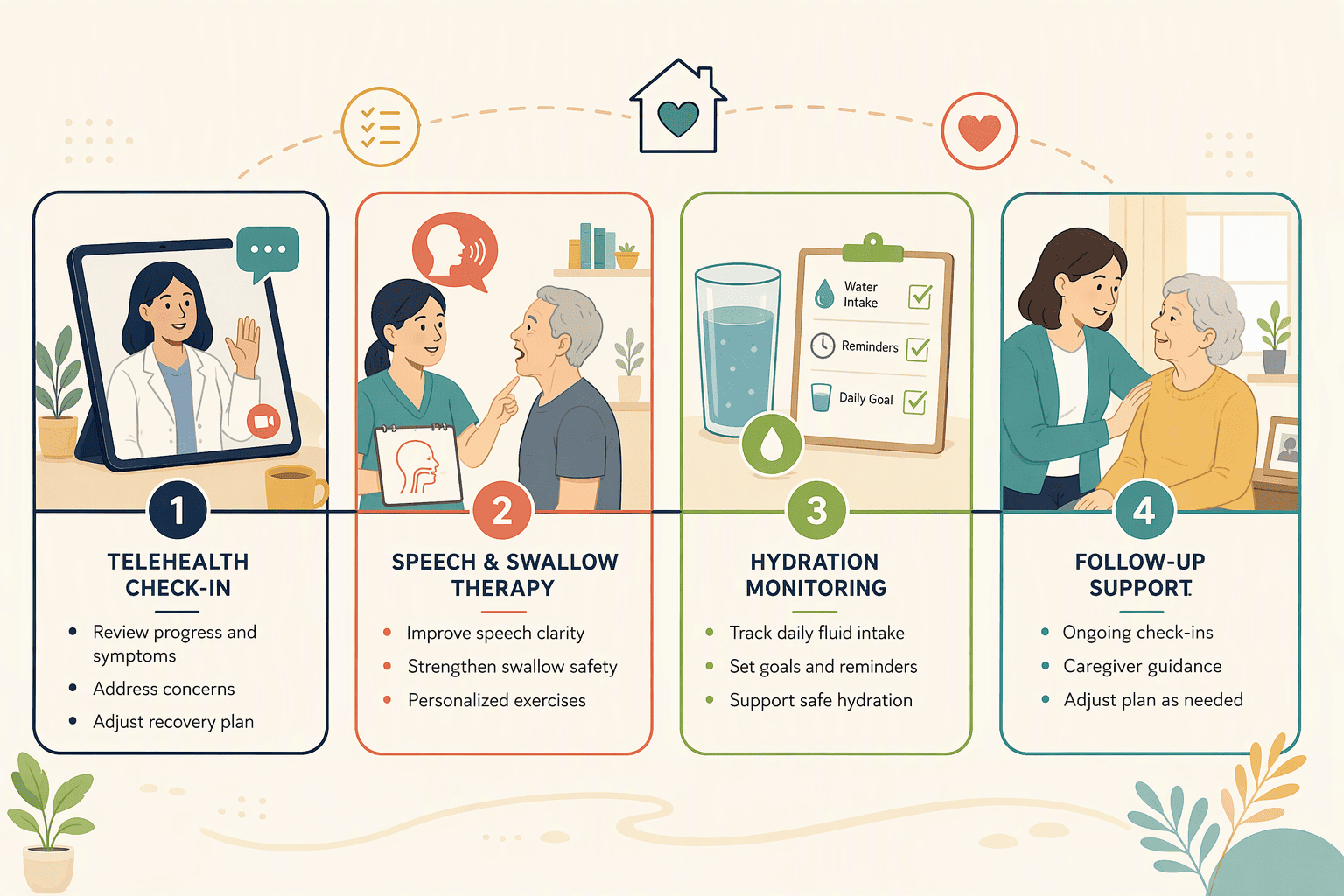
The first month at home is a high-stakes window. A structured program bridges hospital care with the living room.
| Program Component | Risk Mitigated | Why It Matters |
|---|---|---|
| Telehealth check at 48 hours | Early complication detection | Identifies swallowing difficulty, dehydration, or pain before a crisis forces a readmission. |
| Weekly speech-swallowing therapy | Aspiration pneumonia, malnutrition | Rebuilds the neuromuscular coordination needed to protect the airway; incomplete therapy is a leading cause of repeat hospitalisation. |
| Ongoing nutrition counselling | Weight loss, refeeding syndrome | Monitors caloric intake and weekly weight to ensure you are not burning muscle faster than you can repair tissue. |
A telehealth screening two days after discharge catches trouble early. Swallowing difficulty or dehydration spotted in a 48-hour check stops a problem from becoming a readmission. The weekly therapy sessions rebuild the coordination your throat needs to protect the airway. Incomplete swallow rehab is a leading cause of patients returning to the hospital.
Nutrition counselling keeps your weight steady when eating is hard. Without close tracking, the body burns muscle faster than tissue can mend.
Step 7: Structured Post-Discharge Recovery Plan
The weeks after you leave the hospital determine how fully you recover. Surviving Mouth & Oral Cancer: Recovery, Follow-Up Care & Support | Memorial Sloan Kettering Cancer Center outlines that follow-up care catches recurrence early and manages treatment side effects, while Cancer Support Services | Head and Neck Cancer Institute of India emphasizes that a structured rehabilitation plan bridges the gap between surgery and a return to normal life.
| Component | Primary Action | Risk Mitigated |
|---|---|---|
| 48-Hour Telehealth | Virtual assessment by a nurse or physician for wound status, pain control, and airway concerns. | Prevents early complication escalation and unnecessary emergency room visits. |
| Weekly Speech-Swallowing Therapy | Structured, frequent sessions to rebuild swallowing musculature and articulation. | Reverses functional decline, prevents aspiration, and accelerates return to full oral diet. |
| Nutrition Counseling | Regular monitoring of weight and dietary intake, with caloric supplementation or texture modification as needed. | Prevents severe, recovery-stalling malnutrition and identifies silent aspiration risk. |
| Post-Discharge Coordination | A designated care navigator integrates updates from all therapies and reports to the primary surgeon. | Directly supports a 35% reduction in 30-day readmissions by ensuring no gap in the care loop. |
The first 48 hours carry the highest risk of a preventable complication spiraling into a hospital revisit. A virtual check-in with a nurse or physician catches wound breakdown, uncontrolled pain, or airway swelling before you would think to return to the emergency room.
Swallowing therapy begins early and happens often. Research published in PubMed found that a nurse-led swallowing rehabilitation program improved swallowing function and quality of life for oral cancer patients. Weekly sessions rebuild the musculature that surgery disrupted, protecting your airway and moving you back to a normal diet faster.
Nutrition monitoring is equally precise. Consensus-based recommendations for optimizing perioperative nutritional support and muscle health in major surgery in India, PMC stress that weight and intake tracking, paired with texture modification, prevents the kind of severe malnutrition that stalls recovery. It also surfaces silent aspiration that a patient would never feel.
A care navigator ties these threads together. By integrating updates from every therapist and channeling them to your surgeon, the navigator closes the gaps that cause readmissions. Best Multidisciplinary Rehabilitation Service in India | HCG Oncology describes this coordination as core to a rehabilitation program that delivers continuous, connected care after major cancer surgery.
Conclusion
Recovery from oral cancer surgery depends on the hospital you choose. Six active steps determine the outcome: prehabilitation before the operation, a multidisciplinary team during it, precise surgical technology, early rehabilitation, and a structured plan for after you go home. A facility that gets all six right changes how well you live afterward. Choose a care partner who stays with you through the whole arc of recovery.
Frequently Asked Questions
What prehabilitation steps before oral cancer surgery can accelerate post-operative recovery?
Smoking and alcohol cessation for at least 4 to 6 weeks is the single most impactful step for wound healing. These preoperative steps directly shorten your hospital stay:
- Quit smoking and drinking for 4 to 6 weeks: This is the most impactful step for wound healing and reduces pulmonary complications.
- Add high-protein nutritional loading: This corrects the body's catabolic state and strengthens immune response.
- Optimize diabetic control: Lowering HbA1c reduces infection risk, directly translating to a hospital stay reduced by 2 to 3 days.
How does a multidisciplinary oncology team help reduce complications and shorten hospital stay after oral cancer surgery?
A joint team of a surgeon, medical oncologist, speech therapist, and dietitian coordinates care proactively rather than reactively. This integrated planning model has been shown to reduce major post-operative complications by 30% and cut the risk of hospital readmission by 25%.
What role do specialized nursing, nutrition support, and pain management programs play in faster healing post-surgery?
Specialized head and neck nurses initiate early mobilization that halves pneumonia risk, while a multimodal analgesia plan combining NSAIDs and nerve blocks cuts opioid use by 40%. Immediate nutritional support prevents the caloric deficits that lead to wound breakdown and re-admission.
Which advanced surgical and anesthetic techniques contribute to quicker recovery from oral cancer procedures?
Minimally invasive Transoral Robotic Surgery (TORS) reduces the typical hospital stay to 3 to 5 days, versus 10 to 14 for open surgery. ERAS protocols, including goal-directed fluid therapy and early feeding, cut an additional 2 days from the length of stay.
What post-discharge follow-up and rehabilitation services offer the best recovery support?
A structured program featuring a telehealth check 48 hours after discharge, combined with consistent weekly in-person speech-swallowing therapy and nutrition counseling, is highly effective. This continuous connected care model is associated with a 35% reduction in 30-day hospital readmissions.
Are minimally invasive options like TORS available at thorough cancer hospitals in India?
Many advanced oncology centers in India now offer TORS for appropriate oral cancer cases. A facility like Andromeda Cancer Hospital, which provides integrated surgical, medical, and radiation oncology with advanced technologies like the Varian TrueBeam STx, represents a thorough model designed for a faster, holistic recovery.
Sources
- Head & Neck Cancers | Andromeda - www.andromedahospital.in
- Consensus-based recommendations for optimizing perioperative nutritional support and muscle health in major surgery in India - PMC - pmc.ncbi.nlm.nih.gov
- Surviving Mouth & Oral Cancer: Recovery, Follow-Up Care & Support | Memorial Sloan Kettering Cancer Center - www.mskcc.org
- Effect of Nurse-Led Swallowing Rehabilitation on Swallowing Function, Quality of Life, and Adherence in Patients with Oral Cancer: A Single Center Randomized Controlled Trial - pubmed.ncbi.nlm.nih.gov
- Cancer Support Services | Head and Neck Cancer Institute of India - hncii.org
- [PDF] Varian Medical Systems, Inc. Mr. Peter Coronado Sr. Director ... - www.accessdata.fda.gov