
Cancer surgery marks a critical milestone in treatment, yet the recovery journey—from the first hours in the recovery room to years of structured follow-up—can feel overwhelming without clear guidance.
Understanding the phase-by-phase timeline, from wound care to long-term surveillance appointments, empowers patients to navigate recovery safely and recognize when to escalate concerns.
Key Takeaways
- Immediate post-operative monitoring focuses on vital signs, breathing stability, and early detection of bleeding or blood clots in a dedicated recovery area.
- Wound care and pain management during the first 1–2 weeks at home reduce infection risk and support healing, with clear protocols for when to escalate concerns.
- Most patients return to routine activities within 2–4 weeks, though recovery timelines vary by surgery type, lumpectomy heals faster than radical resections.
- Structured follow-up visits occur every 3 months for the first 2 years, then every 6 months for 3 years, and annually thereafter to monitor healing and detect recurrence early.
- Red-flag symptoms, chest pain, severe bleeding, difficulty breathing, fever above 101°F with confusion, require immediate emergency care, not routine clinic calls.
What Happens Immediately After Cancer Surgery
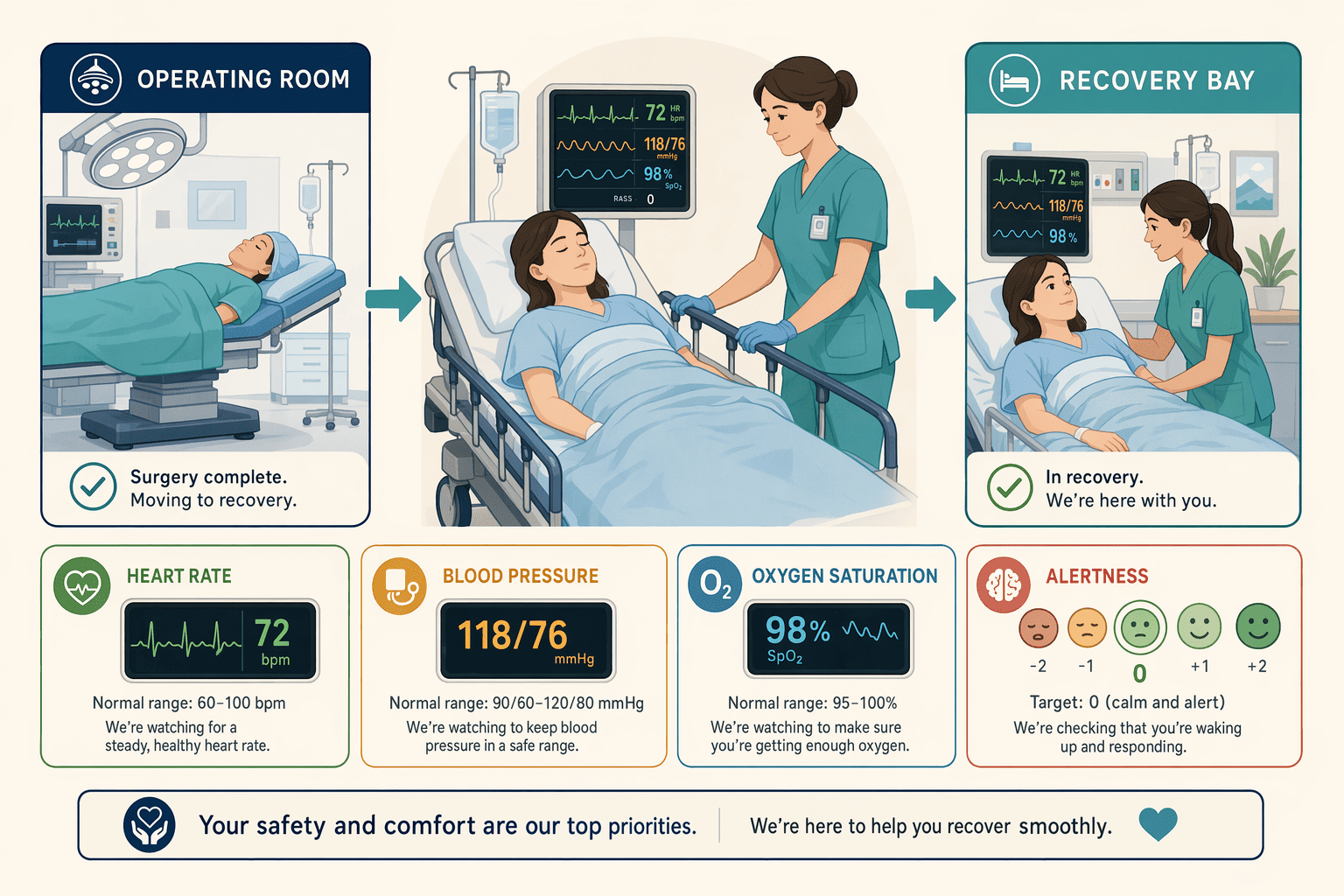
The moment surgery concludes, you are moved to a dedicated recovery area where nursing and anesthesia staff monitor your vital signs, heart rate, blood pressure, oxygen saturation, until you are fully awake and stable. You may feel drowsy or confused, and you may not remember much about the first few hours. This immediate post-operative phase is designed to ensure safe emergence from anesthesia and to catch any early complications before you return to the ward.
Recovery Area Monitoring and Stability Checks
A nurse performs regular checks, blood-pressure cuffs tighten every few minutes, and you may notice compression devices gently squeezing your legs to prevent clots. Pain assessments begin as soon as you respond, and staff adjust medication to keep discomfort manageable. At facilities like Andromeda Cancer Hospital, patients move through well-equipped recovery rooms staffed by trained anesthesia and critical care teams. Most patients are moved back to the ward within a day or so; after major operations you may wake in intensive care before transferring to a regular room. Institutions across the region, including surgical oncology centers in Gurgaon, follow similar staged-recovery protocols to ensure continuity of care.
What Medical Staff Watch For
Clinical teams look for stable breathing, adequate oxygen levels, controlled bleeding at surgical sites, and your ability to respond to simple commands. They also monitor for nausea, shivering, or signs of allergic reaction. Once these indicators meet discharge criteria, typically a consistent set of vital-sign thresholds and a pain score below a defined level, you are cleared to leave the recovery area. The timeline varies: minor procedures may allow same-day discharge, while complex resections require overnight observation or longer intensive monitoring.
Once you leave the hospital, recovery shifts from clinical monitoring to self-care at home, where wound healing and pain control become your primary focus.
The First Days at Home: Wound Care and Pain Management
Wound Care Instructions for the First 1 to 2 Weeks
Proper wound care reduces infection risk and supports healing. Follow these steps during the first two weeks:
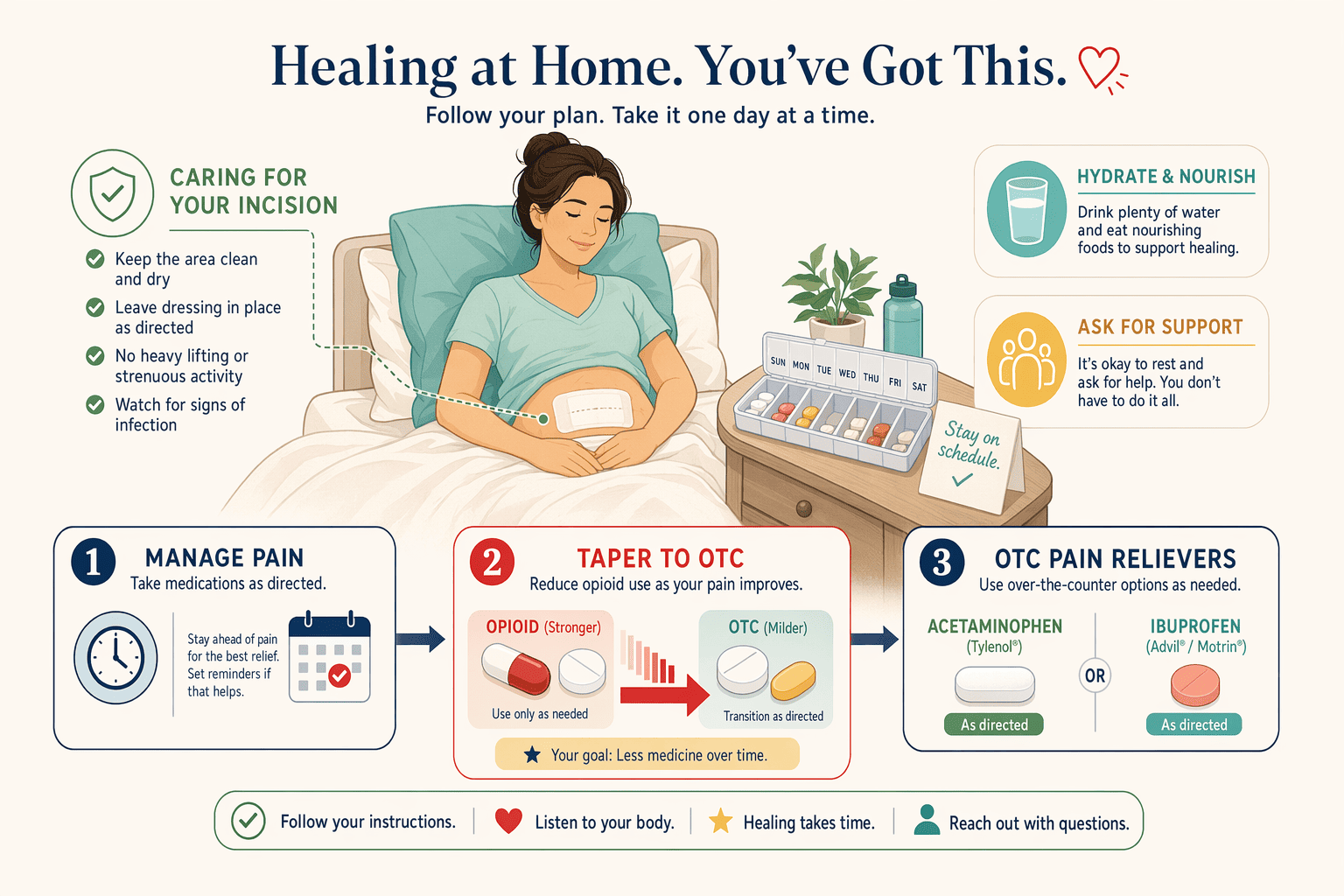
- Inspect the incision daily, Look for redness, warmth, swelling, or discharge. Minor bruising is normal; persistent heat or pus is not.
- Keep the wound dry for 48 hours, Avoid showers until your surgeon clears it; sponge-bath around the area.
- Change dressings per instructions, Use sterile gauze if directed; some incisions heal best uncovered after initial days.
- Recognize infection signs early: fever above 38°C (100.4°F), worsening redness spreading beyond the incision, or foul-smelling drainage warrant immediate contact with your surgical team.
- Follow activity restrictions: No heavy lifting or straining for 2-4 weeks to prevent wound dehiscence.
Pain and Fatigue Management
Take pain medicine as prescribed. Strong opioids are typically used post-surgery briefly, as they can cause confusion, nausea, or constipation. Most patients transition to over-the-counter analgesics within days. Pain management services at Andromeda Cancer Hospital guide this transition, but pain control cannot always be guaranteed fully, effective relief is the goal, with escalation pathways if initial regimens fall short.
When to escalate: If pain is uncontrolled despite medication, worsens suddenly, or you develop fever with wound changes, contact your surgeon or the nurse listed on your discharge paperwork. For severe, unmanageable pain, consider the emergency department. Do not delay, early intervention prevents complications and supports recovery.
As wounds heal and pain subsides, the next question becomes: when can I resume normal life, work, exercise, household tasks?
Returning to Daily Activities: Timeline and Expectations
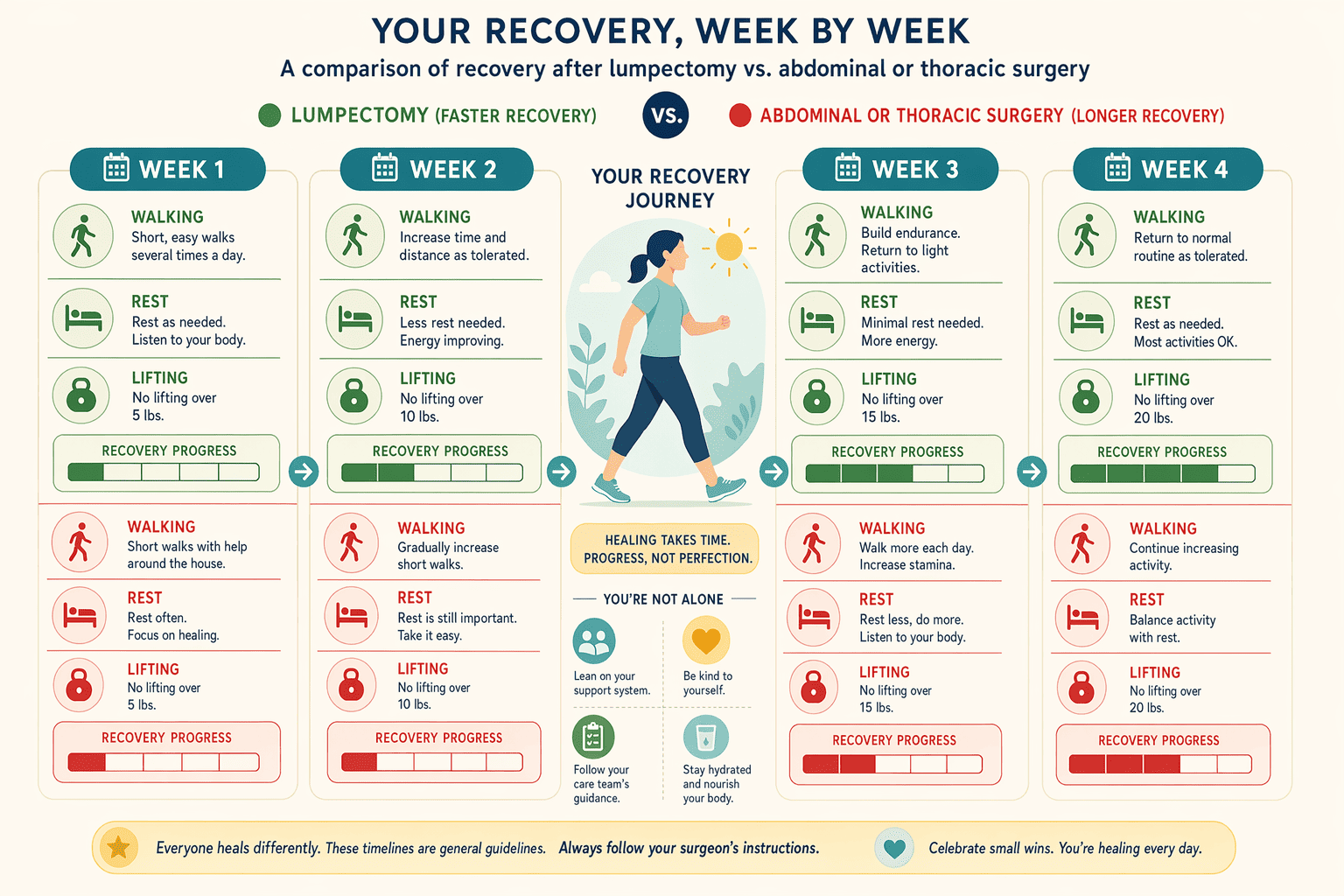
Most patients return to routine activities within 2 to 4 weeks after breast cancer surgery, though recovery timelines differ significantly across procedures: a breast lumpectomy heals faster than radical abdominal or thoracic operations. Understanding week-by-week progression helps you set realistic expectations and avoid setbacks.
Physical Activity Progression by Week
Week 1: Focus on short, assisted walks, even sitting up and dangling your legs reduces blood-clot risk and clears the lungs. Avoid lifting anything heavier than 5 pounds. Rest remains the priority; your body directs energy toward healing, so expect to sleep more than usual.
Week 2: Light household tasks, folding laundry, preparing simple meals, are typically safe if they don't strain the incision site. Continue avoiding heavy lifting; tenderness and swelling around the wound are normal.
Weeks 3 to 4: Gradual return to work is common for minimally invasive procedures, while more complex open surgeries may require additional time. Confirm clearance with your surgeon before resuming any strenuous activity.
When to Resume Lifting and Exercise
Weight restrictions protect healing tissues: most surgeons recommend no lifting above 5 to 10 pounds for at least two weeks, extending to four weeks after major abdominal surgery. Once cleared, reintroduce gym routines incrementally, start with low-resistance movements and monitor for pain or swelling. Andromeda Cancer Hospital's breast oncology program connects patients with physical therapists who design individualized progression plans, ensuring you rebuild strength without risking complications. Other regional centers, including Apollo Cancer Centers, similarly emphasize structured activity resumption as part of thorough post-surgical care.
Beyond the initial weeks at home, recovery enters a long-term phase of structured medical surveillance designed to catch recurrence early and manage late-emerging side effects.
Follow-Up Care Schedule: When and Why You'll See Your Oncology Team
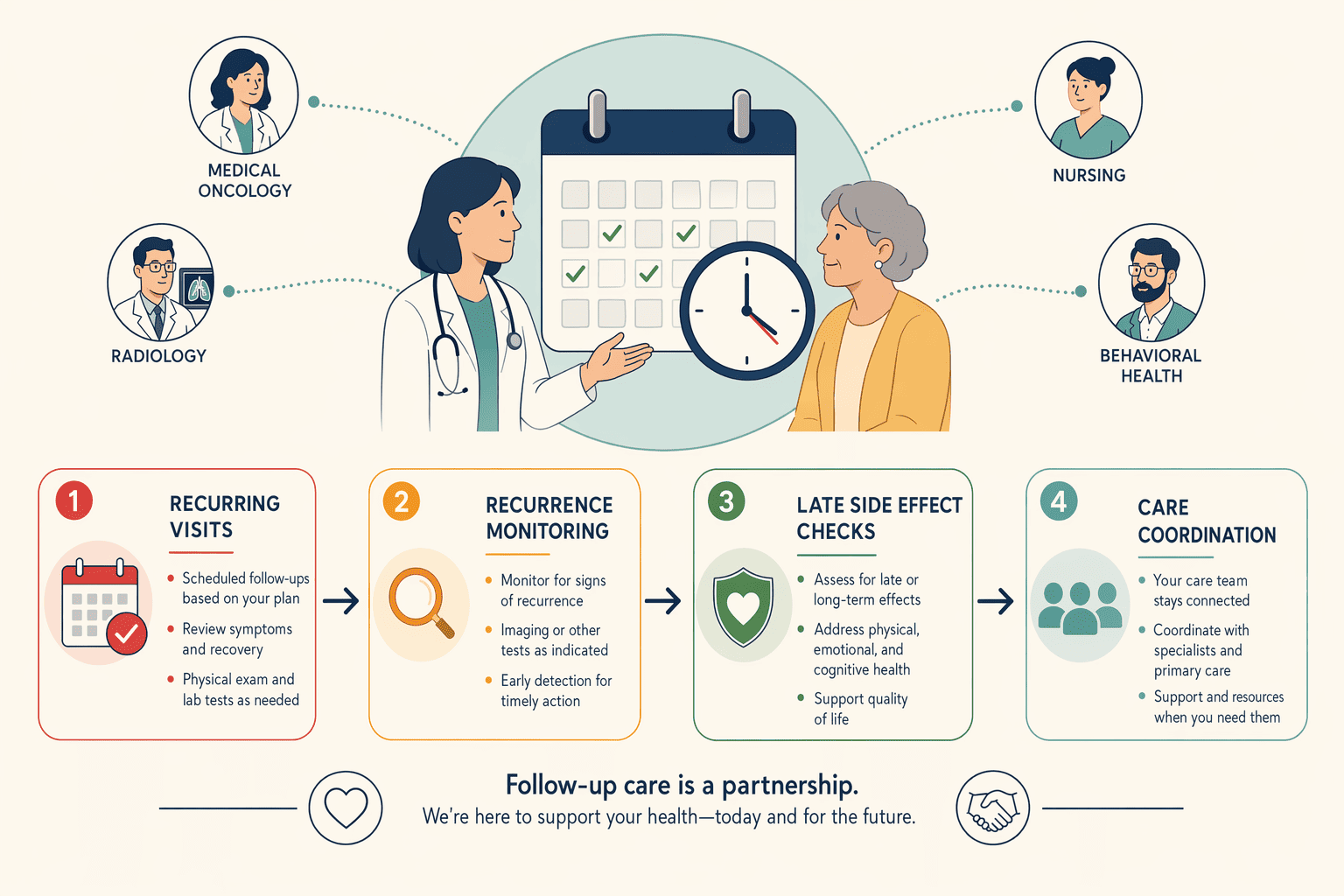
Once active cancer treatment ends, surgery, chemotherapy, radiation, you enter a structured follow-up phase designed to catch recurrence early, manage late-emerging side effects, and coordinate care across specialists. This isn't ad-hoc monitoring; it's a clinically standardized schedule that oncology teams worldwide use to balance vigilance with patient quality of life.
The Structured Follow-Up Timeline
At Andromeda Cancer Hospital, follow-up visits are typically scheduled every 3 months for the first 2 years, then every 6 months for the next 3 years, and then annually. This cadence reflects clinical evidence: most breast cancer recurrences occur within the first two years, so tighter surveillance during that window maximizes early detection. After five years, the risk plateaus, so annual checks suffice unless symptoms arise. If you're on endocrine therapy such as tamoxifen or an aromatase inhibitor, you'll continue seeing your medical oncologist once or twice a year throughout the treatment course. For patients who completed surgery and radiation but no ongoing systemic therapy, your surgeon and radiation oncologist visits taper off faster, while your primary care provider becomes the long-term care coordinator.
What Happens During Follow-Up Appointments
Each follow-up visit includes a physical exam, palpation for lumps in the surgical site, lymph node checks, and chest-wall inspection for any skin changes. Imaging schedules vary by cancer type: breast cancer survivors receive annual mammograms of the treated and contralateral breast; thoracic cancer survivors may require periodic chest CT scans. Lab work often includes tumor marker panels (e.g., CA 15-3 for breast cancer, CEA for colorectal) to flag biochemical recurrence before symptoms appear. Pathology results from the original surgery, typically reported within 7 to 10 days at Andromeda Cancer Hospital, are reviewed at the first post-treatment visit to confirm margin status and finalize staging. These visits are also when your oncology team addresses late-onset side effects: lymphedema, neuropathy, bone density loss, cardiac toxicity from certain chemotherapies, or cognitive changes. Your provider may order bone-density scans if you're on aromatase inhibitors, echocardiograms if you received anthracyclines, or refer you to a survivorship clinic for symptom management.
Patient-Reported Outcome Measures (PROMs) in Oncology Follow-Up
Modern oncology follow-up increasingly integrates PROMs, standardized symptom questionnaires, and quality-of-life assessments completed by patients before each visit. PROMs capture what imaging and lab work miss: fatigue severity, pain interference, emotional distress, sexual health, cognitive function. The hospital tries to integrate PROMs into follow-up, allowing clinicians to trend patient-reported data over time and tailor interventions before symptoms become unmanageable. This is an emerging best practice not yet universal in follow-up care, but evidence shows PROMs improve symptom control and patient satisfaction by making the clinical encounter more personalized and responsive.
Knowing what symptoms are normal, and what requires immediate attention, helps you navigate recovery confidently and avoid unnecessary emergency visits.
What to Watch for: Signs of Complications or Recurrence
Normal Recovery Symptoms Vs Red Flags
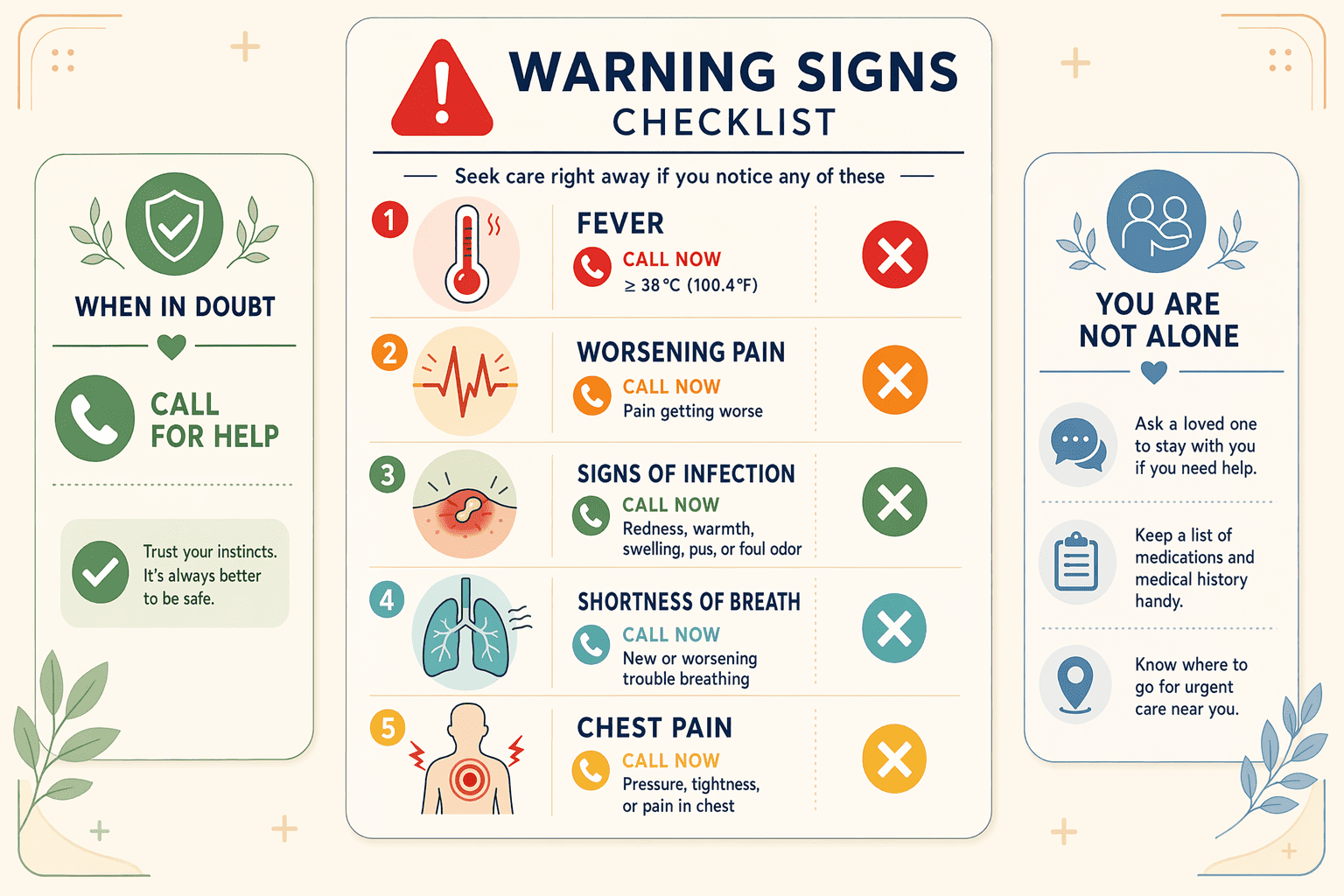
After cancer surgery, you can expect mild incision tenderness, fatigue lasting several weeks, and occasional sharp pains as tissues heal. These are part of routine recovery. However, certain symptoms require immediate medical attention. Contact your care team right away if you notice fever above 101°F, severe pain that worsens or isn't controlled by prescribed medication, or wound changes, redness, heat, swelling, pus, or foul-smelling discharge all signal infection. Shortness of breath, chest pain, or leg swelling may indicate blood clots, a serious post-surgical complication. Persistent nausea or vomiting that prevents you from keeping fluids down, or inability to urinate within eight hours of surgery, also warrant urgent evaluation.
When to Call Emergency Services Vs Your Care Team
Understanding when to escalate concerns helps you navigate recovery safely. For routine symptoms, expected fatigue, mild discomfort at the incision site, or questions about activity restrictions, call your surgical oncology clinic during business hours. Concerning symptoms such as persistent pain, wound changes (increased redness or drainage), or fever below 101°F require a same-day clinic appointment; do not wait for your next scheduled follow-up. Life-threatening emergencies, chest pain, severe bleeding, difficulty breathing, or sudden confusion, require you to call emergency services (911 or your local emergency number) immediately. Do not attempt to reach your clinic or hospital website for medical emergencies. Andromeda Cancer Hospital's oncology care team can be reached at +91 9138111625 for non-emergency urgent concerns outside routine clinic hours.
Recovery extends far beyond surgical wounds, physical rehabilitation, nutrition, and emotional support form the foundation for long-term quality of life after cancer treatment.
Long-Term Recovery: Physical Therapy, Nutrition, and Emotional Support
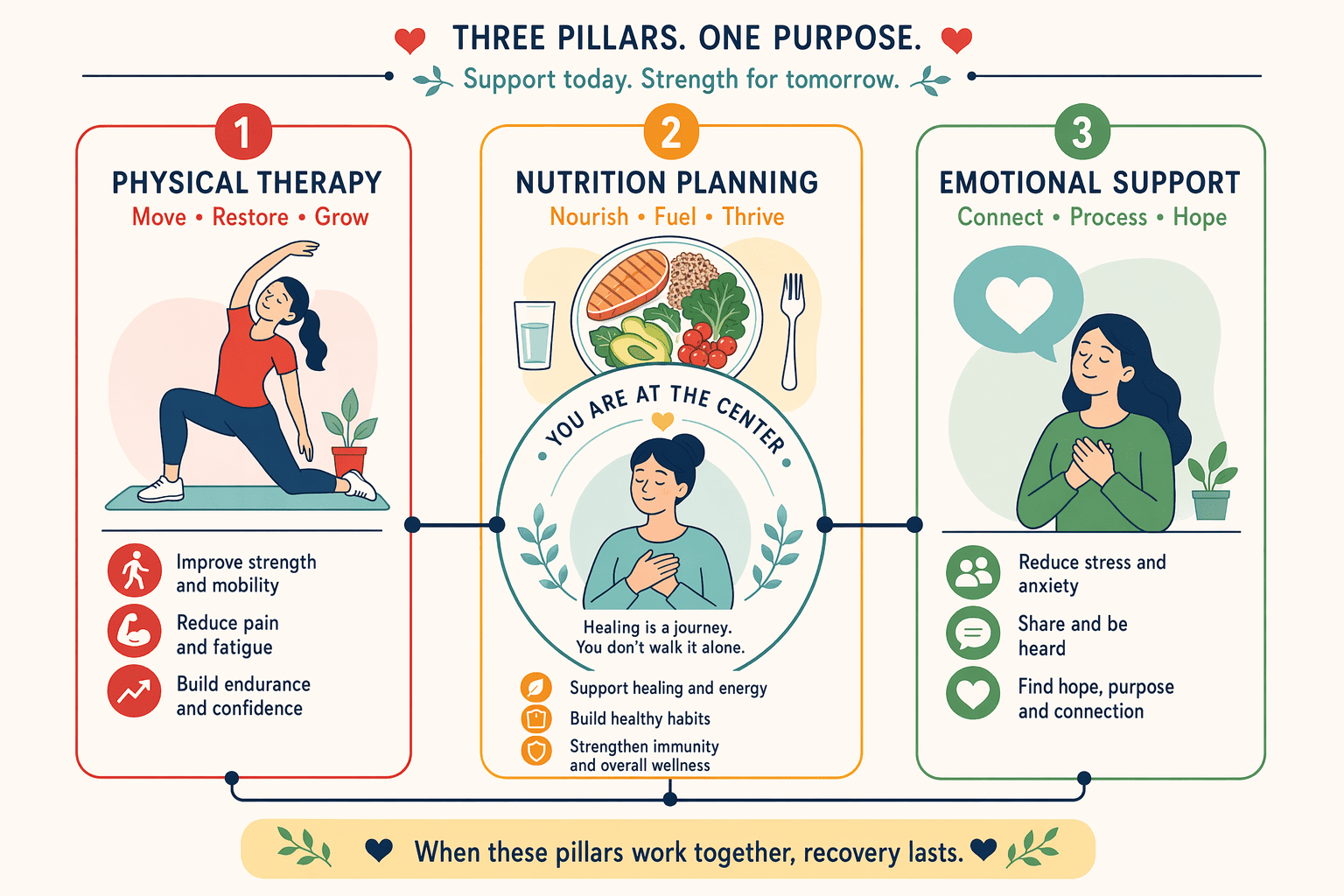
Recovery extends beyond the initial 2 to 4 week post-operative window. Addressing physical, emotional, and nutritional needs is key for restoring function and preventing recurrence.
Physical Therapy and Rehabilitation Referrals
Physical therapy is recommended after surgeries that limit mobility, mastectomies (shoulder range-of-motion exercises), abdominal resections (core strengthening), and lymph-node dissections (lymphedema management). Andromeda Cancer Hospital provides rehabilitation and physiotherapy services to support gradual functional restoration.
Nutritional Counseling for Recovery and Prevention
Protein intake accelerates wound healing; balanced nutrition addresses chemotherapy-related weight loss and supports long-term cancer prevention. Andromeda Cancer Hospital offers nutrition guidance and weight management support tailored to individual recovery needs.
Emotional and Psychological Support Resources
Emotional challenges, fear, anxiety, fatigue, are common. Andromeda Cancer Hospital's multidisciplinary team includes clinical psychologists and pain and palliative care specialists, offering one-on-one counseling, peer support groups, and survivorship programs to address the psychological toll of cancer recovery.
Navigating Your Recovery Journey
Traditional follow-up protocols rely on imaging and physical exams alone, while modern approaches integrate Patient-Reported Outcome Measures (PROMs) to capture symptom and quality-of-life data that standard tests miss. Structured follow-up schedules, every 3 months for 2 years, suit most cancer types but may be adjusted for high-risk cases requiring more frequent imaging; individualization remains key.
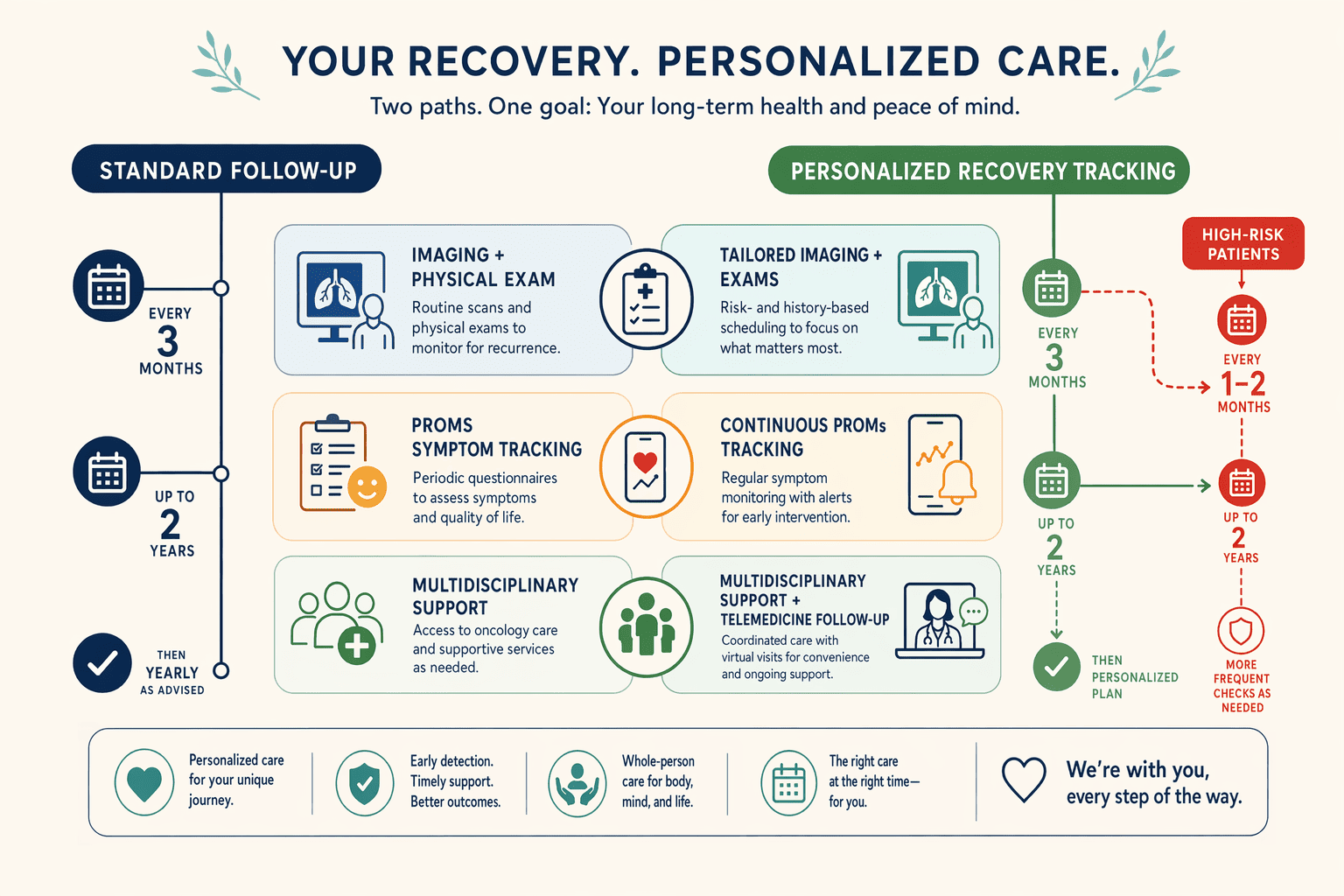
As oncology moves toward personalized survivorship care, expect broader adoption of PROMs, telemedicine follow-up options, and integrated multidisciplinary support, physical therapy, nutrition, mental health, as standard components of post-surgical cancer care rather than optional referrals.
Review Andromeda Cancer Hospital's surgical oncology protocols and survivorship programs to understand how structured recovery support can improve your post-surgery outcomes and provide thorough care throughout your recovery journey.
Frequently Asked Questions
How long does it take to recover from cancer surgery?
Most patients return to routine activities within 2 to 4 weeks after breast cancer surgery, though recovery timelines differ significantly by procedure type. A breast lumpectomy heals faster than radical abdominal or thoracic operations. Your surgical oncology team will provide personalized timelines based on the surgery performed and your healing progress.
How often will I need follow-up appointments after cancer surgery?
Follow-up visits are typically scheduled every 3 months for the first 2 years, then every 6 months for the next 3 years, and then annually. This cadence reflects evidence-based guidelines from Johns Hopkins and the National Cancer Institute designed to detect recurrence early while minimizing unnecessary testing.
What are Patient-Reported Outcome Measures (PROMs) and why do they matter?
PROMs are standardized symptom questionnaires and quality-of-life assessments that patients complete before each follow-up visit. They capture what imaging and lab work miss, fatigue severity, pain interference, emotional distress, and cognitive function, helping oncology teams personalize care and detect issues early.
When should I call emergency services after cancer surgery?
Call emergency services immediately for chest pain, severe bleeding that soaks through dressings, difficulty breathing, or fever above 101°F accompanied by confusion. These red-flag symptoms require urgent evaluation; do not wait for business hours or attempt to reach your clinic first.
Can pain always be fully controlled after cancer surgery?
Pain is effectively managed in most cases with prescribed medications, typically brief use of opioids followed by non-opioid options. However, some patients experience persistent discomfort requiring escalation to pain specialists. Contact your surgical team if pain worsens suddenly or remains uncontrolled despite medication.
When will I get my pathology results after cancer surgery?
Radical surgery histopathology reporting is typically completed within 7 to 10 days. Results are reviewed at your first follow-up appointment, usually scheduled within 2 weeks of surgery, where your oncology team discusses findings and any adjustments to your treatment plan.
Do I need physical therapy after cancer surgery?
Physical therapy is recommended after surgeries that limit mobility, mastectomies for shoulder range-of-motion, abdominal resections for core strengthening, and lymph-node dissections for lymphedema management. Rehabilitation services support functional recovery and long-term quality of life, reducing complications like frozen shoulder or chronic swelling.