
Choosing a cancer hospital in Delhi NCR requires evaluating multidisciplinary team structure, diagnostic technology, and treatment integration — not just reputation. Thorough care depends on surgical, medical, and radiation oncology working together through tumor boards.
Key Takeaways
- Thorough cancer treatment integrates surgical oncology, medical oncology (chemotherapy/systemic therapy), and radiation oncology under coordinated multidisciplinary tumor boards
- Hospital evaluation should prioritize team composition, PET-CT/diagnostic infrastructure, and image-guided radiation systems over brand rankings alone
- Geographic proximity becomes critical for radiation therapy requiring 25-35 consecutive daily sessions over 5-7 weeks
- Tumor boards bring surgical, medical, and radiation oncologists together to review each case before finalizing treatment plans
- Insurance panel participation, financial counseling availability, and supportive care pathways affect practical treatment access
What Thorough Cancer Treatment Means in Delhi NCR
Thorough cancer treatment integrates surgical oncology, medical oncology (chemotherapy and systemic therapies), and radiation oncology under one roof with coordinated multidisciplinary teams. In Delhi NCR, this model — where a patient's case is reviewed jointly by surgical, medical, and radiation oncologists before any intervention — defines the baseline for curative care, not the hospital's size or marketing reach.
The Three-Pillar Treatment Model
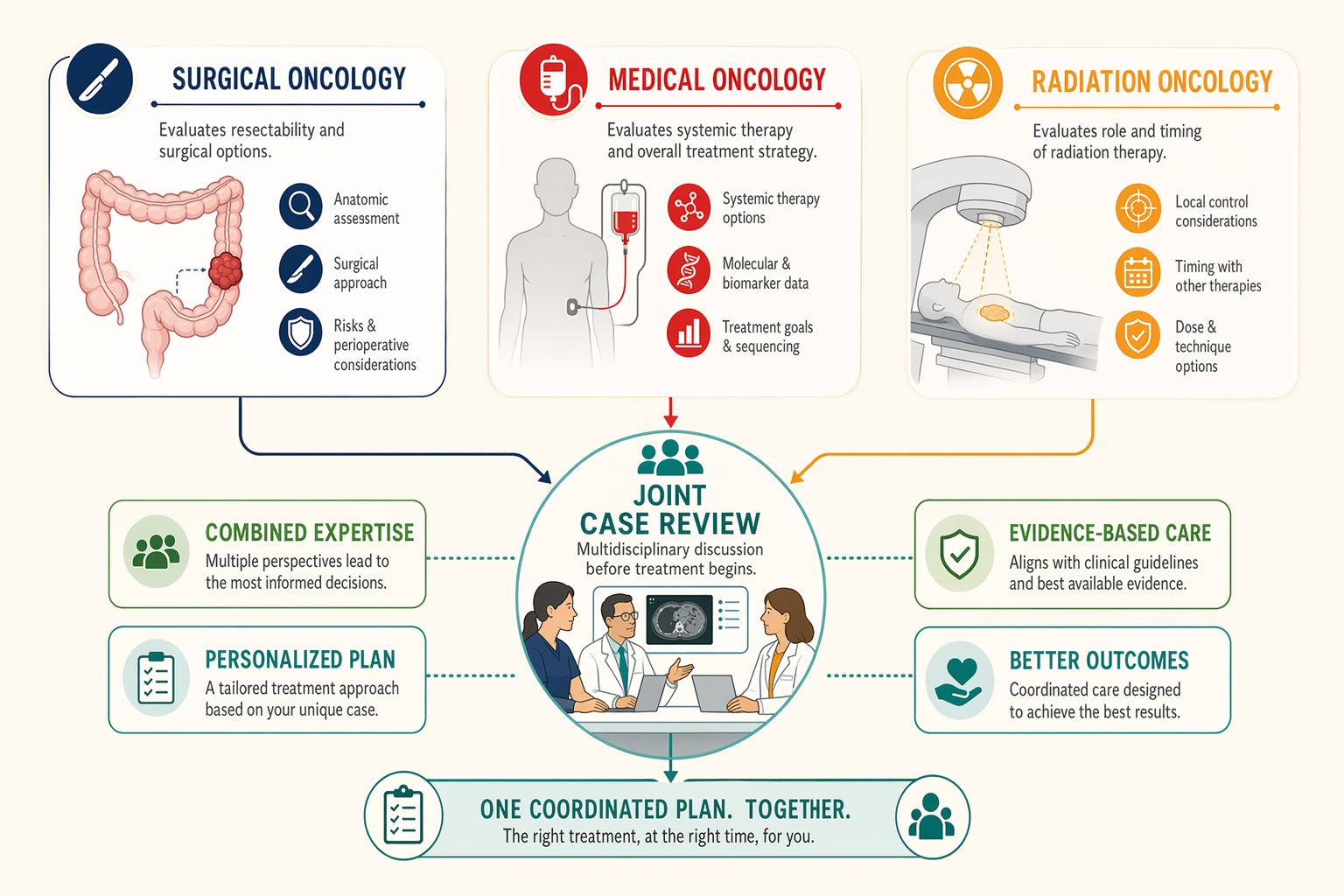
Surgical oncology removes tumours and diseased tissue; medical oncology administers systemic therapies (chemotherapy, immunotherapy, targeted drugs) that travel through the bloodstream to target cancer cells throughout the body; radiation oncology uses high-energy beams to shrink tumours and kill malignant cells. Each specialty is distinct, but thorough care requires them to collaborate — a multidisciplinary team including surgical, medical, and radiation oncologists is often involved in treatment.
This coordination shapes decisions at every stage: whether to use neoadjuvant chemotherapy before surgery, when to sequence radiation after resection, and how to adjust systemic therapy if pathology reveals new molecular markers. Without integrated planning, patients may receive fragmented treatment where one specialist's choice undermines another's approach.
Why Integration Matters More Than Facility Size
A 500-bed hospital offering only surgical oncology is not thorough if patients must travel elsewhere for chemotherapy or radiation — and the handoff between facilities often breaks continuity of care. Max Institute of Cancer Care offers a holistic and integrated treatment by consolidating views of experts in Surgical Oncology, Radiation Oncology, and Medical Oncology, illustrating the peer model across Delhi NCR.
The American Cancer Society emphasizes choosing centres where the cancer care team reviews cases jointly, not sequentially. Delhi NCR's thorough institutions, ranging from government tertiary centres to private oncology-focused hospitals, share this core feature: surgical, medical, and radiation oncologists plan treatment together, supported by pathologists, radiologists, and palliative care specialists.
Institutional Examples Across Delhi NCR
Several tertiary care models operate across the region. Andromeda Cancer Hospital is a 105-bed tertiary care super specialty facility established in 2024, offering surgical oncology, medical oncology, and radiation oncology. Alongside Andromeda, the region includes government cancer institutes, charitable hospitals providing free treatment, and multi-specialty centres, each delivering the three-pillar model with varying infrastructure, patient volumes, and cost structures.
When evaluating hospitals, look beyond bed count and ask: Do surgical, medical, and radiation oncologists meet weekly to review my case? Are pathology, radiology, and supportive care (pain management, palliative services) co-located? Can the institution deliver the full treatment sequence, neoadjuvant chemotherapy, surgery, adjuvant radiation, without referring you elsewhere? These questions reveal whether care is truly thorough or merely advertised as such. While monthly drug costs may reach $100,000 in some global markets, India's tertiary care centres, including Andromeda, operate within a fundamentally different cost structure, making integrated oncology care more accessible to a broader patient population.
Understanding what thorough treatment means sets the foundation, now examine how hospital team structure delivers that coordination in practice.
Multidisciplinary Care: Why Team Composition Matters
Thorough cancer treatment relies on a collaborative model, surgical, medical, and radiation oncologists working together rather than in isolation. The quality of this collaboration directly influences treatment precision, safety margins, and long-term outcomes. Understanding how these teams function helps patients verify they are receiving coordinated care, not fragmented consultations.

What Happens in a Tumor Board Consultation
A tumor board brings together specialists to review each case before finalizing treatment. The workflow follows a structured sequence:
- In a case presentation with imaging and pathology, a radiologist or pathologist shares diagnostic findings
- Specialty-specific review, the surgical oncologist evaluates resectability, the medical oncologist considers systemic therapy timing, and the radiation oncologist assesses radiotherapy feasibility
- Collaborative consensus on treatment plan, specialists reconcile their recommendations into a unified sequence
- Patient-specific modifications, adjustments for comorbidities, functional status, or personal preferences are integrated
Hospitals like Venkateshwar Cancer Hospital organize dedicated teams across haemato-oncology, surgical oncology, radiation oncology, and supporting specialties to ensure every case receives this layered review. This model reduces the risk of sequential decision-making errors, where one specialist's choice constrains the next without full visibility.
Questions to Ask During Initial Consultations
Verifying multidisciplinary care quality requires direct questions during your first hospital visit:
- Does the hospital hold weekly tumor board meetings? If yes, which specialties participate?
- Will my case be presented before treatment starts, or will each specialist make independent decisions?
- Who coordinates the final treatment plan, a single oncologist or a collaborative group?
- How do specialists communicate updates during treatment, through shared records, joint consultations, or handoffs?
Absence of tumor board protocols often signals fragmented care, one specialist orders chemotherapy without surgical input, leading to suboptimal sequencing or missed opportunities for organ preservation.
Specialist Credentials to Verify
Not all oncologists have equivalent training depth. Surgical oncology specialization, distinct from general surgery, determines competency for complex tumor resections. General surgeons may lack the anatomical expertise required for achieving negative surgical margins in head-and-neck or retroperitoneal cancers, increasing recurrence risk.
Check credentials directly: MCh (Surgical Oncology), DNB (Surgical Oncology), or fellowship certifications from recognized cancer institutes. Apollo Hospitals Delhi lists surgical oncology as a dedicated department with specialized training pathways, setting a standard for credential transparency.
Similarly, verify that your medical oncologist holds DM (Medical Oncology) or equivalent qualifications, this ensures they are trained in systemic therapy protocols, not improvising from general internal medicine experience. Radiation oncologists should hold MD or DNB in radiation oncology, confirming proficiency in dose planning and radiotherapy physics.
Multidisciplinary coordination without specialist-level training undermines the model's value, the collaboration is only as strong as each participant's domain expertise.
Team collaboration depends on technology infrastructure, evaluate the diagnostic and treatment systems that enable precision oncology.
Technology and Treatment Infrastructure to Evaluate
Advanced Imaging: Pet-Ct and When It Matters
PET-CT scans detect metabolic activity in tissues, not just anatomical structure, changing staging in lymphoma, lung cancer, and melanoma cases where standard CT may miss micrometastases. Ask whether the PET-CT facility is on-site or contracted: leading cancer centres now provide modern treatments such as immunotherapy, robotic surgery, Proton Therapy, TrueBeam radiation, but turnaround time for scans and reports varies by in-house versus outsourced imaging. AERB certification confirms that nuclear medicine facilities meet national radiation safety standards. Andromeda Cancer Hospital operates an AERB-certified PET-CT facility equipped with the GE Discovery IQ 2 system, and offers same-day or next-day reporting for most scans.
Radiation Therapy Systems and Image Guidance
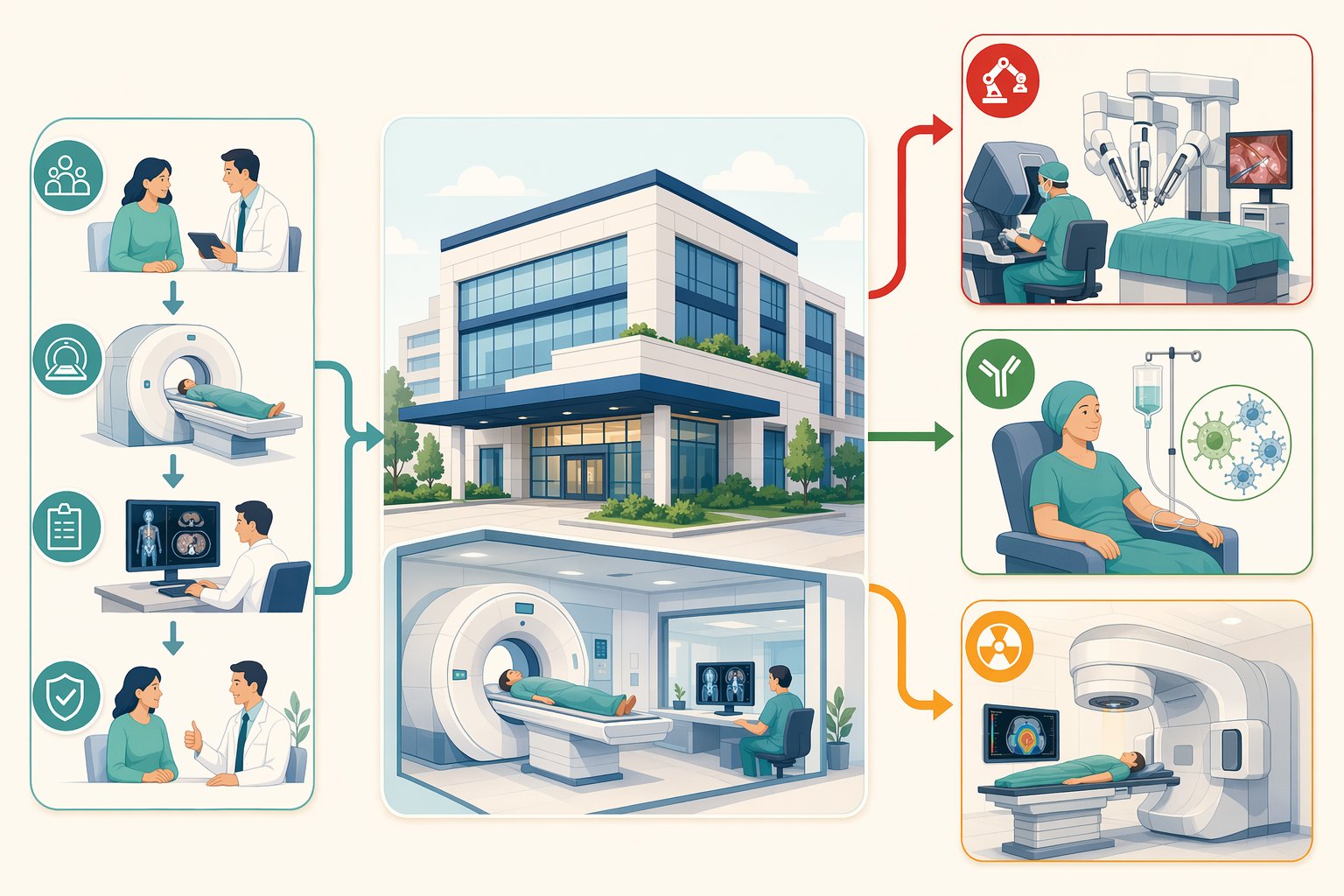
Image-guided radiation delivery systems like the Varian TrueBeam STx adjust beam placement in real time using on-board imaging, reducing side effects by sparing healthy tissue. Daily quality-assurance checks and weekly physics reviews ensure dose accuracy. When evaluating a facility, confirm whether the radiation oncology department performs daily QA and whether medical physicists are on staff. Andromeda Cancer Hospital uses the Varian TrueBeam STx for image-guided radiotherapy, IMRT, VMAT, and stereotactic techniques, with daily QA protocols and a multidisciplinary https://www.andromedahospital.in/doctors planning team.
Pathology and Molecular Diagnostics
Frozen-section biopsy provides intraoperative diagnosis within 20 to 30 minutes, allowing surgeons to adjust resection margins during the same procedure. Histopathology turnaround for radical-surgery specimens averages 7 to 10 days. Molecular testing, immunohistochemistry, and next-generation sequencing panels guide decisions on targeted therapies and immunotherapy eligibility. Ask whether IHC is performed in-house or outsourced and what the typical turnaround is for molecular reports. HCG Oncology offers Medical Oncology services, Chemotherapy, Surgical Oncology, Radiation Oncology, illustrating the category standard for integrated pathology support. Some centres send molecular panels to accredited external laboratories; verify whether reports arrive within the time frame your treatment planning requires.
| Hospital | Key oncology treatments and technologies |
|---|---|
| Andromeda Cancer Hospital | AERB-certified PET-CT (GE Discovery IQ 2), Varian TrueBeam STx for IGRT/IMRT/VMAT, frozen-section biopsy (20–30 min), IHC outsourced, accredited molecular labs |
| Apollo Cancer Centres, Delhi | Not publicly disclosed |
| Manipal Hospitals, Delhi NCR Cancer Care | Not publicly disclosed |
| Fortis Cancer Institute, Delhi NCR | Not publicly disclosed |
| Medanta - The Medicity, Cancer Institute | Not publicly disclosed |
| Yatharth Super Speciality Hospital, Delhi NCR | Not publicly disclosed |
Technology alone doesn't complete the picture, supportive services and care pathways shape daily treatment experience and outcomes.
Patient Support Services and Care Pathways
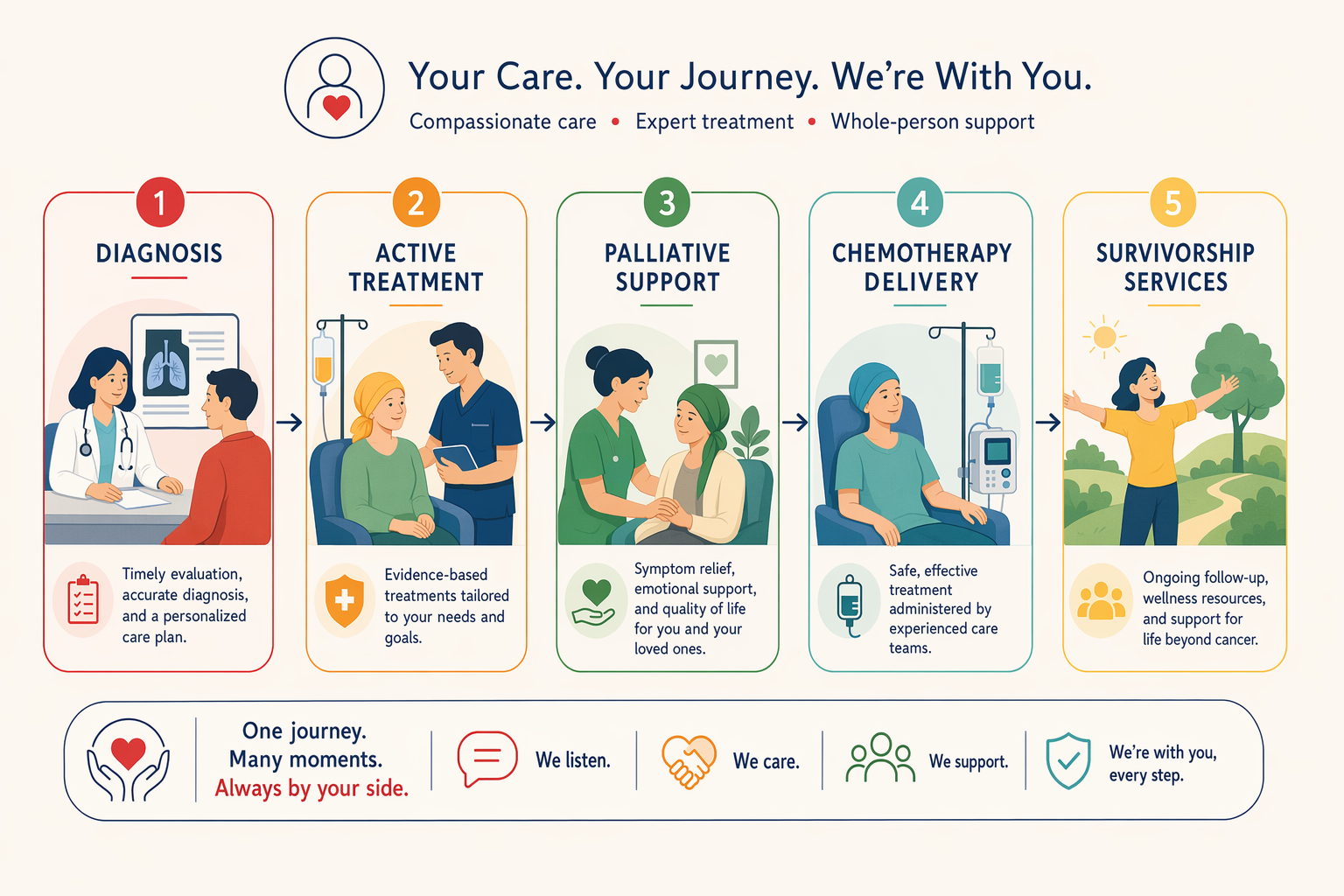
Thorough cancer care extends beyond tumour-directed treatment. Support infrastructure, palliative care, pain management, survivorship programs, and chemotherapy delivery models, directly shapes patient experience, quality of life, and treatment adherence. Evaluating a hospital's supportive services requires asking: are palliative care consultants embedded in oncology teams from diagnosis onward, or reserved for end-stage cases? What chemotherapy delivery setting does the hospital offer, day-care outpatient, inpatient admission, or both? How structured is post-treatment follow-up, and who coordinates long-term survivorship care?
Chemotherapy and Systemic Therapy Delivery
Medical oncology departments deliver systemic therapies, chemotherapy, immunotherapy, targeted therapy, and hormonal agents, through varied models. Day-care chemotherapy centers allow patients to receive treatment and return home the same day, reducing hospital admission costs and enabling patients to maintain daily routines. Amerix Super Speciality Hospital, for example, operates dedicated day-care chemo centers with private treatment bays, patient monitoring equipment, and chemotherapy-trained nursing teams [F2-6, F2-14, F2-15]. Andromeda Cancer Hospital provides a chemo-daycare facility and systemic therapies across neoadjuvant, adjuvant, definitive, maintenance, and palliative settings. Delivery setting matters: outpatient models reduce infection exposure and inpatient resource strain, yet inpatient settings remain necessary for high-toxicity regimens or patients with comorbidities. Chemotherapy drug costs themselves vary widely, older generic agents versus newer biologics, shaping affordability and insurance coverage.
Palliative Care and Pain Management Integration
Palliative care addresses pain, symptom burden, and psychosocial distress, ideally integrated from diagnosis rather than deferred to terminal stages. Early palliative involvement improves quality of life and can influence treatment decisions by clarifying patient preferences. Andromeda Cancer Hospital's Department of Pain and Palliative Care https://www.andromedahospital.in/treatments/pain-and-palliative-care offers pain management and palliative interventions, with services starting from diagnosis. For breast oncology patients, the centre provides pain management and palliative care services alongside multidisciplinary oncologic treatment. Dedicated palliative consultants, distinct from on-call pain medication protocols, enable proactive symptom control, spiritual care coordination, and end-of-life planning when appropriate.
Survivorship and Post-Treatment Support
Cancer survivorship programs address long-term effects, bone health in hormone-suppressed breast cancer patients, cardiac toxicity from anthracyclines, secondary malignancies, and coordinate surveillance imaging. Structured follow-up protocols specify visit intervals and screening modalities; unstructured models leave patients navigating referrals independently. Andromeda Cancer Hospital provides rehabilitation and physiotherapy services, supportive care including psychological support and nutritional guidance, and offers free health talks, screenings, and ongoing support. Evaluating survivorship infrastructure requires asking: who owns the post-treatment care plan, the medical oncologist, a survivorship clinic, or primary care? What disciplines are embedded in follow-up (nutrition, mental health, fertility counseling)? Hospitals with dedicated survivorship navigators reduce fragmentation; those without may discharge survivors to community providers lacking oncology-specific expertise.
Clinical capabilities matter, but practical considerations, location, insurance, scheduling, determine whether you can access that care consistently.
Access, Location, and Practical Considerations
Geographic Coverage Across Delhi NCR
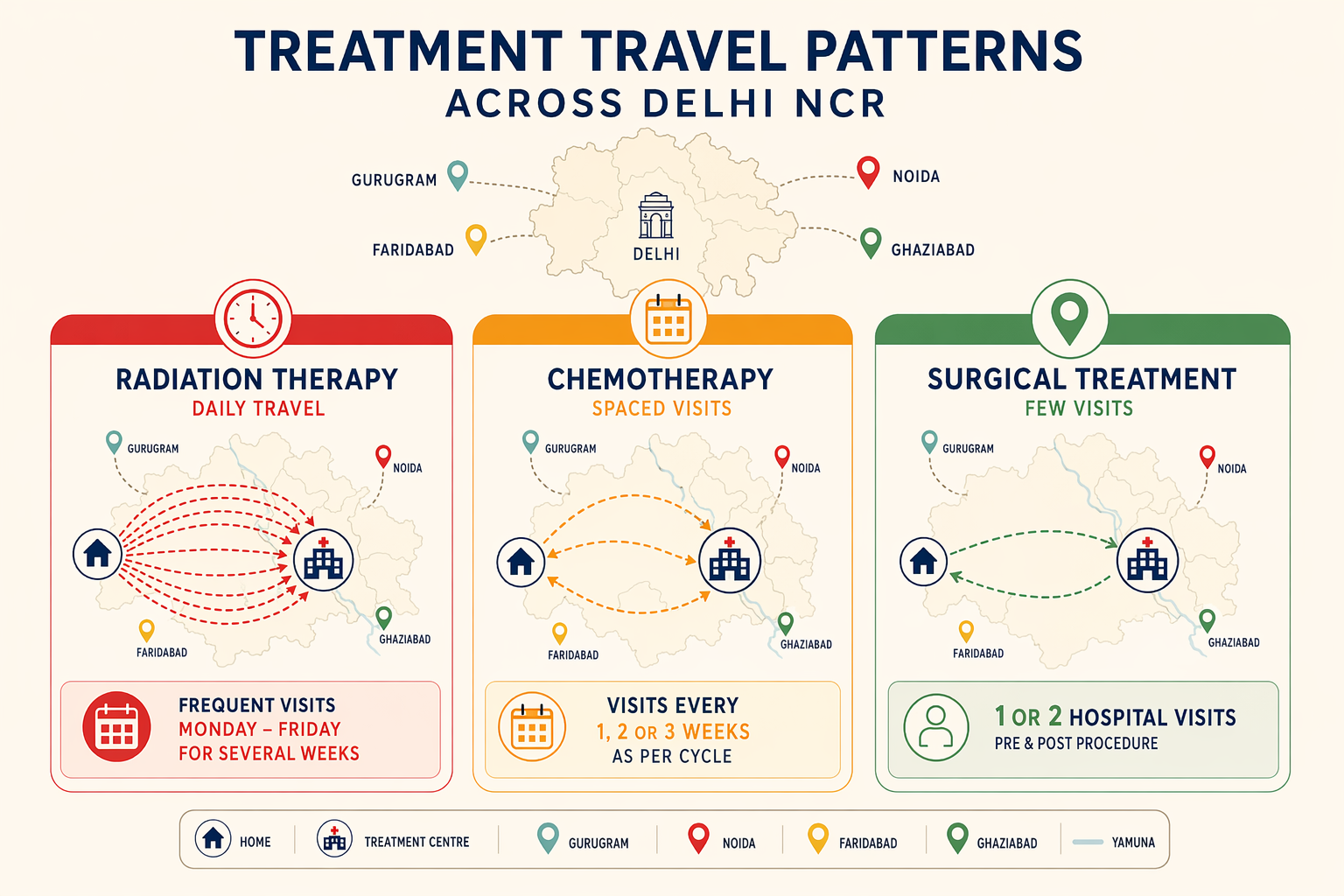
Geographic proximity becomes critical when treatment modality dictates daily hospital visits. Radiation therapy typically requires 25 to 35 consecutive daily sessions over 5 to 7 weeks; a 90-minute commute each way can trigger treatment abandonment. Surgical consultations tolerate longer travel, initial assessment and post-operative follow-up visits number 1 to 2 total, so patients often prioritize surgical expertise over commute distance. Chemotherapy occupies the middle ground: every-two-to-three-week infusions over 4 to 6 months favor regional access but rarely demand same-neighborhood proximity. Andromeda Cancer Hospital is located in NCR very close to the Delhi border, serving patients across Haryana, Delhi NCR, Punjab, and Uttar Pradesh.
Appointment Scheduling and Consultation Models
Initial consultations establish diagnosis and stage the cancer, most hospitals offer same-day or next-day scheduling for new patients presenting imaging or biopsy reports. Second-opinion protocols vary: some centers allow direct specialist consultations without referral letters, while others require prior medical records upload. Andromeda Cancer Hospital provides appointment scheduling via mobile line +91 9138111625. City of Hope's insurance verification process illustrates best practice: preliminary verification and appointment scheduling occur during the same call, with follow-up within 24 hours when further research is needed.
Insurance Acceptance and Affordability
Cancer insurance in India covers diagnosis, treatment, and recovery costs, both cancer-specific and non-cancer-associated expenses. Star Health's Cancer Care Platinum policy includes inpatient hospitalization, pre- and post-hospitalization costs, rehabilitation, pain management, and modern treatments. Cashless treatment options reduce upfront financial burden, verify panel participation before initial consultation. For patients without thorough coverage, charitable cancer hospitals across India provide free or subsidized care: Tata Memorial Hospital (Mumbai, Kolkata), Rajiv Gandhi Cancer Institute (New Delhi), Kidwai Memorial Institute (Bangalore), and Regional Cancer Centre (Trivandrum).
Conclusion
Established multi-campus networks like Apollo, Max, and Fortis offer geographic redundancy across Delhi NCR; newer tertiary care centers like Andromeda Cancer Hospital concentrate multidisciplinary teams and technology under one roof for streamlined coordination. Government charitable hospitals provide subsidized care but may have longer wait times for advanced imaging; private tertiary care institutions offer faster access to PET-CT and molecular testing at higher cost, balance affordability against treatment timeline urgency.
Expect increasing availability of molecular profiling and personalized medicine protocols across Delhi NCR cancer centers as genomic testing costs decline and multidisciplinary tumor boards integrate precision oncology into standard care pathways by 2027.
Schedule a multidisciplinary consultation at https://www.andromedahospital.in/support/contact to review your case with surgical, medical, and radiation oncologists in a coordinated tumor board setting, experience the thorough care model firsthand.
Frequently Asked Questions
What does comprehensive cancer treatment mean in Delhi NCR?
Thorough cancer treatment integrates surgical oncology, medical oncology (chemotherapy and systemic therapies), and radiation oncology under one roof with coordinated multidisciplinary teams. In Delhi NCR, this model means your case is reviewed jointly by surgical, medical, and radiation oncologists through tumor boards before finalizing treatment plans.
How do I verify a hospital's multidisciplinary tumor board claims?
Ask whether the hospital holds weekly tumor boards, which specialties attend (surgical, medical, radiation oncologists, pathologists, radiologists), and whether your case will be presented before treatment starts. Request documentation of tumor board recommendations in your treatment plan. Hospitals organizing dedicated teams across specialties demonstrate operational tumor board structures.
When does PET-CT imaging change cancer treatment decisions?
PET-CT detects metabolic activity in tissues, not just anatomical structure, changing staging in lymphoma, lung cancer, and melanoma cases where standard CT may miss micrometastases. Ask whether the PET-CT facility is on-site or contracted; on-site access typically enables faster treatment planning adjustments.
Should I prioritize hospital reputation or proximity for radiation therapy?
Prioritize proximity when treatment requires frequent visits. Conventional radiation therapy often involves daily treatments, five days a week, for 5-7 weeks, although many cancers can now be treated with shorter schedules. Long travel distances and commute times have been associated with poorer treatment adherence and may increase the risk of treatment interruption or non-completion. Balance reputation against practical access, consistent treatment completion matters more than prestige.
What insurance questions should I ask before starting cancer treatment?
Ask: Is the hospital on your insurance panel for cashless treatment? What is the typical out-of-pocket expense for your cancer type? Does the hospital offer financial counseling? Cancer insurance in India covers diagnosis, treatment, and recovery costs. Verify policy specifics for inpatient hospitalization and outpatient chemotherapy coverage.
How do Indian cancer hospitals compare to international standards?
JCI-accredited Indian cancer centers meet international benchmarks for multidisciplinary care and technology infrastructure at significantly lower cost. Tertiary care facilities in Delhi NCR offer surgical, medical, and radiation oncology integration comparable to Western thorough cancer centers, with tumor board structures aligning to American Cancer Society guidelines.
What is the difference between medical oncology and radiation oncology?
Medical oncology delivers systemic therapy, chemotherapy, immunotherapy, targeted drugs, that travels through the bloodstream to target cancer cells throughout the body. Radiation oncology uses high-energy beams for localized tumor control. Both specialties coordinate through tumor boards to sequence treatment optimally.
Sources
- Choosing a Cancer Center or Hospital | American Cancer Society - www.cancer.org
- Best Cancer Hospital in Delhi NCR, India: Book Oncologist ... - www.maxhealthcare.in
- Top 10 Cancer Hospitals in Delhi: Government and Private - www.careinsurance.com
- High Cost of Cancer Treatment: Chemotherapy & Other Options - www.asbestos.com
- Top Cancer Treatment Hospitals in India (2026 Guide) - www.meitra.com (2026)
- Insurance Plans & Payment Options for Cancer Treatment - cancercenter.com
- Health Insurance for Cancer Patients in India - starhealth.in
- Top 5 Charitable Cancer Hospitals in India - vshospitals.com