
Autophagy — the cellular recycling system that breaks down damaged components — plays a paradoxical role in cancer, acting as both tumor suppressor and survival mechanism depending on disease stage.
Current therapies targeting autophagy range from FDA-approved mTOR inhibitors to investigational chloroquine combinations, with leading institutions advancing precision oncology approaches that integrate autophagy insights into multimodal treatment plans.
Key Takeaways
- Autophagy functions as a tumor suppressor in healthy cells by clearing damaged mitochondria and toxic protein aggregates, but switches to a survival mechanism once tumors establish, enabling chemotherapy resistance
- Chloroquine and hydroxychloroquine are in Phase I/II trials for pancreatic, lung, and brain cancers, while mTOR inhibitors like everolimus are FDA-approved for renal cell carcinoma and neuroendocrine tumors
- Memorial Sloan Kettering, MD Anderson, UC San Diego Moores Cancer Center, and Dana-Farber lead institutional autophagy research through precision cellular therapy labs and NCI-designated programs
- Evidence shows autophagy-targeted therapies improve progression-free survival when combined with standard chemotherapy, not as standalone cures — recovery narratives reflect multimodal treatment benefits
- Biomarkers like LC3 and p62 measure autophagy activity in research settings, with molecular profiling and AI-assisted imaging advancing toward routine clinical monitoring
What Is Autophagy? The Cell's Recycling System
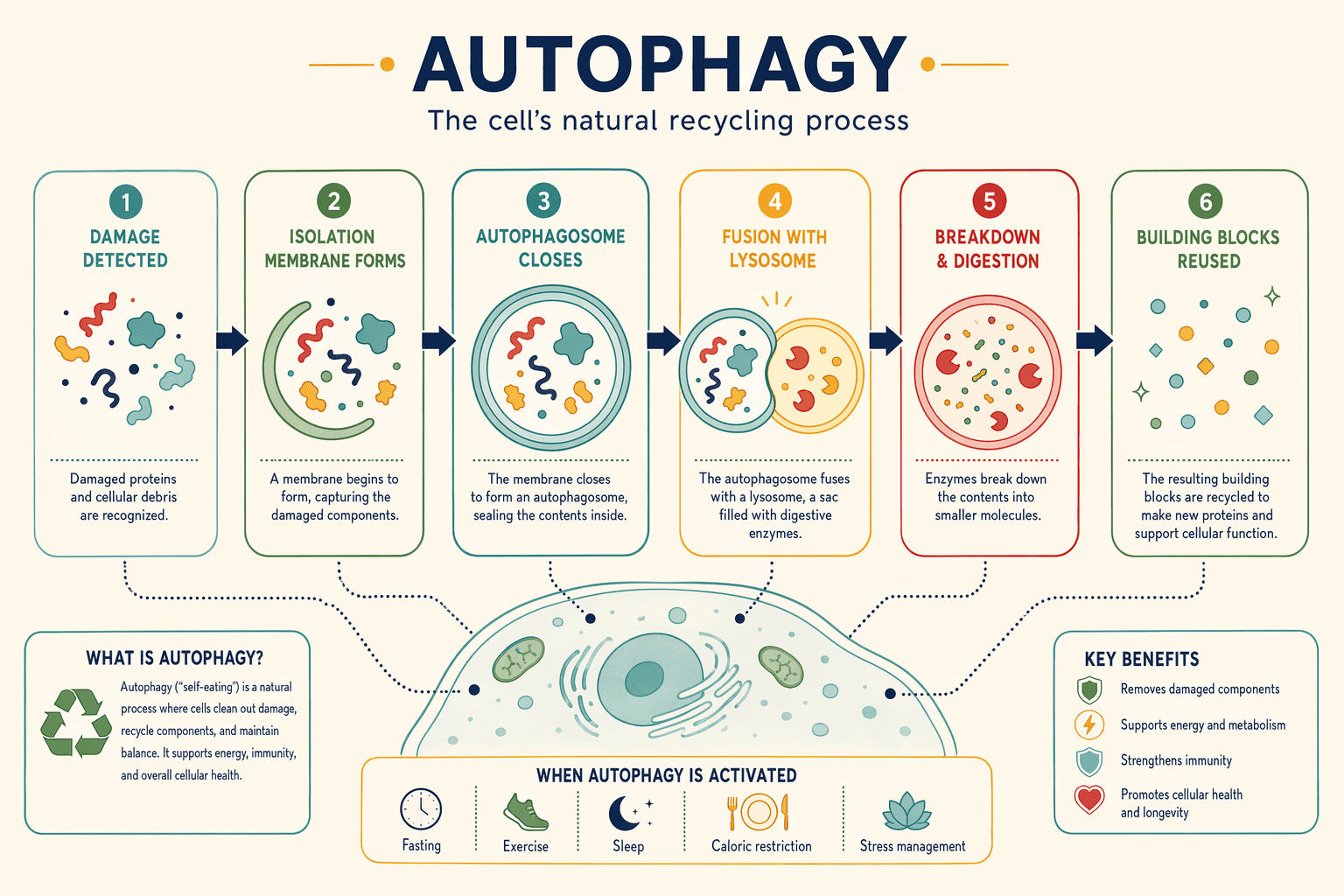
Autophagy is the cell's built-in recycling system — a process that packages damaged proteins and worn-out cellular components for breakdown and reuse. Think of lysosomes, the cell's waste disposal units, as the final processing station where these materials are degraded and their building blocks recycled. This cleanup mechanism operates continuously but ramps up dramatically when cells face starvation or stress.
How Autophagy Works at the Cellular Level
When a cell detects damaged organelles or misfolded proteins, specialized membranes wrap around the debris, forming sealed compartments that fuse with lysosomes. Inside lysosomes, enzymes break down the cargo into amino acids and other molecules the cell can reuse to build new proteins or generate energy. This degradation and recycling pathway keeps cells healthy under normal conditions.
Why Cells Need Autophagy to Survive Stress
Autophagy becomes key when cells confront energy shortages, oxygen deprivation, or toxic damage. Tumor cells located in the oxygen-poor, nutrient-starved core of a solid mass rely on autophagy to survive these harsh conditions. The recycling process provides emergency fuel and clears damaged components that would otherwise trigger cell death, explaining why autophagy can protect both healthy cells and cancer cells under stress.
Understanding autophagy's mechanics is key context for its dual role in cancer biology — a role that shifts dramatically between cancer prevention and treatment resistance.
The Autophagy Paradox: Friend or Foe in Cancer?
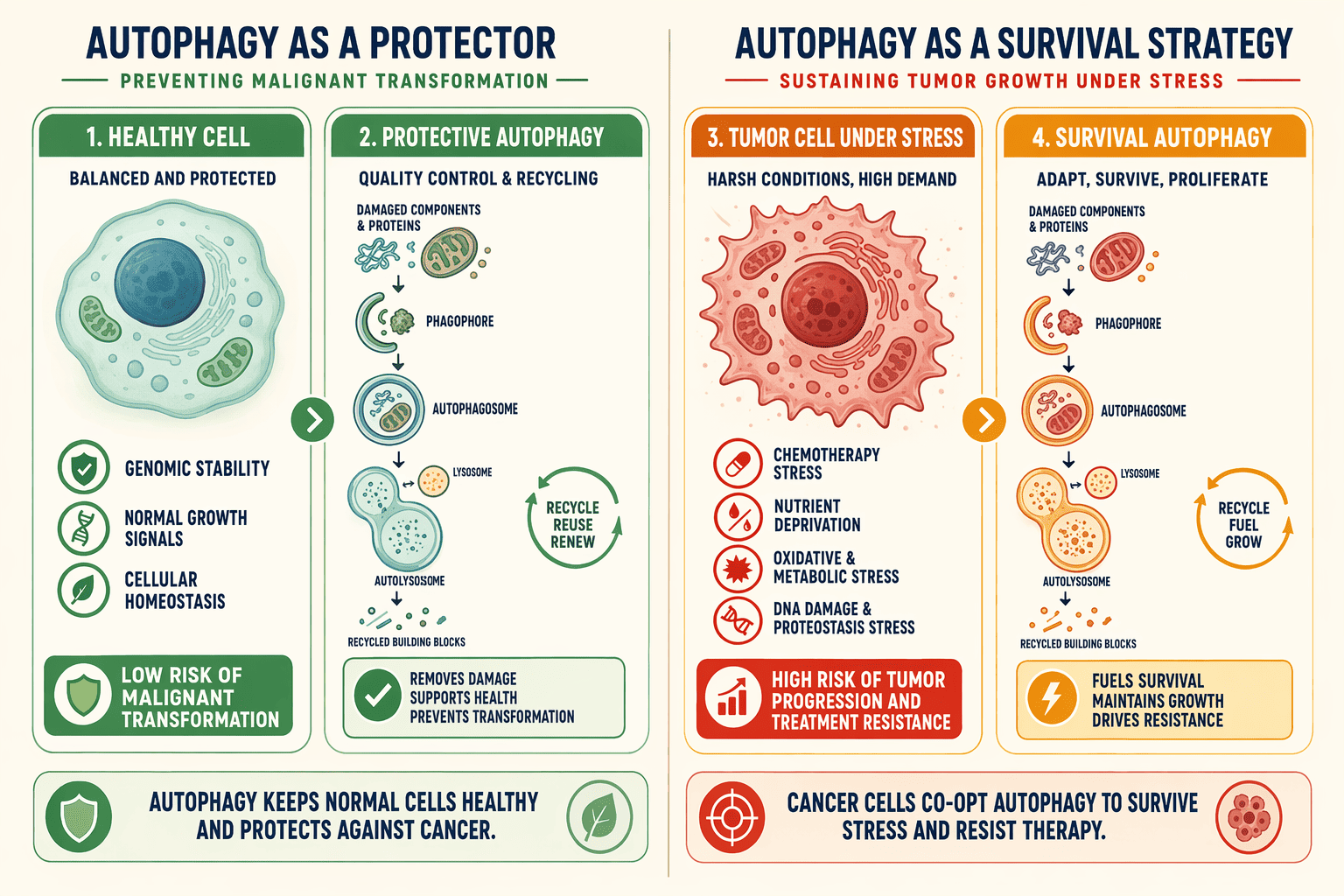
Autophagy in cancer is a double-edged sword. It protects cells from malignant transformation in healthy tissue, yet once tumors form, it helps them thrive under treatment stress. This paradox sits at the center of modern oncology research: the same cellular recycling process that prevents cancer early becomes a survival tool for established tumors enduring chemotherapy, radiation, or metabolic deprivation. By targeting autophagy in the right place at the right time, researchers aim to suppress tumor growth without undermining the body's natural defense against malignant transformation.
Why Autophagy Prevents Cancer in Healthy Cells
In early cancer development, autophagy acts as the cell's quality control system, removing damaged organelles, toxic protein aggregates, and harmful metabolic byproducts to suppress tumor initiation. Autophagy clears damaged mitochondria, reducing reactive oxygen species and oxidative stress that can cause DNA damage and cellular dysfunction. It also supports metabolic balance by decreasing the reliance on aerobic glycolysis, a process that otherwise promotes rapid, unregulated cell division. This homeostatic degradation process prevents the accumulation of damaged proteins and organelles that would otherwise trigger oncogenic signaling pathways, making autophagy a front-line tumor suppressor in healthy tissue.
How Established Tumors Hijack Autophagy for Survival
Once a tumor is established, the autophagy machinery shifts from suppressor to enabler. Tumor cells activate autophagy in response to cellular stress including hypoxia and increased metabolic demands related to rapid cell proliferation. Autophagy-related stress tolerance can enable cell survival by recycling damaged cellular components into nutrients and energy, allowing cancer cells to endure chemotherapy-induced metabolic stress, radiation damage, and nutrient scarcity within the tumor microenvironment. This survival mechanism can promote the growth of established tumors and contribute to therapeutic resistance, when autophagy sustains energy production under treatment, inhibiting autophagy can restore chemosensitivity and enhance tumor cell death.
The Clinical Transition Point
The paradox creates a clinical crossroads: autophagy inhibition is pursued when tumors are established and undergoing treatment, while autophagy stimulation may benefit early prevention. Recognizing autophagy's significance in cancer has always been challenging due to its tumor-promoting and suppressive attributes. Treatment teams now assess whether a patient's tumor biology might benefit from autophagy-targeting adjuncts by evaluating tumor stage, treatment history, and molecular profiling data. Institutions advancing precision oncology, including centers like Andromeda Cancer Hospital offering molecular profiling capabilities, use biomarker panels and genetic testing to identify patients whose cancers may respond to autophagy inhibitors such as hydroxychloroquine combined with chemotherapy, or conversely, whose early-stage disease profiles suggest benefit from autophagy-enhancing lifestyle or pharmacologic interventions. This is not a universal strategy; not every patient requires autophagy modulators, and treatment selection depends on tumor biology, stage, and individual metabolic context.
The tumor-suppressing side of autophagy emerges most clearly in cancer prevention research, where cellular housekeeping prevents malignant transformation before it starts.
Autophagy as a Tumor Suppressor (Early Prevention)
Autophagy Removes Pre-Cancerous Damage
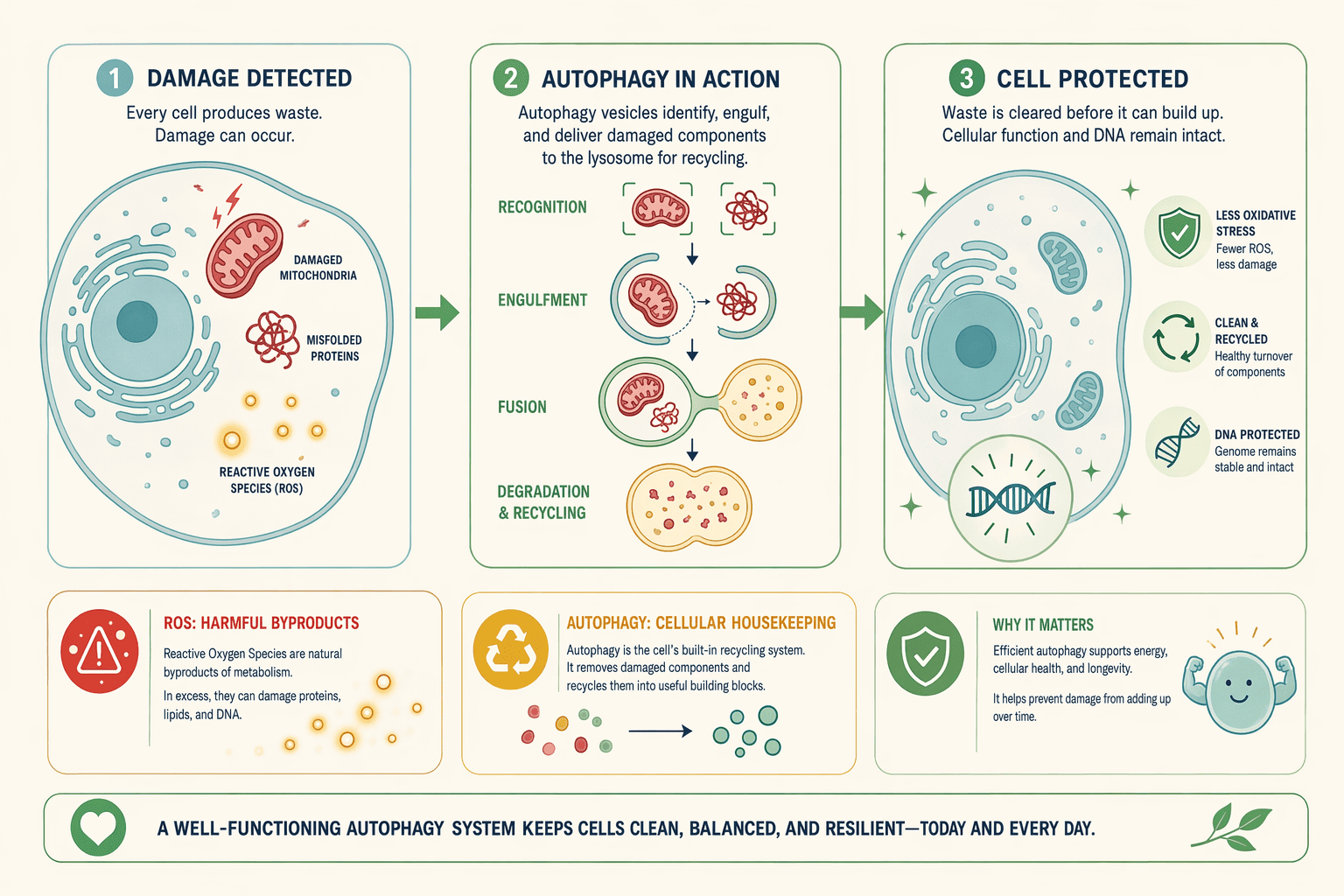
In healthy cells, autophagy functions as a housekeeping mechanism that clears damaged mitochondria, organelles that otherwise generate reactive oxygen species capable of triggering DNA mutations and oncogenic signaling. By degrading misfolded proteins and fragmented organelles before they accumulate, autophagy prevents the molecular damage that can initiate malignant transformation.
Caloric Restriction and Autophagy Stimulation
Intermittent fasting and caloric restriction upregulate autophagy through mTOR pathway modulation. Early research explores fasting-mimetic drugs and mTOR inhibitors as preventive strategies, though these approaches remain investigational, no intervention guarantees cancer prevention, and outcomes vary widely by individual biology and exposure history.
Once a tumor establishes, autophagy's protective function reverses, the same recycling pathway that prevented cancer now helps it survive therapeutic assault.
Autophagy as a Tumor Survival Mechanism (Treatment Resistance)
Tumors Upregulate Autophagy Under Treatment Stress
When chemotherapy or radiation damages tumor cells, the malignancy responds by upregulating autophagy, the cellular recycling pathway that degrades long-lived, damaged proteins and organelles and later recycles them for cellular use. Normal cells rely on this process to combat stressors and ensure survival, but cancer cells exploit the same mechanism to promote a more aggressive phenotype. By sustaining ATP production and clearing damaged components induced by treatment, autophagy allows mutated cells to evade death after therapeutic exposure.
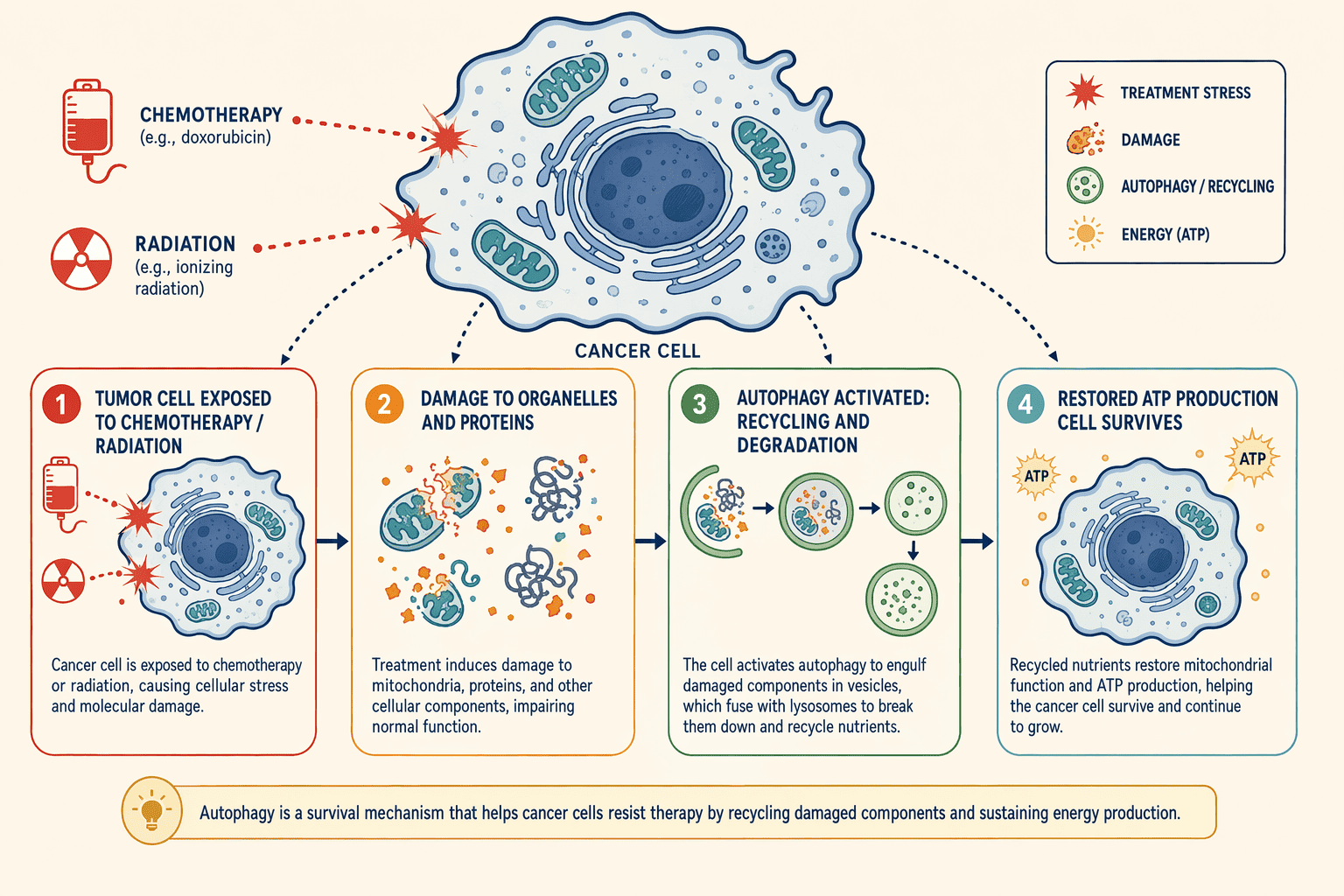
This survival adaptation has emerged as a significant factor in therapeutic resistance across many cancer types. Autophagy inhibitors are explored in combination with chemotherapy, not as monotherapy, because blocking autophagy alone does not kill tumors, it removes the protective shield that allows cancer cells to endure standard treatment.
Autophagy-Mediated Chemotherapy Resistance
Clinical evidence documents autophagy-driven resistance most prominently in pancreatic cancer, lung cancer, and glioblastoma. These malignancies sustain themselves in nutrient-deprived, treatment-damaged microenvironments by recycling cellular materials at elevated rates. The heightened autophagy flux in these tumors correlates with poor response to chemotherapy and shorter progression-free survival.
Research efforts now focus on identifying selective autophagy inhibitors that can synergize with existing chemotherapy regimens. The goal is not to replace standard treatment but to remove the survival advantage that autophagy confers, closing the escape route cancer cells use to endure therapy.
Recognizing autophagy's dual nature has driven development of therapies that either block or stimulate the pathway, depending on cancer type and treatment context.
Therapies That Target Autophagy Today
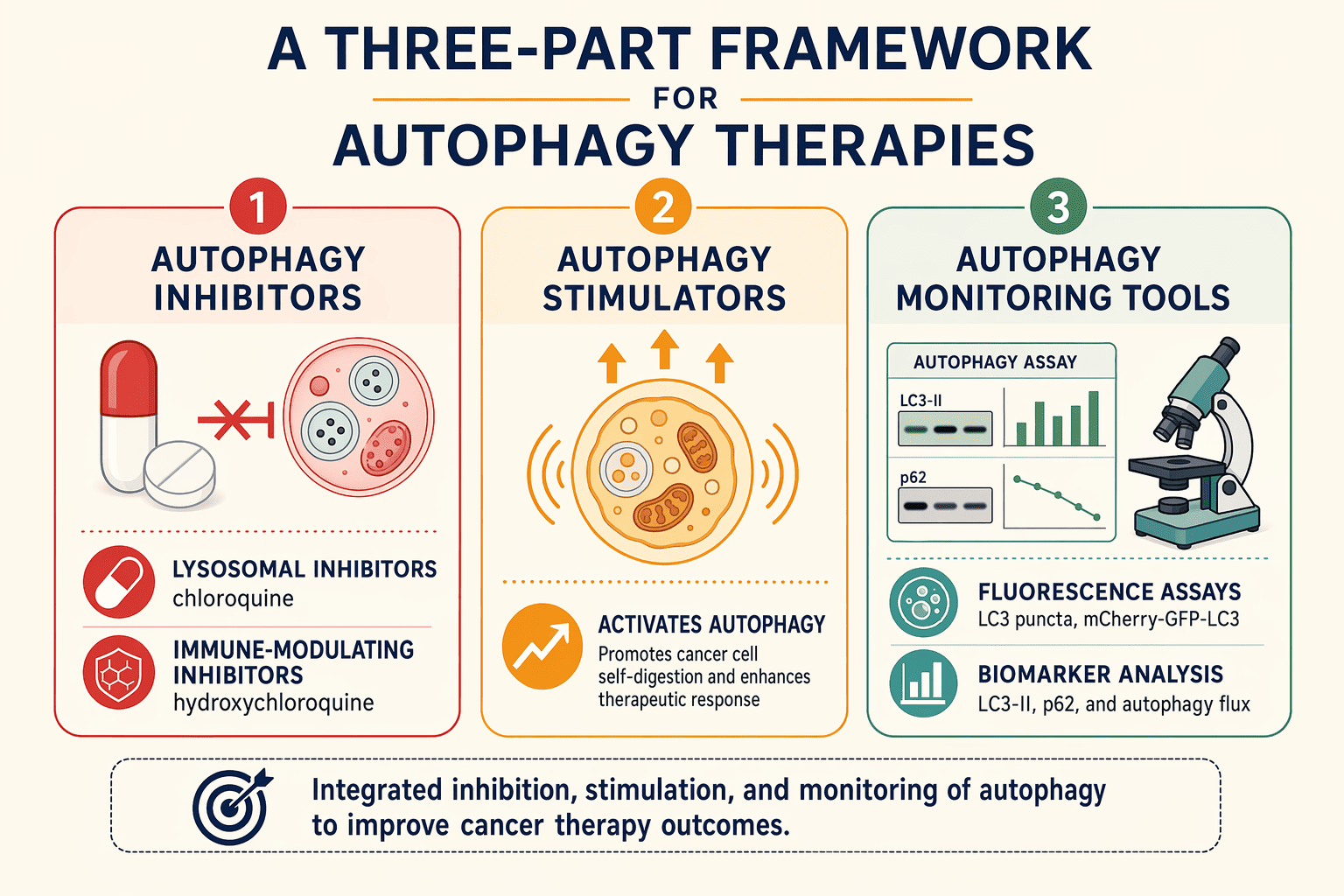
Several therapies manipulating autophagy are already in clinical use or advanced trials, offering patients new options alongside conventional cancer treatment. These approaches fall into three categories: inhibitors that block cancer cells from using autophagy to survive chemotherapy, stimulators that force tumor cells into self-destruction, and monitoring tools that help clinicians track autophagy activity during treatment.
1. Autophagy Inhibitors in Clinical Trials
Chloroquine and hydroxychloroquine, originally antimalarial drugs, are now being tested in combination with chemotherapy for pancreatic, lung, and brain cancers. These agents work by blocking the final step of autophagy, preventing cancer cells from recycling cellular components to fuel survival under chemotherapy stress. Most trials remain in Phase I or Phase II, evaluating optimal dosing and combination protocols. For example, chloroquine combined with gemcitabine for pancreatic cancer and hydroxychloroquine with temozolomide for glioblastoma are being studied to determine whether autophagy inhibition can improve response rates and delay recurrence. Treatment selection depends on tumor biology, stage, and molecular profile, autophagy inhibitors are adjunct options within multidisciplinary protocols, not universal standards.
2. Autophagy Stimulators: Mtor Inhibitors
Everolimus and temsirolimus, FDA-approved mTOR inhibitors, force autophagy activation in cancer cells, triggering controlled self-digestion. These drugs are currently approved for renal cell carcinoma and neuroendocrine tumors, where autophagy induction complements other systemic therapies. By inhibiting the mTOR pathway, which normally suppresses autophagy, these agents push tumor cells into a survival mechanism that ultimately weakens them. Medical oncology teams integrate mTOR inhibitors into combination protocols tailored to each patient's cancer type and treatment history.
3. Monitoring Autophagy Activity During Treatment
Biomarkers such as LC3 and p62 are used in research settings to measure autophagy levels in tumor samples, but they are not yet routine clinical tools. Advanced technologies, molecular tumor profiling, biomarker testing, and AI-assisted imaging analysis, are helping doctors better understand tumor behavior and personalize treatment strategies. Andromeda Cancer Hospital is establishing an in-house molecular diagnostics facility to reduce turnaround time and enable same-week tumor board review for complex cases, and the hospital ensures access to high-quality testing through partnerships with accredited laboratories. As imaging advances and biomarker panels mature, monitoring autophagy activity during therapy may soon move from research protocols into standard clinical practice.
Translating autophagy science into clinical practice requires institutional infrastructure, laboratories equipped for molecular profiling, biomarker analysis, and precision trial design.
Institutions Leading Autophagy-Focused Cancer Research
MD Anderson Cancer Center and Memorial Sloan Kettering
Memorial Sloan Kettering's Precision Cellular Therapy Laboratory is dedicated to advancing the understanding and effectiveness of cellular therapies, focusing on resistance and toxicity mechanisms in CAR-T cell therapy and hematopoietic cell transplantation. By integrating multiomic approaches and novel computational techniques, the laboratory aims to identify biological drivers of disease resistance and adverse outcomes, translating these insights into more precise and safer therapeutic strategies.
Dana-Farber and UC San Diego Moores Cancer Center
Established in 1978, UC San Diego Moores Cancer Center is San Diego's only NCI-Designated Thorough Cancer Center, offering more than 300 interventional treatment trials. Nearly all patients undergo advanced genomic sequencing and clinical-grade liquid biopsies so that treatment decisions can be made in conjunction with a specialized Molecular Tumor Board. The Precision Immunotherapy Clinic delivers highly personalized therapies based on DNA, immune cell profiling, and the molecular characteristics of each tumor, providing eligible patients with access to early-stage clinical trials developed by UC San Diego's scientists.
Andromeda Cancer Hospital's Molecular Profiling Approach
Andromeda Cancer Hospital offers advanced cancer care backed by PET-CT imaging, thorough diagnostic services, precision radiation therapy, surgical oncology, chemotherapy, targeted therapy, and immunotherapy. Advanced technologies such as molecular tumor profiling, biomarker testing, functional MRI, AI-assisted imaging analysis, and PET-CT imaging help doctors better understand tumor behavior, plan safer surgeries, and personalize treatment strategies. As one option among several precision oncology centers leveraging autophagy insights, Andromeda Cancer Hospital coordinates PET-CT, MRI, and IHC testing under one roof, enabling same-week multidisciplinary tumor board review.
Tumor board consultations and molecular profiling do not guarantee optimal outcomes; treatment success depends on cancer stage, type, and biology.
With therapies advancing through trials and institutions building capacity, patients and families increasingly ask what autophagy-targeted treatments actually deliver in terms of measurable outcomes.
Successful Recoveries: What the Evidence Actually Shows
Recovery Context: Autophagy-Targeting as Adjunct Therapy
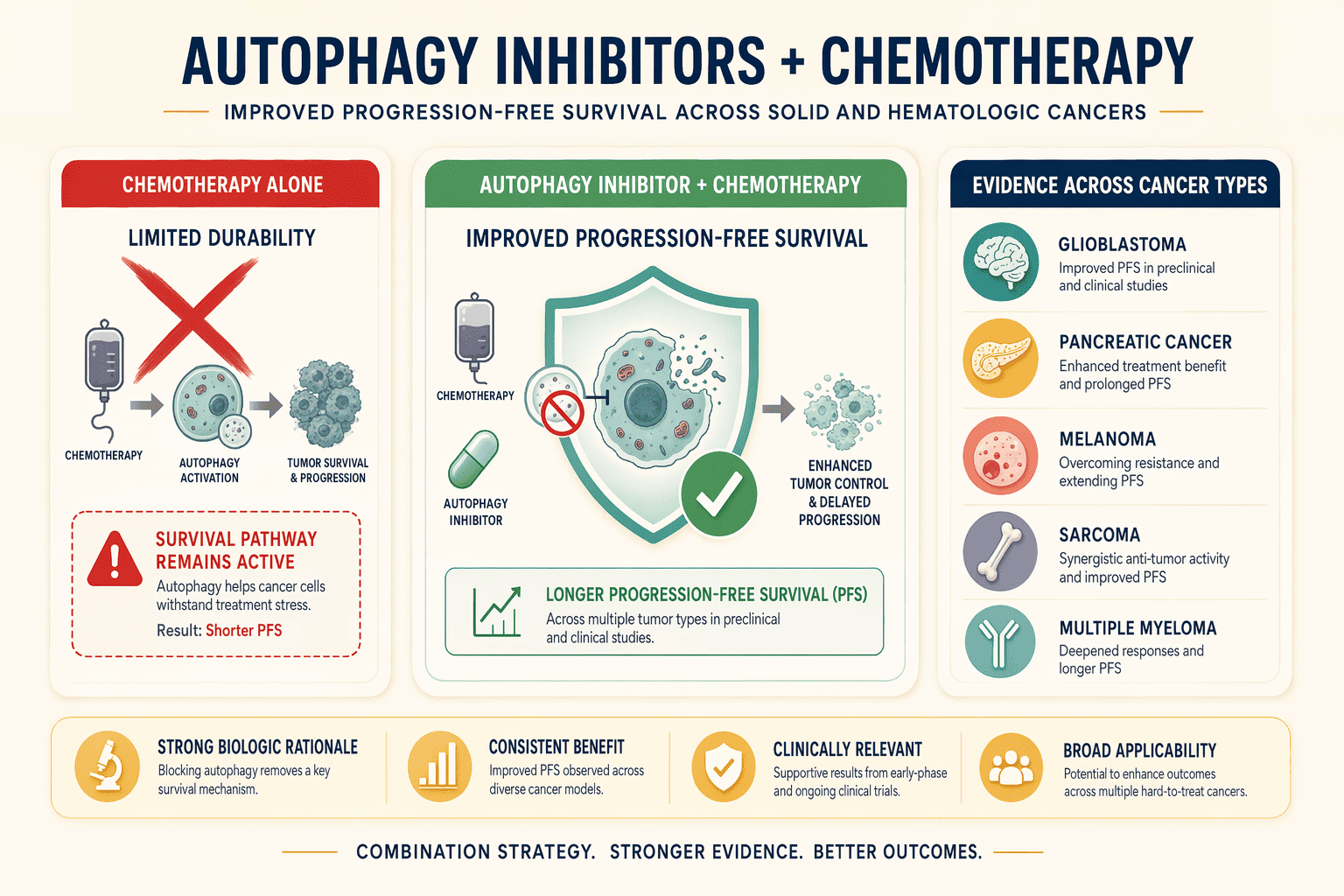
When patients ask whether autophagy-targeted therapies lead to successful recoveries, the evidence-based answer is nuanced: autophagy inhibitors improve progression-free survival when combined with standard chemotherapy in clinical trials, not as monotherapy cures. Early trials have demonstrated feasibility and potential benefit in glioblastoma, pancreatic cancer, melanoma, sarcoma, and multiple myeloma, but autophagy inhibition works as an adjunct that sensitizes tumors to existing treatments, not a standalone solution.
What 'Successful' Means in Clinical Trials
In clinical autophagy research, 'successful' outcome measures focus on progression-free survival and response rate, how long a patient lives without disease progression and what percentage of tumors shrink, rather than outright cure rates. Autophagy can be targeted for both stimulation and inhibition; in cancer contexts, inhibition downstream of lysosomal fusion shows promise when layered into combination protocols.
Case Context: Multimodal Treatment Plans
High-profile recovery narratives sometimes credit autophagy alone, actor Sonali Bendre, diagnosed with stage 4 metastatic cancer in 2018, credited autophagy for aiding her recovery, but oncologists emphasize that autophagy cannot kill cancer cells. Real-world recoveries integrate surgery, chemotherapy, radiation, targeted therapy, and autophagy-modulating adjuncts. Andromeda Cancer Hospital's twice-weekly multidisciplinary tumor board evaluates every newly diagnosed patient to ensure treatment plans reflect the full evidence base, not single-component claims.
Conclusion: Autophagy in Cancer Care Today
Autophagy inhibitors like chloroquine and hydroxychloroquine are in Phase I/II trials and show improved progression-free survival in combination with chemotherapy for pancreatic, lung, and brain cancers, but they are not yet FDA-approved as cancer therapies and require careful patient selection based on tumor biology and molecular profiling. In contrast, mTOR inhibitors such as everolimus and temsirolimus are FDA-approved for renal cell carcinoma and neuroendocrine tumors and offer proven autophagy modulation, but they target a narrower cancer-type range compared to the broader investigational promise of autophagy inhibitors.
The transition from pre-clinical autophagy research to FDA-approved therapies remains a frontier challenge, advances in real-time autophagy biomarker monitoring (LC3, p62, AI-assisted imaging) and patient stratification through molecular profiling will determine which cancer types and treatment contexts benefit most from autophagy-targeted adjuncts over the next decade.
Explore how Andromeda Cancer Hospital's molecular profiling and targeted therapy programs integrate autophagy insights into personalized multimodal cancer care plans, schedule a consultation to learn if autophagy-targeting adjuncts might benefit your treatment strategy.
Frequently Asked Questions
Is autophagy good or bad for cancer patients?
Autophagy is a double-edged sword, it protects healthy cells from malignant transformation by clearing damaged organelles and toxic metabolites, functioning as a tumor suppressor. However, once tumors establish, autophagy helps cancer cells survive chemotherapy and radiation by recycling damaged components for energy, enabling treatment resistance.
Which cancer types benefit most from autophagy inhibition?
Pancreatic, lung, and glioblastoma cancers show the most documented autophagy-driven chemotherapy resistance. Chloroquine and hydroxychloroquine are being tested in combination with chemotherapy for these cancer types, targeting the final step of autophagy to prevent cancer cells from recycling cellular components under treatment stress.
Are autophagy inhibitors like chloroquine FDA-approved for cancer treatment?
No, chloroquine and hydroxychloroquine are in Phase I/II clinical trials combined with chemotherapy for pancreatic, lung, and brain cancers, not yet FDA-approved as cancer therapies. They work by blocking the final step of autophagy but require further evidence to establish efficacy and safety profiles for regulatory approval.
Can fasting or caloric restriction prevent cancer through autophagy?
Early research suggests intermittent fasting and caloric restriction upregulate autophagy through mTOR pathway modulation, which may help prevent cancer by clearing damaged cellular components. However, this remains an investigational preventive strategy, no intervention guarantees cancer prevention, and outcomes depend on genetics, lifestyle, and environmental factors.
How do doctors monitor autophagy activity during cancer treatment?
Biomarkers like LC3 and p62 measure autophagy levels in tumor samples in research settings but are not yet routine clinical tools. Advanced technologies, molecular tumor profiling, biomarker testing, and AI-assisted imaging analysis, are helping doctors better understand autophagy dynamics and identify patients who may benefit from targeted therapies.
Which institutions are leading autophagy-focused cancer research?
Memorial Sloan Kettering's Precision Cellular Therapy Laboratory, UC San Diego Moores Cancer Center, MD Anderson, and Dana-Farber lead institutional autophagy research. UC San Diego Moores offers over 300 interventional treatment trials, while institutions like Andromeda Cancer Hospital advance molecular profiling as part of the precision oncology landscape.
Are there documented successful cancer recoveries from autophagy-targeted therapy?
Autophagy inhibitors improve progression-free survival when combined with standard chemotherapy in clinical trials, not as monotherapy cures. Successful outcomes reflect adjunct benefits in multimodal treatment plans, surgery, chemotherapy, radiation, and targeted therapy, rather than standalone autophagy interventions, requiring realistic expectations about what these therapies deliver.
Sources
- The role of autophagy in cancer development and response to therapy - www.nature.com (2005)
- Autophagy and autophagy-related pathways in cancer - www.nature.com (2023)
- Autophagy and cancer: friends or foes? | Drug Discovery News - www.drugdiscoverynews.com
- The Role of Autophagy in Cancer: Therapeutic Implications - pmc.ncbi.nlm.nih.gov
- Recent developments in autophagy-targeted therapies in cancer - pmc.ncbi.nlm.nih.gov
- Autophagy and intermittent fasting: the connection for cancer therapy? - pmc.ncbi.nlm.nih.gov
- Intermittent fasting enhances cancer therapy via autophagy-dependent and independent mechanisms - www.wjgnet.com (2026)
- Inhibition of autophagy; an opportunity for the treatment of cancer resistance - www.frontiersin.org (2023)
- Autophagy Agents in Clinical Trials for Cancer Therapy: A Brief Review - pmc.ncbi.nlm.nih.gov (2022)
- Autophagy Agents in Clinical Trials for Cancer Therapy: A Brief Review - pubmed.ncbi.nlm.nih.gov (2022)
- The Precision Cellular Therapy Laboratory | Memorial Sloan Kettering Cancer Center - www.mskcc.org
- Moores Comprehensive Cancer Center - NCI - www.cancer.gov
- Precision Immunotherapy Clinic | Moores Cancer Center | UC San Diego Health - health.ucsd.edu
- Targeting autophagy in cancer - www.nature.com (2017)
- Sonali Bendre says autophagy helped her cancer recovery. Doctors disagree - www.business-standard.com (2025)